What is Geo in SEO: Understanding Location-Based Search Optimization
When you search for “coffee shop near me” or “plumber Orchard Road,” you’re experiencing geo-targeting in action. In SEO terms, geo refers to geographic optimization—a strategy that targets location-specific searches to improve local business visibility. Unlike traditional SEO that casts a wide net across global audiences, geo-targeting zeroes in on customers within specific geographic boundaries, making it particularly powerful for businesses serving local markets.
The distinction matters more than you might think. Traditional SEO optimizes for broad keywords like “best coffee” or “plumbing services,” competing against thousands of businesses worldwide. Geo-targeting shifts the focus to “best coffee Tanjong Pagar” or “emergency plumber Bukit Timah,” dramatically reducing competition while attracting customers who are ready to visit or purchase. This digital strategy boosts business visibility in location-based searches, transforming how local businesses connect with nearby customers.
Why Location Signals Drive Singapore’s Search Landscape
Singapore’s compact geography creates unique search behavior. When your entire market fits within a 730-square-kilometer island, proximity becomes the deciding factor. A customer in Tampines won’t travel to Jurong for a haircut when three salons operate within walking distance. This density makes location signals—the data points that tell search engines where your business operates and who it serves—critical for visibility.
Google processes these signals through multiple channels. Your Google Business Profile broadcasts your physical address, service areas, and operating hours. Website content incorporating neighborhood names and district-specific keywords reinforces local relevance. Customer reviews mentioning specific locations add authenticity. Even your website’s hosting location and local backlinks contribute to geographic authority.
Geographic optimization prioritizes these local signals, particularly through Google Business Profile optimization and geo-specific keywords, to improve rankings in map packs—those coveted three business listings that appear above organic search results. In 2025, securing one of these three positions in Singapore’s map pack can determine whether a local business thrives or remains invisible to nearby customers actively searching for their services.
From Basic Local SEO to AI-Powered Geographic Optimization
The evolution of geo-targeting reflects broader shifts in search technology. Five years ago, claiming your Google Business Profile and adding your city name to title tags constituted “advanced” local SEO. Today, that’s baseline hygiene. The competitive landscape demands more sophisticated approaches, especially as AI-powered search platforms reshape how people discover local businesses.
Generative Engine Optimization (GEO) represents the next frontier. When someone asks ChatGPT or Google’s AI Overview “Where should I get dim sum in Chinatown?”, these AI engines synthesize information from multiple sources to generate recommendations. They don’t just match keywords—they understand context, evaluate reputation signals, and prioritize businesses with comprehensive, authoritative local presence.
This shift requires rethinking geographic optimization entirely. You’re no longer just optimizing for algorithm rankings; you’re positioning your business as the authoritative answer AI engines should cite when users ask location-specific questions. That means building structured data that AI can easily parse, maintaining consistent information across platforms, and creating content that demonstrates genuine local expertise rather than keyword-stuffed pages.
For businesses exploring these strategic differences, understanding how geo and SEO strategies diverge in 2026 provides essential context for making informed optimization decisions.
The foundation of effective geo-targeting starts with understanding these core principles. But implementation requires specific tactics tailored to Singapore’s unique market dynamics and evolving search technologies—strategies that transform geographic signals into measurable business growth.
How Geo Fits into Your Overall SEO Strategy
Understanding where geo-targeting fits within your broader SEO framework helps you allocate resources effectively and measure what matters. Think of geo as a specialized layer that enhances your foundational SEO work rather than replacing it.
The Geo-SEO Integration Model
Geo-targeting intersects with all three traditional SEO pillars in distinct ways. For technical optimization, you’re adding structured data markup for local business information, ensuring mobile responsiveness for on-the-go searches, and optimizing page speed for users searching from specific locations. Your content strategy expands to include location-specific landing pages, locally relevant blog topics, and geo-modified keywords that match how people actually search in your area. Link building shifts toward acquiring citations from local directories, earning mentions from regional news outlets, and building relationships with nearby businesses for reciprocal linking opportunities.
The difference between generic SEO and geo-optimized SEO shows up in how you prioritize these elements. While a national brand might focus heavily on domain authority and broad keyword rankings, a Singapore-based business needs strategic local optimization approaches that emphasize proximity signals and neighborhood-level relevance.
Google Business Profile as Your Local Foundation
Geographic optimization prioritizes these local signals of any effective geo strategy. This free tool controls how you appear in map packs—those three business listings that show up above organic results for local searches. When someone searches “coffee shop near Raffles Place,” Google pulls from Business Profiles to populate those coveted spots.
PapercutsG Local SEO Optimization demonstrates this integration by treating Google Business Profile as the hub of their clients’ local presence. They optimize business descriptions with naturally integrated geo-keywords, maintain consistent NAP (name, address, phone) information across all platforms, and actively manage customer reviews to build trust signals. Their approach connects Business Profile optimization with content marketing by creating blog posts that answer common customer questions, then linking those resources directly in the profile’s posts section.
The profile itself becomes a content distribution channel. Regular posts about promotions, events, or new services keep the listing active and give Google fresh signals about your business relevance. Photos of your actual location, products, and team add visual proof that you’re a legitimate local operation rather than a virtual entity.
Measuring Geo Performance That Matters
Track geo performance through visibility in map packs, local search rankings, store visits, and review growth using tools like Google Analytics. These metrics tell a different story than traditional organic rankings because they measure local intent and proximity-based visibility.
Map pack visibility shows how often you appear in those top three local results. You might rank #1 organically for “Singapore accounting services” but not appear in the map pack for “accountant near me”—two very different outcomes with distinct traffic implications. Local rankings track your position for geo-modified keywords across different neighborhoods or districts within your service area.
Store visit tracking connects online visibility to offline behavior. Google Analytics can attribute in-store visits to specific search campaigns when users have location services enabled, giving you a closed-loop view of how local SEO drives foot traffic. Review growth velocity—how quickly you’re accumulating new reviews compared to competitors—signals to Google that you’re actively serving customers and maintaining quality.

The Geo-Targeting Tools Ecosystem
This digital strategy boosts business visibility in location-based searches to create a comprehensive local presence. Google Business Profile remains the non-negotiable starting point, but you’ll need additional tools to execute effectively.
Local keyword research platforms like BrightLocal or Whitespark help you identify geo-modified search terms that your competitors might be missing. These tools show search volume for hyper-local queries like “plumber in Toa Payoh” or “yoga studio Tiong Bahru” that broader keyword tools often overlook.
Analytics platforms need geo-filtering capabilities to segment performance by location. Google Search Console lets you filter impressions and clicks by country, while more advanced tools like SEMrush or Ahrefs provide city-level data for tracking local ranking fluctuations.
The integration point matters more than the individual tools. Your Google Business Profile should link to location-specific landing pages on your website. Those pages should target the geo-keywords you’ve researched. Your analytics should track how map pack visibility correlates with website traffic and conversions. When these systems work together, you create a measurable geo-targeting framework that complements your broader SEO strategy rather than operating in isolation.
Singapore-Specific Geo Tactics: Hyperlocal Optimization for Urban Markets
Understanding how geo-targeting works in theory is one thing—implementing it in Singapore’s hyper-competitive urban landscape is another. The city-state’s compact geography and high internet penetration create a unique challenge: you’re not just competing citywide, you’re battling for visibility at the neighborhood level.
Why District-Level Targeting Matters in Singapore
When you search for “best laksa Singapore,” you’re competing against thousands of results. But search for “best laksa in Orchard Road”, and you’ve narrowed the field dramatically. This hyperlocal approach works because Singapore’s districts have distinct identities and search behaviors. Someone in Tampines looking for printing services won’t travel to the CBD—they want options within their neighborhood.
Dense urban competition in areas like Jurong, Tampines, and CBD requires neighborhood-level content differentiation. A single generic page won’t cut it when your competitors are creating dedicated landing pages for each district they serve. The 2025 Singapore SEO landscape shows this trend accelerating, with businesses that ignore hyperlocal targeting losing ground to competitors who embrace it.
Building Your Hyperlocal Keyword Strategy
Start by mapping your service areas to specific districts and MRT stations. Instead of targeting broad terms, create content around phrases like “24-hour printing services in CBD” or “affordable yoga classes near Tampines MRT.” These longer-tail keywords have lower search volume but significantly higher conversion rates—you’re capturing people ready to act, not just browse.
MediaPlus Singapore’s GEO campaigns demonstrate this approach in action. They integrate geofencing technology with SEO and analytics to track retail store visits and lead generation across multiple locations. For a multi-location retail client, they created separate landing pages for each outlet, optimized for district-specific searches. The result: measurable increases in foot traffic and a clear ROI on their hyperlocal content investment.
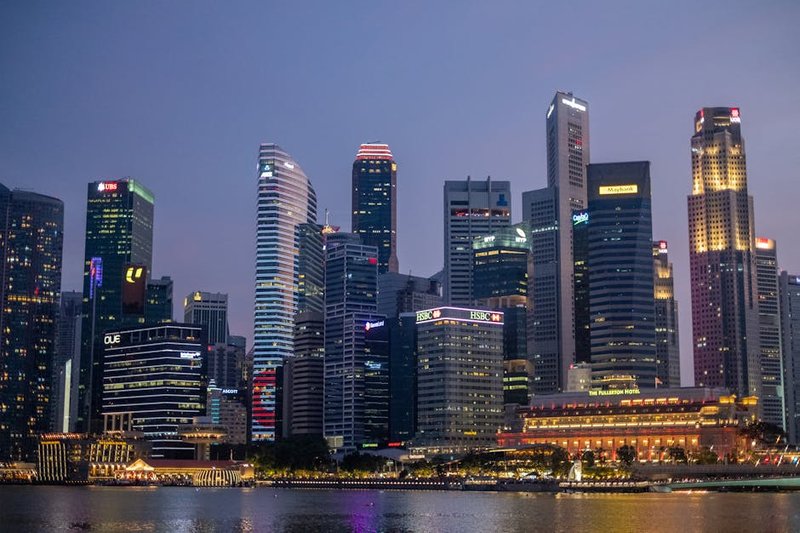
Creating Unique Content for Each Neighborhood
Here’s where most businesses fail: they duplicate the same content across location pages, changing only the district name. Search engines penalize this approach, and customers see through it immediately. Hyperlocal content for Singapore districts means addressing neighborhood-specific needs and characteristics.
For Orchard Road, emphasize accessibility for tourists and premium positioning. For Jurong, highlight family-friendly services and industrial proximity. For Tampines, focus on residential convenience and community integration. Each page should include unique photos of your actual location, customer testimonials from that area, and content that demonstrates genuine local knowledge.
ASK Training’s social media geo-tagging techniques show how this extends beyond your website. They use location-specific hashtags like #SGDeals combined with Instagram and Facebook geo-tags to boost local visibility. When you tag your posts with precise locations—not just “Singapore” but “Tampines Hub” or “Orchard Central”—you appear in location-based searches and feeds, reaching customers actively exploring that area.
Avoiding Common Singapore Market Errors
Common geo in SEO errors include neglecting mobile optimization and failing to use unique hyperlocal content for Singapore neighborhoods. With mobile accounting for the majority of local searches, your district-specific pages must load quickly and display perfectly on smartphones. Test your pages on actual mobile devices, not just desktop emulators.
Another frequent mistake: forgetting to update location-specific content regularly. A page about “best CNY promotions in Jurong” that still references 2024 dates in March 2025 destroys credibility. Set calendar reminders to refresh seasonal content for each location.
For businesses exploring the broader strategic implications of local targeting, our comprehensive framework for choosing between geo and SEO approaches provides additional context on balancing these tactics within your overall digital strategy.
Your Google Business Profile Optimization Checklist
geo-targeting in action for Singapore businesses. Here’s your action plan:
| Element | Action Required | Update Frequency |
| Business Name | Exact legal name, no keywords | Once (verify annually) |
| Address | Precise location with postal code | When you move |
| Phone | Local Singapore number | As needed |
| Hours | Accurate, including public holidays | Weekly review |
| Photos | High-quality images of location, products, team | Monthly additions |
| Posts | Promotions, events, updates | 2-3 times weekly |
| Reviews | Respond to all within 24-48 hours | Daily monitoring |
If you operate multiple branches, each location needs its own dedicated Google Business Profile with unique content and photos. Don’t use the same stock images across locations—customers notice, and it undermines your local credibility.
Regular updates signal to Google that your business is active and engaged. Post about district-specific events, neighborhood partnerships, or local customer success stories. When someone searches for services in Tampines, Google prioritizes businesses that demonstrate genuine connection to that area through consistent, location-specific activity.
The businesses winning Singapore’s hyperlocal search game in 2025 aren’t just optimizing for geography—they’re building genuine neighborhood presence through content that proves they understand and serve each district’s unique needs.
Common Geo in SEO Mistakes and How to Avoid Them
While successful tactics set the foundation, missteps in geo targeting can quickly erode your local search visibility. Singapore’s competitive digital landscape punishes these errors swiftly, making it essential to identify and correct them before they damage your rankings.
The Mobile Optimization Gap
Singapore’s mobile-first reality makes desktop-oriented thinking a critical failure point. When your site loads slowly on mobile devices or forces users to pinch and zoom, you’re not just frustrating visitors—you’re signaling to Google that your business isn’t prepared to serve local customers effectively.
The data tells a stark story: mobile optimization and unique hyperlocal content remain the most overlooked elements in Singapore’s geo strategies. You might rank well on desktop searches, but if your mobile experience lags, you’ll miss the 85% of Singaporeans who search for local businesses on their phones while actively looking to make a purchase.
Testing your mobile performance requires more than checking if your site “works” on a phone. Run Google’s Mobile-Friendly Test, measure your Core Web Vitals specifically on mobile networks, and navigate your own site on a 4G connection in an MRT station. If pages take more than three seconds to load or buttons are too small to tap accurately, you’re losing customers to competitors who got the basics right.
The Generic Content Trap
Creating one “Singapore” page and expecting it to rank across Orchard, Tampines, and Jurong represents a fundamental misunderstanding of hyperlocal search. Each neighborhood has distinct search patterns, customer needs, and competitive dynamics that demand tailored content approaches.
A dental clinic in Bishan shouldn’t use the same content strategy as one in Tanjong Pagar. The Bishan location should reference nearby landmarks like Junction 8, address parking concerns specific to the HDB-dense area, and mention proximity to schools for family-oriented services. Generic “Singapore dental services” content fails to capture these neighborhood-specific search intents.
Hashmeta’s analysis of Singapore’s 2025 SEO landscape emphasizes this point: businesses that create distinct pages for each service area, complete with neighborhood-specific keywords and local context, consistently outrank those using duplicated content with minor location swaps.
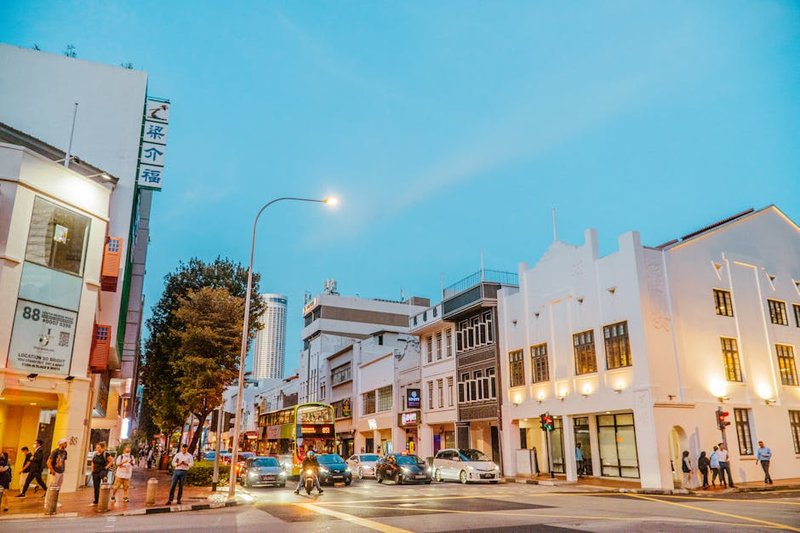
Citation Consistency Fragmentation
Your business name, address, and phone number (NAP) might seem like simple details, but inconsistencies across directories fragment your local authority signals. When Google sees “123 Orchard Road” on your website, “123 Orchard Rd” on your Google Business Profile, and “123 Orchard Road, #01-01” on directory listings, it can’t confidently verify your location.
This fragmentation becomes particularly problematic in Singapore, where unit numbers, building names, and postal codes create multiple valid address formats. Choose one standardized format and apply it everywhere: your website footer, Google Business Profile, Facebook page, industry directories, and review platforms.
The correction process requires systematic auditing. List every platform where your business appears, document the exact NAP format used, and create a master reference. Then methodically update each listing to match. For businesses with multiple locations, this process multiplies—but so does the ranking benefit when completed correctly.
Learning from Cleverly SG’s Recovery
Cleverly SG’s approach to Google Maps ranking demonstrates how businesses can recover from common geo targeting errors. Their focus on Google Business Profile optimization and area-specific keyword targeting shows the path forward for businesses currently struggling with visibility.
Their strategy prioritizes map pack dominance through consistent NAP data, regular posting to the GBP, and systematic review generation. More importantly, they target neighborhood-level keywords rather than city-wide terms, recognizing that “SEO services Raffles Place” converts better than generic “SEO services Singapore” for location-specific searches.
Your Correction Framework
If you’re currently making these mistakes, start with a mobile audit this week. Use real devices on actual mobile networks, not just browser developer tools. Document every friction point and prioritize fixes based on impact.
Next, audit your NAP consistency across all platforms. Create a spreadsheet tracking every listing, note discrepancies, and schedule updates. This tedious work pays dividends in improved local rankings within 4-6 weeks.
For content, identify your top three service areas and create genuinely unique pages for each. Include specific landmarks, address neighborhood-specific concerns, and incorporate local keywords naturally. If you’re unsure where to start, explore proven geo strategies for Singapore businesses to build your foundation.
The businesses that dominate local search in 2026 aren’t necessarily those with the biggest budgets—they’re the ones that eliminated these fundamental errors and built consistent, mobile-optimized, hyperlocal presences across every customer touchpoint.
The Future of Geo in SEO: Generative Engine Optimization for 2026
You’ve optimized your Google Business Profile, built local citations, and earned quality backlinks—but the search landscape is shifting beneath your feet. While traditional geo-targeting remains essential, a parallel optimization frontier is emerging that demands your attention: Generative Engine Optimization.
Understanding Generative Engine Optimization (GEO)
Generative Engine Optimization refers to the practice of optimizing your content and digital presence for AI-powered search platforms like ChatGPT, Google’s Search Generative Experience (SGE), and Perplexity. Unlike traditional search engines that return a list of blue links, these platforms synthesize information from multiple sources to generate direct, conversational answers.
Here’s why this matters for your local business: when someone asks ChatGPT “What’s the best hawker center near Raffles Place?” or queries Google SGE for “reliable plumber in Tampines,” these AI systems don’t just rank websites—they create original responses by analyzing and combining information from across the web. If your business isn’t structured to be understood and cited by these AI engines, you’re invisible in this new discovery channel.
The relationship between traditional geo-targeting and GEO isn’t competitive—it’s complementary. Your Google Business Profile signals still matter, but now you need to ensure AI platforms can extract, understand, and confidently cite your business information when generating responses to local queries.
How AI Search Platforms Change Local Discovery
Traditional search follows a predictable pattern: query → results page → click → website. AI search collapses this journey. Users receive synthesized answers immediately, often without clicking through to any website. This fundamental shift in search behavior requires businesses to rethink how they structure information online.
Consider voice search queries, which now dominate mobile interactions in Singapore. When someone asks their phone “Where can I get authentic laksa near me?” an AI assistant doesn’t return ten blue links—it recommends one or two specific places based on its analysis of reviews, menu information, location data, and recent mentions across the web.
Your challenge: ensuring your business is the one cited in that AI-generated response. This requires structured data that AI can parse, authoritative mentions across multiple platforms, and content formatted for extraction rather than just ranking.
!AI search interface mobile – what is geo in seo
The Dual-Optimization Approach
Smart Singapore businesses in 2026 aren’t choosing between traditional SEO and GEO—they’re executing both simultaneously. Your Google Business Profile still drives Map Pack visibility. Your local citations still build authority. Your location pages still rank for “near me” searches.
But now you’re also:
- Structuring content in clear, extractable formats that AI can confidently cite
- Creating FAQ sections that directly answer conversational queries
- Building authoritative mentions across platforms AI systems trust
- Implementing schema markup that helps AI understand your business context
- Developing content that positions you as the definitive local answer
This dual approach isn’t about doubling your workload—it’s about adapting your existing optimization efforts to serve both traditional search algorithms and AI synthesis engines. The businesses that master this balance will dominate local discovery across all channels.
Integrated Platforms: The Practical Solution
Managing traditional geo-SEO while simultaneously optimizing for AI platforms creates complexity most small businesses can’t handle manually. This is where integrated platforms like Fivebucks AI become essential—they combine Google optimization, AI Search visibility, and lead generation into a single workflow.
Rather than juggling separate tools for local SEO, content creation, and AI optimization, you need systems that understand both traditional ranking signals and AI citation patterns. The platform approach ensures your business information remains consistent across all discovery channels while automatically adapting content formats for different AI platforms.
Singapore Market Trends Through 2026
Three trends will define local search in Singapore over the next year:
Voice search proliferation: With 96% smartphone penetration, voice queries will increasingly replace typed searches. Businesses optimized for conversational queries will capture this traffic; those stuck in keyword-era thinking will lose visibility.
AI assistant integration: ChatGPT, Google Assistant, and emerging AI platforms will become primary discovery tools, particularly for service-based businesses. Your optimization strategy must account for how these systems select and cite local businesses.
Hyperlocal personalization at scale: AI platforms can deliver unprecedented personalization—recommending businesses based on individual preferences, past behavior, and real-time context. Generic optimization won’t cut it; you need rich, detailed business information that AI can match to specific user needs.
The businesses thriving in this environment won’t be those with the biggest budgets—they’ll be those who recognized early that local search optimization now requires dual visibility in both traditional results and AI-generated responses. The technical complexity of managing both channels simultaneously makes integrated platforms not just convenient, but strategically necessary for sustained local market dominance.
Ready to Dominate Local Search? Your Action Plan
You’ve seen the landscape shift—from basic local listings to sophisticated geo-targeting to the emerging world of AI-powered search. The question now isn’t whether to act, but how to move forward strategically.
Your 90-Day Geo Optimization Roadmap
Start with what works today while preparing for what’s coming tomorrow. In your first 30 days, nail the fundamentals: claim and optimize your Google Business Profile with complete information, accurate categories, and regular posts. Upload high-quality photos of your location, products, and team. Respond to every review—positive or negative—within 24 hours. This foundation alone can boost your local visibility by 30-50% within weeks.
Days 31-60 shift to content creation. Build location-specific landing pages for each service area you cover. If you operate in Tampines, Jurong, and Orchard, create dedicated pages that speak directly to each neighborhood’s needs. Add schema markup to help search engines understand your geographic relevance. Start publishing hyperlocal content—guides to your area, local event coverage, neighborhood-specific tips that demonstrate genuine community connection.
The final 30 days prepare you for the AI search revolution. Audit your content for conversational queries. People ask AI assistants “What’s the best hawker center near Raffles Place?” not “hawker center Raffles Place location.” Restructure your FAQ sections to answer these natural-language questions directly. Test how AI engines like ChatGPT and Perplexity surface your business when asked location-specific queries. Adjust based on what you discover.
The Early Adopter Advantage
Here’s what most Singapore businesses miss: GEO adoption is still in its infancy. While 96% of your potential customers use AI tools, most competitors haven’t optimized for these platforms yet. You have a 12-18 month window to establish authority before AI search becomes standard practice in local discovery.
Early movers in traditional SEO captured market share that took competitors years to reclaim. The same pattern is emerging with GEO. Businesses that optimize now will become the default recommendations when AI assistants answer local queries in 2026 and beyond. Your competitors will eventually catch up—but you’ll have already built the trust signals and content depth that AI engines prioritize.
Master Both Worlds: Current Tactics and Future Strategies
Implementing this roadmap solo means navigating constant algorithm updates, platform changes, and emerging best practices. You’re balancing daily operations while trying to decode what “conversational content optimization” actually means for your business.
Our GEO in SEO webinar series bridges that gap. You’ll get expert guidance on executing today’s geo tactics while preparing for tomorrow’s AI-driven search landscape. We break down complex strategies into actionable steps specific to Singapore’s market dynamics. Learn how to balance traditional SEO with emerging GEO approaches through real case studies from local businesses already seeing results.
The series covers everything from technical schema implementation to crafting content that resonates with both human readers and AI engines. You’ll discover which platforms matter most for Singapore businesses, how to measure GEO performance, and when to double down on specific tactics based on your industry.
Join our GEO in SEO webinar series to transform these insights into competitive advantage. Registration opens next week—early participants receive implementation templates and direct access to our optimization framework. The local search landscape is evolving faster than ever. Your next customer is already asking AI where to find businesses like yours. Make sure your name comes up first.
About Petric Manurung
Petric Manurung is the Founder & CEO of Fivebucks AI, an SEO and GEO platform built for businesses that want to rank in both traditional search and AI-generated results. With 20+ years across global enterprises — Lufthansa Systems, Apple, Toll Group, CEVA Logistics — he has a firsthand understanding of how visibility gaps cost businesses at scale.
He holds an MBA from Western Michigan University and a HubSpot SEO Certification. Fivebucks AI is where that expertise ships as product — giving teams the tools to optimize for the way people actually find things today: search engines and AI answers alike.
Sources & References
This article incorporates information and insights from the following verified sources:
[1] This digital strategy boosts business visibility in location-based searches – ASK Training (2024)
[2] geo-targeting in action – PapercutsG (2024)
[3] Geographic optimization prioritizes these local signals – Hashmeta (2025)
[4] The 10 Best SEO Agencies in Singapore (2026 Reviews & Pricing – Verz Design (2026)
[5] Top 10 GEO Agencies in Singapore Leading the Future of AI Search – MediaPlus (2025)
[6] Local SEO Service in Singapore – Cleverly SG – Cleverly SG (2024)
[7] AI SEO & GEO Services Singapore | Get Cited by ChatGPT & AI Search – Digital Market SG (2025)
[8] Internal: how geo and SEO strategies diverge in 2026 – https://www.fivebucks.ai/blogs/post/geo-vs-seo-2026-comparison-guide/
[9] Internal: strategic local optimization approaches – https://www.fivebucks.ai/blogs/post/seo-geo-strategies-small-businesses-2026/
[10] Internal: comprehensive framework for choosing between geo and SEO approaches – https://www.fivebucks.ai/blogs/post/geo-or-seo-ultimate-2026-decision-framework/
[11] Internal: explore proven geo strategies for Singapore businesses – https://www.fivebucks.ai/blogs/post/geo-seo-explained-singapore-businesses-2026/
[12] Internal: how to balance traditional SEO with emerging GEO approaches – https://www.fivebucks.ai/blogs/post/seo-vs-geo-choose-right-optimization-path/
All external sources were accessed and verified at the time of publication. This content is provided for informational purposes and represents a synthesis of the referenced materials.
Leave a Reply