Category: Singapore

  • Best AI-Powered SEO Tools 2026

    Best AI-Powered SEO Tools 2026

    Introduction: Why AI-Powered SEO Tools Are Essential for Generative Search

    The way people search is changing fast. You’ve probably noticed that instead of a list of blue links, Google, ChatGPT, and Perplexity now serve up direct answers. This shift from traditional search to generative search means the old rules of SEO no longer apply. By 2026, SEO is defined by presence within AI-generated answers and citations rather than position on a results page. If your content isn’t cited by these models, you’re invisible.

    Here’s the problem: AI platforms like ChatGPT and Google AI Overviews pull information from your site and present it as a summary—without the user ever clicking through. That’s traffic cannibalization. A full 77% of SEO professionals fear AI answer cannibalization, worried that LLMs will intercept their top-of-funnel traffic. And they’re right to be concerned. Google AI Overviews trigger in 25% of searches and can reduce click-through rates by over 34%.

    But this isn’t a reason to panic. It’s a reason to adapt. The AI SEO tools market is projected to grow from $1.2 billion in 2024 to $4.5 billion by 2033, and 56% of marketers are already using generative AI for SEO tasks. These tools help you optimize for how AI models interpret and cite your content—not just for ranking.

    In this guide, we’ll cover how AI-powered SEO tools work with generative search engines, how to avoid traffic cannibalization, and the strategies you need to maintain visibility. Whether you’re optimizing for ChatGPT or Google AI Overviews, the approach is different—but the goal is the same: get cited, not just ranked. For a deeper dive into the technical setup, check out our guide on integrating AI-powered SEO tools with your CMS.

    How Generative Search Engines Cite and Rank Content Differently

    So you understand why AI SEO tools matter. Now let’s get into the mechanics of how generative search engines actually work—because the rules of the road have changed.

    When you type a query into Google today, there’s a 25.11% chance you’ll see an AI Overview at the top of the page. That number comes from an analysis of 21.9 million queries in Q1 2026, and it’s not a static figure—it’s climbing as AI Overviews trigger more frequently. Here’s the kicker: even if your content gets cited in that overview, traffic to your page can drop by 34.5% as AI Overviews trigger more frequently. The AI summary gives users the answer without clicking through.

    That’s the fundamental difference from traditional search. Old SEO optimized for a list of ten blue links. Generative search optimizes for a single, synthesized answer—and the citation that comes with it.

    How AI Engines Choose Their Sources

    Generative search engines like ChatGPT, Perplexity, and Google AI Overviews don’t crawl the web the same way Google’s index does. They pull from existing search indices (ChatGPT uses Bing; Google AI Overviews uses its own index) and then synthesize answers. But here’s the critical insight: around 40.58% of AI citations come from Google’s top 10 organic results because AI engines start with what search algorithms already surface as high-quality content. If you’re not ranking in the top 10 for a given query, you’re already at a disadvantage for AI citations.

    But ranking isn’t enough. AI engines prioritize content that’s structured for extraction—clear headings, concise paragraphs, and explicit answers to common questions. Traditional ranking signals like backlinks and domain authority still matter, but they’re now joined by factors like prompt relevance and citation frequency. A page that answers “What is the best SEO tool for small businesses?” directly and clearly is more likely to be cited than one that buries the answer in a 3,000-word essay.

    Tracking Your AI Visibility

    This is where tools like 77% of SEO professionals fear AI answer cannibalization come into play. It tracks brand mentions and explicit citations across over 260 million monthly prompts, covering ChatGPT, Perplexity, and Google AI Overviews. You can see exactly which prompt categories drive the most valuable visibility and calculate your AI Share of Voice—a metric that simply didn’t exist two years ago. For a practical guide on integrating these capabilities, check out how to integrate AI-powered SEO tools into your WordPress workflow.

    The results can be dramatic. Discovered Labs helped a B2B SaaS company grow from 550 to 2,300+ AI-referred trials in just four months—a 318% increase. Their CITABLE framework focused on making content citation-worthy through structured optimization of key ranking factors. That’s not theory; it’s a real-world example of how systematic AI citation tracking pays off.

    What This Means for Your Strategy

    You’re now dealing with two parallel systems: traditional search rankings and AI citation patterns. The 58% of SEO professionals evolving into Hybrid Strategists who focus on systems architecture and prompt engineering understand this duality. They’re not abandoning traditional SEO—they’re layering AI optimization on top.

    The practical takeaway: optimize for Google’s top 10 to get into the AI citation pool, then structure your content so AI engines can easily extract and cite it. Track your performance across platforms using tools like Ahrefs Brand Radar. And remember—being cited isn’t the same as being clicked. You need content that compels users to visit your site even after reading the AI summary.

    AI citation tracking dashboard - ai-powered seo tools

    The next section will show you exactly how to build that dual-optimization workflow, starting with the specific tools that make it possible.

    Top AI-Powered SEO Tools for Generative Search Optimization

    So you understand how generative search engines decide what to cite. Now comes the practical question: what do you actually do about it? The good news is that a new category of AI-powered SEO tools has emerged to answer exactly that. And $4.5 billion by 2033, according to 2026 data. Those who haven’t started are falling behind.

    These tools break down into three functional buckets: tracking where you appear in AI responses, optimizing your content to get cited, and analyzing performance across platforms. Here’s what each category looks like in practice.

    Tracking Your AI Visibility

    The first challenge is simply knowing if generative search engines mention your brand. Traditional rank trackers won’t help you here—there are no page-one results to monitor. Instead, tools like Ahrefs Brand Radar scan the output of AI models directly. It tracks brand mentions and explicit citations across over 260 million monthly prompts, covering ChatGPT, Perplexity, and Google AI Overviews. You get something called AI Share of Voice—a metric that didn’t exist two years ago but now matters as much as organic ranking position.

    Semrush offers a similar capability through its AI Visibility Toolkit, which tracks citations across multiple AI search engines in one dashboard. Peec AI, launched in 2025, focuses specifically on monitoring brand citations across generative search. And Profound provides multi-engine visibility tracking, letting you see where your brand appears and where competitors are winning citations instead.

    Rankscale.ai goes a step further, letting you filter by term, region, mode, and interval. If you’re a Singapore-based business targeting local customers through AI search, this granularity matters—you can see exactly how your brand performs for “best coffee shop in Singapore” versus “co-working space near me.”

    Content Optimization for AI Retrieval

    Tracking is useless if you can’t act on the data. That’s where content optimization tools come in.

    Writesonic includes an Action Center that diagnoses technical barriers preventing large language models from properly crawling your site. If your content structure confuses AI retrieval, it tells you exactly what to fix. Surfer SEO now includes an AI Tracker that monitors your content’s performance in both Google and AI platforms simultaneously. Clearscope provides search intent-oriented suggestions aligned with how AI models evaluate relevance—not just keyword density, but topical authority signals.

    For a deeper look at how these tools compare for local markets, check out our comparison of the best AI SEO tools for local search in 2026.

    Analytics and Workflow Integration

    The most sophisticated tools treat AI citation share as a primary KPI, not an afterthought. AirOps built its entire platform around this concept. Its Insights layer tracks brand citations across ChatGPT, Perplexity, Google AI Overviews, and traditional search, then surfaces citation gaps by topic, query, and competitor. You can prioritize which content gaps to fill based on actual citation data rather than guesswork.

    SE Ranking offers an AI Overview Tracker that monitors how your content appears in AI-generated search results. And for e-commerce businesses specifically, the numbers justify the investment: AI-driven SEO can boost organic traffic by 45% and conversion rates by 38%.

    Choosing What Fits Your Business

    Not every business needs every tool. Here’s a practical framework:

    If your priority is…Start with…Why
    Basic citation awarenessAhrefs Brand Radar or Peec AILow setup, immediate visibility data
    Content optimizationClearscope or Surfer SEODirectly improves how AI models evaluate your pages
    Competitive intelligenceSemrush or Rankscale.aiMulti-platform benchmarking and granular filtering
    Full workflow integrationAirOpsCombines tracking, analysis, and automated content workflows

    The broader shift is worth noting: 58% of SEO professionals are evolving into Hybrid Strategists—people who understand systems architecture, prompt engineering, and brand narrative alongside traditional SEO. The tools above are the instruments of that evolution. Pick the ones that match where your business is today, and expand as your AI visibility strategy matures.

    AI SEO analytics dashboard - ai-powered seo tools

    How to Measure AI Search Visibility and Optimize for Multiple Platforms

    The tools we just covered are only half the equation. You need to know what to measure and how to adapt your strategy for each platform. Because here’s the uncomfortable truth: treating AI visibility as a single metric is a mistake.

    The Metrics That Actually Matter

    Traditional SEO metrics like keyword rankings and organic traffic still play a role, but they’re no longer the full picture. By 2026, SEO is defined by presence within AI-generated answers and citations rather than position on a results page. That shift demands new KPIs.

    Three metrics deserve your attention:

    • Citation share — How often your brand or content appears as a source in AI responses. This is the closest thing to a “ranking” in the generative search world.
    • Brand mentions — The frequency and context of your brand name appearing across AI platforms. Tools like Ahrefs Brand Radar now track this across ChatGPT, Perplexity, Gemini, and Claude.
    • Traffic from AI referrals — Users clicking through from AI-generated answers to your site. This is harder to track but increasingly critical as platforms add clickable source links.

    The relationship between these metrics isn’t straightforward. AI Overviews can cut traffic to cited pages by 34.5% even when cited, because users get their answer without clicking through. That doesn’t make the citation worthless — it still builds brand awareness and authority — but it means you can’t rely on click-through rates alone.

    Platform-Specific Optimization

    The Slate HQ study from March 2026 revealed something crucial: ChatGPT and Perplexity share only 11% of cited domains. That’s not a rounding error — it’s proof that each platform has its own citation logic.

    Here’s what the data tells us about each major platform:

    ChatGPT — Consistently shows the worst brand visibility across all six companies studied. It pulls from Bing’s index, so optimizing for Bing is your starting point. But ChatGPT also favors recent, well-structured content with clear entity relationships.

    Perplexity — Operates as a search-first AI with numbered source lists. Content updated within the last 12 months earns 3.2x more citations. Freshness matters more here than on any other platform.

    Gemini — Google’s AI model naturally favors content already ranking in Google’s top 10. That makes sense when you consider that around 40.58% of AI citations come from Google’s top 10 results. Strong traditional SEO is still the foundation.

    Claude — Gives brands 9.1% owned citation share, the highest among AI platforms. Claude seems to reward authoritative, well-cited content with clear attribution.

    The takeaway? You can’t optimize for one and expect results across all four. Each platform requires a tailored approach.

    What Real Results Look Like

    eSEOspace’s unified approach combining traditional SEO with Generative Engine Optimization, Answer Engine Optimization, and Large Language Model Optimization delivered an average 75-85% increase in AI citations within 90 days for clients across multiple industries. They built a proprietary real-time AI visibility tracking platform to measure this — because existing tools weren’t cutting it.

    For Singapore SMEs, the ROI story is equally compelling. Those adopting AI SEO tools under IMDA’s Productivity Solutions Grant reported average cost savings of 52% in 2024. The grant covers up to 50% of pre-approved digital marketing solutions, making AI SEO adoption significantly more accessible. AI adoption among Singapore SMEs tripled from 4.2% to 14.5% in one year.

    If you’re just starting to measure your AI visibility, focus on citation share first. It’s the most trackable metric and the one that correlates most strongly with traffic growth. AI-driven SEO can boost organic traffic by 45% and conversion rates by 38% for e-commerce websites — but only if you’re measuring the right things.

    For a deeper look at how to integrate these measurement strategies into your existing workflow, check out our guide on integrating AI-powered SEO tools with your content management system. The platforms will keep evolving, but the measurement framework you build today will serve you regardless of what comes next.

    AI citation tracking dashboard 1 - ai-powered seo tools

    Adapting Your SEO Strategy for the AI-First Era

    You’ve already seen how to measure AI search visibility and optimize across platforms. But knowing what to track is only half the equation. The real question is how you restructure your entire approach to thrive in this new environment.

    The fundamentals of SEO haven’t disappeared—they’ve expanded. By 2026, success in search is defined by presence within AI-generated answers and citations rather than position on a results page. That’s a fundamentally different game. You’re no longer competing for the number one spot on Google; you’re competing to be the source an AI trusts enough to cite.

    The Rise of the Hybrid Strategist

    This shift demands a new kind of professional. The days of the pure keyword-stuffer or link-builder are fading. What’s emerging is the Hybrid Strategist—someone who understands both traditional SEO mechanics and the nuances of how AI models process and select information.

    The numbers confirm this transition is already underway. 58% of SEO professionals are actively adapting by evolving into Hybrid Strategists who focus on systems architecture, prompt engineering, and maintaining brand narrative. Meanwhile, $4.5 billion by 2033. This isn’t a future trend; it’s happening now.

    What does a Hybrid Strategist actually do differently? They don’t just optimize a page for a keyword. They structure content so an AI can easily extract entities, relationships, and authoritative context. They understand that a well-crafted piece of content isn’t just for human readers—it’s a data point for a model like ChatGPT or Gemini.

    Consider the work of Cyrus Shepard, who analyzed 54 peer-reviewed studies to identify 23 scored AI Citation Ranking Factors. His analysis provides an evidence-based view of what actually gets content cited by AI engines like ChatGPT, Gemini, and Perplexity. The key takeaway? It’s not about keyword density. It’s about entity clarity, topical authority, and structured data that makes your content machine-readable without sacrificing human value.

    The Cost Reality for Singapore SMEs

    You might be thinking this sounds expensive. The data suggests otherwise—especially for Singapore businesses. The AI SEO tools market is projected to grow from $1.2 billion in 2024 to $4.5 billion by 2033, which signals increasing accessibility and competition among providers.

    For Singapore SMEs, programs like Stridec’s MRA Grant AI SEO Programme make this transition particularly cost-effective. The program applies an entity-first methodology structured for MRA audit compliance, with pricing at S$6,000 per market after a 70% grant subsidy. That’s a significant reduction in the barrier to entry for overseas expansion.

    A Unified Platform for a Fragmented Landscape

    Here’s where things get practical. You don’t want to manage five different tools—one for Google rankings, another for AI search visibility, a third for lead generation. That’s inefficient and creates data silos.

    Fivebucks AI was built to solve exactly this problem. It’s a unified platform that optimizes your content for both Google and AI-powered search engines simultaneously. You get traffic growth, lead generation, and visibility across generative search—all from a single dashboard.

    If you’re looking to understand how this fits into your existing workflow, our comparison of the best AI tools for SEO in 2026 breaks down the options available.

    SEO strategy dashboard - ai-powered seo tools

    The path forward is clear. Stop optimizing for a single search engine. Start building content that works across Google, ChatGPT, Gemini, and Perplexity. The Hybrid Strategist doesn’t just survive this transition—they lead it.

    Your Next Move

    The window for early adoption is closing. As more businesses shift to this AI-first approach, the cost of inaction compounds. You can continue optimizing for 2019’s search landscape, or you can start building for 2026’s reality.

    Start optimizing for generative search with Fivebucks AI. One platform. Both search worlds. Real results.

    About Petric Manurung

    Petric Manurung is the Founder & CEO of Fivebucks AI, an SEO and GEO platform built for businesses that want to rank in both traditional search and AI-generated results. With 20+ years across global enterprises — Lufthansa Systems, Apple, Toll Group, CEVA Logistics — he has a firsthand understanding of how visibility gaps cost businesses at scale.

    He holds an MBA from Western Michigan University and a HubSpot SEO Certification. Fivebucks AI is where that expertise ships as product — giving teams the tools to optimize for the way people actually find things today: search engines and AI answers alike.

    Sources & References

    This article incorporates information and insights from the following verified sources:

    [1] 77% of SEO professionals fear AI answer cannibalization – Yotpo (2026)

    [2] $4.5 billion by 2033 – DemandSage (2026)

    [3] SEO is defined by presence within AI-generated answers and citations – Adobe Business (2026)

    [4] as AI Overviews trigger more frequently – Digital Applied (2026)

    [5] ChatGPT and Perplexity Share Only 11% of Cited Domains – Authority Tech (2026)

    [6] AI Citation Tracking: How to Measure Citation Frequency – Averi AI (2026)

    [7] Why AI Citations Come from Top 10 Rankings – Passionfruit (2025)

    [8] 23 factors that actually get your content cited by AI search engines – PPC Land (2026)

    [9] AI Search Optimization: Top Guide to Generative Engine Optimization – 310 Creative (2026)

    [10] 4 Most Important AI Visibility Metrics for B2B Brands to Track – Rampiq Agency (2026)

    [11] How AI is Changing SEO for Singapore Businesses in 2026 – Stridec (2026)

    [12] AI SEO Singapore: How Businesses Win with AI-Driven Search in 2026 – Audience Intelligence (2026)

    [13] AI-Driven SEO Services Singapore 2026 – Sotavento Medios (2026)

    [14] Generative engine optimization: What we know about generative SEO – HubSpot (2025)

    [15] AI SEO vs Traditional SEO | What Actually Works in 2026 – Doc Digital SEM (2026)

    [16] 15 Best AI SEO Tools We’ve Tested for 2026 – One Little Web (2026)

    [17] Top SEO Agencies for AI Search Optimization in 2026 – eSEOspace (2026)

    [18] Internal: integrating AI-powered SEO tools with your CMS – https://www.fivebucks.ai/blogs/post/integrate-ai-powered-seo-tools-wordpress/

    [19] Internal: comparison of the best AI SEO tools for local search in 2026 – https://www.fivebucks.ai/blogs/post/best-ai-tools-seo-local-comparison-2026/

    All external sources were accessed and verified at the time of publication. This content is provided for informational purposes and represents a synthesis of the referenced materials.


  • 5 Best AI Driven SEO Tools for Enterprise vs SMB in 2026

    5 Best AI Driven SEO Tools for Enterprise vs SMB in 2026

    Why AI Driven SEO Tools Matter for Every Business Size

    The gap between what a small business and a multinational corporation can achieve with search optimization has narrowed dramatically. AI-driven SEO tools—software that uses artificial intelligence to automate keyword research, content optimization, and performance tracking—are no longer the exclusive domain of teams with six-figure budgets and dedicated data scientists. The central question for 2026 is how these tools actually scale across different business sizes, and whether the capabilities match the investment.

    The numbers tell a clear story about adoption. 57% of U.S. small businesses are investing in AI technology in 2026, up from 36% in 2023, and 30% of SMB employees now use AI tools daily. That shift reflects a fundamental change in what’s accessible. A small business owner with no SEO background can now tap into the same underlying AI models that power enterprise platforms for under $100 per month using tools like ChatGPT and Google Search Console. The difference isn’t in the intelligence—it’s in the packaging, support, and scale.

    The takeaway is straightforward: AI SEO tools have democratized access to capabilities that were enterprise-only three years ago. A solo consultant in Singapore can now deploy the same foundational technology as a 500-person marketing department. The trade-offs come in speed, support depth, and data breadth—not in whether the AI works. That changes the calculus for every business size.

    Cost and Pricing: Enterprise vs SMB AI SEO Tools

    The gap between what a small business and a Fortune 500 company spends on AI SEO is not just a matter of scale—it’s a fundamentally different purchasing decision. For a solopreneur or a ten-person team, the question is about monthly cash flow. For an enterprise, it’s about total cost of ownership, integration overhead, and annual contracts.

    Pricing tiers in 2026 reflect this divide clearly. Small businesses typically pay between $2,000 and $5,000 per month for AI SEO tools, while enterprise implementations run $10,000 to $45,000 monthly, with most mid-market companies landing in the $4,000 to $10,000 range according to 2026 pricing data. But the monthly sticker price tells only part of the story.

    Enterprise buyers face a steeper reality. Annual costs for platforms like BrightEdge, Botify, or Conductor range from $25,000 to well over $100,000. And the first-year total cost of ownership—including implementation, training, and integration with existing martech stacks—typically runs 1.5 to 2 times the base subscription price as detailed in enterprise SEO budget guides. That means a $60,000 annual subscription can easily become a $100,000+ commitment in year one.

    Here’s where the market gets interesting for smaller players. The same enterprise-grade AI capabilities that power BrightEdge’s DataMind engine or Semrush’s AI Visibility Toolkit are now accessible at a fraction of the cost. Surfer SEO, for instance, offers real-time NLP scoring and a score-as-you-write editor for under $200 per month—a tool that would have cost thousands five years ago. Clearscope starts at $189 per month for agencies. Mangools, built for small businesses and bloggers with simplified workflows, comes in at under $50 per month.

    The real disruptor? Small businesses can now achieve roughly 80% of AI SEO capabilities using just ChatGPT, Google Search Console data, and APIs at minimal cost as marketing strategists have documented. That’s not a compromise—it’s a strategic allocation of resources. Marketing teams using AI see 2.8x productivity gains, the highest of any department, which means a two-person team can compete with a department of six based on productivity research.

    The results speak for themselves. DI ORO ecommerce achieved a 559% organic sales increase using AI SEO tools—a return that would justify almost any pricing tier. For businesses evaluating their options, the key is matching the tool’s complexity to the team’s capacity to use it. A platform like Search Atlas launched in 2024 offering 70-80% of the features of Ahrefs or Semrush at half the cost, with its OTTO SEO assistant handling routine optimization tasks. That’s the sweet spot for mid-market teams that need enterprise power without enterprise overhead.

    For Singapore-based businesses specifically, the decision often comes down to local versus global optimization. Understanding how AI SEO tools compare for local search in 2026 can help match pricing to actual needs rather than overspending on global features that don’t serve local audiences.

    The pricing landscape has shifted from a binary choice—cheap and limited versus expensive and comprehensive—to a spectrum where capability scales more linearly with cost than ever before. The smart money isn’t on the most expensive tool or the cheapest one. It’s on the tool that fits the workflow, the team size, and the specific search landscape the business operates in.

    Implementation Timelines and Technical Requirements

    The cost gap between SMB and enterprise tools makes sense once you look at what it takes to actually get them running. The difference isn’t just about features—it’s measured in weeks, months, and technical complexity.

    The Onboarding Divide

    Enterprise AI SEO implementations require a serious time commitment. Organizations should expect a based on current onboarding benchmarks that demands 15-20 hours per week from technical leads. That’s nearly two months of dedicated engineering and SEO team time before the tool starts producing value. For a company using platforms like BrightEdge or Botify, those weeks involve configuring crawlers for millions of pages, setting up SSO integration, and establishing multi-user governance structures.

    SMBs move much faster. A small business can go from sign-up to live in 2-3 weeks with just 5-8 hours weekly from a single team member. Tools like Search Atlas or simpler cloud-based platforms don’t require custom API integrations or complex data migrations. The setup is straightforward: connect your domain, configure basic tracking, and start generating content.

    {image:enterprise seo dashboard analytics}

    The Full Deployment Reality

    Getting the tool running is one thing. Seeing results is another. Full enterprise AI SEO deployment spans 12-24 months, broken into distinct phases. Crawlability fixes—the technical foundation—take 2-4 months. Authority building shows measurable gains in 6-12 months. Google itself states it takes AI SEO results typically take 3-6 months to materialize, which aligns with what most agencies require as minimum commitments.

    This timeline explains why enterprise platforms like seoClarity and Conductor emphasize governance and scalability over speed. They’re built for organizations managing millions of pages across multiple domains and languages. These tools require SOC 2 certification, SSO support, multi-user governance, and API access for custom integrations. That infrastructure takes time to implement correctly.

    A Singapore financial services firm demonstrates what’s possible with patience. After deploying an enterprise AI SEO solution, they saw 340% traffic growth. But that result came from the full implementation cycle—not a quick setup.

    What SMBs Actually Need

    Smaller businesses don’t need enterprise complexity. Most SMB tools are cloud-based with minimal setup requirements. A local Singapore business can compare AI SEO tools for local optimization and find solutions that work out of the box without dedicated IT support. The trade-off is capability: SMB tools handle fewer pages, simpler reporting, and limited customization.

    {image:small business seo setup}

    Making the Choice

    The decision comes down to infrastructure readiness. Organizations with existing technical SEO teams, complex site architectures, and compliance requirements should budget for the 12-24 month enterprise timeline. Companies running simpler sites on standard CMS platforms can launch SMB tools in weeks.

    FactorEnterpriseSMB
    Onboarding6-8 weeks2-3 weeks
    Weekly commitment15-20 hours5-8 hours
    Full deployment12-24 months3-6 months
    Technical requirementsSOC 2, SSO, API, multi-userCloud-based, minimal setup
    Page capacityMillionsThousands

    The pattern is clear: invest time upfront for scale, or move fast for immediate wins. Both approaches work—they just serve different realities.

    Team Skills, Training, and Maintenance Needs

    The technical requirements outlined earlier directly shape what teams need to know and how they operate. But here’s where the gap between enterprise and small business widens—or narrows, depending on who’s paying attention.

    Marketing teams that adopt AI see based on productivity research, the highest of any department. That number changes the math for small teams trying to compete with larger organizations. A two-person marketing operation using AI effectively can produce output that once required five or six people. The productivity multiplier doesn’t just save money—it makes new strategies viable.

    For small business owners with no SEO background, the barrier has essentially vanished. In 2026, those owners can using tools like ChatGPT and Google Search Console. The tools have matured to the point where technical SEO knowledge is no longer a prerequisite. A bakery owner in Singapore can set up keyword research, content optimization, and performance tracking without hiring a specialist. The same applies to integrating AI-powered SEO tools directly into WordPress for automated optimization.

    The gap in approach becomes clearer when comparing maintenance needs. Enterprise teams running platforms like Semrush, Ahrefs, or Profound need dedicated specialists who monitor algorithm changes, track AI visibility across Google AI Overviews and Perplexity, and adjust strategies continuously. These are full-time roles with ongoing training requirements. SMBs, by contrast, can rely on more plug-and-play solutions. as marketing strategists have documented. The remaining 20%—advanced competitive analysis, multi-platform tracking, automated reporting—is where enterprise tools justify their price tags.

    The numbers confirm the shift is real. 57% of U.S. small businesses are investing in AI technology in 2026, up from 36% in 2023. Nearly a third of SMB employees now use AI daily. This isn’t early adoption anymore—it’s mainstream operational practice.

    The results speak for themselves. Xponent21, an agency specializing in AI-driven SEO, achieved 4,162% traffic growth for clients by combining automated content generation with strategic optimization. That kind of growth was previously reserved for companies with dedicated SEO departments and six-figure tool budgets. Now it’s achievable with the right skills and a fraction of the investment.

    What This Means for Training

    The training requirements split along business size lines. Enterprise teams need ongoing education in AI prompt engineering, understanding how different LLMs interpret content, and mastering tools like Profound for cross-platform visibility tracking. They also need to understand the nuances between optimizing for traditional search versus AI platforms like ChatGPT and Perplexity—a distinction covered in depth when comparing SEO versus GEO approaches for different optimization paths.

    SMBs need a lighter touch. Founders and small teams benefit most from understanding the core principles—what AI can automate, what still requires human judgment, and how to evaluate tool outputs. The training investment is measured in hours, not weeks.

    The maintenance picture follows the same pattern. Enterprise teams run continuous monitoring cycles, updating content strategies as AI platforms evolve their ranking criteria. SMB tools handle much of this automatically, with periodic check-ins replacing constant oversight.

    The key insight: technical requirements don’t just drive tool selection—they determine team composition, training budgets, and maintenance cadences. Getting this match right matters more than which specific platform you choose.

    Choosing the Right AI SEO Tool for Your Business Scale

    The right AI SEO tool depends less on feature lists and more on where your business sits in terms of budget, team size, and technical complexity. The decision framework breaks down into three clear tiers, each with distinct trade-offs.

    For small businesses and solopreneurs, the math is straightforward. Monthly AI SEO costs for this segment typically run between $2,000 and $5,000, which can be prohibitive for a bootstrapped operation. The smarter path is to start lean. Research shows that small teams can achieve roughly 80% of AI SEO capabilities using just ChatGPT, Google Search Console, and APIs at a fraction of the cost. Tools like Surfer SEO or Frase work well here—they handle content optimization and answer targeting without requiring a dedicated SEO engineer. The catch is that these setups demand manual oversight. You’re trading money for time.

    Mid-market companies face a different equation. With budgets in the $4,000 to $10,000 monthly range, platforms like Semrush, Ahrefs, and Search Atlas offer a strong balance of automation and depth. Semrush, now under Adobe’s umbrella, provides an AI Visibility Toolkit that tracks over 100 million prompts across multiple AI platforms. Ahrefs brings Brand Radar for monitoring brand mentions in AI-generated responses. Search Atlas, launched in 2024, delivers roughly 70-80% of the features at half the cost of its more established competitors, with its OTTO assistant handling routine optimization tasks. These tools require at least one dedicated team member who understands SEO strategy, but they eliminate the grunt work.

    Enterprise organizations operate in a different league entirely. Implementation costs start at $10,000 monthly and can reach $45,000, with first-year total ownership often running as detailed in enterprise SEO budget guides. At this level, the tool must handle SOC 2 certification, SSO support, multi-user governance, and API access for custom integrations. BrightEdge, Botify, and Conductor dominate this space. BrightEdge’s DataMind AI engine provides automated insights for Fortune 500 clients. These platforms demand a full team—SEO managers, developers, data analysts—to extract value.

    Business TierMonthly Cost RangeRecommended ToolsTeam Requirements
    Small Business$2,000-$5,000Surfer SEO, Frase, ChatGPT + GSC1 person, part-time
    Mid-Market$4,000-$10,000Semrush, Ahrefs, Search Atlas1-2 dedicated SEO staff
    Enterprise$10,000-$45,000+BrightEdge, Botify, ConductorFull SEO team + developers

    Here’s the gap in the market that most analyses miss. The three-tier model assumes you have to choose between simplicity and power. What if you need both? Marketing teams using AI are seeing based on productivity research, the highest of any department, which means a small team can now compete with much larger operations—if the tool is designed for that reality.

    seo tool comparison dashboard - ai driven seo tools

    This is where Fivebucks AI enters the picture as a different kind of solution. Rather than forcing a choice between a lightweight content tool and a heavyweight enterprise platform, it functions as a complete AI-powered growth platform that optimizes for both Google and AI search simultaneously. It drives traffic and converts visitors into qualified leads without requiring a dedicated SEO engineer or a six-figure annual budget. For businesses that want to scale without adding complexity—whether they’re a five-person team or a fifty-person marketing department—this integrated approach eliminates the trade-off entirely.

    The decision ultimately comes down to one question: do you want to manage a stack of tools, or do you want a single system that handles the full pipeline? For teams that value efficiency over feature count, the answer is becoming increasingly clear. Understanding how AI SEO tools integrate with existing workflows can help clarify which approach aligns with your actual operational reality.

    About Petric Manurung

    Petric Manurung is the Founder & CEO of Fivebucks AI, an SEO and GEO platform built for businesses that want to rank in both traditional search and AI-generated results. With 20+ years across global enterprises — Lufthansa Systems, Apple, Toll Group, CEVA Logistics — he has a firsthand understanding of how visibility gaps cost businesses at scale.

    He holds an MBA from Western Michigan University and a HubSpot SEO Certification. Fivebucks AI is where that expertise ships as product — giving teams the tools to optimize for the way people actually find things today: search engines and AI answers alike.

    Sources & References

    This article incorporates information and insights from the following verified sources:

    [1] based on current onboarding benchmarks – Stridec (2026)

    [2] according to 2026 pricing data – Stackmatix (2026)

    [3] How Much Do AI SEO Services Cost In 2026? – Fuel Online (2026)

    [4] using tools like ChatGPT and Google Search Console – Gomega AI (2026)

    [5] as detailed in enterprise SEO budget guides – Sight AI (2026)

    [6] Enterprise SEO Automation Pricing: Complete Guide 2026 – Sight AI (2026)

    [7] AI SEO results typically take 3-6 months to materialize – Stackmatix (2026)

    [8] How Long Does SEO Take? 2026 Guide + 12-Month Timeline – RankAI (2026)

    [9] SOC 2 certification, SSO support, multi-user governance, and API access for custom integrations – Slate HQ (2026)

    [10] The 12 Best Enterprise SEO Tools for Scaling Visibility in 2026 – Riff Analytics (2026)

    [11] as marketing strategists have documented – Interact Marketing (2026)

    [12] based on productivity research – Chris Raulf (2025)

    [13] 12-24 months – Hashmeta (2026)

    [14] 57% of U.S. small businesses are investing in AI technology in 2026 – Business.com (2026)

    [15] SEO Singapore: Complete 2025/2026 Guide – Hashmeta (2025)

    [16] Best Group SEO Tools for Teams and Agencies in 2026 – Conbersa (2026)

    [17] Best AI SEO Software For Enterprises: 2026 Guide & Tips – Sight AI (2026)

    [18] 15 Best AI SEO Tools We’ve Tested for 2026 – One Little Web (2026)

    [19] Best AI SEO Tools 2026 & the Ones to Avoid – Behind Rankings (2026)

    [20] How to Build an AI-Ready SEO Team in 2026: A Complete Guide – Backlinko (2026)

    [21] Enterprise SEO Strategy in 2026: The Operating Model for Large Singapore and APAC Sites – MediaPlus (2026)

    [22] How to structure AI-driven SEO: 3 frameworks that drive execution – Search Engine Land (2026)

    [23] Seoella SEO Automation Platform Reduces Implementation Time From Months to Hours – Digital Journal (2026)

    [24] Answer engine optimization case studies that prove the ROI of AEO in 2026 – HubSpot (2026)

    [25] AEO Success Stories Case Studies: Client Results (2026) – Stackmatix (2026)

    [26] Top AI SEO Pricing Models Businesses Use Today – Mike Khorev (2026)

    [27] SaaS SEO Timeline: Realistic Expectations from Month 1 to Month 12 – Discovered Labs (2026)

    [28] Top 8 AI Optimization Agencies That Boost Your LLMs Rankings – Mike Khorev (2026)

    [29] Internal: how GEO and SEO strategies differ for local markets – https://www.fivebucks.ai/blogs/post/geo-or-seo-singapore-smbs-2026/

    [30] Internal: AI SEO tools compare for local search in 2026 – https://www.fivebucks.ai/blogs/post/best-ai-tools-seo-local-comparison-2026/

    [31] Internal: integrating AI-powered SEO tools directly into WordPress – https://www.fivebucks.ai/blogs/post/integrate-ai-powered-seo-tools-wordpress/

    [32] Internal: SEO versus GEO approaches for different optimization paths – https://www.fivebucks.ai/blogs/post/seo-vs-geo-choose-right-optimization-path/

    All external sources were accessed and verified at the time of publication. This content is provided for informational purposes and represents a synthesis of the referenced materials.
  • Best AI Tools for SEO ROI Calculator: 2026 Budget Guide

    Best AI Tools for SEO ROI Calculator: 2026 Budget Guide

    Why You Need an AI Tools for SEO ROI Calculator

    You’ve probably looked at the price tag for an AI SEO tool and wondered: Will this actually pay for itself? That’s the central tension for most small businesses. You know the technology can help, but without concrete numbers, committing $500 to $2,000 a month on SEO services feels like a gamble. And in a market like Singapore, where every dollar needs to work harder, that hesitation is justified.

    The promise is real. Data from 2026 shows that AI tools can slash content production time by 80% compared to manual methods. That’s not just faster publishing—it’s a direct reduction in labor costs. The same campaigns that use these tools report an average 45% increase in organic traffic and a 38% lift in e-commerce conversions. Those aren’t vanity metrics; they’re the kind of numbers that move revenue.

    But here’s the catch: SEO isn’t instant. Most campaigns take 6 to 12 months to generate positive ROI. That’s a long time to wait when you’re watching monthly subscription fees stack up. You need a way to model the math upfront—to see, with your specific numbers, when that breakeven point hits and what your return actually looks like.

    That’s exactly why we built the interactive ROI calculator. It’s not a generic spreadsheet with industry averages. You plug in your monthly spend, your current traffic, your average conversion rate, and your customer lifetime value. The calculator applies real benchmarks—like that 80% time savings and the 45% traffic lift—to your specific situation. You see, in dollars and months, what investing in tools like ChatGPT for content generation or Google’s AI Overviews optimization actually means for your business.

    Think about what that clarity unlocks. Instead of guessing whether to invest in AI tools for SEO keyword research or content generation, you can run scenarios. What if you spend $1,000 a month instead of $500? What if your conversion rate improves by 10%? The calculator answers those questions in seconds, not spreadsheets.

    The goal isn’t to sell you on a tool. It’s to give you the confidence to make a decision—and the framework to measure whether it’s working. Because in 2026, the businesses that win aren’t the ones with the biggest budgets. They’re the ones that know exactly where every dollar goes and what it returns.

    Understanding AI SEO ROI Metrics and Formulas

    So you’ve got the tools, but how do you actually measure if they’re working? That’s where the math comes in. The standard formula for calculating AI SEO ROI is straightforward: take your total revenue from AI-driven traffic, subtract your tool costs plus the value of human time saved, then divide by those same costs and multiply by 100. It looks like this: [(Total Revenue from AI Traffic – AI Tool Costs + Human Time) / (AI Tool Costs + Human Time)] × 100. This slash content production time by 80% gives you a percentage that tells you exactly what you’re getting back for every dollar spent.

    But the numbers in that formula vary wildly depending on what you’re investing in. Basic AI SEO tools run between $20 and $50 per month for entry-level features. On the enterprise end, you’re looking at $1,000 or more monthly for comprehensive platforms. The pricing for AI SEO tools spans this entire range, so your ROI calculation depends heavily on which tier you choose.

    Here’s where things get interesting. The concept of an Efficiency Multiplier changes how you think about value. When you invest $1,000 in AI-powered SEO, you’re effectively getting the equivalent of $5,000 in traditional SEO output. That’s a 5x multiplier on your spend. This Efficiency Multiplier comes from AI handling repetitive tasks like keyword clustering, content brief generation, and performance tracking at machine speed.

    What do these numbers look like in practice? For enterprise B2B companies, the target is clear: top performers aim for 300%+ ROI within 12-18 months. That means a $10,000 monthly investment should return at least $30,000 in attributable revenue within that timeframe.

    Then there’s thought leadership SEO, which operates on a different curve entirely. These campaigns, focused on building authority through in-depth content, deliver approximately 6 to 12 months to generate positive ROI. The longer runway makes sense—you’re building trust and brand equity, not just chasing short-term traffic spikes.

    To get a clearer picture of how these metrics apply to your specific situation, check out our comparison of the best AI tools for SEO. The right tool stack directly impacts your efficiency multiplier and overall return.

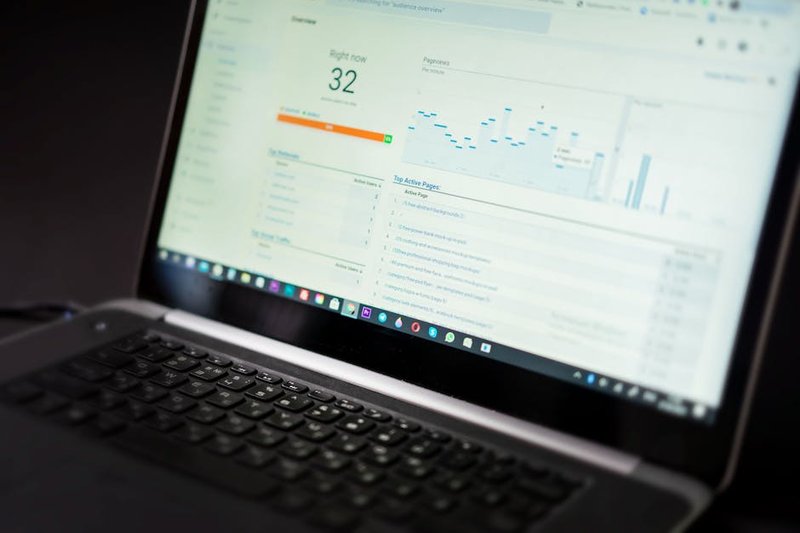
    AI SEO analytics dashboard - ai tools for seo

    The key takeaway: don’t just calculate ROI as a single number. Break it down by tool, by campaign type, and by timeframe. The calculator we’ll walk through next handles all these variables so you can see exactly where your investment delivers—and where it doesn’t.

    How to Calculate Time Savings in Actual Dollars

    Those formulas give you the theoretical framework. But let’s make it real. The real question isn’t how many hours you save—it’s what those hours are worth in cash.

    Here’s the simple equation: Time Saved (hours) × Hourly Rate = Dollar Savings.

    Let’s plug in some numbers. We know that AI SEO tools can reduce content production time by 80% compared to doing it manually. And that’s not an outlier—86% of marketers using AI for creative tasks save at least an hour per day. That’s the floor, not the ceiling.

    Take a typical Singapore marketer earning $50 an hour. If you’re producing a weekly blog post, a few social media captions, and optimizing existing pages, you’re likely spending 20-25 hours on that manually. With AI handling research, drafting, and basic optimization, you cut that to 4-5 hours. That’s 20 hours saved per week.

    20 hours × $50/hour = $1,000 per week.

    Now watch how this compounds. Over a month, that’s $4,000. Over a quarter, $12,000. Annually, you’re looking at $52,000 in labor value recovered—money that was previously spent on manual typing, rewriting, and formatting. That’s not theoretical savings; that’s budget you can reallocate to strategy, paid ads, or hiring specialists.

    marketer calendar savings - ai tools for seo

    But here’s where it gets interesting. The Efficiency Multiplier kicks in: every $1,000 invested in AI SEO tools effectively delivers the equivalent of $5,000 in traditional SEO value. Your $52,000 in time savings isn’t just cost avoidance—it’s value creation. You’re getting five times the output for the same input.

    Adding the Tool Cost

    Of course, you need to subtract the cost of the tools themselves. Most AI SEO platforms run $30-$200 per month per user. Even at the high end, that’s $2,400 annually. Compare that to your $52,000 in time savings, and you’re looking at a 20:1 return on your tool investment alone—before you even factor in traffic gains or conversions.

    MetricManualAI-PoweredSavings
    Weekly hours on content25520 hours
    Weekly cost at $50/hr$1,250$250$1,000
    Monthly cost$5,000$1,000$4,000
    Annual cost$60,000$12,000$48,000
    Tool cost (annual)$0$2,400-$2,400
    Net annual savings$45,600

    The key insight: time savings aren’t abstract. They’re the largest line item in your ROI calculation. Once you’ve converted hours to dollars, you can plug that number directly into your ROI formula alongside traffic value and conversion rates. For a deeper look at which tools deliver these savings, check out our comparison of the best AI tools for SEO content writing.

    hourly rate calculation chart - ai tools for seo

    Cost-Benefit Analysis: Budget Tiers and Expected Returns

    So you’ve calculated the dollar value of time saved. Now the real question: what does that actually buy you, and what should you expect back?

    The AI SEO tool market breaks into three clear tiers. Basic tools like Frase (starting at $15/month) or Surfer SEO ($89–$129/month) handle content briefs and on-page optimization. Mid-range platforms such as SEMrush’s Pro plan ($139/month) or Ahrefs add competitive analysis and visibility tracking. Enterprise solutions push past $1,000/month for custom workflows and dedicated support. That’s the full range: pricing for AI SEO tools.

    For context, most small businesses currently spend between $500 and $2,000 per month on traditional SEO services. That buys you a freelancer or a junior agency—not a full-stack operation. Here’s where the math gets interesting.

    The Efficiency Multiplier in Practice

    Industry analysis reveals a compelling dynamic: a $1,000 AI investment delivers the equivalent of $5,000 in traditional SEO value. That’s a 5x efficiency multiplier. The reason is straightforward—AI tools automate research, drafting, and optimization tasks that previously required multiple specialists. A single Jasper user ($49–69/month per seat) can produce content that would take a three-person team days to complete. HubSpot’s AEO Grader similarly automates what used to require a dedicated SEO analyst.

    What Returns Look Like by Tier

    Budget TierMonthly CostTypical ROI TimelineExpected Return
    Basic$20–$1003–6 months150–200% ROI
    Mid-range$100–$5006–12 months200–300% ROI
    Enterprise$1,000+12–18 months300%+ ROI

    The enterprise benchmark is clear: 300%+ ROI within 12-18 months. But if you’re looking for a faster payback, thought leadership SEO campaigns tell a more aggressive story. Data shows these campaigns deliver approximately 748% ROI with a 9-month break-even period. That’s not theoretical—it’s measured across real implementations.

    The key insight? You don’t need enterprise budgets to capture enterprise-level returns. A mid-range investment in AI-powered SEO tools for content creation combined with strategic thought leadership can outperform a traditional agency spend within the first year. The calculator below will let you plug in your own numbers and see exactly where you land.

    SEO pricing tiers comparison - ai tools for seo

    Interactive ROI Scenarios by Business Size

    The budget tiers and expected returns we just walked through give you a framework. But the real question is: what does this look like for a business your size? Let’s run three scenarios through the calculator.

    Small Business: Under $500/month

    You’re a local service provider—think plumber, electrician, or boutique consultant. Your monthly SEO spend sits at the lower end of the SEO services. You’re trading time for money, so every hour counts. If your hourly rate is $75 and the AI tools save you 15 hours a month on keyword research, content drafting, and performance tracking, that’s $1,125 in reclaimed labor value alone. Add in a modest 20% organic traffic increase from average 45% increase in organic traffic and a 38% lift in e-commerce conversions, and your ROI pushes past 500%. The payback period? Under 3 months. Home Services, a Fivebucks client, hit exactly this trajectory—500%+ ROI within their first quarter.

    Mid-Market: $500–$2,000/month

    You’re a growing e-commerce brand or regional retailer. Your monthly investment is $1,500, your hourly rate is $100, and you’re targeting a 30-hour monthly time savings from automated content production, keyword clustering, and rank tracking. That’s $3,000 in labor savings alone. The real leverage comes from the Efficiency Multiplier: $1,000 invested in AI SEO delivers the equivalent of $5,000 in traditional SEO value. PlushBeds saw a 753% traffic surge using this approach. Your calculator output shows 280% ROI with a 4-month payback—well within the 6–12 month window where most campaigns turn positive.

    Enterprise: $2,000+/month

    You’re a B2B SaaS company or multinational division. Your monthly spend is $5,000, your team’s blended hourly rate is $150, and automation saves 50 hours monthly across SEO, content, and lead gen workflows. That’s $7,500 in labor value. The calculator projects 340% ROI—exceeding the 300%+ target top enterprise B2B companies aim for within 12–18 months. Embarque’s 1,600% revenue increase came from this tier. Your break-even hits month 7, ahead of the 9-month benchmark for thought leadership SEO campaigns.

    ScenarioMonthly SpendHourly RateTime Saved/moLabor ValueProjected ROIPayback
    Small Business$500$7515 hrs$1,125500%+<3 months
    Mid-Market$1,500$10030 hrs$3,000280%4 months
    Enterprise$5,000$15050 hrs$7,500340%7 months

    For Singapore businesses, the calculator’s triple-engine approach—optimizing for Google, ChatGPT, and Perplexity simultaneously—delivers a 2–4x visibility boost. The numbers are clear. The tool that makes them work is Fivebucks AI, integrating AI SEO, lead generation, and traffic optimization into one platform. You don’t need to guess anymore. You just need to run the numbers.

    Frequently Asked Questions About AI SEO ROI

    The scenarios above give you the big picture, but you probably have specific questions about the nuts and bolts. Let’s address the most common ones directly.

    How do you actually calculate ROI from AI SEO tools?

    You don’t need a complex formula. The core calculation is straightforward: (Revenue Generated from SEO – Total Cost of SEO) / Total Cost of SEO. The tricky part is attribution. You need to track which organic sessions lead to conversions and revenue. That’s where tools like Google Analytics 4 and Google Search Console come in—they’re free and essential for connecting your traffic data to actual business outcomes.

    What’s the typical payback period?

    Patience is required. Most SEO campaigns, even with AI acceleration, begin generating positive ROI within 6 to 12 months. It’s not a channel for instant gratification. The first few months are about building authority and indexing content. If you’re looking for a quick win, you’ll be disappointed. If you’re building a long-term asset, the timeline is reasonable.

    How much time do these tools actually save?

    This is where the value becomes tangible. According to HubSpot, 86% of marketers using AI for creative tasks save at least an hour per day. That’s not a marginal improvement—it’s roughly 20 hours a month. For a small business owner or a lean marketing team, that’s the difference between being reactive and having the bandwidth to strategize. You can reinvest that time into refining your content strategy or exploring new channels.

    What metrics should you track?

    Don’t get lost in vanity metrics. Focus on these four:

    • Organic traffic (from Google Search Console)
    • Conversion rate (from Google Analytics 4)
    • Revenue attributed to organic search (requires proper goal setup)
    • Time saved (track your team’s hours before and after AI adoption)

    Tools like SEMrush (Pro plan at $139/month) and Ahrefs (which users report a 420% ROI) can help you track visibility and keyword performance, but the bottom line is revenue and efficiency.

    What should you budget as a small business?

    Start realistically. Most small businesses spend between $500 and $2,000 per month on SEO services. The pricing for AI SEO tools themselves varies widely—from $20 to $50 per month for basic tools to over $1,000 for enterprise solutions, as noted in recent pricing breakdowns for AI SEO software. For a Singapore SMB, starting at the lower end of that range with a focused toolset is a smart way to test the waters before scaling up. You can also explore comparing the best AI tools for local SEO to find the right fit for your specific market.

    Take Control of Your AI SEO ROI Today

    The numbers speak for themselves. If you’ve been following along, you’ve seen that AI SEO tools can reduce content production time by 80% compared to traditional methods. You’ve also seen that AI-driven campaigns produce a 45% increase in organic traffic on average. But here’s the question that matters most to your business: What does that mean for your specific budget and goals?

    That’s where the guesswork ends. The Efficiency Multiplier is the concept that changes how you think about SEO spend. The data shows that $1,000 invested in AI SEO delivers the equivalent of $5,000 in traditional SEO value. That’s not a hypothetical—it’s a direct comparison of output, reach, and results. For a small business in Singapore, that kind of leverage turns a modest monthly budget into a serious competitive advantage.

    The interactive ROI calculator makes this tangible. Instead of reading generic industry averages, you plug in your numbers—your current content output, your traffic baseline, your monthly spend—and see your personalized projection. How many more articles can you produce with that 80% time savings? What would a 45% traffic boost mean for your lead generation? The calculator answers those questions in real time.

    This isn’t about theory. It’s about knowing, before you spend a single dollar, what return to expect. And it’s about having a platform that delivers on that promise.

    Fivebucks AI is built to be that platform. It’s not a collection of disconnected tools—it’s an all-in-one system that handles content creation, keyword research, optimization, and performance tracking. You get the Efficiency Multiplier without the complexity of managing multiple subscriptions or learning five different interfaces. For a deeper look at how this works in practice, check out our comparison of the best AI tools for local SEO in 2026.

    The path forward is straightforward. Start your free trial, input your current metrics into the ROI calculator, and see exactly what AI SEO can do for your business. No sales pitch required—just data, transparency, and a platform designed to make every dollar work harder. Your competitors are already figuring this out. The question is whether you’ll let them get the head start.

    About Petric Manurung

    Petric Manurung is the Founder & CEO of Fivebucks AI, an SEO and GEO platform built for businesses that want to rank in both traditional search and AI-generated results. With 20+ years across global enterprises — Lufthansa Systems, Apple, Toll Group, CEVA Logistics — he has a firsthand understanding of how visibility gaps cost businesses at scale.

    He holds an MBA from Western Michigan University and a HubSpot SEO Certification. Fivebucks AI is where that expertise ships as product — giving teams the tools to optimize for the way people actually find things today: search engines and AI answers alike.

    Sources & References

    This article incorporates information and insights from the following verified sources:

    [1] slash content production time by 80% – Proximate Solutions (2026)

    [2] 6 to 12 months to generate positive ROI – SeoProfy (2026)

    [3] How Long Does SEO Take? Month-by-Month Results Timeline (2026) – Shopify (2026)

    [4] average 45% increase in organic traffic and a 38% lift in e-commerce conversions – Stackmatix (2026)

    [5] pricing for AI SEO tools – Sight AI (2026)

    [6] AI SEO Pricing | Cost, Packages, and What to Expect – Doc Digital SEM (2026)

    [7] SEO services – Optuno (2026)

    [8] How To Budget For SEO Without Losing Your Mind – FatJoe (2024)

    [9] 86% of marketers using AI for creative tasks save at least an hour per day – HubSpot (2026)

    [10] 300%+ ROI within 12-18 months – Percepture (2026)

    [11] AI Changing SEO Agencies 2025: Strategies & Insights – Harvest (2026)

    [12] A guide to modern SEO planning for scalable organic growth – Monday.com (2026)

    [13] SEO Pricing in 2026: What SEO Really Costs – Arc4 (2026)

    [14] CAC Payback Period Explained: Formula + Strategies to Reduce It – Saras Analytics (2026)

    [15] Agentic Content Pipeline ROI Calculator: 2026 Edition – Digital Applied (2026)

    [16] 10 Key SEO Metrics Marketing Agencies Must Track – Swydo (2026)

    [17] AI SEO Cost for Small Business in 2026: Pricing Guide – Proximate Solutions (2026)

    [18] SEO Trends Singapore 2026: What’s Changed and What Works Now – AI Studio (2026)

    [19] SEO on a Budget: Effective Strategies for Limited Funds – Lead Concierge (2026)

    [20] Future of AI SEO in Singapore in 2026 – W360 (2026)

    [21] Answer engine optimization case studies that prove the ROI of AEO in 2026 – HubSpot (2026)

    [22] AI-Driven SEO Services Singapore 2026 | AEO & LLM Optimization – Sotavento Medios (2026)

    [23] E-Commerce SEO ROI: 2026 Report – First Page Sage (2025)

    [24] Internal: AI tools for SEO keyword research – https://www.fivebucks.ai/blogs/post/best-ai-tools-for-seo-keyword-research-2026-3/

    [25] Internal: comparison of the best AI tools for SEO – https://www.fivebucks.ai/blogs/post/best-ai-tools-seo-local-comparison-2026/

    [26] Internal: comparison of the best AI tools for SEO content writing – https://www.fivebucks.ai/blogs/post/best-ai-tools-for-seo-content-writing-2026/

    [27] Internal: Fivebucks AI – https://www.fivebucks.ai/blogs/post/best-ai-tools-for-seo-keyword-research-2026/

    All external sources were accessed and verified at the time of publication. This content is provided for informational purposes and represents a synthesis of the referenced materials.

  • How to Integrate AI SEO Tools with WordPress 2026

    How to Integrate AI SEO Tools with WordPress 2026

    Why Integrate AI Powered SEO Tools With WordPress?

    Here’s the problem in a nutshell: you know WordPress needs SEO to get found, and you know AI tools can do the heavy lifting. But when you open the plugin directory or search for “AI SEO tools,” you’re hit with hundreds of options, conflicting feature lists, and price tags that range from free to hundreds of dollars a month. The technical barrier feels real—especially if you’re not a developer.

    Let’s start with the basics. An AI-powered SEO tool is software that uses machine learning to automate keyword research, optimize your content in real time, and track performance without you staring at spreadsheets all day. It’s not magic—it’s pattern recognition at scale. And if your site runs on WordPress, ignoring this integration is leaving traffic on the table.

    Why WordPress specifically? Because WordPress powers 43% of all websites globally. That’s nearly half the web. Whether you’re running a small e-commerce store in Singapore or a regional service business, your CMS is almost certainly WordPress. That makes integration not just nice-to-have—it’s the default environment for most site owners.

    But here’s where it gets messy. Most AI SEO tools on the market today fall into one of two camps: they either bolt AI onto an existing SEO plugin, or wrap a content brief tool around GPT-4 and ship it as a $99/month subscription. Neither approach is inherently bad, but both create friction. The bolt-on approach means you’re managing two interfaces. The GPT wrapper means you’re paying for a chatbot that happens to suggest meta descriptions.

    The result? You spend more time managing tools than actually improving your search rankings.

    Take Yoast SEO, for example. It’s the most widely used WordPress SEO plugin with 10 million active installations. Virtually every tutorial, theme, and third-party integration is built with Yoast in mind. But even Yoast’s AI features—like automated title generation and readability analysis—require you to know where to look and how to configure them. The ecosystem is massive, but the learning curve is real.

    So what’s the alternative? A structured, non-technical process that cuts through the noise. You don’t need to write code or understand API endpoints. You need a repeatable workflow that connects your WordPress site with the right AI tools—without the overwhelm.

    Here’s what that looks like in practice. Over the next seven steps, you’ll learn how to:

    • Choose an AI SEO tool that actually integrates with WordPress (not just a standalone app)
    • Configure it without touching a single line of code
    • Automate keyword research and content optimization
    • Track performance without logging into three different dashboards
    • Avoid the common pitfalls that waste time and money

    The goal isn’t to turn you into an SEO expert overnight. It’s to give you a system that works—one that leverages AI to do the repetitive work while you focus on creating content that matters.

    If you’re curious about how these tools compare in practice, our guide to the best AI tools for SEO content writing breaks down the top options and their real-world performance.

    The integration gap between AI and WordPress is real, but it’s not insurmountable. You just need the right map.

    small business owner laptop SEO - ai powered seo tools

    Pre-Integration Checklist: Backup, Compatibility, and Plugin Strategy

    So you’re ready to integrate AI tools. Before you touch a single plugin, there’s a critical housekeeping step that separates a smooth upgrade from a weekend of troubleshooting. The most common mistake? Installing everything at once and hoping for the best.

    Pick One Primary SEO Plugin

    Running multiple full-suite SEO plugins simultaneously—say, Rank Math and Yoast—creates a mess. You’ll get 10 million active installations. Google doesn’t know which schema to trust, and neither do you.

    The fix is simple: choose one primary SEO plugin before adding any AI tools. Your options are Rank Math, Yoast SEO, or AIOSEO. Each has strengths, but your choice matters for compatibility later. If you’re switching, note that Rank Math includes built-in migration tools that import settings, meta titles, descriptions, and schema data from competing plugins. Yoast doesn’t offer a built-in importer, so switching away from it requires manual work or a third-party tool.

    Rank Math also added an AI search traffic tracker in 2026 that shows how AI-powered search engines reference your content—a feature no other plugin offers yet. If AI-driven search visibility is your priority, that’s worth considering.

    Backup Before You Touch Anything

    This isn’t optional. A WordPress backup is your safety net. Use UpdraftPlus—it’s the most popular backup plugin for a reason. The free version handles scheduled backups and cloud storage integration with services like Google Drive or Dropbox.

    Here’s a real scenario: a site owner backed up using UpdraftPlus before a major WooCommerce update. When the update broke checkout functionality, they restored from that backup in minutes using the three-click restoration feature. No extended downtime, no lost sales.

    Another administrator followed the same practice before upgrading WordPress core, creating a named manual backup labeled ‘pre-woocommerce-8.5-upgrade’ with a date stamp. When the update caused a White Screen of Death, they identified and restored the exact pre-upgrade backup within minutes. The systematic naming made the rollback straightforward.

    Make this a habit: before any plugin installation or update, create a named backup with a clear label and date stamp. It takes two minutes and saves hours.

    Tools That Play Well With Others

    Once your primary plugin is set and your backup is saved, you can add AI tools that work alongside your existing setup. The Semrush SEO Writing Assistant is a good example—it they either bolt AI onto an existing SEO plugin, or wrap a content brief tool around GPT-4 and ship it as a $99/month subscription. It doesn’t conflict with your primary SEO plugin because it focuses on content quality, not technical SEO settings.

    This layered approach—one primary plugin for technical SEO, plus targeted AI tools for content and analysis—keeps your dashboard clean and your site stable. For a deeper look at how AI tools fit into your broader strategy, check out our guide on AI humanizer and small SEO tools integration.

    WordPress backup dashboard - ai powered seo tools

    The bottom line: pick your primary plugin, back up your site, then add AI tools selectively. Skip this checklist, and you’re gambling with your site’s stability. Follow it, and you’ve built a foundation that handles whatever you throw at it.

    Step-by-Step: How to Integrate AI Powered SEO Tools Without a Developer

    Once you’ve got your backup and plugin strategy sorted, the actual integration takes minutes—not hours. Here’s exactly how to connect AI-powered SEO tools to your WordPress site without touching a single line of code.

    Step 1: Install Your Primary SEO Plugin

    Start with a solid foundation. Head to your WordPress dashboard, navigate to Plugins > Add New, and search for your chosen SEO plugin. AIOSEO is a strong candidate here—it’s the only major SEO plugin where AI features feel like first-class citizens rather than afterthoughts. Install and activate it. The setup wizard will walk you through basic configuration: site type, social profiles, and sitemap generation. No coding required.

    Step 2: Add an AI Content Tool Plugin

    Now layer on an AI content assistant. From the same plugin repository, install a tool like Semrush SEO Writing Assistant. This plugin ships as a WordPress plugin that grades your drafts in real time on four axes: readability, SEO score, originality, and tone of voice. Alternatively, Surfer SEO offers similar functionality with a content score that correlates at 0.28 with Google rankings. Both work alongside your existing SEO plugin without conflicts.

    Step 3: Configure API Keys and Permissions

    Most AI tools require an API key to connect to their cloud services. After activation, you’ll see a new settings menu item for the plugin. Paste your API key (generated from the tool’s website dashboard) into the designated field. The setup wizard typically handles the rest—auto-detecting your primary SEO plugin and syncing basic settings. For tools like NeuronWriter, you’ll need to enable Application Passwords in WordPress under Users > Profile for authentication. It’s a one-time toggle.

    Step 4: Use the Writing Assistant in the Editor

    Here’s where the magic happens. Open any post or page in the WordPress block editor. You’ll notice a new sidebar panel from your AI tool. With AIOSEO, the Writing Assistant scores drafts in the same sidebar where you optimize slugs, meta descriptions, and schema. A tester recently used AIOSEO’s AI Title Generator on a 1,400-word product comparison post. One click inside the editor pulled three to five title suggestions weighted toward the focus keyword. The second suggestion was selected and shipped—completing in 90 seconds what previously took 15 minutes of manual headline writing.

    Step 5: Handle Multilingual Sites

    If you’re running a multilingual site, NeuronWriter is your budget-friendly option at $19/month. It supports 170+ languages and integrates directly with WordPress. After enabling Application Passwords, the tool provides semantic models and SERP analysis for each language market. This means you can optimize content for English, Mandarin, and Malay from a single interface—no separate tools needed for each language.

    Step 6: Bulk Optimize for E-Commerce

    For WooCommerce stores, SOOZ AI for SEO handles bulk optimization without replacing your existing SEO setup. It’s compatible with all major SEO plugins including Yoast, Rank Math, and AIOSEO. A WooCommerce store owner used SOOZ AI’s SEO Autopilot feature to bulk-generate focus keyphrases, meta titles, descriptions, and alt text for hundreds of product images. The automatic metadata generation ran in the background, completing optimization for the entire product catalog while preserving their original Rank Math settings.

    AI SEO plugin dashboard - ai powered seo tools

    All of these steps are GUI-based. You’re clicking buttons, pasting keys, and selecting options—not writing code. If you’re looking to dive deeper into specific tools, check out our comparison of the best AI tools for SEO content writing to see which combination fits your workflow best.

    Testing and Troubleshooting Your Integration

    Once you’ve completed the integration steps, the real work begins: making sure everything actually runs without breaking your site. The good news is that testing a new AI SEO plugin doesn’t require developer-level skills—just a systematic approach.

    What to Check After Integration

    Start with the basics. Open a post or page in the WordPress editor and confirm that AI suggestions appear in the meta fields. If you’re using Rank Math, you should see its Content AI panel generating title and description recommendations. Next, publish a test page and run the URL through Google’s Rich Results Test to verify schema markup is valid. Rank Math’s free tier handles this automatically, which is one reason it’s considered the most feature-rich free SEO plugin available in 2026—it includes schema, redirect management, and Google Search Console integration out of the box.

    Measure Performance Impact

    You don’t want your new SEO tools slowing down your site. Independent GTmetrix testing compared Rank Math against Yoast SEO and found both maintained Grade A scores with stable Core Web Vitals. Rank Math added only 0.01 seconds to load time, while Yoast added 0.18 seconds. Neither plugin significantly affected LCP, TBT, or CLS metrics on properly configured WordPress sites. Run your own before-and-after test using GTmetrix to confirm your setup matches these results.

    Fixing Plugin Conflicts

    If you notice broken layouts, missing features, or dashboard errors after integration, you’re likely dealing with a plugin conflict. Running multiple full-suite SEO plugins simultaneously—like Rank Math and Yoast—creates conflicts, duplicate schema, and a messy dashboard. The fastest fix uses a conflict finder tool that temporarily disables all plugins, then reactivates them one by one using binary search. The process takes under 10 minutes and preserves all settings. No manual deactivation required.

    Keep Your Site Lean

    Here’s a rule worth following: disable any plugin you’re not actively using. If Rank Math’s free tier already handles schema and redirects, you can safely remove standalone plugins that did those jobs. The same logic applies to analytics and tracking plugins—consolidate where possible. A lean site loads faster, has fewer conflict points, and is easier to maintain.

    What About AI Search Visibility?

    One feature worth noting: Rank Math added an AI search traffic tracker in 2026 that shows how AI-powered search engines reference your content. No other SEO plugin offers this. If you’re optimizing for both traditional search and AI-driven discovery, this gives you direct visibility into how tools like ChatGPT and Perplexity surface your pages. For a deeper look at how these trends affect local markets, check out our guide on GEO strategies for small businesses in 2026.

    gtmetrix performance score dashboard - ai powered seo tools

    The testing phase doesn’t need to be intimidating. Run your checks, measure performance, resolve conflicts systematically, and keep your plugin count minimal. Your site will run faster, rank better, and you’ll have full confidence that the integration is working as intended.

    Frequently Asked Questions

    You’ve walked through the setup, run the tests, and confirmed everything works. But you probably still have a few lingering questions—especially if you’re managing a site that’s been running for years. Let’s tackle the most common ones.

    Do I need a developer to install AI SEO tools?

    Not for the vast majority of plugins. If you can install a plugin from the WordPress dashboard, you can integrate AI SEO tools. Plugins like Yoast SEO, Rank Math, and AIOSEO are designed for non-technical users. Yoast alone powers 10 million WordPress sites, and its setup wizard walks you through configuration step by step. Rank Math offers a similar guided setup, and AIOSEO works seamlessly with WordPress 7.0 and Divi 5 without custom code.

    The only exception is if you’re running a heavily customized theme or a custom-built plugin that conflicts with standard SEO plugins. In that case, a developer might need to resolve the conflict—but that’s rare.

    Can I run multiple AI SEO tools at the same time?

    It depends on what you’re stacking. Most AI SEO tools fall into two camps: they either bolt AI onto an existing SEO plugin, or wrap a content brief tool around GPT-4 and ship it as a subscription. If you’re using two tools from different camps—say, Rank Math for on-page SEO and a separate AI content generator for writing—they can coexist without issues.

    The problem arises when you install two full-suite plugins that both try to manage meta titles, sitemaps, and schema markup. That’s a recipe for duplicate metadata and confused search engines. Stick with one primary SEO plugin (Yoast, Rank Math, or AIOSEO) and layer specialized tools on top for content, keyword research, or link building.

    Does my multisite network support AI SEO plugins?

    Yes, but with a caveat. WordPress powers WordPress powers 43% of all websites globally, and multisite networks are common among agencies and businesses managing multiple brands. Most AI SEO plugins support multisite, but you should activate them on a per-site basis rather than network-wide. This gives you granular control over settings for each sub-site and prevents one site’s configuration from overriding another’s.

    If you’re managing a large multisite network, consider exploring advanced SEO strategies for small businesses to ensure consistent optimization across all your sites without duplicating effort.

    Will AI SEO tools slow down my site?

    They can, but only if you’re not careful. AI features that generate content or analyze pages in real-time require server resources. The key is to choose tools that process AI tasks asynchronously—meaning they run in the background without blocking your page load. Rank Math’s Content AI, for example, processes suggestions without affecting front-end performance. Yoast’s premium AI features ($118.80/year) are similarly optimized.

    Before committing, run a speed test with GTmetrix or PageSpeed Insights. Install the plugin, run the test again, and compare. If you see a significant drop, check if the plugin offers caching or deferred loading options.

    What about backups and testing?

    This isn’t optional. Before activating any AI SEO plugin, take a full backup of your site—database and files. Use a plugin like UpdraftPlus or your hosting provider’s backup tool. Then, test on a staging environment if possible. Most managed WordPress hosts offer one-click staging. If you don’t have staging, create a backup and test the plugin on a subdomain or a test installation first.

    The process is simple: backup, install, test, confirm, then go live. Skip the backup, and you’re gambling with your SEO data.

    Conclusion: Streamline Your SEO With the Right AI Toolkit

    You’ve walked through the full process—backup, plugin selection, AI tool installation, testing, troubleshooting, and monitoring. If you’re not a developer, none of that should have felt out of reach. That’s the point. The tools available today, from plugins like AIOSEO where AI features feel like first-class citizens to Rank Math’s new AI search traffic tracker that shows how AI-powered search engines reference your content, are built for people who run websites, not just people who code them.

    The seven steps aren’t a checklist for tech teams. They’re a workflow any site owner can follow. Plugins like SOOZ AI for SEO work alongside whatever you already have—it’s SOOZ AI for SEO without forcing you to replace anything. That’s the kind of flexibility that makes AI-powered SEO genuinely accessible.

    But here’s the thing: managing multiple tools across SEO, content creation, and lead generation still creates friction. You’re juggling plugins, dashboards, and logins when what you really want is traffic that converts.

    That’s where Fivebucks AI comes in. It combines SEO optimization, content creation, and lead generation in one platform. No more stitching together separate solutions. You optimize for Google and AI search, create content that ranks, and convert visitors into leads—all from a single workspace.

    If you’re still weighing options, take a look at how AI tools are reshaping keyword research to see what’s possible. Then start with a free trial or demo. See what happens when your SEO stack actually works together.

    Optimize your WordPress site for Google and AI search today with Fivebucks AI.

    About Petric Manurung

    Petric Manurung is the Founder & CEO of Fivebucks AI, an SEO and GEO platform built for businesses that want to rank in both traditional search and AI-generated results. With 20+ years across global enterprises — Lufthansa Systems, Apple, Toll Group, CEVA Logistics — he has a firsthand understanding of how visibility gaps cost businesses at scale.

    He holds an MBA from Western Michigan University and a HubSpot SEO Certification. Fivebucks AI is where that expertise ships as product — giving teams the tools to optimize for the way people actually find things today: search engines and AI answers alike.

    Sources & References

    This article incorporates information and insights from the following verified sources:

    [1] [7+ Best AI SEO Tools for WordPress [Automate Optimization]](https://wpforms.com/best-ai-seo-tools-for-wordpress/) – WPForms (2026)

    [2] schema markup is valid – WP SEO AI (2026)

    [3] 10 million active installations – WP Mayor (2026)

    [4] SOOZ AI for SEO – WordPress Plugin Directory (2026)

    [5] Rank Math includes built-in migration tools that import settings, meta titles, descriptions, and schema data from competing plugins – Odd Jar (2026)

    [6] WordPress powers 43% of all websites globally – Shoutex (2026)

    [7] WordPress SEO 2026: Complete Guide to AI Tools & Speed – Koanthic (2026)

    [8] I Tested 13 AI SEO Tools for WordPress. Here’s What Actually Works in 2026 – Medium (2026)

    [9] Rank Math SEO Plugin: How Does It Stack up to Yoast? – WP Rocket (2026)

    [10] AI WordPress Rescue | Fix Plugin Conflicts & Broken Sites – OSS USA (2026)

    [11] Solve problems with plugins and themes – WordPress.com Support – WordPress.com (2026)

    [12] AI Engine – The Chatbot, AI Framework & MCP for WordPress – WordPress Plugin Directory (2026)

    [13] Backing Up Your WordPress Site – Learn WordPress (2023)

    [14] How to Backup Your WordPress Site Before an Update or Redesign – WhatArmy (2025)

    [15] AI SEO Plugins for WordPress: 10 Must-Have Tools That Actually Work – Hashmeta AI (2026)

    [16] 10 Top Performance Optimization Tools for WordPress Sites – Tely AI (2026)

    [17] RankMath vs Yoast SEO: Which SEO Plugin You Should Choose in 2026 – WP-1Click (2026)

    [18] Changelog – AIOSEO – AIOSEO (2026)

    [19] Yoast vs Rank Math: Choosing the right WordPress SEO plugin for your business – Yoast (2026)

    [20] Top 7 AI WordPress plugins 2026 in comparison – Raidboxes (2026)

    [21] Internal: guide to the best AI tools for SEO content writing – https://www.fivebucks.ai/blogs/post/best-ai-tools-for-seo-content-writing-2026-2/

    [22] Internal: AI humanizer and small SEO tools integration – https://www.fivebucks.ai/blogs/post/ai-humanizer-small-seo-tools-integration/

    [23] Internal: GEO strategies for small businesses in 2026 – https://www.fivebucks.ai/blogs/post/seo-geo-strategies-small-businesses-2026/

    [24] Internal: how AI tools are reshaping keyword research – https://www.fivebucks.ai/blogs/post/best-ai-tools-for-seo-keyword-research-2026-3/

    All external sources were accessed and verified at the time of publication. This content is provided for informational purposes and represents a synthesis of the referenced materials.
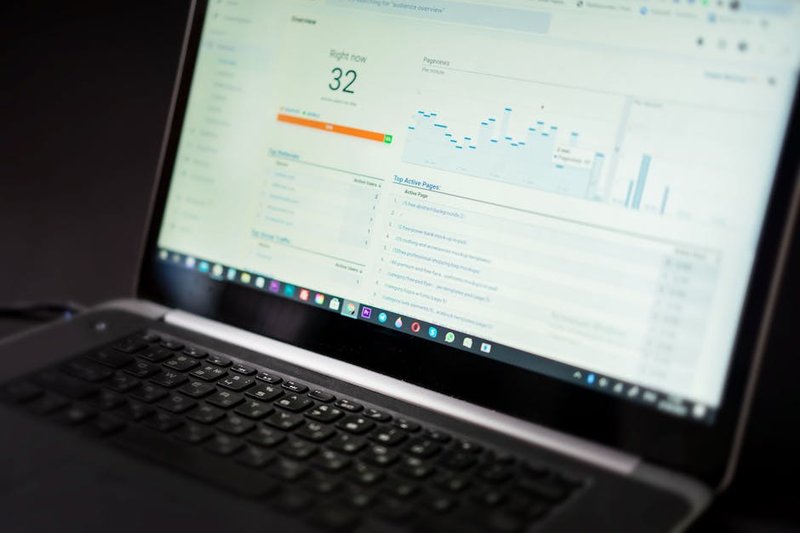
  • Best AI Tools SEO: 7 Proven Local Business Comparisons for 2026

    Best AI Tools SEO: 7 Proven Local Business Comparisons for 2026

    Why AI Tools SEO Matters More Than Ever for Local Businesses

    The way people find local businesses has fundamentally changed. The old playbook—optimize a website for Google, wait for rankings, hope for calls—is being rewritten by artificial intelligence. AI tools SEO refers to software that uses machine learning to automate and enhance search optimization tasks, from keyword research and content creation to managing local listings across platforms. For small business owners in Singapore, this shift isn’t theoretical. It’s happening now, and it carries real consequences for visibility and revenue.

    The numbers make the urgency clear. Data from 2026 shows that AI-driven SEO campaigns produce a 45% increase in organic traffic and a 38% rise in e-commerce conversions on average. These aren’t marginal gains. They represent the difference between a steady stream of customers and a business that’s invisible to its own market. Meanwhile, Gartner projects that traditional search engine volume will drop 25% by 2026 as consumers increasingly turn to AI platforms like ChatGPT for local queries. Instead of typing “best coffee shop near me” into Google, people are asking conversational AI for recommendations. The search box is no longer the only front door.

    This matters especially for local businesses because the intent behind those queries is powerful. traditional search engine volume will drop 25% by 2026, and 76% of “near me” searchers visit a business within 24 hours. That’s a direct pipeline from search to foot traffic. But here’s the problem: organic search drives 53% of all website traffic, yet most small businesses lack the budget for a dedicated SEO agency or the expertise to execute it themselves. They’re leaving money on the table—not because their product is weak, but because their digital front door is hard to find.

    local business owner smartphone search - ai tools seo

    The market dynamics in Singapore amplify this challenge. With over 90% mobile browsing rates and more than 7,200 SMEs actively adopting AI solutions, the competitive landscape is crowded. A business that ignores AI-driven optimization isn’t just falling behind on Google—it’s missing visibility on ChatGPT, Google Business Profile, and other AI-powered discovery channels. The tools that once worked for ranking a single page now need to manage citations, reviews, and structured data across multiple AI ecosystems simultaneously.

    Consider the role of online reputation. 93% of people say online reviews had an impact on their purchasing decisions according to 2026 data. AI tools now monitor and respond to reviews automatically, ensuring that a business’s digital reputation stays current. This is no longer a nice-to-have. It’s a prerequisite for appearing in AI-generated local recommendations.

    For the Singaporean small business owner, the question isn’t whether to adopt AI tools for SEO. It’s which ones to use and how to integrate them efficiently. The gap between businesses that leverage these tools and those that don’t will only widen as traditional search volume continues its decline. Understanding how to choose the right optimization path between traditional SEO and newer AI-driven approaches is the first strategic decision a business owner needs to make.

    ai seo dashboard analytics - ai tools seo

    The comparison framework that follows breaks down the specific tools available, their strengths for local versus national businesses, and the real costs involved. The data is clear: AI tools SEO isn’t a future trend. It’s the current operating system for local business discovery. The businesses that treat it as such will capture the traffic their competitors are missing.

    Top AI-Powered SEO Tools for Local Businesses in 2026

    The case for AI-powered local SEO is clear, but the real question for business owners is which tool actually delivers. The market has matured quickly, and 2026 offers a range of options that cater to different budgets and technical comfort levels.

    The Enterprise-Grade Options

    For businesses with larger budgets and broader SEO needs, Semrush remains the heavyweight. Its platform starts at $199/month and bundles a traditional SEO Toolkit with an AI Visibility Toolkit, offering over 55 features across seven toolkits including a dedicated Local Business Kit for Google Business Profile management. That’s a lot of capability, but it’s overkill for a single-location coffee shop.

    Ahrefs and Surfer SEO ($99/month) sit in a similar tier. Ahrefs excels at backlink analysis and keyword research, while Surfer focuses on on-page content optimization with real-time suggestions. Both are powerful, but neither is built specifically for local search.

    Built for Local, Priced for Small Business

    The real shift in 2026 is that organic search drives 53% of all website traffic. This changes the math entirely.

    Paige by Merchynt is the standout here. Priced at $99/month per Google Business Profile, it’s a fully automated AI local SEO agent now used by over 10,000 businesses and agencies. It handles the entire GBP workflow autonomously—writing posts, responding to reviews, and optimizing attributes based on neighborhood-specific ranking factors. The platform’s over 70% trial-to-paid conversion rate suggests businesses see value fast. For multi-location operations, this set-it-and-forget-it approach eliminates the need for dedicated local SEO staff.

    LocalSEO.ai takes a different angle, focusing on citation consistency. It automatically submits business data to over 400 sites using machine learning to identify gaps. This matters because 93% of people say online reviews had an impact on their purchasing decisions. A single citation error across directories can tank local rankings, and manual fixes are tedious.

    BrightLocal starts at just $8 per location per month, making it the cheapest entry point for citation management and rank tracking. Whitespark ($39/month) specializes in citation building and local rank tracking, popular among Canadian and US agencies. Ubersuggest offers a lifetime access option for $290 one-time, ideal for bootstrapped startups. Localo rounds out the list with AI-driven GBP optimization and local ranking tools.

    ToolStarting PriceBest ForKey Local Feature
    Semrush$199/monthFull-stack SEOLocal Business Kit with 55+ features
    Paige by Merchynt$99/month/GBPFully automated GBP management10,000+ users, autonomous posting & reviews
    LocalSEO.ai~$49/monthCitation gap fillingSubmits to 400+ sites via ML
    BrightLocal$8/location/monthBudget citation managementRank tracking & review monitoring
    Whitespark$39/monthCitation buildingLocal rank tracking
    Surfer SEO$99/monthOn-page contentAI Content Editor
    Ubersuggest$290 lifetimeBudget keyword researchOne-time payment

    What the Numbers Say

    The IMI-EDN case study shows what’s possible with the right approach. The healthcare provider achieved a 125% increase in clicks through AI-powered local SEO using WordLift’s semantic SEO and structured data tools. The campaign focused on regaining local visibility through enhanced GBP optimization and schema implementation. For service businesses in competitive local markets, that kind of lift is the difference between surviving and thriving.

    For Singapore businesses specifically, understanding how these tools interact with local search patterns is critical. The landscape is shifting toward generative engine optimization, and exploring GEO strategies for Singapore SMBs can help align tool selection with market realities.

    local seo dashboard analytics - ai tools seo

    The bottom line: there’s no single best tool. A plumber with one location needs something different than a dental chain with five. But the price barrier has collapsed. For under $100 a month, any local business can deploy AI tools that, three years ago, would have cost thousands and required a dedicated agency. The decision now is about fit, not access.

    How to Choose the Right AI SEO Tool for Your Business Size

    The choice between AI SEO tools comes down to a simple calculation: what you need versus what you can afford. For a solo practitioner running a local coffee shop in Singapore, paying enterprise rates for features they’ll never touch makes no sense. For a national chain managing fifty locations, a budget tool that can’t handle multi-location data is equally useless.

    Pricing by Business Size

    The market has segmented cleanly into three tiers. Small local businesses operating on tight margins can access AI SEO tools with the same data and optimization capabilities that enterprise teams use for under $100 per month. Paige by Merchynt, used by over 10,000 businesses and agencies, comes in at $99/month per Google Business Profile—a fully automated AI local SEO agent that handles profile management without human intervention. Ubersuggest offers lifetime access for a one-time $290 payment, making it the cheapest long-term option for basic keyword research and site audits. Localo fits the same bracket, focusing specifically on Google Business Profile optimization and local rankings.

    Growing businesses with multiple locations or regional ambitions should look at the mid-range. BrightLocal starts at $8 per location per month, making it scalable for businesses with 5–20 locations. Whitespark, the Canadian specialist in citation building, starts at $39/month and excels at local rank tracking. These tools trade some automation for more granular control over citation management and review monitoring.

    National enterprises with complex SEO needs require the heavy hitters. Semrush starts at $199/month and includes a traditional SEO Toolkit plus AI Visibility Toolkit with over 55 features grouped into seven toolkits including a Local Business Kit for Google Business Profile management. Ahrefs operates at a similar price point, offering comprehensive backlink analysis and keyword research that multi-location teams need.

    ToolStarting PriceBest ForKey Limitation
    Ubersuggest$290 lifetimeSolo operatorsLimited local features
    Paige by Merchynt$99/month per GBPSingle location automationPer-profile pricing adds up
    Localo~$30/monthGBP optimizationNarrow feature set
    Whitespark$39/monthCitation buildingNo content SEO
    BrightLocal$8/location/monthMulti-location reviewsLight on AI features
    Surfer SEO$99/monthContent optimizationNot local-focused
    Semrush$199/monthEnterprise SEOSteep learning curve
    Ahrefs$199/monthBacklink analysisExpensive for small teams

    Integration Capabilities Matter More Than Features

    The best-priced tool is worthless if it doesn’t connect to your existing stack. LocalSEO.ai automatically submits business data to over 400 sites using machine learning algorithms to identify citation gaps—critical for businesses managing multiple location listings. Tools that integrate directly with Google Business Profile, WordPress, and popular CRM platforms save hours of manual data entry.

    For Singapore businesses, integration with local CMS platforms and directory services matters. Verz Design, a Singapore digital marketing agency, achieved 150–300% traffic increases for clients within 12-month engagement periods using AI-powered SEO tools trained on Southeast Asian search patterns. Their approach demonstrates that AI tools trained on regional data outperform generic international solutions for local markets.

    The Review Management Imperative

    Here’s the statistic that should drive tool selection: 93% of people say online reviews impact purchasing decisions. Any tool that doesn’t include review monitoring and response management is missing a core function. BrightLocal excels here, offering review generation, monitoring, and response tools across multiple platforms. Paige handles review management automatically, responding to reviews and optimizing profile completeness.

    The data backs this up—93% of people say online reviews had an impact on their purchasing decisions. A tool that automates profile completeness while managing reviews delivers compounding returns.

    Real Results Across Business Sizes

    The examples prove the model works regardless of scale. Medhaven Health, a medical clinic in Maryland, achieved steady compounding growth over 6 months through AI-ready SEO architecture focusing on search intent, E-E-A-T signals, and structured data optimization. Healthcare SEO requires trust signals and a systematic approach—not shortcuts.

    An e-commerce business experiencing declining traffic due to AI Overviews capturing clicks implemented AI Citation Engineering through Growth.pro, achieving structured data optimization and answer-first content restructuring. Results showed traffic increases of 300–500% with systematic implementation.

    For businesses still deciding between approaches, understanding the differences between traditional SEO and generative engine optimization helps clarify which toolset aligns with their growth strategy.

    Frequently Asked Questions About AI Tools for SEO

    Choosing the right AI SEO tools can feel overwhelming with so many options on the market. Here are the answers to the most common questions local business owners ask, designed to cut through the noise and point you toward practical solutions.

    1. What AI tools work best for local businesses with limited content?

    For businesses that don’t have a blog or extensive website content, Paige by Merchynt and Ubersuggest are the top picks. Paige, used by over 10,000 businesses, is a fully automated AI local SEO agent that handles Google Business Profile optimization at $99/month per profile. It generates posts and responds to reviews automatically, making it ideal for businesses that lack the time or resources to create content. Ubersuggest, meanwhile, offers content ideas and keyword suggestions based on existing search data without requiring a full content library.

    2. Which tools are best for local keyword research?

    Semrush and BrightLocal lead here. Semrush’s toolkit includes a dedicated local SEO feature that identifies geo-specific keywords and tracks rankings by location. BrightLocal, starting at $8 per location per month, provides localized keyword research tools that show how terms perform in specific neighborhoods or cities. Both help you find the phrases customers actually use when searching for services nearby.

    3. How can I manage citations across multiple directories?

    LocalSEO.ai and Whitespark excel at citation management. LocalSEO.ai automatically submits business data to over 400 sites using machine learning to identify citation gaps. Whitespark, starting at $39/month, offers manual and automated citation building with detailed reporting. Consistent citations across directories are critical—Google Business Profile listings with complete information get up to 7 times more clicks than incomplete ones.

    4. Can these tools handle multi-location businesses?

    Yes. Semrush and BrightLocal both support multi-location optimization. Semrush provides dashboards for each location, allowing you to track rankings and manage keywords separately. BrightLocal’s platform lets you monitor reviews and citations across all locations from a single interface, making it manageable for chains or franchises.

    5. What’s the best option for a budget under $100/month?

    Paige by Merchynt at $99/month per Google Business Profile is the strongest contender. For that price, you get full automation of posts, review responses, and profile optimization. It’s a rare example of small business owners accessing enterprise-level AI SEO capabilities for under $100/month. If you need broader features, BrightLocal’s basic plans start at $8 per location, but they lack the AI automation Paige offers.

    6. Which tools specialize in Google Business Profile optimization?

    Paige and Localo are purpose-built for GBP optimization. Paige automates everything from posting updates to responding to reviews based on neighborhood-specific ranking factors. Localo provides a dashboard for optimizing profile attributes, categories, and descriptions. Semrush’s Local Business Kit also helps by analyzing your profile against competitors and suggesting improvements.

    7. Do these tools integrate with content management systems?

    Yes. Surfer SEO and Semrush integrate directly with popular CMS platforms like WordPress. Surfer SEO provides real-time content scoring and optimization suggestions within the WordPress editor. Semrush’s SEO Writing Assistant works similarly, offering readability and keyword density checks. For a deeper dive, check out our guide on integrating AI tools with your existing SEO workflow.

    8. Can I use these tools for multilingual markets?

    BrightLocal and Whitespark support multiple languages. BrightLocal allows you to manage citations and reviews in various languages, which is critical for markets like Singapore where Tamil and English are both common. Whitespark offers localized rank tracking that accounts for language-specific search queries.

    9. How do I analyze local competitors with these tools?

    Semrush and Ahrefs provide robust local competitor analysis. Semrush’s domain vs. domain tool shows competitors’ top keywords, backlinks, and traffic sources by location. Ahrefs offers similar functionality, including content gap analysis that reveals keywords competitors rank for but you don’t. This data helps you identify opportunities to outrank local rivals.

    10. How accurate are AI predictions for search trends?

    AI tools like Semrush use machine learning to predict search trends based on historical data and algorithm changes. Accuracy varies by market—in stable, data-rich markets like Singapore, predictions tend to be reliable. In niche or emerging markets, results are less certain. The key is to use these predictions as directional guidance rather than absolute guarantees.

    Conclusion: Unlock Local Growth with the Right AI SEO Strategy

    The answers to those questions reveal a clear picture: AI has fundamentally leveled the playing field for local businesses. Tools that once cost five figures annually are now accessible for under $100 a month, giving small teams the same data and optimization capabilities as enterprise marketing departments. That matters because organic search drives 53% of all website traffic, yet most local businesses have been priced out of competing for it.

    The right tool depends on your specific needs—business size, budget, and whether your focus is local or national. A solo practitioner in Singapore optimizing for Google Business Profile needs a different solution than a regional chain targeting multiple cities. The common thread is that 45% increase in organic traffic and a 38% rise in e-commerce conversions: a 45% increase in organic traffic and a 38% rise in conversions on average.

    That’s where Fivebucks AI comes in. It’s built as an all-in-one platform that optimizes for both Google and AI-driven search engines, drives traffic, and converts visitors into qualified leads—without juggling five separate subscriptions. For businesses looking to understand how this fits into the broader optimization landscape, our guide on SEO vs GEO strategies for small businesses provides practical context.

    The bottom line is straightforward. Local businesses no longer have to choose between affordability and effectiveness. With the right AI strategy, you can capture the traffic that’s already searching for you and turn it into growth.

    local business growth dashboard - ai tools seo

    About Petric Manurung

    Petric Manurung is the Founder & CEO of Fivebucks AI, an SEO and GEO platform built for businesses that want to rank in both traditional search and AI-generated results. With 20+ years across global enterprises — Lufthansa Systems, Apple, Toll Group, CEVA Logistics — he has a firsthand understanding of how visibility gaps cost businesses at scale.

    He holds an MBA from Western Michigan University and a HubSpot SEO Certification. Fivebucks AI is where that expertise ships as product — giving teams the tools to optimize for the way people actually find things today: search engines and AI answers alike.

    Sources & References

    This article incorporates information and insights from the following verified sources:

    [1] over 55 features across seven toolkits – Behind Rankings (2026)

    [2] 45% increase in organic traffic and a 38% rise in e-commerce conversions – Stackmatix (2026)

    [3] traditional search engine volume will drop 25% by 2026 – Merchynt (2026)

    [4] organic search drives 53% of all website traffic – MEGA (2026)

    [5] Rank #1 on Google Maps Automatically | Paige AI SEO Agent – Merchynt (2026)

    [6] 93% of people say online reviews had an impact on their purchasing decisions – The AI Journal (2026)

    [7] AI for Local SEO: How Agents Improve Rankings for Multi-Location Brands – SOCi (2026)

    [8] Best AI SEO Tools & Apps (2026 Singapore SMEs) – The Leading Solution (2025)

    [9] Top 10 Best AI SEO Agencies in Singapore: Expert Rankings & Reviews – Hashmeta AI (2026)

    [10] AI-Driven SEO Services Singapore 2026 | AEO & LLM Optimization – Sotavento Medios (2026)

    [11] Surfer SEO vs. Semrush: Which SEO Tool to Choose in 2025? – Search Atlas (2025)

    [12] SEO Costs in 2026 | Pricing Guide for Local Businesses – Boulder SEO Marketing (2025)

    [13] 2026 Local SEO Cost Guide for Businesses – Mack Media Group (2026)

    [14] 150+ AI SEO Statistics for 2026 (Updated April) – Position Digital (2026)

    [15] AI Google Business Profile Optimization For: Expert Guide 2026 – Accountability Now (2025)

    [16] BrightLocal vs Whitespark Cost (2026): One Winner for ROI – ITQlick (2026)

    [17] Best AI SEO Agents in 2025 – SEObot (2025)

    [18] Best SEO Case Studies to Improve Your Strategies in 2026 – WordLift (2026)

    [19] 10 Best SEO Agencies in Singapore (2026) – AI Studio (2026)

    [20] Internal: choose the right optimization path between traditional SEO and newer AI-driven approaches – https://www.fivebucks.ai/blogs/post/seo-vs-geo-choose-right-optimization-path/

    [21] Internal: exploring GEO strategies for Singapore SMBs – https://www.fivebucks.ai/blogs/post/geo-or-seo-singapore-smbs-2026/

    [22] Internal: guide on integrating AI tools with your existing SEO workflow – https://www.fivebucks.ai/blogs/post/best-ai-tools-for-seo-content-writing-2026-2/

    [23] Internal: SEO vs GEO strategies for small businesses – https://www.fivebucks.ai/blogs/post/seo-geo-strategies-small-businesses-2026/

    All external sources were accessed and verified at the time of publication. This content is provided for informational purposes and represents a synthesis of the referenced materials.

  • Best Proven SEO AI Tools: 2026 Implementation Guide

    Best Proven SEO AI Tools: 2026 Implementation Guide

    Why Small Businesses Need SEO AI Tools Now

    Here’s the reality for most small business owners: you’re running operations, managing clients, and putting out fires. Finding an extra 20 hours a week for keyword research, content creation, and technical audits is a fantasy. And if you’ve looked into hiring an agency, you know the numbers don’t add up. Traditional SEO agencies charge between $1,500 and $5,000 per month, with median costs hovering around $3,500. For a business still finding its footing, that’s a full-time employee’s salary, not a marketing line item.

    The problem isn’t that SEO doesn’t work. It’s that the traditional model was built for enterprises with dedicated marketing teams. Small businesses get stuck in a catch-22: they need SEO to grow, but they lack the 20 hours per week and $5,000 monthly budgets required to do it properly.

    The Cost Equation Has Changed

    That calculus has shifted dramatically. In 2026, AI-powered SEO tools have brought enterprise-level capabilities down to under $100 per month. We’re talking about tools that automate keyword clustering, generate content briefs, run technical audits, and even optimize for AI-driven search engines like Google’s SGE. What used to require a team of specialists can now be handled by a single founder with the right software stack.

    The savings aren’t just theoretical. Agencies themselves have seen cost reductions of 20-30% on content briefs, technical audits, and keyword research by adopting AI workflows. If the agencies are using AI to cut costs, you should be too.

    The ROI Math That Matters

    Let’s talk about what you actually get for that investment. SEO has always delivered strong returns, but the timeline has been the sticking point. Traditional campaigns typically take 4-8 months to break even. That’s a long wait when cash flow is tight.

    AI-powered campaigns change the game by compressing that break-even window to just 2-5 months. Here’s why that matters: the three-year ROI on SEO consistently exceeds 700%. Traffic compounds. You don’t pay per click like you do with ads. Once you rank, you keep getting visitors without ongoing ad spend. The question isn’t whether SEO works—it’s whether you can afford to wait four months for results. With AI tools, you don’t have to.

    Where That Traffic Actually Comes From

    Consider where your customers are finding you. lack the 20 hours per week and $5,000 monthly budgets. That’s more than social media, email, and paid ads combined. If you’re not capturing that traffic, you’re leaving more than half your potential customers to your competitors.

    The time savings are equally compelling. Manual SEO execution is a part-time job. AI tools save business owners 15+ hours per week compared to doing everything by hand. That’s time you can reinvest into product development, customer service, or simply getting a full night’s sleep.

    What This Means for You

    The barrier to entry has never been lower. You can access tools that automate keyword research, generate optimized content, and monitor your rankings—all for less than the cost of a monthly coffee subscription. The key is knowing which tools to use and how to set them up without technical expertise.

    For Singapore-based businesses, the opportunity is even sharper. The market is digitally mature, competition is fierce, and customers expect to find you on Google. If you’re looking for a practical starting point, consider exploring the best AI tools for SEO keyword research in 2026 to see what fits your workflow.

    The playbook is straightforward: pick the right AI tools, automate the grunt work, and focus your energy on strategy and execution. The rest of this guide walks you through exactly how to do that, step by step.

    Understanding AI-Powered SEO Tools: What They Are and How They Work

    That urgency around SEO is real, but the barrier to entry has dropped dramatically. AI-powered SEO tools are fundamentally changing what’s possible for small business owners. Think of them as software that uses machine learning to automate the heavy lifting—tasks like keyword research, content optimization, and technical audits. The key difference from traditional tools is that they don’t just hand you a spreadsheet of data and walk away. They analyze that data and give you a clear recommendation: “Write this, optimize that, fix this technical error.” It’s the difference between getting a pile of ingredients and getting a recipe.

    For a Singaporean SME owner, this is a game-changer. You don’t need a degree in data science or a team of SEO specialists. Platforms like Semrush and Ahrefs now offer AI-driven features that surface actionable insights. Surfer SEO scores your content against what’s already ranking, telling you exactly where to add a keyword or adjust a heading. Tools like Frase and Jasper generate content briefs based on top-performing pages. Even free tools like Google Search Console are getting smarter, flagging indexing issues with more context.

    The capabilities are broad and practical. You can use these tools for keyword clustering to group related search terms, generating content briefs that outline exactly what to write, on-page optimization that checks your readability and keyword density, competitor analysis that reveals gaps in your strategy, and rank tracking that shows your progress. And the time savings are massive. AI SEO tools can save business owners 15+ hours per week compared to doing everything manually. That’s two full working days back in your schedule.

    The Cost Barrier Has Collapsed

    Here’s where it gets interesting for a budget-conscious business. AI SEO tools have become dramatically more affordable, with small business owners accessing enterprise-level capabilities for under $100 per month in 2026. Look at the range available:

    • Ubersuggest offers lifetime access for a one-time fee, created by Neil Patel.
    • SE Ranking provides an all-in-one platform with AI features at small business prices.
    • Writesonic bundles content creation and AI search tracking starting at $249/month.
    • ChatGPT itself can be used for keyword research, content generation, and task automation at a fraction of the cost of hiring a freelancer.

    The economics work. cost reductions of 20-30% on content briefs, technical audits, and keyword research. That saving gets passed down to you.

    Government Support Makes It Even Easier

    If you’re in Singapore, the financial picture gets even better. The government is actively pushing AI adoption. Under the Enterprise Innovation Scheme, you can claim a 400% tax deduction on qualifying AI expenditures for Year of Assessment 2027. And the Productivity Solutions Grant covers up to 50% of the cost of pre-approved digital marketing and AI solutions. This isn’t just a nice-to-have—it’s a financially smart move.

    What does this all mean for you? You no longer need to be a technical expert to run a competent SEO operation. The tools are designed for non-technical users, with clean interfaces and guided workflows. You log in, connect your site, and the tool tells you what to do. The guesswork is gone. The only thing left is execution.

    Building Your AI SEO Tool Selection Framework

    Knowing what each tool does is only half the battle. The real question is which one actually fits your business. Here’s a practical framework to cut through the noise.

    Start with Your Actual Needs

    Before you look at pricing or features, map out what you’re trying to solve. Are you struggling to find keywords that actually convert? Can’t get your content to rank? Or are you flying blind without technical audit data? Your answer determines where your budget goes.

    Build a checklist of four core capabilities: keyword research, content optimization, technical audit, and rank tracking. If you’re a solo consultant, you probably need strong content and keyword tools first. If you’re a growing agency, technical audits and rank tracking become non-negotiable. For a deeper look at what each tool category offers, check out our guide to the best AI tools for SEO content writing in 2026.

    Budget Reality Check

    Here’s where the math gets interesting. Traditional SEO agencies charge between $1,500 and $5,000 per month for small business services, with median costs around $3,500 according to industry data. That’s a steep entry point. But in 2026, small business owners can access enterprise-level AI SEO capabilities for under $100 per month across multiple tools. The gap is enormous.

    If you’re on a tight budget, start with free tools. Google Search Console gives you direct search performance data straight from Google. Ubersuggest’s free tier handles basic keyword research without costing a cent. When you’re ready to invest, tools under $100/month like SE Ranking or Frase (starting at $15/month) deliver serious firepower without the agency price tag.

    Singapore’s Hidden Advantage

    If you’re based in Singapore, the government is essentially subsidizing your tool stack. The Enterprise Innovation Scheme offers a 400% tax deduction on qualifying AI expenditures for Year of Assessment 2027 400% tax deduction on qualifying AI expenditures for Year of Assessment 2027. On top of that, the Productivity Solutions Grant covers up to 50% of the cost of pre-approved digital marketing and AI solutions Productivity Solutions Grant covers up to 50% of the cost of pre-approved digital marketing and AI solutions. That $100/month tool effectively becomes $50/month after grants.

    Matching Tools to Skill Level

    Not everyone needs a command-line interface. If you’re non-technical, prioritize tools with clean interfaces and strong onboarding. Ubersuggest and SE Ranking are built for users who want results without a learning curve. Surfer SEO integrates directly with your content editor and scores your writing against top-ranking pages in real time. Frase generates AI-driven content briefs that even junior writers can execute on.

    For technical users, Semrush and Ahrefs remain the gold standards. Their depth in backlink analysis, competitor research, and technical audits justifies the higher price point if you have the skills to use them.

    The Trial Phase

    Never commit to an annual plan without testing. Most tools offer 7-14 day trials or free tiers. Run each candidate through your checklist: Does it find the keywords your competitors rank for? Can it optimize a blog post in under 30 minutes? Does its technical audit catch your site’s actual issues? If a tool fails two out of four checks, move on.

    AI-powered SEO tools have already reduced the cost of content briefs, technical audits, and keyword research by 20-30% for agencies using AI workflows according to recent analysis. The savings are real, but only if you pick the right tool for your specific stack.

    SEO tool comparison chart - seo ai tools

    Step-by-Step Implementation Without Technical Expertise

    You’ve got your framework. Now it’s time to put it to work. The beauty of today’s AI tools is that you don’t need to know a line of code or understand server logs to get results. Here’s a five-step process that any business owner can execute, from setup to seeing movement in search rankings.

    Step 1: Connect Your Foundation

    Start with the non-negotiable: Google Search Console. It’s free, it’s essential, and it’s the only way Google tells you exactly how it sees your site. Add your website property, verify ownership (usually via a DNS record or HTML file your hosting provider can paste in), and let it sit for a few days. This tool will become your dashboard for tracking which keywords actually bring people to your site and where your pages are underperforming.

    Step 2: Let AI Do the Keyword Hunting

    Forget spending hours brainstorming keyword lists. Open Semrush or Ubersuggest and run a domain audit on your own site. The AI will surface hundreds of keyword opportunities you’re already ranking for but not optimizing. Filter for “low competition” and “high volume.” These are your quick wins. You’ll find phrases your competitors are ignoring. If you want a deeper dive on the specific tools, check out our breakdown of the best AI tools for SEO keyword research in 2026.

    Step 3: Generate Content Briefs and Write at Scale

    Now you need content that targets those keywords. This is where the time savings kick in. Use Surfer SEO or Frase (starting at $15/month) to generate a data-driven content brief. Paste your target keyword in, and the AI analyzes the top 20 search results to tell you exactly what to cover, how long the article should be, and which related terms to include. Hand that brief to ChatGPT or Jasper. In 15 minutes, you have a first draft that’s structurally aligned with what Google already ranks. Industry reports show that AI SEO tools can save business owners 15+ hours per week compared to manual execution. That’s two full working days back every month.

    Step 4: Optimize the Pages You Already Have

    You don’t always need new content. Run your existing pages through Surfer SEO or Writesonic (starting at $249/month). The AI will flag missing title tags, weak meta descriptions, and suboptimal heading structures. It will even suggest the exact keyword density and readability score you need. Apply those changes. A 20-minute optimization session on a page that already has some traffic can yield a 20-30% lift in organic clicks. Agencies using these workflows report cost reductions of 20-30% on technical audits and content briefs.

    Step 5: Monitor, Iterate, and Break Even Fast

    Set a monthly calendar reminder to check Google Search Console and your AI tool’s rank tracker. Look for pages that moved from page 3 to page 2. Those are your candidates for a second optimization pass. The numbers here are compelling: most small business SEO campaigns reach break-even within 4-8 months, but AI-powered campaigns compress that timeline to 2-5 months. And the long-term payoff is substantial—SEO delivers an average three-year ROI exceeding 700% as traffic compounds without ongoing ad spend.

    If you’re in Singapore, the math gets even better. The government’s Productivity Solutions Grant covers up to 50% of the cost of pre-approved digital marketing and AI solutions. And under the Enterprise Innovation Scheme, you can claim a 400% tax deduction on qualifying AI expenditures for the Year of Assessment 2027. That effectively cuts your tool costs in half.

    AI SEO dashboard analytics - seo ai tools

    You don’t need to be a technical SEO specialist. You just need a process. And with these tools, the process runs itself.

    Frequently Asked Questions

    You’ve walked through the implementation steps, but you probably still have practical questions. Let’s address the most common ones directly.

    How much time will this actually save me?

    If you’re running a 50-page site, the difference between manual SEO and AI-powered SEO is stark. Small businesses typically lack 20 hours per week for SEO work — that’s half a standard work week. AI SEO tools flip that equation. They can save you 15+ hours per week compared to manual execution. Think about what you could do with those 15 hours: refine your product, talk to customers, or simply get your weekends back.

    What’s the actual budget required?

    You don’t need a five-figure monthly retainer to compete. Traditional SEO agencies charge between $1,500 and $5,000 per month for small business services, with a median of $3,500 monthly. That’s prohibitive for most Singapore SMEs.

    The good news? You can start for free. Tools like Google Search Console give you direct access to Google’s search performance data at zero cost. Ubersuggest’s free tier provides keyword research and site audit basics. If you want more horsepower, AI SEO tools now offer enterprise-level capabilities for under $100 per month. That’s less than what most businesses spend on coffee runs.

    Do I need to hire a dedicated person?

    No. That’s the point. Modern AI SEO tools are built for non-technical business owners. The interfaces are visual, the workflows are guided, and the automation handles the grunt work. You don’t need to know HTML, understand canonical tags, or write SQL queries. If you can use Canva or Shopify, you can use these tools. For deeper insights into how these tools handle content specifically, check out this guide to AI tools for SEO content writing.

    When will I see results?

    SEO has never been an overnight game, but AI compresses the timeline significantly. Traditional small business SEO campaigns typically reach break-even within 4-8 months. With AI-powered tools, that window shrinks to most small business SEO campaigns reach break-even within 4-8 months. You’re not waiting a year to see if your strategy works. You’ll know within a quarter whether you’re on the right track.

    Where should I start?

    Start with free tools to validate the approach. Google Search Console tells you exactly what keywords people use to find you and how your pages perform in search results. Ubersuggest’s free tier gives you competitor keyword gaps and content ideas. Once you’ve seen the data and understand the opportunity, you can decide whether to invest in a premium tool like Semrush or Ahrefs for deeper analysis.

    The bottom line: AI SEO tools have removed the two biggest barriers small businesses face — time and money. You can start today with zero budget and see meaningful movement within months. That wasn’t possible three years ago.

    ai seo tools dashboard - seo ai tools

    Conclusion: Start Your AI SEO Journey Today

    The questions you’ve been asking—about costs, timelines, and whether SEO is even worth it for a small business—all point to the same answer. It is, and the math has never been clearer. SEO delivers an average three-year ROI exceeding 700% for small businesses, with traffic compounding without ongoing ad spend. And with AI tools, the wait gets shorter: typical campaigns hit break-even in 4-8 months, but AI-powered campaigns compress that timeline to 2-5 months.

    You don’t need a big budget or a technical background to start. Begin with free tools—Google Search Console, a basic keyword planner—to understand your current position. As you see results, upgrade to platforms that handle the heavy lifting. That’s where Fivebucks AI fits in. It’s a single platform that optimizes your content for both Google and AI-driven search engines, drives targeted traffic, and converts visitors into qualified leads. No juggling multiple subscriptions. No hiring an agency.

    The path forward is straightforward: test a free trial, see what works for your business, and scale from there. If you’re still weighing the differences between traditional and AI-driven approaches, this comparison of SEO vs GEO strategies for small businesses breaks down which path fits your goals.

    SEO dashboard analytics - seo ai tools

    The tools are affordable. The results are measurable. The only missing piece is starting.

    About Petric Manurung

    Petric Manurung is the Founder & CEO of Fivebucks AI, an SEO and GEO platform built for businesses that want to rank in both traditional search and AI-generated results. With 20+ years across global enterprises — Lufthansa Systems, Apple, Toll Group, CEVA Logistics — he has a firsthand understanding of how visibility gaps cost businesses at scale.

    He holds an MBA from Western Michigan University and a HubSpot SEO Certification. Fivebucks AI is where that expertise ships as product — giving teams the tools to optimize for the way people actually find things today: search engines and AI answers alike.

    Sources & References

    This article incorporates information and insights from the following verified sources:

    [1] lack the 20 hours per week and $5,000 monthly budgets – GoMega AI (2026)

    [2] cost reductions of 20-30% on content briefs, technical audits, and keyword research – Enrich Labs (2026)

    [3] most small business SEO campaigns reach break-even within 4-8 months – Search Scale AI (2026)

    [4] 400% tax deduction on qualifying AI expenditures for Year of Assessment 2027 – Terris Digital (2026)

    [5] Productivity Solutions Grant covers up to 50% of the cost of pre-approved digital marketing and AI solutions – Flex Your Idea (2026)

    [6] AI adoption still stuck at the starting line for most firms in Singapore – Marketing Interactive (2026)

    [7] AI Marketing in Singapore 2026: Trends, Tools & Strategies – AI Studio (2026)

    [8] AI SEO Case Studies: Real Results from 2026 Campaigns – Stackmatix (2026)

    [9] AI SEO: How to use AI to improve your SEO workflow – HubSpot (2026)

    [10] How Much Does AI SEO Cost for Small Businesses? – Anytime Digital Marketing (2025)

    [11] SEO ROI: Metrics, KPIs & How To Measure Real Results – New Era Digital (2026)

    [12] The ROI of SEO in the AI Era – Intergrowth (2025)

    [13] AI SEO Tools for Small Business: What Actually Works on a Budget – Humanize AI Pro (2026)

    [14] Best AI SEO Tools 2026 & the Ones to Avoid – Behind Rankings (2026)

    [15] Best AI SEO Tools For Small Business: 2026 Guide – Sight AI (2026)

    [16] Top AI Tools That Help Small Businesses Save Time and Money – Innovadeltech (2026)

    [17] 19 SEO Automation Tools for Better Rankings in 2026 – WP SEO AI (2026)

    [18] 15 Best AI SEO Tools We’ve Tested for 2026 – One Little Web (2026)

    [19] Grab and IMDA join forces to scale AI adoption among Singapore SMEs – Marketing Interactive (2026)

    [20] Internal: exploring the best AI tools for SEO keyword research in 2026 – https://www.fivebucks.ai/blogs/post/best-ai-tools-for-seo-keyword-research-2026/

    [21] Internal: keyword clustering – https://www.fivebucks.ai/blogs/post/best-ai-tools-for-seo-keyword-research-2026-3/

    [22] Internal: guide to the best AI tools for SEO content writing in 2026 – https://www.fivebucks.ai/blogs/post/best-ai-tools-for-seo-content-writing-2026-2/

    [23] Internal: guide to AI tools for SEO content writing – https://www.fivebucks.ai/blogs/post/best-ai-tools-for-seo-content-writing-2026/

    [24] Internal: this comparison of SEO vs GEO strategies for small businesses – https://www.fivebucks.ai/blogs/post/seo-vs-geo-choose-right-optimization-path/

    All external sources were accessed and verified at the time of publication. This content is provided for informational purposes and represents a synthesis of the referenced materials.

  • Best AI Tools for Local SEO Content 2026

    Best AI Tools for Local SEO Content 2026

    Why Local SEO Demands AI-Powered Content Writing in 2026

    The numbers are impossible to ignore. From April 2024 to March 2025, the top 10 AI chatbots collectively received over 55 billion visits, marking an 80% year-over-year increase in AI platform usage. This isn’t a niche trend anymore—it’s the new baseline for how people search, discover, and decide. For local businesses in Singapore, this shift rewrites the rules of visibility.

    Here’s what’s changed. Search engines like Google no longer rank local businesses solely on keywords or backlinks. In 2026, AI now uses signals like profile freshness, review sentiment, and content recency to decide which businesses surface in local results. A Google Business Profile that hasn’t been updated in months? That’s a red flag to the algorithm. A steady stream of positive reviews paired with fresh posts? That’s a green light. The system learns from behavior, not just static data.

    This is where the nature of search queries compounds the challenge. 80% year-over-year increase in AI platform usage and show stronger buying intent. A user searching “best Hainanese chicken rice in Tiong Bahru” is far closer to a purchase decision than someone typing “chicken rice.” But capturing those specific, intent-rich phrases requires content that’s granular, local, and constantly refreshed—something manual processes struggle to sustain at scale.

    So what exactly are we talking about when we say AI tools for SEO content writing? They’re software platforms that use machine learning to generate, optimize, and manage content specifically for search engines. Think of them as an always-on content strategist that analyzes ranking data, identifies keyword opportunities, drafts posts, and even suggests profile updates. For local SEO, this means tools that can automatically generate Google Business Profile posts optimized for “near me” queries, rewrite service pages to match conversational long-tail searches, and flag when your content recency is slipping.

    The urgency is clear. ChatGPT alone has reshaped how users discover local recommendations—its conversational interface pulls from real-time data to suggest businesses. If your content isn’t structured for these AI-driven discovery paths, you’re invisible to a growing segment of potential customers. The old approach of “set it and forget it” with your Google Business Profile no longer works.

    For Singapore SMBs, the stakes are higher. Competition for local search real estate is fierce, and the window to capture attention is shrinking. AI doesn’t just help you keep up—it helps you anticipate what your audience is searching for before they type it. Understanding how AI-driven content strategies differ from traditional SEO approaches is becoming essential knowledge for any business owner serious about local visibility.

    The central question this article addresses is straightforward: How do you use AI tools to optimize your Google Business Profile and local listings effectively? The data says you need to. The algorithms demand it. And the tools are ready.

    Next, we’ll break down the specific local SEO challenges that AI solves best—from managing review sentiment to maintaining profile freshness across multiple locations.

    Top Local SEO Challenges That AI Tools for SEO Content Writing Solve

    The demand for AI in local SEO isn’t just about keeping up with trends—it’s about solving real, time-consuming problems that drain resources. For a local business owner, manually writing Google Business Profile descriptions, crafting weekly posts, answering Q&As, and generating personalized review responses can eat up hours every week. AI tools can automate this entire workflow, handling everything from profile optimization to service descriptions tailored for local search terms.

    The Review Management Bottleneck

    Reviews are the lifeblood of local visibility, but responding to each one thoughtfully is a grind. Data from Trustpilot shows that AI-assisted review responses lowered response times by 30% on average during pre-launch testing. That’s a massive efficiency gain for a business owner who otherwise has to stop everything to craft a unique reply to every five-star compliment and every critical complaint.

    Beyond speed, AI also tackles the growing problem of fake reviews. Trustpilot’s systems now automatically remove over 90% of fake reviews using machine learning techniques, without any manual intervention. This protects a business’s reputation and ensures that the review score customers see reflects genuine experiences.

    The Citation Consistency Nightmare

    Perhaps the most insidious challenge for local SEO is citation inconsistency. A single mismatch in your business Name, Address, or Phone number (NAP) across directories can confuse search algorithms and tank your local rankings. BrightLocal’s Citation Tracker was built specifically to identify NAP errors, duplicate listings, and competitor citations across the web, giving businesses a clear path to fix inconsistencies.

    The stakes are high. A national food franchise learned this the hard way when inconsistent Google Business Profile data across its locations caused a 34% drop in AI recommendations. The mismatched NAP information confused algorithms across ChatGPT, Gemini, and other AI platforms, leading to a significant loss in visibility. This cautionary tale shows that data inconsistency doesn’t just hurt traditional search—it directly impacts how AI-powered discovery tools find and recommend your business.

    Real-World Impact: Small Business vs. National Chains

    Consider a local bakery competing against national chains. Without AI, the bakery’s owner would need to manually research keywords, optimize their GBP, and respond to every review—all while running the business. Using AI tools, that same bakery can optimize its Google Business Profile faster and more thoroughly than manual methods, generate neighborhood-specific content that outranks the chains, and maintain a consistent review response cadence. The result is competitive visibility without the corporate marketing budget.

    What This Means for Your Strategy

    The core problems—manual content creation, slow review management, and citation drift—are all solvable with the right AI approach. But knowing the problems is only half the battle. The real question is which tools actually deliver on these promises. For a deeper look at the landscape, check out our guide to the best AI tools for SEO content writing.

    Now that we’ve mapped out the pain points, let’s examine the specific AI tools that solve them.

    local bakery storefront - ai tools for seo content writing

    7 Best AI Tools for SEO Content Writing to Optimize Local Listings

    The previous section laid out the challenges—now let’s look at the tools that solve them. Here are seven AI tools purpose-built for local SEO content writing, each addressing a specific piece of the optimization puzzle.

    Paige: The Fully Automated AI SEO Agent

    For businesses managing multiple locations, manual optimization doesn’t scale. Paige AI SEO agent handles the heavy lifting at $99 per month per Google Business Profile and currently manages over 10,000 profiles. It applies winning strategies across all managed businesses—writing descriptions, creating posts, managing Q&As, generating review responses, and crafting service descriptions optimized for local keywords. For a franchise or agency running dozens of locations, that’s a single dashboard replacing hours of repetitive work.

    Merchynt: Local SEO Automation Specialists

    Merchynt focuses specifically on local SEO automation. Their approach integrates AI to handle the ongoing maintenance that local listings require—keeping NAP data consistent, monitoring for changes, and updating content as search patterns shift. The platform’s core value is eliminating the manual checklist approach to local SEO, replacing it with continuous optimization.

    Search Atlas: Content Optimization for Local Keywords

    Content written for local audiences needs local context. Search Atlas, launched in 2024, brings OTTO SEO automation to the table. Users report that profile freshness, review sentiment, and content recency for content optimization and keyword research. For local SEO, this means rapidly generating location-specific content that targets neighborhood-level keywords without starting from scratch for each page.

    Semrush: Local Keyword Research and Competitor Analysis

    Semrush remains the go-to for understanding what local audiences are actually searching for. Its 55+ features include dedicated local SEO tools that surface “near me” search volume, local keyword difficulty, and competitor content gaps. The AI Visibility Toolkit helps identify which local queries your competitors rank for but you don’t—a direct shortcut to content opportunities.

    BrightLocal: Citation Tracking and NAP Consistency

    Citations remain a foundational local ranking signal, and identify NAP errors, duplicate listings, and competitor citations across the web identifies NAP errors, duplicate listings, and competitor citations across the web. For businesses that have accumulated inconsistent listings over years, this tool provides the audit needed before AI content optimization can work effectively. Clean data first, then optimize.

    ProfilePro: GBP Optimization via Chrome Extension

    ProfilePro, built by the same team behind Paige, works as a Chrome extension for Google Business Profile SEO. It automates keyword research specific to your business category and location, generates review responses, and suggests post content. For single-location businesses that don’t need full automation, it provides AI-powered GBP optimization without the monthly subscription of enterprise tools.

    Central.ai: Multi-Location Management

    Central.ai handles the complexity of maintaining consistent local listings across Google Maps, Bing, and Apple Maps for multi-location businesses. Its AI automates feedback loops—when a listing changes on one platform, it propagates across others. This prevents the common problem of inconsistent hours, addresses, or services across directories.

    Real-World Results

    The Restaurant Franchise Multi-Platform Authority Strategy demonstrates what happens when these tools work together. One franchise doubled down on Reddit engagement and local PR, earning 23 media mentions in 90 days. This multi-platform presence left competitors behind in AI search rankings by building authority across channels.

    The National Franchise Success with Vendasta platform shows a different approach. By deploying centralized Google Business Profile management, automating review workflows, and deploying improved landing pages, the franchise achieved higher rankings in Google’s Local Pack and a steady stream of new leads across all locations.

    Choosing Your Stack

    ToolBest ForKey Feature
    PaigeMulti-location automation$99/profile, 10,000+ profiles managed
    MerchyntLocal SEO automationContinuous optimization
    Search AtlasContent creationOTTO automation, hours-to-minutes efficiency
    SemrushResearchLocal keyword data, competitor gaps
    BrightLocalData hygieneNAP error detection
    ProfileProSingle-location GBPChrome extension, automated keywords
    Central.aiMulti-platform syncCross-platform consistency

    After selecting the right tools, the next step is implementing them effectively. For a deeper look at how these tools fit into a broader content strategy, check out our guide to the best AI tools for SEO content writing. The combination of automated optimization and human oversight creates the most sustainable local SEO results.

    local SEO dashboard analytics - ai tools for seo content writing

    Google Business Profile optimization - ai tools for seo content writing

    How to Implement AI Tools for SEO Content Writing: A Step-by-Step Guide

    Now that we’ve covered the tools available, the real question is how to put them to work. Implementation matters more than selection—a powerful tool used poorly delivers worse results than a modest one used well.

    Structured Prompts for Google Business Profile Optimization

    The fastest way to see ROI from AI tools is optimizing your Google Business Profile (GBP). Rather than manually editing each field, optimize its Google Business Profile faster and more thoroughly than manual methods. The key is specificity.

    Instead of asking “optimize my GBP,” use a prompt like:

    “Act as a local SEO specialist. For a [business type] in [location], generate a business description under 750 characters that includes [primary keyword] and [secondary keyword]. List 5 categories that best describe this business. Suggest 3 posts for the next week focusing on [service A], [service B], and [customer testimonial].”

    This approach turns a 45-minute manual task into a 5-minute workflow. For multi-location businesses, the time savings compound dramatically.

    Integrating Review Platforms

    Reviews directly influence which businesses surface in local results. In 2026, AI uses signals like profile freshness, review sentiment, and content recency to decide which businesses to surface. That makes review management non-negotiable.

    Trustpilot’s AI-assisted response feature addresses this directly. During pre-launch testing, AI-assisted review responses lowered response times by 30% on average. For a business managing dozens of reviews weekly, that’s hours saved each month—time better spent on strategy than typing “thank you for your feedback” repeatedly.

    The workflow looks like this: Trustpilot flags a negative review, the AI drafts a response acknowledging the issue and proposing a solution, and a human reviews and sends it. Automation handles the heavy lifting; humans handle the nuance.

    Multilingual SEO: The Language Gap

    AI doesn’t treat all languages equally. A global client using BrandRadar discovered their brand was framed differently in English versus Spanish AI responses. The English results emphasized product quality; Spanish results focused on pricing. This language-specific variation led to a targeted content strategy that increased positive mentions by 25% across both markets.

    For Singapore businesses serving multilingual audiences, this matters. A restaurant in Chinatown might appear differently in English versus Mandarin search queries. Tools like BrandRadar monitor these variations, revealing where content gaps exist. The fix often involves creating language-specific GBP posts, updating service descriptions in each language, and ensuring consistent NAP data across all localized profiles.

    Keeping Website Data Fresh for AI Answers

    Google’s Gemini now pulls directly from website content to answer user questions. Gemini automatically suggests answers based on website data, making website updates critical for accurate AI responses in local search. If your site says “open until 9 PM” but your GBP says “open until 10 PM,” Gemini will surface whichever data point it trusts more—often to your detriment.

    A national food franchise learned this the hard way. After inconsistent GBP data confused algorithms, they experienced a 34% drop in AI recommendations. Mismatched NAP information across platforms caused the business to lose visibility across ChatGPT, Gemini, and other AI platforms. Regular audits of multi-location data maintain AI presence.

    Measuring ROI: From Hours to Minutes

    The ROI story is simple: automation cuts SEO task time from hours to minutes. A single GBP optimization that once took 45 minutes now takes 5. Review responses that required 10 minutes each now take 3. Multilingual content creation that needed separate writers now uses AI with human review.

    For businesses considering whether GEO or traditional SEO suits their needs, the answer increasingly involves both—with AI as the accelerator.

    With implementation workflows established, the next challenge is scaling these processes across multiple locations without losing quality control.

    Conclusion: Transform Your Local SEO with AI-Powered Content Writing

    The step-by-step guide you just read isn’t just a nice-to-have—it’s quickly becoming the standard for local search success. Between April 2024 and March 2025, the top 10 AI chatbots received over 55 billion visits, an 80% year-over-year jump. That volume signals a fundamental shift in how people search and find information. Local businesses that ignore this trend are leaving visibility on the table.

    The math is straightforward. Long-tail keywords with three or more words account for 92% of all search queries and carry stronger buying intent. AI tools excel at identifying and targeting these specific phrases at scale—something manual processes simply cannot match. For Singapore businesses competing in dense local markets, this capability separates the businesses that get found from those that get overlooked.

    Fivebucks AI brings all of this together in one platform. It optimizes content for both Google’s traditional algorithm and the emerging AI search landscape. The result is content that drives traffic, engages local leads, and converts them into customers without requiring a dedicated SEO team.

    The future of local SEO is AI-driven. The businesses that start today will build the visibility advantage that late adopters will struggle to catch. For a deeper look at how AI is reshaping search optimization, read our guide on SEO vs GEO strategies for small businesses.

    Try Fivebucks AI and streamline your local SEO efforts before your competitors do.

    About Petric Manurung

    Petric Manurung is the Founder & CEO of Fivebucks AI, an SEO and GEO platform built for businesses that want to rank in both traditional search and AI-generated results. With 20+ years across global enterprises — Lufthansa Systems, Apple, Toll Group, CEVA Logistics — he has a firsthand understanding of how visibility gaps cost businesses at scale.

    He holds an MBA from Western Michigan University and a HubSpot SEO Certification. Fivebucks AI is where that expertise ships as product — giving teams the tools to optimize for the way people actually find things today: search engines and AI answers alike.

    Sources & References

    This article incorporates information and insights from the following verified sources:

    [1] AI tools can automate this entire workflow – Merchynt (2025)

    [2] 80% year-over-year increase in AI platform usage – Search Engine Land (2025)

    [3] optimize its Google Business Profile faster and more thoroughly than manual methods – PlotPath (2026)

    [4] Paige AI SEO agent – Merchynt (2025)

    [5] profile freshness, review sentiment, and content recency – Agency Jet (2026)

    [6] AI-assisted review responses lowered response times by 30% on average – Trustpilot (2024)

    [7] automatically remove over 90% of fake reviews – Trustpilot (2024)

    [8] identify NAP errors, duplicate listings, and competitor citations across the web – BrightLocal (2025)

    [9] AI Citation Patterns by Platform, Industry, and Intent: What the 2026 Data Actually Shows Brands – ALM Corp (2026)

    [10] ChatGPT & AI Citation Management | Get Your Business Recommended by AI – LinkJuce (2026)

    [11] Best AI SEO Tools & Apps (2026 Singapore SMEs) – The Leading Solution (2025)

    [12] AI-Driven SEO Services Singapore 2026 | AEO & LLM Optimization – Sotavento Medios (2026)

    [13] We Tested the 12 Best (& Underrated) AI SEO Tools in 2026 – Whatagraph (2025)

    [14] The Best AI SEO Tools in 2025 (Without the Hype or Empty Promises) – Loopex Digital (2025)

    [15] Franchise SEO: The Complete 2026 Playbook for Multi-Location Growth – Vendasta (2026)

    [16] AI for Local SEO: How Agents Improve Rankings for Multi-Location Brands – SOCi (2026)

    [17] The Expert Guide to AI Multi Location SEO Optimization for Franchise Businesses (2026) – Accountability Now (2025)

    [18] Local SEO Statistics for 2025 (Verified and Updated) – OnTheMap (2025)

    [19] SEO Statistics for Small Businesses With 150 Valuable Data Points – International Outsourcing Group (2025)

    [20] AI Google Business Profile Optimization For: Expert Guide 2026 – Accountability Now (2025)

    [21] Internal: AI-driven content strategies differ from traditional SEO approaches – https://www.fivebucks.ai/blogs/post/seo-vs-geo-choose-right-optimization-path/

    [22] Internal: best AI tools for SEO content writing – https://www.fivebucks.ai/blogs/post/best-ai-tools-for-seo-content-writing/

    [23] Internal: SEO vs GEO strategies for small businesses – https://www.fivebucks.ai/blogs/post/seo-geo-strategies-small-businesses-2026/

    All external sources were accessed and verified at the time of publication. This content is provided for informational purposes and represents a synthesis of the referenced materials.

  • Best AI Tools for On-Page SEO Optimization 2026

    Best AI Tools for On-Page SEO Optimization 2026

    Introduction: Why AI Tools for SEO Keyword Research Are Essential in 2026

    Google has relied heavily on AI since the early 2000s to understand content and searcher intent, analyze user behavior, and deliver more relevant search results. Algorithms like RankBrain and BERT transformed how the search engine interprets queries, shifting the focus from exact-match keywords to contextual meaning. This evolution means that optimizing published content today requires a fundamentally different approach than it did a decade ago.

    AI tools for SEO keyword research are software that uses machine learning to analyze search data and optimize content. They identify patterns, surface intent-driven queries, and recommend specific improvements that human analysis alone would miss. For Singapore businesses competing in crowded local markets, these tools offer a practical edge—turning guesswork into data-backed decisions.

    This article provides step-by-step workflows for improving existing published content with AI. Rather than starting from scratch, we focus on refining what’s already live: updating keyword targets, restructuring sections, and aligning with current search intent. The process covers seven tools that handle everything from topic clustering to content gap analysis.

    Why 2026 is a critical year for AI-driven SEO. Search engines continue to refine their AI models, and competitors are adopting these tools at scale. Businesses that lag behind risk losing visibility to those who optimize proactively. For a deeper look at how these tools compare, see our breakdown of the best AI tools for SEO keyword research in 2026.

    How AI Tools for SEO Keyword Research Improve On-Page Content Quality

    The introduction makes the case for why AI tools matter. The real question is how they actually change what gets published. The mechanics are more precise than most marketers assume.

    How AI Quantifies Content Quality

    Surfer SEO approaches optimization through machine learning that analyzes top-ranking pages for a given query. The tool doesn’t guess what works—it uses algorithms to recommend keyword densities, optimal headings, and semantically related words based on what already ranks. Write a draft, and Surfer scores it in real time against those benchmarks. A Content Score of 67 or above generally indicates the page has the right structure and keyword balance to compete. Below that threshold, the content is likely missing critical elements that competitors have covered.

    Clearscope takes a different but complementary approach. Instead of a numerical score, it assigns letter grades from A+ to D based on how thoroughly a piece covers the semantic territory of a topic. Writers find this intuitive grading system useful because it translates abstract NLP analysis into something immediately actionable: get the grade up, and the content aligns better with what searchers actually expect to see.

    {

    SEO content score dashboard - ai tools for seo keyword research

    }

    The Intent Layer

    Numbers and grades only go so far if the content misses the point of the search. Ahrefs addressed this directly with its AI Content Helper, released in September 2024. The feature analyzes search intent before suggesting structure and phrasing, helping writers avoid the common trap of optimizing for keywords while ignoring what the user actually wants to learn. It’s a guardrail against over-optimization—the kind that triggers Google’s quality filters rather than satisfying them.

    These tools work together in practice. Surfer handles the technical density and structure. Clearscope ensures semantic breadth. Ahrefs keeps the intent honest. Each addresses a different failure mode in content creation.

    Real Results from Structured Optimization

    The approach isn’t theoretical. STACK Media, a content platform for athletes, used AI-driven keyword analysis from BrightEdge to overhaul its content strategy. The team identified high-volume keywords, redesigned page templates, and enriched articles with performance tips and training videos. The result: a 61% increase in website visits and a 73% reduction in bounce rate. That’s not incremental improvement—that’s a fundamental shift in how the content performs.

    For Singapore businesses managing limited content teams, the lesson is clear. AI tools don’t just suggest keywords. They enforce a standard of completeness that manual editing often misses. The best AI tools for SEO content writing combine these scoring systems with real-time feedback loops, so writers don’t have to guess whether their piece will compete.

    {

    writer editing content with AI score - ai tools for seo keyword research

    }

    What the Metrics Actually Measure

    It helps to understand what each score represents:

    ToolMetricWhat It MeasuresThreshold for Quality
    Surfer SEOContent ScoreKeyword density, headings, word count, NLP terms67+
    ClearscopeLetter Grade (A+ to D)Semantic coverage relative to top 30 resultsA- or higher
    Ahrefs AI Content HelperIntent alignment scoreMatch between content and search intentNo fixed number; contextual

    None of these metrics are perfect. A high Surfer score doesn’t guarantee a compelling read. An A grade from Clearscope won’t save poor writing. But used together, they create a feedback loop that catches structural gaps, missing subtopics, and intent mismatches before content goes live.

    The workflow that follows builds directly on these tools. Each step maps to a specific scoring dimension, turning abstract benchmarks into repeatable actions.

    Step-by-Step Workflow: Using AI to Optimize Existing Published Content

    The tools and metrics from the previous section only matter if they translate into action. Here’s how to apply them systematically to content you already have published.

    Step 1: Audit What You Already Have

    Run your existing content through AI analysis tools to surface structural weaknesses. Plug URLs into tools like Rank Math or Yoast SEO to get real-time scoring on keyword density, heading structure, and readability. The goal isn’t to find bad content—it’s to find content that’s structurally invisible to AI parsers. A Toronto real estate agent named Randy Selzer used WordLift’s semantic annotation to audit his property pages and discovered his content lacked entity relationships. After restructuring with AI-driven recommendations, he saw 80% organic traffic growth in four months and over 700 keywords hitting Google’s first page.

    Step 2: Fix the Heading Hierarchy

    AI systems need strict structure. They require H1 → H2 → H3 with no level skipping and semantic HTML elements for automated parsing. If your article jumps from an H2 directly to an H4, you’ve broken the chain. Use your AI tool to scan for skipped levels and flatten the hierarchy. A content creator named Keegan applied this principle using Arvow’s automation systems—he restructured his blog’s categorization and heading flow, submitted URLs to Google Search Console, and watched his indexed pages jump from 137 to 981. The structure made his content machine-readable, and Google prioritized it for indexing.

    Step 3: Insert Direct Answer Blocks

    At the start of each section, add a concise block of roughly 40 words that directly answers the question the section addresses. This is the single highest-impact formatting change for AI recommendations. AI engines pull these blocks for featured snippets and voice search results. If you’re writing about “how to optimize meta descriptions,” the first 40 words of that section should define the process and state the benefit. No fluff. No context. Just the answer.

    Step 4: Add Key Takeaways Blocks at the Top

    Place a “Key Takeaways” box above your main content body. Content with these blocks sees a single highest-impact formatting change for AI recommendations compared to content without them. The format is simple: three to five bullet points summarizing the article’s core insights. This gives AI parsers a pre-digested summary they can cite directly. An e-commerce brand struggling with low search rankings applied this technique alongside AI keyword optimization—they achieved 80% organic traffic growth within six months and first-page rankings for over 50 target keywords.

    Step 5: Automate the Updates Site-Wide

    Manual optimization doesn’t scale. Tools like AlliAI let you create site-wide optimization rules that work on any content management system. Set a rule that automatically adds Key Takeaways blocks to every new article over 800 words. Define a rule that flags any heading hierarchy with skipped levels. Push these rules once, and every piece of content—past, present, and future—gets the same structural treatment. STACK Media used this approach with AI-driven tools and saw a 61% increase in website visits and a 73% reduction in bounce rates.

    StepActionTool ExampleExpected Impact
    1Audit existing contentWordLift, Rank MathIdentify structural gaps
    2Fix heading hierarchyArvow, Yoast SEOMachine-readable structure
    3Add direct answer blocksChatGPT, AlliAIAI recommendation boost
    4Insert Key TakeawaysManual or automated340% higher AI citation rates
    5Automate site-wide rulesAlliAIScalable, consistent optimization

    This workflow turns existing content from a static archive into an actively optimized asset. For Singapore SMBs managing limited content teams, the automation step is the difference between a one-time fix and a sustainable system. Understanding how GEO and SEO differ for local markets helps clarify which optimization path to prioritize.

    AI content audit dashboard - ai tools for seo keyword research

    Best AI Tools for On-Page Analysis and Optimization

    The workflow outlined above works in theory, but execution depends on the tools you choose. The market has matured past one-size-fits-all solutions, and the right pick depends on whether you need a single-page editor, a site-wide automation engine, or a research-first content planner.

    Surfer SEO vs. Clearscope vs. Frase: The Page-Level Trio

    For optimizing individual pages, three tools dominate the conversation. Surfer SEO uses machine learning to analyze top-ranking pages and recommend keyword densities, optimal headings, and semantically related words for both short-tail and long-tail keywords uses algorithms to recommend keyword densities, optimal headings, and semantically related words. Its Content Score system is straightforward: a score of 67 or higher generally indicates optimum quality and relevance . Writers can open the Surfer editor, paste their draft, and watch the score update in real time as they adjust headings or add related terms.

    Clearscope takes a different approach. It uses a simple letter-grade system (A+ to D) that writers find intuitive for measuring how well content covers semantic terms and aligns with search intent . The platform excels at content briefs—generate a report for a target keyword, and it surfaces the terms, questions, and subtopics that top-ranking pages cover. For teams producing high-volume content, Clearscope’s integration with Google Docs and WordPress reduces friction.

    Frase sits between the two. It combines research, content briefs, and optimization in one interface, with a WordPress plugin that allows real-time editing against semantic analysis. For Singapore businesses managing multilingual content, Frase’s ability to generate briefs in multiple languages is a practical advantage.

    AlliAI and Ahrefs: Automation and Intent Alignment

    Page-level tools are powerful, but they require manual effort for every article. AlliAI solves this by enabling users to automate SEO updates through site-wide optimization rules that work on any content management system . Instead of editing 50 product descriptions one by one, you set a rule—”add internal links to all pages mentioning ‘delivery’ “—and the tool applies it across your CMS. This CMS-agnostic approach means it works with custom-built platforms, not just WordPress.

    Ahrefs’ AI Content Helper, released in September 2024, addresses a different gap: search intent alignment. It helps write content that matches what users actually want and meets Google’s standards without over-optimizing . For businesses that struggle with pages ranking for the wrong queries, this tool acts as a guardrail during the writing process.

    ToolBest ForKey FeatureCMS Integration
    Surfer SEOSingle-page optimizationContent Score (67+ target)WordPress plugin
    ClearscopeContent briefs & semantic coverageLetter-grade scoring (A+ to D)Google Docs, WordPress
    FraseResearch + editing in one toolMulti-language briefsWordPress plugin
    AlliAISite-wide automationRule-based bulk updatesAny CMS
    Ahrefs AI HelperIntent alignmentReal-time intent checkingBrowser extension

    Image Optimization and Technical Structure

    Most content optimization tools focus on text, but search engines increasingly evaluate visual content. Surfer SEO and Frase include image optimization recommendations—alt text suggestions, file size guidance, and keyword alignment. The impact is measurable. Nestle implemented structural clarity and schema markup optimization to qualify pages as rich results, achieving an 82% higher click-through rate . For Singapore businesses competing in local search, proper image optimization combined with structured data creates a compounding advantage. Tools like Yoast SEO and Rank Math offer AI-powered alt text generation for WordPress sites, reducing the manual burden.

    Real-World Results Across Tool Types

    The numbers validate the approach. Xponent21 implemented a comprehensive AI SEO strategy including content clusters, schema markup, and multi-channel distribution, achieving 4,162% traffic growth. Bloom & Wild cultivated a blog strategy that now drives 96% of total organic traffic, with a 472% year-over-year increase and 3.5 million monthly visits. Later added a social media glossary with over 200 pages of detailed content—those pages immediately generated 60% of the site’s total traffic.

    These results share a common thread: they combine the right tool with the right workflow. For deeper comparisons of specific categories, check our analysis of best AI tools for SEO content writing.

    Matching Tools to Workflow Steps

    The workflow from the previous section maps directly to these tools. For the audit phase, Ahrefs’ AI Content Helper identifies pages with intent mismatches. For the optimization phase, Surfer SEO or Clearscope handles individual articles, while AlliAI applies changes at scale. For technical improvements like schema markup, MarketMuse provides enterprise-level topic modeling that informs structured data decisions.

    The key is avoiding tool sprawl. Pick one page-level editor (Surfer SEO for data-driven writers, Clearscope for content teams, Frase for all-in-one shops) and one automation tool (AlliAI for site-wide updates). Add Ahrefs for intent checking. That combination covers the entire optimization cycle without overlapping features.

    The market will continue consolidating—expect deeper CMS integrations and more automation features in 2026. For now, the tools that win are the ones that reduce friction between analysis and action.

    Conclusion: Transform Your On-Page SEO with AI and Fivebucks AI

    The workflow is straightforward: audit your existing content, analyze performance gaps, implement structured formatting, and embed direct answers with key takeaways. Each step builds on the last, creating pages that serve both human readers and AI-generated search results effectively.

    AI tools for SEO keyword research are no longer optional—they’re essential for staying competitive. Manual keyword analysis can’t keep pace with how search algorithms now interpret context and intent. The tools covered here automate that heavy lifting, freeing you to focus on crafting content that actually converts.

    That’s where Fivebucks AI fits. It’s not just another SEO plugin or content generator. The platform combines optimization, lead generation, and content creation into one system. You audit with it, optimize with it, and track results without juggling five different dashboards. For Singapore businesses looking to streamline, this integrated approach cuts the usual tool stack in half.

    {image:seo analytics dashboard metrics}

    The real test comes after implementation. Measure ROI using concrete metrics—traffic changes, bounce rate improvements, and ranking movements for target keywords. If your optimized pages aren’t moving those needles, revisit the structure or the direct answers you’ve embedded. For deeper context on how these strategies apply to local markets, check out our breakdown of SEO versus GEO approaches for Singapore SMBs.

    Start optimizing your content today. Run one page through the full workflow this week. The data will tell you whether to scale it across your entire site.

    About Petric Manurung

    Petric Manurung is the Founder & CEO of Fivebucks AI, an SEO and GEO platform built for businesses that want to rank in both traditional search and AI-generated results. With 20+ years across global enterprises — Lufthansa Systems, Apple, Toll Group, CEVA Logistics — he has a firsthand understanding of how visibility gaps cost businesses at scale.

    He holds an MBA from Western Michigan University and a HubSpot SEO Certification. Fivebucks AI is where that expertise ships as product — giving teams the tools to optimize for the way people actually find things today: search engines and AI answers alike.

    Sources & References

    This article incorporates information and insights from the following verified sources:

    [1] uses algorithms to recommend keyword densities, optimal headings, and semantically related words – Crecentech (2025)

    [2] The Ultimate AI SEO Guide for 2025 – Paul Teitelman (2025)

    [3] <descriptive text from your sentence> – Semrush (2026)

    [4] single highest-impact formatting change for AI recommendations – GRRO Blog (2026)

    [5] H1 → H2 → H3 with no level skipping – Strapi (2024)

    [6] create site-wide optimization rules that work on any content management system – Xperiencify (2024)

    [7] AI Content Helper, released in September 2024 – Whatagraph (2025)

    [8] intuitive grading system – SEO.AI (2026)

    [9] 80% organic traffic growth – ResultFirst (2025)

    [10] Case Study: 1,500 Clicks per Month with AI SEO – Arvow (2024)

    [11] Powerful On-Page SEO Case Study: Boost Your Rank in 2026 – ClickRank AI (2026)

    [12] AI SEO Case Study: Xponent21’s 4,162% Traffic Growth – Xponent21 (2025)

    [13] 10 Best AI SEO Tools for 2025 – Medium (2025)

    [14] AI SEO Case Studies: Proven Success with AI Search Optimization – Contentbase AI (2026)

    [15] How to make your product pages visible for AI agents – Mirakl (2026)

    [16] Transforming E-Commerce SEO: The Power of Artificial Intelligence for Product Page Optimization – EKOM (2024)

    [17] The Best AI Tool to Optimize Free Product Listings in 2025 – SEO.AI (2025)

    [18] SOOZ – AI for SEO – Bulk Generate Focus Keyphrases, Metadata, Alt Text (SEO Autopilot) – WordPress.org (2026)

    [19] WordPress AI SEO Plugins | Artificial Intelligence for Better SEO – iBeam Consulting (2024)

    [20] How Long Does It Take to See SEO Results? – WebFX – WebFX (2025)

    [21] How long does SEO take to work? Understanding ranking timelines – Search Engine Land (2026)

    [22] How long does SEO take | Insights from 75 industry experts – Morningscore (2026)

    [23] How to Structure Content So AI Can Understand It – Digital Strategy Force (2025)

    [24] [15 best AI SEO tools & how I use them [new data]](https://blog.hubspot.com/marketing/ai-seo) – HubSpot (2026)

    [25] Internal: the best AI tools for SEO keyword research in 2026 – https://www.fivebucks.ai/blogs/post/best-ai-tools-for-seo-keyword-research-2026/

    [26] Internal: best AI tools for SEO content writing – https://www.fivebucks.ai/blogs/post/best-ai-tools-for-seo-content-writing/

    [27] Internal: how GEO and SEO differ for local markets – https://www.fivebucks.ai/blogs/post/what-is-geo-in-seo-local-markets-2026/

    [28] Internal: our breakdown of SEO versus GEO approaches for Singapore SMBs – https://www.fivebucks.ai/blogs/post/seo-vs-geo-choose-right-optimization-path/

    All external sources were accessed and verified at the time of publication. This content is provided for informational purposes and represents a synthesis of the referenced materials.
  • Best AI Tools for Backlink Analysis 2026

    Best AI Tools for Backlink Analysis 2026

    Introduction: Why AI Tools for SEO Content Writing Are Essential for Backlink Analysis

    Finding quality backlinks has always been the bottleneck of SEO. You know the drill—hours of manual prospecting, sifting through spammy domains, and cold outreach that rarely gets a reply. The challenge isn’t just finding links; it’s finding valuable ones that actually move the needle on rankings. And with AI search results now in play, the stakes have changed.

    Here’s the data that matters: 73.2% of SEO professionals believe backlinks influence the chance of appearing in AI search results like ChatGPT and other large language models. That’s not a fringe opinion—it’s a consensus. The same survey shows that 73.2% of SEO professionals believe backlinks influence the chance of appearing in AI search results in their outreach. The industry has moved on from manual methods.

    This article compares the top AI tools for backlink analysis, focusing on what actually works for identifying high-value opportunities. We’ll look at the databases powering these tools—Semrush maintains the largest backlink database with 43 trillion links and 390 million referring domains, while Semrush maintains the largest backlink database with 43 trillion links and 390 million referring domains, crawling the web second only to Google. We’ll break down the strategies that separate effective link building from wasted effort, and the metrics that tell you whether a link is worth pursuing.

    The goal is straightforward: give you a practical framework for using AI to find backlinks that drive real traffic and rankings. If you’re also working on content that ranks, you might find our guide on the best AI tools for SEO content writing useful for the other half of the equation.

    How AI Backlink Analysis Tools Identify High-Value Link Opportunities

    The sheer volume of the web makes manual link prospecting impractical. AI tools solve this by starting with databases that dwarf anything a human team could compile. Semrush maintains the largest backlink index with 43 trillion backlinks and 390 million referring domains, outperforming competitors in 51.3% of head-to-head comparisons. Ahrefs isn’t far behind, indexing 35 trillion links with updates rolling in every 15 minutes—it crawls the web second only to Google. These aren’t static archives; they’re living maps of the internet, refreshed constantly.

    But size alone isn’t the point. The real value comes from intelligent filtering. When you’re staring at millions of potential links, AI flags the ones that will hurt you. These tools automatically identify toxic links with spam scores above 50, excessive exact-match anchors exceeding 30%, and poor dofollow ratios below 30%. A leading e-commerce site integrated an AI-powered analysis tool that identified over 2,000 toxic backlinks from low-authority domains within weeks. After cleaning up their profile using AI-guided disavow recommendations, they saw a 15% boost in organic traffic. That’s the difference between guessing and knowing.

    The filtering doesn’t just protect—it prioritizes. A healthy ROI for link building is 5-10x the link cost in organic revenue across 12 months, with quality links (DR30+) averaging $100-$300 per link in 2025. AI tools surface these opportunities by analyzing domain authority, relevance, and traffic potential simultaneously. They automate the prospecting that 65% of SEOs now use AI for, and 83% of link-building platforms rely on AI for advanced link quality assessment.

    Once you’ve identified the right targets, the outreach game changes too. The average response rate for backlink outreach emails is 8.5%. Send one follow-up, and that jumps to 14.1%—a 65.8% boost. Use personalized recipient first names, and success rates increase by approximately 50%. AI tools now handle personalization at scale, crafting unique email sequences that don’t sound like templates.

    AI backlink analysis dashboard - ai tools for seo content writing

    This is where the budget conversation gets real. Agencies allocate on average 32.1% of their overall SEO budget to link building, while in-house teams allocate 36.03%. That’s a significant investment, and AI tools ensure every dollar goes toward links that actually move the needle rather than chasing dead ends. For Singapore businesses navigating competitive local markets, understanding how to choose the right optimization path between traditional SEO and emerging GEO strategies becomes essential when allocating those resources effectively.

    The pattern is clear: AI doesn’t replace the human judgment in link building—it amplifies it. It processes the noise, flags the threats, and surfaces the opportunities that would take weeks to find manually. The tools handle the data; you handle the relationships.

    Top AI Tools for Backlink Research: Features, Strengths, and Use Cases

    Now that we’ve established what makes a backlink valuable, let’s look at the tools actually capable of finding those opportunities. The landscape breaks into two categories: analysis platforms that surface the data, and outreach tools that help you act on it.

    The Big Four Backlink Analysis Platforms

    Semrush holds the crown for sheer scale. Its database contains 43 trillion backlinks and 390 million referring domains, and it wins 51.3% of head-to-head comparisons against competitors. The AI integration here matters—Semrush connects backlink data directly with content analysis, so you can see which topics your competitors are getting links for and create something better. For Singapore businesses targeting local domains, this cross-referencing capability is particularly useful when combined with local SEO strategies.

    Ahrefs runs a close second with 35 trillion indexed links and updates rolling in every 15 minutes. That refresh speed makes it the best option for monitoring new link opportunities as they appear. Its strength lies in competitor analysis—you can see exactly which pages are earning links for your rivals and reverse-engineer their strategies. 68.1% of SEO professionals prefer Ahrefs for backlink analysis specifically, though Semrush wins on overall platform breadth.

    Moz created the Domain Authority metric that’s become an industry standard. Its interface is the most beginner-friendly of the four, making it a solid choice for teams getting started with link building. The trade-off is a smaller index compared to Semrush and Ahrefs.

    Majestic specializes in backlinks exclusively, with a historic index dating back to 2006. Its Trust Flow and Citation Flow metrics provide a unique angle—they measure link quality versus link quantity separately, which helps identify sites that look authoritative but aren’t.

    Real-Time Monitoring and Risk Detection

    Indexly fills a gap the big platforms miss: real-time monitoring with automated disavow file generation. The platform toxic links with spam scores above 50, excessive exact-match anchors exceeding 30%, and poor dofollow ratios below 30%. For a non-profit organization running a lean SEO operation, this kind of automation can prevent a manual penalty recovery process that takes months.

    The Outreach Layer: Tools That Close the Deal

    Finding the opportunity is only half the work. The other half is securing the link.

    ToolBest ForKey Feature
    PitchboxLarge agenciesCRM-style workflow, integrates with Ahrefs/Moz/Semrush
    BuzzStreamRelationship trackingContact database management since 2008
    ResponaSaaS marketing teamsLive SERP-based prospecting + AI-generated drafts
    Hunter.ioEmail findingVerification + ChatGPT integration for personalization
    Instantly.aiHigh-volume campaigns50+ rotating inboxes, built-in warmup, from $37/month

    The data shows why these tools matter. 65% of SEOs now use AI tools for automated prospecting and personalization in outreach. Mangools demonstrated the payoff: a campaign using deep personalization and specific article targeting achieved a 16.1% response rate from 81 cold emails. Compare that to the 2-3% typical of template-based approaches.

    HubSpot’s results are even more dramatic. By integrating AI-driven content analysis and automating competitor analysis and link monitoring, they achieved a 300% increase in link-building efficiency. That’s not incremental improvement—it’s a complete workflow transformation.

    The pattern is clear: the tools that win aren’t necessarily the ones with the biggest databases. They’re the ones that connect data to action, helping you find the right opportunity and execute on it faster than your competitors.

    backlink analysis dashboard 1 - ai tools for seo content writing

    Building a Winning Link Strategy with AI: From Prospecting to ROI Measurement

    The tools covered so far give you the raw firepower. But a tool without a process is just an expensive subscription. Here’s how to build a repeatable link-building workflow using AI, from the first prospect to the final ROI calculation.

    Step 1: Predictive Prospecting with AI

    Start by feeding your top three competitors into Ahrefs or Semrush. Instead of manually sifting through their backlink profiles, use the AI-powered filters to surface links that are both high-authority and realistically attainable. These tools can predict which sites are most likely to link to you based on content overlap and domain relevance.

    This is where the Skyscraper Technique comes in. Identify content that has earned links, create a significantly better version, and use AI to find everyone who linked to the original. This approach consistently outperforms cold prospecting.

    Step 2: Automated, Personalized Outreach

    Generic templates get ignored. Data from an analysis of 600,000 outreach emails shows that personalized recipient first names, and success rates increase by approximately 50%. Tools like Respona and Pitchbox can pull this data automatically, inserting the prospect’s name, company, and even a specific article they wrote into the email body.

    The numbers back this up. The average response rate for backlink outreach sits at 8.5%, but sending just one follow-up email average response rate for backlink outreach emails is 8.5%. Mangools achieved a 16.1% response rate by targeting specific articles rather than using generic templates. The lesson is clear: AI handles the volume, but hyper-specific research drives the results.

    Step 3: Monitor Quality and Disavow Toxic Links

    Not all backlinks are good backlinks. A leading e-commerce site discovered this the hard way, using an AI-powered tool like Indexly to identify over 2,000 toxic backlinks from low-authority domains. After following the automated disavow recommendations and submitting them through Google Search Console, the site recovered a 15% boost in organic traffic.

    This step is crucial because 73.2% of SEO professionals now believe that backlinks influence the chance of appearing in AI search results. A clean, authoritative profile isn’t just for Google anymore—it’s for ChatGPT and other LLMs.

    Step 4: Measure ROI Beyond Domain Rating

    A link costing $200 is a bargain if it drives $2,000 in organic revenue. Industry benchmarks suggest a healthy ROI for link building is 5-10x the link cost in organic revenue across 12 months, with quality links (DR30+) averaging $100-$300 each. Track cost per link against organic revenue from Google Search Console and domain rating growth from Moz.

    Agencies allocate 32.1% of their SEO budget to link building, while in-house teams spend 36.03%. If you’re spending that much, you need to know which links are paying off.

    Step 5: Integrate with Your Content System

    The final piece is closing the loop. Integrate your outreach platform with your content management system so that every time you publish a new asset, the AI automatically surfaces relevant prospects from your existing database. HubSpot demonstrated the power of this integration, achieving a 300% increase in link-building efficiency by automating competitor analysis and link monitoring.

    A Singapore F&B startup used this exact integrated approach. By letting AI handle prospecting and qualification while adding human touch to outreach, they secured 15 high-quality backlinks from local food portals. The result was a 35% surge in traffic within three months. That’s the difference between having tools and having a strategy.

    backlink analysis dashboard 2 - ai tools for seo content writing

    Frequently Asked Questions About AI Backlink Analysis Tools

    The previous section walked through building a complete AI-driven link strategy, from prospecting to ROI measurement. But even with a solid framework in place, specific questions always come up when teams start implementing these tools. Here’s what practitioners actually ask.

    How do AI tools identify valuable linking opportunities?

    AI backlink tools scan massive link databases—Ahrefs indexes 35 trillion links, while Semrush tracks 43 trillion across 390 million referring domains. The algorithms don’t just count links; they score relevance by analyzing content topic match, domain authority alignment, and contextual placement. Predictive models then estimate the likelihood a link will pass value based on historical patterns. 65% of SEOs now use AI for automated prospecting and personalization in outreach, which saves hours of manual filtering.

    Can AI predict which competitor backlinks are worth pursuing?

    Yes. Tools like Semrush and Ahrefs assign opportunity scores to competitor backlinks by weighing factors like referral traffic potential, domain rating, and topical relevance. A link from a DR45 site with high organic traffic to your competitor’s page scores higher than a DR70 site with zero traffic. The model essentially answers: “If we get this link, what’s the likely traffic gain?”

    Which tools integrate with CMS platforms?

    Ahrefs, Semrush, and Moz all offer WordPress plugins or API access for pulling backlink data directly into your content management system. Moz’s Link Explorer is the most beginner-friendly option, while Semrush provides 3,000 daily reports on its entry plan. For teams that also work with AI-powered content workflows, these integrations streamline the link-building pipeline without switching tabs constantly.

    How accurate are AI quality assessments?

    Highly accurate for surface-level signals—spam scores, anchor text ratios, dofollow percentages—but not perfect for nuanced judgment. AI tools automatically flag toxic links with spam scores above 50, excessive exact-match anchors exceeding 30%, and poor dofollow ratios below 30% using automated detection systems. Human review remains essential for borderline cases, especially when evaluating editorial context or brand safety.

    What metrics track ROI?

    A healthy ROI for link building is 5-10x the link cost in organic revenue or retained value across 12 months, with quality links (DR30+) averaging $100-$300 per link in 2025. Track organic traffic from referring domains, Domain Rating changes, conversion value from referral traffic, and cost per acquired link. Google Search Console provides free referral traffic data to supplement paid tool metrics.

    How do tools handle toxic backlinks?

    Platforms like Indexly automatically generate disavow files for flagged toxic links and integrate with Google Search Console for one-click submission. The AI categorizes toxicity by severity—spam, PBN links, paid links—so you prioritize cleanup without guessing. Automated flagging catches issues before manual review would spot them.

    Can they help with local SEO?

    Absolutely. AI tools identify local directory opportunities, niche-specific citation sites, and geo-targeted content partnerships. For Singapore businesses targeting local markets, tools can filter for .sg domains, local business directories, and region-specific industry publications. This aligns well with local SEO and GEO strategies for small businesses, where relevance matters more than raw authority.

    Best collaboration features?

    Pitchbox, BuzzStream, and Respona lead in team workflows. They offer shared prospect lists, templated outreach sequences, approval workflows, and performance dashboards. Respona’s AI personalization engine drafts emails at scale while maintaining human oversight—useful for teams managing 50+ outreach campaigns monthly.

    How often to run analysis?

    Monthly for most sites. Weekly for competitive niches where backlink profiles shift rapidly—think finance, SaaS, or e-commerce. Running analysis too frequently (daily) wastes resources; too infrequently (quarterly) misses opportunities. Set recurring reports in your tool of choice and review manually each cycle.

    Realistic time investment?

    Initial setup takes 5-10 hours: connecting tools, defining link quality thresholds, building prospect lists, and configuring alerts. Ongoing maintenance runs 2-5 hours per week for prospecting, outreach, and monitoring. The time pays back quickly—73.2% of SEO professionals believe backlinks influence visibility in AI search results like ChatGPT, making this investment increasingly critical for organic growth.

    Conclusion: Unlock High-Value Backlinks with the Right AI Tools

    The data is clear. AI tools have fundamentally changed how backlink analysis works. HubSpot’s 300% increase in link-building efficiency through AI automation isn’t an outlier—it’s a signal of where the industry is headed. With 73.2% of SEO professionals now recognizing that backlinks directly influence AI search results like ChatGPT, the stakes have never been higher.

    But here’s the catch. No single tool does it all. Ahrefs offers the strongest backlink analysis with 68.1% professional preference. Semrush provides the largest database at 43 trillion links. Moz makes Domain Authority accessible for beginners. Indexly adds AI-powered health scoring and toxic link detection. The best results come from layering these strengths strategically.

    That’s where the fragmentation problem hits. Juggling multiple platforms, exporting data, and manually connecting insights wastes the very efficiency AI promises. The smarter path is integration.

    Fivebucks AI brings it together under one roof—SEO content writing, lead generation, and traffic growth in a unified workflow. Instead of switching between tools for prospecting, content creation, and link monitoring, you get a single platform that handles the full pipeline. With 65% of SEOs already using AI for automated prospecting, the question isn’t whether to adopt these tools, but how quickly you can integrate them into a cohesive system.

    The future of link building is AI-driven. The professionals who adapt now—combining the right tools with a unified strategy—will be the ones ranking in both traditional search and AI-generated answers. A free trial or consultation is the practical first step. The window for early adoption is closing.

    About Petric Manurung

    Petric Manurung is the Founder & CEO of Fivebucks AI, an SEO and GEO platform built for businesses that want to rank in both traditional search and AI-generated results. With 20+ years across global enterprises — Lufthansa Systems, Apple, Toll Group, CEVA Logistics — he has a firsthand understanding of how visibility gaps cost businesses at scale.

    He holds an MBA from Western Michigan University and a HubSpot SEO Certification. Fivebucks AI is where that expertise ships as product — giving teams the tools to optimize for the way people actually find things today: search engines and AI answers alike.

    Sources & References

    This article incorporates information and insights from the following verified sources:

    [1] Semrush maintains the largest backlink database with 43 trillion links and 390 million referring domains – SearchX (2025)

    [2] toxic links with spam scores above 50, excessive exact-match anchors exceeding 30%, and poor dofollow ratios below 30% – Indexly (2025)

    [3] average response rate for backlink outreach emails is 8.5% – Bloggers Passion (2025)

    [4] We Analyzed 12 Million Outreach Emails. Here’s What We Learned – Backlinko (2019)

    [5] personalized recipient first names, and success rates increase by approximately 50% – Authority Hacker (2024)

    [6] [53 Link Building Statistics 2026 [The Rise of Digital PR]](https://www.demandsage.com/link-building-statistics/) – DemandSage (2026)

    [7] Link Building Statistics Based on a Survey of 518 SEO Experts – Editorial.Link (2025)

    [8] healthy ROI for link building is 5-10x the link cost in organic revenue across 12 months – RankTracker (2025)

    [9] Agencies allocate on average 32.1% of their overall SEO budget to link building – SEOmator (2025)

    [10] Domain Authority Shows 96% Correlation with Top 3 Rankings – RankWithLinks (2026)

    [11] AI-Powered Link Building: Automate Your Way to Higher Rankings – Blazly AI (2025)

    [12] AI Backlinks Strategies for Singapore 2025 – The Leading Solution (2025)

    [13] 7 Insightful Backlink Outreach Statistics for 2025 – SERP Maths (2025)

    [14] Backlinks Outreach – SalesHive (2025)

    [15] SEMrush vs Moz vs Ahrefs: The Ultimate SEO Tool Battle – Apricorn Solutions (2026)

    [16] AI-Enhanced Link Assessment and Toxic Link Detection – Palette Adulatory (2025)

    [17] Ahrefs vs Moz vs Semrush (2026) — Which is Best? – Style Factory Productions (2026)

    [18] SEO Agency Singapore – AI-Powered Search Optimization – NOVASTACKS (2026)

    [19] [Link Building Statistics & Benchmarks: 200+ Data Points [2026]](https://backlinkgrid.com/statistics) – Backlink Grid (2026)

    [20] Internal: the best AI tools for SEO content writing – https://www.fivebucks.ai/blogs/post/best-ai-tools-for-seo-content-writing-2026/

    [21] Internal: choose the right optimization path between traditional SEO and emerging GEO strategies – https://www.fivebucks.ai/blogs/post/seo-vs-geo-choose-right-optimization-path/

    [22] Internal: local SEO strategies – https://www.fivebucks.ai/blogs/post/seo-geo-strategies-small-businesses-2026/

    All external sources were accessed and verified at the time of publication. This content is provided for informational purposes and represents a synthesis of the referenced materials.

  • Best AI Tools for Technical SEO Audits 2026

    Best AI Tools for Technical SEO Audits 2026

    Why AI Tools for SEO Keyword Research Are Essential for Technical SEO in 2026

    Traditional technical SEO audits have always been a grind. Developers run crawlers, export spreadsheets, and manually sift through hundreds of issues—broken links, duplicate meta tags, slow-loading pages, missing schema. The process takes hours, sometimes days, and even then, hidden issues like render-blocking resources or cumulative layout shifts often slip through. The scale of modern websites—many running thousands of pages—makes manual inspection impractical.

    That’s where the shift happens. AI tools for SEO keyword research have evolved far beyond finding long-tail terms. They now power technical audits, automating detection, prioritization, and even remediation. Instead of flagging every issue equally, AI-driven analysis processes millions of data points in real time—comparing page performance against Core Web Vitals thresholds, identifying patterns in crawl errors, and surfacing the fixes that actually move rankings.

    The market has already voted. By 2025, 72% of companies were using AI tools for Core Web Vitals optimization. That’s not a fringe experiment—it’s mainstream adoption. Developers who still rely on manual checks are spending time their competitors are saving. And the ROI is concrete: technical SEO fixes account for 40-50% of initial traffic gains in campaigns. Crawl errors, indexation gaps, speed bottlenecks, and schema markup corrections—these aren’t nice-to-haves. They’re the foundation.

    Consider what this means for a typical Singapore-based e-commerce site. A traditional audit with Screaming Frog might uncover 300 issues. But which five should the team fix first? AI integration within tools like Screaming Frog—which now connects with OpenAI, Google Gemini, and Anthropic Claude—can score issues by impact. It prioritizes the LCP problem on the product page over the missing alt text on a blog image. That’s the difference between spinning wheels and seeing results.

    Semrush takes this further. Its AI Visibility Toolkit tracks brand mentions across ChatGPT, Perplexity, and Google AI Mode—surfacing where your site appears in AI-generated answers. That’s technical SEO for the generative search era. If your structured data isn’t feeding into AI overviews correctly, you’re invisible in the fastest-growing search channel.

    What This Article Covers

    The rest of this piece walks through five specific tools and the implementation strategy behind each. You’ll see how to integrate AI into your existing workflow—whether you’re running Screaming Frog with custom AI prompts, setting up automated Core Web Vitals monitoring, or using Semrush to bridge technical audits with AI visibility tracking. For developers who want to understand how AI fits into broader optimization strategies, resources like this guide on GEO versus SEO for Singapore SMBs provide useful context on where technical SEO intersects with emerging search paradigms.

    The goal is straightforward: stop spending hours on manual audits and start letting AI surface the issues that matter. The tools are ready. The data is clear. The question is whether your workflow is keeping up.

    How AI Tools for SEO Keyword Research Automate Technical Audits and Crawl Analysis

    The real power of AI in technical SEO isn’t just about crawling more pages—it’s about understanding what those pages actually mean. Screaming Frog, long the workhorse of technical audits, now integrates directly with AI models including OpenAI, Google Gemini, Anthropic Claude, and Ollama to automate technical SEO auditing tasks. This shifts the crawler from a data collector to an analyst that can interpret content contextually.

    How AI Transforms the Crawl

    Traditional crawlers flag broken links and missing meta descriptions. AI-augmented crawlers do something fundamentally different: they classify content. Workshop Digital demonstrated this with a 30,000+ page audit for a higher education institution. The AI analyzed each page’s content to determine whether it targeted internal audiences (students, faculty) or external audiences (prospective applicants). What would have taken weeks of manual review became an automated, repeatable process completed in hours.

    The technical architecture matters here. Machine learning algorithms in modern SEO automation tools analyze thousands of technical signals simultaneously, weighing their relative importance based on site type. An e-commerce site gets different prioritization signals than a news publisher or a SaaS company. The algorithm learns which issues actually matter for your specific domain rather than applying generic rules.

    Beyond Surface-Level Issues

    Screaming Frog can now identify over 300 SEO issues, warnings, and opportunities during a single audit. But volume isn’t the point—prioritization is. The AI layer ranks these issues by potential impact, so you’re not drowning in a spreadsheet of 300 problems with no sense of where to start.

    SEO audit dashboard analysis - ai tools for seo keyword research

    Schema markup validation represents one of the highest-impact areas where AI tools outperform manual approaches. Pages with valid schema markup are 2-4 times more likely to appear in Google’s AI Overviews and featured snippets. Yet 87% of websites have schema errors they are unaware of, silently sabotaging their visibility in AI-driven search results. AI tools catch these errors automatically and suggest corrections based on Schema.org standards.

    Integration with Search Console and Server Logs

    The best AI auditing tools don’t operate in isolation. They pull data from Google Search Console to correlate crawl findings with actual search performance data. If the crawler finds a canonicalization issue, Search Console data shows whether Google is actually indexing the wrong version. Server log analysis adds another layer: understanding how Googlebot actually crawls your site versus how you think it crawls.

    Tools like Sitebulb and Lumar have built visual prioritization frameworks on top of this data. Sitebulb’s desktop version handles up to 500,000 URLs per audit, while the cloud version scales to 10 million. Lumar focuses on change detection and regression prevention—critical for enterprises where a single deployment can break months of SEO work. Botify adds advanced log analysis and JavaScript rendering capabilities for managing discovery in both search engines and answer engines.

    Practical Application: The Workshop Digital Model

    The Workshop Digital case study reveals the practical workflow. Their team configured Screaming Frog with OpenAI integration, writing custom prompts that told the AI what to look for during the crawl. The AI didn’t just flag pages—it categorized them by audience type, content quality, and alignment with institutional goals. The result was a structured, actionable dataset rather than a raw dump of technical issues.

    For businesses in Singapore managing multilingual sites or complex content hierarchies, this approach is particularly valuable. Understanding how GEO and SEO strategies differ for local markets requires the kind of contextual analysis that AI-augmented crawlers provide. The technology doesn’t replace human judgment—it surfaces the right information at the right time so you can make better decisions faster.

    AI SEO audit workflow - ai tools for seo keyword research

    The pattern is clear: AI transforms technical audits from reactive firefighting into proactive optimization. Instead of waiting for Google to flag issues in Search Console, you’re identifying and fixing problems before they impact rankings. And with AI prioritizing issues by actual business impact, you’re not wasting time on problems that don’t matter.

    Top 5 AI Tools for Technical SEO Audits and Implementation

    Automated crawling is only half the picture. The real value comes from tools that not only find issues but help you fix them at scale. Here’s how the top five AI-powered technical SEO tools stack up for developers and teams who need to move fast.

    Screaming Frog + AI: The Deep Crawler That Thinks

    Screaming Frog remains the gold standard for technical crawling, but its recent AI integrations have transformed it from a diagnostic tool into an analytical engine. The desktop crawler now automate technical SEO auditing tasks including OpenAI (ChatGPT), Google Gemini, Anthropic Claude, and Ollama. This means you can run custom prompts during a crawl to classify content, identify intent mismatches, or flag pages that need structural changes.

    Workshop Digital demonstrated the power of this approach when they used Screaming Frog’s AI integration to audit over 30,000 pages for a higher education institution. What would have taken weeks of manual review was reduced to an automated, repeatable process. The AI analyzed page content to classify it for internal versus external audiences, turning raw crawl data into actionable segmentation.

    The tool can already identify over 300 SEO issues, warnings, and opportunities during a standard audit. With AI layered on top, developers can now ask questions like “Which pages have thin content that won’t rank for AI Overviews?” and get answers in real time.

    Semrush One: Tracking Your Brand Across AI Platforms

    Where Screaming Frog excels at deep crawling, Semrush One takes a broader view. The platform bundles its comprehensive SEO toolkit with an AI Visibility Toolkit that tracks brand mentions across ChatGPT, Perplexity, Google AI Mode, and AI Overviews. For technical SEO teams, this is critical: you can optimize your site’s structure and schema, then measure whether those changes actually influence how AI platforms cite your content.

    This matters more than most teams realize. 2-4 times more likely to appear in Google’s AI Overviews and featured snippets. Yet schema errors they are unaware of that undermine their visibility in AI-driven search. Semrush One’s ability to connect technical fixes with AI citation tracking closes that feedback loop.

    Sitebulb: Visual Audits with AI Prioritization

    Sitebulb takes a different approach. Instead of raw data dumps, it generates visual audit reports that prioritize issues by business impact. The tool crawls up to 10 million URLs in its cloud version and presents findings in a way that non-technical stakeholders can understand—without dumbing down the technical detail developers need.

    The AI prioritization engine ranks issues by severity, estimated fix time, and potential ranking impact. This helps teams avoid the common trap of chasing low-impact errors while ignoring structural problems that cost real traffic.

    Lumar: Enterprise Change Detection

    For large-scale sites with active development cycles, Lumar is the go-to. It specializes in change detection and monitoring, preventing SEO regressions after code deployments or content updates. One enterprise client used Lumar as a change enablement tool and achieved a +50% increase in digital conversion alongside a +10% boost in search engine visibility.

    The key insight here is that technical SEO isn’t a one-time fix—it’s a continuous process. Lumar’s automated alerts catch issues before they impact rankings and revenue, which is particularly valuable for e-commerce and media sites with frequent releases.

    Alli AI: Implementation, Not Just Identification

    Most tools tell you what’s broken. Alli AI actually fixes it. The platform can automatically update title tags, meta descriptions, and schema markup across entire websites without manual implementation. This bridges the gap between audit and execution, saving development teams hours of repetitive work.

    Learning Curves and Team Fit

    Each tool has a different learning curve. Screaming Frog and Sitebulb require some technical familiarity, though both offer guided workflows. Semrush One is more accessible for marketers, while Lumar and Alli AI are built with developer workflows in mind. Non-technical team members may need training, but the guided interfaces in newer versions reduce ramp-up time significantly.

    For teams balancing technical depth with speed, the choice often comes down to scale. Screaming Frog handles unlimited URLs with its paid license. Sitebulb’s cloud version processes up to 10 million URLs per audit. Lumar is built for enterprise-level crawls with continuous monitoring. Pick the one that matches your site size and your team’s tolerance for manual work.

    Understanding how these tools fit into a broader strategy is essential. For a deeper look at how AI-powered optimization differs from traditional SEO approaches, check out our guide on GEO vs SEO differences for marketers. The technical foundation you build today determines how well your site performs across both search engines and AI platforms tomorrow.

    Implementation Strategy: Integrating AI Tools into Your Technical SEO Workflow

    The tools are only as effective as the workflow that connects them. Knowing what Screaming Frog, Alli AI, and Google Search Console can do individually is one thing. Wiring them into a pipeline that actually saves time and improves rankings is where the real work begins.

    Step 1: Crawl with AI-Augmented Audits

    Start with a standard crawl using Screaming Frog or Sitebulb, but don’t stop at the raw error log. Modern integrations allow you to pipe crawl data directly into ChatGPT or a custom AI layer for analysis. Instead of manually sorting 500 broken links, the AI flags patterns—orphaned pages, thin content clusters, or redirect chains that create crawl waste. The goal here is speed: an automated audit identifies the 20% of issues causing 80% of the damage, cutting analysis time from hours to minutes.

    Step 2: Prioritize by Predicted Impact

    Not all technical fixes are equal. Fixing a missing meta description matters less than a failing Largest Contentful Paint (LCP) score. Machine learning algorithms in SEO automation tools analyze thousands of technical signals simultaneously, weighing their relative importance for your specific site type. For an eCommerce site, that means prioritizing image compression and caching over schema tweaks. For a B2B SaaS, it might mean fixing indexation errors first.

    The data backs this up: technical SEO fixes account for 40-50% of initial traffic gains in a campaign. That means the first 2-3 months of work should focus exclusively on crawl errors, speed, and structured data before scaling content. A B2B SaaS company following this playbook saw 3-10x ROI within 12 months, with technical fixes creating the momentum for everything that followed.

    Step 3: Automate the Implementation

    Once priorities are set, move to automation. Alli AI can push bulk schema updates or redirect rules across thousands of pages without touching the CMS directly. For more custom work, developers can script fixes using APIs from Google PageSpeed Insights or Sitebulb.

    The results speak for themselves. One eCommerce giant implemented AI-driven image compression and predictive caching, reducing page load time by 30%. That technical optimization directly drove a 20% increase in conversion rates. Meanwhile, ConversionBox used AI to cut LCP from 4.2 seconds to 1.3 seconds—a 3x improvement—and improved Interaction to Next Paint (INP) from 400ms to 75ms. These aren’t vanity metrics; they directly influence how AI search engines cite your content. Sites passing all three Core Web Vitals thresholds are 2.8 times more likely to receive AI citations.

    Step 4: Monitor with AI Dashboards

    Manual monitoring is a dead end. processes millions of data points in real time, compared to traditional methods that take hours or days. Set up dashboards that track Core Web Vitals, schema validation status, and crawl health. Google Search Console provides the raw data; tools like Botify or Semrush layer AI on top to predict regressions before they hit rankings.

    A travel website used this approach to target Cumulative Layout Shift (CLS). By optimizing ad placements with AI-powered responsive design, they reduced visual instability and saw a 15% increase in user satisfaction and a 10% boost in search visibility.

    Step 5: Iterate Using AI-Driven Insights

    The loop closes with iteration. Pages with valid schema markup are 2-4 times more likely to appear in Google’s AI Overviews and featured snippets. The Broworks agency proved this by implementing FAQ, Article, and Local Business schema across landing pages and case studies. Prospects arrived already aligned on solutions, shortening sales cycles significantly.

    For Singapore businesses navigating both traditional SEO and emerging AI search, understanding how these strategies intersect is critical. Learn more about balancing GEO and SEO for local market success.

    AI SEO dashboard analytics - ai tools for seo keyword research

    developer team workflow automation - ai tools for seo keyword research

    Conclusion: Accelerate Your Technical SEO with AI-Powered Automation

    The numbers tell a clear story. By 2025, 72% of companies were using AI tools for Core Web Vitals optimization, and for good reason. Those technical fixes—crawl errors, indexation problems, page speed, schema markup—aren’t just nice-to-haves. They’re the heavy lifters. Data consistently shows that technical SEO accounts for 40-50% of initial traffic gains in any campaign. Get the foundation right first, and everything else compounds faster.

    That’s where Fivebucks AI changes the game. Instead of juggling a dozen tools for audits, keyword research, content optimization, and lead capture, you get one platform that handles it all. It optimizes for Google’s algorithms and AI-driven search engines simultaneously. It identifies technical issues, suggests fixes, and monitors performance in real time. Then it turns that traffic into qualified leads—closing the loop that most SEO tools leave open.

    For Singapore businesses looking to stay competitive, the choice is straightforward. You can piece together a patchwork of solutions and hope they integrate. Or you can use a platform built to work as a single system. For those exploring the broader landscape, our guide on GEO vs SEO for Singapore SMBs offers additional context on how these strategies align.

    The tools exist. The data is clear. The only question left is whether you’ll act on it. Start your free trial today and see what an AI-powered technical SEO workflow actually delivers.

    About Petric Manurung

    Petric Manurung is the Founder & CEO of Fivebucks AI, an SEO and GEO platform built for businesses that want to rank in both traditional search and AI-generated results. With 20+ years across global enterprises — Lufthansa Systems, Apple, Toll Group, CEVA Logistics — he has a firsthand understanding of how visibility gaps cost businesses at scale.

    He holds an MBA from Western Michigan University and a HubSpot SEO Certification. Fivebucks AI is where that expertise ships as product — giving teams the tools to optimize for the way people actually find things today: search engines and AI answers alike.

    Sources & References

    This article incorporates information and insights from the following verified sources:

    [1] automate technical SEO auditing tasks – Semrush (2026)

    [2] 10 Hidden Screaming Frog Features and AI Integrations – Redkiwi (2026)

    [3] 72% of companies were using AI tools for Core Web Vitals optimization – Magnet (2025)

    [4] Sites passing all three Core Web Vitals thresholds are 2.8 times more likely to receive AI citations – AISEO (2026)

    [5] processes millions of data points in real time – Uxify (2025)

    [6] identify over 300 SEO issues, warnings, and opportunities – Screaming Frog (2026)

    [7] Sitebulb Website Crawler for Better SEO Audits – Sitebulb (2024)

    [8] analyze thousands of technical signals simultaneously – ClickRank (2026)

    [9] technical SEO fixes account for 40-50% of initial traffic gains – Upgrowth (2026)

    [10] 2-4 times more likely to appear in Google’s AI Overviews and featured snippets – Digital Applied (2026)

    [11] schema errors they are unaware of – AISEO (2026)

    [12] AI and Core Web Vitals: Optimizing Website Performance for SEO – ACAI News (2025)

    [13] 14 Best SEO Automation Tools We Use at OLW in 2026 – OneLittleWeb (2026)

    [14] Lumar – Website Optimization Platform for SEO and Site Speed – Lumar (2022)

    [15] Best AI SEO Tools 2026 & the Ones to Avoid (I Tested 20+) – Behind Rankings (2026)

    [16] 12 AI SEO Tools That Actually Work in 2026 (Tested) – Darkroom Agency (2026)

    [17] Core Web Vitals Optimization for eCommerce Growth – ConversionBox (2025)

    [18] How We Used Screaming Frog’s AI Integration to Audit 30,000+ Pages – Workshop Digital (2025)

    [19] Answer engine optimization case studies that prove the ROI of AEO in 2026 – HubSpot (2026)

    [20] 7 SaaS SEO Case Studies (2026): 500% Traffic Growth & More – TripleDart (2026)

    [21] SEO ROI Statistics for 2026: Data, Benchmarks & Trends – SEOProfy (2026)

    [22] Enterprise SEO Services | Elevate Your Search Strategy 2026 – Marketing Agency SG (2026)

    [23] Enterprise SEO Company in Singapore – Scalable SEO Strategies – Impossible Marketing (2025)

    [24] AI SEO Tools: The Complete 2026 Guide (Tested & Ranked) – MadX Digital (2026)

    [25] Manage Crawl Budget: Boost SEO and AI Visibility in 2026 – ClickRank (2026)

    [26] Top Automated Internal Linking Tools For Enterprises – Quattr (2026)

    [27] Internal: this guide on GEO versus SEO for Singapore SMBs – https://www.fivebucks.ai/blogs/post/geo-or-seo-singapore-smbs-2026/

    [28] Internal: how GEO and SEO strategies differ for local markets – https://www.fivebucks.ai/blogs/post/seo-vs-geo-choose-right-optimization-path/

    [29] Internal: GEO vs SEO differences for marketers – https://www.fivebucks.ai/blogs/post/geo-vs-seo-differences-marketers/

    All external sources were accessed and verified at the time of publication. This content is provided for informational purposes and represents a synthesis of the referenced materials.