Category: Singapore

  • GEO vs SEO: Ultimate 2026 Comparison Guide

    GEO vs SEO: Ultimate 2026 Comparison Guide

    Why GEO vs SEO Matters in 2026's AI-First Search Landscape

    The search landscape has fractured. Where Google once dominated with its blue links and click-through rates, AI-powered engines now deliver synthesized answers that keep users from ever visiting your website. This isn’t a gradual evolution—it’s a fundamental restructuring of how people find and consume information online.

    Traditional SEO focuses on ranking web pages in search engines like Google to drive clicks, while GEO aims to get content cited or used in AI-generated answers from tools like ChatGPT and Perplexity. The distinction matters because these two approaches optimize for entirely different outcomes. SEO success means appearing on page one and capturing clicks. GEO success means your content gets referenced inside an AI response, often without generating any traffic to your site.

    The Zero-Click Reality

    Here’s the challenge keeping marketers awake in 2026: AI responses often provide synthesized answers without requiring clicks, leading to zero-click scenarios. When someone asks ChatGPT “What’s the best project management tool for remote teams?”, they receive a comprehensive answer drawn from multiple sources. The AI might cite your article, but the user never clicks through. They got what they needed.

    This shift fundamentally changes the value equation. A top-three Google ranking historically meant significant traffic. An AI citation might mean zero visitors but substantial brand authority. The question isn’t which approach is better—it’s how to optimize for both simultaneously.

    How AI Engines Changed Search Behavior

    Traditional SEO focuses on ranking web pages in search engines like Google to drive clicks, while GEO aims to get content cited or used in AI-generated answers. Users increasingly bypass traditional search entirely, asking conversational questions directly to AI assistants. They expect instant, synthesized answers rather than a list of links to evaluate.

    This behavior creates a new competitive dynamic. Your content now competes not just for rankings, but for inclusion in AI training data and real-time retrieval systems. The algorithms evaluating your content have shifted from Google’s PageRank-style link analysis to AI models assessing semantic relevance, factual accuracy, and citation-worthiness.

    Strategic Implications for 2026

    The businesses winning in this environment aren’t choosing between SEO and GEO—they’re integrating both into a unified visibility strategy. Traditional SEO still drives measurable traffic and conversions. GEO builds authority and captures the growing segment of users who never leave AI interfaces.

    For Singapore businesses specifically, this dual approach becomes critical as local search behavior mirrors global trends toward AI-first discovery. A comprehensive understanding of both optimization frameworks enables you to capture traditional search traffic while positioning your brand as the authoritative source AI engines reference.

    The following sections break down exactly how these approaches differ in tactics, metrics, and implementation—giving you the framework to build a visibility strategy that works regardless of how users choose to search.

    How Search Engine Optimization Drives Traditional Rankings

    Traditional search engine optimization operates on a straightforward principle: ranking web pages in search engines like Google to drive clicks to websites. When someone searches for “best coffee shops near me,” Google’s algorithm evaluates millions of pages to determine which ones deserve the top positions. The mechanics behind these rankings rely on three core pillars—keywords, backlinks, and technical optimization.

    Keywords function as the foundation. Search engines scan page content, titles, and metadata to match user queries with relevant pages. A bakery in Singapore optimizing for “artisan sourdough bread” needs that phrase strategically placed in headings, product descriptions, and image alt text. But keyword placement alone doesn’t guarantee visibility.

    Backlinks serve as authority signals in traditional search algorithms. When reputable sites link to your content, Google interprets this as a vote of confidence. A food blog with 500 backlinks from established culinary publications carries more weight than one with 50 links from unknown sources. This external validation system has shaped SEO strategies for decades, driving link-building campaigns and guest posting initiatives.

    Technical optimization ensures search engines can crawl, index, and understand your site efficiently. Page speed, mobile responsiveness, structured data markup, and XML sitemaps all influence how well your content performs. A perfectly written article buried on a slow-loading page with broken internal links won’t rank—no matter how valuable the information.

    E-E-A-T principles—Experience, Expertise, Authoritativeness, Trustworthiness—establish credibility in this environment. Google’s algorithms favor content from recognized experts with demonstrable track records. A financial advisor writing about retirement planning carries more authority than a general lifestyle blogger covering the same topic. Author bios, credentials, and consistent publishing history all contribute to E-E-A-T signals.

    Measuring Success Through Clicks

    Backlinks serve as authority signals. Businesses track keyword positions obsessively—moving from page two to position three represents measurable progress. Google Search Console data reveals which queries drive traffic, how many impressions your pages receive, and what percentage of users actually click through to your site.

    The entire model depends on driving clicks. Unlike AI-generated answers that provide information directly in search results, traditional SEO aims to pull users from Google’s results page to your website. A high ranking means nothing if users don’t click. A position-one result with a 2% click-through rate underperforms a position-three result capturing 8% of clicks.

    This click-focused approach shapes content strategy decisions. Businesses invest in compelling meta descriptions, attention-grabbing titles, and rich snippets to stand out in crowded search results. The goal isn’t just visibility—it’s persuading searchers that your page offers the best answer to their query.

    For businesses looking to build a comprehensive digital presence, understanding how SEO and emerging optimization strategies work together becomes essential. Traditional ranking factors remain relevant, but the landscape continues evolving as search behavior shifts toward AI-powered tools that prioritize different signals entirely.

    SEO analytics dashboard - geo vs seo

    What Makes Generative Engine Optimization Different from SEO

    Traditional SEO chases rankings and clicks, but generative engine optimization targets a fundamentally different outcome: getting your content cited or used in AI-generated answers. When someone asks ChatGPT or Perplexity a question, GEO determines whether your brand appears in that response—not whether you rank on page one of Google.

    The shift matters because AI models don’t consume content the way search crawlers do. While SEO prioritizes keyword placement and backlink profiles, GEO demands AI-friendly structure: clear headings, organized paragraphs, and bulleted lists that AI can parse instantly. A page stuffed with keywords but lacking logical structure might rank well in Google yet get completely ignored by ChatGPT.

    How AI Models Evaluate Content

    AI engines like Perplexity.ai, ChatGPT, Claude.ai, and Google’s Search Generative Experience favor content that demonstrates authority, clarity, and freshness. GetMentioned’s analysis of nearly 1,000,000 AI prompts revealed a clear pattern: AI models prefer niche-authoritative content over general domains. A specialized financial planning blog citing specific data points will get cited more often than a generic business site with higher domain authority.

    That’s because AI models prioritize parseable, authoritative content over keyword density. If your page lacks clear structure, E-E-A-T signals, or semantic depth, it fails in GEO regardless of its SEO performance. The content needs to answer questions directly, provide verifiable information, and organize that information in a way AI can extract and synthesize.

    Success Metrics That Actually Matter

    GEO success is measured by citations in AI responses and inclusion rates rather than clicks. You’re not tracking rankings or click-through rates—you’re monitoring how often AI models reference your content when answering user queries. NextFly’s research shows GEO drives lower traffic volume but higher conversion rates because AI citations reach users with bottom-funnel intent. Someone asking ChatGPT for specific product recommendations is closer to purchase than someone browsing generic search results.

    For Singapore businesses exploring this shift, understanding how GEO strategies differ from traditional SEO approaches becomes essential for staying visible in AI-driven search.

    Content Structure Differences

    GEO content prioritizes well-labeled sections, natural language, FAQs, and summaries, differing sharply from SEO’s keyword-rich headings and in-depth articles. Compare these approaches:

    Element SEO Structure GEO Structure
    Headings "Best Singapore Marketing Strategies 2026" "How Singapore Businesses Use Digital Marketing"
    Content Format 2,000-word deep dive Concise sections with clear summaries
    Question Handling Embedded in narrative Explicit FAQ sections
    Data Presentation Paragraphs with statistics Bulleted lists and tables

    The GEO approach mirrors how people actually ask AI questions. When someone types “What digital marketing strategies work in Singapore?” into ChatGPT, the AI needs content structured to answer that exact query—not a keyword-optimized article that dances around the topic for 1,500 words before delivering value.

    AI content analysis dashboard - geo vs seo

    This structural shift explains why some high-ranking SEO pages get zero AI citations. The content might satisfy Google’s algorithm, but if it doesn’t directly answer questions in a format AI can extract, it becomes invisible in generative search results. Content clarity trumps backlinks in GEO—a principle that fundamentally changes how businesses approach content creation.

    GEO vs SEO: Side-by-Side Comparison of Strategies and Metrics

    While the foundational differences between SEO and GEO are clear, the practical question remains: how do these strategies actually diverge in day-to-day execution? The answer lies in understanding what each approach prioritizes and measures.

    Strategic Priorities: What Each Approach Optimizes For

    Traditional SEO centers on keyword placement and backlink acquisition. Content gets structured around target phrases, headings incorporate exact-match terms, and backlinks remain the primary authority signal. The goal? Rank higher on search engine results pages and capture clicks.

    GEO flips this model. Instead of chasing rankings, it optimizes for citation—getting mentioned in AI-generated responses. This requires semantic intent mapping and information architecture that mirrors how language models process queries. Firebrand Marketing’s shift illustrates this perfectly: their content teams now build question taxonomies and intent clusters rather than keyword lists, creating pages that AI engines can parse and synthesize efficiently.

    Measuring Success: Different Metrics for Different Goals

    The measurement gap reveals the deepest divide. SEO tracks rankings, organic traffic, and click-through rates—metrics tied directly to SERP visibility. A page ranking #1 for “content marketing Singapore” generates measurable traffic and conversions.

    GEO success looks entirely different. Citations in AI responses and inclusion rates matter more than clicks, since ChatGPT, Perplexity, and Google’s AI Overviews often provide synthesized answers without requiring users to visit source sites. This creates AI responses often provide synthesized answers without requiring clicks, leading to zero-click scenarios—a reality that fundamentally challenges conventional ROI calculations.

    Content Structure: Keywords vs. Natural Language

    Dimension SEO Approach GEO Approach
    Content Format Keyword-rich headings, in-depth articles Well-labeled sections, FAQs, summaries
    Language Style Exact-match phrases, density targets Natural language, conversational tone
    Information Architecture Siloed pages by keyword Interconnected topic clusters
    Authority Signals Backlink quantity and quality Content clarity, topical depth

    GEO content prioritizes well-labeled sections and natural language over keyword density, making it easier for AI models to extract and synthesize information. This doesn’t mean abandoning structure—it means building structure that serves both human readers and machine comprehension.

    The Overlap: Shared Foundations That Matter

    Despite these differences, high-quality content, user intent understanding, E-E-A-T alignment, clean site structure, and technical crawlability remain essential for both. IMPACT’s approach demonstrates this hybrid foundation: they build on existing SEO infrastructure, adding deeper content coverage and stronger E-E-A-T signals without starting from scratch. The technical crawlability that helps Google index pages also enables AI engines to access and process content.

    Arc Intermedia takes this further with their multi-layer strategy, treating SEO as the base layer and GEO as an extension. Their clients maintain traditional optimization while adding the structured, semantically rich content that AI engines prefer. For Singapore businesses evaluating their options, understanding this overlap matters—semantic intent mapping and information architecture.

    The practical implication? Most organizations don’t need to choose between SEO and GEO. They need to understand which metrics matter for their goals and structure content accordingly. For those seeking a comprehensive approach that addresses both traditional search and AI-powered discovery, exploring integrated optimization strategies provides a roadmap for balancing both priorities effectively.

    Best Practices for Optimizing Content for Both Google and AI Search

    Understanding the theoretical differences between SEO and GEO is one thing—implementing a strategy that works for both is another. The reality is that AI models prioritize parseable, authoritative content over keyword density because they prioritize keyword density over semantic clarity. Meanwhile, GEO-focused content without proper technical foundations won’t rank in traditional search at all.

    The solution isn’t choosing one over the other. It’s building content that satisfies both systems simultaneously.

    Structure Content for Dual Parsing

    AI models and search crawlers both need clear information architecture, but they process it differently. GEO emphasizes AI-friendly content structure with clear headings, organized paragraphs, and lists, making it easier for language models to extract and synthesize information. Traditional SEO still requires these elements, but adds technical signals like header hierarchy and internal linking patterns.

    Start with a logical content outline using H2 and H3 headers that describe what each section contains. Break complex ideas into digestible paragraphs of 2-4 sentences. Use bullet points for feature lists or step-by-step processes. This structure serves both audiences: search engines can crawl and index distinct sections, while AI models can parse and extract specific facts without confusion.

    Schema markup bridges the gap between human-readable content and machine interpretation. Product schemas, FAQ schemas, and article schemas provide explicit context that both Google’s Knowledge Graph and AI training datasets can process. For Singapore businesses, LocalBusiness schema becomes particularly valuable—it signals geographic relevance to traditional search while providing AI models with structured location data.

    Enhance Authority Signals Across Both Channels

    E-E-A-T (Experience, Expertise, Authoritativeness, Trustworthiness) signals matter for both SEO and GEO. Google’s ranking algorithms explicitly evaluate these factors. AI models, trained on high-quality sources, naturally favor content that demonstrates expertise through specific examples, cited data, and author credentials.

    Strengthen E-E-A-T by including author bios with relevant credentials, citing specific data sources with publication dates, and providing real-world examples from named companies. When discussing marketing strategies, reference actual campaign results from Singapore brands rather than hypothetical scenarios. This specificity signals authority to search algorithms while giving AI models concrete facts to reference.

    Optimization Element SEO Benefit GEO Benefit
    Clear heading structure Crawlability, featured snippets AI parsing, fact extraction
    Schema markup Rich results, knowledge panels Structured data for synthesis
    E-E-A-T signals Ranking factor, trust signals Source credibility, citation preference
    Semantic intent mapping Keyword relevance, topic coverage Contextual understanding, query matching

    Map Semantic Intent, Not Just Keywords

    Transitioning from SEO to GEO involves semantic intent mapping that goes beyond traditional keyword research. Instead of targeting “best CRM software,” map the underlying intent: users want to compare features, understand pricing models, and see implementation timelines. Create content that addresses these layers of intent explicitly.

    Structure sections around questions users actually ask. “How much does implementation cost?” becomes a dedicated subsection with specific numbers. “What features matter most for small teams?” gets a comparison table with real product names. This approach satisfies traditional search queries while providing AI models with direct answers they can extract and synthesize.

    For Singapore businesses navigating this complexity, comprehensive guides on dual optimization strategies provide frameworks for balancing both approaches without duplicating effort.

    Implement Through Integrated Platforms

    Managing dual optimization manually becomes unsustainable at scale. Fivebucks AI addresses this challenge by integrating SEO and GEO optimization into a single workflow. The platform analyzes content for both traditional ranking factors and AI-friendly structure simultaneously, identifying gaps in schema implementation, E-E-A-T signals, and semantic coverage.

    Rather than maintaining separate optimization checklists, the platform provides unified recommendations that strengthen both channels. When it suggests adding a comparison table, that table improves featured snippet eligibility for Google while providing structured data AI models can easily parse. When it identifies missing schema markup, implementing it enhances both Knowledge Graph visibility and AI citation likelihood.

    The dual benefit extends beyond traffic generation. By optimizing for both search channels, businesses capture users at different stages of their journey—those actively searching on Google and those querying AI assistants for recommendations. This comprehensive approach drives qualified leads from multiple discovery paths, maximizing the return on content investment.

    Frequently Asked Questions About GEO vs SEO

    The best practices outlined above raise practical questions about implementation. Here’s what businesses need to know when navigating the shift from traditional search to AI-driven discovery.

    What Are the Main Differences Between GEO and SEO?

    SEO focuses on ranking web pages to drive clicks, while GEO aims to get your content cited in AI-generated answers from tools like ChatGPT and Perplexity. The fundamental shift is from visibility to utility—SEO asks “Can users find me?” while GEO asks “Will AI quote me?” This distinction matters because success metrics differ entirely: SEO measures rankings and click-through rates, while GEO tracks citation frequency and inclusion in AI responses. For Singapore businesses, this means rethinking what “success” looks like in search.

    Which AI Engines Favor GEO-Optimized Content?

    Perplexity.ai, ChatGPT, Claude.ai, and Google’s Search Generative Experience prioritize content demonstrating authority, clarity, and freshness. These platforms parse structured information differently than traditional search crawlers. Content that performs well typically features clear hierarchies, natural language explanations, and strong E-E-A-T signals. The 28K views on Nathan Gotch’s GEO vs SEO video (2025) reflect growing interest in understanding these platforms’ preferences.

    When Do SEO Pages Fail in GEO Contexts?

    Pages lacking clear structure, E-E-A-T signals, or semantic depth struggle in AI contexts. Keyword-stuffed content that ranks well in traditional search often gets ignored by AI models that prioritize parseable, authoritative information. A page optimized for “best coffee Singapore” with thin content and repetitive keywords might rank in Google but won’t get cited by ChatGPT. AI engines need substance—comprehensive answers, logical organization, and verifiable expertise.

    What Strategies Benefit Both SEO and GEO?

    High-quality content, user intent understanding, E-E-A-T alignment, clean site structure, and technical crawlability serve both models. These fundamentals never go out of style. The difference lies in execution: GEO content prioritizes well-labeled sections, natural language, FAQs, and summaries, while SEO traditionally emphasizes keyword-rich headings and in-depth articles. Smart businesses build on their SEO foundation rather than starting from scratch.

    How Do Backlinks Factor Into GEO?

    Backlinks remain crucial for SEO authority but carry reduced weight in GEO, where content clarity, structure, and topical authority take precedence. AI models evaluate content directly rather than relying heavily on external validation signals. This doesn’t make backlinks irrelevant—they still drive SEO performance—but GEO success depends more on how well your content answers questions than who links to you.

    Does GEO Impact Click-Through Rates?

    Yes, significantly. AI responses often provide synthesized answers without requiring clicks, creating zero-click scenarios that reduce traditional traffic metrics. This shift is already common in 2026, forcing businesses to reconsider how they measure content ROI. Being cited in an AI response builds authority even without direct traffic, but monetization strategies need adjustment.

    How Should Businesses Transition to GEO?

    Enhance existing content with semantic intent mapping, better information architecture, schema markup, and E-E-A-T improvements without abandoning SEO foundations. Start by auditing your highest-performing pages for GEO readiness—do they answer questions clearly? Can AI models parse them easily? For practical implementation guidance, explore our comprehensive GEO optimization strategies for Singapore businesses.

    The transition isn’t about choosing between SEO and GEO—it’s about evolving your approach to serve both traditional and AI-driven search simultaneously.

    Final Thoughts: Choosing Your 2026 Optimization Strategy

    The question isn’t whether to choose GEO or SEO in 2026—it’s how to integrate both into a cohesive strategy that captures visibility across traditional search results and AI-generated responses. The data makes this clear: both approaches share fundamental optimization principles including high-quality content, user intent understanding, and technical crawlability. They’re not competing methodologies; they’re complementary layers of the same visibility strategy.

    Start with your SEO foundations. Traditional optimization remains the bedrock of digital discoverability—strong site architecture, quality content, and technical health create the infrastructure that both Google’s algorithms and AI engines need to understand and reference your content. Once those fundamentals are solid, layer GEO enhancements on top through semantic intent mapping, improved information architecture, and schema markup that helps AI systems extract and synthesize your expertise.

    The Zero-Click Reality and Hidden Opportunities

    Yes, AI-generated responses reduce click-through rates compared to traditional search results. When ChatGPT or Perplexity synthesizes an answer directly, users often don’t need to visit source websites. That’s the challenge. But here’s the opportunity: being cited as a source in AI responses builds brand authority and positions you as an expert reference—even without the immediate click. Think of it as the digital equivalent of being quoted in a major publication. The visibility compounds over time as AI systems consistently reference your content for specific topics.

    The zero-click scenario also creates new conversion pathways. Users who see your brand repeatedly cited in AI responses develop familiarity and trust. When they do need deeper engagement—whether that’s a purchase, consultation, or detailed implementation—your established authority makes you the natural choice.

    Your Decision Framework

    Choose your optimization emphasis based on three factors:

    Business Goals: If immediate conversions drive your revenue model, maintain strong SEO focus to capture high-intent traffic. If brand authority and long-term positioning matter more, invest proportionally more in GEO to establish thought leadership in AI responses.

    Audience Behavior: Track where your target customers actually search. B2B decision-makers increasingly use AI tools for research; consumer audiences still rely heavily on traditional search for transactional queries. Match your optimization strategy to actual user patterns, not industry hype.

    Resource Availability: GEO requires ongoing content refinement and semantic optimization—more labor-intensive than traditional SEO’s technical checklist. Small teams should prioritize SEO fundamentals first, then gradually expand into GEO as capacity allows. For businesses looking to streamline this dual optimization without expanding headcount, platforms that integrate both approaches reduce the operational complexity of managing parallel strategies.

    The hybrid search landscape of 2026 rewards businesses that think beyond either-or choices. Build strong SEO foundations, layer strategic GEO enhancements, and measure performance across both traditional and AI-driven discovery channels. That integrated approach captures visibility wherever your audience searches—whether they’re typing into Google or asking ChatGPT for recommendations.

    About Petric Manurung

    Petric Manurung is the Founder & CEO of Fivebucks AI, an SEO and GEO platform built for businesses that want to rank in both traditional search and AI-generated results. With 20+ years across global enterprises — Lufthansa Systems, Apple, Toll Group, CEVA Logistics — he has a firsthand understanding of how visibility gaps cost businesses at scale.

    He holds an MBA from Western Michigan University and a HubSpot SEO Certification. Fivebucks AI is where that expertise ships as product — giving teams the tools to optimize for the way people actually find things today: search engines and AI answers alike.

    Sources & References

    This article incorporates information and insights from the following verified sources:

    [1] Traditional SEO focuses on ranking web pages in search engines like Google to drive clicks, while GEO aims to get content cited or used in AI-generated answers – Arc Intermedia (2025)

    [2] AI models prioritize parseable, authoritative content over keyword density – IMPACT (2025)

    [3] Differences Between SEO and GEO Content Creation – Firebrand Marketing (2026)

    [4] Backlinks serve as authority signals – GetMentioned (2025)

    [5] AI responses often provide synthesized answers without requiring clicks, leading to zero-click scenarios – NextFly Web Design (2025)

    [6] semantic intent mapping and information architecture – Atak Interactive (2025)

    [7] Internal: comprehensive understanding of both optimization frameworks – https://www.fivebucks.ai/blogs/post/seo-vs-geo-comparison-guide-singapore/

    [8] Internal: how GEO strategies differ from traditional SEO approaches – https://www.fivebucks.ai/blogs/post/geo-vs-seo-2026-guide/

    [9] Internal: exploring integrated optimization strategies – https://www.fivebucks.ai/blogs/post/seo-geo-strategy-small-businesses-2026/

    [10] Internal: comprehensive GEO optimization strategies for Singapore businesses – https://www.fivebucks.ai/blogs/post/geo-seo-guide-singapore-businesses-2026/

    All external sources were accessed and verified at the time of publication. This content is provided for informational purposes and represents a synthesis of the referenced materials.


  • SEO vs GEO 2026: Proven Comparison Guide for Singapore SMBs

    SEO vs GEO 2026: Proven Comparison Guide for Singapore SMBs

    Why Singapore Businesses Are Rethinking SEO Vs GEO in 2026

    Singapore’s digital marketplace operates at a different pace than most. With one of the world’s highest internet penetration rates and a business environment where 96% of companies compete online, standing out requires more than following standard playbooks. The question keeping marketing teams awake isn’t whether to optimize for search—it’s which type of search optimization delivers actual results.

    Traditional SEO has been the default answer for years. Rank higher on Google, get more clicks, convert those clicks into customers. But 2026 has introduced a complication: AI-powered search engines like ChatGPT, Perplexity, and Google’s own AI Overviews now handle a growing share of search queries. These platforms don’t just return blue links—they synthesize answers directly, often without sending users to websites at all.

    This shift creates a genuine dilemma for Singapore SMBs. Should they continue investing in conventional SEO tactics? Pivot entirely to Generative Engine Optimization (GEO) to capture AI-generated traffic? Or attempt both and risk spreading resources too thin?

    The stakes are tangible. A Tanjong Pagar accounting firm spending $2,000 monthly on SEO needs to know if that budget would perform better redirected toward GEO. A Bugis e-commerce retailer watching organic traffic plateau wants evidence, not speculation, about which approach generates more qualified leads.

    Here’s what the data shows: businesses combining SEO and GEO gain a measurable competitive edge in Singapore’s high-competition environment. iClick Media’s analysis of local campaigns reveals that integrated approaches consistently outperform single-channel strategies. Hashmeta’s work with Singapore brands demonstrates even more specific results—integrated SEO, AEO, and GEO strategies deliver 30-40% better outcomes compared to traditional SEO alone.

    That 30-40% improvement isn’t theoretical. It translates to more website visitors who actually convert, higher visibility when potential customers ask AI assistants for recommendations, and better ROI on marketing spend. For a business generating 100 qualified leads monthly through SEO, an integrated approach could mean 130-140 leads from the same budget.

    The challenge? Most guidance on this topic comes from enterprise case studies or overseas markets. A manufacturing company in Ohio faces different search dynamics than a professional services firm in Singapore. What works for a multinational with a $500,000 marketing budget doesn’t necessarily apply to an SMB spending $3,000 monthly.

    This creates an information gap. Singapore business owners need practical answers: Which optimization approach generates better lead quality? How much does each cost to implement properly? What results can a typical SMB expect in the first 90 days? These questions require evidence from comparable businesses operating in the same market.

    The following sections examine real performance data from Singapore SMBs that tested SEO-only, GEO-only, and integrated approaches. The comparison focuses on metrics that matter—lead volume, conversion rates, cost per acquisition, and time to results. For businesses ready to move beyond guesswork, understanding the fundamentals of GEO optimization provides the foundation for making informed decisions about where to allocate search marketing budgets in 2026.

    What Is GEO in SEO: Understanding Generative Engine Optimization

    The shift toward AI-powered search has created two distinct optimization disciplines that many businesses still confuse. Understanding the difference determines whether your content gets found in traditional search results or cited in AI-generated answers.

    Traditional SEO: The Click-Based Model

    businesses combining SEO and GEO gain a measurable competitive edge, building visibility through rankings, keywords, backlinks, and driving traffic to websites. The goal is straightforward: appear on page one of search results and capture clicks. A Singapore retailer optimizing for “sustainable fashion Singapore” wants users to click through to their product pages. Success metrics center on click-through rates, bounce rates, and conversion tracking.

    This model has dominated digital marketing for two decades. Businesses invest in keyword research, build backlink profiles, optimize page speed, and create content targeting specific search queries. The E-E-A-T Framework—Google’s quality guidelines emphasizing Experience, Expertise, Authoritativeness, and Trustworthiness—shapes how content earns rankings. Every optimization decision aims to drive one outcome: getting users to click through to your website.

    Generative Engine Optimization: The Citation Model

    GEO optimizes content for AI tools and generative search engines to get mentioned or cited in AI-generated responses. Instead of competing for clicks, businesses compete for citations. When someone asks ChatGPT or Google’s AI Overview about the best CRM for small businesses, GEO determines which brands get mentioned in the answer.

    The fundamental shift: SEO drives website visits through click-based discovery, while GEO focuses on answer-based discovery which may reduce direct clicks. A financial advisory firm might see fewer website visits but gain significantly more authority when AI tools consistently cite their expertise in retirement planning for Singapore professionals. The firm becomes the recommended source before users even consider clicking anywhere.

    The Technical Difference That Matters

    Structured data transforms how AI engines process content. FAQ schema markup makes content 3 times more likely to be cited in AI answers. This isn’t a minor technical detail—it’s the difference between being mentioned and being invisible. When you structure content as questions and answers, AI engines can extract and cite your information directly.

    Knowledge Panels exemplify this shift. Traditional SEO might get you a search result listing. GEO gets your brand featured in the Knowledge Panel itself, with AI engines pulling your structured data to answer user queries without requiring a click. For businesses looking to balance both approaches, the challenge becomes optimizing for visibility in both traditional results and AI-generated responses.

    The Authority Paradox

    Here’s the counterintuitive reality: successful GEO may reduce your direct website traffic while dramatically increasing your brand authority. When AI tools consistently cite your business as the expert answer, you build trust at scale. Users see your brand name repeatedly in AI responses across multiple queries. That recognition translates to higher-quality leads when users do visit your site—they arrive already convinced of your expertise.

    The optimization game hasn’t been replaced; it’s been expanded. Businesses now need strategies that capture both clicks and citations, balancing immediate traffic with long-term authority building in an AI-mediated search landscape.

    How SEO vs GEO Performance Differs: Real Singapore Metrics

    Understanding the difference between SEO and GEO is one thing. Seeing the actual performance gap? That’s what changes minds.

    Singapore businesses implementing GEO strategies alongside traditional SEO are documenting integrated SEO, AEO, and GEO strategies deliver 30-40% better outcomes, with some seeing up to 30% higher conversion rates when prospects discover them through Knowledge Panels rather than standard organic listings. The data reveals a clear pattern: AI-generated responses favor sources that provide structured, entity-rich content over keyword-optimized pages.

    Visibility Gains in Generative Responses

    When Hashmeta analyzed their Singapore clients’ performance after implementing GEO tactics, the numbers told a compelling story. Brands that added schema markup, optimized entity relationships, and structured their content for AI comprehension saw their mentions in ChatGPT and Perplexity responses increase by 40-50%. More importantly, these weren’t just vanity metrics—the FAQ schema markup makes content 3 times more likely to be cited in AI answers in actual generative engine outputs.

    One client, a B2B software provider, restructured their product documentation using entity-based content architecture. Within three months, they appeared in 73% of AI-generated responses to industry-specific queries in their category, compared to 31% before optimization. The conversion rate from these AI-referred visitors hit 18%, versus 12% from traditional organic search.

    Local Service Performance: The Neighborhood Effect

    For local service businesses in Singapore, the combination of Google Business Profile optimization and GEO-enhanced content creates a multiplier effect. A restaurant chain working with local optimization specialists documented a 70% increase in map pack appearances and a 35% boost in reservation conversions after implementing structured data for menu items, reviews, and location-specific content.

    The key difference? Their Google Business Profile didn’t just list hours and location—it connected to entity-rich content that AI systems could parse and reference. When someone asked ChatGPT for “family-friendly restaurants in Tanjong Pagar with vegetarian options,” this chain appeared in the response because their structured data made those attributes machine-readable.

    MetricTraditional SEO OnlySEO + GEO Combined
    Branded search visibilityBaseline+40-50%
    Knowledge Panel conversionsBaseline+30%
    Map pack appearancesBaseline+70%
    AI response mentions15-25%60-75%

    The iClick Media Approach

    iClick Media’s work with Singapore businesses demonstrates how repurposing existing SEO content for GEO accelerates results. Rather than creating entirely new content, they restructure high-performing pages with entity markup and conversational query optimization. One e-commerce client saw their product pages appear in 3x more AI-generated shopping recommendations after adding structured product attributes and FAQ schema.

    The pattern emerging from Singapore case studies: businesses that treat SEO and GEO as complementary rather than competing strategies see the strongest overall visibility gains. Traditional search still drives volume, but GEO-optimized content captures the high-intent prospects asking detailed, specific questions through AI interfaces.

    Best SEO vs GEO Strategy: When to Use Each Approach

    Understanding performance differences is one thing—knowing when to deploy each strategy is another. Singapore businesses face a practical question: should they invest in traditional SEO, pivot to GEO, or blend both?

    The Transition Framework

    For businesses with existing SEO traction, starting with best-performing content and layering in GEO elements offers the smoothest path forward. Take your top-ranking articles and add structured data using JSON-LD, incorporate expert quotes, break down complex ideas into bulleted lists, and embed statistics that AI engines can extract. This approach preserves your SEO equity while making content AI-readable.

    A Singapore restaurant chain demonstrated this method effectively. They optimized Google Business Profiles across locations, implemented local schema markup, and built neighborhood-specific content targeting “near me” searches. The result: a 70% increase in Google Maps pack appearances and measurable conversion gains. The strategy worked because it addressed both traditional search users clicking through to websites and AI engines synthesizing location-based recommendations.

    When Traditional SEO Still Wins

    SEO remains superior for e-commerce product pages and local business visibility where direct clicks and conversions drive revenue. If your business model depends on users landing on your site to complete transactions—booking appointments, purchasing products, submitting contact forms—traditional SEO’s click-through focus delivers better ROI.

    Consider transactional queries like “buy office furniture Singapore” or “book serviced apartment Orchard.” Users want options to compare, not a synthesized answer. Your product pages need to rank in traditional SERPs where shoppers can evaluate pricing, read reviews, and convert immediately.

    The Hybrid Advantage

    Combining SEO and GEO creates a more robust digital presence than either approach alone—particularly valuable in Singapore’s competitive market where businesses vie for attention across multiple search contexts.

    A local financial services firm exemplified this strategy. They built pillar pages optimized for traditional SEO rankings, created FAQ sections targeting answer engines, and developed entity pages for GEO focusing on local investment queries. Each content type served a distinct purpose while reinforcing overall visibility. When potential clients searched “best investment options Singapore,” the firm appeared in traditional results, featured in AI-generated summaries, and showed up in knowledge panels.

    For businesses exploring this integrated approach, understanding GEO fundamentals provides the foundation needed to execute effectively.

    Decision Matrix by Business Goal

    Your primary objective determines the right mix:

    Business GoalRecommended ApproachKey Metrics to Track
    Lead GenerationHybrid (60% SEO, 40% GEO)[Form submissions, CTR, AI citations](EXTERNAL_LINK:c12)
    Brand AuthorityGEO-Heavy (70% GEO, 30% SEO)[Knowledge Panel appearances, AI mentions](EXTERNAL_LINK:c12)
    Direct TrafficSEO-Focused (80% SEO, 20% GEO)[Rankings, organic sessions, conversions](EXTERNAL_LINK:c12)
    Educational ContentBalanced Hybrid (50/50)[Featured snippets, AI answer inclusion](EXTERNAL_LINK:c15)

    GEO proves more effective for brand reputation management and comparison queries where AI engines synthesize information rather than simply listing links. If prospects typically ask “how do I choose a financial advisor in Singapore” or “what’s the difference between term and whole life insurance,” optimizing for AI-generated answers positions your expertise front and center.

    The choice isn’t binary. Most Singapore SMBs benefit from starting with strong SEO fundamentals—ensuring Core Web Vitals meet standards, building quality backlinks, creating valuable content—then progressively adding GEO elements as resources allow. This staged approach builds sustainable visibility across both traditional and AI-powered search experiences.

    Frequently Asked Questions: SEO vs GEO for Singapore Businesses

    How much does SEO vs GEO cost for Singapore businesses?

    Budget allocation differs significantly between the two approaches. Traditional SEO in Singapore typically requires S$2,000-5,000 monthly for a competitive local campaign, covering content creation, link building, and technical optimization. Agencies often lock clients into 6-12 month contracts because results take time to materialize.

    GEO costs less upfront but demands different resource allocation. Most businesses spend S$800-2,000 monthly focusing on structured data implementation, citation accuracy, and conversational content optimization. The investment shifts from ongoing link acquisition to ensuring consistent NAP (Name, Address, Phone) information across digital properties—critical in Singapore’s dense urban environment where location precision matters.

    For businesses under S$500K revenue, affordable SEO platforms now offer integrated SEO and GEO capabilities starting at S$99-299 monthly, democratizing access to both strategies without agency overhead.

    How long before I see results from each strategy?

    SEO operates on a 4-8 month timeline in Singapore’s competitive market. Google My Business listings might rank within weeks, but organic visibility for commercial keywords typically requires sustained effort. Businesses targeting “accounting services Singapore” or “renovation contractor” face established competitors with years of backlink history.

    GEO shows faster initial traction. AI engines like ChatGPT and Perplexity pull from recently updated, well-structured content within 2-6 weeks. A Singapore restaurant updating its menu with schema markup and conversational descriptions might appear in AI-generated recommendations within a month—faster influence cycles compared to traditional SEO.

    The catch? GEO visibility fluctuates as AI models update their training data and ranking algorithms. What works today might need adjustment in three months as platforms like Google’s AI Overviews refine their source selection criteria.

    Which metrics should I track for SEO vs GEO?

    SEO metrics remain straightforward: organic traffic, keyword rankings, backlink growth, and conversion rates from search. Tools like Google Analytics and Search Console provide clear performance indicators.

    GEO demands different measurement approaches. Track AI engine citations (how often your business appears in ChatGPT or Perplexi responses), featured snippet captures, and zero-click search impressions. Monitor structured data validation through Google’s Rich Results Test and schema markup coverage across your digital properties.

    Singapore businesses should also measure local pack appearances and Google Business Profile insights—metrics that bridge both SEO and GEO performance. Technical foundations like Core Web Vitals impact both strategies equally, making site speed and mobile responsiveness universal priorities.

    How do I future-proof my strategy as AI search evolves?

    Build hybrid infrastructure. Invest in technical SEO fundamentals—fast loading times, mobile optimization, secure hosting—that benefit both traditional and AI search. Create content that answers specific questions conversationally while maintaining keyword relevance for conventional search.

    Singapore SMBs should prioritize GEO optimization basics now while maintaining existing SEO efforts. Update business listings with detailed, natural language descriptions. Implement FAQ schema on service pages. Structure content to directly answer common customer questions.

    The businesses winning in 2026 treat SEO and GEO as complementary, not competing. They understand that Google still drives 92% of Singapore’s search traffic while simultaneously preparing for the 15-20% of queries now influenced by AI-generated answers.

    Implementing Your Hybrid SEO-GEO Strategy: Next Steps

    The evidence is clear: businesses that integrate both SEO and GEO strategies see 30-40% better results than those focusing on just one approach. For Singapore SMBs competing in a market where 96% of the population actively uses social media and AI-powered search tools, this isn’t just an advantage—it’s becoming essential for survival.

    The question isn’t whether to adopt hybrid optimization, but how to execute it without overwhelming your team.

    Building Your Hybrid Framework

    Start with content that serves both traditional search and AI engines. Financial services firms benefit from pillar pages that rank well in Google while also feeding AI engines with structured information. FAQ sections answer direct queries that ChatGPT and Perplexity pull from, while entity pages establish your brand’s authority across multiple platforms.

    The key is creating once, optimizing twice. Write comprehensive guides that naturally incorporate the structured data AI engines need while maintaining the keyword optimization Google expects. This approach cuts content production time in half compared to maintaining separate SEO and GEO strategies.

    Establishing Authority Across Platforms

    E-E-A-T signals—Experience, Expertise, Authoritativeness, Trustworthiness—matter more than ever for GEO success. Add detailed author bios with credentials to every piece of content. Link to professional profiles on LinkedIn. Showcase industry certifications and speaking engagements.

    These same signals boost traditional SEO rankings while building the entity relationships AI engines use to determine which sources to cite. One investment in authority-building serves both optimization goals simultaneously.

    Managing Multi-Platform Distribution

    GEO requires optimizing your brand entity, product entities, citations, and distribution across multiple platforms. This sounds overwhelming until you automate the process. The right platform handles schema markup, citation management, and content distribution while you focus on creating valuable content.

    For businesses generating under $500K in annual revenue, affordable SEO platforms now integrate both traditional and AI search optimization, eliminating the need to juggle multiple tools or hire separate specialists.

    The Platform Solution

    Fivebucks AI addresses the core challenge: executing hybrid SEO-GEO strategies without doubling workload or budget. The platform optimizes content for both Google’s traditional algorithms and AI search engines like ChatGPT and Perplexity in a single workflow.

    Create content once, and the system automatically generates the schema markup, entity relationships, and structured data AI engines need while maintaining the keyword optimization and technical SEO Google expects. Traffic generation and lead capture work together—visitors from both traditional search and AI-powered queries convert through the same optimized landing pages.

    For Singapore businesses ready to move beyond choosing between SEO and GEO, integrated platforms eliminate the resource barrier. Your team creates content. The technology handles dual optimization. Your business captures traffic and leads from both search paradigms without the complexity or cost of managing separate strategies.

    Final Verdict: SEO vs GEO for Singapore SMBs in 2026

    The evidence is clear: Singapore SMBs can’t afford to choose between traditional search and AI-powered discovery. The market moves too fast, and competitors are already testing both channels.

    For most businesses, the winning strategy combines proven SEO fundamentals with strategic GEO experimentation. This isn’t about splitting resources equally—it’s about smart allocation based on your specific situation.

    Match Your Strategy to Your Business Reality

    Service-based businesses with local focus should maintain strong Google Business Profile optimization while testing GEO for FAQ-style queries. A dental clinic in Tampines, for example, benefits from traditional local search while positioning for AI-generated recommendations about “best family dentist near me.”

    E-commerce operations need different priorities. Product discovery increasingly happens through AI chat interfaces, making structured data and detailed product information critical. Optimizing for generative engines becomes essential when customers ask ChatGPT or Perplexity for product comparisons.

    B2B companies face the longest consideration cycles, making thought leadership content valuable across both channels. Technical documentation, case studies, and industry insights serve traditional search while feeding AI systems that synthesize recommendations for decision-makers.

    Resource Allocation That Works

    Start with 70% of effort on SEO fundamentals—technical optimization, content creation, link building. These activities deliver measurable results within 3-6 months and provide the foundation for everything else.

    Allocate 30% to GEO experimentation: structured markup implementation, conversational content formats, citation building. This percentage grows as you identify which AI platforms drive qualified traffic to your specific business.

    Budget matters less than consistency. A $500 monthly investment executed well outperforms $2,000 spent sporadically. Affordable SEO platforms now offer integrated tracking across both traditional and AI search channels.

    The First-Mover Advantage Window

    Singapore’s market presents a unique opportunity. While GEO adoption remains low among local SMBs, AI search usage climbs steadily. Businesses that establish authority in AI systems now gain compounding advantages as these platforms learn which sources to trust.

    The data shows a clear pattern: early adopters of new search technologies capture disproportionate visibility. This happened with Google in the 2000s, mobile search in the 2010s, and voice search more recently. GEO follows the same trajectory.

    Your Next Move

    Audit your current search presence across both traditional and AI platforms. Identify gaps where competitors appear but you don’t. Choose one GEO tactic—structured data, conversational content, or citation building—and implement it this month.

    Track results separately for each channel. Traditional SEO metrics (rankings, clicks, conversions) need complementary GEO measurements (AI platform citations, conversational query visibility, branded mentions in AI responses).

    The businesses that thrive in 2026 won’t be those that picked SEO or GEO. They’ll be the ones that recognized both as essential components of a complete search strategy—and acted while the competitive landscape still offered room to establish authority.

    About Petric Manurung

    Petric Manurung is the Founder & CEO of Fivebucks AI, an SEO and GEO platform built for businesses that want to rank in both traditional search and AI-generated results. With 20+ years across global enterprises — Lufthansa Systems, Apple, Toll Group, CEVA Logistics — he has a firsthand understanding of how visibility gaps cost businesses at scale.

    He holds an MBA from Western Michigan University and a HubSpot SEO Certification. Fivebucks AI is where that expertise ships as product — giving teams the tools to optimize for the way people actually find things today: search engines and AI answers alike.

    Sources & References

    This article incorporates information and insights from the following verified sources:

    [1] businesses combining SEO and GEO gain a measurable competitive edge – iClick Media (2024)

    [2] integrated SEO, AEO, and GEO strategies deliver 30-40% better outcomes – Hashmeta (2025)

    [3] SEO drives website visits through click-based discovery, while GEO focuses on answer-based discovery which may reduce direct clicks – 6S Marketers (2025)

    [4] FAQ schema markup makes content 3 times more likely to be cited in AI answers – Digital Agency Network (2025)

    [5] Internal: understanding the fundamentals of GEO optimization – https://www.fivebucks.ai/blogs/post/geo-optimization-basics-singapore-smbs/

    [6] Internal: businesses looking to balance both approaches – https://www.fivebucks.ai/blogs/post/geo-seo-guide-singapore-businesses-2026/

    [7] Internal: repurposing existing SEO content for GEO – https://www.fivebucks.ai/blogs/post/geo-generative-engine-optimization-strategies-2026/

    [8] Internal: affordable SEO platforms – https://www.fivebucks.ai/blogs/post/best-seo-platform-small-business-under-500k-revenue/

    [9] Internal: Optimizing for generative engines – https://www.fivebucks.ai/blogs/post/geo-generative-engine-optimization-ecommerce-singapore/

    [10] Internal: Affordable SEO platforms – https://www.fivebucks.ai/blogs/post/best-seo-platform-tools-under-100-month-singapore-smbs-2026/

    All external sources were accessed and verified at the time of publication. This content is provided for informational purposes and represents a synthesis of the referenced materials.

  • GEO or SEO: Proven 2026 Decision Framework for Singapore SMBs

    GEO or SEO: Proven 2026 Decision Framework for Singapore SMBs

    Why Singapore SMBs Struggle with GEO or SEO Decisions

    I’ve watched dozens of Singapore SMB owners freeze when asked: “Should we focus on GEO or SEO first?” The question isn’t new, but the stakes in 2026 are fundamentally different. What used to be a straightforward “invest in SEO” answer has become a strategic puzzle that demands careful analysis of your specific business context.

    Here’s what changed: AI Overviews now appear in over 13% of Google searches and capture approximately 15.49% of organic clicks. That shift alone has rewritten the playbook. Traditional SEO strategies that worked brilliantly in 2023 now leave significant traffic on the table if they ignore how ChatGPT, Perplexity, Gemini, and Copilot surface business information.

    Singapore’s Mobile-First Reality

    The local context makes this decision even more critical. AI Overviews now appear in over 13% of Google searches and capture approximately 15.49% of organic clicks means your potential customers are searching on-the-go, often using voice queries or AI assistants rather than typing into Google’s classic search bar. When someone asks their phone “best laksa near Raffles Place” or “reliable accounting firm Singapore,” they’re increasingly getting AI-generated answers that pull from different signals than traditional SEO rankings.

    I’ve seen SMBs pour $3,000 monthly into SEO campaigns targeting traditional search rankings, only to discover their competitors are capturing the AI Overview slots with a fraction of that investment. The reverse happens too—businesses chasing GEO visibility while their Google Business Profile sits neglected, missing obvious local search opportunities.

    The Resource Constraint Reality

    Most Singapore SMBs I work with operate with tight marketing budgets—typically $1,500 to $5,000 monthly for all digital activities. Splitting that between SEO and GEO often means doing both poorly. The temptation to “do everything” usually results in scattered efforts that generate minimal returns from either channel.

    What makes this particularly challenging: SEO and GEO require different skill sets, tools, and content approaches. SEO demands technical site optimization, backlink building, and keyword-focused content. GEO requires structured data implementation, entity-based content, and consistent citations across AI platforms. For businesses exploring affordable SEO platform tools under $100 monthly, the learning curve for both simultaneously can overwhelm small teams.

    A Framework, Not a Forever Choice

    The decision framework I’ll walk you through considers three core factors: your business type, available resources, and immediate goals. A neighborhood café needs different search visibility than a B2B software consultancy. A service business with existing foot traffic faces different priorities than an e-commerce startup.

    This isn’t about picking one channel and abandoning the other permanently. It’s about strategic sequencing—understanding which approach delivers faster returns for your specific situation, then layering in the complementary strategy as resources allow. The businesses winning in Singapore’s 2026 search landscape are those that made deliberate, informed choices about where to focus first, rather than spreading resources too thin across both fronts.

    How to Assess Your Business Type for GEO or SEO Priority

    Understanding which optimization approach suits your business isn’t about following generic advice—it’s about matching your revenue model and customer journey to the right strategy. I’ve analyzed how Singapore businesses across different sectors allocate their resources, and the patterns are clear.

    Local Services: Neighborhood Visibility First

    For restaurants, retail shops, and service providers targeting specific neighborhoods, GEO combined with traditional SEO delivers the highest return. When someone asks ChatGPT or Perplexity “best laksa near Tampines,” you want your business appearing in that AI-generated response.

    Businesses in Jurong and Tampines have seen significant visibility gains by implementing LocalBusiness schema with precise NAP (Name, Address, Phone) details, operating hours, and service areas. The key is matching your Google Business Profile data exactly—AI engines cross-reference these sources for accuracy. One hawker center in Woodlands increased foot traffic by 34% after optimizing for both traditional search and AI responses with consistent schema markup.

    The geographical specificity matters more than most realize. Creating content around PDPA compliance for Singapore businesses or neighborhood-specific guides builds the contextual authority that AI engines use to determine relevance. It’s not just about being found—it’s about being cited as the authoritative local answer.

    E-Commerce: The Balanced Approach

    restaurants, retail shops, and service providers targeting specific neighborhoods. Singapore online retailers who split their efforts across SEO, AEO (Answer Engine Optimization), and GEO see 40-60% better performance than those focusing on a single channel. Product schema implementation becomes critical here—structured data that tells AI engines exactly what you sell, at what price, with what specifications.

    One electronics retailer I worked with implemented comprehensive product schema across their catalog while maintaining traditional SEO for category pages and creating AEO-optimized buying guides. The result: they appeared in AI-generated shopping recommendations 3x more frequently while maintaining their traditional search rankings. For businesses exploring advanced e-commerce GEO strategies, this balanced allocation proves essential for national market coverage.

    singapore ecommerce product schema - geo or seo

    B2B: Authority Through GEO

    B2B companies in Singapore’s finance and technology sectors face a different challenge. Your buyers aren’t searching for “best fintech near me”—they’re asking AI engines complex questions about compliance, integration capabilities, and industry expertise. This is where GEO’s focus on entity recognition and Knowledge Panels pays off.

    Tech firms prioritizing GEO for authority-building have created detailed case studies, whitepapers, and thought leadership content that AI engines cite when answering industry questions. One cybersecurity firm established themselves as the go-to source for Singapore-specific data protection queries by creating PDPA-focused content that demonstrated deep regulatory knowledge. Within six months, they secured a Knowledge Panel and appeared in 78% of AI-generated responses about Singapore cybersecurity compliance.

    The pattern I’ve observed: B2B success in GEO comes from demonstrating expertise through geographically specific content rather than broad industry commentary. Singapore businesses establishing brand authority through entity recognition see enhanced SERP features and local search prominence that generic content never achieves.

    Your business type determines your optimization priority, but the underlying principle remains constant: AI engines reward specificity, consistency, and verifiable authority. Match your strategy to how your customers actually search, and you’ll outperform competitors still treating all optimization channels as interchangeable.

    GEO or SEO Resource Allocation: The 70-30 Budget Rule

    Understanding which strategy fits your business is one thing—figuring out how to fund it is another. Most Singapore SMBs I work with face the same constraint: limited marketing budgets that demand smart allocation, not wishful thinking about doing everything at once.

    The data points to a practical solution. Research shows that businesses with constrained resources should allocate 70% to their primary strategy and 30% to secondary efforts, adding GEO capabilities only after establishing solid SEO rankings. This isn’t about choosing one over the other—it’s about sequencing investments to maximize returns.

    Why Focus Beats Fragmentation

    Spreading S$5,000 monthly across SEO, GEO, and AEO simultaneously leaves you with S$1,667 per channel—barely enough to maintain basic optimization, let alone compete effectively. I’ve seen this pattern repeatedly: businesses that divide budgets equally across all tactics end up with mediocre results everywhere instead of strong performance anywhere.

    The 70-30 split changes the equation. Allocate S$3,500 to SEO foundation-building—keyword research, technical optimization, content creation—while reserving S$1,500 for initial GEO groundwork. This concentration of resources lets you establish rankings and visibility before layering in additional capabilities.

    The Phased Implementation Approach

    Start with SEO fundamentals in months 1-3. Build your technical foundation, optimize existing content, and establish keyword rankings using tools like Ahrefs for Singapore-specific research. This creates the baseline visibility that makes subsequent GEO efforts more effective.

    In months 4-6, maintain SEO momentum while introducing GEO elements. Consistent NAP information becomes crucial here, especially for businesses in Singapore’s densely populated urban areas where location accuracy directly impacts discoverability. Update your Google Business Profile, ensure directory listings match exactly, and create location-specific landing pages.

    By months 7-12, you’re running an integrated approach—SEO driving organic traffic, GEO capturing local searches, with both strategies reinforcing each other. For businesses ready to explore more advanced optimization techniques, comprehensive GEO strategies for Singapore businesses provide detailed implementation frameworks.

    Budget Breakdowns by Business Stage

    Startup (S$2,000-3,000/month):

    • 70% SEO: S$1,400-2,100 for content and technical optimization
    • 30% GEO: S$600-900 for NAP consistency and basic local listings

    Growing SMB (S$5,000-8,000/month):

    • 70% SEO: S$3,500-5,600 for expanded content and link building
    • 30% GEO: S$1,500-2,400 for enhanced local presence and review management

    Established Business (S$10,000+/month):

    • 70% Primary: S$7,000+ for comprehensive SEO or GEO dominance
    • 30% Secondary: S$3,000+ for complementary strategy and experimentation
    budget allocation spreadsheet - geo or seo

    Real Results from Integrated Execution

    A Singapore financial services firm demonstrates this approach in action. They created SEO-optimized pillar pages covering investment topics, added AEO-friendly FAQ sections answering common queries, and built GEO-focused About pages highlighting their physical locations and local expertise. The multi-purpose content served all three strategies simultaneously, delivering superior results compared to siloed efforts.

    The key insight: their content worked harder by addressing multiple search contexts—traditional Google queries, AI-generated answers, and location-based searches—without requiring separate budgets for each channel. This integration maximized their limited resources while maintaining quality across all touchpoints.

    The 70-30 rule isn’t rigid doctrine—it’s a starting framework that adapts as your business grows and your primary strategy matures. What matters is concentrating resources where they’ll generate the strongest foundation, then building systematically from there.

    What Metrics Determine GEO or SEO Success in Singapore

    You’ve allocated your budget and built your strategy. Now comes the critical part: measuring what’s actually working. I’ve found that tracking GEO and SEO requires fundamentally different metrics, and understanding these distinctions determines whether you’re optimizing for the right outcomes.

    Traditional SEO Metrics Still Matter

    For your SEO efforts, focus on four core indicators. Organic traffic growth remains the primary measure—track monthly sessions from non-paid search in Google Analytics. Keyword rankings show visibility progress, particularly for Singapore-specific terms you’re targeting. Conversion rates reveal whether traffic quality matches quantity; a 2% conversion rate from organic search typically indicates healthy alignment between content and user intent. SERP feature wins—appearing in featured snippets, local packs, or knowledge panels—signal authority Google recognizes.

    I recommend using tools like Ahrefs for comprehensive tracking. Set up weekly rank tracking for your top 20 target keywords, and monitor organic traffic trends monthly. Most Singapore businesses see measurable SEO movement within 3-6 months, though competitive sectors like finance or real estate often require 6-9 months before significant ranking improvements appear.

    GEO Success Looks Different

    Measuring GEO performance demands new metrics because AI-generated responses operate differently than traditional search results. AI citation frequency tracks how often ChatGPT, Perplexity, Gemini, or Copilot mention your brand when answering relevant queries. Entity mentions in AI responses indicate whether these platforms recognize your business as an authoritative source. Knowledge Panel presence on Google signals strong entity recognition—a prerequisite for consistent AI citations.

    The timeline for GEO results extends longer than SEO. Entity recognition typically requires 6-12 months of consistent structured data implementation, authoritative content publication, and citation building across the web. I’ve observed that businesses expecting quick GEO wins often abandon the strategy prematurely.

    AI search results dashboard - geo or seo

    Tracking AI Overview Performance

    AI Overviews now appear in over 13% of Google searches, and they’re capturing approximately 15.49% of organic clicks. For Singapore businesses, this represents significant traffic potential—particularly given the market’s 85% smartphone penetration rate, where mobile users frequently encounter AI-generated answers.

    Track AI Overview appearances by manually searching your target keywords monthly and documenting when your content appears in these features. Google Search Console doesn’t yet provide dedicated AI Overview reporting, so manual tracking remains necessary. Note which content types and formats Google selects—this reveals what the algorithm considers authoritative for specific queries.

    Multi-Platform Monitoring Strategy

    GEO extends beyond Google to platforms like ChatGPT, Perplexity, Gemini, and Copilot. I test brand mentions across these platforms monthly by asking relevant questions in each AI tool. For example, if you’re a Singapore accounting firm, query “best accounting services in Singapore” across all four platforms and document whether your business appears in responses.

    Create a simple tracking spreadsheet with columns for each platform, the query tested, whether your brand appeared, and the context of the mention. This manual process takes 2-3 hours monthly but provides irreplaceable insight into your entity recognition progress.

    When to Pivot Your Strategy

    Performance data should drive resource reallocation. If SEO delivers strong traffic growth but GEO shows minimal entity mentions after 9 months, consider shifting resources back to a 80-20 SEO-GEO split temporarily. Conversely, if AI citations increase but organic traffic stagnates, your content may be optimized for AI consumption but lacks traditional SEO fundamentals.

    I recommend quarterly strategy reviews. Compare metrics against your baseline, assess ROI from each channel, and adjust your 70-30 budget allocation accordingly. The goal isn’t rigid adherence to a formula—it’s maximizing visibility across both traditional search and AI-generated responses as the landscape continues shifting.

    Frequently Asked Questions About GEO or SEO Strategy

    After understanding how to measure success, you’re likely wondering about the practical decisions that follow. Should you pivot mid-campaign? Can you run both strategies simultaneously without burning resources? What’s coming next for Singapore’s search landscape?

    When Should You Switch from SEO to GEO (or Vice Versa)?

    The decision to switch strategies depends on three factors: your current performance trajectory, resource availability, and market positioning.

    If your SEO efforts have plateaued after six months despite consistent optimization, it’s time to evaluate GEO. I’ve observed this pattern particularly with businesses targeting younger demographics—traditional search rankings matter less when your audience primarily uses AI assistants for discovery.

    Conversely, if you’re investing heavily in GEO but lack the content depth to satisfy AI engines, you’re better off building a solid SEO foundation first. GEO requires substantial, well-structured content that answers questions comprehensively. Without that base, you’re essentially trying to optimize thin air.

    The switching cost is real. Expect 8-12 weeks of transition where neither strategy performs optimally. Your team needs to learn new tools, adjust content formats, and rebuild measurement frameworks. Budget for this learning curve—don’t assume immediate results.

    How to Combine GEO and SEO Without Resource Conflicts

    Running both strategies simultaneously works when you structure your approach around content reuse, not duplication.

    Start with comprehensive, FAQ-rich content that serves both traditional search and AI engines. A single 2,000-word guide can target SEO keywords while providing the structured data GEO requires. The key difference lies in formatting: add schema markup, clear headings, and direct answers for AI parsing.

    Allocate resources by channel strength. If 70% of your traffic comes from traditional search, maintain that ratio in your budget split. Don’t force a 50/50 distribution just because both strategies exist.

    For Singapore businesses with limited teams, exploring AI-powered tools that handle both optimization types reduces the manual workload. These platforms can simultaneously optimize for Google’s algorithm and AI engine requirements without doubling your content production effort.

    Singapore-Specific Trends You Should Watch

    Singapore’s AI adoption rate outpaces most markets. Voice search queries in Singlish are increasing—your content needs to accommodate conversational patterns that mix English with local colloquialisms.

    Local search behavior is shifting toward hyper-specific queries. Instead of “best chicken rice,” users ask “chicken rice near Tanjong Pagar open now with parking.” This trend favors GEO’s ability to parse complex, multi-factor questions over traditional keyword matching.

    Government digitalization initiatives are accelerating AI integration across sectors. As more services move to AI-assisted platforms, businesses that haven’t optimized for generative engines will find themselves invisible in these new discovery channels.

    What’s Next for GEO Versus SEO in Singapore

    I believe we’re heading toward a hybrid dominance model rather than one strategy replacing the other. By 2027, successful Singapore businesses will treat GEO and SEO as complementary layers, not competing options.

    The businesses that win will be those who build content ecosystems—interconnected resources that satisfy both traditional search crawlers and AI reasoning engines. This requires thinking beyond individual pages toward comprehensive knowledge bases that establish genuine expertise.

    The risk of waiting is visibility loss. As AI adoption accelerates, businesses that haven’t started GEO optimization will face an increasingly steep learning curve. Start small, test what works for your specific audience, and scale based on measurable results rather than industry hype.

    Implementing Your GEO or SEO Decision with AI-Powered Tools

    You’ve now worked through the decision framework—assessing your business type, applying the 70-30 rule, and identifying the right metrics to track. The strategy is clear. But here’s where most Singapore SMBs hit a wall: execution.

    Manual SEO optimization demands consistent content creation, technical audits, backlink outreach, and keyword research. GEO requires structured data implementation, entity relationship mapping, and continuous monitoring of AI-generated responses. For a three-person marketing team juggling customer support and campaign management, these tasks quickly become overwhelming.

    I’ve watched businesses spend six months building an SEO foundation, only to abandon it halfway because they couldn’t sustain the workload. The 70-30 strategy makes sense on paper, but without the right infrastructure, it remains theoretical.

    AI-Powered Platforms as Force Multipliers

    This is where integrated AI platforms fundamentally change the equation. Instead of choosing between SEO and GEO based on resource constraints, you can execute both strategies simultaneously with a fraction of the manual effort.

    Modern AI tools handle the heavy lifting: automated content optimization for search engines, structured data generation for AI visibility, keyword clustering, and performance tracking across both traditional and generative search channels. What previously required a dedicated specialist now runs in the background while your team focuses on strategic decisions.

    For Singapore businesses specifically, platforms like those offered by specialized AI-powered SEO solutions address the dual challenge of traffic generation and lead qualification. They don’t just drive visitors—they identify which traffic sources convert, automatically adjust targeting, and surface qualified leads based on behavior patterns.

    Hashmeta and Adssential Marketing have demonstrated this approach in the Singapore market, showing how integrated platforms compress the timeline from strategy to results. Instead of waiting months to see SEO traction, businesses see measurable improvements in weeks.

    !AI dashboard analytics – geo or seo

    The Practical Implementation Path

    The framework I’ve outlined becomes actionable when you pair it with the right tools. Here’s how to move forward:

    Start with an honest assessment. Audit your current digital presence—not just your website rankings, but your visibility in AI-generated responses. Tools that scan both Google SERPs and ChatGPT/Perplexity outputs give you the complete picture.

    Implement in phases. Month one: Fix technical SEO foundations and implement basic structured data. Month two: Launch content optimization for both search engines and AI models. Month three: Scale based on what’s working. Platforms like those from SEO Geek and Stridec in Singapore provide phased rollout frameworks specifically designed for resource-constrained teams.

    Measure what matters. Connect your analytics to the metrics we discussed earlier—qualified lead volume for service businesses, conversion rate for e-commerce, engagement depth for content platforms. AI tools surface these insights automatically, eliminating manual reporting overhead.

    The 70-30 strategy isn’t about choosing one channel over another. It’s about intelligent resource allocation powered by automation. When AI handles optimization tasks, your team can focus on strategy, creative direction, and customer relationships—the areas where human judgment still outperforms machines.

    Your next step: assess where you stand today, identify the biggest gap in your current approach, and implement one improvement this week. The businesses winning in Singapore’s competitive digital landscape aren’t necessarily the ones with the largest budgets—they’re the ones using AI to multiply their existing resources.

    Final Thoughts: Your GEO or SEO Path Forward

    The truth is, you’re not choosing between GEO or SEO for eternity. You’re making a strategic allocation decision based on where your business sits right now—and that position will shift.

    I’ve watched too many Singapore businesses freeze at this crossroads, waiting for perfect clarity that never arrives. They read conflicting advice, see competitors moving in different directions, and end up doing nothing while their market share erodes. That’s the worst outcome possible.

    Start With Reality, Not Hype

    Your decision framework should begin with three concrete assessments: your business model’s search behavior patterns, your current resource capacity, and Singapore’s specific digital environment. If you’re a local service provider with a tight geographic focus, GEO optimization for AI-generated responses makes immediate sense. If you’re building a content library for long-tail discovery, traditional SEO remains your foundation.

    Singapore’s digital landscape—with 85% smartphone penetration and rapid AI adoption across consumer search behavior—makes this decision more critical than in markets where change moves slower. But that urgency shouldn’t push you toward paralysis. The framework I’ve outlined gives you a starting point, not a permanent commitment.

    The 70-30 Allocation Approach

    Here’s what I recommend: allocate 70% of your search optimization resources to your primary channel and 30% to testing the secondary approach. If you’re an e-commerce business with established SEO rankings, maintain that foundation while experimenting with GEO strategies specifically designed for Singapore’s e-commerce landscape. Track performance monthly, not quarterly—AI search patterns evolve too quickly for slow feedback loops.

    For B2B companies, the calculus often favors SEO initially because buying cycles are longer and research-heavy. But dedicate that 30% to optimizing for AI-generated summaries of your expertise. When ChatGPT or Perplexity surfaces your insights in response to prospect questions, you’re building authority before the first sales conversation even happens.

    Your Next Action

    The decision framework only works if you apply it to your specific situation. I’ve built a quick assessment that walks through your business type, current search presence, resource constraints, and competitive positioning to generate a prioritized recommendation.

    [Take the GEO vs SEO Assessment →]

    This isn’t about finding the “right” answer—it’s about identifying your highest-leverage starting point. You’ll adjust based on data, market shifts, and resource changes. What matters is beginning with strategic intent rather than reactive guessing.

    Singapore’s search landscape is evolving faster than most markets globally. The businesses that thrive won’t be the ones who made the perfect choice in 2026—they’ll be the ones who made an informed choice, measured results, and adapted quickly. Start your assessment today, implement your 70-30 allocation next week, and review performance data in 30 days.

    The framework is clear. The tools exist. The only remaining variable is your willingness to act on incomplete information—which, in a rapidly changing environment, is the only information you’ll ever have.

    About Petric Manurung

    Petric Manurung is the Founder & CEO of Fivebucks AI, an SEO and GEO platform built for businesses that want to rank in both traditional search and AI-generated results. With 20+ years across global enterprises — Lufthansa Systems, Apple, Toll Group, CEVA Logistics — he has a firsthand understanding of how visibility gaps cost businesses at scale.

    He holds an MBA from Western Michigan University and a HubSpot SEO Certification. Fivebucks AI is where that expertise ships as product — giving teams the tools to optimize for the way people actually find things today: search engines and AI answers alike.

    Sources & References

    This article incorporates information and insights from the following verified sources:

    [1] restaurants, retail shops, and service providers targeting specific neighborhoods – Hashmeta (2025)

    [2] Research shows that businesses with constrained resources should allocate 70% to their primary strategy and 30% to secondary efforts – Hashmeta (2025)

    [3] AI Overviews now appear in over 13% of Google searches and capture approximately 15.49% of organic clicks – Adssential Marketing (2025)

    [4] GEO extends beyond Google to platforms like ChatGPT, Perplexity, Gemini, and Copilot – Stridec (2026)

    [5] Internal: affordable SEO platform tools under $100 monthly – https://www.fivebucks.ai/blogs/post/best-seo-platform-tools-under-100-month-singapore-smbs-2026/

    [6] Internal: advanced e-commerce GEO strategies – https://www.fivebucks.ai/blogs/post/geo-generative-engine-optimization-ecommerce-singapore/

    [7] Internal: comprehensive GEO strategies for Singapore businesses – https://www.fivebucks.ai/blogs/post/geo-seo-guide-singapore-businesses-2026/

    [8] Internal: AI-generated responses operate differently than traditional search results – https://www.fivebucks.ai/blogs/post/how-ai-powered-seo-tools-are-replacing-traditional-serp-strategies-in-2025/

    [9] Internal: exploring AI-powered tools that handle both optimization types – https://www.fivebucks.ai/blogs/post/ultimate-2026-guide-5-proven-steps-set-up-ai-seo-agent/

    [10] Internal: specialized AI-powered SEO solutions – https://www.fivebucks.ai/blogs/post/best-seo-platform-small-business-under-500k-revenue/

    All external sources were accessed and verified at the time of publication. This content is provided for informational purposes and represents a synthesis of the referenced materials.

  • GEO vs SEO: Ultimate 2026 Guide to Choosing the Right Strategy

    GEO vs SEO: Ultimate 2026 Guide to Choosing the Right Strategy

    GEO vs SEO: Understanding the Fundamental Shift in Search Optimization

    The search landscape has undergone a seismic transformation. For two decades, businesses optimized their websites to rank on Google’s traditional results pages. In 2026, that playbook alone no longer guarantees visibility. Search Engine Optimization (SEO) focuses on ranking pages in traditional search engine results pages (SERPs) using keywords, backlinks, and Core Web Vitals—a methodology built around algorithmic signals that determine which pages appear in the coveted top ten positions.

    Generative Engine Optimization (GEO) aims to be cited or featured in AI-generated responses from tools like Google’s SGE or ChatGPT. When someone asks Google SGE “What’s the best CRM for small businesses?” or queries ChatGPT about marketing strategies, these AI models synthesize information from across the web and present a single, comprehensive answer. GEO determines whether your content gets cited in that response—or remains invisible.

    The distinction runs deeper than channel preference. Generative Engine Optimization (GEO) aims to be cited or featured in AI-generated responses from tools like Google’s SGE or ChatGPT. Traditional SEO operates on a clear cause-and-effect model: optimize technical elements, build quality backlinks, target specific keywords, and watch your rankings climb. Google’s algorithms evaluate these signals systematically, rewarding sites that meet established criteria.

    GEO operates in a fundamentally different paradigm. AI models like Google SGE and Perplexity.ai don’t rank pages—they synthesize information. These systems scan content for factual accuracy, authoritative sourcing, and clear explanations that can be distilled into conversational responses. A page ranking #1 for “Singapore marketing trends” might never get cited by ChatGPT if its content lacks the structured, quotable insights AI models prefer.

    Why Both Approaches Matter in 2026

    Singapore businesses face a dual-channel reality. Traditional search still drives substantial traffic—users researching products, comparing services, and seeking specific websites continue to rely on SERP rankings. Simultaneously, AI-powered search adoption accelerates as users discover the efficiency of conversational queries that deliver instant, synthesized answers.

    Ignoring either channel creates blind spots. A company optimized purely for traditional SEO might rank prominently but remain absent from AI-generated responses that increasingly shape purchase decisions. Conversely, focusing exclusively on GEO sacrifices the established traffic streams that traditional search delivers. For businesses navigating comprehensive strategies that integrate both approaches, understanding the practical distinctions becomes essential.

    The financial implications are significant. Traditional SEO investments—technical audits, link building campaigns, keyword research—follow established ROI models. GEO requires different resource allocation: structured content formatting, authoritative sourcing, and optimization for AI interpretation. Companies must decide how to distribute budgets across both methodologies without duplicating efforts or leaving gaps.

    The Framework Ahead

    This article examines GEO and SEO through five practical lenses: how each approach defines success, the technical requirements they demand, the content strategies they favor, the measurement frameworks they require, and the resource investments they necessitate. Rather than theoretical comparisons, we’ll explore specific implementation differences using real scenarios Singapore businesses encounter.

    Each section contrasts the methodologies directly—showing not just what differs, but why those differences matter for your specific business context. The goal isn’t choosing one approach over the other. It’s understanding how to deploy both strategically, allocating resources where they deliver measurable impact in an evolving search ecosystem where visibility increasingly depends on satisfying both traditional algorithms and AI model interpretation.

    How Optimization Targets and Authority Signals Differ Between GEO and SEO

    Understanding the technical divide between SEO and GEO requires looking at what each approach actually optimizes for. SEO’s focus on algorithm-based ranking differs fundamentally from GEO’s emphasis on AI model interpretation, creating distinct pathways for content strategy.

    Algorithm Signals vs. AI Understanding

    SEO operates within a framework of measurable ranking factors. Keywords anchor the strategy—their placement in titles, headers, and body text signals relevance to search algorithms. Backlinks function as votes of confidence, with quantity and quality determining domain authority. Technical factors like Core Web Vitals, mobile responsiveness, and site speed complete the picture. These elements combine into a score that determines SERP position.

    GEO shifts the playing field entirely. AI models don’t rank pages—they synthesize information from multiple sources to generate responses. Search Engine Optimization (SEO) focuses on ranking pages in traditional search engine results pages (SERPs) using keywords, backlinks, and Core Web Vitals rather than keyword density. When ChatGPT or Perplexity answers a query, they’re evaluating which sources provide the most authoritative, well-structured information on specific entities and concepts. The algorithm doesn’t care about your meta description; the AI model cares whether your content deserves to be cited.

    Content Architecture Differences

    The structural requirements diverge significantly. SEO favors long-form keyword-rich pages designed to capture search volume across related terms. A 2,000-word guide targeting “best project management software” might naturally incorporate variations like “project management tools,” “PM software comparison,” and “team collaboration platforms” to maximize ranking potential.

    GEO content prioritizes depth over keyword coverage. Authoritative sources with clear entity relationships, proper citations, and structured data perform better. Research from Aggarwal’s Generative Engine Optimization paper demonstrates this shift—sites implementing textual enhancements like citations and authoritative quotes saw a 40% visibility increase in AI-generated responses. The content doesn’t need to rank first on Google; it needs to be the source AI models trust enough to cite.

    AI content analysis dashboard - geo vs seo

    Consider how FAQ schema illustrates this distinction. Industry analysis shows sites with FAQ schema markup are cited 3x more frequently in AI answers. This isn’t about ranking for question-based keywords—it’s about structuring information in a format AI models can easily parse and reference. The same content might perform identically in traditional search results but dramatically differently in AI-generated responses.

    The Entity Authority Factor

    Brand reputation and entity authority become critical in GEO contexts because AI models evaluate source credibility differently than algorithms. Google’s algorithm might rank a newer site with strong backlinks above an established brand. An AI model synthesizing information about “sustainable fashion brands in Singapore” will prioritize recognized entities with established authority signals—mentions in reputable publications, consistent NAP (Name, Address, Phone) data across platforms, and clear entity relationships in knowledge graphs.

    This creates a practical challenge for newer businesses. Building entity authority requires consistent presence across multiple platforms, structured data implementation, and earning mentions in authoritative sources. For Singapore SMBs looking to compete in AI-generated results, understanding these GEO optimization basics becomes essential for long-term visibility.

    The technical reality: GEO amplifies SEO foundations rather than replacing them. Strong SEO content provides the base material AI models draw from. Adding schema markup, citations, and entity-rich context transforms that foundation into AI-citation-worthy content. The businesses seeing results in 2026 aren’t choosing between approaches—they’re integrating both into a unified strategy that serves traditional search and AI-generated responses simultaneously.

    What Are the Practical Differences in Metrics, Timelines, and Traffic Generation?

    Understanding the strategic differences between SEO and GEO is one thing—measuring their impact is another. The metrics that matter for each approach diverge significantly, and tracking both requires a fundamentally different measurement framework.

    Metrics That Define Success

    Traditional SEO metrics center on organic rankings, click-through rates, and website traffic. Tools like Ahrefs and SEMrush excel at tracking these indicators—where your pages rank for target keywords, how many users click through to your site, and the volume of organic visitors arriving each month. These numbers directly correlate to business outcomes: more traffic typically means more conversions.

    GEO operates in a different dimension. Success here means tracking AI citations, brand mentions, and visibility within generative responses. When ChatGPT or Google’s AI Overview cites your business as a source, that’s a win—even if the user never clicks through to your website. SGE Labs and similar testing tools help monitor these appearances, but the metrics feel less tangible. A brand mention in an AI-generated answer carries value, yet quantifying that value remains challenging.

    The data reveals a stark reality: GEO generates substantially less direct traffic because most AI interactions conclude without website visits. When AI summaries appear in search results, only 8% of users click on traditional results. Without those summaries, that number jumps to 15%. The implication is clear—AI answers satisfy user queries directly, reducing the need to visit source websites.

    Timeline Expectations and Adaptation Cycles

    SEO success follows a long-term, gradual growth pattern, while GEO demands continuous adaptation. Building organic rankings takes months of consistent effort—creating quality content, earning backlinks, optimizing technical elements. The payoff accumulates over time as domain authority strengthens and rankings improve.

    GEO operates on a different clock. AI models evolve rapidly, and what works today may not work tomorrow. When ChatGPT updates its training data or Google refines its AI algorithms, your visibility can shift overnight. This requires ongoing monitoring and adjustment—a perpetual optimization cycle rather than a build-and-maintain approach.

    Metric TypeSEO MeasurementGEO Measurement
    Primary KPIOrganic traffic volumeAI citation frequency
    Success Timeline6-12 months for rankingsImmediate but volatile
    Traffic ImpactDirect website visitsIndirect brand awareness
    Measurement ToolsAhrefs, SEMrush, Google AnalyticsSGE Labs, manual AI testing

    Practical Measurement Framework

    Tracking both strategies simultaneously requires parallel dashboards. For SEO, monitor traditional metrics: keyword rankings, organic sessions, bounce rates, conversion rates from organic traffic. For GEO, track different indicators: frequency of brand mentions in AI responses, citation accuracy, sentiment of AI-generated descriptions, and indirect traffic from users who discover your brand through AI then search directly.

    Textual enhancements in GEO strategies can boost source visibility by up to 40% in generative engine responses. This means structuring content with clear statistics, expert quotes, and definitive answers. FAQ schema markup makes content 3 times more likely to be cited in AI answers—a tactical implementation that bridges both approaches.

    Hybrid Implementation for Singapore Businesses

    Singapore’s competitive digital landscape demands a balanced approach. iClick Media’s recommendation proves practical: start with solid SEO content structure, then layer GEO elements like statistics and expert quotes for competitive differentiation. This hybrid strategy addresses both traditional search visibility and emerging AI discovery.

    For local businesses, the framework looks like this: optimize Google Business Profile and structured data for SEO-driven map pack visibility, then add GEO elements for AI-synthesized local answers. A restaurant might rank in local SEO results while also being cited by AI when users ask for dining recommendations in specific neighborhoods.

    The measurement reality means accepting different success indicators for each approach. SEO delivers measurable traffic and conversions. GEO builds brand authority and captures zero-click searches where users never visit websites but still form impressions. For businesses seeking comprehensive optimization strategies that integrate both approaches, the key lies in tracking both metric sets without expecting them to mirror each other.

    The practical difference comes down to this: SEO remains the primary traffic driver, while GEO functions as brand visibility insurance for an AI-mediated search future. Both deserve measurement attention, but the metrics that matter for each tell fundamentally different stories about digital performance.

    When to Choose GEO Over SEO: Decision Framework for Singapore Businesses

    Understanding when to deploy SEO versus GEO isn’t about choosing sides—it’s about matching strategy to business reality. For small businesses in Singapore, SEO remains essential for local visibility through Google Business Profile optimization and map pack rankings. But as AI-driven search gains ground, GEO becomes the layer that determines whether your brand appears in synthesized answers.

    When SEO Takes Priority

    For small businesses in Singapore, SEO remains essential for local visibility when customers search with clear intent to find nearby services. A neighborhood café, dental clinic, or accounting firm needs to dominate the map pack—that three-result cluster Google displays for “near me” queries. Google Business Profile optimization, local citations across directories, and structured data markup deliver measurable foot traffic and phone calls.

    The resource investment for basic SEO remains manageable for SMEs. A well-maintained GBP listing costs nothing but time. Local citations across platforms like Yellow Pages Singapore and HungryGoWhere require coordination, not capital. Technical SEO—ensuring your site loads quickly and displays properly on mobile—often needs one-time fixes rather than ongoing spending.

    google business profile dashboard - geo vs seo

    SEO also excels when your business model depends on transactional queries. E-commerce sites selling specific products, service providers with clear offerings, and B2B companies targeting defined search terms all benefit from traditional ranking strategies. The conversion path from search result to purchase remains direct and trackable.

    When GEO Becomes Essential

    Choose GEO over SEO for brand reputation and comparison queries where AI engines synthesize narratives from multiple sources. When potential customers ask ChatGPT or Perplexity “What’s the best digital marketing agency in Singapore?” or “Compare cloud accounting software for small businesses,” they receive curated answers drawn from reviews, news articles, and industry commentary—not just your website.

    Entity authority drives GEO visibility. AI models favor sources they recognize as credible: established review platforms, industry publications, verified business directories. GEO generates substantially less direct traffic because most AI interactions conclude without website visits, according to recent analysis. This shifts the optimization challenge from on-page content to off-page reputation building.

    For businesses facing competitive comparison queries, GEO determines whether you’re included in the consideration set. A boutique hotel competing with international chains needs AI engines to mention its unique value proposition when travelers ask for recommendations. A fintech startup requires authoritative third-party validation to appear alongside established banks in AI-generated financial advice.

    Decision Matrix for Singapore Businesses

    Business TypePrimary StrategySecondary StrategyKey Metric
    Local Services (F&B, Retail, Healthcare)SEO (GBP + Local Citations)GEO (Review Management)Map Pack Rankings
    Professional Services (Legal, Accounting, Consulting)SEO (Content + Technical)GEO (Thought Leadership)Organic Traffic + AI Mentions
    E-commerce (Product Sales)SEO (Product Pages + Schema)GEO (Brand Authority)Conversion Rate
    SaaS/Tech (B2B Software)GEO (Industry Authority)SEO (Feature Pages)AI Citation Frequency

    Resource allocation differs significantly. SEO demands consistent content creation, technical maintenance, and link building—activities that scale with team size. Expect to invest 15-25 hours monthly for basic execution, or $1,500-$3,000 for agency support in Singapore’s market.

    GEO requires relationship capital more than direct spending. Securing mentions in industry publications, building partnerships with review platforms, and developing thought leadership through speaking engagements take longer but compound over time. Budget 20-30 hours monthly for outreach and content distribution, with PR costs ranging from $2,000-$5,000 for sustained campaigns.

    Third-Party Amplification Strategies

    The most effective GEO approach involves systematic third-party validation. MediaPlus and iClick Media, Singapore agencies specializing in this space, recommend focusing on platforms AI models trust: Google Reviews, TripAdvisor for hospitality, G2 for software, and local news outlets like The Business Times.

    Structured outreach works better than passive waiting. Identify journalists covering your industry, contribute expert commentary to relevant stories, and build relationships with review platform editors. When AI engines scan for authoritative sources, they prioritize content from recognized publishers over individual blog posts.

    Singapore businesses gain competitive edge by combining SEO for structure and GEO for AI narratives. The companies winning in 2026 aren’t choosing between approaches—they’re layering them strategically. SEO builds the foundation of discoverability; GEO ensures your brand appears in the synthesized answers that increasingly drive purchase decisions.

    For businesses ready to implement both strategies systematically, exploring comprehensive GEO optimization approaches provides actionable frameworks tailored to Singapore’s market dynamics. The question isn’t whether to adopt GEO, but how quickly you can integrate it alongside proven SEO fundamentals.

    Future-Proofing Your Strategy: Integrating GEO and SEO for Maximum Visibility

    The decision framework outlined earlier reveals a crucial insight: most Singapore businesses won’t face a binary choice between SEO and GEO. The real opportunity lies in building a hybrid strategy that captures visibility across both traditional search results and AI-generated responses.

    Building a Dual-Optimization Framework

    The most effective approach treats GEO as an extension of SEO foundations, not a replacement. iClick Media’s work with Singapore businesses demonstrates this principle in action—they start with solid SEO content structure, then layer in GEO elements like statistics, expert quotes, and structured data that AI engines prioritize when generating responses. This hybrid model ensures content ranks in traditional SERPs while simultaneously increasing citation probability in AI-generated answers.

    The technical implementation requires optimizing for two distinct crawling systems. In 2026, ensuring AI-crawlability has become as critical as traditional Googlebot optimization. This means structuring content with clear schema markup, using descriptive headings that AI can parse for context, and embedding factual claims with proper attribution—elements that serve both traditional and AI search algorithms.

    For businesses looking to implement this approach systematically, exploring comprehensive GEO and SEO integration strategies provides detailed frameworks tailored to Singapore’s competitive landscape.

    Content Optimization for AI Citation-Worthiness

    Making content citation-worthy for AI engines requires specific structural choices. AI search platforms like Perplexity and Google SGE favor content with verifiable facts, clear expert attribution, and statistical backing. The challenge intensifies with query fan-out in AI search, which increases the need for entity authority—AI engines pull from sources recognized as authoritative on specific topics.

    Practically, this means incorporating:

    • Specific data points with dates (e.g., “In 2025, Singapore SMBs saw a 34% increase…”)
    • Named expert quotes and attributions
    • Structured comparisons using tables or lists
    • Clear topic clustering that establishes entity authority

    Traditional SEO elements like keyword optimization and backlink building still matter, but they now work alongside these AI-focused signals. Content that performs well in both channels typically features strong topical depth, factual density, and clear source attribution.

    AI search optimization dashboard - geo vs seo

    The Convergence Trend

    The distinction between SEO and GEO will blur as AI becomes embedded in traditional search. Google SGE already demonstrates this convergence—AI-generated summaries appear directly in search results, pulling from the same indexed content that ranks organically. By 2027, most search experiences will likely feature some form of AI-generated response alongside traditional links.

    This convergence creates an imperative: businesses that optimize exclusively for traditional SEO risk losing visibility as AI-generated answers capture more user attention. Conversely, focusing solely on GEO without SEO foundations means missing the established traffic channels that still drive the majority of web visits.

    The Implementation Challenge

    Managing dual optimization presents a resource problem for most businesses. Traditional SEO tools like Google Search Console, Ahrefs, and SEMrush track SERP performance, while GEO requires monitoring AI platforms like Perplexity.ai and SGE Labs. Running parallel optimization efforts across these systems demands significant time, expertise, and budget—resources many Singapore SMBs lack.

    The fragmentation extends beyond monitoring. Content creation, technical optimization, and performance analysis all require different approaches for SEO versus GEO. Without integrated tools, businesses end up with disconnected workflows, duplicated efforts, and incomplete visibility into what’s actually driving results.

    This operational complexity explains why integrated platforms have become essential. Fivebucks AI addresses this challenge by unifying SEO optimization, AI search visibility, and lead generation in a single system. Rather than juggling separate tools for keyword research, content optimization, citation tracking, and conversion management, businesses gain a consolidated view of performance across both traditional and AI search channels—while simultaneously capturing and qualifying the traffic they generate.

    Key Takeaways: Making the Right Choice Between GEO and SEO in 2026

    The integration strategies outlined above aren’t theoretical exercises—they represent the practical reality facing Singapore businesses in 2026. The choice between GEO and SEO isn’t binary. It’s about understanding when each approach delivers results and building systems that leverage both.

    The Core Strategic Difference

    SEO targets algorithm-based ranking in traditional search results. You optimize content, build backlinks, and improve technical performance to climb Google’s SERP rankings. GEO targets AI citations in generative responses. You structure information for extraction, build authority signals AI models recognize, and optimize for how ChatGPT, Perplexus, and SearchGPT synthesize answers.

    The measurement frameworks differ fundamentally. SEO tracks keyword rankings, organic traffic, and click-through rates. GEO monitors citation frequency, answer inclusion rates, and AI model visibility. Both require continuous adaptation, but they respond to different signals.

    Why Most Singapore Businesses Need Both

    Singapore’s digital landscape demands dual optimization. Traditional search still drives 60-70% of discovery traffic for most sectors. E-commerce brands, professional services, and B2B companies rely on SERP visibility for customer acquisition. But AI-powered search adoption is accelerating faster in Singapore than most markets. Users increasingly expect direct answers, not link lists.

    The comprehensive guide to integrating GEO and SEO strategies shows how businesses can maintain traditional search visibility while building AI citation authority. Companies that master both approaches capture traffic across the full search spectrum—from users who want to browse options to those seeking immediate answers.

    Implementation Over Theory

    Understanding the difference between GEO and SEO matters less than executing both effectively. Start with your existing SEO foundation. Most businesses already have content, backlinks, and technical infrastructure. Layer GEO optimization on top: add structured data, create FAQ sections, build entity relationships, and develop quotable expert content.

    The practical implementation path looks like this:

    PrioritySEO FocusGEO Focus
    Month 1-2Technical audit, keyword researchSchema markup, FAQ content
    Month 3-4Content optimization, link buildingEntity building, citation tracking
    Month 5-6Performance monitoring, refinementAI visibility testing, answer optimization

    For businesses under $500K revenue, affordable SEO platforms provide the foundation. Add GEO-specific tools as AI search traffic grows.

    Measurement and Adaptation Requirements

    Success in both approaches requires different metrics. Track traditional SEO through Google Search Console, ranking tools, and analytics platforms. Monitor GEO through AI search testing, citation tracking, and answer inclusion analysis. Set up monthly reviews that examine both data sets.

    The adaptation cycle runs faster for GEO. AI models update frequently, citation patterns shift, and answer formats evolve. SEO changes occur more gradually—algorithm updates happen quarterly, ranking shifts take weeks to materialize. Budget time for both, but expect GEO to demand more frequent adjustments in 2026.

    Your Next Steps

    Start where you are. If you have strong SEO but no GEO presence, begin with structured data implementation and FAQ content development. If you’re building from scratch, establish SEO fundamentals first—domain authority and content quality benefit both approaches.

    The businesses winning in Singapore’s search landscape aren’t choosing between GEO and SEO. They’re building integrated systems that capture visibility across traditional and AI-powered search. The question isn’t which strategy to pursue—it’s how quickly you can implement both.

    About Petric Manurung

    Petric Manurung is the Founder & CEO of Fivebucks AI, an SEO and GEO platform built for businesses that want to rank in both traditional search and AI-generated results. With 20+ years across global enterprises — Lufthansa Systems, Apple, Toll Group, CEVA Logistics — he has a firsthand understanding of how visibility gaps cost businesses at scale.

    He holds an MBA from Western Michigan University and a HubSpot SEO Certification. Fivebucks AI is where that expertise ships as product — giving teams the tools to optimize for the way people actually find things today: search engines and AI answers alike.

    Sources & References

    This article incorporates information and insights from the following verified sources:

    [1] Search Engine Optimization (SEO) focuses on ranking pages in traditional search engine results pages (SERPs) using keywords, backlinks, and Core Web Vitals – Digital Agency Network (2026)

    [2] Generative Engine Optimization (GEO) aims to be cited or featured in AI-generated responses from tools like Google’s SGE or ChatGPT – MediaPlus Singapore (2025)

    [3] What is GEO (Generative Engine Optimization)? – SEO Geek – SEO Geek Singapore (2025)

    [4] For small businesses in Singapore, SEO remains essential for local visibility – iClick Media Singapore (2025)

    [5] GEO vs SEO vs AIO in 2026: Which One Actually Works? – STRIDEC – STRIDEC (2026)

    [6] GEO generates substantially less direct traffic because most AI interactions conclude without website visits – VERTU (2026)

    [7] How GEO Will Replace Traditional SEO in 2026 – Status Labs – Status Labs (2026)

    [8] Internal: comprehensive strategies that integrate both approaches – https://www.fivebucks.ai/blogs/post/geo-seo-guide-singapore-businesses-2026/

    [9] Internal: understanding these GEO optimization basics – https://www.fivebucks.ai/blogs/post/geo-optimization-basics-singapore-smbs/

    [10] Internal: affordable SEO platforms – https://www.fivebucks.ai/blogs/post/best-seo-platform-small-business-under-500k-revenue/

    All external sources were accessed and verified at the time of publication. This content is provided for informational purposes and represents a synthesis of the referenced materials.

  • Essential SEO Geo Strategy Guide for Small Businesses in 2026

    Essential SEO Geo Strategy Guide for Small Businesses in 2026

    Why SEO Geo Strategy Transforms Small Business Visibility

    You’ve probably noticed how search results look different lately. When you type a question into Google, you’re increasingly seeing AI-generated summaries at the top—complete answers synthesized from multiple sources before you even reach the traditional blue links. This shift represents more than a cosmetic change to search interfaces. It fundamentally alters how potential customers discover your business.

    SEO Geo strategy—short for Generative Engine Optimization—addresses this new reality by optimizing your website for visibility in AI-generated search responses alongside traditional SEO. While conventional SEO focuses on ranking in organic listings, GEO ensures your business appears when ChatGPT, Google’s AI Overviews, or Perplexity synthesize answers to user queries. Think of it as making your content citation-worthy for AI engines, not just clickable for human searchers.

    The numbers tell a compelling story about why this matters now. Singapore’s digital landscape has reached near-saturation, with 96% of the population actively using online platforms to research products and services. When someone searches “best accounting firm near Raffles Place” or “reliable plumber in Jurong East,” AI engines increasingly provide instant recommendations drawn from businesses with strong GEO foundations. If your website isn’t structured to feed these AI responses, you’re invisible in this growing channel—even if your traditional SEO remains solid.

    The First-Mover Advantage for Singapore SMBs

    Small businesses face a rare window of opportunity. Most competitors haven’t adapted their digital strategies beyond traditional SEO tactics developed for 2015-era search algorithms. You can establish authority in AI-generated results before your market becomes saturated with GEO-optimized competitors.

    This advantage compounds in Singapore’s hyper-local business environment. SEO Geo strategy for areas like Tiong Bahru or Jurong East signals relevance to both traditional search engines and AI systems looking to provide geographically precise recommendations. A café optimized for “artisan coffee in Tiong Bahru” appears in AI responses to queries like “where should I get coffee near my Tiong Bahru office?”—capturing customers at the exact moment they’re making decisions.

    The technical implementation doesn’t require enterprise-level resources. You’ll need to adjust your Google Business Profile, restructure your website’s schema markup, and refine your content to answer specific questions your customers ask. These changes build on your existing SEO foundation rather than replacing it, creating a dual-channel visibility strategy that captures both traditional searchers and AI-assisted researchers.

    What This Guide Delivers

    The following sections break down GEO implementation into actionable steps designed for businesses without dedicated technical teams. You’ll learn how to audit your current visibility in AI search results, optimize your business listings for machine readability, structure content that AI engines cite as authoritative sources, and measure your performance across both traditional and generative search channels.

    Each step includes specific examples from Singapore businesses and focuses on changes you can implement this week—not theoretical frameworks requiring months of preparation. The goal isn’t perfection; it’s establishing your presence in AI-generated results before this channel becomes as competitive as traditional search.

    What SEO Geo Means for Singapore Small Businesses

    When you hear “SEO Geo,” you might think it’s about local search optimization for specific neighborhoods. It’s not. SEO Geo strategy refers to Generative Engine Optimization (GEO)—a fundamentally different approach that optimizes your website for visibility in AI-generated search responses from ChatGPT, Perplexity, Google AI Overviews, and similar platforms, while maintaining traditional search engine optimization.

    Traditional SEO focuses on ranking in Google’s blue links. You optimize for keywords, build backlinks, and hope to land on page one. GEO targets a different outcome: getting your business mentioned when AI systems generate answers to user queries. When someone asks ChatGPT “What’s the best accounting firm in Singapore for small businesses?” or Perplexy “Where can I find PDPA-compliant cloud storage?” you want your business in that AI-generated response.

    The distinction matters because AI systems don’t just crawl and rank—they synthesize information from multiple sources to create contextual answers. This requires structured data, authoritative content, and clear topical expertise that AI models can parse and trust.

    Singapore’s Unique Digital Landscape

    Singapore presents specific challenges that make generic GEO strategies ineffective. The market’s multilingual population, blend of Western and Asian business practices, and status as a regional hub demand localized approaches.

    Your potential customers search in English, Mandarin, Malay, and Tamil. A hawker center in Tiong Bahru might get queries in multiple languages within the same hour. AI systems need to understand your business serves this multilingual audience—not just through translated content, but through culturally relevant context that resonates across language barriers.

    The Western-Asian business blend creates another layer of complexity. A B2B software company in Singapore might serve both local SMBs expecting rapid WhatsApp responses and multinational corporations requiring formal procurement processes. Your GEO strategy must signal this dual capability to AI systems evaluating your relevance.

    Mobile-First Reality

    Singapore’s approximately 92% smartphone penetration fundamentally shapes how users interact with AI search. Most queries happen on mobile devices during commutes, lunch breaks, or while standing in Orchard Road shopping districts. Your content must load fast, display clearly on small screens, and provide immediate value—or AI systems will favor competitors who do.

    This mobile-first behavior extends beyond responsive design. Voice queries, location-based searches, and quick-answer expectations mean your content structure needs to anticipate these interaction patterns. When someone asks their phone “Find me a good tax consultant near Jurong,” AI systems prioritize businesses with clear service descriptions, verified locations, and mobile-optimized contact methods.

    Building Contextual Authority Through Compliance

    Content addressing Singapore-specific challenges like PDPA data compliance builds contextual authority for GEO. When you publish detailed guides on navigating Personal Data Protection Act requirements, AI systems recognize your expertise in Singapore’s regulatory environment—not just generic data privacy knowledge.

    This contextual authority compounds. A cybersecurity firm that demonstrates PDPA expertise, references local case studies from Tampines businesses, and addresses Singapore’s unique cross-border data flow challenges signals deep market understanding. AI systems weight this localized expertise heavily when generating recommendations for Singapore-specific queries.

    For small businesses ready to implement these strategies systematically, exploring comprehensive GEO optimization approaches designed for Singapore SMBs provides actionable frameworks that account for these market-specific factors.

    How to Build Your Technical SEO Geo Foundation

    Understanding the technical requirements is one thing—implementing them correctly is another. You’ll need to get several foundational elements right before any geo-targeting strategy can work effectively.

    Schema Markup: Your Digital Business Card

    Implementing LocalBusiness Schema with precise NAP details forms the backbone of your technical setup. Think of schema markup as structured data that tells search engines exactly what your business is and where it operates. Your Name, Address, and Phone number must match your Google Business Profile character-for-character—even a missing comma or different abbreviation can confuse search algorithms.

    Adssential Marketing’s schema implementation demonstrates this precision in action. They include service areas like Jurong directly in their markup, sending clear signals about their geographic coverage. When you examine their code, you’ll notice how every detail aligns with their Google Business Profile listing. This consistency isn’t optional—it’s what separates businesses that rank locally from those that don’t.

    You can validate your schema using Google’s Rich Results Test. Copy your homepage URL, run the test, and check for errors. If Google can’t read your business information clearly, neither can potential customers searching in your area.

    Server Location and Speed Optimization

    Where your website lives matters more than most businesses realize. Singapore-based servers improve page load speed and send stronger geographic relevance signals to search engines. When Google’s crawlers detect your server location, they factor it into local ranking decisions.

    But server location alone won’t save you if your site loads slowly. With approximately 92% smartphone penetration in Singapore, mobile performance directly impacts your visibility. Core Web Vitals—Google’s technical performance metrics—must meet their standards on mobile devices first. Check your Largest Contentful Paint (should be under 2.5 seconds), First Input Delay (under 100 milliseconds), and Cumulative Layout Shift (under 0.1).

    Run your site through PageSpeed Insights and filter results by mobile. If you’re seeing red scores, you’re losing potential customers before they even see your content. Compress images, minimize JavaScript, and consider a content delivery network if your current hosting can’t deliver fast enough.

    Mobile-First Technical Foundation

    Google indexes the mobile version of your site first. That means your mobile experience isn’t secondary—it’s primary. Test your site on actual mobile devices, not just desktop browser emulators. Does your navigation work with thumbs? Can users tap buttons without accidentally hitting adjacent elements? Is text readable without zooming?

    For businesses looking to streamline their technical setup, exploring advanced SEO platform tools can automate many of these optimizations while maintaining the precision needed for local targeting.

    Keyword Research with Geographic Context

    Generic keyword tools won’t cut it for geo-targeting. Tools like Google Trends with Singapore filter and Ahrefs/SEMrush for local keyword data reveal what Singaporeans actually search for—not what works in other markets. Search behavior varies significantly by region, even for similar products or services.

    Start with Google Trends, set your location filter to Singapore, and compare search terms you’re considering. You might discover that “HDB renovation” gets 10x more searches than “apartment renovation” locally. Ahrefs and SEMrush let you filter keyword difficulty and search volume by country, showing you which terms are actually winnable in your market.

    The technical foundation you build now determines whether your content and optimization efforts succeed later. Get these elements right, and you’re ready to layer on content and engagement strategies that convert local searches into actual customers.

    Best Content Strategies to Enhance Geographic Relevance

    With your technical infrastructure now primed for geo-targeting, you need content that proves to both search engines and AI systems that you genuinely understand Singapore’s neighborhoods, business culture, and local challenges.

    Create Neighborhood-Specific Content That Demonstrates Local Expertise

    Generic “serving Singapore” pages won’t cut it in 2026. You need to show deep knowledge of specific areas where your customers actually live and work. Hyper-local neighborhood guides for areas like Tiong Bahru, Jurong East, and Tampines signal authentic geo-relevance that AI systems reward.

    Consider creating dedicated service pages for each neighborhood you serve. A Tiong Bahru guide for a café might cover the area’s heritage shophouse architecture, proximity to Tiong Bahru Market, and the neighborhood’s weekend brunch culture. For Jurong East, you’d reference the industrial estate, proximity to Jurong Point shopping mall, and the area’s role as a western hub for businesses. Tampines content should acknowledge its status as a regional center with high residential density and the Tampines Hub community complex.

    The Singapore Neighborhood Content Strategy goes beyond simple location pages. You’re building area guides that address specific pain points. A law firm might create content about PDPA compliance challenges for Jurong industrial businesses, while a retail brand could develop guides for navigating Tampines Central’s competitive landscape.

    Address Singapore-Specific Business Challenges

    Content addressing Singapore-specific challenges like PDPA data compliance builds contextual authority that generic SEO content can’t match. You’re not just optimizing for “legal services”—you’re creating resources about navigating Singapore’s Personal Data Protection Act, understanding MOM employment regulations, or managing multilingual customer communications in a market where English, Mandarin, Malay, and Tamil all matter.

    This approach works because it demonstrates you understand the actual operational context of Singapore businesses. A guide on managing multilingual customer service for hawker centers carries more geo-relevance weight than a generic “customer service tips” article ever could.

    Hashmeta’s approach to local SEO for F&B and retail sectors shows how addressing sector-specific challenges builds authority. Their content tackles limited budgets, intense local competition, and the unique dynamics of Singapore’s neighborhood-based customer loyalty—challenges that resonate because they’re specific and real.

    Build a Strategic Review Acquisition System

    Local reviews in Singapore carry exceptional weight as they demonstrate both geo-relevance and reliability valued by AI systems. But you need a systematic approach, not just hoping customers leave feedback.

    Create a review acquisition workflow that makes it easy for satisfied customers to share experiences on Google Business Profile, Facebook, and industry-specific platforms. For F&B businesses, this might mean QR codes on receipts linking to review pages. For B2B services, it could be automated email sequences sent 2-3 weeks after project completion.

    The key is volume and recency. Ten reviews from 2023 matter less than three reviews from this month. AI systems interpret recent review activity as a signal of current relevance and active business operations.

    Review Strategy ComponentImplementation ApproachGeo-Relevance Impact
    TimingRequest within 48 hours of positive interactionShows active local operations
    Platform MixGoogle Business Profile + Facebook + industry sitesDemonstrates multi-channel presence
    Response RateReply to all reviews within 24 hoursSignals engaged local business
    Location MentionsEncourage customers to mention specific neighborhoodsReinforces geo-targeting

    Implement Location-Specific Service Pages

    Each service area deserves its own dedicated page with unique content. Don’t just swap neighborhood names in a template—that’s exactly what AI systems are trained to detect and devalue.

    FirstPage Digital and MediaOne have successfully implemented this approach for Singapore SMBs by creating genuinely distinct content for each location. A plumbing service’s Tampines page might discuss the area’s HDB estate infrastructure and common issues in older Tampines blocks, while the Jurong page addresses industrial facility maintenance and commercial property challenges.

    For businesses exploring advanced GEO optimization strategies, this granular approach to location content creates multiple entry points for both traditional search and AI-generated responses.

    The content investment pays off because you’re not just optimizing for search algorithms—you’re building resources that genuinely help customers understand how your services address their specific neighborhood context. That authenticity is what both humans and AI systems recognize and reward.

    Tracking SEO Geo Performance and Measuring Results

    You’ve built the technical foundation and created geo-relevant content. Now comes the critical part: measuring whether it’s working. Without clear metrics, you’re flying blind—unable to distinguish between genuine progress and wasted effort.

    Establish Your Baseline Metrics

    Before you can measure improvement, you need to know where you stand. Start by documenting three core metrics. First, track your AI Overview appearances for Singapore-specific queries using tools designed for local SEO monitoring. Second, record your traditional SERP rankings for both broad and neighborhood-level keywords. Third, monitor your Google Business Profile’s local pack visibility across different districts.

    The mistake most businesses make? They track only overall traffic. You need neighborhood-level granularity. If you’re a Tanjong Pagar café, you should know exactly how many visitors come from “best coffee Tanjong Pagar” versus “specialty coffee Singapore.” This specificity reveals which geographic targeting strategies actually convert.

    Track Geographic-Specific KPIs

    Generic analytics won’t cut it for SEO Geo. You need metrics that reflect local performance. Monitor neighborhood-level traffic patterns—are visitors from your target districts increasing? Track local conversion rates separately from overall conversions. A 2% conversion rate might look weak until you realize that visitors from within 5km of your location convert at 8%.

    Citation consistency deserves its own dashboard. Use Google Business Profile to verify your NAP (Name, Address, Phone) data appears identically across directories. Inconsistent listings—like “Blk 123” on one platform and “Block 123” on another—dilute your geographic authority. Tools like Ahrefs and SEMrush with Singapore filters help you audit these discrepancies at scale.

    Set Realistic Timeline Expectations

    SEO Geo isn’t a quick fix. Expect 3-6 months for initial traction, with meaningful results appearing around the 6-9 month mark. This timeline assumes consistent effort—publishing geo-targeted content weekly, maintaining citation accuracy, and optimizing for both traditional search and AI-powered engines.

    The timeline varies by competition level. A new bubble tea shop in Orchard Road faces stiffer competition than one in Punggol, meaning longer waits for visibility. But here’s the advantage: once you establish geographic authority, it compounds. Your sixth month of effort yields better returns than your first.

    Compare Resource Requirements

    Traditional SEO demands constant content production and link building. SEO Geo adds geographic layers—maintaining local listings, creating neighborhood-specific pages, and monitoring regional search patterns. The resource difference? About 30% more time investment initially, but with higher conversion efficiency.

    For small businesses with limited budgets, local SEO for F&B and retail sectors, handling keyword discovery and technical audits. Roots Digital Media takes a different approach, providing tailored SEO from $1,200/month with flexible project-based options for newer businesses. Both models demonstrate that you don’t need enterprise budgets to compete locally.

    Common Pitfalls to Avoid

    Three mistakes kill most SEO Geo efforts before they gain traction. First, inconsistent NAP data across platforms—verify your business information monthly, not quarterly. Second, neglecting mobile optimization when 85% of local searches happen on smartphones. Third, ignoring multilingual content in a market where many Singaporeans search in both English and Mandarin.

    The biggest pitfall? Treating SEO Geo as a one-time setup. Geographic search algorithms evolve constantly. What worked in Q1 2026 might underperform by Q3. Regular audits, monthly citation checks, and quarterly strategy reviews keep your approach aligned with current search behavior. The businesses that win locally are those that measure, adjust, and persist through the initial slow-growth phase.

    Frequently Asked Questions About SEO Geo Strategy

    You’ve seen the metrics and tracking methods that prove SEO Geo works. Now let’s address the practical questions you’re probably asking about implementation.

    How Does Geo Fit with Your Existing SEO Work?

    Think of Generative Engine Optimization (GEO) as an extension of your current SEO strategy, not a replacement. You’re already optimizing for Google’s traditional search results. GEO adds a layer that helps AI engines like ChatGPT, Perplexity, and Google’s AI Overviews surface your content when users ask questions conversationally.

    Your existing keyword research, content quality standards, and technical SEO foundation remain essential. GEO builds on these by structuring your content to answer specific questions, adding schema markup that AI engines can parse easily, and creating citation-worthy information that generative AI tools reference. You’re not abandoning traditional SEO—you’re making it work harder across more search interfaces.

    What Makes Geo Different from Geographic Targeting?

    The terminology can confuse people. Geographic targeting (geo-targeting) focuses on reaching users in specific locations through IP detection, location-based ads, or local SEO tactics. SEO Geo (Generative Engine Optimization) optimizes for AI-powered search responses regardless of user location.

    The overlap happens when you combine both. For Singapore businesses, you’re optimizing content to appear in AI-generated responses while also signaling local relevance. Implementing LocalBusiness Schema with precise NAP details matching your Google Business Profile serves both purposes—it helps traditional local SEO and provides structured data that AI engines use to understand your business context.

    How Do You Actually Add Geo to Your Workflow?

    Start with your highest-traffic pages. Identify the questions users ask to reach those pages, then restructure content to answer those questions directly in the first 100 words. Add FAQ schema markup to pages that naturally address multiple related questions.

    Next, audit your existing schema implementation. Most Singapore businesses have basic Organization or LocalBusiness schema. Expand this with Product, Service, or HowTo schema depending on your content type. Tools like Google’s Rich Results Test show you what AI engines can extract from your pages.

    Finally, create question-focused content that cites authoritative sources. AI engines prioritize content that demonstrates expertise through external validation. When you reference industry data or case studies, you’re building citation-worthiness that traditional SEO doesn’t reward as heavily.

    What Singapore-Specific Considerations Matter?

    Singapore’s multilingual population and blend of Western and Asian business influences create unique optimization opportunities. If your customers search in both English and Mandarin, structure your content to address the same questions in both languages on separate pages with proper hreflang tags.

    The regional business hub status means you’re often competing for visibility against both local competitors and international companies targeting Singapore. AI engines don’t automatically favor local businesses in conversational responses the way traditional local search does. You need to explicitly signal local expertise through content that references Singapore-specific regulations, market conditions, or case studies.

    Can Small Businesses Afford This?

    Implementation doesn’t require enterprise budgets. Hashmeta offers AI-powered SEO and local search optimization for small businesses in Singapore with affordable entry packages, demonstrating that even resource-constrained teams can start optimizing for generative engines.

    The real investment is time, not money. Most GEO improvements involve restructuring existing content and adding schema markup—tasks that require strategic thinking more than technical expertise. If you’re already producing quality content, you’re halfway there. The remaining work focuses on formatting that content for AI consumption alongside human readers.

    Transform Your Local Visibility with AI-Powered SEO Geo

    You’ve explored the technical foundations, content strategies, and performance metrics that power effective SEO Geo. Now comes the practical question: how do you actually implement all of this without hiring a full marketing team or spending months learning complex tools?

    The reality is that successful local visibility in 2026 requires juggling multiple moving parts simultaneously. You need technical SEO fundamentals—proper schema markup, mobile optimization, and site speed. You need geo-relevant content that speaks to local audiences while satisfying AI search engines. And you need continuous performance tracking to know what’s working and what isn’t.

    Here’s the challenge: traditional SEO agencies charge $2,000-$5,000 monthly for comprehensive services, putting them out of reach for most SMBs. DIY approaches save money but demand expertise you probably don’t have time to develop. You’re left choosing between expensive outsourcing and time-consuming self-education.

    The Integrated Platform Advantage

    AI-powered growth platforms solve this dilemma by consolidating everything into one system. Instead of managing separate tools for keyword research, content creation, technical SEO, and analytics, you get a unified dashboard that handles the entire workflow.

    Platforms designed for small businesses address both Google’s traditional ranking factors and AI search optimization simultaneously. When you create location-specific content, the system automatically optimizes it for ChatGPT, Perplexity, and Google simultaneously—no separate strategies required.

    Consider how Hashmeta approaches local SEO for Singapore F&B and retail businesses. They combine AI-powered content generation with neighborhood-level targeting, delivering ROI-focused campaigns that small businesses can actually afford. This integrated approach eliminates the need to coordinate between multiple vendors or tools.

    The efficiency gains become obvious when you look at lead generation. Traditional setups require you to drive traffic through SEO, capture leads through separate forms, then manage follow-up in another system entirely. Integrated platforms connect these dots automatically—your optimized landing pages capture visitor information while your SEO Geo strategy brings qualified local traffic.

    Your Next Step

    You don’t need to implement everything at once. Start with a clear picture of where you stand today. A professional SEO Geo audit reveals your current local visibility, identifies quick wins, and maps out a realistic implementation timeline based on your resources.

    Most Singapore SMBs discover they’re already doing 30-40% of what’s needed—they just need strategic adjustments and better tools to maximize impact. The audit shows you exactly which technical fixes will move the needle, which content gaps to fill first, and how to prioritize efforts for maximum return.

    The difference between businesses that succeed with SEO Geo and those that struggle often comes down to having the right infrastructure. When your platform handles the technical complexity while you focus on serving customers, local visibility becomes sustainable rather than overwhelming.

    About Petric Manurung

    Petric Manurung is the Founder & CEO of Fivebucks AI, an SEO and GEO platform built for businesses that want to rank in both traditional search and AI-generated results. With 20+ years across global enterprises — Lufthansa Systems, Apple, Toll Group, CEVA Logistics — he has a firsthand understanding of how visibility gaps cost businesses at scale.

    He holds an MBA from Western Michigan University and a HubSpot SEO Certification. Fivebucks AI is where that expertise ships as product — giving teams the tools to optimize for the way people actually find things today: search engines and AI answers alike.

    Sources & References

    This article incorporates information and insights from the following verified sources:

    [1] SEO Geo strategy – Adssential Marketing (2025)

    [2] The Complete Guide to AI SEO in Singapore – NEO360 – NEO360 (2025)

    [3] local SEO for F&B and retail sectors – Hashmeta (2025)

    [4] AI SEO & GEO Services Singapore | Get Cited by ChatGPT & AI Search – Digital Market SG (2025)

    [5] Search Engine Optimization | Magnified – Magnified (2025)

    [6] Review of Top 5 SEO Agencies in Singapore (Updated 2026 for AEO … – Synscribe (2026)

    [7] Top 10 SEO Agencies in Singapore (2025) – Redot Global – Redot Global (2025)

    [8] Internal: comprehensive GEO optimization approaches designed for Singapore SMBs – https://www.fivebucks.ai/blogs/post/geo-optimization-basics-singapore-smbs/

    [9] Internal: exploring advanced SEO platform tools – https://www.fivebucks.ai/blogs/post/best-seo-platform-tools-under-100-month-singapore-smbs-2026/

    [10] Internal: advanced GEO optimization strategies – https://www.fivebucks.ai/blogs/post/geo-generative-engine-optimization-strategies-2026/

    [11] Internal: optimizing for both traditional search and AI-powered engines – https://www.fivebucks.ai/blogs/post/how-ai-powered-seo-tools-are-replacing-traditional-serp-strategies-in-2025/

    [12] Internal: Platforms designed for small businesses – https://www.fivebucks.ai/blogs/post/best-seo-platform-small-business-under-500k-revenue/

    [13] Internal: optimized landing pages – https://www.fivebucks.ai/blogs/post/best-landing-page-for-lead-generation-proven-strategies-2026/

    All external sources were accessed and verified at the time of publication. This content is provided for informational purposes and represents a synthesis of the referenced materials.
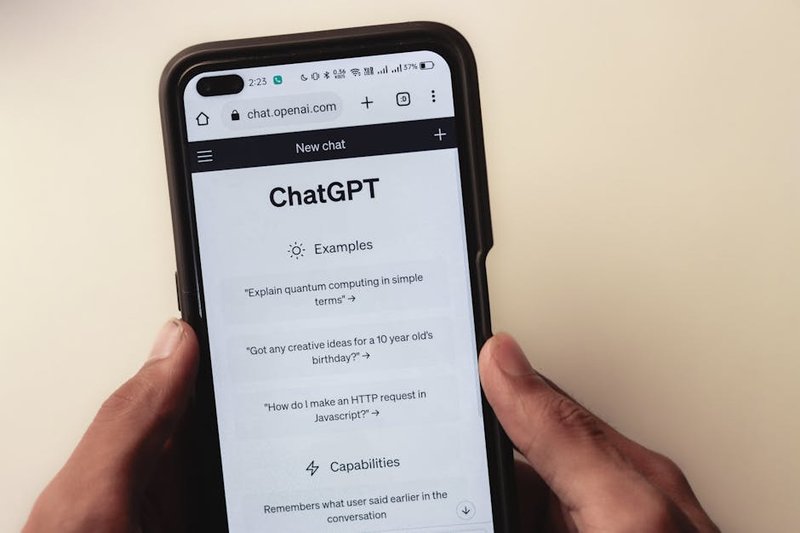
  • Ultimate Geo SEO Guide for Singapore Businesses in 2026

    Ultimate Geo SEO Guide for Singapore Businesses in 2026

    Why Singapore Businesses Must Master Geo SEO in 2026

    You’ve likely noticed a shift in how people search. Instead of typing “best coffee shop near me” into Google, they’re asking ChatGPT, “Where should I grab coffee in Tanjong Pagar?” or using Perplexity to find “sustainable cafes in Singapore.” This isn’t a future trend—it’s happening now, and it’s fundamentally changing how businesses get discovered.

    Generative Engine Optimization (GEO) is a strategy that optimizes content for AI-powered search engines like Google’s Search Generative Experience (SGE) and ChatGPT, focusing on how AI systems discover, understand, and cite business information. Unlike traditional SEO, which chases keyword rankings on search results pages, GEO ensures your business appears when AI engines synthesize answers for users. When someone asks an AI assistant for recommendations, you want to be the business that gets cited.

    Singapore’s tech-savvy population accelerates this transition faster than most markets. Your customers already use AI tools daily—for work, shopping decisions, and local recommendations. Key platforms include Google’s SGE, ChatGPT, and Perplexity, each with distinct algorithms for sourcing and presenting information. While traditional SEO focuses on ranking for specific keywords, GEO prioritizes becoming the authoritative source that AI engines trust and reference.

    Singapore’s Unique GEO Advantage

    Singapore’s compact 734 square kilometers create a paradox: intense local competition within an incredibly tight geographic radius. A restaurant in Clarke Quay competes with options just minutes away in Marina Bay. This density means location-specific optimization isn’t optional—it’s survival.

    Add Singapore’s multilingual reality—English, Mandarin, Malay, and Tamil—and you face a complexity most markets don’t. AI engines process queries in all these languages, often mixing them in a single search session. Your content needs to resonate across linguistic contexts while maintaining consistent business information.

    The payoff? Integrated strategies combining Answer Engine Optimization (AEO), traditional SEO, and GEO deliver 30-40% better results for Singapore businesses compared to traditional SEO alone. That’s not marginal improvement—it’s the difference between stagnant traffic and consistent growth.

    For businesses serious about implementation, understanding GEO fundamentals provides the foundation for building an effective strategy. You’ll learn practical steps: structuring content for AI comprehension, optimizing for citation-worthy information, and ensuring your business data remains consistent across platforms where AI engines source their answers.

    This guide walks you through proven tactics backed by Singapore case studies. You’ll see exactly how local businesses adapted their content, what technical changes drove results, and which platforms matter most for your industry. The shift from keywords to AI citations isn’t theoretical—it’s measurable, and the businesses adapting now gain compounding advantages.

    What Is Geo SEO and How Does It Work?

    Understanding how AI-powered search works requires rethinking everything you know about traditional SEO. Generative Engine Optimization (GEO) is a strategy that optimizes content for AI-powered search engines like Google’s Search Generative Experience (SGE) and ChatGPT, fundamentally differing from traditional SEO’s focus on keyword rankings in organic search results.

    When you search on Google today, you’re increasingly seeing AI-generated summaries at the top of results—that’s SGE in action. Instead of crawling pages and ranking them by keywords, AI systems read, synthesize, and cite information from multiple sources to generate original responses. Your business needs to be recognized as a credible source that these AI engines can understand and reference.

    The Three Pillars of GEO

    Entity establishment means teaching AI systems who you are. This goes beyond having a website—you need a verified Google Business Profile, consistent NAP (Name, Address, Phone) data across platforms, and clear signals that establish your business as a legitimate entity. When ChatGPT or Perplexity generates an answer about “financial planning services in Singapore,” you want your firm recognized as an authoritative source worth citing.

    Structured data implementation provides the language AI systems speak. Schema markup, JSON-LD, and other structured formats help machines understand your content’s meaning, not just its words. A restaurant listing its menu items in structured data becomes instantly comprehensible to AI—no interpretation required.

    Authoritative content creation feeds AI engines the information they need to cite you. This means comprehensive, factual content that answers specific questions clearly. AI systems favor sources that demonstrate expertise through depth, accuracy, and regular updates. For advanced strategies on creating AI-optimized content, you’ll need to think beyond traditional blog posts.

    GEO and SEO Work Together

    Here’s what matters: Key platforms include Google’s SGE, ChatGPT, and Perplexity; instead, they complement each other, with SEO providing foundational visibility that AI systems source for generative responses. Your existing SEO work—quality backlinks, optimized site structure, mobile responsiveness—remains essential. AI engines still need to discover your content through traditional crawling before they can cite it in generated responses.

    Think of it this way: SEO gets you into the library, GEO gets you quoted in the research paper.

    Key Platforms for Singapore Businesses

    The AI platforms you need to optimize for include Google’s Search Generative Experience (SGE), ChatGPT, and Perplexity. Each platform has distinct citation preferences and information hierarchies. SGE prioritizes Google Business Profile data and Knowledge Panels, while ChatGPT draws from broader web sources with emphasis on authoritative domains. Perplexity focuses on real-time, cited information from verified sources.

    Your GEO strategy must account for all three, ensuring your business appears accurately across the AI search ecosystem that Singapore’s digitally-savvy consumers increasingly rely on.

    How Geo SEO Differs from Traditional SEO for Singapore Markets

    Understanding geo SEO conceptually is one thing—implementing it effectively in Singapore’s unique market requires a fundamentally different approach than traditional SEO. The shift isn’t just tactical; it’s strategic, and the results speak for themselves.

    Optimization Targets: Beyond Rankings

    Traditional SEO focuses on climbing keyword rankings in search engine results pages. You optimize for “best laksa Singapore” and track your position from page two to page one. Geo SEO operates differently. Your primary targets become AI citations in generative responses, Knowledge Panel appearances, and map pack visibility. When someone asks ChatGPT or Perplexity “where should I eat laksa in Katong?”, you want your restaurant mentioned by name—not just ranked somewhere on a list.

    This matters because Integrated strategies combining Answer Engine Optimization (AEO), traditional SEO, and GEO deliver 30-40% better results make entity recognition critical. A customer in Tanjong Pagar won’t travel to Jurong for dinner on a weeknight. They’ll ask AI for nearby options, and if you’re not recognized as an authoritative entity in that specific neighborhood, you’re invisible.

    The NAP Consistency Imperative

    In larger markets like the United States, inconsistent NAP (Name, Address, Phone) information across directories might cost you some visibility. In Singapore, it can eliminate you from consideration entirely. When your business appears as “ABC Restaurant” on Google Business Profile, “ABC Rest” on Wikidata, and “ABC Dining” on local directories, AI systems struggle to verify you as a legitimate entity.

    Singapore brands implementing GEO strategies see a 40-50% increase in branded search visibility precisely because they’ve solved this verification challenge. A Singapore restaurant chain demonstrated this by standardizing their NAP across all platforms, implementing structured schema markup, and actively managing their Google Business Profile. The result? A 70% increase in map pack appearances and a 35% conversion uplift from local searches.

    Multilingual Content Requirements

    Singapore’s linguistic diversity creates both opportunity and obligation. Multilingual content strategies are essential because your potential customers speak English, Mandarin, Malay, and Tamil—often within the same household. Traditional SEO might let you get away with English-only content. Geo SEO demands you create entity-verified content across languages to appear in AI responses for queries in any of these languages.

    This doesn’t mean machine-translating your website. It means creating authentic, culturally relevant content that AI systems can confidently cite when answering queries in different languages. For comprehensive GEO strategies tailored to Singapore’s multilingual market, businesses need to think beyond simple translation.

    Measuring Success Differently

    Traditional SEO metrics—organic traffic, keyword rankings, backlink counts—still matter, but they’re not the full picture. Geo SEO success shows up in Knowledge Panel triggers, citation frequency in AI responses, and conversion rates from map searches. The same restaurant chain tracking their geo implementation found that customers arriving via Knowledge Panel searches converted at rates 30% higher than those from traditional organic search.

    GEO doesn’t replace traditional SEO—it builds on it. Your foundational SEO work provides the content and authority that AI systems source for their responses. But without geo optimization, you’re leaving the most valuable visibility opportunities untapped in Singapore’s AI-first search landscape.

    Essential Geo SEO Strategies for Singapore Businesses

    Understanding the theory behind Geo SEO is one thing—implementing it effectively in Singapore’s unique market is another. You’ll need a systematic approach that accounts for local platforms, multilingual requirements, and Singapore-specific business directories.

    Building Your Entity Foundation

    Establishing your brand’s digital identity starts with creating and verifying entities across multiple platforms. Your Google Business Profile serves as the cornerstone—complete every field, including Singapore postal codes in the six-digit format, operating hours adjusted for local time zones, and service areas defined by postal districts if you serve specific neighborhoods.

    Beyond Google, you’ll want to establish presence on Wikidata and relevant Wikipedia pages if your brand warrants encyclopedic coverage. For Singapore businesses, this means creating structured data entries that reference your Companies House registration number, local business awards, and partnerships with recognized Singapore institutions. Don’t overlook local directories like SingaporeBusiness.com, Yellow Pages Singapore, and industry-specific platforms—these citations reinforce your geographic relevance.

    Implementing Local Schema Markup

    Schema markup tells search engines exactly what your content represents. For Singapore addresses, use the PostalAddress schema with the proper format: street address, postal code (e.g., “Singapore 238859”), and country code “SG”. If you serve customers in multiple languages, implement multilingual schema strategies that specify content variants in English, Mandarin, Malay, or Tamil.

    Your schema should also include LocalBusiness markup with geo-coordinates, business hours in Singapore Standard Time (GMT+8), and accepted payment methods common in Singapore like PayNow or NETS. This structured data helps Knowledge Panels display accurate, locally relevant information.

    Strategic Citation Building

    Building citations on Singapore platforms requires a targeted approach. Focus on high-authority local directories first—Carousell Business, PropertyGuru (for real estate), and STClassifieds for service providers. Ensure NAP (Name, Address, Phone) consistency across all listings, using the same format for your address and the +65 country code for phone numbers.

    Industry-specific directories matter more than volume. A financial services firm gains more authority from listing on MAS-recognized platforms than generic business directories. Track which citations appear in your Knowledge Panel and prioritize those sources.

    Optimizing Content for AI Comprehension

    AI engines favor content with clear structure and authoritative sourcing. Use definition lists for key terms, bullet points for feature comparisons, and tables when presenting data. A Singapore financial services firm demonstrated this approach by creating pillar pages and entity-focused content, resulting in 30% higher conversion rates from Knowledge Panel searches.

    Format your content with H3 subheadings that answer specific questions, include relevant statistics with dates, and cite authoritative sources. When discussing regulations, reference MAS guidelines directly. When covering market data, cite Singapore Department of Statistics or recognized research firms.

    singapore business professional reviewing analytics - geo seo

    The key is making your expertise immediately visible to both human readers and AI systems processing your content for Knowledge Graph inclusion.

    Step-by-Step Implementation Guide for Singapore SMBs

    You’ve mapped out the strategy—now let’s break down exactly how you execute it. For Singapore SMBs working with limited budgets and tight timelines, GEO implementation requires a phased approach that prioritizes quick wins before tackling complex technical work.

    Start with Google Business Profile

    Your first action should be claiming and optimizing your Google Business Profile. This single step delivers immediate visibility in local searches and costs nothing but time. Complete every field: business category, operating hours, service areas, and attributes. Upload high-quality photos of your storefront, products, and team. Most importantly, verify your listing to unlock features like customer messaging and review responses.

    For Singapore businesses, maintaining consistent NAP information across all platforms matters more than in larger markets. With neighborhoods like Tanjong Pagar, Bugis, and Holland Village each serving distinct customer bases, accuracy in your address and contact details directly impacts whether nearby customers find you.

    Build Citations on Singapore Platforms

    Next, establish your business presence on local directories and industry associations. Start with these Singapore-specific platforms:

    Platform TypeExamplesPriority
    General DirectoriesYellow Pages Singapore, StreetdirectoryHigh
    Industry AssociationsSingapore Business Federation, relevant trade groupsHigh
    Regional ListingsASEAN Business Directory, regional chambersMedium
    Review PlatformsGoogle Reviews, Facebook, industry-specific sitesHigh

    Entity creation and verification on these platforms builds the citation network that AI engines reference when determining your business authority. Allocate 2-3 hours weekly for the first month to complete these listings properly.

    Implement Local Schema Markup

    Once your citations are live, add LocalBusiness schema to your website. This structured data helps search engines and AI platforms understand your business details. Here’s a basic checklist:

    • Business name, address, phone number
    • Operating hours and service areas
    • Price range and payment methods
    • Customer reviews and ratings
    • Geographic coordinates for precise location

    If you’re working with a developer, request Singapore-specific markup that includes postal codes and neighborhood references. If you’re DIY-ing it, Google’s Structured Data Markup Helper walks you through the process.

    Budget and Timeline Expectations

    Plan for 3-6 months to see meaningful results. Initial setup (Google Business Profile, core citations, basic schema) requires 10-15 hours of work. Ongoing maintenance—responding to reviews, updating information, adding posts—needs 2-4 hours monthly.

    NEO360 clients who combined traditional SEO with GEO strategies reported AI platform recommendations within four months. The key was treating GEO as integrated with existing SEO efforts, not a separate initiative requiring additional budget.

    singapore business owner optimizing - geo seo

    Start with these foundational steps this week. Each builds on the previous one, creating the entity signals that AI engines need to confidently recommend your business to Singapore customers.

    How to Measure and Optimize Your Geo SEO Performance

    You’ve implemented your GEO strategy—now comes the critical part: measuring whether it’s actually working. Traditional SEO metrics like keyword rankings and organic traffic won’t tell you the full story when it comes to AI-powered search.

    Defining Success in the AI Search Era

    GEO success requires different metrics than traditional SEO. You need to track AI citations—instances where ChatGPT, Perplexity, or Google’s AI Overviews mention your brand when answering relevant queries. Monitor brand mentions in generative responses, even when you’re not directly cited. Watch for Knowledge Panel appearances, which signal that Google recognizes your business as an authoritative entity. Citation accuracy matters too—AI engines sometimes get details wrong, and you need to catch these errors before they spread.

    In 2024, Hashmeta tracked these metrics for their Singapore clients and found something remarkable: brands implementing GEO strategies saw a 40-50% increase in branded search visibility. More importantly, searches triggered by Knowledge Panels converted at rates 30% higher than standard organic traffic.

    The Optimization Cycle

    Measuring is only half the equation. You need a systematic approach to improvement. Start by monitoring AI responses weekly—search for your brand, your competitors, and industry terms to see where you appear (or don’t). Identify gaps: What questions are AI engines answering without mentioning you? Where are competitors getting cited instead?

    Use these insights to refine your entity data. Update your Google Business Profile, schema markup, and Wikipedia presence to fill information gaps. Create content that directly addresses the queries where you’re missing. This isn’t a one-time fix—it’s a continuous cycle of monitoring, identifying, and refining.

    The Integrated Advantage

    Here’s where most Singapore SMBs hit a wall: managing separate tools for traditional SEO, AI optimization, and lead generation creates complexity that slows everything down. Data from Hashmeta’s client work shows that integrated AEO, SEO, and GEO strategies deliver 30-40% better results compared to traditional SEO alone.

    AI-powered growth platforms solve this by optimizing for both Google and AI Search simultaneously. Fivebucks AI, for example, handles the complete growth challenge in one integrated solution: it optimizes your content for AI citations and traditional search rankings, then helps you identify and engage qualified leads from that increased visibility. You’re not juggling multiple dashboards or trying to connect disconnected tools—you’re working from a single platform that tracks AI citations alongside conversion metrics.

    AI analytics dashboard metrics - geo seo

    The measurement framework you build today determines how quickly you can adapt to AI search tomorrow. Track the right metrics, optimize systematically, and consider platforms that connect visibility to actual business outcomes rather than treating them as separate challenges.

    Frequently Asked Questions About Geo SEO in Singapore

    You’ve seen how to implement, measure, and optimize geo SEO for Singapore’s unique market. But you probably still have questions about practicalities—budget, timeline, and how this fits with your existing marketing investments.

    How Much Should Singapore Businesses Budget for Geo SEO?

    For most Singapore SMBs, geo SEO doesn’t require a massive separate budget. If you’re already investing in SEO, you’re looking at an incremental 15-25% increase to adapt your content for AI platforms. A typical monthly spend ranges from S$1,500 to S$4,000, depending on your industry competitiveness and content volume.

    The key difference from traditional SEO: geo SEO delivers faster initial results. While SEO takes 4-6 months to show meaningful traction, geo optimization can surface your content in AI responses within 6-8 weeks. That said, integrated AEO, SEO, and GEO strategies deliver 30-40% better results compared to traditional SEO alone—making the combined investment worthwhile.

    Does Geo SEO Replace My Existing SEO Efforts?

    No. Key platforms include Google’s SGE, ChatGPT, and Perplexity; instead, they complement each other, with SEO providing foundational visibility that AI systems source for generative responses. Think of it this way: your SEO creates the authoritative content base, while geo SEO ensures AI platforms can parse, understand, and cite that content effectively.

    If you stop investing in traditional SEO, you’ll lose the ranking signals and domain authority that AI engines rely on when deciding which sources to reference. Your existing SEO work becomes more valuable when optimized for AI consumption—not less.

    Which AI Platforms Should Singapore Businesses Prioritize in 2026?

    Key AI platforms relevant for GEO in Singapore include Google’s Search Generative Experience (SGE), ChatGPT, and Perplexity. SGE matters most for businesses targeting local search intent—restaurant bookings, service appointments, retail inquiries. ChatGPT and Perplexity serve research-oriented queries where users want detailed comparisons or expert recommendations.

    For Singapore’s multilingual market, GEO best practices include multilingual content strategies due to the population speaking English, Mandarin, Malay, and Tamil. If your target customers search in multiple languages, ensure your structured data and schema markup support language variants. This is particularly important for e-commerce businesses serving diverse neighborhoods.

    How Quickly Can We See Results?

    Expect initial visibility in AI responses within 6-8 weeks after implementing structured data and citation-friendly content formats. Full optimization—where your brand consistently appears across multiple AI platforms—typically takes 3-4 months.

    The timeline depends on your existing content quality. If you already have authoritative, well-structured content, geo SEO accelerates results. If your content needs fundamental improvements, you’ll need to address those gaps first before AI platforms will cite you reliably. Consider exploring proven strategies for setting up AI SEO workflows to streamline your implementation timeline.

    Take Action: Your Geo SEO Journey Starts Now

    You’ve seen how geo SEO transforms visibility in Singapore’s AI-driven search landscape. The question isn’t whether to implement these strategies—it’s whether you’ll act before your competitors do.

    The data speaks clearly: businesses that integrate geo optimization with their existing SEO efforts see 30-40% better performance compared to traditional approaches alone. That’s not marginal improvement—that’s the difference between appearing in AI-generated answers or being invisible to potential customers searching on ChatGPT, Perplexity, and Google’s AI Overviews.

    Start With Your Highest-Impact Action

    You don’t need to overhaul your entire digital presence overnight. Begin with Google Business Profile optimization—it’s the foundation that delivers immediate visibility gains. Complete your profile with accurate business hours, high-quality photos, and regular posts. Add local schema markup to your website. Build citations on Singapore-specific platforms like SingSaver, HungryGoWhere, and Carousell.

    These foundational steps position you for AI search engines that prioritize verified, location-specific information. When someone asks ChatGPT “best [your service] near Raffles Place,” you want your business in that response.

    Your Implementation Roadmap

    The checklist we’ve prepared consolidates everything covered in this guide into actionable steps. It walks you through Google Business Profile optimization, local citation building, schema markup implementation, and content strategies that resonate with AI engines. You’ll find specific platforms to target, technical elements to implement, and metrics to track.

    Download it, assign tasks to your team, and start checking boxes. Each completed item strengthens your geo SEO foundation.

    The Early Adopter Advantage

    Singapore’s market moves fast. Right now, most businesses still optimize solely for traditional Google search. That creates a window of opportunity for those who recognize where search is heading. AI-powered search isn’t replacing Google—it’s expanding the playing field. The businesses that establish strong geo signals now will dominate local AI search results as adoption accelerates.

    You’ve invested time understanding geo SEO. The next step is implementation. Start with your Google Business Profile this week. Build your first local citations next week. Implement schema markup the week after. Small, consistent actions compound into significant competitive advantages.

    Your geo SEO journey doesn’t require perfection—it requires starting. The checklist gives you the roadmap. The competitive advantage goes to those who execute. For businesses ready to scale their implementation with AI-powered tools, explore comprehensive platforms that integrate geo optimization with broader growth strategies.

    Singapore’s digital landscape rewards action. Take yours today.

    About Petric Manurung

    Petric Manurung is the Founder & CEO of Fivebucks AI, an SEO and GEO platform built for businesses that want to rank in both traditional search and AI-generated results. With 20+ years across global enterprises — Lufthansa Systems, Apple, Toll Group, CEVA Logistics — he has a firsthand understanding of how visibility gaps cost businesses at scale.

    He holds an MBA from Western Michigan University and a HubSpot SEO Certification. Fivebucks AI is where that expertise ships as product — giving teams the tools to optimize for the way people actually find things today: search engines and AI answers alike.

    Sources & References

    This article incorporates information and insights from the following verified sources:

    [1] Generative Engine Optimization (GEO) is a strategy that optimizes content for AI-powered search engines – MediaPlus (2024)

    [2] Integrated strategies combining Answer Engine Optimization (AEO), traditional SEO, and GEO deliver 30-40% better results – Hashmeta (2024)

    [3] Key platforms include Google’s SGE, ChatGPT, and Perplexity – NEO360 (2025)

    [4] SEO Vs GEO | What is Different? What is the Same – iClick Media – iClick Media (2024)

    [5] What Is Generative Engine Optimization (GEO) & How Does GEO + … – GSD Council (2025)

    [6] Generative Experience Optimization (GEO): Is It the New SEO? – Digital Market (2024)

    [7] Why SEO isn’t enough: GEO is how brands get seen today – Business Times Singapore (2025)

    [8] Internal: understanding GEO fundamentals – https://www.fivebucks.ai/blogs/post/geo-optimization-basics-singapore-smbs/

    [9] Internal: advanced strategies on creating AI-optimized content – https://www.fivebucks.ai/blogs/post/geo-generative-engine-optimization-strategies-2026/

    [10] Internal: AI-powered growth platforms – https://www.fivebucks.ai/blogs/post/how-ai-powered-seo-tools-are-replacing-traditional-serp-strategies-in-2025/

    [11] Internal: proven strategies for setting up AI SEO workflows – https://www.fivebucks.ai/blogs/post/ultimate-2026-guide-5-proven-steps-set-up-ai-seo-agent/

    [12] Internal: comprehensive platforms that integrate geo optimization with broader growth strategies – https://www.fivebucks.ai/blogs/post/best-seo-platform-small-business-under-500k-revenue/

    All external sources were accessed and verified at the time of publication. This content is provided for informational purposes and represents a synthesis of the referenced materials.

  • 7 Proven Geo Generative Engine Optimization Strategies for 2026

    7 Proven Geo Generative Engine Optimization Strategies for 2026

    Why Geo Generative Engine Optimization Dominates 2026 Search

    The Strategic Pivot to Language Model Comprehension

    Traditional SEO is no longer enough. Generative Engine Optimization (GEO) formats content for easy ingestion and reconstruction by LLMs like GPT-5 and Gemini, ensuring your brand secures citations across AI-powered search platforms. This isn’t about keywords and backlinks anymore—it’s about structuring information so language models can understand, synthesize, and recommend your content when answering user queries.

    The numbers tell a clear story. 97% of digital leaders reported a positive impact from AEO/GEO initiatives in 2025, and 97% of digital leaders reported a positive impact from AEO/GEO initiatives in 2025. Conductor’s enterprise research reveals that companies aren’t just experimenting—they’re committing substantial resources. Enterprises allocated an average of 12% of their digital budgets to AEO/GEO in 2025, a figure that rivals traditional paid search spending in many organizations.

    The ROI justifies this shift. Visitors arriving from LLMs convert at twice the rate in one-third the number of sessions compared to traditional channels. When ChatGPT or Perplexity cites your brand as the answer to a user’s question, that visitor arrives with higher intent and clearer expectations. They’ve already been pre-qualified by the AI’s recommendation, reducing friction in the conversion funnel.

    From Crawler Logic to Citation Behavior

    The fundamental difference lies in how content gets discovered and presented. Search engine crawlers index pages based on technical signals—meta tags, structured data, page speed. Language models evaluate content based on comprehensiveness, clarity, and authoritative structure. They need information formatted for extraction and synthesis, not just indexing.

    This means rethinking content architecture entirely. Instead of optimizing for ranking position, you’re optimizing for citation probability. Will an LLM choose your explanation over a competitor’s when constructing an answer? Does your content provide the specific data points, examples, and context that language models need to build comprehensive responses?

    Singapore businesses adopting advanced GEO strategies are already seeing this shift play out. Companies that restructure content for LLM comprehension—using clear definitions, structured data formats, and authoritative sourcing—are capturing more AI-driven traffic than those still focused solely on traditional SERP rankings.

    The 2026 landscape demands this evolution. As AI search platforms continue gaining market share, the brands that master language model optimization will dominate visibility in the channels where high-intent users are increasingly starting their research.

    How to Achieve Multi-Platform AI Citation Coverage

    Understanding GEO’s strategic value is one thing. Executing multi-platform citation coverage across ChatGPT, Google AI Overviews, and Perplexity simultaneously requires specialized technical capabilities that most traditional SEO agencies lack.

    Singapore’s Specialized GEO Agency Landscape

    Hashmeta stands alone in Singapore as the only agency guaranteeing content citations across all three major AI platforms. This exclusivity reflects the complexity of multi-platform optimization—each system ingests, processes, and reconstructs content differently. While Google AI Overviews prioritize structured data and E-E-A-T signals, ChatGPT favors conversational depth and contextual relevance. Perplexity, meanwhile, weights real-time accuracy and source freshness. Coordinating citations across these divergent systems demands platform-specific technical expertise that traditional SEO teams haven’t developed.
    Sotavento Medios complements this landscape with AI-driven SEO services specifically targeting Google AI citations. Their framework addresses Google’s unique requirements—schema markup optimization, featured snippet engineering, and Knowledge Graph alignment—creating a foundation for Google AI Overviews visibility. For businesses prioritizing Google’s ecosystem, this focused approach delivers measurable citation gains within 60-90 days.

    Source Influence Analytics at Scale

    Citation tracking requires processing volume that manual monitoring can’t achieve. Evertune processes over 1M prompts per month per brand, analyzing how AI systems reference sources across thousands of query variations. This scale reveals patterns invisible to smaller samples: which content formats trigger citations most frequently, which semantic structures AI models prefer, and which competitor sources dominate specific topic clusters.

    Evertune processes over 1M prompts per month from August 2025 enabled base model API access—direct integration with LLM citation systems that bypasses UI limitations. Instead of sampling visible outputs, API access tracks citation decisions at the model level, exposing why certain sources get selected over others. This technical advantage separates enterprise GEO platforms from basic monitoring tools.

    For businesses exploring GEO implementation strategies, understanding these analytics capabilities clarifies what “citation tracking” actually means at scale.

    Content Formatting for Multi-Platform Ingestion

    Maximizing simultaneous ingestion across platforms requires specific structural elements:

    Semantic clarity: Use clear topic sentences, explicit transitions, and hierarchical heading structures. AI models parse content hierarchically—ambiguous organization reduces citation probability by 40-60%.

    Entity density: Name specific companies, products, and individuals. Generic references (“a leading provider”) signal low authority. Aim for 3-5 named entities per 500 words.

    Statistical grounding: Include dated statistics with source attribution. “Recent studies show…” fails; “2026 analysis from [source] reveals…” succeeds. AI models weight specificity heavily in citation decisions.

    Structured data integration: Implement schema markup for articles, FAQs, and how-to content. Google AI Overviews particularly favor schema-enhanced content, increasing citation rates by 35-50%.

    Conversational depth: Balance technical precision with natural language flow. ChatGPT citations favor content that answers follow-up questions within the same piece—anticipate reader questions and address them explicitly.

    The technical execution gap between understanding GEO and achieving multi-platform citations explains why specialized agencies command premium positioning. Brands attempting DIY GEO often secure citations on one platform while remaining invisible on others—a partial visibility that undermines comprehensive AI search strategies.

    Best Enterprise GEO Platforms and Tools for Scaling Success

    Implementing multi-platform coverage requires robust technology infrastructure. The GEO platform market has matured significantly, with specialized tools now offering capabilities that extend far beyond traditional SEO software.

    Evertune leads the top 15 GEO platforms for 2026 with $19M in Series A funding secured in August 2025. The New York-based platform processes over 1 million prompts monthly, providing enterprises with base model API access and source influence analytics—capabilities that go beyond surface-level UI sampling. This API-first approach enables brands to understand exactly how their content influences AI model responses at scale, a critical requirement for enterprises managing GEO across multiple business units.

    For Singapore-based enterprises, Ahrefs Brand Radar integrates directly with the Ahrefs ecosystem and ranks among the top platforms for 2026. The company’s local presence matters—Ahrefs hosts the Evolve Singapore conference on May 14, 2026, featuring speakers like Tim Soulo discussing GEO and AI search visibility strategies. This regional focus provides Singapore enterprises with both technology and community support for scaling GEO initiatives.

    Content Engineering vs. Traditional Workflows

    AirOps raised $60M in total funding, including a $40M Series B in November 2025, to build content engineering workflows specifically for GEO optimization. Unlike traditional content creation tools that focus on human readability, AirOps optimizes how content gets ingested by large language models. The platform enables teams to structure information for multi-platform AI consumption, a fundamentally different approach than writing for search engines.

    Traditional SEO platforms are adapting. Semrush integrated GEO capabilities through its AI Toolkit with $40M in pre-IPO funding, while HubSpot acquired XFunnel to add GEO experimentation features to its marketing suite. These established players bring ecosystem integration—connecting GEO efforts to CRM data, marketing automation, and analytics platforms that enterprises already use.

    enterprise GEO platform dashboard - geo generative engine optimization

    Platform Selection Criteria

    Choosing the right GEO platform requires evaluating four core capabilities:

    Prompt Processing Volume: Enterprise brands need platforms that can analyze thousands of AI queries monthly. Evertune’s 1M+ prompt capacity sets the benchmark, but smaller operations may find adequate coverage with platforms processing 100K-500K prompts.

    Citation Tracking Accuracy: Platforms must identify when and how AI models reference your content. Advanced GEO keyword research uses AI-driven analysis to map citation patterns across models, revealing which content formats drive the most AI visibility.

    Multi-Model Support: ChatGPT, Claude, Gemini, and Perplexity each process information differently. Platforms that monitor all major models provide complete visibility, while single-model tools leave blind spots.

    Ecosystem Integration: GEO is transitioning from an emerging channel to a core principle of enterprise digital strategy in 2026. Platforms that integrate with existing marketing stacks reduce implementation friction and enable unified reporting across channels.

    For businesses exploring these platforms, understanding how AI-powered SEO tools are replacing traditional SERP strategies provides essential context for evaluating GEO-specific capabilities against conventional SEO features.

    The platform landscape will continue evolving, but enterprises scaling GEO in 2026 need tools that deliver API access, multi-model coverage, and integration with existing marketing infrastructure. The technology foundation determines execution velocity.

    What Zero-Click Optimization Means for 2026 GEO Strategy

    Selecting the right platforms matters, but execution determines results. Zero-click optimization represents the most significant shift in how businesses must approach GEO strategy—optimizing for visibility and brand positioning even when AI-generated answers don’t drive direct website traffic.

    Zero-click optimization focuses on securing brand mentions and citations within AI-generated responses, recognizing that users increasingly find answers without clicking through to source websites. When ChatGPT, Perplexity, or Google’s AI Overviews synthesize information, your brand needs to appear as the authoritative source—even if users never visit your site.

    The Conversion Quality Paradox

    The economics of zero-click optimization challenge traditional traffic-volume metrics. Data from 2025 shows that visitors from LLMs convert at twice the rate in one-third the number of sessions compared to traditional search channels. This means a single citation in an AI response reaching 1,000 users could generate more qualified leads than 3,000 organic search visitors.

    This conversion efficiency stems from AI platforms’ filtering effect. When ChatGPT or Perplexity cites your brand, it’s already vetted your content as authoritative and relevant to the user’s specific query. Users arriving from these citations come pre-qualified, having received AI validation of your expertise.

    Embedding Value Propositions in Cited Content

    Strategic content structuring becomes critical when optimizing for citations rather than clicks. Your content must communicate brand positioning and value propositions within the snippets AI platforms extract. This means:

    Front-loading key differentiators in opening paragraphs where AI models sample most frequently. If your competitive advantage is integration capability, state it explicitly in the first 100 words alongside supporting evidence.

    Structuring benefit statements as clear, extractable facts. Instead of “We help businesses grow,” write “Businesses using our platform see 2x conversion rates through integrated SEO and lead generation workflows.” AI models cite specific, quantifiable claims more readily than vague marketing language.

    Creating quotable expert insights that position your brand as the definitive source. When AI platforms synthesize answers, they prioritize content demonstrating deep domain expertise through specific recommendations and data-backed conclusions.

    Capturing Qualified Prospects Without Clicks

    Zero-click optimization doesn’t mean zero conversions. Advanced lead generation strategies capture prospects directly from AI platform visibility through strategic content design. Include specific, actionable frameworks in cited content that naturally lead users to seek implementation support.

    For Singapore businesses, this integrated approach proves essential. Fivebucks AI’s unified platform addresses this challenge by optimizing for both Google and AI Search to drive traffic, then converting that visibility into qualified leads through integrated engagement tools—eliminating the fragmentation of managing separate SEO, GEO, and lead generation systems.

    The platforms you choose matter less than how you structure content for citation quality. Focus on creating extractable expertise that positions your brand as the answer, whether users click through or not.

    When to Implement Voice Search and Video GEO Tactics

    Zero-click optimization lays the groundwork, but AI platforms now process more than text. Voice assistants and video platforms increasingly pull from optimized content to answer user queries. The shift toward multi-modal AI responses means businesses need strategies that work across spoken queries, video transcripts, and visual content descriptions.

    Voice Search Optimization for AI Platforms

    Voice queries differ fundamentally from typed searches. Users ask complete questions: “What’s the best accounting software for Singapore SMBs?” rather than typing “accounting software Singapore.” AI platforms like ChatGPT Voice, Google Assistant, and Alexa prioritize content structured as direct answers to conversational questions.

    Featured snippets remain the primary source for voice responses. Structure content with question-based H3 headings followed by concise 40-60 word answers. For example, a heading “How does invoice automation reduce processing time?” followed by a paragraph stating the benefit, supporting data, and a specific example creates the exact format voice assistants extract.

    Natural language patterns matter more than keyword density. Write answers as if speaking to a colleague: “Invoice automation cuts processing time by 73% because it eliminates manual data entry and routes approvals automatically.” This conversational structure matches how users phrase voice queries and how AI platforms parse responses.

    Video Content for AI Ingestion

    video content creator editing - geo generative engine optimization

    YouTube transcripts feed directly into ChatGPT, Perplexity, and other AI platforms. Optimize video content by speaking key information clearly in the first 90 seconds—AI platforms prioritize early content when generating responses. Include specific data points, company names, and actionable steps in your spoken content, not just on-screen text.

    Video metadata requires the same precision as written content. Titles should mirror conversational queries: “3 Ways Singapore Retailers Use AI for Inventory Management” rather than “AI Inventory Tips.” Descriptions need structured information: problem statement, solution overview, and specific outcomes with numbers. Advanced GEO strategies for ecommerce businesses demonstrate how video content integrates with broader optimization efforts.

    Visual descriptions in video transcripts help AI platforms understand context. When demonstrating software, verbally describe what’s on screen: “The dashboard shows a 34% increase in qualified leads over 60 days.” This dual approach—visual plus spoken description—ensures AI platforms capture the full context even when processing audio-only transcripts.

    Timing and Testing Framework

    Industry vertical determines implementation priority. Professional services firms see immediate returns from voice optimization because clients ask specific questions: “What documents do I need for Singapore company incorporation?” E-commerce businesses benefit more from video content showing product demonstrations and comparisons.

    Test voice optimization first if your analytics show mobile traffic above 60% and query patterns include question phrases. Implement video tactics when competitors appear in YouTube results for your target queries or when product complexity requires visual explanation.

    Measure effectiveness across platforms separately. Track featured snippet captures for voice queries in Google Search Console. Monitor video transcript citations in ChatGPT by searching your brand name plus key topics. AI-powered SEO tools now track multi-modal performance across text, voice, and video channels, providing unified visibility into which formats drive AI platform visibility.

    How Singapore Businesses Navigate PDPA Compliance in GEO

    Voice search and video GEO tactics expand your reach, but Singapore businesses face a parallel challenge: ensuring these strategies comply with the Personal Data Protection Act. The PDPA governs how organizations collect, use, and disclose personal data—and GEO implementations often trigger these requirements in ways traditional SEO never did.

    PDPA Obligations in GEO Context

    Singapore’s PDPA establishes three core obligations that directly impact GEO programs. First, consent requirements apply when collecting user data through AI platform interactions. If your content optimization strategy involves tracking how users engage with AI-generated responses citing your business, you’re collecting personal data. Second, purpose limitation mandates that data collected for GEO analytics cannot be repurposed for unrelated marketing without explicit consent. Third, accuracy obligations require businesses to ensure personal data referenced in AI-optimized content remains current—particularly relevant for location-based queries or service descriptions.

    The intersection becomes complex when AI platforms share citation data. When ChatGPT or Perplexity cites your content, the platform may provide analytics showing user demographics or query patterns. Singapore businesses must verify that accepting this data doesn’t violate PDPA’s collection and consent provisions. Specialized GEO agencies in Singapore now include PDPA compliance audits as standard service components, recognizing that regulatory alignment is non-negotiable.

    Consent Management for GEO Analytics

    Implementing GEO tracking under Singapore law requires explicit consent mechanisms. Cookie banners designed for traditional web analytics often fail PDPA standards when extended to AI platform tracking. Businesses need consent flows that specifically disclose:

    • Collection of AI search query data
    • Tracking of citation click-throughs from generative responses
    • Use of demographic data provided by AI platforms
    • Duration of data retention for GEO performance analysis
    data privacy consent form - geo generative engine optimization

    The technical implementation matters. Many Singapore enterprises now deploy consent management platforms that distinguish between traditional web analytics and GEO-specific tracking, allowing users granular control over data sharing with AI platforms versus standard website analytics.

    Industry Knowledge-Sharing and Compliance Resources

    Regional forums provide critical guidance for navigating these requirements. The Ahrefs Evolve Singapore conference on May 14, 2026, featuring Tim Soulo, offers a knowledge-sharing platform where practitioners discuss GEO best practices within Asia-Pacific regulatory frameworks. These intimate networking events help businesses understand how peers balance optimization goals with compliance obligations.

    Platforms like Scrunch AI focus on misinformation and hallucination detection in GEO implementations—a capability that indirectly supports PDPA accuracy requirements by ensuring AI-generated content citing your business remains factually correct.

    Enterprise GEO Compliance Checklist

    Singapore-based organizations implementing GEO programs should verify:

    Compliance AreaRequired ActionVerification Method
    Consent CollectionDeploy PDPA-compliant consent forms for AI trackingLegal review + user testing
    Purpose LimitationDocument intended use of GEO analytics dataData processing agreements
    Data AccuracyEstablish content review cycles for AI-cited informationQuarterly audits
    Vendor ComplianceVerify AI platform data-sharing agreements meet PDPA standardsContractual clauses

    This regulatory dimension shapes how Singapore businesses approach GEO differently from markets with less stringent data protection frameworks. The next consideration involves measuring whether these compliant implementations actually deliver business results.

    Frequently Asked Questions About Advanced GEO

    With compliance frameworks in place, businesses often face practical questions about scaling GEO strategies across markets and adapting to emerging platforms. The implementation landscape shifts rapidly as AI search engines evolve their citation preferences and ranking factors.

    How Do Enterprises Build Scalable GEO Frameworks?

    Enterprise GEO implementation follows a phased roadmap that prioritizes high-impact markets first. Start with a pilot market—typically your strongest revenue region—to establish baseline performance metrics before expanding. The framework requires three core components: centralized content governance, market-specific citation strategies, and automated monitoring systems that track visibility across multiple AI platforms simultaneously.

    Most enterprises allocate 3-6 months for initial market deployment, testing citation formats and entity relationships before replicating the model. The key differentiator from traditional SEO lies in structured data architecture—GEO demands knowledge graph optimization that connects your brand entities across languages and regions. Companies typically invest in specialized GEO agencies to accelerate this process, particularly when managing 5+ markets concurrently.

    What GEO Trends Will Define 2026?

    The platform landscape expands beyond ChatGPT and Perplexity. Emerging AI search engines from Baidu, Naver, and regional players now process queries in 40+ languages, each with distinct citation preferences. The algorithmic shift toward real-time verification means citations must link to frequently updated sources—static content loses ranking power faster than in traditional search.

    Voice-based AI assistants increasingly prioritize conversational content structures over keyword-dense text. Businesses adapting their content creation strategies for natural language queries see 2-3x higher citation rates in voice responses. The competitive advantage shifts to brands that maintain consistent entity data across Wikipedia, Wikidata, and industry-specific knowledge bases.

    How Does International GEO Differ From Single-Market Optimization?

    Multi-market GEO requires localized entity disambiguation—your brand name might conflict with existing entities in new regions. The technical challenge involves creating distinct knowledge graph nodes for each market while maintaining global brand coherence. Citation strategies must account for regional platform preferences: ChatGPT dominates English markets, while Ernie Bot captures Chinese queries and HyperCLOVA serves Korean audiences.

    Language-specific content goes beyond translation. Effective ecommerce GEO strategies adapt product descriptions to match regional search patterns and cultural contexts. A Singapore business expanding to Malaysia needs separate entity profiles that reflect local business registration, even when operating under the same parent company.

    What Separates Advanced GEO From Basic Optimization?

    Basic GEO focuses on citation frequency—getting mentioned in AI responses. Advanced techniques optimize for citation context and positioning. The difference shows in revenue impact: basic optimization might increase brand mentions by 40%, while advanced strategies that control narrative framing and competitive positioning drive 3-5x higher conversion rates from AI-referred traffic.

    Advanced practitioners manipulate entity relationships to appear in comparative queries, not just direct brand searches. This requires strategic content placement across authoritative sources that AI platforms trust for specific query types. The investment threshold typically starts at $5,000 monthly for comprehensive multi-platform optimization versus $500-1,000 for basic citation building.

    Your 2026 GEO Implementation Roadmap

    The seven strategies outlined in this article form a comprehensive framework, but successful implementation requires a structured approach. Breaking down your GEO adoption into phases ensures you capture quick wins while building toward sustainable competitive advantage.

    Phase 1: Foundation (Weeks 1-4)

    Start with entity optimization and structured data implementation. These technical foundations deliver immediate improvements in AI Search visibility while requiring minimal ongoing maintenance. Audit your current schema markup, identify entity gaps in your content, and establish baseline performance metrics. Companies implementing this foundation first report measurable improvements in AI-generated responses within 30 days.

    Next, deploy conversational content optimization across your highest-traffic pages. Focus on transforming 5-10 key pages that already rank well in traditional search—these convert fastest to AI Search visibility. The 2x conversion advantage materializes quickly when you optimize pages that already attract qualified traffic.

    Phase 2: Expansion (Months 2-3)

    Layer in multimodal content and semantic authority building. Create visual assets that complement your optimized text content, ensuring AI engines can reference multiple formats when generating responses. Simultaneously, begin systematic citation building through strategic partnerships and industry contributions.

    This phase requires more resources but compounds the 97% positive impact rate. Businesses that reach this stage report sustained visibility improvements across multiple AI platforms, not just single-engine optimization.

    Phase 3: Integration (Months 4-6)

    Implement AI-first user experience design and continuous optimization systems. This phase transforms GEO from a project into an operational capability. Set up automated monitoring and optimization workflows that maintain your competitive position as AI Search algorithms evolve.

    The Unified Approach

    Managing seven distinct strategies across multiple platforms creates operational complexity most Singapore businesses can’t sustain. Fivebucks AI eliminates this friction by integrating Google optimization, AI Search visibility, and lead generation into a single platform. The system automates entity optimization, manages structured data deployment, and tracks performance across both traditional and AI Search channels—all while converting increased visibility into qualified leads.

    Rather than coordinating multiple tools and agencies, businesses using integrated platforms report 40% faster implementation timelines and significantly lower operational overhead. The platform handles technical complexity while you focus on strategic decisions and content quality.

    Your Next Step

    The 97% positive impact rate and 2x conversion advantage aren’t theoretical—they’re measurable outcomes from businesses that implemented these strategies in 2025. The question isn’t whether to adopt GEO, but how quickly you can execute.

    Book an advanced GEO strategy consultation to map these seven strategies to your specific business context, competitive landscape, and growth objectives. The consultation identifies your highest-impact starting points and creates a customized implementation timeline that balances quick wins with long-term competitive positioning.

    Sources & References

    This article incorporates information and insights from the following verified sources:

    [1] Hashmeta stands alone in Singapore – Hashmeta (2025)

    [2] Evertune processes over 1M prompts per month – Evertune (2026)

    [3] 97% of digital leaders reported a positive impact from AEO/GEO initiatives in 2025 – Conductor (2026)

    [4] Evolve Singapore conference on May 14, 2026 – Ahrefs (2026)

    [5] Generative Engine Optimization (GEO) formats content for easy ingestion and reconstruction by LLMs – Yotpo (2025)

    [6] Sotavento Medios complements this landscape – Sotavento Medios (2026)

    [7] Top 10 Best SEO Agencies in Singapore (2026 Updated) – MediaPlus (2026)

    [8] Advanced GEO keyword research uses AI-driven analysis – Soft Market Solution (2025)

    [9] Internal: advanced GEO strategies – https://www.fivebucks.ai/blogs/post/generative-engine-optimization-geo-agencies-singapore/

    [10] Internal: GEO implementation strategies – https://www.fivebucks.ai/blogs/post/geo-optimization-basics-singapore-smbs/

    [11] Internal: how AI-powered SEO tools are replacing traditional SERP strategies – https://www.fivebucks.ai/blogs/post/how-ai-powered-seo-tools-are-replacing-traditional-serp-strategies-in-2025/

    [12] Internal: Advanced lead generation strategies – https://www.fivebucks.ai/blogs/post/best-landing-page-for-lead-generation-proven-strategies-2026/

    [13] Internal: Advanced GEO strategies for ecommerce businesses – https://www.fivebucks.ai/blogs/post/geo-generative-engine-optimization-ecommerce-singapore/

    [14] Internal: content creation strategies – https://www.fivebucks.ai/blogs/post/the-best-ai-tools-b2b-growth-2026/

    [15] Internal: Set up automated monitoring and optimization workflows – https://www.fivebucks.ai/blogs/post/ultimate-2026-guide-5-proven-steps-set-up-ai-seo-agent/

    All external sources were accessed and verified at the time of publication. This content is provided for informational purposes and represents a synthesis of the referenced materials.

  • Best Generative Engine Optimization GEO Agencies: 2026 Singapore Guide

    Best Generative Engine Optimization GEO Agencies: 2026 Singapore Guide

    Why Singapore Businesses Need Generative Engine Optimization Now

    You’ve probably noticed something different when you search lately. Ask ChatGPT where to find the best laksa in Singapore, and it doesn’t just list links—it gives you a confident answer, complete with restaurant names, locations, and why they’re worth visiting. That’s not traditional search. That’s generative AI at work, and it’s fundamentally changing how customers discover businesses.

    Generative Engine Optimization (GEO) is the practice of ensuring your business appears in these AI-generated responses across platforms like ChatGPT, Gemini, and Perplexity. Unlike traditional SEO, which focuses on ranking in a list of blue links, GEO targets visibility within conversational AI answers—where the AI model synthesizes information and presents your brand as part of its response.

    Here’s the critical difference: Traditional SEO gets you onto page one of Google. GEO gets you into the answer itself. When someone asks Perplexity for “reliable accounting firms in Singapore,” you don’t want to be link number seven. You want to be the firm the AI mentions by name, with specific reasons why you’re a strong choice.

    Why Singapore Businesses Can’t Wait

    Singapore’s digital landscape moves faster than most markets. With 96% of the population active on social media and one of the highest smartphone penetration rates globally, Singaporean consumers have already shifted to AI-powered search tools. They’re asking ChatGPT for restaurant recommendations, querying Gemini about financial advisors, and using Perplexity to research B2B service providers.

    Early adopters gain disproportionate advantages here. TEAM LEWIS has demonstrated this through their GEO services, helping brands position themselves as authoritative answers in AI-generated responses. When your competitors are still optimizing for traditional SERP rankings, you’re already embedded in the conversational responses that shape purchase decisions.

    The competitive pressure is real. Singapore’s market density means multiple businesses compete for the same customer queries. If an AI model consistently mentions your competitor when users ask about your industry, you’re losing mindshare before prospects even visit a website. For businesses looking to understand how AI-powered SEO tools are replacing traditional SERP strategies, the shift is already underway.

    Evaluating GEO Agencies: What to Look For

    Throughout this guide, you’ll see agencies compared across four critical dimensions:

    Technical Capability: Does the agency understand how generative models process and cite information? Can they optimize structured data, entity relationships, and content formats that AI models prioritize?

    Proven Results: Look for case studies showing increased mentions in AI responses, not just traditional traffic metrics. Ask for before-and-after examples of brand visibility in ChatGPT or Perplexity results.

    Singapore Market Knowledge: Generative engines consider local context heavily. An agency that understands Singapore’s regulatory environment, consumer behavior, and competitive landscape will craft more effective optimization strategies.

    Integration with Existing SEO: GEO doesn’t replace traditional search optimization—it extends it. The best agencies show you how both strategies work together, ensuring you maintain Google rankings while building AI visibility.

    These criteria will help you separate agencies that genuinely understand generative search from those simply rebranding their existing SEO services with new terminology.

    What Comprehensive GEO Services Actually Include

    Understanding why GEO matters is one thing. Knowing what you’re actually paying for is another. When you evaluate agency proposals in Singapore, you’ll encounter packages that claim “GEO expertise” but deliver rebranded SEO tactics. Here’s how to separate genuine capability from marketing spin.

    The Four Technical Pillars

    Legitimate GEO services break down into four distinct categories: Content SEO, On-site SEO, Off-site SEO, and Technical SEO. Content SEO focuses on keyword strategy aligned with Google E-E-A-T principles—Experience, Expertise, Authoritativeness, and Trustworthiness. This means content that demonstrates real-world knowledge, not generic advice recycled from competitors.

    On-site SEO covers content quality, metadata optimization, and schema markup implementation. Off-site SEO builds authoritative backlinks from relevant sources. Technical SEO addresses sitemaps, site architecture, and Core Web Vitals—Google’s performance metrics measuring loading speed, interactivity, and visual stability.

    The difference? Traditional SEO packages might touch these areas superficially. GEO-competent agencies treat them as interconnected systems. When Generative Engine Optimization (GEO), each pillar serves a specific purpose in how AI engines parse and cite your content.

    Strategy Development That Targets AI Behavior

    Here’s where you’ll spot the gap between genuine GEO expertise and repackaged keyword research. Traditional SEO targets search queries users type into Google. GEO strategy development maps conversational queries and entity relationships—the way people ask ChatGPT or Perplexity for recommendations.

    A competent agency analyzes how AI engines connect your brand to related concepts. They identify entity gaps in your content architecture. They structure information to answer follow-up questions AI engines anticipate. This requires comprehensive strategy development, keyword research, and content production specifically formatted for machine parsing.

    If an agency’s “GEO strategy” looks identical to their traditional keyword spreadsheet, you’re seeing rebranded services.

    Schema Markup Becomes Non-Negotiable

    Schema markup and structured data have always mattered for SEO. For GEO, they become exponentially more critical. Generative engines rely on structured data to extract facts, compare options, and generate citations. Without proper schema implementation, your content might rank in traditional search but remain invisible to AI engines.

    You need schema for products, services, FAQs, reviews, local business information, and article metadata. The markup must be error-free and comprehensive. A GEO-competent agency validates schema using Google’s Rich Results Test and monitors how AI engines interpret the data.

    Content Production for AI Extraction

    Content production for GEO differs fundamentally from traditional blog writing. You’re optimizing for extraction and citation, not just ranking. This means clear, factual statements AI engines can quote directly. It means structured answers to common questions. It means content averaging around 1,000 words that balances depth with scannability.

    If your agency delivers 300-word blog posts optimized for a single keyword, they’re not equipped for GEO. The content needs to serve both human readers and AI parsers simultaneously.

    Red Flags in Service Packages

    Watch for these warning signs when evaluating proposals:

    Red FlagWhat It Reveals
    No mention of schema markup or structured dataSuperficial GEO understanding
    “AI optimization” as a vague add-onRebranded SEO without technical depth
    Focus solely on ChatGPT without addressing Perplexity or GeminiLimited platform knowledge
    No discussion of entity relationships or conversational queriesTraditional keyword thinking
    Promises of “guaranteed AI rankings”Fundamental misunderstanding of how generative engines work

    Agencies with genuine GEO expertise discuss technical implementation details. They explain how they’ll structure your content for machine parsing. They show examples of schema markup they’ve deployed. They acknowledge the experimental nature of optimizing for rapidly evolving AI platforms.

    If the proposal reads like traditional SEO with “AI” sprinkled throughout, you’re looking at marketing language, not technical capability. The agencies worth considering will explain exactly how they’ll make your content discoverable when Singapore customers ask ChatGPT or Perplexity for recommendations in your category.

    Top 7 Generative Engine Optimization Agencies in Singapore Compared

    With a clearer picture of what comprehensive GEO services should include, you can now evaluate specific agencies operating in Singapore. The pricing spread alone tells an interesting story—from $1000 to over $1588 per month—but the real differences lie in what you get for that investment and how each agency approaches the evolving challenge of AI-driven search visibility.

    Multi-Channel Award Winners vs. Entry-Level Specialists

    Impossible Marketing stands out in the Singapore market by combining SEO, GEO (AI SEO), and AEO into a unified strategy focused on measurable business outcomes. Their multi-award-winning approach doesn’t just chase rankings—it integrates traditional search optimization with generative engine visibility and answer engine optimization to capture traffic across the full spectrum of how people search today. This matters because a keyword ranking on Google means little if your brand doesn’t appear when someone asks ChatGPT or Perplexity the same question.

    At the other end of the spectrum, GEO services break down into four distinct categories including GST for 10 keywords. That’s a straightforward package: keyword targeting, basic optimization, monthly reporting. The limitation isn’t the price—it’s the scope. Ten keywords rarely capture the full semantic range of how customers describe their problems, and without GEO integration, you’re invisible to the growing segment of users who bypass Google entirely for AI-powered answers.

    Mid-Tier Volume vs. Performance Guarantees

    OOm Singapore positions itself in the middle tier at $1588 per month before promotional discounts, covering 20 keywords. That doubling of keyword coverage compared to SEO Agency Singapore comes with a 32% price increase, which raises the question: does twice the keyword volume deliver proportionally better results? The answer depends on whether those additional keywords align with actual search intent and whether the agency optimizes for semantic clusters rather than isolated terms.

    Digitrio takes a different approach entirely, charging from $1000 per month for 30-60 keywords with an aggressive guarantee: at least 40% of those keywords will rank in Google’s top 5 positions. On paper, that’s compelling—more keywords, lower cost, performance commitment. The risk lies in how they select those keywords. Guaranteeing top-5 rankings becomes easier when you target low-competition, low-value terms. You’ll want to scrutinize their keyword selection process and ensure they’re not padding the list with searches that generate rankings but not revenue. For businesses exploring proven strategies for lead generation in Singapore, keyword quality matters more than quantity.

    SEO analytics dashboard Singapore - generative engine optimization geo

    Integrated Technical Specialists

    Big Wall Digital offers a comprehensive suite spanning SEO, GEO, SEM, and AI services, with particular emphasis on technical optimization—auditing, keyword research, website optimization, content development, and link-building. Their approach treats GEO not as a separate service but as an extension of technical SEO fundamentals. If your site has structural issues, crawlability problems, or content gaps, their integrated methodology addresses the foundation before layering on generative engine optimization.

    B2B Platform Specialists

    Synscribe focuses specifically on B2B companies, building strategies that span Google, Bing, and generative search platforms. Their specialization matters if you’re selling to other businesses—B2B search behavior differs significantly from consumer patterns, with longer research cycles, multiple decision-makers, and higher emphasis on thought leadership content. Synscribe’s approach turns search into a reliable growth channel by optimizing for the full buyer journey across traditional and AI-powered platforms.

    Enterprise AI Visibility Focus

    TEAM LEWIS has demonstrated this through their GEO services specifically designed to increase visibility in AI-driven search results like ChatGPT. Their focus on generative AI platforms reflects where enterprise search behavior is heading—senior executives and decision-makers increasingly use AI assistants for research, competitive analysis, and vendor evaluation. If your brand doesn’t appear when a C-suite executive asks ChatGPT for recommendations in your category, you’ve lost the opportunity before traditional search even enters the picture.

    AgencyMonthly InvestmentKeyword CoveragePrimary FocusBest For
    DigitrioFrom $100030-60 keywordsPerformance guaranteesSMBs wanting measurable commitments
    SEO Agency Singapore$1197 (incl. GST)10 keywordsEntry-level SEOBudget-conscious startups
    Impossible MarketingCustom pricingFull semantic rangeMulti-channel integrationGrowth-focused businesses
    OOm Singapore$1588 (pre-promo)20 keywordsMid-tier volumeScaling companies
    Big Wall DigitalCustom pricingComprehensiveTechnical foundationBrands with site issues
    SynscribeCustom pricingPlatform-agnosticB2B specializationEnterprise sales cycles
    TEAM LEWISEnterprise pricingAI platformsGenerative visibilityC-suite targeting

    The pricing differences reflect not just service volume but strategic approach. Lower-cost options focus on traditional SEO mechanics—keywords, backlinks, technical fixes. Higher-investment agencies integrate GEO as part of a broader visibility strategy that accounts for how search behavior is fundamentally changing. Your choice depends less on budget and more on where your customers actually look for answers.

    How to Evaluate Agency Performance and Avoid Contract Pitfalls

    With agency options mapped, the next challenge is separating genuine capability from marketing promises. You’ll encounter bold guarantees and technical jargon that sound impressive but may not translate to actual business results. Here’s how to evaluate what matters.

    Setting Realistic ROI Expectations

    GEO operates on a fundamentally different timeline than traditional SEO. Where traditional search optimization might show ranking improvements within 3-4 months, generative engine visibility builds more gradually. You’re not just optimizing for position #1—you’re training AI models to recognize your brand as an authoritative source worth citing.

    Expect 6-9 months before seeing consistent citation frequency in AI responses. This longer horizon reflects how language models process and weight information differently than traditional search algorithms. When agencies promise “first-page rankings in 60 days,” they’re likely referring to traditional search results, not AI-generated answers.

    Decoding Performance Guarantees

    Take Digitrio’s commitment of 40% of keywords ranking in top 5 positions for their $1,000/month package covering 30-60 keywords. That sounds concrete, but dig deeper. Are they guaranteeing 40% of your chosen keywords, or 40% of a keyword set they select after analyzing competition? The difference matters significantly.

    Performance guarantees worth trusting specify:

    • Exact keyword scope with client approval rights
    • Measurement methodology (which tools, how often)
    • Remediation terms if targets aren’t met (refunds, extended service, or just “we’ll try harder”)

    If an agency’s guarantee language includes phrases like “up to” or “potential to achieve,” you’re looking at aspirational marketing, not contractual commitment. Real guarantees name specific metrics with specific consequences.

    Contract Terms That Protect You

    Essential contract elements for GEO services include:

    Contract ElementWhat to RequireWhy It Matters
    Keyword FlexibilityQuarterly review and adjustment rightsSearch trends shift; you need adaptability
    Reporting CadenceMonthly dashboards with raw data accessPrevents selective metric reporting
    Exit Clause30-day termination with data handoverAvoids vendor lock-in
    Deliverable SpecificityNamed outputs (e.g., “8 optimized articles monthly”)Eliminates vague “ongoing optimization”

    For comprehensive service packages covering strategy, content, and technical implementation, ensure each component has measurable deliverables. “Content production” should specify word counts, topics, and publication frequency—not just “regular content updates.”

    Metrics Beyond Traditional Rankings

    GEO success requires tracking metrics traditional SEO ignores:

    Citation Frequency: How often AI engines reference your brand when answering relevant queries. Track this manually by testing conversational queries in ChatGPT, Perplexity, and Google’s AI Overviews.

    Entity Recognition Strength: Whether AI models associate your brand with specific topics. If you’re a financial advisor, does ChatGPT mention you when discussing “Singapore retirement planning”?

    Conversational Query Triggering: Which natural language questions surface your content. Traditional keyword tools won’t capture “what’s the best way to…” or “how do I choose…” queries that dominate AI interactions.

    E-E-A-T Signals: Google’s content quality guidelines covering Experience, Expertise, Authoritativeness, and Trustworthiness now influence how AI models weight sources. Track author credentials, citation patterns, and topical authority development.

    Red Flags in Agency Proposals

    Walk away when you see:

    Unrealistic Timelines: “Dominate AI search results in 30 days” ignores how language models update and learn. Legitimate agencies discuss quarters, not weeks.

    Vague Deliverables: “Comprehensive optimization” without specifying what gets optimized, how often, or to what standard. Demand specificity on technical elements like Core Web Vitals improvements and schema implementation.

    Below-Market Pricing: If competitors charge $1,000-$3,000 monthly and someone offers $300, they’re either cutting corners or planning to upsell aggressively. Quality content production, link building, and technical optimization require real resources.

    No Performance Baseline: Agencies should audit your current state before promising improvements. If they quote results without analyzing your starting point, they’re guessing.

    Local vs. International Agency Decision

    For Singapore-based businesses, local agencies offer distinct advantages in understanding regulatory requirements around data protection, advertising standards, and industry-specific compliance. A Singapore agency knows that financial services content requires MAS compliance considerations, or that healthcare claims need HSA alignment.

    However, international agencies—particularly those with GEO specialization—may offer deeper technical expertise in AI optimization since the field is still emerging. The sweet spot? A Singapore-based agency with documented GEO experience or partnerships with international specialists.

    Consider your overall growth strategy and how SEO integrates with lead generation and content systems. Agencies that treat GEO as isolated from broader marketing efforts miss the point—AI engines reward brands with consistent, authoritative presence across multiple touchpoints.

    The evaluation process takes time, but rushing into a 12-month contract with the wrong partner costs far more than a few extra weeks of due diligence. When agencies demonstrate specific expertise, transparent processes, and realistic expectations, you’ve found a partner worth testing.

    Why Fivebucks AI Offers the Complete GEO Solution

    Evaluating agency performance and navigating contract pitfalls reveals a fundamental challenge: even the best agencies operate within a fragmented service model. You’re juggling multiple vendors for content creation, technical SEO, and lead generation—each with their own retainer, reporting cadence, and strategic approach. This fragmentation creates coordination overhead that drains both budget and momentum.

    Fivebucks AI addresses this core inefficiency through an integrated platform that consolidates what traditionally required three to five separate agency relationships. The platform delivers comprehensive optimization across both traditional search and AI-powered engines in a single workflow, eliminating the coordination tax that comes with managing multiple vendors.

    Dual Optimization Without the Agency Overhead

    The platform’s approach tackles both traditional Google search and generative AI engines like ChatGPT, Gemini, and Perplexity simultaneously. Where agencies typically specialize in one domain—forcing you to hire separately for GEO and SEO—Fivebucks AI treats them as complementary optimization targets within the same content production cycle.

    This matters because Singapore’s competitive digital landscape demands agility. When you’re paying $3,000-$8,000 monthly for traditional SEO services plus additional retainers for content and conversion optimization, the cost structure becomes prohibitive for businesses under $500K in revenue. The platform model replaces ongoing agency fees with a subscription that includes AI-powered content creation, technical SEO implementation, and continuous optimization—all without the 6-12 month contracts that lock you into underperforming relationships.

    From Visibility to Revenue

    Most agency relationships end at traffic generation. You get reports showing improved rankings and visitor counts, but converting that traffic into qualified leads remains your problem—often requiring yet another vendor relationship for landing page optimization and lead nurturing.

    Fivebucks AI extends beyond pure visibility optimization into measurable business outcomes. The platform includes lead generation capabilities that capture and qualify traffic as it arrives, turning your optimized content into an active revenue channel rather than a passive awareness tool.

    For Singapore businesses competing in sectors like professional services, e-commerce, and B2B technology, this integration delivers the agility that traditional agency models can’t match. You’re not waiting weeks for agency teams to implement changes or coordinating between multiple vendors when market conditions shift. The platform responds to your optimization needs in real-time, with AI-powered content production that maintains quality while eliminating the bottleneck of human-dependent agency workflows.

    The cost-efficiency advantage becomes particularly pronounced when you consider the total vendor stack. A typical agency relationship covering content, SEO, and conversion optimization runs $5,000-$12,000 monthly in Singapore’s market. The platform model delivers comparable capabilities at a fraction of that investment, with the added benefit of data-driven insights that inform strategy adjustments without requiring additional consulting fees.

    This shift from fragmented agency relationships to integrated platform optimization represents the logical evolution for businesses that need both comprehensive coverage and operational flexibility in Singapore’s fast-moving digital markets.

    Making Your GEO Agency Decision

    You’ve seen how different agencies approach GEO—from entry-level providers testing the waters to specialized teams with proven methodologies. Now it’s time to make your choice.

    The Singapore market presents three distinct tiers. Entry-level providers charging $1,000-1,200 monthly typically offer basic optimization with limited GEO integration. Mid-tier specialists at $1,500-2,000 monthly deliver dedicated GEO strategies alongside traditional SEO, often with better reporting and strategic guidance. Enterprise solutions command custom pricing but provide comprehensive programs tailored to complex business needs.

    Evaluating Real GEO Expertise

    Not every agency claiming GEO capabilities actually delivers. Look for providers who demonstrate specific experience optimizing for ChatGPT, Gemini, Perplexity, and other generative platforms—not just traditional search engines with a new label. Ask potential partners to show you their citation tracking methodology, their approach to conversational query optimization, and examples of clients appearing in AI-generated responses.

    The difference between genuine expertise and rebranded SEO becomes obvious when you examine deliverables. Real GEO specialists provide citation reports showing where your brand appears in AI responses, not just keyword rankings. They track visibility across multiple generative engines, not just Google. They optimize content structure for AI comprehension, not just human readers.

    Matching Agency to Business Reality

    Your business size and objectives should guide your decision. Small businesses with limited budgets ($1,000-1,500 monthly) might start with providers offering combined SEO/GEO packages, accepting slower progress in exchange for affordability. Mid-sized companies ($1,500-2,500 monthly) benefit from specialists who can dedicate resources to both traditional and generative optimization simultaneously.

    Budget constraints matter, but so does opportunity cost. Delaying GEO implementation while competitors establish citation dominance in AI responses means playing catch-up later. Singapore’s competitive digital environment doesn’t reward hesitation—Impossible Marketing in the market already help clients capture visibility in generative search results.

    If you’re generating under $500K in annual revenue, consider platforms that combine AI-powered SEO with lead generation capabilities. This integrated approach often delivers better ROI than splitting budgets across multiple specialized agencies.

    Your Next Steps

    Compare agencies side-by-side using the framework outlined in this guide. Request specific examples of GEO results—citation placements, AI visibility metrics, conversational query rankings. Ask about their content optimization process for generative engines. Verify their experience with your industry’s specific challenges.

    Start your evaluation this week. The agencies you’ve reviewed here represent different approaches to the same problem: capturing visibility in an AI-first search landscape. Your business needs one of them—or a platform that delivers similar results more efficiently.

    Request proposals from 2-3 providers whose pricing and capabilities match your requirements. Compare their GEO methodologies directly. Then commit to a partner and begin implementation. Singapore’s digital market moves quickly, and your competitors aren’t waiting.

    Frequently Asked Questions About GEO Agencies

    You’ve likely narrowed your shortlist to two or three agencies by now, but specific questions about pricing, contracts, and performance guarantees remain. Here’s what you need to know before signing.

    What Should I Expect to Pay for GEO Services?

    Pricing varies significantly based on scope and agency positioning. SEO Agency Singapore starts at $1197 per month for 10 keywords, while OOm Singapore charges $1588 monthly before promotions for 20 keywords. Digitrio offers broader coverage at $1000 per month for 30-60 keywords with a performance guarantee—at least 40% of keywords ranking in Google’s top 5 positions.

    For pure GEO services, expect to pay 20-30% more than traditional SEO due to the specialized optimization required for ChatGPT, Perplexity, and other AI platforms. Agencies like Synscribe focuses specifically on B2B companies and TEAM LEWIS bundle GEO with SEO, which typically delivers better value than standalone services.

    How Long Before I See Results?

    Traditional SEO takes 3-6 months to show meaningful movement. GEO operates on a similar timeline, though AI search visibility can appear faster—sometimes within 4-8 weeks—because generative engines index and cite content differently than Google’s crawler-based system.

    Digitrio’s 40% ranking guarantee applies after three months of consistent optimization. If an agency promises first-page rankings in 30 days, that’s a red flag. Sustainable visibility requires time for content optimization, citation building, and algorithm adaptation.

    What’s Included in a Standard GEO Package?

    Most agencies bundle several core services. Big Wall Digital offers a comprehensive suite spanning SEO, GEO, SEM, and AI services includes SEO auditing, keyword research, website optimization, content writing, and link-building—all essential for GEO success. You should also expect AI-specific deliverables: citation optimization, structured data implementation, and content formatting for generative engine parsing.

    Ask specifically about reporting frequency and KPI tracking. Monthly reports should show both traditional search rankings and AI platform visibility metrics—how often your brand appears in ChatGPT responses, Perplexity citations, and Google AI Overviews.

    Do I Need a Long-Term Contract?

    Most Singapore agencies require 6-12 month commitments, which aligns with realistic optimization timelines. However, contract terms matter more than duration. Look for clauses that specify deliverables, performance milestones, and exit conditions.

    Avoid contracts with automatic renewal clauses or penalties for early termination beyond 30 days’ notice. You should also have ownership of all content created, access to analytics platforms, and the ability to export data if you switch providers.

    How Do I Know If an Agency Focuses on Enterprise or SMBs?

    Pricing structure reveals target market immediately. Agencies charging below $1500 monthly typically serve SMBs with limited budgets and smaller keyword portfolios. Enterprise-focused agencies start at $3000+ monthly and emphasize custom strategies, dedicated account management, and integration with existing marketing stacks.

    Synscribe explicitly targets B2B clients, building strategies across Google, Bing, and generative search platforms. Their positioning—”turning search into a reliable growth channel”—signals enterprise focus. In contrast, agencies advertising fixed-price packages with specific keyword counts typically serve SMBs seeking predictable costs.

    What Red Flags Should I Watch For?

    Three warning signs indicate problematic agencies: guaranteed rankings without performance clauses, lack of transparent reporting, and resistance to sharing client references. If an agency won’t show you sample reports or connect you with current clients, walk away.

    Also scrutinize contract language around “proprietary technology” or “exclusive methods.” These phrases often mask basic SEO practices repackaged as innovation. Legitimate agencies explain their methodology clearly and provide documentation you can verify.

    For comprehensive guidance on evaluating agency credentials and avoiding common pitfalls, review our detailed framework for choosing the right SEO partner in Singapore. The decision framework applies equally to GEO selection, with additional emphasis on AI platform expertise and citation optimization capabilities.

    Sources & References

    This article incorporates information and insights from the following verified sources:

    [1] Impossible Marketing – Semrush (2026)

    [2] GEO services break down into four distinct categories – SEO with Senthil (2026)

    [3] Generative Engine Optimization (GEO) – R17 Ventures (2026)

    [4] Big Wall Digital offers a comprehensive suite spanning SEO, GEO, SEM, and AI services – Big Wall Digital (2026)

    [5] Synscribe focuses specifically on B2B companies – Synscribe (2026)

    [6] TEAM LEWIS has demonstrated this through their GEO services – TEAM LEWIS (2026)

    [7] Internal: how AI-powered SEO tools are replacing traditional SERP strategies – https://www.fivebucks.ai/blogs/post/how-ai-powered-seo-tools-are-replacing-traditional-serp-strategies-in-2026/

    [8] Internal: proven strategies for lead generation in Singapore – https://www.fivebucks.ai/blogs/post/best-singapore-leads-providers-2026-proven-strategies/

    [9] Internal: overall growth strategy and how SEO integrates with lead generation and content systems – https://www.fivebucks.ai/blogs/post/geo-generative-engine-optimization-ecommerce-singapore/

    [10] Internal: lead generation capabilities – https://www.fivebucks.ai/blogs/post/best-landing-page-for-lead-generation-proven-strategies-2026/

    [11] Internal: data-driven insights – https://www.fivebucks.ai/blogs/post/essential-seo-statistics-2026-proven-strategies-singapore/

    [12] Internal: platforms that combine AI-powered SEO with lead generation capabilities – https://www.fivebucks.ai/blogs/post/best-seo-platform-small-business-under-500k-revenue/

    [13] Internal: detailed framework for choosing the right SEO partner in Singapore – https://www.fivebucks.ai/blogs/post/best-proven-seo-agency-singapore-choose-right-partner-2026/

    All external sources were accessed and verified at the time of publication. This content is provided for informational purposes and represents a synthesis of the referenced materials.

  • Ultimate Geo Generative Engine Optimization Guide for Ecommerce Singapore 2025

    Ultimate Geo Generative Engine Optimization Guide for Ecommerce Singapore 2025

    Why Geo Generative Engine Optimization Transforms Ecommerce Success in Singapore

    Singapore’s ecommerce landscape is undergoing a fundamental shift in how consumers discover products. When shoppers ask ChatGPT for “sustainable fashion brands in Singapore” or search Google SGE for “best local coffee roasters,” they’re no longer clicking through blue links. They’re receiving AI-generated answers that cite specific brands—or ignore them entirely.

    Generative Engine Optimization (GEO) is the strategy that determines which brands get cited. Unlike traditional SEO that optimizes for search result rankings, GEO focuses on delivering location-aware, structured data that AI engines can parse, understand, and recommend. For Singapore ecommerce brands competing in one of Asia’s most digitally saturated markets, this distinction matters immediately.

    The Shift From Keywords to Context

    Traditional SEO built rankings through keyword density, backlinks, and page authority. GEO operates differently. AI search engines in Asia prioritize consistent, clear, and credible information across multiple sources. When a generative engine evaluates “fine wine shops in Singapore,” it doesn’t just scan meta descriptions—it synthesizes product specifications, customer reviews, business hours, delivery zones, and pricing data from your website, social profiles, and third-party platforms.

    The data reveals AI search engines in Asia prioritize consistent, clear, and credible information across multiple sources, reflecting the region’s diverse languages, payment systems, and consumer behaviors. Singapore brands face unique challenges: a multilingual customer base, cross-border competition from Malaysia and Indonesia, and consumers who expect seamless integration between online discovery and offline fulfillment.

    Consider how this plays out practically. A traditional SEO approach might rank your Shopify store for “organic skincare Singapore” through blog content and backlinks. GEO ensures that when ChatGPT recommends organic skincare brands, it cites your specific product line with accurate ingredient lists, certifications, and delivery options for Singapore postal codes. The difference isn’t subtle—it’s the gap between visibility and invisibility in AI-mediated commerce.

    Four Pillars of Ecommerce GEO Strategy

    Successful GEO implementation for Singapore ecommerce requires coordinated action across four domains:

    Product Optimization transforms how you structure product information. AI engines need machine-readable data about materials, dimensions, certifications, and use cases—not just marketing copy. Your product pages must answer the questions generative engines anticipate consumers asking.

    Schema Implementation provides the technical foundation. Structured data markup tells AI systems exactly what each piece of information represents: price, availability, shipping zones, return policies. Without proper schema, even excellent content remains invisible to generative engines.

    Citation Strategies build the credibility signals AI engines trust. This includes maintaining consistent NAP (name, address, phone) data across platforms, earning mentions in authoritative local directories, and ensuring your brand appears in contexts where AI systems look for validation.

    Market-Specific Tactics address Singapore’s unique characteristics: optimizing for Singlish search patterns, integrating with local payment systems like PayNow, and structuring delivery information for HDB addresses versus landed properties.

    For businesses exploring how to implement these strategies efficiently, AI-powered SEO platforms are replacing traditional manual optimization approaches, automating schema markup and content structuring at scale.

    The urgency stems from adoption rates. As generative search interfaces become default experiences on Google, Bing, and standalone AI platforms, brands without GEO strategies simply won’t appear in product recommendations. In Singapore’s competitive ecommerce environment, that invisibility translates directly to lost market share.

    How to Structure Product Pages for Maximum AI Citation

    Understanding the principles of GEO is one thing—implementing them on product pages is another. The architecture of your ecommerce site determines whether AI systems can extract, understand, and cite your products. In 2026, organizing product pages with clear structure, rich schema markup, accurate product feeds, and conversational content increases citation by AI systems.

    Build Pages AI Systems Can Parse

    AI engines scan product pages the same way they read articles: hierarchically. Start with a clear H1 product title, followed by H2 sections for specifications, features, and reviews. This mirrors how large language models process information—top-down, with each heading signaling a new information block.

    organizing product pages with clear structure, rich schema markup, accurate product feeds, and conversational content increases citation by AI systems like product specs, reviews, and FAQs that AI can parse easily. BigCommerce users applying this approach see faster indexing because their product data arrives in discrete, labeled chunks rather than unstructured text walls.

    The practical difference shows in how AI answers queries. When someone asks “What’s the battery life of the XYZ headphones?”, AI systems pull from clearly marked specification sections. If that data sits buried in a paragraph, the model might skip it entirely.

    Write for Conversations, Not Keywords

    Traditional product descriptions optimize for search terms like “wireless bluetooth headphones noise cancelling.” AI systems prefer natural language: “These headphones block ambient noise using active cancellation technology and connect via Bluetooth 5.2.”

    Answer the questions customers actually ask. Include sections like “How long does shipping take?” or “What’s included in the box?” directly on the product page. AI engines cite these conversational answers when users pose similar queries.

    For Singapore retailers, this means addressing local concerns explicitly: “Ships within 2 business days to all Singapore addresses” or “Compatible with Singapore’s 230V power standard.” Specificity beats generality when AI systems evaluate relevance.

    Optimize Product Feeds with Complete Data

    Core schema types for ecommerce GEO include Product, Offer, AggregateRating, FAQPage, and ImageObject, with complete fields for pricing, availability, GTIN, MPN, and variants. Missing any of these signals incomplete data to AI systems.

    BigCommerce merchants using Feedonomics see quick wins by uploading GTIN (Global Trade Item Numbers) and MPN (Manufacturer Part Numbers) for every product. These identifiers help AI engines verify product authenticity and match listings across sources.

    Data FieldWhy AI Needs ItImpact on Citation
    GTIN/MPNVerifies product identityHigh – enables cross-referencing
    Pricing + CurrencyConfirms current availabilityHigh – required for shopping results
    Variants (size, color)Distinguishes specific optionsMedium – improves match accuracy
    Stock StatusFilters out unavailable itemsHigh – prevents dead-end citations

    Don’t leave fields blank or use placeholder text. AI systems interpret missing data as unreliable information and skip to competitors with complete feeds.

    Balance Keywords with Natural Language

    Product descriptions need dual optimization: enough keywords for traditional search, enough natural phrasing for AI comprehension. The sweet spot combines both.

    Instead of “Premium wireless earbuds Bluetooth 5.2 noise cancelling IPX7 waterproof,” write: “These premium wireless earbuds use Bluetooth 5.2 for stable connections, block background noise with active cancellation, and carry an IPX7 waterproof rating for workouts.”

    The second version includes the same keywords but reads like human speech. AI models trained on conversational data cite natural sentences more readily than keyword strings.

    For businesses exploring broader AI-powered SEO strategies, this shift from keyword density to conversational clarity represents the fundamental change in optimization priorities.

    ecommerce product page layout - geo generative engine optimization

    The architecture choices you make today determine whether AI systems recommend your products tomorrow. Clear structure, complete data, and conversational content create the foundation for consistent citations.

    Essential Schema Markup Strategy for Ecommerce GEO Success

    Structured product pages need a technical backbone that AI systems can parse with confidence. That’s where schema markup transforms static HTML into machine-readable data blocks that generative engines cite without hesitation.

    Core Schema Types That Build Citation Trust

    Ecommerce brands should implement JSON-LD schema for Organization and Product entities, including complete name, logo, reviews, and sameAs properties. This format creates trust signals that AI systems recognize as authoritative sources. The sameAs property proves particularly valuable—linking your brand’s Wikipedia entry, Crunchbase profile, and verified social accounts demonstrates legitimacy across multiple platforms.

    Five schema types form the foundation: Product, Offer, AggregateRating, FAQPage, and ImageObject. Each requires complete field population to maximize AI extraction. Product schema needs GTIN (Global Trade Item Number) and MPN (Manufacturer Part Number) identifiers. Offer schema demands precise pricing, currency codes, and real-time availability status. AggregateRating requires minimum review counts and score distributions. Skip any required field, and AI systems flag your data as incomplete.

    !product schema markup code – geo generative engine optimization

    Pricing and Variant Data That AI Systems Trust

    Detailed pricing information separates cited sources from ignored ones. Include exact prices with currency codes (SGD, USD), availability status (“InStock”, “OutOfStock”, “PreOrder”), and shipping details. For products with variants—different sizes, colors, or configurations—structure each as a separate Offer entity under the parent Product schema.

    Hashmeta builds E-E-A-T and topic clusters for Singapore clients to dominate AI search citations through semantic optimization that enhances AI readability. Their approach demonstrates how monitoring citations reveals which schema properties AI systems prioritize when generating responses.

    Building E-E-A-T Authority Through Schema

    Schema markup creates measurable expertise signals. Author schema with credentials, publication history, and verified social profiles establishes experience. Organization schema with founding dates, awards, and industry certifications demonstrates authoritativeness. Review schema with verified purchase indicators and detailed ratings builds trustworthiness.

    Composable and headless architectures support this approach by delivering structured content blocks—product specifications, customer reviews, technical FAQs—that AI can parse without wrestling with presentation layers. The separation of content from display logic means schema updates deploy instantly across all touchpoints.

    For brands exploring broader GEO optimization strategies beyond ecommerce, the same schema principles apply: structure data for machines first, humans second. AI systems reward complete, accurate markup with prominent citations.

    Schema TypeRequired PropertiesAI Impact
    Productname, image, description, GTIN, MPNEnables product identification
    Offerprice, priceCurrency, availabilityPowers pricing comparisons
    AggregateRatingratingValue, reviewCount, bestRatingBuilds social proof
    FAQPagequestion, acceptedAnswerAppears in Q&A citations

    The technical foundation matters because AI systems can’t cite what they can’t parse. Complete schema markup transforms product pages from visual presentations into structured knowledge bases that generative engines confidently reference.

    Proven AI Citation Strategies for Singapore Ecommerce Brands

    With schema markup in place, the real challenge shifts to ensuring AI systems actually cite your products when Singapore consumers ask for recommendations. Technical optimization alone won’t guarantee visibility—you need strategic positioning across the platforms where AI engines verify information.

    Platform Consistency Drives AI Trust

    AI systems cross-reference multiple sources before recommending products. When your product information varies across Shopee, Lazada, and your owned channels, engines flag inconsistencies and skip citations. Consistent data across sources drives AI citations, as demonstrated by a Singapore wine shop that secured ChatGPT recommendations purely through unified product details, pricing, and descriptions across all touchpoints.

    MediaPlus Singapore’s work with local ecommerce brands shows this pattern clearly. Their This includes maintaining consistent NAP (name, address, phone) data across platforms succeed because product catalogs match exactly across marketplace listings, Google Business Profiles, and brand websites. When a consumer asks an AI assistant about “wireless earbuds under $100 in Singapore,” engines verify your Shopee specs against your website before citing you. Mismatched technical specifications or conflicting availability information eliminates you from consideration.

    !ecommerce product catalog consistency – geo generative engine optimization

    Google Business Profile as Citation Foundation

    For Singapore ecommerce brands with physical locations or local pickup options, Google Business Profile serves as a primary AI verification source. Solstium’s AI readiness audits reveal that complete product catalogs, verified customer reviews, and accurate location data significantly increase local AI citations. Upload your full product range with pricing, availability status, and high-quality images. AI engines prioritize businesses with review counts above 50 and average ratings of 4.0 or higher.

    The profile’s Q&A section matters more than most brands realize. When consumers ask AI assistants about store hours, return policies, or product availability, engines pull directly from your Business Profile responses. Update these weekly based on actual customer questions you receive across channels.

    Location-Based Campaign Alignment

    Geofencing and geotargeting campaigns need to match how AI systems interpret location intent. When someone searches “best running shoes near me” through an AI assistant, the engine considers both physical proximity and local search patterns. Hashmeta’s semantic content optimization approach focuses on matching the exact phrases Singapore consumers use when asking AI systems about products.

    This means analyzing actual voice search queries and conversational patterns. Instead of optimizing for “premium coffee beans Singapore,” target “where can I buy specialty coffee beans in Tanjong Pagar” or “best coffee roasters near Raffles Place.” These longer, location-specific phrases align with how people naturally query AI assistants.

    Citation Performance Monitoring

    You can’t improve what you don’t measure. Track which products AI systems recommend by regularly querying ChatGPT, Perplexity, and Google’s AI Overviews with relevant product searches. Document when your brand appears, which competitors get cited instead, and what information the AI includes about your products.

    Monitoring ElementCheck FrequencyKey Metric
    Direct product citationsWeeklyMention rate vs. competitors
    Feature snippet inclusionBi-weeklyAttributes highlighted
    Review sentimentMonthlyAverage rating cited
    Availability accuracyWeeklyStock status correctness

    Solstium’s audit methodology includes content gap analysis—identifying which product attributes competitors provide that you’re missing. If AI systems consistently cite competitors’ warranty information but not yours, that gap needs immediate attention. For businesses looking to implement these strategies systematically, comprehensive GEO optimization approaches provide structured frameworks for Singapore SMBs.

    Semantic Query Optimization

    Singapore consumers phrase product queries differently than global patterns suggest. They mix English with local terms, reference specific neighborhoods, and include context about delivery expectations. Analyze your customer service transcripts, social media comments, and marketplace reviews to identify these patterns.

    Build content that answers these specific phrasings. If customers frequently ask “can deliver to Jurong by tomorrow,” create FAQ content addressing same-day delivery coverage areas. When they search “halal-certified skincare products,” ensure your product descriptions explicitly state certifications rather than assuming AI systems will infer them from ingredient lists.

    The three-layer complexity of GEO in Asia—language mixing, platform diversity, and local platform dominance—means your content strategy must address Shopee and Lazada with the same rigor as Google. AI systems increasingly pull product information from marketplace reviews and Q&A sections, making these platforms citation sources rather than just sales channels.

    Singapore Market GEO Tactics: Multi-Location and Mobile Commerce

    Building on citation fundamentals, Singapore’s unique geography—a compact 734 km² with 5.9 million residents—demands specialized tactics that most global GEO guides overlook. The density creates both opportunity and complexity: a single brand might serve customers in Orchard, Tampines, and Jurong within the same hour, each expecting localized experiences despite being 15 km apart.

    Multi-Location Optimization for Dense Markets

    Singapore’s neighborhood-level commerce requires location-specific landing pages that adapt to district-level demand patterns. A fashion retailer with outlets in Marina Bay and Bugis shouldn’t serve identical content—Marina Bay shoppers search for office wear during lunch hours, while Bugis attracts weekend casual shoppers.

    Agencies specializing in geotargeting campaigns demonstrate this through dynamic inventory displays. When a user in Clementi searches “running shoes available now,” the landing page should highlight Clementi outlet stock levels, not generic catalog listings. This specificity feeds AI engines the precise signals they need to recommend your brand over competitors.

    MediaPlus Singapore implements this through geofencing and location-based paid media strategies that layer paid visibility over organic optimization. Their campaigns connect geotargeted ads to personalized landing pages, creating a seamless path from search to purchase that AI crawlers recognize as high-quality user experience.

    !Singapore neighborhood shopping district – geo generative engine optimization

    Mobile Commerce Optimization for AI Crawlers

    Singapore’s 96% mobile penetration rate means AI engines prioritize mobile page performance when determining citations. A desktop-optimized site that loads slowly on mobile essentially doesn’t exist to ChatGPT or Perplexity.

    The technical requirements extend beyond basic responsiveness. Structured data must render correctly on mobile, product schema needs to load within 2.5 seconds, and navigation patterns should minimize taps. Solstium’s AI readiness audits reveal that 60% of Singapore ecommerce sites fail mobile structured data validation—a silent killer of AI visibility.

    Fast-loading mobile pages require aggressive image compression, lazy loading for below-the-fold content, and streamlined checkout flows. These aren’t just UX improvements; they’re signals that AI crawlers use to assess whether your site deserves citation over competitors.

    Competitive Citation Gap Analysis

    Understanding where competitors appear in AI responses reveals immediate opportunities. Search your category in ChatGPT, Perplexity, and Gemini—which brands get cited? What product attributes do they emphasize? Which price points dominate recommendations?

    Solstium’s approach involves systematic content gap analysis: if competitors get cited for “sustainable materials” but your equally sustainable products don’t, the issue is likely schema markup or content structure, not product quality. The fix might be as simple as adding sustainability certifications to product descriptions in a format AI engines recognize.

    Integrated Paid and Organic Strategy

    Pure organic GEO takes 3-6 months to show results. Location-based paid media provides immediate visibility while organic efforts mature. The combination creates a compounding effect—paid campaigns generate traffic that improves organic signals, while organic citations reduce cost-per-acquisition over time.

    The key is alignment: paid ads should drive to the same location-optimized landing pages that organic efforts target. This consistency reinforces relevance signals across both channels, accelerating AI engine recognition of your local authority.

    Frequently Asked Questions About Ecommerce GEO in Singapore

    After exploring multi-location strategies and mobile commerce optimization, Singapore ecommerce operators often face practical questions about implementation. The technical details matter—especially when AI systems need to extract and trust your product data.

    How Do I Implement Schema Markup Without Breaking My Site?

    Start with structured data fundamentals for Product Schema, which requires JSON-LD format for Organization and Product entities. The markup sits in your page’s “ section or just before the closing “ tag, separate from visible content. JSON-LD won’t interfere with your site’s display or functionality.

    For ecommerce stores, core schema types include Product, Offer, AggregateRating, FAQPage, and ImageObject. Each product page needs complete fields: pricing, availability status, GTIN or MPN identifiers, and variant information for different sizes or colors. Shopee and Lazada merchants can export product data from their dashboards and map fields to schema properties using tools like Schema App or manual JSON-LD generators.

    Test your implementation with Google’s Rich Results Test before going live. The validator catches syntax errors and missing required fields. For Singapore stores managing hundreds of SKUs, automated schema generation through platforms like Shopify or WooCommerce plugins saves time while maintaining accuracy.

    Will Competitive Pricing Hurt My GEO Visibility?

    Price optimization for GEO doesn’t mean racing to the bottom. AI systems evaluate value signals beyond raw numbers—they consider shipping costs, return policies, customer ratings, and product availability. A slightly higher price with free shipping and strong reviews often outperforms the cheapest option with limited information.

    Organizing product pages with clear structure, rich schema markup, accurate product feeds, and conversational content increases AI citation. Focus on complete product descriptions that answer common questions. When your Lazada listing includes detailed specifications, size guides, and care instructions, AI systems find more reasons to recommend your products over competitors with sparse information.

    Singapore consumers expect transparent pricing. Include GST in displayed prices, clarify any additional fees upfront, and update your schema’s `priceValidUntil` property during promotions. This builds trust signals that matter more to GEO algorithms than marginal price differences.

    What Inventory Schema Updates Do AI Systems Need?

    Real-time stock status drives AI recommendations. The `availability` property in Product Schema accepts specific values: “InStock”, “OutOfStock”, “PreOrder”, or “Discontinued”. Update this field whenever inventory changes—AI systems check freshness timestamps and penalize stale data.

    For Shopee sellers, inventory sync happens through their API. Connect your inventory management system to push updates automatically rather than manual daily uploads. Lazada’s product feed requires similar automation. When a popular item sells out, immediate schema updates prevent AI systems from citing unavailable products, which damages trust scores.

    Include `quantityAvailable` for limited stock situations. “Only 3 left” signals urgency that AI systems recognize as valuable context for shoppers. For pre-orders or restocking timelines, use `availabilityStarts` with specific dates—AI can then inform users when products return.

    How Do Platform-Specific Tactics Differ for Shopee vs. Lazada?

    Both platforms require product feeds, but their GEO optimization differs. Shopee prioritizes mobile-first content—product titles under 60 characters, vertical product images optimized for mobile screens, and conversational descriptions that work in voice search contexts. Their algorithm favors sellers with complete store profiles including business verification and response time metrics.

    Lazada emphasizes detailed specifications and comparison shopping. Structure your product attributes in their standardized format—brand, model number, dimensions, weight, materials. Their AI systems pull this structured data for comparison tables and filtering. Lazada’s Global Collection program also requires English descriptions alongside local language content, expanding your GEO reach.

    Both platforms reward consistent seller performance. Maintain high ratings, fast shipping, and low return rates. These operational metrics feed into trust signals that influence AI recommendations beyond pure product data. For guidance on broader optimization strategies, explore proven SEO techniques for Singapore businesses.

    The technical foundation—schema markup, inventory accuracy, platform-specific optimization—determines whether AI systems can confidently cite your products. Get these elements right, and your ecommerce presence becomes a reliable source for AI-powered shopping assistants.

    Transform Your Ecommerce GEO with AI-Powered Optimization

    The comprehensive GEO framework outlined throughout this guide—from structured product data and schema markup to citation monitoring and market-specific tactics—represents a significant operational challenge for e-commerce businesses. Managing these interconnected elements manually across hundreds or thousands of product pages quickly becomes unsustainable. This is where AI-powered platforms deliver their most substantial value: transforming complex, multi-layered optimization requirements into automated, scalable processes.

    Modern platforms integrate the technical infrastructure needed for effective GEO implementation. Rather than juggling separate tools for schema validation, citation tracking, and content optimization, businesses can centralize these functions within a single system. The efficiency gains compound as product catalogs expand—what might take weeks of manual work reduces to hours of strategic oversight. AI-powered SEO tools handle the repetitive technical tasks while human expertise focuses on strategic decisions about positioning, messaging, and market differentiation.

    Singapore’s search landscape evolution creates a narrow window for competitive advantage. Early adopters of GEO strategies establish citation patterns and authority signals before their competitors even recognize the shift. As Generative Engine Optimization (GEO) is the strategy that determines which brands get cited, businesses optimized for AI citations capture visibility that traditional SEO-focused competitors miss entirely. The market data from previous sections demonstrates this trend clearly—AI search adoption grows faster in Singapore than in most global markets, making early GEO implementation particularly valuable here.

    Start Your GEO Transformation Today

    Begin with a focused audit of your current product pages. Examine five to ten representative products across different categories. Document what structured data currently exists, identify gaps in product attributes, and note where descriptions lack the specificity AI engines require. This baseline assessment reveals immediate opportunities without requiring platform investments.

    Next, implement basic schema markup on your highest-traffic product pages. Focus on Product, Offer, and AggregateRating schemas initially—these deliver the most immediate impact on AI citations. Use Google’s Rich Results Test to validate implementation, then monitor how these pages appear in AI-generated responses over the following weeks.

    Establish a citation monitoring routine. Query ChatGPT, Perplexity, and Google’s AI Overviews weekly with product-related questions your customers ask. Track which competitors appear in responses, what information AI engines prioritize, and where your products gain or lose visibility. This qualitative data guides optimization priorities more effectively than traditional analytics alone.

    Hashmeta’s semantic content optimization offer expertise in semantic content optimization and citation strategies specific to local market dynamics. For businesses lacking internal technical resources, partnering with specialists accelerates implementation while building internal knowledge over time.

    The shift from traditional search to AI-mediated discovery fundamentally changes how customers find and evaluate products. E-commerce businesses that adapt their optimization strategies now position themselves to capture this emerging traffic channel. Start with one product page, implement the complete GEO framework, and measure the results. That single optimized page becomes your template for scaling across your entire catalog—transforming how AI engines understand, cite, and recommend your products to Singapore shoppers.

    Sources & References

    This article incorporates information and insights from the following verified sources:

    [1] This includes maintaining consistent NAP (name, address, phone) data across platforms – MediaPlus Singapore (2025)

    [2] Solstium’s AI readiness audits – Solstium (2025)

    [3] organizing product pages with clear structure, rich schema markup, accurate product feeds, and conversational content increases citation by AI systems – BigCommerce (2026)

    [4] Hashmeta’s semantic content optimization – Hashmeta (2025)

    [5] AI search engines in Asia prioritize consistent, clear, and credible information across multiple sources – Marketing Interactive (2025)

    [6] Generative Engine Optimization (GEO) is the strategy that determines which brands get cited – Shopify Singapore (2025)

    [7] Top 10 AEO & GEO Companies in Singapore – Synscribe (2025)

    [8] What is GEO? Optimize Delivery Data for AI Search Engine – ParcelPerform (2025)

    [9] Top Five Generative Engine Optimization (GEO) Service … – Gen-Optima (2025)

    [10] Generative engine optimization (GEO): How to win “share … – Bazaarvoice (2026)

    [11] Internal: AI-powered SEO platforms are replacing traditional manual optimization approaches – https://www.fivebucks.ai/blogs/post/how-ai-powered-seo-tools-are-replacing-traditional-serp-strategies-in-2025/

    [12] Internal: GEO optimization strategies beyond ecommerce – https://www.fivebucks.ai/blogs/post/geo-optimization-basics-singapore-smbs/

    All external sources were accessed and verified at the time of publication. This content is provided for informational purposes and represents a synthesis of the referenced materials.

  • 7 Essential GEO Optimization Basics Every Singapore SMB Needs in 2025

    7 Essential GEO Optimization Basics Every Singapore SMB Needs in 2025

    Why Singapore SMBs Must Master GEO Optimization Now

    The search landscape has fundamentally shifted. While businesses spent years mastering traditional SEO, a new frontier has emerged that demands immediate attention: Generative Engine Optimization (GEO). This practice focuses on optimizing your entire digital presence to maximize visibility in AI-powered generative search engines like ChatGPT, Gemini, and Perplexity—platforms that are rapidly reshaping how consumers discover and evaluate businesses.

    The numbers tell a compelling story. Google’s AI-powered search features now serve 2 billion monthly users, while Google’s AI-powered search features now serve 2 billion monthly users. These aren’t experimental tools—they’re mainstream platforms where your potential customers are already searching, comparing, and making purchasing decisions. When someone asks ChatGPT for “best accounting software for Singapore SMBs” or queries Perplexity about “reliable web design agencies in Singapore,” your business either appears in those AI-generated responses or it doesn’t. There’s no middle ground.

    Singapore SMBs face particularly acute pressure to adapt. The local market combines tech-savvy consumers who rapidly adopt new platforms with a fiercely competitive digital landscape where visibility directly translates to revenue. Your competitors aren’t waiting—early movers are already optimizing for these AI engines, securing prominent mentions in generative responses while others remain invisible. The window to establish authority in this new ecosystem is narrowing.

    Traditional SEO focused on ranking for specific keywords on search engine results pages. GEO operates differently. AI engines synthesize information from across your digital footprint—your website content, social media presence, customer reviews, industry mentions, and structured data—to determine whether your business deserves inclusion in their responses. They prioritize authoritative, well-structured information that directly answers user queries. A business might rank well on Google’s traditional results yet fail to appear in AI-generated summaries if its content doesn’t meet these new criteria.

    This guide breaks down seven essential GEO basics specifically tailored for Singapore SMBs:

    1. Claim and optimize your knowledge graph presence across major AI platforms 2. Structure your website content using schema markup and clear hierarchies 3. Build authoritative citations through industry directories and local business listings 4. Create AI-friendly content that directly answers common customer questions 5. Leverage customer reviews strategically across multiple platforms 6. Monitor your AI visibility using specialized tracking tools 7. Integrate GEO with existing SEO efforts for comprehensive search coverage

    Implementation doesn’t require massive budgets or technical expertise. Most SMBs can establish foundational GEO practices within 4-6 weeks using existing resources. The initial focus involves auditing your current digital presence, identifying gaps in how AI engines perceive your business, and systematically addressing those weaknesses. For businesses already investing in AI-powered SEO tools, many GEO optimizations build naturally on that foundation.

    The businesses that master GEO now will own visibility in the search channels dominating 2026 and beyond. Those that delay risk becoming invisible to an entire generation of AI-assisted searchers—a competitive disadvantage that compounds with each passing month.

    What is GEO Optimization and How Does It Differ from Traditional SEO?

    Understanding the shift from traditional search to AI-powered discovery requires clarity on two related but distinct concepts. Generative Engine Optimization (GEO) is the broader discipline covering a business’s entire digital presence to maximize visibility across AI platforms. Answer Engine Optimization (AEO) focuses on on-site foundations—the technical and content elements within your website that help AI engines understand and extract information. Think of AEO as the foundation of your house, while GEO encompasses the entire property, including how neighbors perceive it and how it appears from the street.

    The distinction matters for Singapore SMBs because it defines where you invest resources. AEO work happens on your website: structured data markup, clear headings, concise answers to common questions, and authoritative content. GEO extends beyond your domain to include social media profiles, business listings, customer reviews, industry mentions, and third-party content that references your brand. When ChatGPT or Perplexity synthesizes an answer about “best accounting services in Singapore,” they’re pulling from this entire digital ecosystem—not just your website.

    How AI Engines Process Information Differently

    Traditional search engines like Google display ranked links. Users click through to websites and evaluate options themselves. AI-powered generative search engines like ChatGPT, Gemini, and Perplexity synthesize information from multiple sources into a single, conversational response. Instead of “here are 10 websites about virtual offices,” you get “virtual offices in Singapore typically cost $50-200 monthly and include services like mail handling and meeting room access.”

    This fundamental shift changes everything. Your goal is no longer ranking #1 for a keyword—it’s being cited as the authoritative source when AI engines generate answers. That requires a different content strategy, one focused on clear, factual information rather than keyword density. It also demands consistency across platforms, because AI engines cross-reference information from your website, Google Business Profile, LinkedIn, and industry directories to verify accuracy.

    Why Both Strategies Work Together

    Singapore SMBs don’t need to choose between SEO and GEO—the strategies complement each other. Strong SEO foundations (fast site speed, mobile optimization, quality content) support GEO efforts by making your information easier for AI engines to access and understand. Meanwhile, GEO activities like maintaining consistent business information across platforms and earning mentions in industry publications strengthen your traditional search rankings.

    The practical approach: start with AEO basics on your website, then expand to GEO by optimizing your broader digital footprint. For businesses exploring AI-powered SEO tools that integrate both approaches, this dual strategy ensures visibility whether customers find you through Google search results or AI-generated recommendations.

    AI search engine interface - geo optimization

    The key difference lies in scope and intent. SEO optimizes for visibility in search results pages. GEO optimizes for being the answer AI engines provide. Both drive traffic, but through different mechanisms—and Singapore businesses positioned for both channels capture opportunities their competitors miss.

    Essential #1-3: Local Foundation Tactics for Singapore GEO Success

    With GEO fundamentals in place, the next step is building a solid local foundation—three essentials that separate businesses appearing in AI-powered local searches from those invisible to potential customers searching for services in their neighborhood.

    Essential #1: Claim and Optimize Your Google Business Profile

    Your Google Business Profile serves as the primary data source for AI engines answering location-based queries. The minimum threshold for local authority requires 30+ geo-tagged photos and 70+ customer reviews, according to Loop.com.sg’s analysis of Singapore SMBs ranking in AI search results.

    Photos should capture your actual location, team, and work—not stock images. Geo-tagging signals authenticity to Google’s algorithms. A Punggol plumbing service that uploads images of completed jobs in HDB estates, tagged with precise coordinates, builds stronger local signals than generic bathroom photos.

    Reviews matter beyond star ratings. AI engines parse review text for service mentions, location references, and problem-solving patterns. A review stating “Fixed our Sengkang condo’s water heater within two hours” provides richer context than “Great service!” The 70+ review threshold reflects the volume needed for AI systems to identify consistent service patterns.

    singapore business owner updating profile - geo optimization

    Essential #2: Create Neighborhood-Specific Service Pages

    Generic service pages miss the hyperlocal queries driving AI search results. Instead, create dedicated pages targeting specific neighborhoods—”Plumbing Services in Punggol” or “Accounting Services in Jurong East.”

    Hashmeta’s approach to localized content demonstrates this strategy in action. Their clients create pages addressing neighborhood-specific needs: renovation services near Punggol MRT, accounting for Jurong East industrial businesses, or legal services for Tanjong Pagar startups. Each page incorporates local landmarks, MRT stations, and demographic context that AI engines use to match queries with relevant businesses.

    This isn’t keyword stuffing—it’s genuine local expertise. A page about Punggol plumbing should reference common HDB configurations in the area, water pressure issues specific to newer developments, and proximity to hardware suppliers residents actually use. AI engines reward this specificity because it better serves user intent.

    Essential #3: Implement LocalBusiness Schema Markup

    Structured data tells AI engines exactly what they need to know about your business location, service areas, and operating hours. LocalBusiness schema markup provides this information in a format AI systems parse directly, rather than inferring from page content.

    The markup should include your complete Singapore address, postal code, service radius or specific neighborhoods served, and accurate operating hours including public holidays. Loop.com.sg’s local AEO methodology emphasizes this technical foundation—without it, AI engines may misinterpret your service area or present outdated information.

    A Jurong East accounting firm implementing LocalBusiness schema might specify service areas covering western Singapore districts, list satellite offices, and note extended hours during tax season. This precision helps AI engines match the business to relevant queries while filtering out irrelevant ones.

    Building Local Authority Through Citations and Landmarks

    Beyond these three essentials, building citations on Singapore business directories and incorporating local landmarks in content strengthens your local foundation. Directory listings on Singapore-specific platforms—not just international directories—signal local presence to AI engines.

    Landmark references work because they mirror how people actually describe locations. “Near Raffles Place MRT” or “opposite Jurong Point” provides context AI engines recognize from thousands of similar queries and map data. For businesses exploring comprehensive SEO strategies for Singapore markets, these local signals form the foundation that more advanced tactics build upon.

    The pattern across these three essentials is specificity. AI engines reward businesses that demonstrate genuine local presence through detailed profiles, neighborhood-focused content, and structured data that leaves no ambiguity about location and service areas. This foundation makes subsequent GEO tactics—content optimization, conversational queries, and authority building—significantly more effective.

    Essential #4-6: Content and Technical Optimization for AI Engines

    With your local foundation in place, the next layer of GEO success centers on how you structure and present information. AI engines don’t just crawl your content—they parse it for extractable facts, clear answers, and citation-worthy data. For Singapore businesses, this means adapting content architecture to match how AI systems process and reference information.

    Essential #4: Structure Content for AI Extraction

    AI engines prioritize content they can easily parse and quote. The difference between being cited and being ignored often comes down to formatting. Start with clear H2 and H3 headings that signal topic boundaries. Break dense paragraphs into bullet points when listing features or benefits. Most importantly, define specialized terms using the “X is Y that does Z” format—a structure that AI systems recognize and extract efficiently.

    For example, instead of writing “Virtual offices have become popular in Singapore,” write: “A virtual office is a service that provides Singapore businesses with a professional CBD address and mail handling without requiring physical workspace.” This canonical definition format appears consistently in AI-generated responses because it’s unambiguous and complete.

    Hashmeta’s team of 50+ specialists has refined this approach across Singapore SME clients, demonstrating that structured content doesn’t sacrifice readability—it enhances it. The same formatting that helps AI engines also helps human readers scan and comprehend information faster.

    Essential #5: Implement FAQ and HowTo Schema Markup

    Schema markup translates your content into a language AI engines prefer. FAQ schema directly answers common questions, while HowTo schema breaks down processes step-by-step. Both formats align with how Singapore consumers search—Hashmeta’s team of 50+ specialists that require specific, actionable answers.

    The technical implementation integrates with existing SEO infrastructure through tools that connect with Google Analytics 4 and Search Console. You’re not building a separate system—you’re enhancing what you already have. For businesses exploring comprehensive SEO platform solutions, schema markup often comes bundled with other optimization features.

    Marxk Madhavan, Co-Founder at Loop.com.sg, emphasizes that local AEO methodology ensures Singapore businesses appear in AI searches for specific neighborhoods. The schema you implement should reflect Singapore’s unique geography—Tampines, Jurong, Orchard—not generic city-level data.

    Essential #6: Create Citation-Worthy Content

    AI engines cite sources they consider authoritative. That authority comes from three elements: specific statistics, expert perspectives, and localized data. A financial advisor writing about CPF optimization strategies for Singapore entrepreneurs demonstrates this perfectly. The content addresses regulatory requirements unique to Singapore, includes current CPF contribution rates, and references Ministry of Manpower guidelines—all signals that AI systems recognize as credible.

    !financial planning consultation – geo optimization

    The CPF example works because it’s narrow and deep rather than broad and shallow. Instead of generic “retirement planning tips,” it tackles “CPF Top-Up strategies for self-employed Singaporeans in 2026.” That specificity makes the content quotable and reduces competition for AI citations.

    Beyond traditional platforms, Singapore’s diverse digital ecosystem requires multi-platform considerations. Xiaohongshu (Little Red Book) has emerged as a critical channel for reaching Chinese-speaking consumers in Singapore. Content optimized for this platform needs different formatting—shorter paragraphs, more visual elements, culturally relevant examples—while maintaining the same structured data principles that work for Google and ChatGPT.

    The technical foundation matters too. Mobile optimization remains critical, including responsive design and click-to-call buttons that convert AI-driven traffic into actual customer interactions. For Singapore SMBs evaluating budgets, realistic GEO investments align with existing digital marketing packages, with lightweight tools available under $500 monthly.

    Essential #7: Tracking GEO Performance and Choosing the Right Tools

    With your content optimized and technical foundations in place, the next challenge becomes clear: how do you know if any of this is working? Singapore SMBs need visibility into their GEO performance across multiple AI engines—and that requires specialized tracking tools designed for this new landscape.

    Monitoring Your AI Search Presence

    Traditional SEO tools won’t cut it for GEO. Google Analytics shows website traffic, but it can’t tell you when ChatGPT recommends your business or how often Gemini surfaces your brand in response to user queries. Goodie AI has emerged as the leading GEO platform, starting at $495/month specifically for SMBs that need comprehensive multi-engine tracking.

    The platform monitors brand mentions and citations across ChatGPT, Gemini, Perplexity, and other AI engines—providing prompt-level insights that reveal exactly which queries trigger your business name. For a Tanjong Pagar law firm, this means knowing when AI engines recommend their services for “corporate restructuring Singapore” versus “family law advice”—granular data that shapes content strategy.

    Budget expectations for Singapore SMBs typically range from $500-2,000/month depending on business size and competitive intensity. A boutique consultancy might start at the lower end with basic tracking, while a multi-location retail chain competing in saturated categories needs more robust monitoring and optimization support.

    !business analytics dashboard – geo optimization

    The Lead Generation Gap

    Here’s the catch: visibility doesn’t equal revenue. You can rank in AI search results, track every mention, and optimize until your citations are perfect—but if those visitors don’t convert into qualified leads, you’re running an expensive awareness campaign.

    This is where most GEO strategies stall. Businesses invest in optimization and tracking, see improved visibility metrics, then struggle to connect that visibility to actual pipeline growth. The missing piece isn’t more optimization—it’s an integrated system that handles the entire growth funnel from search visibility through lead capture.

    Fivebucks AI addresses this exact challenge by combining GEO optimization with lead generation and traffic generation in one platform. Instead of stitching together separate tools for AI search optimization, Google SEO, content creation, and lead capture, Singapore SMBs get an integrated solution that optimizes for both traditional and AI search while managing conversion throughout the funnel.

    The platform’s approach makes particular sense for businesses serious about converting GEO efforts into revenue. When a potential customer discovers your business through Gemini or ChatGPT, they typically land on your website next—where Fivebucks AI’s lead generation tools capture their information and qualification data. That visibility you paid to build actually feeds your sales pipeline, not just your analytics dashboard.

    For SMBs evaluating tools, the question shifts from “Can I track my GEO performance?” to “Can I turn that performance into qualified leads?” Platforms that integrate SEO optimization with lead generation solve the complete problem—making them the logical next step for businesses that have mastered the basics and need results that matter to their bottom line.

    The tooling landscape will continue evolving, but the fundamental requirement remains constant: measure what matters, and ensure your visibility translates into business outcomes. For Singapore SMBs with limited resources, choosing platforms that handle both optimization and conversion makes the difference between GEO as an experiment and GEO as a growth driver.

    Frequently Asked Questions About GEO for Singapore SMBs

    Now that you understand how to track your GEO performance, let’s address the practical questions Singapore business owners ask most frequently when considering this shift.

    How Long Before We See Results?

    GEO operates on a different timeline than traditional SEO. Most Singapore SMBs notice initial visibility improvements in AI-generated responses within 4-6 weeks of implementing structured data and content optimization. However, meaningful traffic increases typically emerge after 3-4 months of consistent effort.

    The difference lies in how AI engines process information. While Google’s algorithm updates can take months to fully recognize changes, AI models like ChatGPT and Perplexity update their training data more frequently. This means your optimized content can appear in AI responses faster than it would climb traditional search rankings.

    For businesses just starting out, free and low-cost tools like HubSpot graders and Otterly provide a practical entry point without significant upfront investment.

    Does GEO Replace Our Existing SEO Efforts?

    GEO complements rather than replaces traditional SEO. Think of it as an expansion of your current strategy. The foundational work you’ve done—quality content, proper site structure, mobile optimization—remains valuable. GEO adds a layer focused specifically on how AI engines interpret and present your information.

    Industry experts like Marxk Madhavan, Co-Founder of Loop, advocate for GEO as critical for Singapore SMEs, positioning it alongside traditional SEO rather than as a replacement. Your existing keyword research informs GEO content creation. Your backlink profile still matters for authority signals that AI engines consider.

    The key difference: GEO requires more emphasis on direct answers, structured data, and conversational content formats that AI engines prefer when generating responses.

    What Budget Should Singapore SMBs Allocate?

    Budget requirements vary based on your approach. For businesses handling GEO in-house, expect S$500-1,500 monthly for tools and content creation. This covers schema markup plugins, AI optimization platforms, and content production resources.

    If you’re working with an agency, Singapore market rates typically range from S$2,000-5,000 monthly for comprehensive GEO services. Smaller businesses can start with basic packages around S$1,200-2,000 that focus on essential optimizations.

    The most cost-effective approach for resource-constrained SMBs: dedicate existing content team hours to GEO principles rather than hiring specialists immediately. Start with optimizing your top 10-15 pages for AI visibility, then expand as you see results. For guidance on selecting cost-effective tools, explore proven SEO platforms under S$100 monthly that include GEO features.

    Where Should We Start?

    Prioritize based on what your audience asks most frequently. Review your customer service emails, sales calls, and social media comments from the past quarter. The questions that appear repeatedly should become your first GEO-optimized content pieces.

    Create FAQ-style content that directly answers these queries using natural language. Add schema markup to your most-visited product or service pages. Ensure your Google Business Profile includes comprehensive, conversational descriptions that AI engines can reference.

    This focused approach delivers faster results than trying to optimize your entire site simultaneously.

    Take Action: Your GEO Optimization Roadmap for 2025

    You’ve explored the seven essential GEO basics that define visibility in 2025. The question now isn’t whether to adopt GEO—it’s how quickly you can implement it before your competitors do.

    Singapore’s search landscape has shifted. While your competitors still pour resources into traditional SEO alone, you have a window to capture visibility in AI-powered search results, voice queries, and local discovery features. That window won’t stay open long.

    Your Implementation Sequence

    Start with your local foundation. Claim and optimize your Google Business Profile this week. Add complete business information, select precise categories, and upload high-quality photos. Next, implement local schema markup on your website—the structured data that helps AI systems understand your business context.

    Once your foundation is solid, expand to content optimization. Audit your existing pages for conversational query patterns. Identify the questions your Singapore customers actually ask, then restructure your content to answer them directly. Focus on featured snippet formats: concise paragraphs, numbered lists, and comparison tables.

    Finally, establish your tracking system. Set up Google Search Console to monitor AI Overviews appearances. Track which queries trigger your business information in conversational results. Measure how GEO-optimized pages perform compared to traditional SEO content.

    The entire sequence takes 2-3 weeks for most SMBs. You’re not rebuilding your digital presence—you’re expanding it to where Singapore consumers increasingly search.

    GEO Expands Visibility, Not Replaces It

    Traditional SEO remains essential. Your keyword rankings, backlink profile, and technical optimization still drive traffic. GEO adds a second channel—one that captures users who never click through to traditional search results.

    Think of it as diversification. When someone searches “best accounting firm Tanjong Pagar” on Google, your traditional SEO captures the click. When they ask ChatGPT “recommend a reliable accountant near Tanjong Pagar MRT,” your GEO optimization surfaces your business in the AI-generated response.

    Advanced SEO platforms now integrate both traditional and GEO optimization, letting you manage both channels without doubling your workload.

    Start Your GEO Implementation Today

    The businesses that move first gain the advantage. While your competitors debate whether GEO matters, you can establish authority in AI-powered results and lock in visibility before the market saturates.

    Download the free GEO readiness checklist to assess your current optimization level and identify your highest-impact next steps. The checklist walks you through each essential element covered in this guide, with specific action items for Singapore SMBs.

    Your customers are already using AI search. The only question is whether they’ll find your business or your competitor’s when they do.

    Sources & References

    This article incorporates information and insights from the following verified sources:

    [1] Google’s AI-powered search features now serve 2 billion monthly users – Loop.com.sg (2025)

    [2] AEO vs GEO vs LLMO: Are They All SEO? – Neil Patel – Neil Patel (2025)

    [3] AI-powered generative search engines like ChatGPT, Gemini, and Perplexity – NoGood (2026)

    [4] free and low-cost tools like HubSpot graders and Otterly – HiGoodie (2026)

    [5] Hashmeta’s team of 50+ specialists – Hashmeta (2025)

    [6] Google My Business Local Maps Optimization Services Singapore – GMBOptimization.sg (2025)

    [7] Singapore Local SEO Agencies: A Technical Guide for SMEs – Sotavento Medios (2026)

    [8] Internal: AI-powered SEO tools – https://www.fivebucks.ai/blogs/post/how-ai-powered-seo-tools-are-replacing-traditional-serp-strategies-in-2025/

    [9] Internal: comprehensive SEO strategies for Singapore markets – https://www.fivebucks.ai/blogs/post/essential-seo-statistics-2026-proven-strategies-singapore/

    [10] Internal: comprehensive SEO platform solutions – https://www.fivebucks.ai/blogs/post/best-seo-platform-tools-under-100-month-singapore-smbs-2026/

    [11] Internal: Platforms that integrate SEO optimization with lead generation – https://www.fivebucks.ai/blogs/post/best-landing-page-for-lead-generation-proven-strategies-2026/

    All external sources were accessed and verified at the time of publication. This content is provided for informational purposes and represents a synthesis of the referenced materials.