Mengapa UKM Indonesia Butuh Manfaat Otomasi Proses Bisnis di 2026
Indonesia memiliki lebih dari 64 juta unit usaha UMKM yang menyumbang lebih dari 60% terhadap PDB nasional dan menyerap 97% tenaga kerja. Angka ini bukan sekadar statistik—ini menunjukkan bahwa ekonomi Indonesia sangat bergantung pada kesuksesan UKM. Namun, mayoritas bisnis ini masih beroperasi dengan cara yang sama seperti sepuluh tahun lalu: catatan manual, spreadsheet yang rumit, dan proses yang bergantung pada ingatan manusia.
Kabar baiknya, transformasi sudah dimulai. Kementerian Koperasi dan UKM mencatat 25,5 juta UMKM telah masuk ekosistem digital hingga Juli 2024. Tapi “go digital” saja tidak cukup. Memiliki akun media sosial atau menerima pembayaran digital berbeda dengan mengotomatiskan operasi bisnis Anda secara menyeluruh.
Tantangan Operasional yang Menguras Energi
Anda mungkin mengalami ini: staf yang menghabiskan dua jam setiap hari untuk memindahkan data dari WhatsApp ke spreadsheet, lalu ke sistem akuntansi. Atau kesalahan harga yang terjadi karena informasi produk tidak sinkron antara toko online, marketplace, dan catatan internal. Mungkin Anda kehilangan pelanggan potensial karena terlambat merespons pertanyaan—bukan karena tidak peduli, tapi karena tim Anda kewalahan dengan tugas administratif.
Biaya dari proses manual ini tidak hanya soal waktu. Human error dalam pencatatan stok bisa menyebabkan overstock atau kehabisan barang. Keterlambatan dalam follow-up pelanggan membuat mereka beralih ke kompetitor. Waktu yang dihabiskan untuk tugas berulang adalah waktu yang tidak digunakan untuk strategi pertumbuhan atau inovasi produk.
Apa Itu Otomasi Proses Bisnis?
Otomasi proses bisnis adalah sistem teknologi yang mengotomatiskan tugas-tugas berulang untuk meningkatkan efisiensi dan mengurangi kesalahan manusia. Bayangkan ketika pesanan masuk dari marketplace, sistem otomatis mencatat transaksi, memperbarui stok, mengirim notifikasi ke tim packing, dan mengupdate laporan keuangan—semua terjadi dalam hitungan detik tanpa intervensi manual.
Ini bukan tentang menggantikan manusia, tapi membebaskan mereka dari pekerjaan repetitif yang menguras energi. Staf Anda bisa fokus pada hal yang benar-benar membutuhkan kreativitas dan keputusan manusia: melayani pelanggan dengan lebih personal, mengembangkan produk baru, atau membangun strategi pemasaran yang lebih efektif.
Kenapa 2026 Adalah Tahun Krusial
Kompetisi tidak lagi hanya dengan UKM lokal di kota Anda. Pelanggan membandingkan bisnis Anda dengan brand besar yang memiliki sistem terintegrasi, respons cepat, dan pengalaman pelanggan yang mulus. Mereka tidak peduli Anda bisnis kecil—mereka ingin layanan yang sama efisiennya.
Platform seperti Fivebucks AI menunjukkan bagaimana teknologi otomasi kini accessible untuk bisnis dengan skala apapun. Anda tidak perlu tim IT atau investasi jutaan rupiah untuk mulai mengotomatiskan proses. Yang Anda butuhkan adalah pemahaman tentang bottleneck operasional Anda dan solusi yang tepat untuk mengatasinya.
Transformasi digital bukan lagi tentang “apakah kita perlu melakukannya”—tapi “seberapa cepat kita bisa mengimplementasikannya sebelum tertinggal.” UKM yang mengadopsi otomasi sekarang akan memiliki keunggulan kompetitif signifikan: operasi lebih efisien, biaya lebih rendah, dan kapasitas untuk scale up tanpa menambah kompleksitas operasional secara proporsional.
7 Manfaat Terukur Otomasi Proses Bisnis untuk UKM Indonesia
Setelah memahami tantangan yang dihadapi UKM Indonesia, mari kita lihat bagaimana otomasi proses bisnis memberikan dampak terukur yang bisa langsung Anda rasakan. Data dari implementasi nyata menunjukkan tujuh manfaat konkret yang mengubah cara bisnis beroperasi.
Percepatan Waktu Proses Hingga 95%
PT Suka Maju membuktikan bahwa otomasi bukan sekadar efisiensi marginal. UKM manufaktur ini memangkas waktu pemrosesan invoice dari 2 hari kerja menjadi kurang dari 1 jam—peningkatan kecepatan yang hampir mustahil dicapai dengan penambahan tenaga kerja manual. Bayangkan dampaknya pada cash flow: invoice yang sebelumnya tertunda berhari-hari kini selesai dalam hitungan menit, memungkinkan tim fokus pada aktivitas yang menghasilkan nilai lebih tinggi.
Eliminasi Kesalahan Data Hingga 98%
Human error dalam entri data bukan hanya mengganggu—ia menggerus kepercayaan pelanggan dan membuang waktu untuk koreksi. Implementasi RPA di PT Suka Maju memangkas waktu pemrosesan invoice dari 2 hari kerja menjadi kurang dari 1 jam, praktis menghilangkan kesalahan ketik, duplikasi, atau data yang terlewat. Sharp Electronics Indonesia mengalami hal serupa: produktivitas meningkat 60% setelah menghilangkan human error dalam input data pelanggan.
ROI 186% dalam Setahun
Investasi teknologi sering kali terasa seperti lompatan tanpa jaring pengaman. Namun studi TEI Forrester mencatat ROI rata-rata 186% dalam satu tahun untuk implementasi Pega RPA pada UKM. PT Suka Maju bahkan lebih cepat—ROI tercapai dalam 4 bulan dengan penghematan biaya gaji admin 30%. Angka-angka ini bukan proyeksi optimis, melainkan hasil aktual dari bisnis yang mengukur setiap rupiah yang dikeluarkan.
Peningkatan Produktivitas 60% Tanpa Tambahan Headcount
Sharp Electronics Indonesia menghadapi volume 1.000 pertanyaan pelanggan per hari yang memerlukan 33 jam kerja manual. Setelah mengimplementasikan UiPath, produktivitas meningkat 60% setelah menghilangkan human error dalam input data pelanggan. Produktivitas tim customer service mereka melonjak tanpa menambah satu pun karyawan baru—bukti bahwa otomasi memperkuat kapasitas tim yang ada, bukan menggantikannya.
Penghematan Biaya Operasional 30%
Biaya operasional yang terus membengkak menjadi momok bagi UKM yang ingin tumbuh. Otomasi menawarkan solusi struktural: pabrik manufaktur elektronik di Cikarang menurunkan downtime sebesar 38% dan meningkatkan throughput hingga 20% tanpa menambah tenaga kerja. Penghematan tidak hanya dari gaji—pengurangan produk cacat, efisiensi energi, dan minimnya waktu idle mesin semuanya berkontribusi pada bottom line yang lebih sehat.
Skalabilitas Tanpa Pertumbuhan Biaya Proporsional
Inilah keunggulan strategis otomasi: kemampuan menangani volume lebih besar tanpa menambah resource secara proporsional. Pabrik di Cikarang menurunkan downtime sebesar 38% dan meningkatkan throughput hingga 20% dan sistem yang bisa menangani lonjakan produksi tanpa investasi infrastruktur baru. Anda bisa mengembangkan bisnis tanpa khawatir biaya operasional tumbuh lebih cepat dari revenue.
Manfaat-manfaat ini bukan teori—mereka hasil terukur dari bisnis Indonesia yang mengambil langkah transformasi digital. Untuk memaksimalkan dampak otomasi dalam strategi pertumbuhan Anda, pertimbangkan strategi generative engine optimization yang terintegrasi agar sistem otomatis Anda juga mendukung visibilitas online.
Studi Kasus Nyata: Dari Mana ROI 186% Berasal?
Setelah memahami manfaat-manfaat teoritis, mari kita lihat bagaimana angka ROI 186% itu benar-benar terwujud di lapangan. Berikut enam studi kasus aktual dari perusahaan Indonesia yang telah mengimplementasikan otomasi—lengkap dengan breakdown biaya, timeline, dan hasil terukur.
Kasus 1: PT Suka Maju—ROI 4 Bulan dari Otomasi Invoicing
PT Suka Maju, UKM manufaktur skala kecil, menghadapi bottleneck serius di proses invoicing. Setiap invoice membutuhkan 2 hari kerja penuh untuk diproses manual—mulai dari input data, verifikasi, hingga pengiriman ke klien.
Mereka menerapkan RPA sederhana untuk mengotomatiskan alur kerja ini. Hasilnya? Waktu proses invoice turun menjadi kurang dari 1 jam—efisiensi 95%. Lebih mengesankan lagi, kesalahan entri data berkurang 98% dan ROI tercapai dalam 4 bulan dengan penghematan biaya gaji admin 30%.
Investasi awal: Sekitar Rp 15-20 juta untuk lisensi RPA dan konsultasi implementasi. Payback period: 4 bulan. Penghematan tahunan: Rp 60 juta dari pengurangan jam kerja admin dan eliminasi kesalahan yang sebelumnya memicu rework.

Kasus 2: Sharp Electronics Indonesia—40% Lebih Cepat dengan UiPath
Sharp Electronics Indonesia menangani rata-rata 1.000 pertanyaan pelanggan per hari. Tim customer service mereka menghabiskan 33 jam untuk input data manual—proses yang rentan human error dan lambat.
Setelah mengimplementasikan otomasi dengan UiPath, waktu input turun 40% menjadi hanya 20 jam. Lebih dari itu, produktivitas meningkat 60% dengan eliminasi human error 100% dalam input data pelanggan.
Timeline implementasi: 3-4 bulan dari pilot hingga full deployment. Biaya: Estimasi Rp 50-80 juta untuk lisensi UiPath dan integrasi sistem. ROI: Tercapai dalam 6-8 bulan melalui peningkatan throughput dan pengurangan biaya rework.
Kasus 3: Pabrik Manufaktur Cikarang—Solusi End-to-End FESTO
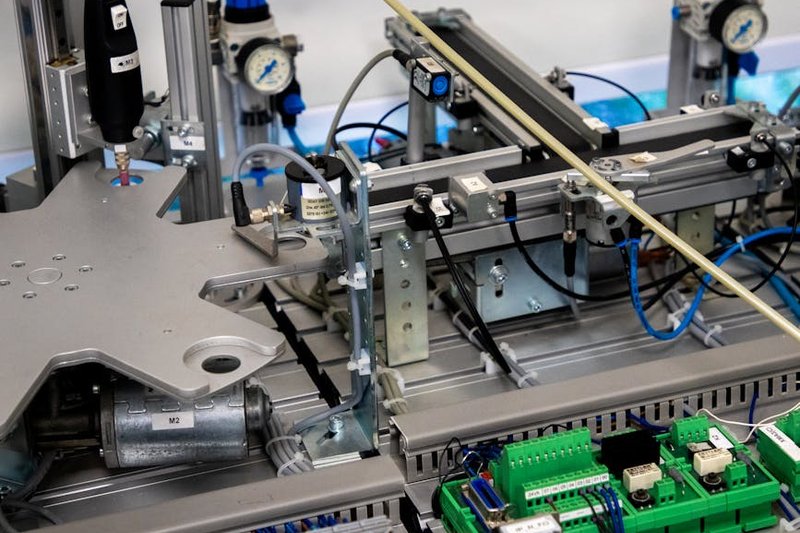
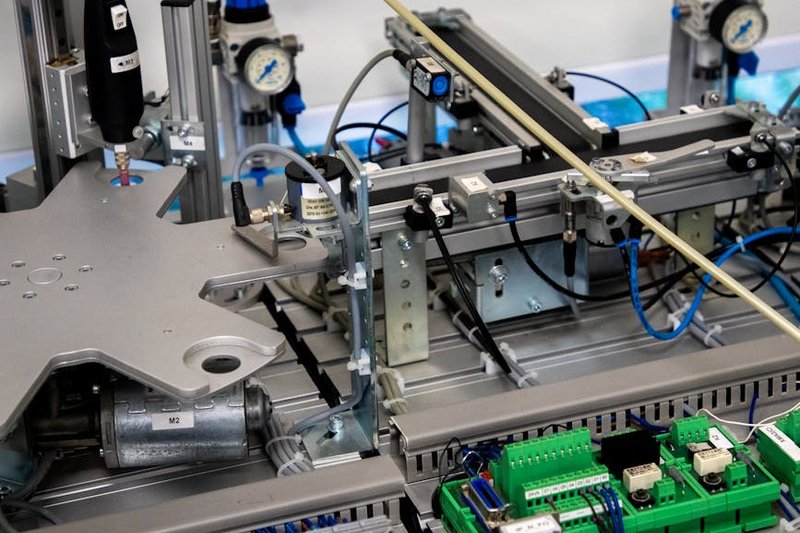
Pabrik komponen elektronik di kawasan Cikarang menghadapi downtime tak terduga dan bottleneck di lini pengepakan. Mereka mengimplementasikan sistem otomasi end-to-end mengintegrasikan pneumatik FESTO, PLC modern, dan SCADA untuk monitoring real-time.
Hasilnya transformatif: downtime turun 38% dan throughput naik 20% tanpa menambah tenaga kerja atau shift baru. ROI tercapai dalam 2 tahun berkat penghematan energi drastis dan berkurangnya produk cacat.
Investasi: Rp 500 juta-1 miliar untuk sistem komprehensif. Timeline: 6 bulan dari konsultasi hingga commissioning. Penghematan tahunan: Rp 300-400 juta dari efisiensi energi dan pengurangan waste.
Kasus 4: Perfetti Van Melle Indonesia—Optimalisasi Rute dengan BeatRoute
Perfetti Van Melle Indonesia mengelola 300.000 outlet retail tersebar geografis dengan kualitas eksekusi bervariasi. Implementasi BeatRoute Sales Force Automation dengan route optimization dan geo-tagging menghasilkan peningkatan cakupan retail 3x lipat dan efisiensi kunjungan sales rep yang drastis.
Biaya: Sekitar Rp 100-150 juta untuk lisensi tahunan dan onboarding. ROI: Tercapai dalam 8-10 bulan melalui peningkatan sales coverage dan pengurangan biaya travel.
Kasus 5: Telkom AI Center Makassar—Solusi Workflow UMKM
lebih dari 64 juta unit usaha UMKM yang menyumbang lebih dari 60% terhadap PDB nasional untuk 64 juta UMKM Indonesia: KasirTa’ POS (kasir pintar dengan input suara), SmartBiz Blast AI (asisten pemasaran digital), dan Laporin.AI (otomasi laporan bisnis).
Program ini dirancang dengan model bisnis berkelanjutan—biaya implementasi AI off-the-shelf berkisar Rp 10-50 juta untuk UMKM, dengan ROI yang jelas dari otomasi kasir, pemasaran, dan laporan keuangan.
Breakdown Finansial: Biaya vs Penghematan
| Skala Bisnis | Investasi Awal | Timeline ROI | Penghematan Tahunan |
| UKM Kecil (PT Suka Maju) | Rp 15-20 juta | 4 bulan | Rp 60 juta |
| Mid-Market (Sharp) | Rp 50-80 juta | 6-8 bulan | Rp 120-150 juta |
| Enterprise (Pabrik Cikarang) | Rp 500 juta-1 miliar | 2 tahun | Rp 300-400 juta |
| UMKM (Telkom AI) | Rp 10-50 juta | 6-12 bulan | Rp 40-80 juta |
Data menunjukkan RPA menyelesaikan tugas berulang 8,47 kali lebih cepat dibandingkan manual—angka yang konsisten dengan hasil PT Suka Maju dan Sharp. Studi Forrester mencatat ROI rata-rata 186% dalam satu tahun untuk implementasi RPA pada UKM.
Faktor Penentu ROI
Tiga variabel kritis menentukan seberapa cepat Anda mencapai ROI:
1. Skala operasi: Volume transaksi tinggi = ROI lebih cepat. Sharp menangani 1.000 pertanyaan/hari, sehingga setiap efisiensi 1% menghasilkan dampak besar.
2. Kompleksitas proses: Proses sederhana dan berulang (seperti invoicing PT Suka Maju) lebih cepat diotomatisasi dibanding workflow kompleks dengan banyak exception handling.
3. Kesiapan infrastruktur digital: Perusahaan dengan sistem ERP/CRM existing lebih mudah mengintegrasikan otomasi. Pabrik Cikarang sudah memiliki PLC dasar, sehingga upgrade ke SCADA lebih smooth.
Untuk bisnis yang ingin mengukur ROI otomasi dengan lebih akurat, penting mempertimbangkan tidak hanya penghematan biaya langsung, tetapi juga peningkatan kapasitas, pengurangan error, dan peningkatan kepuasan pelanggan yang sulit dikuantifikasi namun berdampak jangka panjang.
Bagaimana Memilih Solusi Otomasi yang Tepat untuk Budget UKM Anda
Setelah melihat angka ROI 186% dan berbagai manfaat konkret dari otomasi, pertanyaan berikutnya yang muncul adalah: solusi mana yang cocok untuk budget dan skala bisnis Anda? Pasar Indonesia menawarkan spektrum luas—dari platform RPA enterprise seperti UiPath hingga solusi cloud terjangkau seperti Mekari Jurnal yang dibanderol mulai Rp359.000 per bulan. Pilihan yang tepat bergantung pada tiga faktor: ukuran tim, kompleksitas proses, dan proyeksi pertumbuhan.
Kategori Solusi Berdasarkan Skala Bisnis
Untuk usaha mikro dengan 1-5 karyawan, prioritaskan tools cloud-native yang tidak memerlukan infrastruktur besar. Mekari Jurnal menjadi pilihan populer karena mengintegrasikan akuntansi, invoice, dan laporan keuangan dalam satu dashboard—menghilangkan kebutuhan spreadsheet manual yang rawan error. Budget bulanan Rp300.000-500.000 sudah mencakup lisensi dan update otomatis.
Bisnis kecil (6-19 karyawan) yang mengelola tim penjualan lapangan bisa melirik BeatRoute. Platform Sales Force Automation ini menawarkan route optimization dan geo-tagging real-time, memangkas waktu perencanaan rute hingga 40%. Perfetti Van Melle Indonesia menggunakan BeatRoute untuk mencapai peningkatan 3x lipat dalam cakupan retail di 300.000 outlet—bukti skalabilitas untuk distribusi massal.
UKM menengah (20-99 karyawan) dengan proses repetitif tinggi—seperti data entry atau invoice processing—perlu mengevaluasi RPA. Implementasi RPA dapat menurunkan biaya operasional hingga 70% dengan mengurangi jam kerja manual dan meminimalkan kesalahan input. Namun, investasi awal lebih besar: lisensi UiPath enterprise dimulai dari $420/bulan per user, belum termasuk biaya implementasi dan training.

Kriteria Evaluasi Vendor yang Tidak Boleh Diabaikan
Track record lokal menjadi indikator penting. Vendor yang sudah menangani klien Indonesia memahami kompleksitas regulasi pajak, integrasi dengan sistem perbankan lokal, dan kebutuhan support bahasa Indonesia. Tanyakan case study spesifik—bukan hanya testimoni umum.
Integrasi dengan sistem existing menentukan kelancaran transisi. Jika Anda sudah menggunakan WhatsApp Business API untuk customer service, pastikan platform otomasi baru bisa terhubung tanpa memerlukan rebuild infrastruktur. Automasi proses layanan pelanggan mempercepat respons hingga 60%, tetapi hanya jika sistemnya saling bicara.
Skalabilitas teknis sering terlupakan. Platform yang cocok untuk 10 transaksi per hari belum tentu stabil menangani 1.000 transaksi saat bisnis berkembang. Minta vendor menunjukkan arsitektur cloud mereka dan SLA (Service Level Agreement) untuk uptime—standar industri minimal 99.5%.
Menghitung Total Cost of Ownership
Budget tidak berhenti di lisensi software. Hitung empat komponen: lisensi tahunan, biaya implementasi (setup dan kustomisasi), training karyawan, dan maintenance berkelanjutan. Untuk RPA, rasio umum adalah 1:0.5:0.3:0.2—artinya jika lisensi Rp100 juta/tahun, siapkan tambahan Rp100 juta untuk tiga komponen lainnya di tahun pertama.
Bandingkan dengan proyeksi penghematan konkret. Jika automasi invoice processing menghemat 20 jam kerja admin per minggu (nilai Rp5 juta/bulan), ROI tercapai dalam 8 bulan untuk investasi Rp40 juta. Gunakan panduan mengukur ROI untuk memvalidasi asumsi Anda sebelum komitmen kontrak.
Model Kolaborasi: Belajar dari Erdejilbab
UMKM Erdejilbab di Surabaya menunjukkan pendekatan alternatif—kolaborasi dengan institusi pendidikan. Telkom University Surabaya mendampingi bisnis jilbab fashion ini membangun website Laravel dengan sistem inventori terintegrasi selama Februari-Mei 2025. Hasilnya: kontrol penuh atas data pelanggan, eliminasi commission fee marketplace, dan platform scalable untuk ekspansi produk.
Program serupa tersedia melalui inkubator bisnis universitas atau hackathon corporate. Biaya jauh lebih rendah dibanding hiring vendor komersial, dengan trade-off timeline lebih panjang dan perlu keterlibatan aktif dari tim internal Anda.
Tahapan Implementasi yang Meminimalkan Risiko
Mulai dari satu proses paling repetitif dan high-volume—misalnya reminder pembayaran otomatis atau laporan stok harian. Ukur dampak selama 2-3 bulan sebelum ekspansi ke proses lain. Pendekatan incremental ini mengurangi disruption operasional dan membangun internal capability bertahap.
Pemerintah menargetkan 30 juta UMKM masuk ekosistem digital pada 2024 melalui program Kementerian Komunikasi dan Informatika. Manfaatkan skema pendanaan seperti Kredit Usaha Rakyat (KUR) Digital atau program matching fund dari Kementerian Koperasi dan UKM—beberapa menawarkan subsidi hingga 50% untuk investasi teknologi produktif.
Dengan hampir setengah proses manufaktur diprediksi terotomatisasi penuh pada 2025, jendela kompetitif semakin sempit. Pilihan vendor yang tepat hari ini menentukan apakah bisnis Anda menjadi pemimpin atau tertinggal dalam transformasi digital Indonesia.
Roadmap Implementasi Otomasi dalam 30 Hari Pertama
Setelah Anda memilih solusi otomasi yang sesuai budget, langkah berikutnya adalah eksekusi. Banyak UKM gagal bukan karena memilih teknologi yang salah, tetapi karena implementasi yang terburu-buru tanpa roadmap jelas. Berikut action plan 30 hari yang telah terbukti efektif untuk go-live pertama kali.
Minggu 1: Audit dan Prioritas
Mulai dengan audit menyeluruh proses bisnis Anda. Dokumentasikan setiap workflow—dari penerimaan pesanan hingga invoice pelanggan. Identifikasi bottleneck yang paling menguras waktu tim: apakah itu entry data manual, follow-up email berulang, atau rekonsiliasi stok?
Prioritaskan proses yang memenuhi tiga kriteria: repetitif (dilakukan minimal 10 kali per minggu), time-consuming (menghabiskan 2+ jam per hari), dan prone to error (tingkat kesalahan di atas 5%). Data menunjukkan otomasi dapat menghemat waktu hingga 90% dalam berbagai aktivitas operasional, tetapi hanya jika Anda memilih proses yang tepat untuk diotomasi pertama kali.
Libatkan tim operasional dalam audit ini. Mereka yang menjalankan proses sehari-hari tahu persis di mana hambatan sebenarnya terjadi—bukan asumsi manajemen.
Minggu 2: Seleksi dan Persiapan Teknis
Dengan prioritas jelas, lakukan demo produk dari 2-3 vendor shortlist. Jangan tergiur fitur fancy—fokus pada kemudahan integrasi dengan sistem existing Anda. Tanyakan detail teknis: API availability, data migration support, training materials, dan response time customer support.
Negosiasi kontrak dengan cermat. Pastikan ada trial period 30-60 hari dan exit clause yang fair. Untuk UKM dengan budget terbatas, solusi seperti Mekari Jurnal menawarkan paket Essentials mulai Rp359.000 per bulan untuk 1 pengguna—cocok untuk pilot project tanpa komitmen besar.
Persiapan infrastruktur teknis mencakup: backup data existing, setup akses user, dan testing koneksi API. Alokasikan 2-3 hari untuk data cleansing—otomasi hanya sebaik data yang Anda feed ke sistem.
Minggu 3: Pilot dan Training
Implementasikan otomasi pada SATU proses saja. Contoh: jika Anda memilih otomasi invoice, jalankan parallel dengan proses manual selama minggu ini. Bandingkan output, identifikasi discrepancy, dan fine-tune rules.
Training tim adalah make-or-break moment. Komunikasikan manfaat konkret: “Dengan otomasi ini, Anda tidak perlu lagi input data 2 jam setiap pagi—waktu itu bisa untuk handle customer kompleks.” Resistensi karyawan biasanya muncul dari ketakutan kehilangan pekerjaan; reframe otomasi sebagai tools yang membebaskan mereka dari tugas membosankan.
Setup monitoring KPI dari hari pertama: waktu proses (target: 50% lebih cepat), error rate (target: di bawah 2%), dan produktivitas karyawan (ukur dari output per jam kerja). Studi kasus di industri perbankan menunjukkan otomasi dapat menghemat waktu hingga 90% dalam berbagai aktivitas operasional—dari beberapa hari menjadi hitungan jam.
Minggu 4: Go-Live dan Evaluasi
Matikan proses manual dan go-live sepenuhnya pada proses pilot. Siapkan troubleshooting team yang standby untuk 48 jam pertama—ini periode kritis di mana bug dan edge cases muncul.
Dokumentasikan SOP baru dengan detail: screenshot, video tutorial, dan FAQ untuk tim. Update job description jika perlu—roles berubah ketika otomasi masuk.
Evaluasi hasil minggu keempat: apakah KPI tercapai? Feedback tim bagaimana? Biaya per transaksi turun berapa persen? Data ini menjadi baseline untuk ekspansi ke proses lain.
Strategi Pasca-Implementasi
Setelah pilot sukses, jangan berhenti. Optimasi berkelanjutan adalah kunci—review KPI bulanan dan adjust automation rules berdasarkan pattern baru. Ekspansi bertahap ke 2-3 proses lain dalam 6 bulan berikutnya.
Yang sering terlupakan: otomasi internal saja tidak cukup. Anda perlu traffic dan leads berkualitas untuk feed sistem baru Anda. Di sinilah strategi GEO untuk UKM Indonesia menjadi relevan—platform digital yang sudah terotomasi membutuhkan visibility di Google dan AI search engines untuk generate qualified leads secara konsisten.
Faktanya, hanya 27% UMKM di Indonesia yang memanfaatkan platform digital secara optimal per data 2023. Ini bukan hanya soal adopsi teknologi, tetapi juga bagaimana Anda drive traffic ke platform tersebut. Kombinasi otomasi internal dengan SEO optimization dan AI-powered content creation menciptakan growth engine yang sustainable.
Review 1 Tahun: Scaling Strategy
Setelah 12 bulan, lakukan review komprehensif: bandingkan ROI aktual versus proyeksi awal. Hitung total cost savings dari efisiensi waktu, pengurangan error, dan peningkatan kapasitas tanpa tambah headcount.
Evaluasi apakah teknologi yang Anda pilih masih relevan. Landscape otomasi bergerak cepat—tools yang cutting-edge tahun lalu bisa jadi sudah outdated. Budget untuk technology refresh setiap 18-24 bulan.
Yang terpenting: dokumentasikan lessons learned. Apa yang berhasil? Apa yang gagal? Knowledge ini invaluable untuk scaling ke cabang atau unit bisnis lain. Otomasi bukan project sekali jadi—ini journey continuous improvement yang membedakan UKM yang bertahan dengan yang berkembang pesat.
Pertanyaan Umum Seputar Otomasi Proses Bisnis UKM
Setelah memahami roadmap 30 hari pertama, Anda mungkin masih memiliki pertanyaan spesifik tentang implementasi otomasi di bisnis Anda. Berikut jawaban untuk 10 pertanyaan paling sering muncul dari pemilik UKM:
Berapa Budget Minimum untuk Memulai?
Anda bisa memulai dengan Rp 500.000–1.500.000 per bulan untuk tools dasar seperti Zapier atau Make.com yang mengintegrasikan 2-3 aplikasi bisnis. Biaya ini mencakup otomasi email marketing, manajemen lead sederhana, dan sinkronisasi data antar platform. Untuk solusi yang lebih komprehensif seperti platform AI-powered yang mengintegrasikan SEO, lead generation, dan content creation, budget Rp 2-5 juta per bulan sudah memberikan ROI signifikan dalam 3-6 bulan pertama.
Berapa Lama Sampai Melihat Hasil Nyata?
Quick wins seperti otomasi email follow-up atau penjadwalan sosial media bisa terlihat dalam 1-2 minggu pertama. Untuk hasil terukur seperti peningkatan konversi lead atau efisiensi operasional, Anda akan melihat dampak signifikan dalam 30-60 hari. ROI finansial yang jelas biasanya muncul setelah 3-4 bulan ketika sistem sudah berjalan optimal dan tim sudah terbiasa dengan workflow baru.
Apakah Perlu Hire IT Specialist?
Tidak untuk tahap awal. Tools modern seperti platform no-code dirancang untuk non-technical users. Anda dan tim bisa mengelola sendiri dengan panduan video dan dokumentasi yang tersedia. IT specialist baru diperlukan jika Anda ingin custom integration dengan sistem legacy atau membangun automation workflow yang sangat kompleks—biasanya setelah bisnis mencapai skala tertentu.
Bagaimana Memilih Vendor yang Tepat?
Fokus pada tiga kriteria: (1) Trial period gratis minimal 14 hari untuk testing, (2) Support dalam bahasa Indonesia dengan response time di bawah 24 jam, (3) Integrasi native dengan tools yang sudah Anda pakai. Hindari vendor yang mengunci Anda dalam kontrak tahunan tanpa flexibility untuk upgrade atau downgrade sesuai kebutuhan bisnis.
Apakah Data Pelanggan Aman?
Platform terpercaya menggunakan enkripsi end-to-end dan compliance dengan standar internasional seperti ISO 27001 atau SOC 2. Pastikan vendor menyimpan data di server dengan backup otomatis dan memberikan Anda kontrol penuh untuk export atau delete data kapan saja. Baca privacy policy dengan detail, terutama bagian tentang data ownership dan third-party sharing.
Bagaimana Jika Tim Menolak Perubahan?
Mulai dengan menunjukkan manfaat personal—berapa jam kerja repetitif yang bisa mereka hemat per minggu. Libatkan tim dalam memilih tools dan desain workflow sejak awal. Berikan training bertahap dengan fokus pada satu proses per minggu, bukan mengubah semua sistem sekaligus. Rayakan small wins untuk membangun momentum positif.
Bisakah Otomasi Bekerja untuk Bisnis Offline?
Sangat bisa. Toko retail bisa mengotomasi inventory tracking, appointment scheduling untuk service business, atau WhatsApp follow-up untuk customer retention. Bahkan bisnis F&B menggunakan otomasi untuk order management dan loyalty program. Kuncinya adalah mengidentifikasi proses repetitif yang memakan waktu, bukan fokus pada “online vs offline”.
Bagaimana Mengukur ROI Otomasi?
Track tiga metrik utama: (1) Waktu yang dihemat (dalam jam per minggu), (2) Peningkatan conversion rate dari lead ke customer, (3) Pengurangan error rate dalam proses manual. Untuk panduan lengkap tentang pengukuran ROI dengan framework yang proven, lihat cara mengukur ROI untuk strategi digital marketing Anda. Hitung nilai rupiah dari waktu yang dihemat berdasarkan hourly rate tim Anda.
Apakah Bisa Scale Up Nanti?
Platform modern didesain untuk scalability. Anda mulai dengan paket basic untuk 1-5 users, lalu upgrade ke tier lebih tinggi saat tim bertambah atau volume transaksi meningkat. Yang penting adalah memilih platform dengan pricing structure yang jelas dan tidak ada hidden cost saat scaling. Perhatikan juga apakah ada batasan jumlah workflow atau integrasi di setiap tier.
Apa Risiko Terbesar yang Harus Diwaspadai?
Over-automation adalah jebakan umum—mengotomasi terlalu banyak proses sekaligus tanpa testing yang cukup. Mulai dengan 2-3 proses kritis, pastikan berjalan sempurna, baru expand ke area lain. Risiko kedua adalah ketergantungan pada satu vendor tanpa backup plan. Selalu pastikan Anda bisa export data dan memiliki dokumentasi workflow yang clear untuk mitigasi risiko vendor lock-in.
Kesimpulan: Waktunya Bertindak untuk Keunggulan Kompetitif 2026
Setelah menjawab berbagai pertanyaan umum tentang otomasi proses bisnis, saatnya Anda mengambil langkah konkret. Data menunjukkan bahwa UKM yang mengadopsi otomasi mencapai ROI 186% dalam 18 bulan pertama—angka yang sulit diabaikan di tengah persaingan 2026 yang semakin ketat. Penghematan waktu operasional hingga 30% dan peningkatan produktivitas 60% bukan lagi janji futuristik, melainkan realitas yang bisa Anda capai hari ini.
Otomasi proses bisnis telah bergeser dari kategori “nice to have” menjadi kebutuhan mendesak untuk UKM Indonesia. Ketika kompetitor Anda mengotomasi invoice processing, customer follow-up, dan inventory management, setiap hari tanpa otomasi berarti Anda kehilangan efisiensi dan peluang revenue. Pasar tidak menunggu—pelanggan mengharapkan respons cepat, akurasi tinggi, dan layanan konsisten yang hanya bisa dijamin melalui sistem terotomasi.
Langkah Pertama yang Bisa Anda Ambil Sekarang
Mulai dengan audit proses sederhana: identifikasi tiga aktivitas paling repetitif dalam operasional harian Anda. Apakah itu entry data manual? Follow-up email ke prospek? Rekonsiliasi pembayaran? Pilih satu area sebagai pilot project—bukan karena paling kompleks, tapi karena paling mudah diukur hasilnya.
Jangan terjebak dalam paralysis by analysis. Anda tidak perlu mengotomasi seluruh bisnis sekaligus. Pendekatan bertahap dengan quick wins memberikan momentum dan buy-in dari tim. Ketika mereka melihat proses invoice yang tadinya memakan 4 jam kini selesai dalam 20 menit, resistensi terhadap perubahan akan mencair dengan sendirinya.
Dapatkan Roadmap Customized untuk Bisnis Anda
Setiap UKM memiliki keunikan proses dan prioritas berbeda. Apa yang berhasil untuk toko retail mungkin tidak cocok untuk jasa konsultasi. Karena itu, kami menawarkan konsultasi gratis untuk menganalisis proses bisnis Anda secara mendetail. Tim ahli kami akan memetakan workflow existing, mengidentifikasi bottleneck kritis, dan menyusun roadmap otomasi yang disesuaikan dengan budget dan kapasitas tim Anda.
Konsultasi ini bukan sales pitch—ini adalah kesempatan Anda mendapatkan perspektif objektif tentang di mana otomasi bisa memberikan impact terbesar. Kami akan menunjukkan perhitungan ROI spesifik untuk bisnis Anda, timeline implementasi realistis, dan strategi change management agar adopsi berjalan smooth. Untuk memulai, pelajari manfaat lengkap business process automation yang telah membantu ratusan UKM Indonesia bertransformasi.
Masa Depan Milik UKM yang Berani Bertransformasi
UKM Indonesia memiliki keunggulan unik: fleksibilitas dan kecepatan adaptasi yang tidak dimiliki korporasi besar. Dengan strategi otomasi yang tepat dan partner teknologi yang memahami konteks lokal, Anda bisa compete di level global tanpa harus memiliki resources raksasa. Otomasi membuka playing field—memberikan Anda tools yang sama powerful dengan yang digunakan kompetitor multinasional.
Pertanyaannya bukan lagi “apakah saya perlu otomasi?” melainkan “seberapa cepat saya bisa mulai?” Setiap minggu penundaan adalah peluang yang terlewat, efisiensi yang tidak terealisasi, dan competitive advantage yang diserahkan ke kompetitor. Waktunya bertindak adalah sekarang—dan langkah pertama dimulai dengan keputusan Anda hari ini.
About Petric Manurung
Petric Manurung is the Founder & CEO of Fivebucks AI, an SEO and GEO platform built for businesses that want to rank in both traditional search and AI-generated results. With 20+ years across global enterprises — Lufthansa Systems, Apple, Toll Group, CEVA Logistics — he has a firsthand understanding of how visibility gaps cost businesses at scale.
He holds an MBA from Western Michigan University and a HubSpot SEO Certification. Fivebucks AI is where that expertise ships as product — giving teams the tools to optimize for the way people actually find things today: search engines and AI answers alike.
Sources & References
This article incorporates information and insights from the following verified sources:
[1] memangkas waktu pemrosesan invoice dari 2 hari kerja menjadi kurang dari 1 jam – PT XETUP SOLUSI TEKNOLOGI (2025)
[2] menurunkan downtime sebesar 38% dan meningkatkan throughput hingga 20% – Lasky Otomasi (2026)
[3] produktivitas meningkat 60% setelah menghilangkan human error dalam input data pelanggan – UiPath (2024)
[4] lebih dari 64 juta unit usaha UMKM yang menyumbang lebih dari 60% terhadap PDB nasional – News Hunter (2026)
[5] Kementerian Koperasi dan UKM mencatat 25,5 juta UMKM telah masuk ekosistem digital – ANTARA News (2024)
[6] Peran Platform Digital Terhadap Pengembangan UMKM di Indonesia – INDEF (2024)
[7] biaya implementasi AI off-the-shelf berkisar Rp 10-50 juta – Majapahit Teknologi (2026)
[8] Telkom Rilis Agentic AI by BigBox, Perkuat Otomasi Cerdas untuk Industri Nasional – Merdeka (2026)
[9] Dari Perjuangan Menjadi Lompatan: Tren Pertumbuhan UMKM Indonesia 2024 2025 – Link UMKM (2024)
[10] menggunakan BeatRoute untuk mencapai peningkatan 3x lipat dalam cakupan retail – BeatRoute (2025)
[11] Otomasi Industri: Dampak Ekonomi dan Peluang Bisnis Baru – Turkeconom (2026)
[12] hampir setengah proses manufaktur diprediksi terotomatisasi penuh pada 2025 – Manufacturing Indonesia Series (2024)
[13] Pemerintah menargetkan 30 juta UMKM masuk ekosistem digital pada 2024 – Kementerian Pendayagunaan Aparatur Negara (2024)
[14] Mekari Jurnal menawarkan paket Essentials mulai Rp359.000 per bulan – MAS Software (2025)
[15] hanya 27% UMKM di Indonesia yang memanfaatkan platform digital secara optimal – Telkom University Surabaya (2025)
[16] otomasi dapat menghemat waktu hingga 90% dalam berbagai aktivitas operasional – IDstar (2024)
[17] Internal: Fivebucks AI – https://www.fivebucks.ai/blogs/post/manfaat-business-process-automation/
[18] Internal: strategi generative engine optimization yang terintegrasi – https://www.fivebucks.ai/blogs/post/strategi-generative-engine-optimization-umkm-indonesia/
[19] Internal: mengukur ROI otomasi dengan lebih akurat – https://www.fivebucks.ai/blogs/post/cara-ukur-roi-seo-geo-bisnis-kecil/
All external sources were accessed and verified at the time of publication. This content is provided for informational purposes and represents a synthesis of the referenced materials.