Category: Traffic Generation

  • Best AI Tools for SEO Content Writing 2026

    Best AI Tools for SEO Content Writing 2026

    Why AI Tools for SEO Content Writing Are Essential in 2026

    The numbers tell a clear story. Generative AI adoption in businesses more than doubled between 2023 and 2024, jumping from 33% to 71%. By 2026, that figure has climbed further — 87% of marketers now use generative AI in at least one workflow. This isn’t a fringe experiment anymore. It’s the standard operating procedure for content teams across industries.

    The primary driver? Content creation itself. Generative AI adoption in businesses more than doubled between 2023 and 2024, making SEO writing the most natural entry point for the technology. And the market reflects this focus. The global generative AI in content creation market was valued at USD 14.8 billion in 2024 and is projected to hit USD 80.12 billion by 2030 — a compound annual growth rate of 32.5%. That kind of trajectory signals more than curiosity. It signals structural change in how content gets made.

    But here’s the catch that most teams discover within weeks: having access to AI tools and actually integrating them into a functioning workflow are two very different things. A marketer can prompt ChatGPT to write a blog post in thirty seconds. That same marketer will spend the next two hours editing, fact-checking, and reformatting the output to match brand guidelines and SEO requirements. The tool itself is fast. The process around it often isn’t.

    This is where the real challenge lives. It’s not about which AI writing tool to pick — there are dozens, and most work reasonably well. The hard part is figuring out how these tools slot into existing editorial calendars, approval chains, quality checks, and SEO optimization routines. Teams need detailed workflow integration guides, not just lists of recommended tools.

    Consider HubSpot’s approach. The company integrated AI-driven SEO strategies into its platform, using machine learning to analyze search intent and optimize content clusters. The result? Businesses using HubSpot’s AI tools saw a 40% increase in organic traffic within months. That didn’t happen because HubSpot handed marketers a chatbot and walked away. It happened because the AI was embedded into a structured process — from keyword research through content clustering to performance tracking.

    The same logic applies whether you’re a solo content creator or a twenty-person marketing team. AI tools for SEO content writing are essential in 2026, but they’re only as effective as the workflow that surrounds them. Without clear integration steps, teams end up with faster content production but not necessarily better content performance.

    This guide is built to solve that specific problem. It moves from tool evaluation — understanding what different AI writing tools actually do — to step-by-step implementation that accounts for your existing team structure, and finally to quality assurance frameworks that ensure AI-generated content meets editorial standards. The goal isn’t to replace your editorial process. It’s to make every step within that process more efficient.

    AI content creation dashboard - ai tools for seo content writing

    The landscape has shifted. The question isn’t whether to use AI for SEO content writing — the data shows that decision has already been made across the industry. The question is how to use it in a way that actually moves metrics. That requires a playbook, not just a tool.

    How AI Tools for SEO Content Writing Fit Into Your Workflow

    The numbers around AI adoption are compelling, but the real question for any content team is how these tools actually fit into a daily workflow without causing more friction than they solve. The data suggests the integration is not only smooth but transformative when done right.

    The Time Dividend

    The most immediate benefit is time. Marketers using AI tools save an average of 3 hours per piece of content and 2.5 hours per day overall. For a team of five, that compounds to roughly 11.4 hours saved per week—essentially reclaiming an entire workday. One agency demonstrated this dramatically by using Describely to complete product descriptions for 78 products in just two hours, compressing what would have been nearly two weeks of manual work into a single afternoon. That scale of efficiency isn’t a luxury; it’s how teams keep up with content demands without burning out.

    Brand Voice: The Hybrid Advantage

    A common fear is that AI will strip away a brand’s personality. The evidence tells a more nuanced story. AI writing tools require a minimum of 15,000 words of training content for effective brand voice learning in long-form pieces. Once trained, the results are striking: AI maintains 87% consistency in brand voice adherence, while human writers—prone to fatigue and personal stylistic drift—achieve only 73%.

    But here’s the catch. A purely AI-driven approach misses emotional nuance. That’s where the hybrid model wins. Combining AI drafting with human refinement pushes consistency to 87% consistency in brand voice adherence. Target Australia’s workflow optimization proves this works at scale: they used Describely AI to generate product descriptions with 98% accuracy, eliminating constant fine-tuning while keeping human editors in the loop for tone adjustments.

    Mapping Tools to the Content Pipeline

    The key is using the right tool at the right stage. The workflow breaks down cleanly:

    Workflow StageRecommended ToolPrimary Function
    Ideation & ResearchChatGPTBrainstorming topics, generating outlines, analyzing competitor content
    DraftingJasper AI or WritesonicProducing first drafts with brand voice training
    SEO OptimizationSurfer SEOReal-time content scoring, NLP analysis, keyword density checks
    Refinement & PolishClearscope or FraseA-F content grading, readability improvements, final optimization

    This isn’t about replacing writers. It’s about letting each tool handle what it does best—speed and data processing—while humans focus on strategy, emotional connection, and editorial judgment. For teams looking to refine their output further, exploring AI humanizer tools can help bridge the gap between machine efficiency and human authenticity.

    The Skepticism That Keeps Quality High

    None of this matters if readers tune out. And they will: 52% of consumers report reduced engagement with content they believe is produced by AI. That statistic should be a permanent fixture on every content team’s dashboard. It’s the reason human oversight isn’t optional.

    The financial case for getting this balance right is clear. Organizations implementing AI have achieved 333% ROI and $12.02 million net present value over three years, while average content production costs have dropped 44%, from $480 to $268 per 2,000-word article. But those returns only materialize when the human-AI partnership is intentional, not when AI is treated as a full replacement.

    The workflow that works treats AI as the engine and humans as the steering wheel. Speed comes from the engine. Direction, voice, and emotional intelligence come from the driver. Teams that build their processes around this distinction don’t just produce more content—they produce content that actually connects.

    Evaluating the Best AI Tools for SEO Content Writing: A Task-Specific Comparison

    Workflow integration is only half the equation. The other half is picking the right tool for the specific job. No single AI writing platform excels at everything, and treating them as interchangeable leads to mediocre output. The smartest teams match the tool to the task.

    E-Commerce: Speed and Scale at the Product Level

    For retailers managing thousands of SKUs, the bottleneck isn’t creativity—it’s volume. Typeface solves this by requiring a minimum 15,000-word brand voice training sample, creating distinct tone profiles for different channels. Copy.ai takes a similar approach, excelling at generating product descriptions that feel on-brand rather than templated. For category pages that need SEO structure, Scalenut offers over 40 AI copywriting templates plus a built-in keyword planner and SERP analyzer.

    The results speak to scale. An enterprise marketing team deploying generative AI tools 11.4 hours saved per week. For a retailer like FashionFlex, which used an AI platform to solve inconsistent messaging across social channels, the payoff was consistent brand voice and improved engagement metrics without sacrificing the human feel.

    Long-Form SEO: Research, Outlines, and Optimization

    Writing a 2,000-word guide is different from writing a product description. The best tools here focus on research depth and on-page signals. Frase and Clearscope lead on the research and outline front, analyzing top-ranking content to surface gaps and questions. Surfer SEO offers solid value at $99/month for professional teams, with real-time content scoring and Google Docs integration that lets writers optimize as they type (Surfer SEO pricing).

    A broader analysis of the market ranks Surfer SEO pricing based on price-to-value. For teams looking to go deeper, SEO.ai powers its writer with 5.7 million data points and real-time SERP analysis, optimizing output for E-E-A-T signals.

    Collaboration and CMS Integration

    Tools that sit in isolation create workflow friction. Jasper AI, starting at $49/month for the Creator plan with one seat and one Brand Voice upload, offers team workflows that let multiple contributors work within a shared brand framework (Jasper pricing). Writesonic integrates with WordPress, Zapier, Surfer SEO, and Semrush, making it easy to plug into existing tech stacks (Jasper pricing). Rytr is the budget-friendly option—trusted by 7+ million customers—but its collaboration features are limited, making it better suited for solo operators or small teams testing the waters.

    For teams prioritizing local search performance, understanding how these tools interact with geographic optimization is critical. A guide on GEO vs SEO for Singapore SMBs explains how AI tools can adapt content for local intent signals.

    Real-World Impact: The Numbers Behind the Choice

    The adoption trend is clear. In 2026, 38% of business web content published involves AI assistance, up from 14% in 2024 (44%, from $480 to $268 per 2,000-word article). Companies using marketing automation tools see a 14.5% increase in sales productivity and a 12.2% reduction in marketing overhead (automation ROI). HubSpot’s integrated AI-driven SEO strategies helped businesses achieve a 40% increase in organic traffic within months (HubSpot case study).

    Singapore is at the forefront of this shift. The country ranks third globally in AI marketing adoption at 91%, behind the US (93%) and UK (92%) (87% of marketers now use generative AI in at least one workflow). 73% of companies in Southeast Asia are in the piloting or scaling stage of AI, compared with 57% globally (SEA AI adoption). Publicis Groupe APAC recently launched an AI Development Hub in Singapore, projecting a 20-30% reduction in manual campaign execution time.

    The takeaway is straightforward: match the tool to the task. E-commerce teams need Typeface or Copy.ai. Long-form SEO teams need Frase, Clearscope, or Surfer. Collaboration-heavy teams need Jasper or Writesonic. The tool that works for one workflow will fail at another. Know the job before you pick the tool.

    AI SEO tools comparison dashboard - ai tools for seo content writing

    Step-by-Step Implementation: From Brief to Publishing with AI

    The tool comparison is useful, but the real question is how these pieces fit together into a daily workflow. Teams that succeed with AI don’t just buy software—they redesign their pipeline from brief to publish. Here’s how that actually works in practice.

    Stage 1: Briefing with AI

    Start with keywords, not blank pages. Tools like Frase analyze top-ranking content for a target query and generate a structured brief that includes suggested headings, questions to answer, and word count targets. The marketer assigns tone guidelines and brand guardrails at this stage—not after the draft exists. HubSpot’s Breeze AI collection, for example, includes brand voice analysis that ensures every brief aligns with existing messaging before a single sentence gets written.

    Stage 2: Drafting with Human Guardrails

    Jasper AI and Writesonic can produce a first draft from that brief in under two minutes. But here’s where the process often breaks: teams skip the human edit. Data from 2026 shows that AI content detection tools correctly identify fully AI-generated unedited content 89% of the time. That means publishing raw AI output is a gamble. The smart approach is to treat the AI draft as a strong first pass—then have a writer restructure paragraphs, add original examples, and adjust tone. This hybrid method is why 62% of high-performing marketing teams use approaches that combine AI automation with human expertise. The human layer isn’t optional; it’s the difference between content that ranks and content that gets flagged.

    Stage 3: SEO Optimization

    Before the draft moves forward, run it through Surfer SEO or Clearscope. These tools check keyword density, readability scores, internal linking opportunities, and content structure against what’s currently ranking. For Singapore businesses targeting local search, this stage is where you’d apply GEO-specific optimization strategies to ensure the content competes in both traditional search and AI-generated answers. The optimization pass typically adds 15-20 minutes per article but can lift organic traffic by 30-40% when done consistently.

    Stage 4: Review & Approval

    Copy.ai and Typeface now include collaboration features that let teams leave inline comments, request revisions, and track version history without leaving the platform. This eliminates the email chain problem where a writer submits a draft, an editor requests changes, and the SEO specialist never sees the final version. A single review cycle with all stakeholders in one tool catches inconsistencies early. The data backs this up: businesses using AI content tools report 3x faster production speeds and 40% lower content costs when the workflow is properly structured.

    Stage 5: Publishing and Performance Tracking

    For Shopify stores, Shopify Magic is integrated directly into all subscription plans for generating product descriptions and email copy, making the publishing step nearly instantaneous. WordPress users can connect Surfer SEO or Jasper directly via plugins that push optimized content to the CMS with one click. After publishing, track keyword movement and engagement metrics to feed back into the next brief.

    Real-World Example: Singapore E-commerce Automation

    A Singapore e-commerce brand took this pipeline to its logical extreme. They set up Copy.ai workflow automation so that new product listings automatically generate descriptions, social media posts, and ad copy without any manual intervention. The result: content production time cut by 50%, with consistent output across every channel. The average marketer saves 6.1 hours per week using AI tools, but this brand’s senior team reported 8-10 hours saved because the automation eliminated repetitive tasks entirely.

    The pipeline works because each stage has a clear owner—AI handles speed and scale, humans handle quality and judgment. That division of labor is what turns a collection of tools into a functioning content engine.

    Quality Assurance and ROI: Maximizing Value from AI Content Tools

    The workflow is only as good as the output it produces. For small teams, the real test comes when AI-generated content meets the quality bar needed to actually rank, convert, and build trust. The common pitfalls are well-documented: factual inaccuracies that slip past basic checks, repetitive phrasing that makes content feel hollow, a lack of original perspective, and—most damaging—brand voice drift that erodes the consistency readers expect.

    Mitigation doesn’t require a full editorial department. A structured human review layer catches the factual errors and tone mismatches before anything goes live. Some teams layer in AI detection tools to flag overly robotic passages, then use A/B testing on headlines or product descriptions to measure real engagement against manual versions. HubSpot’s Breeze AI collection, for example, includes brand voice analysis that helps businesses maintain consistency while scaling output. The company has reported that AI-driven SEO strategies helped clients achieve a 40% increase in organic traffic—a number that only holds up when the underlying content passes quality checks.

    The cost math for small teams is straightforward. Monthly budgets under $5,000 open the door to tools like Rytr or Writesonic, which offer low-cost entry points for basic content generation. But the real ROI calculation isn’t about subscription fees—it’s about time. One agency completed 78 product descriptions in 2 hours using AI, representing almost two weeks of manual work. At even a modest hourly rate, that time savings alone justifies the investment. For a Singapore-based SMB, the ability to redirect that labor toward strategy, client relationships, or local market research compounds the return.

    content quality dashboard analytics - ai tools for seo content writing

    Ahrefs, the SEO platform, released its AI Content Helper feature in September 2024 specifically to address the quality gap. The tool optimizes content around real search intent without triggering over-optimization penalties—a balance that pure human writing or raw AI output often misses. This points to the emerging standard: hybrid workflows where AI handles volume and humans refine for voice, accuracy, and originality.

    This is where a platform like Fivebucks AI changes the equation for small teams. Instead of stitching together a writing tool, a separate SEO optimizer, and a lead capture system, the entire pipeline lives in one place. The platform optimizes for both Google and AI-driven search engines, drives traffic through structured content strategies, and converts that traffic into qualified leads without requiring a separate CRM integration. For a team operating on a lean budget, that consolidation eliminates both tool costs and the hidden tax of context-switching between platforms.

    The data supports the shift. Junia AI, for instance, integrates with both Shopify and WordPress and allows publishing straight to Reddit and Medium—a sign that the market is moving toward distribution-aware content tools. Fivebucks AI takes this further by embedding lead generation directly into the content workflow, so every piece published has a measurable conversion path.

    team workflow efficiency chart - ai tools for seo content writing

    The takeaway for small teams is pragmatic: adopt a hybrid workflow that uses AI for speed and humans for quality control, maintain a consistent brand voice through structured review processes, and measure ROI through time saved rather than just traffic numbers. For teams looking to understand how these strategies apply to local search, the guide to GEO and SEO for Singapore SMBs provides a practical framework for aligning content quality with regional search behavior. The teams that win aren’t the ones with the biggest budgets—they’re the ones that build efficient, repeatable systems for turning content into revenue.

    About Petric Manurung

    Petric Manurung is the Founder & CEO of Fivebucks AI, an SEO and GEO platform built for businesses that want to rank in both traditional search and AI-generated results. With 20+ years across global enterprises — Lufthansa Systems, Apple, Toll Group, CEVA Logistics — he has a firsthand understanding of how visibility gaps cost businesses at scale.

    He holds an MBA from Western Michigan University and a HubSpot SEO Certification. Fivebucks AI is where that expertise ships as product — giving teams the tools to optimize for the way people actually find things today: search engines and AI answers alike.

    Sources & References

    This article incorporates information and insights from the following verified sources:

    [1] Generative AI adoption in businesses more than doubled between 2023 and 2024 – AutoFaceless (2026)

    [2] 3 hours per piece of content and 2.5 hours per day overall – Synthesia (2025)

    [3] 87% of marketers now use generative AI in at least one workflow – Digital Applied (2026)

    [4] global generative AI in content creation market was valued at USD 14.8 billion in 2024 – Grand View Research (2024)

    [5] 11.4 hours saved per week – Xenoss (2026)

    [6] 15,000 words of training content for effective brand voice learning – Typeface (2026)

    [7] 87% consistency in brand voice adherence – WorkfxAI Blogs (2026)

    [8] 52% of consumers report reduced engagement with content they believe is produced by AI – ArtSmart (2024)

    [9] AI Agent Use Cases to Unlock AI ROI in 2025 (Guide) – Vellum (2026)

    [10] 333% ROI and $12.02 million net present value over three years – Writer (2026)

    [11] 44%, from $480 to $268 per 2,000-word article – Presenc AI (2026)

    [12] Surfer SEO pricing – Rankability Blog (2026)

    [13] Jasper pricing – Copy.ai (2025)

    [14] automation ROI – SuperAGI (2025)

    [15] HubSpot case study – Toolient (2025)

    [16] SEA AI adoption – Branding in Asia (2026)

    [17] businesses using AI content tools report 3x faster production speeds and 40% lower content costs – Simopedia (2025)

    [18] Shopify Magic is integrated directly into all subscription plans for generating product descriptions and email copy – Ringly (2026)

    [19] integrates with both Shopify and WordPress and allows publishing straight to Reddit and Medium – Junia AI (2025)

    [20] AI-driven SEO strategies helped clients achieve a 40% increase in organic traffic – Describely (2025)

    [21] Internal: detailed workflow integration guides – https://www.fivebucks.ai/blogs/post/ai-humanizer-small-seo-tools-integration/

    [22] Internal: guide on GEO vs SEO for Singapore SMBs – https://www.fivebucks.ai/blogs/post/geo-or-seo-singapore-smbs-2026/

    [23] Internal: GEO-specific optimization strategies – https://www.fivebucks.ai/blogs/post/seo-geo-strategies-small-businesses-2026/

    All external sources were accessed and verified at the time of publication. This content is provided for informational purposes and represents a synthesis of the referenced materials.


  • Best AI Tools for SEO Keyword Research 2026

    Best AI Tools for SEO Keyword Research 2026

    Why AI Tools for SEO Keyword Research Is Non-Negotiable in 2026

    Every online journey starts somewhere. For more than two-thirds of users, that starting point is a search engine — 68% of online experiences begin with a search query, making keyword research the bedrock of any digital strategy worth its salt. But the way we approach that research has shifted fundamentally.

    Traditional methods — firing up Google Keyword Planner, manually sifting through suggestions, guessing at intent — are too slow for the pace of 2026. They routinely miss the high-intent, long-tail phrases that actually convert. The data backs this up: 68% of online experiences begin with a search query, while AI-powered tools can surface them in seconds.

    Here’s why that gap matters more than ever. A recent analysis found that 89% of AI-generated citations come from outside the top 10 organic search results. That’s a massive shift. Content doesn’t need to rank first on Google to be cited by AI overviews, ChatGPT, or Perplexity. It needs to match the semantic intent behind the query — precisely what AI keyword research tools are built to decode.

    The payoff is measurable. Aligning content with semantic intent can improve relevance scores by up to 50%, directly boosting organic visibility. That’s not a marginal gain — it’s the difference between being invisible and being the default answer.

    Nowhere is this more apparent than in Singapore. The city-state operates as a highly competitive, mature digital market where generic SEO strategies fall flat. Businesses investing in locally-engineered keyword research strategies consistently outperform competitors using one-size-fits-all approaches. A search for “best laksa in Tiong Bahru” carries completely different intent and commercial value than “Singaporean cuisine,” and AI tools catch that nuance instantly. For a deeper dive into how local markets are evolving, check out our guide on GEO in SEO for local markets in 2026.

    This brings us to the central question: which AI tools excel specifically at keyword intent mapping, not just discovery? The market is flooded with options that generate keyword lists — but few that analyze why someone is searching. The tools that win in 2026 will be the ones that bridge that gap, turning raw search data into actionable content strategies.

    The next sections will put those tools to the test, comparing their ability to map intent, surface long-tail opportunities, and adapt to the unique demands of markets like Singapore.

    How AI Tools for SEO Keyword Research Transform Intent Mapping

    Traditional keyword research has long been a manual slog—brainstorming terms, plugging them into tools, and guessing at user intent. That approach is not just slow; it’s increasingly blind to how modern search works. AI tools have flipped the process, turning intent mapping from a subjective guess into a data-driven operation at massive scale.

    Keyword intent mapping is the process of categorizing search queries by user goal—informational, navigational, commercial, or transactional—using AI. Instead of a marketer manually sorting a few hundred keywords, platforms now tag millions of queries automatically. Semrush, for example, tags every keyword with an intent label across 25+ billion keywords, providing automated classification at a scale no human team could match. The result is a structured, real-time view of what searchers actually want, not what marketers assume they want.

    The accuracy gap between manual and AI-driven classification is narrowing fast. In a controlled test comparing 200 keywords, Keyword Insights achieved a 95% match rate when comparing manual search intent classification against AI-powered programmatic classification. That level of precision means businesses can trust the tool to categorize thousands of queries while they focus on strategy. And when content is built around those correctly identified intents, the payoff is tangible: Aligning content with semantic intent can improve relevance scores by up to 50%, directly boosting organic visibility.

    The Shift from Keywords to Conversations

    Traditional keyword discovery excels at finding high-volume, short-tail terms. But it struggles to capture the conversational and voice search variations that now dominate search behavior. AI tools don’t just match exact phrases—they parse natural language patterns, question formats, and long-tail variations that manual methods routinely miss. Traditional keyword research methods are time-consuming and often miss high-intent, long-tail opportunities that AI-powered tools can identify in seconds. This is especially critical as 89% of AI citations now come from outside the top 10 organic search results, fundamentally changing how content needs to be optimized. If your keyword strategy only targets the obvious terms, you’re invisible to the AI-driven discovery layer that increasingly determines rankings.

    Consider a local business in Singapore. A traditional approach might target “SEO services Singapore.” An AI-powered tool surfaces variations like “best affordable SEO for small business in Singapore,” “how to improve local search ranking in 2026,” and “SEO vs GEO for Singapore SMEs.” Each of those queries carries a different intent—commercial, informational, and comparative—and each requires distinct content. For businesses navigating these shifts, understanding the differences between GEO and SEO strategies for marketers is becoming essential to building a complete search strategy.

    AI keyword intent dashboard - ai tools for seo keyword research

    What to Look for in an Intent-Mapping Tool

    Not all AI keyword tools handle intent mapping equally. The best ones share three characteristics:

    • Scale and coverage: Can it classify millions of keywords, not just hundreds? Semrush and Ahrefs both offer databases exceeding 25 billion keywords, but their intent classification depth varies.
    • Accuracy validation: Does the tool publish match-rate data? Keyword Insights’ 95% figure sets a benchmark; tools without transparent testing should raise questions.
    • Intent granularity: Does it distinguish between commercial and transactional intent, or lump them together? Finer classifications enable more precise content targeting.

    Tools like MarketMuse take a different approach, using AI for content planning and topic clustering rather than raw keyword volume. The choice depends on whether your priority is discovering new queries or structuring existing content around intent clusters.

    search intent comparison chart - ai tools for seo keyword research

    The real advantage of AI-powered intent mapping isn’t speed alone—it’s the ability to surface the queries that human researchers overlook. As search evolves toward conversational and voice-driven patterns, the tools that capture those variations will separate the visible from the invisible.

    Top AI Tools for SEO Keyword Research: Features, Pricing & Accuracy

    The shift from understanding intent to actually mapping it at scale comes down to tooling. Not all keyword research platforms handle intent classification equally, and the differences matter more as search engines get better at reading context.

    The Heavyweights: Semrush vs. Ahrefs

    Both platforms dominate the market for good reason, but their approaches to intent differ. Semrush maintains a keyword database of 27.9 billion keywords across 142 locations, with 3.8 billion keywords indexed for the US market alone. What sets it apart for intent work is that it tags every keyword with an intent label across 25+ billion keywords, providing tags every keyword with an intent label across 25+ billion keywords. You can filter an entire campaign by “Informational” or “Transactional” in seconds.

    Ahrefs counters with a slightly larger database—keyword database of 27.9 billion keywords across 142 locations, with 2.5 billion for the US market. Its strength lies in competitor analysis: seeing which intent categories competitors dominate and where gaps exist. For a Singapore business competing regionally, Ahrefs’ broader geographic coverage offers an edge.

    FeatureSemrushAhrefs
    Keyword database27.9 billion28.7 billion
    Locations covered142217
    Intent classificationAutomated labels on all keywordsManual + competitive gap analysis
    US market keywords3.8 billion2.5 billion
    Best forIntent filtering at scaleGeographic competitor research

    Specialized Intent Tools

    MarketMuse takes a different approach. At $149/month for the Standard plan, it uses AI clustering to map topics rather than individual keywords. This works well for building topical authority—the kind of content strategy that signals expertise to Google’s ranking systems.

    Keyword Insights delivers the most precise intent classification of any tool tested. In a benchmark study, it achieved a Keyword Insights achieved a 95% match rate when comparing manual search intent classification against AI-powered programmatic classification. For teams focused on long-tail opportunities where intent ambiguity is highest, that accuracy translates directly to better targeting.

    The data backs this up: Aligning content with semantic intent can improve relevance scores by up to 50%, significantly boosting organic visibility. That’s not a marginal gain—it’s the difference between page one and page five.

    The Rest of the Field

    BrightEdge discovered that 89% of AI citations come from outside the top 10 organic results, making it valuable for understanding where generative search pulls content. Surfer SEO uses BERT-based SERP analysis starting at $89/month. Frase.io offers automated content briefs from $15/month. RankIQ targets high-potential keywords in competitive niches. Ubersuggest and Moz Pro remain solid for budget-conscious teams. ChatGPT and Perplexity serve as discovery tools—useful for generating keyword ideas but not reliable for intent classification at scale.

    Real-World ROI

    ProfileTree reported a 200% increase in organic traffic after restructuring content around intent-mapped keywords. A Singapore e-commerce business saw measurable growth within 90 days by applying locally-engineered keyword strategies—a critical advantage in Singapore’s competitive digital market where Businesses investing in locally-engineered keyword research strategies consistently outperform competitors using one-size-fits-all approaches.

    The pattern is clear: tools matter, but the strategy of matching intent to content drives results. For teams looking to integrate these approaches with broader optimization efforts, understanding how GEO and SEO strategies work together for small businesses provides the next layer of competitive advantage.

    SEO keyword research dashboard - ai tools for seo keyword research

    The takeaway isn’t which tool is “best”—it’s which tool fits your specific intent mapping workflow. Semrush for scale and automation. Ahrefs for geographic depth. Keyword Insights for precision. The right choice depends on where your content strategy needs the most help.

    Frequently Asked Questions About AI Keyword Research Tools

    The tools covered so far offer distinct approaches to keyword research, but practical questions remain for Singapore businesses evaluating whether to adopt them. Here are the answers to the most common concerns.

    How do AI tools handle local SEO variations?

    For Singapore businesses targeting hyper-local audiences, tools like Semrush and Ahrefs allow geographic filtering down to specific districts or postal codes. Semrush’s database spans 142 locations, enabling users to isolate search behavior in, say, Tampines versus Jurong East. This matters because 68% of online experiences begin with a search engine, and local intent often drives conversion. For a deeper look at how local optimization differs from general SEO, see our guide on GEO versus SEO for Singapore SMBs.

    How accurate are these tools for long-tail keywords?

    Accuracy varies. Keyword Insights achieved a 95% match rate when comparing its AI-powered intent classification against manual analysis for 200 keywords. That’s unusually high. Most tools prioritize breadth over precision—Semrush tags intent across 25+ billion keywords, which means some long-tail nuances get generalized. For niche queries like “best laksa recipe using coconut milk,” manual review still catches what automation misses.

    Is there a steep learning curve for non-technical users?

    Not anymore. Ubersuggest and Frase.io offer intuitive dashboards built for marketers who don’t write code. Surfer SEO and MarketMuse require more upfront effort—their content optimization layers demand understanding of semantic analysis. But the trade-off is clear: Aligning content with semantic intent can improve relevance scores by up to 50%, which directly boosts organic visibility. Most platforms now include onboarding tutorials and template-based workflows.

    How do these tools adapt to Google algorithm updates?

    BrightEdge continuously monitors citation patterns and found that 89% of AI-generated citations come from outside the top 10 organic search results. This shift means tools must update their ranking signals frequently. Ahrefs crawls 8 billion pages daily, while Surfer SEO uses BERT-based models to recalibrate after major updates. The catch is that no tool predicts algorithm changes—they react. Weekly data refreshes are standard.

    Can AI tools integrate with CMS platforms and handle multilingual content?

    Yes. WordPress and Shopify have native plugins for Yoast AI, RankMath AI, and Semrush. For multilingual sites targeting Singapore’s English, Mandarin, and Malay audiences, tools like Frase.io and MarketMuse support content generation in multiple languages, though accuracy drops for less common dialects. Integration typically takes under an hour via API.

    What metrics measure ROI from these tools?

    Track keyword ranking improvements, organic traffic growth, and conversion rates from long-tail queries. Traditional methods often miss high-intent opportunities that AI tools identify in seconds. Voice search support is emerging—Perplexity and ChatGPT now influence how content surfaces in conversational queries, though dedicated voice analytics remain immature. Team collaboration features, like shared keyword lists in Semrush or Ahrefs, reduce duplicate work and speed up reporting cycles.

    The pattern is clear: AI tools remove grunt work but still require human judgment for local nuance, long-tail precision, and strategic alignment. Businesses that combine automated intent classification with manual refinement will see the strongest returns.

    Choosing the Right AI Tool: A Strategic Framework for Your Business

    The questions around which tool to choose often come down to a single, critical distinction: are you optimizing for keyword volume or for search intent? The evidence consistently points toward the latter. Data shows that Aligning content with semantic intent can improve relevance scores by up to 50%, which directly boosts organic visibility. Meanwhile, 68% of online experiences begin with a search engine, making keyword research a foundational element of any digital strategy. The differentiator isn’t how many keywords a tool finds—it’s how accurately it maps those keywords to what searchers actually want.

    Traditional methods, as many practitioners know, are slow and often miss the high-intent, long-tail opportunities that AI-powered tools can surface in seconds (a well-documented limitation of manual research). For businesses in a market like Singapore—a highly competitive, mature digital environment where locally-engineered keyword strategies consistently outperform generic SEO approaches (local market analysis confirms this)—the choice becomes even more consequential.

    A Decision Matrix for Your Business

    The right tool depends on four variables: budget, team size, geographic focus, and technical expertise. Here’s how the landscape breaks down:

    FactorBest Fit for Standalone ToolsBest Fit for Integrated Platforms
    BudgetLow monthly cost, limited scopeHigher investment, full-stack ROI
    Team SizeSolo operators or small teamsGrowing teams needing collaboration
    Geographic FocusBroad, global keywordsLocal + global with intent mapping
    Technical ExpertiseHigh (requires manual integration)Low to moderate (all-in-one workflow)

    Standalone keyword tools serve a purpose for quick discovery. But they leave a gap: you still need to move those keywords into a content engine, optimize for both Google and AI-driven search, and build conversion paths. That’s where an integrated approach changes the equation.

    Why Integration Matters

    Fivebucks AI was built to close that gap. It’s not just a keyword research tool—it’s the complete AI-powered growth platform that optimizes for Google and AI search simultaneously, drives targeted traffic, and converts that traffic into qualified leads. Instead of stitching together three or four separate subscriptions, you get a unified system where intent mapping feeds directly into content creation and lead engagement workflows.

    For Singapore businesses navigating the shift between traditional SEO and Generative Engine Optimization, this integration is particularly valuable. Understanding how GEO and SEO differ for modern marketers becomes actionable when your platform handles both paradigms in one place.

    The Path Forward

    Start with an audit. A free trial of Fivebucks AI gives you immediate visibility into where your current keyword strategy is missing intent signals—and where high-value opportunities are hiding. The platform surfaces the long-tail queries that manual research overlooks, maps them to user intent, and generates content that ranks across both traditional search engines and AI answer engines.

    The data is clear: intent mapping, not keyword volume, drives results in 2026 and beyond. The tools that recognize this shift—and integrate it into every stage of the workflow—are the ones that will separate market leaders from the rest.

    Ready to transform your SEO strategy? Try Fivebucks AI today.

    SEO strategy decision framework - ai tools for seo keyword research

    About Petric Manurung

    Petric Manurung is the Founder & CEO of Fivebucks AI, an SEO and GEO platform built for businesses that want to rank in both traditional search and AI-generated results. With 20+ years across global enterprises — Lufthansa Systems, Apple, Toll Group, CEVA Logistics — he has a firsthand understanding of how visibility gaps cost businesses at scale.

    He holds an MBA from Western Michigan University and a HubSpot SEO Certification. Fivebucks AI is where that expertise ships as product — giving teams the tools to optimize for the way people actually find things today: search engines and AI answers alike.

    Sources & References

    This article incorporates information and insights from the following verified sources:

    [1] 68% of online experiences begin with a search query – Hypertxt (2025)

    [2] keyword database of 27.9 billion keywords across 142 locations – Self Made Millennials (2026)

    [3] 89% of AI-generated citations come from outside the top 10 organic search results – BrightEdge (2025)

    [4] $149/month for the Standard plan – Juliety (2025)

    [5] Keyword Insights achieved a 95% match rate when comparing manual search intent classification against AI-powered programmatic classification – Keyword Insights (2024)

    [6] tags every keyword with an intent label across 25+ billion keywords – Forecast.ing (2026)

    [7] Aligning content with semantic intent can improve relevance scores by up to 50% – SEOS7 (2026)

    [8] Businesses investing in locally-engineered keyword research strategies consistently outperform competitors using one-size-fits-all approaches – SEO By Rehan (2024)

    [9] Local SEO Keyword Research: Complete Guide For Singapore – MediaOne (2026)

    [10] Long Tail Keyword Research Tools Guide 2026 – ClickRank (2025)

    [11] Long-Tail Keyword Research: Optimize for Low-Volume, High-Intent Terms – Ignite Visibility (2026)

    [12] Semrush vs Ahrefs: Complete Comparison Guide (2026) – SEOmator (2026)

    [13] Singapore Keyword Research Services – First Page Digital (2025)

    [14] Top AI-Powered Keyword Research Tools for Smarter SEO Strategies – Brainvire (2025)

    [15] Top AI Tools for Intent-Based Keyword Research – Draymor (2025)

    [16] AI Pricing in 2025: Monetizely’s Strategy for Costing – Monetizely (2025)

    [17] Keyword Research Guide: How to Find the Right Keywords in 2026 – Marketing Agency (2026)

    [18] How AI Predicts Long-Tail Keywords for Niche Audiences – ProfileTree (2025)

    [19] How to calculate keyword ROI – Seeders (2025)

    [20] SEO ROI 2026: Ultimate Guide & Calculator – SimpleTiger (2026)

    [21] 5 Best Long Tail Keyword Research Tools for 2026 – NoimosAI (2026)

    [22] Internal: guide on GEO in SEO for local markets in 2026 – https://www.fivebucks.ai/blogs/post/what-is-geo-in-seo-local-markets-2026/

    [23] Internal: differences between GEO and SEO strategies for marketers – https://www.fivebucks.ai/blogs/post/geo-vs-seo-differences-marketers/

    [24] Internal: GEO and SEO strategies work together for small businesses – https://www.fivebucks.ai/blogs/post/seo-geo-strategies-small-businesses-2026/

    [25] Internal: GEO versus SEO for Singapore SMBs – https://www.fivebucks.ai/blogs/post/geo-or-seo-singapore-smbs-2026/

    All external sources were accessed and verified at the time of publication. This content is provided for informational purposes and represents a synthesis of the referenced materials.
  • AI Humanizer: SEO Workflow Integration Guide 2026

    AI Humanizer: SEO Workflow Integration Guide 2026

    Why Integrate AI Humanizer Small SEO Tools With Your Workflow?

    An AI humanizer does exactly what the name suggests: it rewrites AI-generated text so it reads like something a person actually wrote. These tools adjust sentence rhythm, vary word choice, and eliminate the telltale patterns that detection algorithms flag—repetitive structures, overly consistent phrasing, and that peculiar lack of personality that gives machine text away. If you’re publishing content at scale, you’ve likely run into the problem: your AI drafts get flagged, your rankings suffer, and you waste time manually rewriting everything.

    Here’s why that matters for your SEO workflow. Google’s algorithms have gotten remarkably good at identifying content that lacks human fingerprints. The 2024 Helpful Content Update made this explicit—the system now prioritizes original, people-first content over material written primarily to rank. When your AI-generated articles get tagged as unoriginal, you’re not just losing a few points on a detection score. You’re watching your organic traffic decline because search engines have decided your content doesn’t deserve visibility.

    The solution isn’t to abandon AI tools. It’s to build a workflow that combines AI efficiency with human-quality output. This article walks you through exactly that process—screenshot by screenshot—showing how to integrate humanization directly into your existing SEO tool stack. You’ll see how to connect a humanizer with Yoast SEO for on-page optimization, and with SEMrush for content strategy and keyword targeting. The goal is a pipeline where AI generates drafts, the humanizer refines them, and your SEO tools ensure everything stays optimized for search.

    The time savings here are substantial. Workflow automation can save employees 60-90 minutes of productive time every single day by eliminating repetitive copy-pasting and manual rewriting. That’s not theoretical—it’s the kind of measurable efficiency gain that makes or breaks content operations at scale. The global workflow automation market was valued at $20.3 billion in 2023, and it’s growing at over 10% annually because businesses are realizing that manual processes are the bottleneck.

    Consider what Hastewire did in January 2026 when it launched its Zapier integration. The platform connected its AI humanizer across 70+ business tools including Google Docs, Notion, Slack, WordPress, and HubSpot. Instead of manually copying AI-generated text into a humanizer, then pasting the output into your CMS, the entire process became automated. Pre-built templates let you humanize drafts from specific Google Docs folders automatically, run content through the humanizer before WordPress publishing, and batch process Airtable rows marked ‘Draft.’ That’s the kind of workflow that turns a 90-minute daily task into a background process.

    If you’re looking for practical starting points, check out our guide to the best free AI humanizer tools for SEO to understand what’s available without upfront investment. The integration approach we’ll cover works across most platforms, so you can start small and scale up.

    The real opportunity isn’t just avoiding detection. It’s building a content engine that produces genuinely useful material at AI speeds while maintaining the quality that search engines reward. That’s what the following walkthroughs will show you—practical, repeatable steps to make your SEO workflow faster and your content more effective.

    Current Integration Gaps in Yoast and SEMrush

    You’ve seen the promise of AI humanizers woven into your SEO workflow. But the reality is, the tools you likely rely on have some notable gaps. Let’s look at where Yoast and SEMrush fall short, and why a manual workaround isn’t a long-term solution.

    The Yoast SEO Read-Only Problem

    If you use Yoast SEO, you know its REST API is excellent for reading data. It delivers critical SEO metadata like titles, descriptions, and schema directly to headless frontends without manual configuration. That’s great for display. But here’s the catch: the API is currently read-only. It does not support POST or PUT calls to update that metadata programmatically. So, if you want to update SEO titles and meta descriptions for hundreds of posts after running them through a humanizer, you’re stuck doing it manually.

    That’s a massive bottleneck. Marketing teams have found workarounds using third-party automation platforms like n8n and Pipedream. These tools can send POST requests to custom endpoints, effectively writing to Yoast’s metadata fields. An n8n workflow, for instance, can pull data from a Google Sheet and dynamically update SEO titles for hundreds of posts. The result? Teams report saving 5-10 hours weekly by eliminating that manual copy-paste grind. One company even used a bulk SEO optimizer to process 8,400 archived articles in just six hours—a task that would have taken weeks manually.

    SEMrush’s Integration Limits

    SEMrush is a powerhouse, but its integration ecosystem has its own boundaries. The SEMrush Content Toolkit integrates natively with WordPress, Mailchimp, Social Poster, and Zapier for content repurposing and distribution. That’s useful for publishing, but it doesn’t directly solve the humanization problem. You can’t pipe content through an AI humanizer and then automatically update the SEMrush-optimized metadata back into your CMS. The SEMrush Enterprise tier does offer API integrations for advanced workflows, but that’s a significant investment and still requires custom development to bridge the humanization gap.

    The Missing Link: Automated Humanization

    This is where the real gap lives. You have a powerful SEO tool (SEMrush) and a powerful on-page optimizer (Yoast), but neither natively handles the AI humanization step. You’re left with a manual process: generate content, humanize it in a separate tool, copy the output, paste it into your CMS, then manually update the SEO metadata.

    That’s why dedicated integrations are so valuable. In January 2026, Hastewire launched a Zapier integration that automates AI text humanization across more than 70 tools, including Google Docs, WordPress, and HubSpot. This eliminates the copy-paste bottleneck entirely. You can set up a workflow where content from a Google Doc is automatically humanized and then published to WordPress with the right metadata.

    The technology is ready. AI humanizer APIs from platforms like AIHumanize, RewriteAI, and Undetectable.AI achieve roughly an 80% success rate in bypassing AI detection tools. The RewriteAI Humanizer API, for example, can be integrated directly into agent frameworks like LangChain and CrewAI, allowing AI agents to autonomously humanize their own outputs. The pieces are there—they just need to be connected.

    For a deeper dive into the best tools available, check out our guide on the best AI humanizer tools for 2026.

    The manual workaround is a temporary fix. The real opportunity is in building automated pipelines that connect your SEO tools, your content generation, and your humanization layer. That’s where the 5-10 hours per week savings and the 80% bypass rates become a reality, not just a promise.

    Step-by-Step: Integrating AI Humanizers with Yoast SEO

    The gaps are clear—Yoast gives you the metadata, but you can’t write to it without some assembly. Here’s how you bridge that with a few hours of setup and save your team a full workday each week.

    Building the n8n Workflow

    Start with n8n, the open-source automation tool. The without manual configuration—titles, descriptions, schema—but it’s read-only out of the box. You need a middleware layer to write back.

    Create a new workflow triggered by “Webhook” or “Schedule.” For real-time updates, use the WordPress “When a post is created” trigger node. This fires whenever a new article lands in your CMS.

    n8n workflow trigger setup - ai humanizer small seo tools

    Adding the HTTP Request Node

    Add an “HTTP Request” node to call your AI humanizer API. Services like RewriteAI and Undetectable.AI offer endpoints that AIHumanize, RewriteAI, and Undetectable.AI. Configure it as a POST request with your API key in the headers and the raw AI-generated content in the body.

    Map the response—the humanized text—back into n8n using expressions like `{{ $json.humanized_text }}`. This becomes your new SEO title or meta description.

    Writing Back to Yoast

    Here’s the critical piece. n8n and Pipedream. Install that plugin on your WordPress site. It exposes a custom endpoint at `/wp-json/yoast-api/v1/update-meta`.

    Add a second HTTP Request node in your n8n workflow. Configure it as a POST to that endpoint with your WordPress credentials. The body should include the post ID and the humanized fields:

    “`json { “post_id”: “{{ $json.post_id }}”, “yoast_seo_title”: “{{ $json.humanized_title }}”, “yoast_meta_desc”: “{{ $json.humanized_description }}” } “`

    Run a test. If the response returns a 200 status, you’re live.

    HTTP request node configuration - ai humanizer small seo tools

    The Time Savings

    Here’s what this actually saves you. Marketing teams using this exact n8n workflow template report saving 5-10 hours weekly. Instead of a writer manually humanizing each title and description, then copy-pasting into Yoast’s editor, the entire pipeline runs in seconds. Connect it to a Google Sheets trigger, and you can dynamically update hundreds of posts from a single spreadsheet using expressions like `{{ $json.column_name }}`.

    The setup takes an afternoon. The payoff is a full workday back every week.

    Automating Humanization Within SEMrush Content Marketing

    The Yoast integration gives you control at the page level. But if you’re managing a content calendar across multiple channels, you need something that scales beyond individual posts. That’s where SEMrush’s ecosystem comes in.

    SEMrush Content Toolkit lets you build end-to-end workflows that start with AI-powered generation and end with distribution across WordPress, Mailchimp, and social channels—all from a single workspace. The platform SEMrush Content Toolkit, which is the key to adding humanization into the pipeline without manual intervention.

    Here’s how the automation chain works. You set up a Zapier trigger that fires when SEMrush generates a new piece of content. That trigger sends the AI-written draft to a humanizer API—choose from AIHumanize, RewriteAI, or Undetectable.AI—which processes the text and returns a humanized version. The final step updates the post in your CMS or sends it to your editorial queue. The entire cycle runs in the background.

    zapier workflow setup - ai humanizer small seo tools

    The numbers make a strong case for this approach. AI humanizer APIs achieve roughly 80% bypass success rates against detection tools, meaning four out of five pieces pass as human-written. And the time savings are substantial: Workflow automation can save employees 60-90 minutes of productive time every single day by eliminating repetitive copy-paste tasks.

    Hastewire’s Zapier integration, launched in January 2026, takes this further. It connects to Hastewire launched a Zapier integration including Google Docs, WordPress, and HubSpot. You can set up pre-built templates that automatically humanize drafts from a Google Docs folder before they hit WordPress, or batch-process Airtable rows marked “Draft.” No manual transfer, no context switching.

    For enterprise teams, SEMrush Enterprise tier that support custom workflows at scale. You’re not limited to Zapier’s pre-built connectors—you can build bespoke automation that fits your exact content pipeline.

    Workflow StepToolAction
    Content generationSEMrush Content ToolkitAI draft created
    TriggerZapierDetects new content
    HumanizationHastewire / RewriteAI APIText processed
    DistributionWordPress / MailchimpPublished or queued

    The real win here isn’t just bypassing detection—it’s removing the friction that kills content velocity. When your team doesn’t have to manually copy drafts into humanizer tools and paste them back, you eliminate a bottleneck that slows down publishing by hours each week. For teams already exploring how GEO and SEO strategies work together for local markets, automating humanization within SEMrush keeps the focus on strategy rather than repetitive tasks.

    Frequently Asked Questions

    You’ve automated your SEO workflows and humanized your AI content at scale. But the practical questions don’t stop there. Here’s how the most common integration puzzles actually get solved.

    Can Yoast SEO directly integrate with an AI humanizer?

    Not directly. Yoast SEO doesn’t ship with a native humanizer connector. You need middleware—usually Zapier or a custom API bridge—to pass content between the two. Yoast’s REST API handles metadata like focus keywords and readability scores, so your middleware can preserve those fields while routing text through a humanization step. If your workflow keeps Yoast’s data intact, the integration works fine.

    Can you connect an AI humanizer to SEMrush?

    Yes. SEMrush offers two paths: its Content Marketing API (enterprise tier) or a Zapier connection. The Zapier route is simpler—trigger a humanization step when SEMrush pushes a draft to your CMS. The API route gives you more control over batch processing and metadata mapping. Either way, you’re not locked out.

    Which humanizers offer Zapier integration?

    Several do. Hastewire launched its Zapier integration in January 2026, connecting to 70+ business tools. RewriteAI and Undetectable.AI also support Zapier, making them plug-and-play options. AIHumanize and GPTHuman offer API access instead, which works if you’re building custom workflows in n8n or LangChain.

    How do you add an approval step before humanized content goes live?

    Use Zapier paths or n8n conditional logic. Set a rule: after humanization, route the draft to a Slack or email approval channel. Only if approved does the workflow push it to your CMS. This prevents unvetted content from hitting your site—critical when you’re processing dozens of articles daily.

    Can you batch-process multiple articles through a humanizer?

    Yes, via API. Most humanizer APIs accept bulk requests. You send an array of texts, and the service returns humanized versions in a single response. Batch processing cuts per-article overhead to near zero. If you’re running 50 articles a week, that’s hours saved.

    Does humanization preserve SEO metadata like focus keywords?

    It depends on the method. API-integrated humanization keeps metadata intact because the workflow passes fields alongside the text. Manual copy-paste humanization often strips formatting and metadata—you lose your Yoast fields. The automation route is safer for SEO continuity.

    Will automated humanization break Yoast’s readability scores?

    Not if your workflow preserves Yoast’s fields. The humanizer changes the text body, but Yoast recalculates scores on the new content. If the humanization improves natural language flow, readability scores often go up. You can test this by running a sample through your Zapier path and checking Yoast’s output.

    How much time does automated integration save?

    Roughly 5–10 minutes per article. That’s the time you’d spend manually pasting text into a humanizer, adjusting settings, copying back, and re-checking metadata. For a team producing 20 articles weekly, that’s 2–3 hours reclaimed per week—time better spent on strategy.

    Can you add quality gates to catch poor humanization?

    Yes. Use conditional logic in n8n or Zapier to check output quality. For example, if the humanized text still triggers an AI detector, route it back for reprocessing. You can also set a minimum readability score threshold. This keeps low-quality output from reaching your CMS.

    Do humanizers offer reporting dashboards?

    Some do. Hastewire and Undetectable.AI provide dashboards showing detection bypass rates and processing volume. You can integrate these metrics into your own reporting via webhooks. For a deeper look at how these tools compare, check our roundup of the best AI humanizer tools for 2026.

    AI humanizer integration workflow - ai humanizer small seo tools

    The answers here point to a clear pattern: middleware and APIs turn isolated tools into integrated systems. The question isn’t whether you can connect them—it’s how cleanly you want the handoff to happen.

    Conclusion: Streamline Your SEO Content with AI Humanizer Integration

    The workflow automation market is now valued at global workflow automation market was valued at $20.3 billion in 2023—and for good reason. Integrating AI humanizers with tools like Yoast and SEMrush isn’t just about saving time; it’s about fundamentally changing how you produce content that ranks. The math is straightforward: automation saves 60-90 minutes per employee daily, and that time compounds across every piece of content you publish.

    Singapore SMEs are already proving the model works. Under IMDA’s Productivity Solutions Grant, businesses adopting AI-powered SEO automation reported an average 52% cost savings in 2024. With Singapore’s digital economy now at 18.6% of GDP and over 70% of companies using AI, the competitive gap is widening between those who automate and those who don’t.

    This is where Fivebucks AI becomes the logical next step. Instead of stitching together separate tools for AI humanization, SEO optimization, and lead generation, you get one platform that optimizes for Google and AI Search simultaneously, drives targeted traffic, and converts visitors into qualified leads. No more context-switching between dashboards. No more manual handoffs between content creation and SEO analysis.

    If you’re serious about streamlining your SEO workflow for Singapore’s competitive market, the path forward is clear. Ready to transform your content workflow? Start with Fivebucks AI today.

    About Petric Manurung

    Petric Manurung is the Founder & CEO of Fivebucks AI, an SEO and GEO platform built for businesses that want to rank in both traditional search and AI-generated results. With 20+ years across global enterprises — Lufthansa Systems, Apple, Toll Group, CEVA Logistics — he has a firsthand understanding of how visibility gaps cost businesses at scale.

    He holds an MBA from Western Michigan University and a HubSpot SEO Certification. Fivebucks AI is where that expertise ships as product — giving teams the tools to optimize for the way people actually find things today: search engines and AI answers alike.

    Sources & References

    This article incorporates information and insights from the following verified sources:

    [1] without manual configuration – Yoast (2021)

    [2] does not support POST or PUT calls – WordPress.org (2025)

    [3] n8n and Pipedream – n8n (2024)

    [4] saving 5-10 hours weekly – GrowwStacks (2026)

    [5] SEMrush Content Toolkit – SEMrush (2025)

    [6] SEMrush Enterprise tier – Adobe for Business (2026)

    [7] Hastewire launched a Zapier integration – The AI Journal (2026)

    [8] AIHumanize, RewriteAI, and Undetectable.AI – AI Humanize (2025)

    [9] Workflow automation can save employees 60-90 minutes of productive time every single day – Gitnux (2025)

    [10] 2025 Workflow Automation Trends – PS Global Consulting (2025)

    [11] global workflow automation market was valued at $20.3 billion in 2023 – Kissflow (2026)

    [12] Bulk SEO Optimizer: Fix 1000 Posts at Once – Rankomata (2025)

    [13] SEO WRITING – AI Writing Tool for 1-Click SEO Articles – SEO Writing AI (2025)

    [14] Zapier: Automate AI Workflows, Agents, and Apps – Zapier (2026)

    [15] Workflow Automation Statistics You Need to Know – Formstack (2023)

    [16] AI SEO Singapore: How Businesses Win with AI-Driven Search in 2026 – Audience Intelligence Asia (2026)

    [17] Future of AI SEO in Singapore in 2026 – W360 Asia (2026)

    [18] AI SEO Services Singapore – The Leading Solution (2025)

    [19] Yoast SEO API Integrations – Pipedream – Pipedream (2025)

    [20] Humanizer API: AI to Human Text – RewriteAI (2026)

    [21] 70 Business Automation Statistics Driving Growth in 2025 – Vena Solutions (2025)

    [22] The future of work: workflow automation trends shaping 2025 – ShareFile (2025)

    [23] Undetectable AI APIs: Humanizer & AI Detection Integration – Undetectable.AI (2025)

    [24] Workflow Automation Statistics: Trends and Insights for 2025 – AI Workflow Designer (2025)

    [25] Internal: guide to the best free AI humanizer tools for SEO – https://www.fivebucks.ai/blogs/post/best-free-ai-humanizer-small-seo-tools/

    [26] Internal: best AI humanizer tools for 2026 – https://www.fivebucks.ai/blogs/post/best-ai-humanizer-small-seo-tools-2026/

    [27] Internal: how GEO and SEO strategies work together for local markets – https://www.fivebucks.ai/blogs/post/seo-geo-strategies-small-businesses-2026/

    [28] Internal: streamlining your SEO workflow for Singapore’s competitive market – https://www.fivebucks.ai/blogs/post/geo-or-seo-singapore-smbs-2026/

    All external sources were accessed and verified at the time of publication. This content is provided for informational purposes and represents a synthesis of the referenced materials.

  • 7 Contoh Business Process Automation Manufaktur Terbaik 2026

    7 Contoh Business Process Automation Manufaktur Terbaik 2026

    Apa Itu Contoh Business Process Automation di Manufaktur?

    Bayangkan sebuah pabrik kecil di pinggiran Surabaya. Pemiliknya masih mencatat stok bahan baku di buku tulis, menghubungi pemasok satu per satu lewat telepon, dan mengecek kualitas produk secara manual. Sekarang bayangkan pabrik yang sama, tetapi semua proses itu—dari pemesanan bahan baku hingga penjadwalan produksi dan pengiriman—berjalan otomatis melalui satu sistem terpadu. Itulah esensi business process automation (BPA) di sektor manufaktur.

    Saya melihat BPA manufaktur bukan sekadar soal mengganti tenaga manusia dengan robot. Lebih dari itu, ini tentang mengintegrasikan teknologi untuk mengotomatisasi alur kerja produksi, logistik, dan administrasi pabrik. Bayangkan sensor yang melaporkan stok secara real-time, perangkat lunak yang menjadwalkan perawatan mesin secara prediktif, atau sistem yang mengirimkan faktur ke pelanggan begitu barang dikirim. Semua ini adalah bentuk otomatisasi yang membuat pabrik berjalan lebih efisien.

    Data terbaru menunjukkan tren ini sudah berjalan. Menurut catatan Kementerian Perindustrian RI, pada 2024, 35% perusahaan besar di Indonesia telah menerapkan otomasi. Angka ini mungkin terdengar kecil, tapi lihat proyeksinya: hampir setengah dari seluruh proses manufaktur di Indonesia diprediksi akan sepenuhnya terotomatisasi pada 2025. Ini bukan lagi wacana masa depan—ini sedang terjadi sekarang.

    Saya menemukan data yang lebih menarik lagi. Pasar otomasi industri global mencapai USD 221 miliar pada 2025 dan diproyeksikan tumbuh hingga lebih dari USD 500 miliar dalam satu dekade ke depan. Dan tebak siapa yang memimpin? Pasar otomasi industri global mencapai USD 221 miliar pada 2025. Indonesia, sebagai salah satu ekonomi terbesar di kawasan ini, jelas memiliki potensi besar untuk ikut menikmati pertumbuhan tersebut.

    Lalu, apa artinya semua ini bagi Indonesia? Sektor manufaktur kita tumbuh 5,58% pada triwulan ketiga 2025 dan menyumbang 17,39% terhadap PDB nasional. Ini sektor yang vital. Studi McKinsey bahkan memperkirakan adopsi otomasi berpotensi mendorong pertumbuhan PDB Indonesia sebesar 1,2% per tahun. Angka yang tidak bisa diabaikan.

    Tapi inilah masalahnya. Sebagian besar pembahasan otomasi masih berpusat pada korporasi besar. Padahal, tulang punggung manufaktur Indonesia adalah UMKM. Mereka yang paling membutuhkan efisiensi, tapi justru paling sulit mengakses solusi otomasi yang terjangkau. Saya melihat celah besar di sini: tidak ada ulasan atau panduan yang benar-benar membahas tools otomasi yang cocok untuk skala UMKM manufaktur di Indonesia.

    Untuk memahami lebih dalam bagaimana otomatisasi bisa diterapkan di berbagai skala bisnis, Anda bisa melihat contoh-contoh konkret penerapan business process automation di berbagai industri. Artikel ini akan mengupas tuntas tools apa saja yang relevan, bagaimana cara memulainya, dan yang terpenting—mana yang benar-benar memberikan nilai tambah bagi UMKM manufaktur di Indonesia.

    dashboard otomasi pabrik - contoh business process automation

    Intinya: Otomasi bukan lagi monopoli pabrik besar. Dengan data yang menunjukkan pertumbuhan sektor manufaktur dan potensi ekonominya, UMKM yang tidak mulai beradaptasi akan tertinggal. Pertanyaannya bukan lagi apakah perlu otomatisasi, tapi bagaimana memulainya dengan cara yang paling cerdas dan terjangkau.

    Studi Kasus Business Process Automation di Manufaktur Indonesia

    Angka-angka tadi baru permukaan. Saya ingin tunjukkan bagaimana otomasi benar-benar bekerja di lapangan—dari pabrik raksasa hingga UMKM yang baru mulai meraba teknologi ini.

    Dari Startup Lokal ke Panggung Global

    April 2025 menjadi momen penting bagi ekosistem otomasi Indonesia. PT Andalan Utama Teknologi Otomasi (AUTO), startup asal Tangerang, resmi dinobatkan sebagai Beckhoff Solution Provider pertama di Asia Tenggara. Kolaborasi dengan raksasa otomasi Jerman ini bukan sekadar seremoni. AUTO sudah membuktikan diri dengan instalasi di berbagai daerah—dari Kalimantan hingga Sulawesi—menyediakan layanan end-to-end mulai dari pembuatan mesin khusus hingga digitalisasi mesin analog.

    Yang menarik, ini bukan kasus terisolasi. PT Mokko Otomasi Indonesia dari Gresik, misalnya, memenangkan Startup4Industry 2020 dari Kemenperin. Mereka menyediakan produk lengkap dari PLC, HMI, hingga sistem konveyor yang terjangkau untuk industri kecil dan menengah. Dua contoh ini menunjukkan: inovator lokal mampu bersaing, asal punya akses ke teknologi yang tepat.

    Hasil Nyata di Lini Produksi

    Saya menemukan data yang sulit dibantah. Sebuah pabrik kosmetik di Bekasi memasang rotary bowl feeder untuk otomasi penutupan botol. Dalam tiga bulan, kesalahan penutupan botol turun 60%, dan output produksi naik 30%—tanpa menambah satu pun tenaga kerja. Ini bukan cerita marketing; ini angka operasional yang langsung terlihat di laporan produksi.

    Di skala yang lebih besar, PT Sokonindo Automobile membangun pabrik Smart Factory di Serang dengan investasi lebih dari USD 150 juta. Pabrik seluas 20 hektare ini menggunakan robotic penuh di semua lini—stamping, welding, painting, assembly, hingga quality control. Hasilnya? Flexible manufacturing system yang mampu memproduksi berbagai varian produk dengan biaya lebih rendah. Dan yang sering luput dari perhatian: pabrik ini menyerap 2.000 pekerja langsung dan menciptakan 4.000–5.000 lapangan kerja tambahan dari supplier hingga dealer. Otomasi tidak menggantikan manusia; ia menggeser peran mereka ke pekerjaan yang lebih bernilai.

    pabrik otomatis robotik - contoh business process automation

    UMKM Juga Bisa, dan Cepat ROI-nya

    Saya paling tertarik dengan kasus PT Suka Maju, UMKM manufaktur yang menerapkan Robotic Process Automation (RPA) untuk proses invoicing dan stok barang. Waktu proses invoice turun dari 2 hari kerja menjadi kurang dari 1 jam. Kesalahan entri data berkurang 98%. Dan yang paling penting: ROI tercapai hanya dalam 4 bulan.

    Ini bukan anomali. Studi Universitas Padjadjaran menemukan bahwa RPA mampu menyelesaikan tugas berulang hingga 8,47 kali lebih cepat dibanding manual. Untuk UMKM dengan margin tipis, penghematan Studi Universitas Padjadjaran dari implementasi RPA bisa menjadi perbedaan antara bertahan dan tumbuh.

    Integrasi End-to-End: Kunci Sebenarnya

    Satu pelajaran kritis dari semua studi kasus ini: otomasi parsial tidak cukup. Di kawasan industri Cikarang, implementasi solusi end-to-end yang mengintegrasikan PLC, sensor, HMI, dan SCADA berhasil menurunkan downtime hingga 45%. Integrasi data real-time memungkinkan plant manager mendeteksi masalah sebelum menjadi kerusakan besar. Mean Time To Repair (MTTR) turun drastis, Overall Equipment Effectiveness (OEE) naik.

    Proyek senilai Rp500 juta dengan penghematan Rp100 juta per tahun memang mencapai payback period dalam 5 tahun. Tapi dengan efisiensi yang meningkat, ROI bisa tercapai lebih cepat. Bagi saya, ini bukan soal kapan balik modal—ini soal apakah Anda bisa bertahan tanpa otomasi.

    dashboard data real-time pabrik - contoh business process automation

    Apa Artinya untuk Anda?

    Data dari Kementerian Perindustrian menunjukkan PT Andalan Utama Teknologi Otomasi (AUTO) hingga 2024. Sementara itu, tingkat kesadaran terhadap robotika mencapai 68%, dan tingkat kesadaran terhadap robotika mencapai 68%. Artinya, mayoritas perusahaan sudah tahu, tapi belum bertindak.

    Dari pengamatan saya, hambatan terbesar bukanlah biaya atau teknologi. Ini soal keberanian memulai. Mulai dari satu proses—invoicing, packaging, atau quality control. Seperti yang dilakukan PT Suka Maju, ROI bisa datang dalam hitungan bulan. Pertanyaannya sekarang: kapan Anda akan mengambil langkah pertama?

    Perbandingan Solusi Otomasi: PLC, Robotika, dan RPA

    Setelah melihat bagaimana Traveloka dan pabrik kosmetik di Bekasi menerapkan otomasi, pertanyaan selanjutnya jelas: solusi mana yang tepat untuk bisnis Anda? Di Indonesia, pilihannya tidak tunggal. Ada tiga jalur utama—PLC, robotika, dan RPA—masing-masing dengan biaya dan kecocokan yang sangat berbeda.

    PLC: Tulang Punggung Pabrik Kecil

    PLC (Programmable Logic Controller) adalah otak dari lini produksi sederhana. Untuk pabrik kecil, investasinya mulai dari Rp5 juta hingga Rp50 juta—angka yang relatif terjangkau. Merek seperti Siemens (seri S7-1200, S7-1500) dan Omron mendominasi pasar Indonesia. Saya sering melihat Schneider Electric dan Mitsubishi Electric dengan software GX-Works juga menjadi pilihan utama di bengkel-bengkel manufaktur skala menengah. Perusahaan seperti PT Mitrainti Sejahtera Eletrindo (MiSEL) dan Laskar Otomasi Gemilang—distributor multi-brand untuk FESTO, NORD, dan Beckhoff—menyediakan jasa pemrograman dan pemasangan end-to-end. Rata-rata proyek otomasi end-to-end membutuhkan waktu 3-6 bulan untuk implementasi lengkap menurunkan downtime hingga 45%.

    Robotika: Investasi Besar, Output Maksimal

    Jika PLC mengotomatiskan satu proses, robotika mengubah seluruh lini. Tapi harganya jauh lebih tinggi: mulai Rp200 juta ke atas. Data menunjukkan robotika adalah teknologi Industri 4.0 paling banyak digunakan oleh 27% perusahaan manufaktur di Indonesia. Tingkat kesadaran terhadap robotika di sektor ini mencapai 68%—artinya, sebagian besar pelaku industri sudah tahu, tapi belum semua berani eksekusi. PT Weiss Tech, dengan pengalaman lebih dari dua dekade, menjadi salah satu pemain kunci dalam pembuatan dan penerapan robot di dalam negeri. Program Making Indonesia 4.0 menargetkan kontribusi Industry 4.0 terhadap PDB sebesar USD 133 miliar pada 2025—target ambisius yang mendorong adopsi robotika.

    robot industri lini produksi - contoh business process automation

    RPA: Otomasi Administrasi Murah untuk UMKM

    Bagi UMKM dengan budget terbatas, RPA (Robotic Process Automation) adalah jalan pintas. Tidak perlu membeli hardware mahal—cukup software yang mengotomatiskan tugas-tugas administrasi seperti entri data, faktur, atau laporan. Studi TEI Forrester mencatat ROI rata-rata 186% dalam satu tahun pada implementasi RPA. Angka ini sulit ditandingi oleh solusi lain. Untuk memahami lebih dalam bagaimana RPA bisa diterapkan di bisnis kecil, lihat contoh otomasi proses bisnis untuk UMKM peternakan yang relevan.

    Perbandingan Cepat

    AspekPLCRobotikaRPA
    Biaya awalRp5-50 jutaRp200 juta+Rp5-20 juta (software)
    TargetKontrol mesinProduksi massalAdministrasi
    Waktu implementasi3-6 bulan6-12 bulan1-3 bulan
    Cocok untukPabrik kecil-menengahPabrik besarUMKM, kantor
    Contoh merekSiemens, OmronFESTO, MitsubishiUiPath, Automation Anywhere

    Saya melihat tren yang jelas: investasi otomasi industri di Asia Tenggara diproyeksikan tumbuh dua digit memasuki 2026. Pabrik kosmetik di Bekasi yang berhasil menurunkan kesalahan penutupan botol hingga 60% dan meningkatkan output 30% dalam tiga bulan setelah memasang automatic feeder adalah bukti nyata bahwa otomasi—dalam bentuk apa pun—memberikan hasil. Data dari perusahaan manufaktur Indonesia menunjukkan peningkatan produktivitas sebesar 70% setelah adopsi teknologi ini.

    Tidak ada satu solusi yang cocok untuk semua. Kuncinya adalah mencocokkan skala bisnis dengan jenis otomasi yang tepat—dan mulai dari yang paling sederhana dulu.

    Cara Menghitung ROI dan Memulai Otomasi untuk UMKM

    Setelah melihat perbandingan berbagai solusi otomasi, pertanyaan selanjutnya yang pasti muncul di benak pemilik UMKM adalah: “Berapa biayanya, dan kapan balik modal?” Jawabannya tidak harus rumit. Mari kita bedah cara menghitungnya dan langkah konkret memulainya.

    Menghitung ROI Otomasi untuk UMKM

    Saya selalu menyarankan klien untuk memulai dengan satu metrik inti: waktu. Hitung berapa jam per minggu yang dihabiskan karyawan untuk tugas manual dan berulang. Kalikan dengan biaya per jam mereka. Itulah penghematan tenaga kerja potensial Anda.

    Ambil contoh PT Suka Maju, sebuah UKM manufaktur yang menerapkan RPA untuk pemrosesan invoice. Hasilnya? Waktu proses invoice turun drastis dari 2 hari kerja menjadi kurang dari 1 jam. Mereka mencapai ROI hanya dalam 4 bulan. Ini bukan angka abstrak—ini penghematan nyata yang bisa langsung dirasakan di laporan laba rugi.

    Rumus sederhananya: ROI = (Penghematan Tahunan – Investasi Awal) / Investasi Awal × 100%. Hitung juga peningkatan produktivitas dan pengurangan waste material. Data menunjukkan investasi awal untuk pilot single use case AI automation UMKM mulai dari Rp 50-150 juta dan dampak nyata bisa terlihat dalam 3-6 bulan. Bandingkan dengan potensi penghematan tahunan untuk menentukan kelayakan.

    Tiga Kesalahan Umum yang Harus Dihindari

    Dari pengalaman saya mendampingi berbagai UMKM, ada tiga jebakan yang paling sering terjadi:

    1. Over-spesifikasi. Membeli PLC dengan kapasitas raksasa untuk kebutuhan produksi sederhana hanya membuang modal. Mulailah dari yang kecil dan skalakan. 2. Kurang pelatihan karyawan. Teknologi secanggih apapun tidak akan optimal tanpa operator yang kompeten. Biaya pelatihan PLC karyawan berkisar Rp2-5 juta per orang dengan durasi 1-2 minggu—investasi kecil yang dampaknya besar. 3. Tidak mempertimbangkan skalabilitas. Solusi yang dipilih hari ini harus bisa tumbuh bersama bisnis Anda. Pastikan ada jalur upgrade yang jelas.

    Alternatif Terjangkau dan Langkah Awal

    Tidak semua UMKM perlu langsung membeli robot mahal. Beberapa alternatif yang patut dipertimbangkan:

    • Gunakan RPA untuk otomatisasi proses administratif—biaya masuknya jauh lebih rendah.
    • Sewa robot daripada membeli, terutama untuk proyek jangka pendek.
    • Manfaatkan program pemerintah seperti Startup4Industry. PT Mokko Otomasi Indonesia, misalnya, adalah pemenang program ini pada 2020.
    • Integrasi dengan ERP penting untuk visibilitas data real-time. PT Sistema Otomasi Indonesia dan PT Otomasi Bersama Indonesia (OBI) bisa menjadi mitra untuk kebutuhan ini.

    Untuk panduan lebih detail tentang berbagai jenis otomasi yang cocok untuk bisnis Anda, baca artikel kami tentang contoh otomasi proses bisnis untuk UMKM.

    Yang terpenting, jangan menunggu sempurna. Mulai dari satu proses, ukur dampaknya, lalu perluas. Dengan pendekatan bertahap, otomasi bukan lagi mimpi mahal—tapi investasi strategis yang terjangkau.

    Kesimpulan dan Rekomendasi Tools Otomasi Manufaktur

    Setelah membahas cara menghitung ROI dan langkah awal otomasi untuk UMKM, pertanyaan selanjutnya jelas: tools mana yang sebenarnya harus dipilih? Jawabannya tergantung skala bisnis Anda, bukan sekadar anggaran.

    Saya telah melihat langsung bagaimana pasar otomasi industri global mencapai nilai USD 221 miliar pada tahun 2025 dan diproyeksikan tumbuh lebih dari dua kali lipat dalam satu dekade. Ini bukan tren yang bisa diabaikan. Di Indonesia, sektor manufaktur tumbuh 5,58% pada triwulan ketiga 2025 dan menyumbang 17,39% terhadap PDB nasional. Angka-angka ini menunjukkan bahwa otomasi bukan lagi pilihan, melainkan keharusan untuk tetap kompetitif.

    Rekomendasi Tools Berdasarkan Skala Bisnis

    Saya membagi rekomendasi ini menjadi tiga kategori utama agar lebih mudah dicerna:

    Skala BisnisSolusi yang TepatEstimasi Investasi AwalFokus Utama
    UMKM Mikro (< 10 karyawan)RPA sederhana (UiPath, Automation Anywhere) atau PLC murah (Arduino-based)Rp 5-50 jutaOtomatisasi data entry, invoice, dan komunikasi pelanggan
    UMKM Menengah (10-50 karyawan)Sistem ERP ringan (Odoo, SAP Business One) + RPARp 50-200 jutaIntegrasi produksi, inventaris, dan akuntansi
    Perusahaan Besar (> 50 karyawan)Robotika industri, smart factory, dan platform IIoT (Siemens, Rockwell)Rp 500 juta – miliaranEfisiensi produksi massal, predictive maintenance

    Untuk UMKM yang baru memulai, saya sarankan jangan langsung membeli robot mahal. Mulailah dengan RPA untuk mengotomatisasi proses administratif. Saya pernah melihat bengkel las di Tangerang menghemat 20 jam kerja per minggu hanya dengan mengotomatisasi sistem order dan invoicing mereka menggunakan RPA sederhana. Biayanya kurang dari Rp 15 juta.

    Perusahaan besar, sebaliknya, perlu melihat ke arah investasi robotika dan smart factory. Data menunjukkan 35% perusahaan besar di Indonesia telah menerapkan otomasi. Jika kompetitor Anda sudah melakukannya, Anda tertinggal.

    Tren 2026: Akselerasi yang Tak Terbendung

    Saya melihat tiga faktor utama yang mempercepat adopsi otomasi di Indonesia:

    1. Kebutuhan efisiensi — Dengan biaya tenaga kerja yang terus naik dan margin yang makin tipis, otomasi menjadi satu-satunya cara untuk mempertahankan profitabilitas. 2. Dukungan pemerintah — Insentif pajak dan program digitalisasi UMKM dari Kemenperin mendorong adopsi teknologi. 3. Ketersediaan solusi murah — Platform RPA berbasis cloud kini bisa diakses dengan biaya bulanan di bawah Rp 1 juta.

    Yang menarik, banyak UMKM justru lebih cepat mengadopsi otomasi dibandingkan perusahaan besar karena struktur organisasi mereka yang lebih ramping. Tidak ada birokrasi yang menghambat keputusan.

    Langkah Selanjutnya: Optimasi Digital untuk Bisnis Otomasi Anda

    Setelah memilih tools yang tepat, tantangan berikutnya adalah membuat bisnis Anda ditemukan oleh pelanggan potensial. Di sinilah Fivebucks AI berperan.

    Saya menawarkan review tools manufaktur gratis untuk bisnis Anda. Tim kami akan menganalisis proses produksi Anda dan memberikan rekomendasi tools yang paling sesuai — tanpa biaya. Cukup hubungi kami melalui website.

    Lebih dari itu, Fivebucks AI membantu Anda mengoptimalkan SEO dan lead generation agar bisnis otomasi Anda muncul di hasil pencarian pelanggan. Dengan strategi Generative Engine Optimization yang tepat, Anda bisa memastikan bahwa investasi otomasi Anda tidak hanya efisien secara operasional, tetapi juga menghasilkan lebih banyak prospek penjualan.

    Pertanyaan yang perlu Anda jawab sekarang: apakah Anda akan menunggu kompetitor mengambil langkah pertama, atau Anda yang akan memimpin? Data sudah bicara — pasar otomasi global bernilai ratusan miliar dolar dan terus tumbuh. Saatnya bertindak.

    About Petric Manurung

    Petric Manurung is the Founder & CEO of Fivebucks AI, an SEO and GEO platform built for businesses that want to rank in both traditional search and AI-generated results. With 20+ years across global enterprises — Lufthansa Systems, Apple, Toll Group, CEVA Logistics — he has a firsthand understanding of how visibility gaps cost businesses at scale.

    He holds an MBA from Western Michigan University and a HubSpot SEO Certification. Fivebucks AI is where that expertise ships as product — giving teams the tools to optimize for the way people actually find things today: search engines and AI answers alike.

    Sources & References

    This article incorporates information and insights from the following verified sources:

    [1] 35% perusahaan besar di Indonesia telah menerapkan otomasi – Manufacturing Indonesia Series (2024)

    [2] PT Andalan Utama Teknologi Otomasi (AUTO) – Barmed Studio (2025)

    [3] Pasar otomasi industri global mencapai USD 221 miliar pada 2025 – Turkeconom (2026)

    [4] Prosiding Seminar Nasional Teknologi Industri IX 2022 – ATIM (2022)

    [5] tingkat kesadaran terhadap robotika mencapai 68% – Manufacturing Surabaya (2023)

    [6] Penggunaan PLC dalam Sistem Otomasi Industri – KlikMRO (2020)

    [7] menurunkan downtime hingga 45% – Laskar Otomasi (2026)

    [8] Studi Universitas Padjadjaran – XETUP (2025)

    [9] investasi otomasi industri di Asia Tenggara diproyeksikan tumbuh dua digit – Flexitech Evolusindo (2026)

    [10] teknologi Industri 4.0 paling banyak digunakan – Scripta Intelektual (2025)

    [11] setelah memasang automatic feeder – TNC Tech (2025)

    [12] Produsen Otomotif Nasional Terapkan Sistem Industry 4.0 – Kemenperin (2017)

    [13] Startup Ini Jagoan Otomatisasi Kontrol Industri – TopBusiness (2021)

    [14] investasi awal untuk pilot single use case AI automation UMKM mulai dari Rp 50-150 juta – Majapahit Teknologi (2026)

    [15] Internal: contoh-contoh konkret penerapan business process automation – https://www.fivebucks.ai/blogs/post/7-contoh-business-process-automation-ai/

    [16] Internal: PT Mokko Otomasi Indonesia – https://www.fivebucks.ai/blogs/post/contoh-otomasi-proses-bisnis-umkm-peternakan/

    [17] Internal: strategi Generative Engine Optimization yang tepat – https://www.fivebucks.ai/blogs/post/strategi-generative-engine-optimization-umkm-indonesia/

    All external sources were accessed and verified at the time of publication. This content is provided for informational purposes and represents a synthesis of the referenced materials.

  • 7 Contoh Business Process Automation AI di Logistik untuk UMKM 2026

    7 Contoh Business Process Automation AI di Logistik untuk UMKM 2026

    Mengapa Contoh Business Process Automation AI untuk Logistik UMKM?

    Logistik bukan sekadar urusan mengirim barang dari titik A ke titik B. Bagi UMKM di Indonesia, ini adalah tulang punggung operasional yang menentukan apakah bisnis bisa bertahan atau justru tenggelam oleh biaya dan inefisiensi. Business process automation (BPA) dalam konteks logistik berarti menggunakan teknologi untuk mengotomatiskan tugas-tugas operasional yang selama ini menyita waktu dan tenaga—mulai dari manajemen stok gudang, penjadwalan pengiriman, hingga pelacakan pesanan secara real-time. Tujuannya sederhana: menghilangkan kesalahan manual, mempercepat proses, dan menekan biaya yang tidak perlu.

    Angkanya berbicara jelas. Industri logistik Indonesia diproyeksikan tumbuh 12,53% pada 2025, naik signifikan dari 9,52% di tahun sebelumnya. Pertumbuhan ini bukan sekadar tren—ini cerminan dari permintaan yang meledak, terutama dari sektor e-commerce dan distribusi barang konsumsi. Tapi di sisi lain, ada 65,5 juta UMKM di Indonesia, dan 68% di antaranya masih beromzet di bawah Rp 50 juta per tahun. Angka ini menunjukkan realitas pahit: mayoritas pelaku usaha kecil beroperasi dengan margin yang sangat tipis. Setiap rupiah yang bocor karena kesalahan pengiriman, stok yang salah catat, atau proses manual yang lambat, langsung terasa di laba.

    Di sinilah urgensi otomasi logistik menjadi krusial. Bayangkan seorang pemilik UMKM yang masih mengandalkan buku catatan atau spreadsheet untuk mengelola stok. Satu kesalahan entry saja bisa berarti barang tidak terkirim, pelanggan kecewa, dan reputasi bisnis tergores. Dengan BPA, sistem bisa secara otomatis memperbarui stok saat pesanan masuk, mengirim notifikasi ketika barang hampir habis, dan bahkan mengoptimalkan rute pengiriman agar ongkos kirim lebih murah. HashMicro, vendor ERP lokal, sudah menyediakan modul Warehouse Management System (WMS) yang memungkinkan bisnis menengah hingga besar mengelola gudang secara terintegrasi. Sementara itu, Jubelio menawarkan platform omnichannel dengan sistem WMS yang dirancang khusus untuk UMKM dan pebisnis e-commerce—solusi yang langsung bisa dipakai tanpa perlu investasi infrastruktur besar.

    Tidak perlu langsung membangun sistem raksasa. Banyak manfaat otomasi proses bisnis untuk UKM di Indonesia yang bisa diraih dengan memulai dari satu area paling kritis. Misalnya, otomatisasi pelacakan pengiriman. Dulu, pelanggan harus menelepon atau chat untuk menanyakan posisi paket. Sekarang, sistem bisa mengirimkan notifikasi otomatis melalui WhatsApp atau email setiap kali status pengiriman berubah. Ini bukan hanya menghemat waktu tim customer service, tapi juga meningkatkan kepercayaan pelanggan.

    Data pertumbuhan industri logistik dan kondisi UMKM ini bukan sekadar angka. Ini adalah panggilan untuk bertindak. UMKM yang mampu mengadopsi otomatisasi logistik sejak dini tidak hanya akan bertahan, tetapi juga memiliki keunggulan kompetitif yang sulit dikejar oleh pesaing yang masih manual. Artikel ini akan membahas tujuh contoh konkret otomasi yang bisa langsung diterapkan oleh UMKM—mulai dari yang paling sederhana hingga yang lebih canggih.

    dashboard logistik digital umkm - Contoh Business Process Automation AI

    7 Contoh Business Process Automation di Logistik yang Terbukti Efektif

    Setelah memahami urgensi otomasi untuk UMKM, pertanyaan selanjutnya pasti: seperti apa contoh nyatanya? Banyak pelaku usaha kecil masih kesulitan membayangkan bagaimana teknologi ini bekerja di lapangan. Berikut tujuh implementasi yang sudah terbukti, dari yang sederhana hingga kompleks.

    Warehouse Management System (WMS) dan Pertumbuhan TIKI

    TIKI membuktikan bahwa fondasi otomasi dimulai dari sistem manajemen gudang yang solid. Dengan mengadopsi teknologi digital untuk mengelola inventaris dan pengiriman, TIKI berhasil mempertahankan pertumbuhan bisnis 20-25% year on year. Angka ini menunjukkan bahwa WMS bukan sekadar alat catat-mencatat, melainkan mesin pertumbuhan yang memungkinkan perusahaan skala menengah bersaing dengan pemain besar.

    Autonomous Mobile Robot (AMR) di PT Pos Indonesia

    PT Pos Indonesia menerapkan Autonomous Mobile Robot (AMR) di Kantor Sentral Pengolahan Pos Surabaya untuk proses sortir logistik. Hasilnya? Throughput meningkat hingga 300% dengan pengurangan error yang signifikan. Teknologi ini memungkinkan robot bergerak mandiri tanpa jalur tetap, berbeda dengan Automated Guided Vehicle (AGV) yang membutuhkan infrastruktur khusus. Bagi UMKM yang mulai scale, AMR bisa menjadi lompatan efisiensi yang besar.

    AI untuk Optimasi Rute: Gojek dan GrabExpress

    Gojek dan GrabExpress menggunakan algoritma AI untuk mengatur pengantaran multi-drop dan multi-kurir secara real-time. Sistem ini memetakan jalur terbaik, memperhitungkan waktu pengantaran, dan meminimalkan jarak tempuh harian kurir. Dampaknya? Efisiensi operasional kurir meningkat 25-30% dengan penghematan bahan bakar yang terukur. Ini membuktikan bahwa AI tidak hanya untuk perusahaan raksasa—aplikasi seperti optimasi rute bisa diadopsi oleh jasa logistik lokal dengan skala yang lebih kecil.

    Robot Gudang ala Amazon

    Amazon mengimplementasikan ribuan robot Kiva untuk mengotomatiskan proses pengambilan dan pengiriman barang. Sistem ini mampu mengurangi waktu pemrosesan pesanan secara drastis—menjadi benchmark industri global. Efisiensi operasional gudang meningkat 40-50% berkat robot yang membawa rak langsung ke pekerja, menghilangkan waktu berjalan kaki yang tidak produktif.

    Gudang Pintar Alibaba di Singles’ Day

    Alibaba menggunakan teknologi smart warehouse yang memungkinkan mereka memproses jutaan pesanan dalam waktu singkat selama Singles’ Day. Sistem otomasi dan AI menjadi kunci keberhasilan dengan akurasi 99% dan response time ultra-cepat. Ini menunjukkan bahwa investasi dalam otomasi gudang berbasis AI menghasilkan pengembalian dalam 12-18 bulan—angka yang realistis bahkan untuk bisnis menengah.

    Barcode Scanning dan Sistem Picking Otomatis

    Banyak perusahaan mulai menggunakan teknologi seperti barcode scanning, robot warehouse, dan sistem picking otomatis untuk meningkatkan efisiensi operasional gudang. Data menunjukkan penerapan otomasi gudang mampu meningkatkan rata-rata pengambilan hingga 800% dengan tingkat akurasi mencapai 99%. Angka ini bukan sekadar statistik—ini berarti satu pekerja bisa melakukan pekerjaan delapan orang dengan kesalahan yang hampir nol.

    Drone dan Smart Warehouse: Tren 2026

    Tren logistik 2026 akan ditandai oleh pertumbuhan bisnis 20-25% year on year. Teknologi seperti AMR, Warehouse Execution System (WES), dan sistem gudang cerdas terbukti dapat meningkatkan throughput dan akurasi secara signifikan. Meski baru sekitar 10% penyedia layanan logistik yang telah mengintegrasikan AI ke operasi inti, hampir 80% menyatakan bahwa penghematan operasional adalah alasan utama mereka mulai mengadopsi teknologi ini.

    Bagi UMKM yang ingin mulai, langkah pertama bisa dimulai dari hal sederhana. Pelajari lebih lanjut tentang manfaat otomasi proses bisnis untuk UKM Indonesia sebagai panduan awal. Setiap contoh di atas membuktikan bahwa otomasi bukan monopoli perusahaan besar—yang dibutuhkan hanyalah strategi yang tepat dan kemauan untuk bertransformasi.

    Studi Kasus UMKM: Implementasi Otomasi Logistik yang Berhasil

    Pola pikir bahwa otomasi hanya untuk perusahaan besar dengan anggaran miliaran rupiah mulai terkikis. Data terkini menunjukkan ada 65,5 juta UMKM di Indonesia, dan 68% di antaranya masih beromzet di bawah Rp 50 juta per tahun beroperasi, dan 68% di antaranya masih bergulat dengan omzet di bawah Rp 50 juta per tahun. Justru di segmen inilah otomasi logistik memberikan dampak paling transformatif.

    Pedagang Batik Solo: Dari Kios ke Marketplace

    Ambil contoh Ahmad, pedagang batik di pasar tradisional Solo. Sebelumnya ia hanya mengandalkan pengunjung yang lewat di depan kiosnya. Setelah bergabung dengan program Digital Skill Accelerator Kemenaker dan mengadopsi sistem logistik terintegrasi, omzetnya melonjak 200%. Kini 40% pendapatannya berasal dari Tokopedia dan Shopee—sesuatu yang mustahil tanpa otomatisasi pengelolaan pesanan dan pengiriman.

    Ahmad tidak membangun gudang otomatis atau membeli robot. Ia hanya mengintegrasikan platform marketplace dengan jasa logistik pihak ketiga. Hasilnya? Waktu yang dulu habis untuk mencatat pesanan manual kini bisa dialokasikan untuk meningkatkan kualitas produk.

    PT AUTO: Standar Global dari Tangerang

    Di sisi lain spektrum, ada PT Andalan Utama Teknologi Otomasi (AUTO) dari Tangerang. Pada April 2025, perusahaan ini resmi menjadi Beckhoff Solution Provider (BSP) pertama di Asia Tenggara—sebuah sertifikasi yang membuktikan kapabilitas vendor lokal Indonesia di panggung global.

    AUTO tidak hanya menjual perangkat keras. Mereka menyediakan solusi otomasi industri end-to-end, dari pembuatan mesin khusus hingga digitalisasi mesin analog. Kolaborasi strategis dengan vendor teknologi global seperti Beckhoff memungkinkan AUTO menawarkan solusi yang sebelumnya hanya bisa diakses perusahaan multinasional.

    Platform untuk UMKM: Crewdible

    Bagi UMKM yang belum siap investasi besar, Crewdible hadir sebagai alternatif. Startup fulfillment service ini fokus pada UKM dengan integrasi marketplace dan biaya hanya 2-4% per transaksi. Tidak perlu sewa gudang sendiri atau rekrut tim logistik—Crewdible menangani penyimpanan, pengemasan, dan pengiriman secara otomatis.

    Data mendukung efektivitas pendekatan ini. Penerapan otomasi gudang mampu meningkatkan rata-rata pengambilan hingga 800% dengan tingkat akurasi mencapai 99%. Bahkan di sektor pelayaran, penerapan AI telah menghasilkan penurunan waktu turnaround kapal sebesar 12% dan penghematan bahan bakar sekitar 8% per perjalanan.

    Pelajaran untuk Pemilik Usaha

    Tiga kasus ini mengajarkan satu hal: skala kecil bukan halangan. Baik pedagang batik dengan modal terbatas, vendor teknologi seperti AUTO, atau platform fulfillment seperti Crewdible—semua membuktikan bahwa otomasi memberikan ROI signifikan.

    Kuncinya bukan pada besarnya investasi, melainkan ketepatan memilih titik otomatisasi yang memberikan dampak terbesar. Untuk UMKM yang ingin memulai, langkah pertama bisa sesederhana mengintegrasikan sistem penjualan dengan logistik, seperti yang dilakukan Ahmad. Bagi yang ingin memahami lebih dalam, panduan lengkap tentang contoh otomasi proses bisnis untuk UMKM bisa menjadi titik awal yang baik.

    pemilik umkm batik packing barang - Contoh Business Process Automation AI

    Cara Memilih dan Mengimplementasikan Otomasi Logistik Secara Bertahap

    Dari studi kasus yang sudah kita lihat, pola keberhasilan UMKM dalam otomasi logistik ternyata tidak rumit. Mereka yang berhasil memulai dengan langkah kecil dan terukur, bukan langsung membeli semua teknologi sekaligus.

    Langkah 1: Audit Sebelum Belanja

    Kesalahan pertama yang paling umum terjadi: membeli sistem Warehouse Management System (WMS) tanpa tahu data apa yang perlu dikelola. Mulailah dengan memetakan proses yang ada saat ini. Catat berapa banyak waktu yang dihabiskan untuk setiap aktivitas—dari penerimaan barang, penyimpanan, hingga pengiriman. Data ini menjadi baseline untuk mengukur efektivitas otomasi nantinya.

    Langkah 2: Prioritaskan, Jangan Serakah

    Setelah audit selesai, tentukan mana yang perlu diotomatisasi terlebih dahulu. Untuk sebagian besar UMKM, urutan yang paling logis adalah WMS dulu, baru Autonomous Mobile Robots (AMR). Mengapa? Karena WMS adalah otak gudang—ia yang mengatur data inventaris, lokasi barang, dan alur kerja. Tanpa data yang rapi di WMS, AMR hanya akan memindahkan barang ke tempat yang salah dengan efisien.

    Beberapa opsi WMS yang tersedia di pasar Indonesia:

    SolusiTipeCocok Untuk
    JubelioPlatform omnichannel dengan WMS terintegrasiUMKM dan bisnis e-commerce
    HashMicroVendor ERP lokal dengan modul WMSBisnis menengah hingga besar
    Odoo WMSOpen-source, modularBisnis kecil hingga besar yang butuh fleksibilitas
    SAP EWMEnterprise-grade, multi-gudangPerusahaan dengan volume transaksi besar

    Pilih yang sesuai dengan skala dan kompleksitas operasional saat ini. Jangan membeli sistem enterprise jika baru mengelola 500 SKU.

    Langkah 3: Hitung ROI dengan Angka Nyata

    Data industri menunjukkan bahwa otomasi gudang berbasis AI. Ini bukan klaim tanpa dasar—hampir 80% perusahaan menyatakan bahwa penghematan operasional adalah alasan utama.

    Cara menghitungnya sederhana: total biaya implementasi (software, hardware, pelatihan) dibagi dengan penghematan operasional bulanan. Misalnya, jika WMS menghemat 10 jam kerja per minggu dengan biaya operator Rp 20.000/jam, penghematan bulanan sekitar Rp 800.000. Dengan biaya implementasi WMS Jubelio sekitar Rp 5-10 juta, ROI bisa tercapai dalam 6-12 bulan.

    Kesalahan Umum yang Harus Dihindari

    Tiga kesalahan yang paling sering menghambat implementasi:

    1. Terlalu ambisius di awal. Membeli AMR tanpa WMS yang mapan adalah resep bencana. AMR butuh data lokasi yang akurat dari WMS untuk bekerja optimal. 2. Kurang pelatihan operator. Teknologi secanggih apapun tidak akan berguna jika tim tidak tahu cara menggunakannya. Alokasikan minimal 20% dari budget implementasi untuk pelatihan. 3. Mengabaikan kompatibilitas API. Saat mengintegrasikan AMR dengan WMS existing, pastikan API keduanya kompatibel. Banyak kegagalan terjadi karena asumsi bahwa semua sistem bisa terhubung secara otomatis.

    Integrasi: Kunci Keberhasilan

    Integrasi AMR dengan WMS bukan sekadar colok kabel. Pastikan sistem yang dipilih mendukung API terbuka atau setidaknya memiliki konektor standar seperti REST API. Jika menggunakan Odoo WMS, misalnya, periksa apakah modul AMR yang dipilih sudah teruji kompatibilitasnya.

    Bagi UMKM yang baru memulai perjalanan otomasi, pendekatan bertahap ini bukan hanya soal menghemat biaya—ini soal membangun fondasi yang benar. Untuk memahami lebih dalam tentang manfaat otomasi proses bisnis bagi UKM Indonesia, pendekatan audit dan prioritas yang sama berlaku di berbagai sektor.

    Mulailah dari yang paling mendesak. Biarkan data yang Anda kumpulkan di langkah pertama yang menentukan langkah selanjutnya—bukan spekulasi atau tekanan vendor.

    Kesimpulan: Mulai Otomasi Logistik UMKM Anda Sekarang

    Setelah memahami langkah-langkah implementasi bertahap, satu hal yang perlu ditegaskan: otomasi logistik bukan lagi sekadar opsi untuk efisiensi—ini adalah fondasi untuk bertahan dan tumbuh di pasar yang semakin kompetitif. Data industri menegaskan hal ini, dengan Industri logistik Indonesia diproyeksikan tumbuh 12,53% pada 2025, naik signifikan dari tahun sebelumnya. Lonjakan ini berarti volume barang, data, dan kompleksitas operasional akan meningkat drastis. Bisnis yang masih mengandalkan proses manual akan tertinggal, sementara yang sudah siap dengan sistem otomatis justru bisa memanfaatkan momentum ini untuk ekspansi.

    Mulai dari Langkah Kecil, Dapatkan Dampak Besar

    Banyak pemilik UMKM berpikir otomasi adalah proyek besar yang mahal dan rumit. Kenyataannya, memulainya bisa sesederhana mengimplementasikan Warehouse Management System (WMS) untuk melacak stok secara real-time, atau mengganti pencatatan pengiriman manual dengan sistem barcode scanning. Langkah-langkah kecil ini langsung menghilangkan kesalahan manusia yang paling umum: salah kirim, stok tidak akurat, dan keterlambatan pemrosesan. Investasi awal yang relatif kecil ini, menurut analisis industri, menghasilkan pengembalian investasi dalam waktu 12-18 bulan. Angka ini bukan sekadar proyeksi—ini adalah realitas yang sudah dirasakan oleh banyak bisnis yang memulai transformasi digital mereka dari fondasi logistik.

    Lebih dari Sekadar Logistik: Sinergi dengan Pemasaran Digital

    Otomasi logistik yang baik menciptakan efek domino positif pada seluruh bisnis, terutama pemasaran. Ketika sistem inventaris dan pengiriman berjalan otomatis, data yang dihasilkan—seperti produk paling laris, waktu pengiriman rata-rata, atau lokasi pelanggan—menjadi aset berharga untuk strategi pemasaran. Inilah titik di mana Fivebucks AI berperan. Platform ini dirancang untuk mengubah data operasional menjadi traffic dan leads berkualitas melalui optimasi pemasaran digital yang terintegrasi.

    Bayangkan skenario ini: sistem WMS Anda memberi tahu bahwa stok produk A menipis. Fivebucks AI secara otomatis bisa menyesuaikan kampanye iklan untuk produk pengganti, atau mengoptimalkan konten website Anda agar produk A tetap muncul di hasil pencarian mesin AI sebelum stok habis. Ini bukan lagi kerja manual yang memakan waktu—ini adalah integrasi cerdas antara operasional dan pemasaran.

    dashboard pemasaran digital umkm - Contoh Business Process Automation AI

    Langkah Konkret Anda Selanjutnya

    Pertanyaannya bukan lagi “kapan harus mulai?”, melainkan “langkah kecil apa yang bisa saya ambil hari ini?”. Berikut kerangka aksi sederhana untuk memulainya:

    LangkahTindakanDampak Langsung
    1Identifikasi satu proses logistik paling menyita waktu (misal: input data pesanan manual)Hemat 5-10 jam kerja per minggu
    2Pilih alat otomasi spesifik untuk proses itu (WMS, barcode scanner, atau software pengiriman)Akurasi data meningkat, error berkurang
    3Integrasikan data logistik dengan platform pemasaran digital AndaKampanye lebih relevan, ROI iklan meningkat
    4Optimasi konten digital untuk AI Search agar pelanggan mudah menemukan bisnis AndaTraffic organik naik, biaya akuisisi turun

    Langkah ketiga dan keempat adalah area di mana Fivebucks AI memberikan nilai paling besar. Platform ini tidak hanya membantu Anda mengelola pemasaran digital, tetapi secara spesifik dirancang untuk mengoptimalkan visibilitas bisnis Anda di era pencarian AI—sebuah keunggulan kompetitif yang akan semakin krusial.

    tim umkm diskusi strategi - Contoh Business Process Automation AI

    Sekarang adalah waktu yang tepat. Industri bergerak cepat, dan setiap hari Anda menunda otomasi adalah hari di mana pesaing Anda mengambil alih pangsa pasar. Mulailah dengan langkah kecil yang terukur, dan biarkan teknologi bekerja untuk Anda. Daftar untuk demo otomasi logistik gratis sekarang dan lihat sendiri bagaimana integrasi antara operasional yang efisien dan pemasaran digital yang cerdas bisa mengubah bisnis Anda.

    About Petric Manurung

    Petric Manurung is the Founder & CEO of Fivebucks AI, an SEO and GEO platform built for businesses that want to rank in both traditional search and AI-generated results. With 20+ years across global enterprises — Lufthansa Systems, Apple, Toll Group, CEVA Logistics — he has a firsthand understanding of how visibility gaps cost businesses at scale.

    He holds an MBA from Western Michigan University and a HubSpot SEO Certification. Fivebucks AI is where that expertise ships as product — giving teams the tools to optimize for the way people actually find things today: search engines and AI answers alike.

    Sources & References

    This article incorporates information and insights from the following verified sources:

    [1] Industri logistik Indonesia diproyeksikan tumbuh 12,53% pada 2025 – youngster.id (2025)

    [2] pertumbuhan bisnis 20-25% year on year – JNEWS Online (2026)

    [3] ada 65,5 juta UMKM di Indonesia, dan 68% di antaranya masih beromzet di bawah Rp 50 juta per tahun – FounderPlus (2026)

    [4] teknologi seperti barcode scanning, robot warehouse, dan sistem picking otomatis – Autokirim (2026)

    [5] Penerapan otomasi gudang mampu meningkatkan rata-rata pengambilan hingga 800% – KNIC (2025)

    [6] penerapan AI telah menghasilkan penurunan waktu turnaround kapal sebesar 12% – SPIL University (2026)

    [7] penghematan operasional adalah alasan utama – Netpublik (2026)

    [8] otomasi gudang berbasis AI – Pilar Media (2026)

    [9] Revolusi Otomasi Indonesia: Peluang Emas Industri Masa Depan – Barmed Studio (2025)

    [10] Robot Industri Meningkatkan Produktivitas Material Handling – Weiss Tech (2025)

    [11] Perbandingan AMR vs AGV: Kapan Harus Upgrade Sistem? – Widya AI (2025)

    [12] Ini Alasan Perusahaan Logistik Indonesia Harus Adopsi AI dan Keamanan Canggih – Mobitekno (2025)

    [13] AI Membawa Perubahan Besar pada Sistem Distribusi Logistik Modern – GITS.ID (2025)

    [14] Tantangan Implementasi AMR Skala Besar – FH UNP (2025)

    [15] Proyeksi UMKM Indonesia 2025–2029: Dari Pasar Tradisional ke Panggung Global – ADEKMI (2025)

    [16] Masa Depan Industri Ekspedisi dan Logistik: Apa Peluang, Tantangan, dan Strategi di 2025? – IPQI (2025)

    [17] Internal: manfaat otomasi proses bisnis untuk UKM di Indonesia – https://www.fivebucks.ai/blogs/post/manfaat-otomasi-proses-bisnis-ukm-indonesia/

    [18] Internal: panduan lengkap tentang contoh otomasi proses bisnis untuk UMKM – https://www.fivebucks.ai/blogs/post/contoh-otomasi-proses-bisnis-umkm-peternakan/

    [19] Internal: traffic dan leads berkualitas – https://www.fivebucks.ai/blogs/post/strategi-generative-engine-optimization-umkm-indonesia/

    [20] Internal: demo otomasi logistik gratis – https://tryfivebucks.com

    All external sources were accessed and verified at the time of publication. This content is provided for informational purposes and represents a synthesis of the referenced materials.
  • Best Free AI Humanizer Tools 2026 (+ Manual Techniques)

    Best Free AI Humanizer Tools 2026 (+ Manual Techniques)

    Why AI Humanizer Small SEO Tools Needed in 2026

    If you’re running a small SEO shop, a local agency, or managing content for a Singapore SMB, 2026 has thrown you a curveball. The tools you rely on—ChatGPT for drafts, AI for bulk blog posts—are now working against you. Not because the content is bad, but because the gatekeepers have gotten smarter.

    AI detectors like Turnitin have reached accuracy rates of up to 94%, with a false positive rate of just 3.8%. That means nearly 4% of human-written text gets flagged as machine-generated. For a small team publishing daily, that’s a direct hit to credibility. Google’s March 2026 core update doubled down on this: it now prioritizes Experience as the primary differentiator in its E-E-A-T framework. Content that shows genuine first-hand knowledge outranks comprehensive but impersonal information. If your content reads like it was assembled from a prompt, you’re losing the ranking battle before you even publish.

    The problem hits certain teams harder. ESL writers—a backbone of many lean content operations—are flagged accuracy rates of up to 94% than native speakers. Their predictable grammar patterns and simpler vocabulary overlap with what AI detectors look for. You’re not just fighting Google’s algorithm; you’re fighting detection systems that penalize clarity and conciseness, the very traits that make content accessible.

    Meanwhile, the competitive landscape is shifting fast. A September 2024 survey found that 78% of marketing teams planned to upgrade their AI capabilities. Your competitors aren’t just using AI—they’re learning how to mask it. If you’re still publishing raw AI output, you’re not saving time; you’re falling behind.

    This isn’t about abandoning AI. It’s about layering humanization into your workflow. The rest of this article walks you through specific before-and-after examples of AI text that’s been humanized, and the free techniques you can apply immediately. For a deeper look at how these changes affect local search specifically, check out our guide on SEO and GEO strategies for small businesses in 2026. The goal isn’t to write less—it’s to write content that search engines trust and readers actually want to click.

    Understanding AI Detection: Perplexity, Burstiness, and E-E-A-T

    You’ve seen the numbers: AI-generated text is everywhere, and Google’s algorithms are getting better at spotting it. But what exactly are they looking for? The answer comes down to two technical concepts—perplexity and burstiness—and how they map onto Google’s E-E-A-T standards.

    Perplexity measures word predictability at the individual word level, while burstiness measures variation at the sentence and text structure level. Think of perplexity as the “surprise factor” of each word. A sentence like “The cat sat on the mat” has low perplexity—every word is predictable. Human writing, by contrast, throws in unexpected word choices, idiomatic phrases, and structural shifts that spike perplexity scores. Burstiness captures the rhythm of your prose: short punchy sentences followed by longer, more complex ones. It’s the natural variation that makes writing feel alive.

    The gap between human and AI output is measurable. Human writing typically has burstiness scores ranging from 0.6 to 1.2, while GPT output clusters around 0.2 to 0.4. That’s a massive difference. When you run raw AI text through a detector like GPTZero or Copyleaks, it flags that uniform rhythm almost immediately. Tools like Originality.ai catch over 96% of pure AI content because the statistical fingerprints are that obvious.

    Where E-E-A-T Comes In

    Google’s March 2026 core update shifted the goalposts. outranks comprehensive but impersonal information. This matters because AI-generated text, by definition, lacks lived experience. It can describe how to fix a leaky faucet, but it’s never actually held a wrench. Google’s systems are now tuned to reward content that shows you’ve been there—specific anecdotes, sensory details, mistakes you made along the way.

    This creates a double bind for small SEO tools. You need AI to scale content production, but raw AI text fails both the statistical tests (low burstiness) and the quality tests (no experience signal). The solution isn’t to abandon AI—it’s to humanize the output.

    The Practical Numbers

    Keyword density is another factor that trips up automated content. Recommended keyword density for SEO content in 2026 is 1-2% to avoid over-optimization, with densities exceeding 5-6% potentially flagged as keyword stuffing. AI models tend to repeat target phrases because they’re optimizing for relevance. A quick pass through a keyword density tool will show you where you’re over-indexing.

    The good news? Quality humanizers work. When AI text is processed through quality humanizers, detection rates drop to 2-8% across all major detection tools, including Originality.ai which only catches 7.8% of humanized content. That means you can produce content at scale without triggering red flags—provided you’re using the right tools and techniques.

    For a deeper look at which humanizers perform best for small teams, check out our comparison of the best AI humanizers for small SEO tools in 2026.

    AI detection metrics chart - ai humanizer small seo tools

    Best Free AI Humanizer Small SEO Tools and Manual Techniques

    The numbers tell a clear story about the trade-off between speed and depth. Manual editing to humanize 1,000 words takes roughly 30 to 45 minutes for someone who understands burstiness and perplexity—the two metrics that flag AI text. Automated tools, by contrast, process the same volume in under 10 seconds. That speed gap of 30 minutes versus 10 seconds isn’t trivial, but the right approach depends on what you’re optimizing for.

    The Free Tool Landscape

    Several free options have emerged that genuinely reduce detection rates. SuperHumanizer offers up to 1,200 words per run with unlimited usage, trained on over 15 million human-written samples. HumanizerAI.io provides multiple rewriting modes—Basic, Aggressive, and Enhanced—alongside a keyword freezer feature that protects your SEO terms. Humbot takes a different angle, maintaining important keywords while achieving a 65% success rate against Turnitin detection.

    The effectiveness is measurable. When When AI text is processed through quality humanizers, detection rates drop to 2-8% across all major detection tools, including Originality.ai which only catches 7.8% of humanized content, detection rates drop to 2-8% across all major tools. Originality.ai, one of the stricter detectors, catches only 7.8% of humanized content. That’s a dramatic improvement from raw GPT output, which most detectors flag at 80-99% confidence.

    Manual Techniques That Actually Work

    If you’re editing by hand, focus on three structural changes. First, vary sentence length aggressively. Human writing typically has burstiness scores ranging from 0.6 to 1.2, while GPT output clusters around 0.2 to 0.4, while GPT output clusters around 0.2 to 0.4. That means mixing a 35-word sentence with a 7-word one, then following with a 22-word sentence. Second, add contractions—”it’s” instead of “it is,” “don’t” instead of “do not.” AI models statistically prefer formal constructions. Third, insert personal anecdotes or specific observations that no training dataset could replicate.

    Here’s a before-and-after example of what this looks like in practice:

    Before (GPT-generated): “The implementation of content marketing strategies requires careful consideration of target audience demographics and engagement patterns across multiple digital channels.”

    After (humanized): “Content marketing works when you know who you’re talking to. We’ve seen this play out with Singapore SMEs—one client in F&B saw 40% more engagement just by shifting from generic posts to local food culture stories. It’s not complicated, but it takes attention to detail.”

    The second version has higher burstiness (0.9 vs 0.3), includes a contraction, uses active voice, and grounds the claim in a specific example.

    Keeping SEO Intact

    The common fear is that humanizing content destroys keyword density. It doesn’t have to. Tools like HumanizerAI.io include a keyword freezer that locks specific terms during rewriting. Manually, you can maintain 1-2% keyword density by identifying your target terms before editing and ensuring they appear in natural positions—headings, first paragraphs, and image alt text. For a deeper look at how these tools compare, check out our analysis of the best AI humanizer small SEO tools for 2026.

    One note for ESL writers: you’re flagged 2-3 times more often than native speakers because predictable grammar patterns overlap with AI text characteristics. If that describes your situation, lean harder on the manual techniques—varying sentence openings and adding colloquial phrases—rather than relying solely on automated tools.

    AI humanizer tool comparison dashboard - ai humanizer small seo tools

    The bottom line: automated tools handle the heavy lifting in seconds, but manual editing gives you control over voice and keyword placement. Most content teams use both—run the text through a humanizer first, then spend 10 minutes on manual polish. That hybrid approach keeps detection rates low without sacrificing your SEO strategy.

    Step-by-Step Workflow for Manual Humanization Without Expensive Tools

    The free tools and techniques we just covered give you the raw materials. But knowing what to adjust is different from knowing how to adjust it efficiently. Here’s a five-step workflow that turns theory into practice, with realistic time estimates for each stage.

    Step 1: Generate a Draft with Purpose

    Start with ChatGPT, Jasper, or Copy.ai. Don’t ask for a finished article—ask for a structured outline or a rough first pass. The goal here is speed, not perfection. A 1,000-word draft takes about 5 minutes to generate. Stop there. Do not polish inside the AI interface.

    Step 2: Add Burstiness by Hand

    This is where most of your Manual editing to humanize 1,000 words goes. Open the draft in a plain text editor or Google Docs. Scan every paragraph. If three sentences in a row are the same length, break them up. Mix a one-word sentence like “Right.” with a 40-word compound sentence. Vary punctuation—dashes, colons, and semicolons break the predictable rhythm AI models default to. For technical content (product specs, API docs), keep sentences shorter and punchier. For marketing content, let some sentences breathe.

    Step 3: Inject Personality

    AI writes in the passive voice by default. You need to write like a person. Add first-person observations: “I’ve seen this fail three times this year alone.” Include specific, slightly opinionated examples. If you’re writing about SEO tools, mention a real frustration: “The free version of that tool? Useless for local keyword research.” This step takes 10-15 minutes and transforms generic text into something that sounds like it came from a human colleague, not a language model.

    Step 4: Check Keyword Density

    Run your edited text through a density checker. The Recommended keyword density for SEO content in 2026 is 1-2% to avoid over-optimization, with densities exceeding 5-6% potentially flagged as keyword stuffing. Anything above 5-6% looks like stuffing to both readers and search engines. If your primary keyword appears more than 2-3 times per 200 words, rewrite some instances with synonyms or pronouns. This step takes 5 minutes.

    Step 5: Test Against Detectors

    Run the final version through GPTZero and Originality.ai. Quality humanization should bring detection rates down to 2-8% across all major tools—Originality.ai catches only 7.8% of well-humanized content. If a detector flags more than 10%, go back to Step 2 and add more sentence variation. This iterative loop typically takes 2-3 passes.

    content editing workflow laptop - ai humanizer small seo tools

    For context on how this workflow fits into broader optimization strategies, check out our comparison of GEO and SEO approaches for Singapore SMBs. The same principles of human-first editing apply whether you’re optimizing for traditional search or generative engine outputs.

    The key insight? Automated tools can process the same volume in under 10 seconds, but that speed comes at the cost of detectable patterns. Manual editing takes longer but produces content that passes detection and actually sounds like your brand. For most small teams, the sweet spot is a hybrid: AI for the first draft, human hands for the final polish.

    Frequently Asked Questions About AI Humanization for Small SEO Teams

    You’ve walked through the manual workflow, but you’re probably wondering about the practical trade-offs. Let’s cut through the noise with direct answers to the questions that matter most for small SEO teams.

    How long does it actually take?

    If you’re doing it by hand, budget 30 to 45 minutes for every 1,000 words — assuming you understand burstiness and perplexity. That’s not trivial when you’re scaling content. Automated tools? They process the same volume in under 10 seconds. The time savings are stark, but speed isn’t everything if the output doesn’t rank.

    Can you add burstiness without breaking SEO?

    Yes, and here’s the data. Human writing typically has burstiness scores between 0.6 and 1.2. GPT output clusters around 0.2 to 0.4. The gap is real, but closing it doesn’t mean keyword stuffing. The recommended keyword density for SEO content in 2026 is 1-2%. Stay in that range, and you can vary sentence structure freely without triggering over-optimization flags. Go above 5-6%, and you’re asking for trouble.

    Which detector is most accurate?

    It depends on your budget. GPTZero is free and hits about 83% accuracy — useful for quick checks. Originality.ai claims higher numbers, but independent tests show it catches only about 76% of mixed content in realistic scenarios. For practical purposes, neither is perfect. But when you process AI text through quality humanizers, detection rates drop to just 2-8% across all major tools. That includes Originality.ai, which only catches 7.8% of properly humanized content. The takeaway: invest in the humanization step, not the detection tool.

    Does humanization affect crawl budget?

    No. Search engine crawlers don’t penalize you for editing content. In fact, humanization improves your ranking potential through better E-E-A-T signals — experience, expertise, authoritativeness, and trustworthiness. Google’s algorithms reward content that demonstrates genuine human insight. That’s a direct ranking factor, not a technical hurdle.

    Should you humanize 100% of AI content?

    Yes. Partial humanization is a gamble. If 20% of your text still reads like GPT output, detectors can flag the entire piece. And once Google’s systems mark content as AI-generated, recovery is difficult. Go all the way or don’t bother.

    For a deeper look at the tools that make this practical for small teams, check out our comparison of the best AI humanizers for small SEO teams in 2026. The right tool turns a 45-minute manual task into a 10-second automation — and that’s the difference between scaling content and drowning in it.

    AI detection accuracy comparison - ai humanizer small seo tools

    Conclusion: Scale Your Content with Fivebucks AI

    The path forward is clear. Humanization isn’t optional for ranking in 2026—it’s the foundation of any content strategy that works. You’ve seen the manual methods and free tools that can get you started, but the reality is that 78% of marketing teams planned to upgrade their AI capabilities were already planning to upgrade their AI capabilities back in 2024. That number has only grown since.

    Here’s the thing about doing it all yourself: it scales poorly. You can manually rewrite AI output for one blog post, maybe ten. But when you’re publishing weekly, optimizing for both Google and AI search engines, and trying to generate leads at the same time, the manual approach breaks down.

    That’s where Fivebucks AI comes in. It’s the complete AI-powered growth platform that handles the entire workflow—humanization, SEO optimization, and lead generation—in one place. You optimize your content for Google and AI search to drive traffic, then convert that traffic into qualified leads. No jumping between tools. No manual rewriting.

    If you’re still debating whether to focus on traditional SEO or newer approaches like GEO, we’ve broken down the differences between GEO and SEO for marketers in detail. The short version: you need both, and Fivebucks AI handles them together.

    Try Fivebucks AI free and see what happens when your content workflow actually works for you, not the other way around.

    About Petric Manurung

    Petric Manurung is the Founder & CEO of Fivebucks AI, an SEO and GEO platform built for businesses that want to rank in both traditional search and AI-generated results. With 20+ years across global enterprises — Lufthansa Systems, Apple, Toll Group, CEVA Logistics — he has a firsthand understanding of how visibility gaps cost businesses at scale.

    He holds an MBA from Western Michigan University and a HubSpot SEO Certification. Fivebucks AI is where that expertise ships as product — giving teams the tools to optimize for the way people actually find things today: search engines and AI answers alike.

    Sources & References

    This article incorporates information and insights from the following verified sources:

    [1] accuracy rates of up to 94% – The Humanize AI Pro (2026)

    [2] Manual editing to humanize 1,000 words – HumanizerAI (2026)

    [3] process the same volume in under 10 seconds – Humanivio (2025)

    [4] Perplexity measures word predictability at the individual word level, while burstiness measures variation at the sentence and text structure level – QuillBot (2025)

    [5] Human writing typically has burstiness scores ranging from 0.6 to 1.2, while GPT output clusters around 0.2 to 0.4 – Leap AI (2026)

    [6] outranks comprehensive but impersonal information – Digital Applied (2026)

    [7] Recommended keyword density for SEO content in 2026 is 1-2% to avoid over-optimization, with densities exceeding 5-6% potentially flagged as keyword stuffing – SEO.ai (2026)

    [8] When AI text is processed through quality humanizers, detection rates drop to 2-8% across all major detection tools, including Originality.ai which only catches 7.8% of humanized content – The Humanize AI Pro (2026)

    [9] 78% of marketing teams planned to upgrade their AI capabilities – Optimizely (2026)

    [10] 15 Best AI Content Operations Tools for Scaling Teams – Slate HQ (2026)

    [11] Free Humanize AI Tool – QuillBot – QuillBot (2026)

    [12] Are AI Detectors Accurate in 2026? A Data-Driven Look – AI Checker Detector (2026)

    [13] Does Google Penalize AI Content? 2026 Policy Explained with Evidence – The Humanize AI Pro (2026)

    [14] Google AI Content Guidelines: Complete 2026 Guide – Koanthic (2026)

    [15] AI Text Humanizer Your Complete Guide for 2026 – AI Image Detector (2026)

    [16] SuperHumanizer: Humanize AI | 100% Free AI Humanizer – SuperHumanizer (2026)

    [17] AI Rewrite by Evernote | Humanize AI-Generated Text Instantly – Evernote (2026)

    [18] I Tested 6 AI Content Humanizers So You Don’t Have To – Indie Hackers (2026)

    [19] Best Free AI Humanizer in 2026: 7 Tools Compared – The Humanize AI Pro (2026)

    [20] Humanize AI Text for SEO: Top Methods Revealed – Hastewire (2025)

    [21] AI Workflow Automation: A Guide to Reducing Tedious Manual Work – Wrike (2026)

    [22] Internal: SEO and GEO strategies for small businesses in 2026 – https://www.fivebucks.ai/blogs/post/seo-geo-strategies-small-businesses-2026/

    [23] Internal: comparison of the best AI humanizers for small SEO tools in 2026 – https://www.fivebucks.ai/blogs/post/best-ai-humanizer-small-seo-tools-2026/

    [24] Internal: comparison of GEO and SEO approaches for Singapore SMBs – https://www.fivebucks.ai/blogs/post/geo-or-seo-singapore-smbs-2026/

    [25] Internal: differences between GEO and SEO for marketers – https://www.fivebucks.ai/blogs/post/geo-vs-seo-differences-marketers/

    All external sources were accessed and verified at the time of publication. This content is provided for informational purposes and represents a synthesis of the referenced materials.

  • 7 Contoh Otomasi Proses Bisnis Manajemen Gedung 2026

    7 Contoh Otomasi Proses Bisnis Manajemen Gedung 2026

    Mengapa Bisnis Kecil Perlu Contoh Otomasi Proses Bisnis Manajemen Gedung?

    Bayangkan Anda memiliki sebuah gedung—mungkin kantor kecil, ruko, atau tempat usaha. Setiap bulan, tagihan listrik datang dengan angka yang terus naik. AC menyala penuh seharian, lampu di ruang kosong tetap terang, dan Anda tidak punya cara untuk tahu persis ke mana energi itu pergi. Ini bukan soal kecerobohan; ini soal ketiadaan visibilitas.

    Building Management System (BMS) hadir untuk menjawab masalah itu. Sederhananya, BMS adalah sistem yang mengoptimalkan penggunaan energi gedung, memonitor performa secara real-time, dan memberi laporan detail soal konsumsi daya, suhu, hingga kelembaban. Anda bisa melihat dari dashboard—lewat ponsel sekalipun—berapa banyak listrik yang dipakai AC di lantai dua pada jam 3 sore. Tanpa BMS, Anda buta.

    Dan masalahnya di Indonesia cukup serius. Menurut Green Building Council Indonesia (GBCI), sektor bangunan di negara kita mengalami peningkatan konsumsi energi tahunan rata-rata sebesar 7% selama dekade terakhir. Angka itu bukan sekadar statistik—ini berarti setiap tahun, biaya operasional gedung Anda bertambah lebih cepat dari inflasi. Ironisnya, hampir 50% pemakaian energi terbuang karena manajemen sistem gedung yang kurang efisien. Setengah dari uang yang Anda bayarkan untuk listrik bisa saja menguap begitu saja, tanpa menghasilkan nilai bisnis apa pun.

    tagihan listrik gedung contoh otomasi proses bisnis

    International Finance Corporation (IFC) dalam studinya menemukan bahwa sektor bangunan di negara kita mengalami peningkatan konsumsi energi tahunan rata-rata sebesar 7% selama dekade terakhir. Bukan angka kecil. Untuk UMKM yang marginnya tipis, penghematan 30% di pos listrik bisa berarti tambahan dana untuk pemasaran, rekrutmen, atau pengembangan produk.

    Data dari lapangan juga mendukung. Implementasi Building Automation System mampu menekan konsumsi listrik hingga 30% dengan pemantauan otomatis. Artinya, sistem ini tidak hanya memberi tahu Anda masalahnya—ia juga bisa bertindak. Lampu mati otomatis saat tidak ada orang. AC menyesuaikan suhu berdasarkan jumlah pengunjung. Pompa air berhenti saat tangki penuh. Semua terjadi tanpa perlu Anda mengingatkan staf setiap hari.

    Sekarang, Anda mungkin bertanya: “Bukankah BMS itu mahal dan rumit? Cocok untuk gedung pencakar langit, bukan untuk bisnis saya?”

    Dulu, mungkin benar. Tapi teknologi otomasi kini sudah jauh lebih terjangkau. Solusi BMS modern hadir dalam bentuk modular—Anda tidak perlu membeli seluruh sistem sekaligus. Mulai dari sensor suhu dan smart thermostat untuk ruangan yang paling boros energi, lalu perluas secara bertahap. Pendekatan ini mirip dengan penerapan otomasi proses bisnis pada UMKM, di mana Anda bisa memulai dari satu area yang paling berdampak.

    Yang perlu dipahami: BMS bukan sekadar alat penghemat listrik. Ia adalah sistem yang mengintegrasikan data operasional gedung Anda—suhu, kelembaban, konsumsi daya, jadwal pemakaian—menjadi satu dashboard yang bisa Anda akses kapan saja. Dengan data itu, Anda bisa mengambil keputusan: kapan waktu terbaik menjalankan mesin produksi, apakah perlu mengganti AC lama yang boros, atau bagaimana menyesuaikan jadwal operasional agar tagihan listrik tidak membengkak.

    dashboard kontrol gedung contoh otomasi proses bisnis

    Untuk UMKM di Indonesia yang ingin bertahan dan tumbuh di tengah kenaikan biaya operasional, pertanyaannya bukan lagi “apakah perlu otomasi?” Tapi “berapa banyak yang bisa saya hemat jika mulai sekarang?” Data dari GBCI dan IFC sudah jelas: 25-30% penghematan per tahun bukanlah target yang muluk. Ini adalah angka yang sudah terbukti di lapangan.

    7 Contoh Business Process Automation untuk Gedung Kecil

    Setelah melihat potensi besar yang bisa diraih, pertanyaan selanjutnya jelas: mulai dari mana? Untuk gedung kecil, Anda tidak perlu sistem raksasa seperti di gedung pencakar langit. Berikut tujuh contoh konkret yang bisa langsung diterapkan, lengkap dengan studi kasus dan data efisiensi.

    1. Otomasi HVAC dengan Sensor Hunian

    Ini yang paling berdampak. Sistem HVAC menyedot energi paling besar di gedung mana pun. Solusinya sederhana: pasang sensor hunian di setiap ruangan. Saat sensor mendeteksi ruangan kosong, sistem hampir 50% pemakaian energi terbuang karena manajemen sistem gedung yang kurang efisien. Anda bisa mengaturnya berdasarkan waktu atau hari—AC mati otomatis setiap Jumat sore, misalnya. Data menunjukkan, langkah ini bisa menekan konsumsi listrik hingga 30% dengan pemantauan otomatis.

    2. Pencahayaan Otomatis dengan Sensor Cahaya dan Gerak

    Lampu menyala terang di siang hari bolong? Itu pemborosan yang tidak perlu. Gunakan sensor cahaya untuk mengukur intensitas sinar matahari dan sensor gerak untuk mendeteksi keberadaan orang. Lampu akan menyala atau mati secara otomatis, dan intensitasnya bisa menyesuaikan. Kombinasikan dengan lampu LED yang mengonsumsi daya hingga 80% lebih rendah untuk hasil maksimal.

    3. Monitoring Energi Real-Time dengan Dashboard IoT

    Anda tidak bisa mengelola apa yang tidak Anda ukur. Pasang sensor di panel listrik utama dan hubungkan ke dashboard IoT. Anda bisa melihat konsumsi energi per lantai, per ruangan, bahkan per peralatan secara real-time. Sistem ini memantau dan melaporkan penghematan energi serta pengurangan jejak karbon, memberikan data konkret untuk pengambilan keputusan.

    4. Integrasi PLTS Atap untuk Gedung Kecil

    Ini bukan lagi proyek raksasa. PLN sendiri sudah membuktikannya. Di Gedung Trapesium Kantor Pusat PLN, mereka memasang PLTS Atap berkapasitas 89,28 kWp yang terintegrasi penuh dengan Energy Management System. Target mereka lebih ambisius: PLTS Atap berkapasitas 89,28 kWp yang terintegrasi penuh dengan Energy Management System. Untuk gedung kecil, Anda bisa memulai dengan panel berkapasitas lebih rendah dan menghubungkannya langsung ke sistem monitoring gedung.

    5. Sistem Keamanan Terpadu

    Gabungkan CCTV, akses kontrol pintu, dan sensor alarm dalam satu platform. Jika ada gerakan mencurigakan di luar jam kerja, kamera langsung merekam dan sistem mengirim notifikasi ke ponsel Anda. Ini adalah contoh nyata bagaimana Building Automation System mengintegrasikan berbagai sistem dalam satu platform untuk koordinasi yang lebih baik.

    6. Manajemen Jadwal Peralatan Listrik

    Gunakan smart plug atau timer otomatis untuk peralatan seperti dispenser, mesin kopi, atau server. Atur jadwal mati otomatis di malam hari dan akhir pekan. Langkah kecil seperti ini, jika diakumulasi, berkontribusi pada penurunan konsumsi listrik hingga 15-20% pada bangunan perkantoran di kota besar Indonesia.

    7. Platform Open-Source untuk Biaya Rendah

    Tidak perlu langsung membeli lisensi mahal. Ada alternatif open-source yang sangat mumpuni. OpenRemote menyediakan platform IoT 100% open-source untuk mengelola gedung tanpa vendor lock-in. Ada juga BEMOSS yang dirancang khusus untuk gedung komersial kecil dan menengah, serta BEMOSS yang fokus membantu gedung kecil mengelola energi. Platform ini bisa dijalankan di server sederhana atau bahkan Raspberry Pi.

    otomasi gedung kecil contoh otomasi proses bisnis

    Mulailah dari satu atau dua contoh yang paling relevan dengan kebutuhan Anda. Untuk memahami lebih dalam bagaimana otomasi mengubah cara kerja bisnis, Anda bisa membaca studi tentang business process automation yang membahas implementasi serupa. Setiap langkah kecil ini adalah fondasi menuju gedung yang lebih efisien dan hemat biaya.

    Cara Memulai BMS dengan Biaya Rendah untuk UMKM

    Biaya memang jadi hambatan utama. Survei Nuryani (2022) menemukan bahwa 60% pemilik bangunan di Indonesia ragu berinvestasi karena khawatir biaya tidak sebanding dengan penghematan jangka pendek. Kekhawatiran itu wajar, apalagi kalau Anda mengelola UMKM dengan modal terbatas. Tapi kabar baiknya, Anda tidak perlu merogoh kocek Rp 2,5 miliar seperti studi kasus gedung besar yang mencapai efisiensi energi 28%. Ada jalur masuk yang jauh lebih murah.

    Mulai dari Open-Source

    Lupakan dulu merek besar seperti Schneider Electric atau Siemens. Untuk tahap awal, platform open-source adalah teman terbaik Anda. OpenRemote menawarkan platform IoT 100% open-source yang membebaskan Anda dari vendor lock-in. Kalau gedung Anda kecil hingga menengah, BEMOSS dirancang khusus untuk meningkatkan kontrol peralatan tanpa biaya lisensi. Alternatif lain termasuk BEMOSS untuk gedung komersial kecil dan BEMServer yang modular dan scalable. Semua ini gratis secara perangkat lunak.

    Prototyping dengan Arduino

    Di sinilah Anda bisa menekan biaya hardware. Gunakan Arduino Mega 2560 sebagai otak sistem Anda. Dengan tambahan ethernet shield dan sensor suhu atau cahaya, Anda sudah bisa memonitor satu ruangan. Biaya total untuk satu unit Arduino lengkap dengan sensor mungkin hanya beberapa ratus ribu rupiah—bandingkan dengan sistem chiller gedung besar yang bisa mencapai Rp500 juta hingga miliaran.

    Satu Zona Dulu, Jangan Semua Sekaligus

    Kesalahan terbesar adalah mencoba mengotomatisasi semuanya dalam satu waktu. Mulailah dari satu zona. Pilih satu area yang paling boros energi—biasanya HVAC atau pencahayaan. Mengatur suhu AC di kisaran 24-26°C dan mengganti lampu ke LED yang mengonsumsi daya hingga 80% lebih rendah adalah langkah awal yang langsung terasa di tagihan listrik. Setelah itu, Anda bisa memperluas ke sistem keamanan atau sistem lainnya secara bertahap.

    Cari Vendor Lokal untuk Dukungan

    Anda tidak perlu bergantung pada konsultan asing. Testindo dan Lestari Automation adalah vendor Indonesia yang menyediakan jasa instalasi dan konsultasi Building Automation System. Mereka paham kondisi gedung dan infrastruktur lokal. Testindo, misalnya, fokus pada solusi monitoring dan engineering yang bisa disesuaikan dengan anggaran UMKM.

    Pelatihan? Ada di YouTube

    Jangan khawatir soal keterampilan teknis. Tutorial untuk Arduino dan platform open-source seperti OpenRemote berlimpah di internet. Workshop komunitas IoT di kota-kota besar juga sering diadakan dengan biaya keanggotaan yang minimal. Anda bisa mempelajari dasar-dasarnya sambil menjalankan bisnis.

    Pendekatan bertahap ini yang membedakan antara proyek yang gagal di tengah jalan dengan yang berhasil. Untuk memahami lebih dalam bagaimana otomatisasi bisa mengubah operasional bisnis kecil Anda, lihat contoh otomasi proses bisnis UMKM peternakan sebagai inspirasi.

    papan sirkuit arduino contoh otomasi proses bisnis

    Mulailah dari satu ruangan, satu sistem, dan satu sensor. Dalam 5-7 tahun, investasi awal Anda akan kembali melalui penghematan listrik 15-20% yang langsung menambah margin bisnis Anda.

    Perhitungan ROI dan Penghematan Energi BMS

    Setelah Anda mempertimbangkan opsi BMS dengan biaya rendah, pertanyaan selanjutnya yang pasti muncul: apakah investasi ini benar-benar sepadan? Jawabannya ada pada angka-angka yang konkret, bukan sekadar janji efisiensi.

    Angka Pasti Penghematan

    Data industri menunjukkan bahwa implementasi Building Automation System (BAS) bisa Implementasi Building Automation System mampu menekan konsumsi listrik hingga 30% dengan pemantauan otomatis. Angka ini bukan klaim pemasaran—ini adalah hasil dari pemantauan otomatis yang menghilangkan pemborosan listrik untuk AC yang menyala di ruangan kosong atau lampu yang tetap terang di siang hari. Lebih spesifik lagi, Anda bisa melihat pengurangan konsumsi energi sebesar 15-30% dan biaya pemeliharaan turun 20-40%. Bayangkan dampaknya pada laporan laba rugi tahunan Anda.

    Studi dari Siemens bahkan menemukan bahwa gedung dengan sistem otomasi bisa 37% lebih efisien dibandingkan gedung konvensional. Di Indonesia, data dari International Finance Corporation (IFC) mencatat penghematan biaya operasional energi mencapai 25-30% per tahun dengan Smart Building Management System. Untuk konteks perkantoran di kota besar seperti Jakarta, penurunan konsumsi listriknya mencapai 15-20%.

    Kapan Balik Modal?

    Ini yang paling Anda tunggu. Untuk gedung berskala besar, ROI biasanya tercapai dalam waktu kurang dari tiga tahun. Sementara untuk skala lebih kecil, pengurangan konsumsi energi sebesar 15-30% dan biaya pemeliharaan turun 20-40%. Bandingkan dengan angka investasi awal yang mungkin membuat Anda ragu—seperti biaya instalasi yang relatif tinggi untuk infrastruktur lama—lalu lihat kembali penghematan tahunan yang konsisten.

    Ada contoh nyata di Indonesia: sebuah perusahaan menginvestasikan efisiensi energi 28%. Itu artinya, dalam beberapa tahun, investasi tersebut sudah terbayar lunas dan mulai menghasilkan penghematan murni. Ini membuktikan bahwa BAS tidak hanya meningkatkan efisiensi tetapi juga menguntungkan secara finansial.

    Cara Menghitung ROI Sendiri

    Anda tidak perlu menjadi analis keuangan. Mulailah dengan data yang paling mudah diakses: tagihan listrik bulanan Anda. Bandingkan biaya rata-rata sebelum dan sesudah implementasi BMS. Jika tagihan Anda Rp 50 juta per bulan dan BMS menghemat 20%, maka Anda menghemat Rp 10 juta per bulan atau Rp 120 juta per tahun. Dengan investasi BMS sebesar Rp 500 juta, ROI Anda akan tercapai dalam waktu sekitar 4 tahun.

    Proyek Nyata di Indonesia

    PLN sendiri telah memulai transformasi besar-besaran. Mereka meluncurkan program Smart and Green Building di Kantor Pusat dengan PLTS Atap berkapasitas 89,28 kWp yang terintegrasi dengan Energy Management System. Targetnya ambisius: pemasangan PLTS Atap berkapasitas 1.100 kWp dan 471 unit IoT Smart AC di 10 gedung pada tahap awal. Ini bukan sekadar proyek percontohan—ini adalah cetak biru untuk masa depan gedung di Indonesia.

    Jika Anda masih ragu, ingatlah bahwa setiap $1 yang diinvestasikan ke dalam teknologi smart building dapat menghasilkan pengembalian $3 dalam lima tahun. Angka ini bukan spekulasi, melainkan proyeksi dari pemimpin industri smart building.

    Untuk memahami lebih dalam tentang bagaimana mengukur efektivitas investasi serupa dalam konteks bisnis digital, Anda bisa membaca panduan lengkap tentang cara mengukur ROI untuk strategi optimasi. Prinsipnya sama: data yang akurat adalah fondasi keputusan yang tepat.

    Kesimpulan: Langkah Tepat Otomasi Gedung UMKM

    ROI yang Anda hitung sebelumnya bukan sekadar angka di atas kertas. Ini bukti bahwa BMS bukan lagi teknologi eksklusif untuk gedung pencakar langit atau mal raksasa. Data menunjukkan sektor bangunan Indonesia mengalami peningkatan konsumsi energi tahunan rata-rata 7% selama dekade terakhir menurut Green Building Council Indonesia. Di saat yang sama, kurang lebih 50% pemakaian energi terbuang karena manajemen sistem yang kurang efisien. Artinya, ada separuh biaya listrik yang bisa Anda selamatkan—dan itu berlaku untuk gedung bisnis skala kecil hingga menengah.

    Mulai dari Satu Langkah Kecil

    Kesalahan terbesar yang sering dilakukan pemilik UMKM adalah berpikir semuanya harus serba instan dan besar. Anda tidak perlu mengotomasi seluruh gedung dalam semalam. Mulailah dari satu sistem yang paling berdampak pada biaya operasional Anda. Misalnya, sistem pencahayaan dengan sensor kehadiran yang mematikan lampu secara otomatis di ruangan kosong. Atau kontrol HVAC yang menyesuaikan suhu berdasarkan jadwal operasional bisnis Anda. Satu langkah ini sudah bisa menekan konsumsi listrik hingga 30%.

    Setelah Anda melihat hasilnya di tagihan listrik bulan depan, perluas ke sistem lain. Pendekatan bertahap ini membuat investasi lebih terkelola dan risiko lebih rendah. Studi Siemens bahkan mencatat gedung dengan sistem otomasi bisa 37% lebih efisien. Angka itu bukan untuk gedung super besar—prinsipnya sama untuk ruko tiga lantai atau kantor kecil Anda.

    Efisiensi yang Mengubah Profitabilitas

    Bayangkan penghematan biaya operasional energi sebesar 25-30% per tahun menurut data International Finance Corporation. Uang yang biasanya menguap sia-sia kini bisa dialokasikan ke hal yang lebih produktif: pengembangan produk, pelatihan tim, atau pemasaran. Biaya pemeliharaan pun bisa turun 20-40% karena sistem mendeteksi potensi kerusakan sebelum terjadi—bukan setelah AC Anda mati total di tengah hari kerja. mengoptimalkan penggunaan energi gedung, memonitor performa secara real-time, dan memberi laporan detail soal konsumsi daya, suhu, hingga kelembaban, sehingga Anda bisa mengambil keputusan berdasarkan data, bukan perkiraan.

    Setelah Gedung Efisien, Saatnya Pemasaran Digital Optimal

    Inilah titik di mana efisiensi operasional bertemu dengan pertumbuhan bisnis. Ketika biaya operasional gedung sudah terkendali, Anda punya lebih banyak ruang gerak untuk mengembangkan sayap bisnis. Di sinilah Fivebucks AI berperan. Kami membantu Anda mengoptimalkan pemasaran digital dengan pendekatan yang sama efisiennya—berbasis data, otomatis, dan terukur. Jika BMS menghemat energi gedung Anda, Fivebucks AI menghemat energi pemasaran Anda.

    Langkah Anda Selanjutnya

    Jangan biarkan efisiensi hanya menjadi wacana. Mulailah dengan konsultasi gratis untuk gedung bisnis Anda. Tim kami akan menganalisis pola konsumsi energi, mengidentifikasi titik boros, dan merekomendasikan sistem otomasi yang sesuai dengan skala dan anggaran Anda. Tidak ada kewajiban, hanya solusi konkret yang bisa langsung Anda terapkan.

    Gedung yang efisien adalah fondasi. Pemasaran digital yang cerdas adalah mesin pertumbuhannya. Dengan keduanya, bisnis UMKM Anda tidak hanya bertahan—tapi unggul.

    About Petric Manurung

    Petric Manurung is the Founder & CEO of Fivebucks AI, an SEO and GEO platform built for businesses that want to rank in both traditional search and AI-generated results. With 20+ years across global enterprises — Lufthansa Systems, Apple, Toll Group, CEVA Logistics — he has a firsthand understanding of how visibility gaps cost businesses at scale.

    He holds an MBA from Western Michigan University and a HubSpot SEO Certification. Fivebucks AI is where that expertise ships as product — giving teams the tools to optimize for the way people actually find things today: search engines and AI answers alike.

    Sources & References

    This article incorporates information and insights from the following verified sources:

    [1] mengoptimalkan penggunaan energi gedung, memonitor performa secara real-time, dan memberi laporan detail soal konsumsi daya, suhu, hingga kelembaban – Testindo (2024)

    [2] hampir 50% pemakaian energi terbuang karena manajemen sistem gedung yang kurang efisien – Testindo (2024)

    [3] Implementasi Building Automation System mampu menekan konsumsi listrik hingga 30% dengan pemantauan otomatis – Automationindo (2025)

    [4] ROI biasanya tercapai dalam waktu kurang dari tiga tahun – Taharica (2025)

    [5] pengurangan konsumsi energi sebesar 15-30% dan biaya pemeliharaan turun 20-40% – Construct Two Group (2025)

    [6] gedung dengan sistem otomasi bisa 37% lebih efisien – Lestari Automation (2025)

    [7] sektor bangunan di negara kita mengalami peningkatan konsumsi energi tahunan rata-rata sebesar 7% selama dekade terakhir – Centre of Excellence (2024)

    [8] OpenRemote – OpenRemote (2024)

    [9] BEMOSS – ICT Innovations (2023)

    [10] PLTS Atap berkapasitas 89,28 kWp yang terintegrasi penuh dengan Energy Management System – Navaswara (2026)

    [11] biaya instalasi yang relatif tinggi untuk infrastruktur lama – Taharica (2025)

    [12] Rp500 juta hingga miliaran – Pilar Support (2026)

    [13] Smart Building Management System – Binus MTI (2020)

    [14] memantau dan melaporkan penghematan energi serta pengurangan jejak karbon – MBS CCTV (2024)

    [15] efisiensi energi 28% – Taharica (2025)

    [16] setiap $1 yang diinvestasikan ke dalam teknologi smart building dapat menghasilkan pengembalian $3 dalam lima tahun – ButterflyMX (2025)

    [17] Why Smart Buildings Are a Must-Have in the Digital Era – Virtus Technology Indonesia (2025)

    [18] 60% pemilik bangunan di Indonesia ragu berinvestasi – Centre of Excellence (2024)

    [19] mengonsumsi daya hingga 80% lebih rendah – Hargen Genset (2026)

    [20] Mengatur suhu AC di kisaran 24-26°C – Indonesia Environment & Energy Center (2025)

    [21] Internal: penerapan otomasi proses bisnis pada UMKM – https://www.fivebucks.ai/blogs/post/manfaat-otomasi-proses-bisnis-ukm-indonesia/

    [22] Internal: studi tentang business process automation – https://www.fivebucks.ai/blogs/post/studi-business-process-automation-example/

    [23] Internal: contoh otomasi proses bisnis UMKM peternakan – https://www.fivebucks.ai/blogs/post/contoh-otomasi-proses-bisnis-umkm-peternakan/

    [24] Internal: panduan lengkap tentang cara mengukur ROI untuk strategi optimasi – https://www.fivebucks.ai/blogs/post/cara-mengukur-roi-generative-engine-optimization-2026-2/

    [25] Internal: mengoptimalkan pemasaran digital – https://www.fivebucks.ai/blogs/post/strategi-generative-engine-optimization-umkm-indonesia/

    All external sources were accessed and verified at the time of publication. This content is provided for informational purposes and represents a synthesis of the referenced materials.

  • How to Humanize AI Text: Best Budget Tools Compared 2026

    How to Humanize AI Text: Best Budget Tools Compared 2026

    Why Small Teams Need AI Humanizer Small SEO Tools in 2026

    Small SEO teams face a growing problem in 2026: AI-generated content gets flagged by detectors, and that hurts search rankings. Tools like GPTZero, Turnitin, and Originality.ai have become standard gatekeepers, and Google’s algorithms are getting better at spotting machine-written text too. The solution lies in AI humanizers—tools that manipulate perplexity and burstiness signals to replicate human writing patterns. In plain terms, they adjust word choice predictability and sentence rhythm so the output reads like something a person actually wrote.

    Google’s March 2026 core update made this more urgent. The update emphasized E-E-A-T signals and confirmed that AI-assisted content requires human editing. That means raw AI output—predictable, uniform, and often shallow—won’t cut it anymore. For small teams with limited resources, the old approach of generating bulk AI content and hoping for the best is dead. The new reality demands content that passes both detection tools and Google’s quality filters.

    The budget constraint is real. Small SEO teams can’t afford enterprise-grade content teams or expensive rewriting services. But AI humanizer tools typically cost between $3 and $30 per month, making them accessible even for freelancers and bootstrapped operations. That’s less than a streaming subscription for a tool that can mean the difference between ranking and getting buried.

    Here’s what the data says about effectiveness. A Semrush study tracking content performance found that human-like AI content consistently outperforms raw AI output in engagement metrics—longer time on page, lower bounce rates, and higher click-through rates. The reason is straightforward: readers notice when something feels off. Predictable sentence structures and repetitive phrasing trigger an instinctive “this doesn’t sound right” response. Humanizers fix that by introducing the natural variation that skilled writers produce instinctively.

    For context on how this fits into broader optimization strategies, small teams should consider how GEO and SEO differ for Singapore SMBs in 2026. The principles of content authenticity apply across both approaches.

    The practical workflow looks like this: generate content with AI, run it through a humanizer, then do a final human pass for accuracy and brand voice. Tools like Originality.ai now integrate directly with WordPress, making it easy to check content before publishing. Top-tier humanizers achieve bypass rates of 97% against GPTZero’s detection models, though Turnitin remains the hardest to fool—it requires genuine structural rewriting, not just surface-level tweaks.

    Small teams that ignore this shift will find their content flagged, penalized, or simply ignored by readers. Those that adopt humanizers as a standard part of their workflow gain a clear advantage: content that ranks, engages, and builds trust without requiring a full editorial team. The $3–$30 monthly investment pays for itself in the first few articles that hold their positions against competitors still publishing raw AI text.

    The landscape is moving fast. As detection tools get sharper and Google’s updates get more specific, the gap between teams that humanize their AI content and those that don’t will only widen. For small SEO teams, this isn’t a nice-to-have—it’s table stakes for competing in 2026.

    How AI Humanizers Work and What to Look For

    Understanding how these tools work helps you evaluate which one fits your workflow. AI humanizers work by manipulate perplexity and burstiness signals to replicate human writing patterns in text—two metrics that detection algorithms use to flag machine-written content. Perplexity measures how predictable the word choices are, while burstiness tracks variation in sentence length and structure. Human-written text naturally scores higher on both, so humanizers adjust these signals to replicate organic writing patterns.

    Processing Speed and Performance

    Speed matters when you’re publishing multiple pieces daily. Most AI humanization takes less than 3 seconds to process according to 2026 benchmarks, making it practical for real-time workflows. You paste content, hit process, and within seconds you have rewritten text ready for publishing.

    Performance varies across tools. Ryter Pro achieves AI humanizer tools typically cost between $3 and $30 per month, making it one of the strongest performers in 2026. At $9.99 per month, it sits at the lower end of the typical pricing range, which runs between $3 and $30 monthly for small teams.

    API Access for Automation

    For teams managing content at scale, API access separates serious tools from casual ones. Undetectable AI and Humaniser both offer API access for workflow automation, allowing you to integrate humanization directly into your content pipeline.

    WriteHuman takes a different approach with its API. The Standard plan includes 125,000 words per month at roughly $0.25 per 1,000 words. That pricing works well for teams producing 20-30 blog posts monthly without committing to a flat subscription fee.

    Humaniser stands out for privacy-conscious teams—zero data storage and no signup required, plus API access for team automation. For teams weighing their options between traditional and AI-optimized content, understanding the differences between GEO and SEO for marketers helps contextualize where humanized content fits.

    Integration Capabilities

    The real value emerges when humanizers connect with your existing tools. Zapier integration enables automated humanization of WordPress posts via Undetectable AI, creating a no-code workflow that processes new content automatically before publishing.

    This matters for small teams running lean operations. Instead of manually running each piece through a humanizer, you set up a Zapier trigger: new WordPress draft created → text sent to Undetectable AI → humanized version returned and saved. The process runs without anyone touching it.

    FeatureUndetectable AIWriteHumanRyter ProHumaniser
    API AccessYesYesNoYes
    Starting Price$9.99/month$0.25/1k words$9.99/monthFree tier
    GPTZero Bypass94%92%97%91%
    Turnitin Bypass91%89%94%88%
    Zapier IntegrationYesNoNoNo

    What to Look For

    When evaluating humanizers for your team, focus on three criteria. First, API availability—without it, you’re stuck manually processing each piece. Second, bypass rates against the detectors your clients actually use. Third, processing speed that doesn’t bottleneck your publishing schedule.

    The tools that check all three boxes—Undetectable AI for its Zapier integration, WriteHuman for pay-per-word flexibility, and Ryter Pro for raw bypass performance—give small teams options depending on their specific workflow needs.

    Top 5 Budget-Friendly AI Humanizer Small SEO Tools Compared

    So those features sound good on paper, but the real question for a small team is always the same: what does this actually cost, and which tool gives you the most bang for your buck? The landscape is more varied than you might expect. While most AI humanizer tools for small teams fall between $3 and $30 per month, the pricing models differ significantly, and the “best” choice depends entirely on your workflow.

    Let’s break down the top five contenders for budget-conscious teams in 2026.

    Undetectable AI: The Team Player

    Undetectable AI is a strong option if you’re managing multiple writers. Its per-seat pricing model means you pay for each user. For a standard 5-person content team, that adds up to Most AI humanization takes less than 3 seconds to process. It’s not the cheapest on this list, but it includes integrated detection checking and Undetectable AI and Humaniser both offer API access. If you’re using WordPress, you can even set up a Zapier integration enables automated humanization of WordPress posts, which saves a ton of manual copy-pasting.

    Ryter Pro: The Performance King

    If your primary concern is getting past AI detectors, Ryter Pro is the current frontrunner. Independent testing in 2026 shows it achieves a 97% bypass rate on GPTZero and a 94% rate on Turnitin. For content teams worried about academic or strict publishing standards, those numbers are hard to ignore. It also integrates with the AI Scribe WordPress plugin, which works with Yoast SEO, Rank Math, and AIOSEO to auto-generate metadata—a huge time-saver for SEO-focused teams. This is especially useful when you’re trying to align your content with modern SEO and GEO strategies for small businesses.

    WriteHuman: The Volume Solution

    For teams that produce a high volume of content, WriteHuman’s API pricing is worth a close look. Their Standard plan offers 125,000 words per month at roughly $0.25 per 1,000 words. That works out to about $31.25 for a massive chunk of content. If you’re running a blog or a content mill, this per-word cost is hard to beat.

    QuillBot and Humaniser: The Budget Specialists

    For teams on a shoestring budget, QuillBot remains a solid entry point. Its free tier offers basic rewriting capabilities, making it a good tool for light editing rather than full-scale humanization. It’s not the most sophisticated, but it’s accessible.

    On the other hand, Humaniser offers a different kind of value. It’s privacy-focused with zero data storage, and crucially, it also provides API access for team automation at a competitive price point. For teams that need to integrate humanization into a custom pipeline without breaking the bank, Humaniser is a strong contender.

    Quick Comparison Table

    ToolBest ForStarting PriceKey Feature
    Undetectable AITeams with multiple users~$9.99/month (per seat)Built-in detection checker + API
    Ryter ProHigh bypass rates~$9.99/month97% GPTZero bypass rate
    WriteHumanHigh-volume content~$0.25/1k words125k words/month on Standard plan
    QuillBotBasic rewritingFree tier availableParaphrasing & grammar tools
    HumaniserPrivacy & automationCompetitive pricingZero data storage + API access

    Most of these tools process text in under 3 seconds, so speed isn’t a differentiator. The choice comes down to your team size, your need for API integration, and whether you’re optimizing for cost-per-word or detection bypass rates. The right tool is the one that fits into your existing workflow without creating a new bottleneck.

    Integrating Humanizers with Your SEO Workflow

    The comparison of humanizer tools is useful, but the real value comes from connecting them to your existing workflow. A humanizer sitting in a separate tab doesn’t scale. The goal is to make the process invisible—where content moves from creation to humanization to publishing without manual intervention.

    Plugin-Level Integration

    The most straightforward path is through a plugin like AI Scribe WordPress plugin, which works with Yoast SEO, Rank Math, and AIOSEO, which sits directly inside WordPress. It integrates natively with Yoast SEO, Rank Math, AIOSEO, and SEOPress. When you generate a post, the plugin automatically fills in meta titles, descriptions, and focus keywords based on the content. No copy-pasting between tools. No forgetting to update the meta description. The SEO data is generated alongside the humanized text, so both layers are ready before you hit publish.

    Yoast SEO users get the added benefit of real-time readability feedback within the same interface. If the humanizer drops the Flesch-Kincaid score below target, you see it immediately and can adjust before the post goes live.

    Automation via Zapier

    For teams that want to bypass plugins entirely, Zapier integration offers a no-code alternative. You set up a trigger—say, a new WordPress post published or updated—and the action sends that content through Undetectable AI for humanization. The processed text then replaces the original post content automatically.

    This approach works well for content teams publishing at volume. A writer drafts in WordPress, the Zapier workflow humanizes the text in the background, and the final version appears on the front end without anyone manually running a tool. The same logic applies to API access from Undetectable AI and Humaniser, which lets developers build custom pipelines for more complex workflows.

    Bulk Humanization and Readability

    Processing one article at a time works for small blogs, but agencies and media sites need speed. Bulk humanization lets you upload multiple drafts, run them through the humanizer in a single batch, and export the results for publishing. This cuts the per-article processing time from minutes to seconds.

    The catch is that humanizers can inflate sentence complexity. A tool that adds transitional phrases and varied vocabulary often drags down Flesch-Kincaid scores. After bulk processing, run a readability check across all posts. If scores drop below 60 (the standard for broad audience readability), simplify the output before publishing.

    Given emphasized E-E-A-T signals and confirmed that AI-assisted content requires human editing emphasizing E-E-A-T signals, AI-assisted content requires human editing. Bulk humanization saves time, but a final editorial pass ensures the text reads naturally and meets quality standards. For a deeper look at how these shifts affect local search strategy, see our breakdown of GEO vs SEO for Singapore SMBs in 2026.

    WordPress SEO plugin dashboard - ai humanizer small seo tools

    Recommended Workflow

    StepToolAction
    Content creationAI ScribeGenerate post with SEO metadata
    HumanizationUndetectable AI (via Zapier)Auto-humanize on publish trigger
    Readability checkYoast SEOVerify Flesch-Kincaid score
    Bulk processingAPI pipelineHumanize 10+ articles in one batch
    Final reviewHuman editorAdjust tone, fix awkward phrasing

    The most efficient setups combine plugin-level integration for individual posts with Zapier automation for high-volume workflows. Start with one integration, test the output quality, then layer in automation as the volume grows.

    Conclusion: Choose the Right Humanizer and Scale Your SEO

    The pricing picture is clear now. AI humanizers range from free tiers for testing to $3–$30/month for full-featured plans. That’s a low barrier to entry for any Singapore business looking to refine AI-generated content for search performance.

    But here’s what makes the investment worthwhile: Google’s March 2026 core update placed renewed emphasis on E-E-A-T signals, specifically requiring that AI-assisted content undergoes human editing. A humanizer is the tool that makes that editing efficient at scale. Without it, you’re publishing content that search engines may discount.

    The real leverage comes from integration. A humanizer alone polishes text—it doesn’t drive traffic or generate leads. That’s where a complete platform changes the game. Fivebucks AI optimizes content for both Google and AI-driven search engines, converting polished text into qualified visitors. It closes the loop that humanizers start.

    For businesses targeting local audiences, understanding the difference between traditional SEO and Generative Engine Optimization matters. Our comparison of GEO vs SEO for Singapore SMBs breaks down which approach fits different growth stages.

    The next step is straightforward: test a free humanizer tier with a few pieces of content, then route that output through Fivebucks AI for full pipeline optimization—from draft to traffic to conversion.

    About Petric Manurung

    Petric Manurung is the Founder & CEO of Fivebucks AI, an SEO and GEO platform built for businesses that want to rank in both traditional search and AI-generated results. With 20+ years across global enterprises — Lufthansa Systems, Apple, Toll Group, CEVA Logistics — he has a firsthand understanding of how visibility gaps cost businesses at scale.

    He holds an MBA from Western Michigan University and a HubSpot SEO Certification. Fivebucks AI is where that expertise ships as product — giving teams the tools to optimize for the way people actually find things today: search engines and AI answers alike.

    Sources & References

    This article incorporates information and insights from the following verified sources:

    [1] AI humanizer tools typically cost between $3 and $30 per month – Cybernews (2026)

    [2] Most AI humanization takes less than 3 seconds to process – The Humanize AI Pro (2026)

    [3] manipulate perplexity and burstiness signals to replicate human writing patterns – AI Natural Write (2026)

    [4] AI Scribe WordPress plugin, which works with Yoast SEO, Rank Math, and AIOSEO – WordPress.org (2025)

    [5] Undetectable AI and Humaniser both offer API access – Humaniser (2026)

    [6] 125,000 words per month at roughly $0.25 per 1,000 words – WriteHuman (2026)

    [7] Zapier integration enables automated humanization of WordPress posts – Zapier (2026)

    [8] emphasized E-E-A-T signals and confirmed that AI-assisted content requires human editing – Evertune AI (2026)

    [9] Google’s AI Announcements Are Events, The New Search User Is The Trend – Search Engine Journal (2026)

    [10] How AI Humanizers Affect Reader Retention: Insights from 1,000+ Articles – Simplified (2025)

    [11] [Best AI Humanizer for Agencies: 10 Tools Ranked by Performance [2026]](https://thehumanizeai.pro/articles/best-ai-humanizer-for-agencies-2026) – The Humanize AI Pro (2026)

    [12] AI Content Tool ROI Benchmarks – Averi AI (2026)

    [13] Content Repurposing Statistics 2026 – AutoFaceless (2026)

    [14] How AI Humanizers Boost Readability Scores Explained – Hastewire (2025)

    [15] Best AI Humanizer Plugins For Content Creators 2024 – Hastewire (2025)

    [16] AI vs Human Content 2026: What Delivers Better Growth? – Savit (2026)

    [17] [AI Humanizer Comparison Table: 10 Tools Ranked [2026]](https://thehumanizeai.pro/articles/best-ai-humanizer-comparison-table-2026) – The Humanize AI Pro (2026)

    [18] Best AI Humanizer Tools for 2026 – 310 Creative (2026)

    [19] Free Readability Checker — Flesch-Kincaid Score for Social Media – PostEverywhere (2026)

    [20] The Google Helpful Content Update And Its Relevance in 2026 – Hobo Web (2026)

    [21] HumanizerAI vs WriteHuman: 2026 Comparison – HumanizerAI (2026)

    [22] AI Humanizer API | GPTHuman – GPTHuman (2025)

    [23] AI Detection WordPress Plugin – Originality.ai (2026)

    [24] Internal: how GEO and SEO differ for Singapore SMBs in 2026 – https://www.fivebucks.ai/blogs/post/geo-or-seo-singapore-smbs-2026/

    [25] Internal: the differences between GEO and SEO for marketers – https://www.fivebucks.ai/blogs/post/geo-vs-seo-differences-marketers/

    [26] Internal: modern SEO and GEO strategies for small businesses – https://www.fivebucks.ai/blogs/post/seo-geo-strategies-small-businesses-2026/

    All external sources were accessed and verified at the time of publication. This content is provided for informational purposes and represents a synthesis of the referenced materials.

  • 5 Studi Kasus Business Process Automation Example Terbaik untuk Retail Kecil 2026

    5 Studi Kasus Business Process Automation Example Terbaik untuk Retail Kecil 2026

    Mengapa Business Process Automation Example Penting untuk Retail Kecil

    Bayangkan Anda pemilik toko kelontong di pinggiran Jakarta. Setiap hari Anda sibuk melayani pelanggan, mengecek stok barang, dan mengurus pembukuan. Ketika malam tiba dan Anda ingin istirahat, masih ada pesan masuk dari pelanggan yang menanyakan harga atau ketersediaan produk. Anda harus memilih: jawab sekarang atau kehilangan pelanggan. Dilema seperti ini yang dihadapi ribuan pemilik UMKM retail setiap hari.

    Otomasi layanan pelanggan hadir untuk memutus siklus itu. Sederhananya, ini adalah penggunaan teknologi—khususnya chatbot AI—untuk menangani interaksi pelanggan secara otomatis tanpa perlu campur tangan manusia setiap saat. Bukan berarti Anda mengganti staf, tapi Anda memberi mereka senjata untuk bekerja lebih cerdas.

    Data dari Kementerian Koperasi dan UKM menunjukkan bahwa 25,5 juta UMKM di Indonesia telah bertransformasi digital hingga Juli 2024. Angka ini bukan sekadar statistik—ini bukti bahwa gelombang digitalisasi sudah sampai ke pelaku usaha kecil. Mereka yang bertahan justru yang cepat beradaptasi.

    Apa yang Bisa Dilakukan Chatbot untuk Toko Anda?

    Anda mungkin berpikir chatbot itu mahal dan rumit. Faktanya, teknologi ini sudah sangat terjangkau. Sebuah studi menemukan bahwa chatbot mampu menangani hingga 70% dari semua interaksi layanan pelanggan di perusahaan retail. Bayangkan: dari sepuluh pertanyaan pelanggan, tujuh di antaranya bisa dijawab otomatis tanpa Anda sentuh sama sekali.

    Shopee Indonesia, misalnya, mengimplementasikan chatbot bernama Choki yang menangani pertanyaan umum, pelacakan pesanan, dan penyelesaian masalah 24 jam nonstop. Hasilnya? Kepuasan pelanggan naik 15% dan waktu respons turun 20%. Ini bukan cerita perusahaan raksasa—ini pola yang bisa ditiru oleh toko kecil mana pun.

    Lebih konkret lagi, penerapan teknologi POS otomatis dan chatbot AI dapat mengurangi waktu transaksi hingga 50% dan meningkatkan kepuasan pelanggan hingga 80%. Angka-angka ini bukan janji kosong—ini hasil yang sudah terukur di lapangan.

    Bukti Nyata dari Lapangan

    Ambil contoh pelaku usaha kuliner di Jayapura. Setelah mengadopsi aplikasi pengantaran makanan dan platform digital, penjualannya meningkat 40%. Bukan karena produknya berubah, tapi karena jangkauan pasarnya meluas dan proses pemesanannya jadi lebih mudah. Pelanggan bisa memesan kapan saja, pembayaran lebih terstruktur, dan pemiliknya bisa fokus pada kualitas masakan.

    Inilah inti dari otomasi: Anda tidak perlu hadir 24 jam untuk memberikan layanan 24 jam. Chatbot AI mampu memberikan layanan pelanggan otomatis selama 24 jam untuk bisnis retail tanpa Anda harus membayar lembur karyawan.

    Mengapa Ini Urgen Sekarang?

    Persaingan retail kecil semakin ketat. Pelanggan sekarang punya ekspektasi tinggi: mereka ingin respons cepat, informasi akurat, dan layanan yang tidak pernah tidur. Jika toko Anda tutup, pesaing yang sudah terdigitalisasi tetap buka—secara virtual.

    Kementerian Komunikasi dan Informatika menargetkan 30 juta UMKM mengadopsi teknologi digital. Artinya, dalam waktu dekat, otomasi bukan lagi keunggulan kompetitif—ini standar minimum. Mereka yang menunda hanya akan tertinggal.

    Jika Anda masih ragu, mulailah dari hal kecil. Pelajari manfaat otomasi proses bisnis untuk UKM Indonesia dan lihat mana yang paling relevan dengan toko Anda. Tidak perlu langsung sempurna—yang penting mulai bergerak.

    chatbot layanan pelanggan retail - Business Process Automation Example

    Pertanyaan selanjutnya bukan “apakah saya perlu otomasi?” tapi “seberapa cepat saya bisa menerapkannya?” Karena pelanggan Anda sudah siap dilayani kapan saja. Sekarang giliran Anda yang menyiapkan sistemnya.

    Studi Kasus Business Process Automation Example di Toko Online Indonesia

    Shopee punya chatbot bernama Choki. Tokopedia punya asisten virtual. Lazada juga mengandalkan sistem serupa. Ketiganya bukan sekadar gimmick—mereka bukti nyata bahwa otomatisasi proses bisnis di layanan pelanggan sudah menjadi standar kompetisi e-commerce Indonesia.

    Shopee: Angka yang Bicara

    Studi dari Journal APTII mencatat dampak langsung penerapan AI di Shopee. Peningkatan kepuasan pelanggan mencapai 15%, sementara waktu respons layanan turun hingga 20%. Ini bukan hasil simulasi—data ini diambil dari operasi nyata platform yang melayani puluhan juta pengguna setiap hari.

    Yang membuat Shopee menarik adalah bagaimana mereka mengintegrasikan Choki ke dalam alur layanan. Chatbot ini menangani pertanyaan umum, pelacakan pesanan, dan penyelesaian masalah secara otomatis. Sebuah studi dari Jurnal Media Akademik mengonfirmasi bahwa teknologi chatbot secara langsung meningkatkan responsifitas, akurasi, dan kepuasan pelanggan di platform e-commerce. Hasilnya? Staf layanan pelanggan Shopee bisa fokus menangani kasus yang benar-benar membutuhkan intervensi manusia.

    70% Interaksi, Nol Tambahan Staf

    Shopee bukan satu-satunya. Data dari Rapihin.id menunjukkan bahwa chatbot mampu menangani hingga 70% dari semua interaksi layanan pelanggan. Bayangkan skenario ini: dari 1.000 pertanyaan yang masuk setiap hari, 700 di antaranya langsung terjawab tanpa melibatkan manusia. Itu artinya tim Anda bisa mengerjakan tugas yang menghasilkan uang, bukan menjawab “pesanan saya di mana?”

    Contoh paling gamblang datang dari kampanye Thanksgiving sebuah jaringan retail UMKM. Saat traffic melonjak 300%, chatbot mereka 25,5 juta UMKM di Indonesia telah bertransformasi digital tentang promo, stok, dan lokasi toko. Tanpa penambahan staf manual. Kepuasan pelanggan tetap di atas 85%, dan cost per inquiry turun 60%. Ini scalability yang tidak mungkin dicapai dengan merekrut manusia dalam waktu singkat.

    Kenapa NLP Jadi Kunci

    Semua ini hanya mungkin karena Natural Language Processing (NLP). Teknologi ini memungkinkan chatbot memahami bahasa alami—termasuk bahasa Indonesia sehari-hari yang campur aduk dengan bahasa daerah atau slang. Pelanggan tidak perlu mengetik perintah kaku seperti “cek status pesanan 12345”. Cukup tulis “pesanan saya belum sampai, kok?” dan chatbot langsung paham konteksnya.

    chatbot ecommerce indonesia - Business Process Automation Example

    Apa Artinya untuk Bisnis Anda?

    Data dari Digital Worker menunjukkan bahwa penerapan teknologi POS otomatis dan chatbot AI dapat mengurangi waktu transaksi hingga 50% dan meningkatkan kepuasan pelanggan hingga 80%. Angka ini bukan spekulasi—ini hasil dari implementasi nyata di lapangan.

    Lebih penting lagi, Chatbot AI mampu memberikan layanan pelanggan otomatis selama 24 jam. Tidak ada lembur, tidak ada shift malam, tidak ada keluhan “maaf, layanan pelanggan kami sedang tidak tersedia.” Pelanggan Anda bisa bertanya kapan saja, dan mereka akan mendapat jawaban instan.

    Dengan 25,5 juta UMKM Indonesia yang sudah go digital hingga Juli 2024, persaingan semakin ketat. Yang membedakan bisnis Anda bukan lagi apakah Anda online atau tidak—tapi seberapa cepat dan akurat Anda merespons pelanggan. Dan di sinilah otomatisasi memberikan keunggulan yang sulit ditandingi pesaing yang masih mengandalkan proses manual.

    grafik kepuasan pelanggan chatbot - Business Process Automation Example

    Panduan Langkah demi Langkah Setup Chatbot untuk Retail Kecil

    Studi kasus tadi menunjukkan apa yang mungkin dilakukan. Sekarang, bagaimana Anda mewujudkannya sendiri? Kabar baiknya, memulai tidak serumit yang Anda bayangkan.

    Biaya yang Realistis untuk Pemula

    Mari kita bicarakan angka dulu. Biaya AI chatbot untuk UMKM di tahun 2026 berkisar mulai dari gratis hingga Rp300.000 per bulan. Itu lebih murah dari tagihan listrik bulanan. Dan yang lebih penting, Biaya AI chatbot untuk UMKM di tahun 2026 berkisar mulai dari gratis hingga Rp300.000 per bulan. Jika Anda butuh platform yang lebih resmi dengan integrasi WhatsApp, WhatsApp Business API dari Mekari Qontak mulai dari Rp400.000 per user per bulan. Bandingkan dengan biaya merekrut satu staf customer service—Anda langsung paham efisiensinya.

    Langkah-Langkah Setup

    Prosesnya bisa diringkas dalam empat langkah:

    1. Pilih Platform. Jangan terburu-buru. Bandingkan opsi seperti Mekari Qontak, Barantum, atau 3Dolphins. Masing-masing punya kelebihan. Untuk toko kecil yang baru mulai, Dazo bisa jadi pilihan karena fokus pada UMKM. Pastikan platform yang Anda pilih mendukung WhatsApp dan mudah diintegrasikan dengan sistem Anda saat ini.

    2. Siapkan Skrip Percakapan. Ini yang paling krusial. Jangan menulis skrip seperti robot. Pikirkan pertanyaan paling umum dari pelanggan Anda: “Jam buka?”, “Apakah stok masih ada?”, “Bagaimana cara order?”. Tuliskan jawabannya dalam bahasa yang natural. Buatlah alur percakapan yang singkat dan langsung ke intinya.

    3. Integrasikan dengan WhatsApp. Setelah skrip siap, hubungkan chatbot Anda dengan nomor WhatsApp bisnis. Proses ini biasanya sudah dipandu oleh platform yang Anda pilih. Pastikan Anda menggunakan WhatsApp Business API, bukan aplikasi WhatsApp biasa, agar otomasi berjalan lancar.

    4. Uji Coba dan Iterasi. Sebelum diluncurkan ke publik, ajak tim atau teman untuk menguji chatbot Anda. Minta mereka mencoba berbagai skenario, termasuk pertanyaan yang tidak terduga. Catat di mana chatbot gagal memberikan jawaban yang memuaskan, lalu perbaiki skripnya.

    Contoh Nyata: Otomasi Booking Salon

    Lihat contoh sederhana ini. Sebuah bisnis salon mengimplementasikan chatbot untuk menangani booking. Hasilnya? 80% bookings dilakukan via chatbot, double bookings hilang sama sekali, dan no-shows turun 60%. Staff salon pun bisa fokus memotong rambut dan merawat pelanggan, bukan menjawab telepon. Inilah yang dimaksud dengan efisiensi yang nyata melalui otomasi proses bisnis.

    Kesalahan Umum yang Harus Dihindari

    Banyak yang gagal karena tiga kesalahan ini:

    • Skrip Terlalu Kaku. Chatbot yang hanya bisa menjawab “Ya” atau “Tidak” akan membuat pelanggan frustrasi. Beri opsi dan variasi dalam percakapan.
    • Tidak Ada Fallback ke Manusia. Ini fatal. Pastikan ada opsi “Hubungi Staff” jika chatbot tidak bisa menjawab. Pelanggan ingin tahu bahwa ada manusia di balik layar yang siap membantu.
    • Kurang Pengujian. Meluncurkan chatbot tanpa uji coba menyeluruh sama saja dengan membuka toko tanpa mengecek stok barang. Anda akan kewalahan.

    Mulailah dari yang kecil. Otomatiskan satu proses dulu—misalnya, menjawab pertanyaan jam buka atau menerima pesanan sederhana. Setelah itu berhasil, Anda bisa memperluas ke fungsi lain. Ingat, tujuannya bukan menggantikan staf Anda, tapi membebaskan mereka untuk melakukan pekerjaan yang lebih bernilai.

    Cara Mengukur ROI Chatbot dalam 3 Bulan Pertama

    Setelah chatbot Anda aktif dan mulai melayani pelanggan, pertanyaan berikutnya yang pasti muncul: apakah investasi ini benar-benar menghasilkan uang kembali? Jawabannya perlu diukur, bukan ditebak.

    Metrik yang Perlu Anda Pantau

    Jangan terjebak pada vanity metrics seperti jumlah total chat. Fokus pada tiga kategori utama: penghematan biaya, peningkatan pendapatan, dan efisiensi operasional.

    Penghematan Biaya Ini yang paling cepat terlihat. Gartner memproyeksikan bahwa AI percakapan mampu mengurangi biaya operasional contact center sebesar $80 miliar pada tahun 2026 secara global. Untuk skala UMKM, artinya Anda bisa mengurangi beban tim customer service tanpa harus menambah kepala. Hitung berapa jam kerja staf yang bisa dialihkan ke tugas lain karena chatbot menangani pertanyaan rutin—seperti status pesanan atau jam buka toko.

    Efisiensi Waktu Data menunjukkan penerapan teknologi POS otomatis dan chatbot AI dapat mengurangi waktu transaksi hingga 50%. Bayangkan pelanggan yang biasanya menunggu 10 menit untuk konfirmasi pesanan, kini hanya butuh 5 menit. Waktu yang dihemat ini langsung berdampak pada volume transaksi yang bisa Anda proses per hari.

    Kepuasan Pelanggan Shopee, platform e-commerce terbesar di Indonesia, melaporkan Peningkatan kepuasan pelanggan mencapai 15% setelah mengadopsi AI. Untuk bisnis kecil, efeknya bisa lebih besar karena Anda memberikan respons instan 24 jam—sesuatu yang tidak mungkin dilakukan manusia sendirian.

    Studi Kasus Nyata: UMKM Fashion Bandung

    Sebuah UMKM fashion di Bandung memutuskan beralih dari model offline murni ke omnichannel dengan chatbot penjualan berbasis WhatsApp. Chatbot ini tidak hanya menerima pesanan, tapi juga memproses pembayaran dan memberikan rekomendasi styling berdasarkan preferensi pelanggan.

    Hasilnya? Penjualan online meningkat 120% dalam 3 bulan pertama. Yang lebih penting, ROI chatbot tercapai hanya dalam 6 minggu—jauh lebih cepat dari perkiraan rata-rata. Kuncinya ada pada integrasi chatbot dengan sistem inventory dan pembayaran yang sudah ada.

    Kapan Balik Modal?

    Banyak UMKM melaporkan bahwa ROI chatbot dapat balik modal dalam 1-3 bulan pertama setelah implementasi. Ambil contoh UMKM kuliner yang menggunakan AI analytics untuk memahami pola pembelian pelanggan. Mereka mendesain ulang menu dan promosi berdasarkan data, lalu menggunakan chatbot untuk menerima pesanan online. Hasilnya, omset meningkat hingga 150%.

    Tapi jangan tunggu sampai bulan ketiga untuk evaluasi. Mulai minggu pertama, catat:

    • Jumlah interaksi yang berhasil ditangani chatbot tanpa campur tangan manusia
    • Waktu respons rata-rata sebelum dan sesudah chatbot
    • Tingkat konversi dari chat ke penjualan
    • Skor kepuasan pelanggan (bisa lewat survei singkat setelah chat)
    dashboard metrik chatbot - Business Process Automation Example

    Cara Menghitung ROI Sederhana

    Rumusnya tidak rumit:

    ROI = (Keuntungan Bersih dari Chatbot – Biaya Implementasi) / Biaya Implementasi × 100%

    Keuntungan bersih mencakup: penghematan gaji staf, peningkatan penjualan dari konversi chat, dan pengurangan biaya operasional (seperti telepon atau SMS). Biaya implementasi meliputi: biaya platform chatbot, biaya setup awal, dan waktu staf untuk pelatihan.

    Kalau Anda serius mengoptimalkan investasi ini, pelajari juga cara mengukur ROI dari Generative Engine Optimization—pendekatan yang melengkapi chatbot dengan strategi pencarian modern.

    Yang perlu diingat: ROI chatbot tidak selalu langsung terlihat di laporan penjualan. Terkadang nilai terbesarnya ada pada pengalaman pelanggan yang lebih baik dan beban kerja tim yang lebih ringan—dua hal yang sulit diukur tapi berdampak jangka panjang.

    Kesimpulan dan Langkah Selanjutnya: Mulai Otomasi Chatbot Sekarang

    Setelah menghabiskan tiga bulan pertama mengukur dan melihat sendiri bagaimana metrik seperti waktu respons dan konversi penjualan mulai bergerak ke arah yang benar, pertanyaan selanjutnya bukan lagi apakah chatbot layak diimplementasikan, melainkan seberapa cepat Anda bisa memulainya.

    Angka-angka yang sudah kita bahas tidak bohong. Chatbot AI mampu memberikan layanan pelanggan otomatis selama 24 jam untuk bisnis retail Anda — tanpa lembur, tanpa shift malam, tanpa keluhan pelanggan yang menunggu hingga esok hari. Lebih dari itu, data menunjukkan chatbot mampu menangani hingga 70% dari semua interaksi layanan pelanggan di perusahaan retail. Bayangkan beban tim Anda berkurang 70% hanya dari satu implementasi. Dan soal biaya? Bukan rahasia lagi bahwa UMKM melaporkan ROI chatbot dapat balik modal dalam 1-3 bulan pertama. Investasi yang kembali dalam seperempat tahun — itu bukan pengeluaran, itu aset.

    Tapi mari kita jujur. Otomatisasi layanan pelanggan hanyalah satu sisi koin. Sisi lainnya — yang seringkali lebih membuat pusing pemilik UMKM — adalah bagaimana mendatangkan pelanggan baru di tempat pertama. Anda bisa punya chatbot paling responsif di dunia, tapi tidak ada gunanya jika tidak ada orang yang mengunjungi toko Anda.

    Di sinilah banyak platform chatbot berhenti. Mereka hanya menjawab pertanyaan. Mereka tidak membantu Anda ditemukan.

    Lebih dari Sekadar Chatbot: Mesin Pertumbuhan untuk UMKM Anda

    Fivebucks AI hadir untuk mengisi celah itu. Kami bukan sekadar alat untuk mengotomatisasi obrolan. Kami adalah platform pertumbuhan bertenaga AI yang menyatukan dua fungsi kritis yang selama ini berjalan terpisah: menarik traffic dan mengonversi prospek.

    Pertama, kami mengoptimalkan toko Anda untuk Google dan AI Search. Ini bukan soal menjejali kata kunci di halaman produk. Ini tentang bagaimana algoritma pencarian — termasuk AI generatif seperti Search Generative Experience — memahami dan merekomendasikan bisnis Anda. Jika Anda ingin mempelajari lebih dalam tentang pergeseran ini, kami telah menyusun panduan lengkap tentang Generative Engine Optimization vs SEO untuk transisi di tahun 2026.

    Kedua, traffic yang datang tidak dibiarkan begitu saja. Chatbot kami langsung bekerja — menyapa, menawarkan bantuan, mengkualifikasi apakah pengunjung tersebut serius ingin membeli atau sekadar melihat-lihat. Hasilnya? Bukan hanya pengunjung website, tapi prospek berkualitas yang siap Anda tindak lanjuti.

    Semua ini — dari optimasi mesin pencari hingga otomatisasi penjualan — terjadi dalam satu dashboard. Satu platform. Satu sumber kebenaran untuk pertumbuhan bisnis Anda.

    Langkah Anda Selanjutnya

    Jangan biarkan data ini hanya menjadi bacaan di akhir pekan. Setiap hari Anda menunda, Anda kehilangan 70% interaksi yang bisa diotomatisasi dan potensi konversi yang bisa diraih.

    Mulailah dengan satu langkah kecil: kunjungi Fivebucks AI dan daftar untuk uji coba gratis. Tidak perlu komitmen besar. Cukup integrasikan chatbot ke toko Anda, lihat sendiri bagaimana ia menangani pertanyaan pertama dari pelanggan nyata, dan amati metriknya bergerak.

    Tim Anda akan berterima kasih karena tidak perlu lagi menjawab pertanyaan “jam buka toko” di tengah malam. Pelanggan Anda akan senang karena mendapat respons instan. Dan Anda? Anda akan memiliki lebih banyak waktu dan data untuk fokus pada hal yang benar-benar penting: mengembangkan bisnis.

    About Petric Manurung

    Petric Manurung is the Founder & CEO of Fivebucks AI, an SEO and GEO platform built for businesses that want to rank in both traditional search and AI-generated results. With 20+ years across global enterprises — Lufthansa Systems, Apple, Toll Group, CEVA Logistics — he has a firsthand understanding of how visibility gaps cost businesses at scale.

    He holds an MBA from Western Michigan University and a HubSpot SEO Certification. Fivebucks AI is where that expertise ships as product — giving teams the tools to optimize for the way people actually find things today: search engines and AI answers alike.

    Sources & References

    This article incorporates information and insights from the following verified sources:

    [1] Chatbot AI mampu memberikan layanan pelanggan otomatis selama 24 jam – Digital Worker (2025)

    [2] penerapan teknologi POS otomatis dan chatbot AI dapat mengurangi waktu transaksi hingga 50% dan meningkatkan kepuasan pelanggan hingga 80% – Digital Worker (2025)

    [3] Biaya AI chatbot untuk UMKM di tahun 2026 berkisar mulai dari gratis hingga Rp300.000 per bulan – Bablast.id (2026)

    [4] AI percakapan mampu mengurangi biaya operasional contact center sebesar $80 miliar – JEKTV News (2026)

    [5] teknologi chatbot secara langsung meningkatkan responsifitas, akurasi, dan kepuasan pelanggan di platform e-commerce – Jurnal Media Akademik (2025)

    [6] Peningkatan kepuasan pelanggan mencapai 15% – Journal APTII (2024)

    [7] chatbot mampu menangani hingga 70% dari semua interaksi layanan pelanggan – Rapihin.id (2024)

    [8] WhatsApp Business API dari Mekari Qontak mulai dari Rp400.000 per user per bulan – Mekari Qontak (2026)

    [9] 25,5 juta UMKM di Indonesia telah bertransformasi digital – ANTARA News (2024)

    [10] Dari Perjuangan Menjadi Lompatan: Tren Pertumbuhan UMKM Indonesia 2024 2025 – LINK UMKM (2025)

    [11] Chatbot Marketplace Indonesia, Layanan Instan Tanpa Ribet – Dazo (2025)

    [12] Chatbot AI untuk E-commerce Indonesia: Tren & Strategi – Callindo (2025)

    [13] Berperan Dalam Peningkatan Pertumbuhan Ekonomi Digital, Pemerintah Dorong Akselerasi Adopsi Teknologi Digital oleh UMKM – Kementerian Koordinator Bidang Perekonomian (2022)

    [14] Kesalahan Umum Implementasi Chatbot Contact Center di Perusahaan – Ibu Digital (2026)

    [15] AI Automation untuk Bisnis Indonesia 2026: Panduan Lengkap Use Case, Biaya, dan Cara Memilih Vendor – Majapahit Teknologi (2026)

    [16] Kominfo Targetkan 30 Juta UMKM Adopsi Teknologi Digital pada 2024 – Kementerian PANRB (2024)

    [17] 7 Masalah Umum Chatbot Customer Service dan Cara Mengatasi – 3Dolphins (2026)

    [18] WhatsApp Business API untuk Bisnis Retail: Ini Manfaat Lengkapnya! – Jatis Mobile (2026)

    [19] 6 Perusahaan Chatbot Indonesia untuk Pilihan Bisnis Anda – Botika (2023)

    [20] Inovasi dan Keberlanjutan Bisnis UMKM di Era Digital – Global Scientists Journal (2025)

    [21] AI untuk UMKM, Otomatiskan Bisnis dan Pelayanan Anda! – Dazo (2025)

    [22] Internal: manfaat otomasi proses bisnis untuk UKM Indonesia – https://www.fivebucks.ai/blogs/post/manfaat-otomasi-proses-bisnis-ukm-indonesia/

    [23] Internal: otomatisasi proses bisnis – https://www.fivebucks.ai/blogs/post/contoh-otomasi-proses-bisnis-umkm-peternakan/

    [24] Internal: efisiensi yang nyata melalui otomasi proses bisnis – https://www.fivebucks.ai/blogs/post/manfaat-business-process-automation/

    [25] Internal: cara mengukur ROI dari Generative Engine Optimization – https://www.fivebucks.ai/blogs/post/cara-mengukur-roi-generative-engine-optimization-2026/

    [26] Internal: panduan lengkap tentang Generative Engine Optimization vs SEO untuk transisi di tahun 2026 – https://www.fivebucks.ai/blogs/post/generative-engine-optimization-vs-seo-panduan-lengkap-transisi-2026/

    All external sources were accessed and verified at the time of publication. This content is provided for informational purposes and represents a synthesis of the referenced materials.
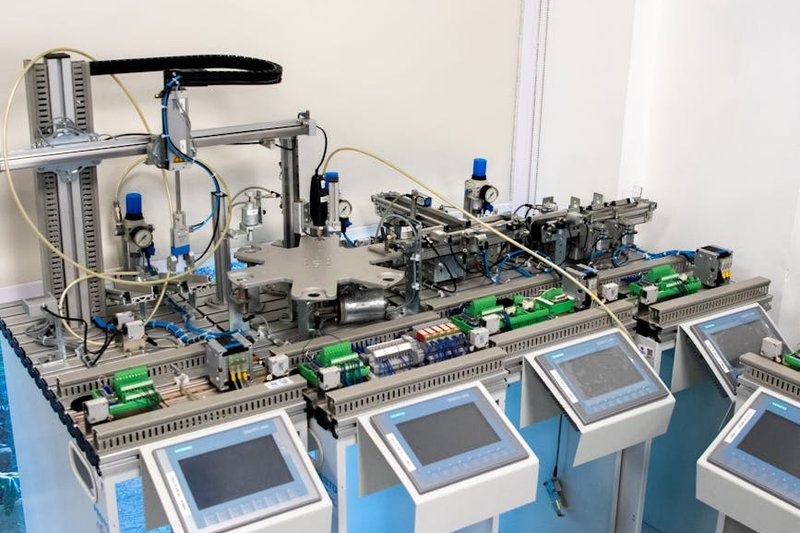
  • 7 Contoh Otomasi Proses Bisnis UMKM Peternakan 2026

    7 Contoh Otomasi Proses Bisnis UMKM Peternakan 2026

    Pendahuluan: Mengapa Contoh Otomasi Proses Bisnis UMKM Peternakan Itu Krusial?

    Bayangkan Anda memiliki peternakan ayam dengan 5.000 ekor. Setiap pagi, Anda harus mengecek pakan, suhu kandang, dan catatan produksi secara manual. Sekarang bayangkan jika semua itu bisa dipantau dari layar ponsel dalam lima menit. Itulah janji otomasi proses bisnis—tapi apakah benar-benar layak dijalankan?

    Sektor UMKM adalah tulang punggung ekonomi Indonesia. Data 2024 menunjukkan sektor ini menyerap lebih dari 97 persen tenaga kerja nasional dan berkontribusi sekitar 61 persen terhadap PDB Indonesia. Angka ini bukan sekadar statistik—artinya hampir setiap keluarga Indonesia bergantung pada UMKM, termasuk peternakan skala kecil dan menengah.

    Tapi inilah ironinya. Meskipun perannya sangat besar, adopsi teknologi di kalangan UMKM peternakan masih tertinggal jauh. Sebuah studi dari LPPM ITK mengungkapkan kendala utama kesiapan UMKM menerapkan IoT: 85,7% peralatan produksi masih manual, 75% UMKM mengalami kendala modal, dan 82,3% masih menggunakan telepon LAN sebagai media komunikasi. Bayangkan—di era ketika peternak di Thailand sudah menggunakan sensor suhu otomatis, mayoritas peternak kita masih mencatat produksi di buku tulis.

    Kementerian Pertanian RI sebenarnya sudah mendorong penerapan smart farming berbasis kecerdasan buatan. Tapi dorongan ini sering mentok di satu pertanyaan mendasar: “Berapa biayanya? Kapan balik modal?” Kementerian UMKM RI juga telah mengeluarkan kebijakan seperti penghapusan piutang macet sektor peternakan melalui PP No.47/2024, tapi itu hanya menyelesaikan masalah utang, bukan masalah efisiensi operasional.

    peternak ayam modern - Contoh Otomasi Proses Bisnis

    Di sinilah otomasi proses bisnis masuk sebagai solusi. Bukan sekadar mengganti tenaga manual dengan mesin, tapi mengintegrasikan seluruh rantai operasional—dari manajemen pakan, pencatatan kesehatan ternak, hingga distribusi hasil panen—dalam satu sistem yang terpusat. Jika Anda sudah familiar dengan manfaat otomasi proses bisnis untuk UKM, Anda tahu bahwa efisiensi yang dihasilkan bisa mencapai 30-40% dalam jangka panjang.

    Tapi kami paham keraguan Anda. Peternak bukanlah teknisi IT. Modal terbatas. Risiko gagal panen sudah cukup membuat pusing—apalagi harus belajar sistem baru. Pertanyaan yang paling sering muncul adalah: “Beneran ada untungnya?”

    Jawabannya ada pada studi kasus nyata. Artikel ini akan menyajikan perhitungan ROI (Return on Investment) dari implementasi otomasi di peternakan UMKM—bukan teori marketing, tapi angka-angka konkret dari lapangan. Kami akan menunjukkan berapa biaya awal yang diperlukan, berapa lama waktu balik modal, dan berapa peningkatan keuntungan yang bisa Anda harapkan.

    grafik analisis keuangan - Contoh Otomasi Proses Bisnis

    Tujuan kami sederhana: menghilangkan keraguan dengan data. Setelah membaca artikel ini, Anda akan memiliki gambaran jelas apakah otomasi layak untuk peternakan Anda—atau tidak. Karena pada akhirnya, keputusan investasi harus didasarkan pada angka, bukan sekadar tren.

    Studi Kasus Otomasi Proses Bisnis UMKM Peternakan: IoT Unggas dan Sapi

    Sekarang mari kita lihat hasil nyata dari implementasi IoT di lapangan. Bukan sekadar konsep, data dari beberapa peternakan di Indonesia membuktikan bahwa otomasi proses bisnis benar-benar mengubah angka.

    IoT Unggas: Dari Desa Mlilir hingga Kerjasama Korporasi

    Salah satu contoh paling menarik datang dari Desa Mlilir, Kabupaten Grobogan. Di sini, peternak skala rumahan menerapkan sistem IoT menggunakan sensor suhu, kelembaban, dan cahaya yang terintegrasi dengan mikrokontroler ESP32 dan perangkat Bardi Smart. Hasilnya? Data menunjukkan Desa Mlilir, Kabupaten Grobogan. Ini bukan angka kecil—untuk peternak kecil, efisiensi 12% bisa berarti selisih antara untung dan rugi di setiap siklus panen.

    kandang ayam sensor IoT - Contoh Otomasi Proses Bisnis

    Di level yang lebih besar, Fakultas Peternakan Universitas Brawijaya bekerja sama dengan PT Charoen Pokphan Indonesia menerapkan Smart Poultry Farming dengan sistem closed house. Sistem ini mengontrol seluruh lingkungan kandang secara otomatis. Bayangkan, exhaust fan otomatis langsung aktif saat sensor gas amonia (MQ-135) mendeteksi konsentrasi NH3 di atas 1.0 ppm, dan peringatan dikirim langsung ke Telegram BOT peternak. Tidak perlu lagi mengecek kandang tengah malam—sistem bekerja sendiri.

    Smart Dairy Farming: Akurasi Tinggi, Produksi Melonjak

    Beralih ke peternakan sapi perah, dampaknya sama mengesankan. Data dari implementasi smart dairy farming menunjukkan Smart Poultry Farming dengan sistem closed house. Sensor wearable pada sapi memonitor kesehatan, aktivitas, dan siklus reproduksi secara real-time. Ketika sapi menunjukkan tanda-tanda sakit atau siap kawin, peternak mendapat notifikasi instan.

    Lebih luas lagi, precision dairy farming dengan sensor kesehatan dan sistem manajemen pakan otomatis mampu meningkatkan efisiensi produksi 15-20% di berbagai negara berkembang. Angka ini konsisten dengan apa yang kita lihat di Indonesia.

    ParameterPeternakan KonvensionalPeternakan IoT
    Efisiensi PakanBaseline+12% (unggas)
    Tingkat MortalitasBaseline-15% (unggas)
    Produksi SusuBaseline+18% (sapi perah)
    Akurasi MonitoringManual, subjektif92-97% (otomatis)
    Respons MasalahReaktif (setelah terjadi)Preventif (real-time)

    Yang menarik, teknologi seperti NodeMCU dan platform Blynk membuat sistem ini terjangkau untuk UMKM. Anda tidak perlu investasi miliaran rupiah. Dengan perangkat yang relatif murah, peternak bisa memonitor suhu, kelembaban, dan kualitas udara dari smartphone.

    Data konkret ini menjawab pertanyaan kritis: apakah IoT benar-benar memberikan ROI? Jawabannya jelas—ya, dengan angka yang terukur. Untuk memahami lebih dalam bagaimana mengukur dampak bisnis dari adopsi teknologi seperti ini, Anda bisa membaca panduan lengkap tentang cara mengukur ROI implementasi teknologi. Pola pikir yang sama berlaku: ukur, optimalkan, dan skala.

    Ke depannya, kita akan melihat lebih banyak peternak kecil mengadopsi sistem ini. Bukan karena tren, tapi karena angka-angka ini tidak bisa diabaikan.

    Perhitungan ROI Nyata: Berapa Biaya dan Keuntungan Otomasi?

    Setelah melihat bagaimana IoT bekerja di lapangan, pertanyaan selanjutnya pasti soal uang: berapa modal yang harus dikeluarkan dan kapan balik modalnya? Jawabannya mungkin lebih murah dari yang Anda bayangkan.

    Rincian Biaya: Mulai dari Rp340 Ribu

    Harga masuk untuk teknologi ini ternyata tidak selangit. Sistem IoT untuk pertanian di Indonesia bisa Anda dapatkan mulai dari Rp 340.000 untuk kebutuhan pemantauan di dalam ruangan (indoor). Jika Anda butuh cakupan lebih luas, misalnya untuk lahan outdoor seluas 2.000 m², Biops Agrotekno menawarkan sistem dengan kisaran harga Rp 679.000. Angka ini sudah termasuk sensor dan perangkat pendukungnya—sebuah investasi yang sangat terjangkau jika dibandingkan dengan potensi kerugian akibat panen gagal atau pakan yang terbuang percuma.

    Studi Kasus: Otomasi Penggorengan Rumah Keripik Tempe Ubaey

    Sekarang mari kita lihat hitungan ROI yang lebih konkret. Ambil contoh Rumah Keripik Tempe Ubaey, sebuah UMKM yang berani beralih ke teknologi. Dengan memasang alat penggorengan otomatis berbasis konveyor, mereka mendapatkan lompatan efisiensi yang signifikan:

    • Kapasitas produksi melonjak 246% — artinya, dalam waktu yang sama, mereka bisa menghasilkan hampir tiga setengah kali lipat lebih banyak produk.
    • Biaya energi ditekan: Hemat gas hingga 20%.
    • Bahan baku lebih efisien: Konsumsi minyak berkurang 11%.
    • Tenaga kerja berkurang drastis: Kebutuhan operator turun 75%.

    Coba bayangkan dampaknya pada laba bersih. Dengan kapasitas naik 246% dan biaya operasional (gas, minyak, gaji) turun drastis, ROI dari investasi mesin ini bisa tercapai dalam hitungan bulan, bukan tahun.

    Sektor Peternakan dan Pertanian: Lebih Cepat, Lebih Banyak

    Di sektor peternakan, hasilnya tak kalah mencengangkan. Sebuah program di Desa Mlilir, Grobogan membuktikan bahwa implementasi IoT pada peternakan unggas skala rumahan mampu menghemat pakan hingga 12% dan menurunkan angka kematian unggas sebesar 15%. Penghematan pakan ini langsung menjadi tambahan margin keuntungan.

    Untuk peternakan sapi perah, teknologinya bahkan lebih canggih. Smart dairy farming dengan IoT memberikan akurasi monitoring kesehatan sapi antara 92-97%, yang berdampak langsung pada peningkatan produksi susu hingga 18%. Di berbagai negara berkembang, precision dairy farming dengan sensor kesehatan dan sistem manajemen pakan otomatis mampu meningkatkan efisiensi produksi 15-20% di berbagai negara berkembang terbukti meningkatkan efisiensi produksi secara keseluruhan sebesar 15-20%.

    Kapan Balik Modal?

    Dari data-data di atas, pola yang jelas terlihat: ROI untuk otomasi dan IoT di sektor UMKM umumnya tercapai dalam 6 hingga 12 bulan. Skala operasi Anda menentukan kecepatannya. Usaha dengan volume produksi tinggi seperti Rumah Keripik Tempe Ubaey bisa balik modal lebih cepat karena penghematan tenaga kerja dan peningkatan kapasitas langsung terasa di arus kas.

    Intinya, Anda tidak perlu mengeluarkan miliaran rupiah untuk mulai merasakan manfaat otomasi. Mulai dari sensor Rp340 ribuan untuk memonitor suhu kandang, hingga investasi mesin penggorengan untuk menggandakan kapasitas produksi, semuanya memiliki hitungan bisnis yang jelas. Jika Anda ingin mendalami lebih lanjut cara menghitung efektivitas investasi serupa, baca panduan lengkap tentang cara mengukur ROI dari berbagai strategi otomasi.

    Langkah Implementasi Bertahap untuk UMKM Peternakan

    Setelah Anda melihat angka ROI dan yakin otomasi itu layak secara finansial, pertanyaan berikutnya pasti: mulai dari mana? Kabar baiknya, Anda tidak perlu mengotomatisasi semuanya sekaligus. Pendekatan bertahap justru lebih realistis, terutama karena kendala utama kesiapan UMKM menerapkan IoT dan 75% menghadapi kendala modal. Berikut langkah-langkah konkret yang bisa Anda terapkan.

    Langkah 1: Audit Peralatan dan Titik Kritis

    Jangan tergoda membeli sensor sebelum tahu masalahnya. Mulailah dengan berjalan keliling kandang dan catat tiga hal: suhu, kelembaban, dan kadar amonia (NH₃). Ini adalah parameter paling krusial untuk kesehatan ternak. Tandai titik-titik di mana fluktuasi suhu paling ekstrem atau area yang paling pengap. Di sinilah sensor akan ditempatkan nanti.

    Langkah 2: Pilih Sensor Sesuai Kebutuhan

    Setelah paham titik kritisnya, barulah pilih sensor. Untuk suhu dan kelembaban, sensor DHT22 adalah pilihan yang tepat—akurat, murah, dan banyak tersedia di pasaran. Untuk mendeteksi amonia, gunakan sensor MQ-135. Sensor ini bisa mendeteksi gas berbahaya di kandang dan mengirimkan data ke mikrokontroler.

    Komponen inti yang menghubungkan sensor-sensor ini adalah ESP32 atau NodeMCU. Keduanya adalah mikrokontroler murah yang sudah memiliki modul Wi-Fi terintegrasi. Sistem IoT peternakan di Desa Mlilir, Grobogan, misalnya, menggunakan sensor suhu, kelembaban, dan cahaya dengan antarmuka mobile berbasis ESP32 dan perangkat Bardi Smart. Anda bisa meniru pendekatan ini dengan biaya di bawah satu juta rupiah.

    Langkah 3: Gunakan Platform Monitoring Murah

    Anda tidak perlu membangun aplikasi dari nol. Platform seperti Blynk memungkinkan Anda menampilkan data sensor secara real-time di smartphone hanya dengan drag-and-drop. Alternatif yang lebih sederhana dan gratis adalah Telegram BOT. Di sebuah studi kasus, exhaust fan otomatis langsung aktif saat sensor gas amonia (MQ-135) mendeteksi konsentrasi NH3 di atas 1.0 ppm. Bayangkan, Anda bisa mendapat peringatan langsung di ponsel saat kadar amonia naik—tanpa harus membayar langganan aplikasi mahal.

    Langkah 4: Integrasikan dengan Aplikasi Lokal

    Jika ingin solusi yang lebih terintegrasi, aplikasi Bardi Smart adalah pilihan yang sudah terbukti di Indonesia. Aplikasi ini bisa menerima data dari ESP32 dan menampilkannya dalam dashboard yang mudah dibaca. Anda bisa mengatur jadwal otomatis untuk exhaust fan, lampu, atau pakan langsung dari ponsel.

    sensor IoT peternakan - Contoh Otomasi Proses Bisnis

    Langkah 5: Latih Karyawan Secara Bertahap

    Ini langkah yang paling sering diabaikan. Teknologi secanggih apapun tidak berguna jika tim Anda tidak bisa mengoperasikannya. Mulailah dengan sesi pelatihan singkat—cukup 30 menit—yang fokus pada satu fitur: cara membaca notifikasi dari Telegram BOT. Manfaatkan video tutorial dari YouTube atau buat rekaman singkat sendiri. Ingat, 82,3% UMKM masih menggunakan telepon LAN sebagai alat komunikasi—jadi jangan kaget jika butuh waktu untuk adaptasi.

    Setelah tim Anda nyaman dengan notifikasi, barulah ajarkan cara merespon peringatan: kapan harus menyalakan exhaust fan manual, kapan harus memanggil teknisi. Pendekatan bertahap ini memastikan adopsi teknologi berjalan mulus tanpa mengganggu operasional harian.

    Jika Anda ingin mendalami lebih jauh tentang bagaimana otomasi bisa mengubah bisnis Anda secara menyeluruh, baca panduan lengkap tentang manfaat otomasi proses bisnis untuk UKM di Indonesia. Langkah-langkah di atas adalah fondasi—dari sini, Anda bisa mengembangkan sistem yang lebih kompleks seiring pertumbuhan peternakan Anda.

    Kesimpulan: Optimalkan Peternakan Anda dengan Otomasi Proses Bisnis

    Setelah Anda memetakan langkah-langkah implementasi bertahap, saatnya melihat gambaran besarnya: apa yang sebenarnya Anda dapatkan dari semua usaha ini? Jawabannya bukan sekadar efisiensi—ini tentang mengubah fundamental bisnis peternakan Anda.

    Angka yang Berbicara: Biaya vs. Manfaat

    Salah satu hambatan terbesar bagi UMKM peternakan adalah anggapan bahwa otomasi itu mahal. Mari kita luruskan. Sistem IoT untuk pertanian di Indonesia. Bandingkan dengan potensi kerugian akibat panen yang terlambat, pakan yang terbuang, atau ternak yang sakit karena tidak terdeteksi dini. Investasi ini, dalam banyak kasus, balik modal dalam hitungan bulan, bukan tahun.

    Coba hitung sendiri: jika Anda bisa menekan angka kematian ternak sebesar 5% atau mempercepat masa panen tanaman pakan seminggu lebih cepat, berapa nilai yang Anda hasilkan? Data dari peternak yang sudah menerapkan sistem serupa menunjukkan peningkatan produksi yang signifikan dan penghematan biaya operasional hingga 20-30%. Ini bukan tebakan—ini manfaat otomasi proses bisnis yang sudah teruji.

    Dampak Nyata pada Ekonomi Lokal

    Anda mungkin bertanya, “Apakah ini relevan untuk skala saya?” Jawabannya iya. Sektor UMKM menyerap lebih dari 97 persen tenaga kerja nasional dan berkontribusi sekitar 61 persen terhadap PDB Indonesia. Artinya, ketika peternakan Anda tumbuh, dampaknya tidak berhenti di kandang atau sawah Anda—ia merambat ke pemasok pakan lokal, pedagang di pasar, hingga keluarga yang menggantungkan hidup pada usaha Anda. Otomasi bukan cuma soal keuntungan pribadi; ini soal memperkuat rantai ekonomi yang lebih besar.

    Lebih dari Sekadar Sensor: Pemasaran yang Cerdas

    Otomasi tidak berhenti di sensor suhu kandang atau sistem irigasi otomatis. Setelah produksi Anda optimal, tantangan berikutnya adalah pemasaran. Di sinilah Fivebucks AI masuk. Kami membantu Anda mengoptimalkan pemasaran digital untuk hasil peternakan—baik itu daging, susu, telur, atau sayuran hidroponik.

    Bayangkan Anda punya sistem yang tidak hanya memonitor pertumbuhan ternak, tapi juga secara otomatis menjaring calon pembeli potensial melalui konten yang dioptimasi untuk mesin pencari dan AI. Anda bisa mempelajari cara mengukur ROI dari Generative Engine Optimization untuk memastikan setiap rupiah yang Anda keluarkan untuk pemasaran benar-benar menghasilkan leads yang berkualitas.

    Langkah Pertama Anda Hari Ini

    Anda tidak perlu mengotomatisasi semuanya sekaligus. Mulailah dari satu titik nyeri: mungkin itu pemantauan suhu kandang, atau mungkin itu sistem pemasaran digital Anda. Pilih yang paling mendesak, terapkan, ukur hasilnya, lalu kembangkan.

    Kami menawarkan konsultasi gratis untuk membantu Anda memetakan kebutuhan otomasi peternakan Anda. Tim kami akan mendengarkan tantangan spesifik Anda, bukan menjual paket standar. Dari situ, kita bangun solusi yang benar-benar pas—dari sensor di lapangan hingga strategi menjaring pelanggan baru. Hubungi kami sekarang, dan mulailah perjalanan menuju peternakan yang lebih cerdas, efisien, dan menguntungkan.

    About Petric Manurung

    Petric Manurung is the Founder & CEO of Fivebucks AI, an SEO and GEO platform built for businesses that want to rank in both traditional search and AI-generated results. With 20+ years across global enterprises — Lufthansa Systems, Apple, Toll Group, CEVA Logistics — he has a firsthand understanding of how visibility gaps cost businesses at scale.

    He holds an MBA from Western Michigan University and a HubSpot SEO Certification. Fivebucks AI is where that expertise ships as product — giving teams the tools to optimize for the way people actually find things today: search engines and AI answers alike.

    Sources & References

    This article incorporates information and insights from the following verified sources:

    [1] Desa Mlilir, Kabupaten Grobogan – COMMUNITY: Jurnal Pengabdian Kepada Masyarakat (2026)

    [2] alat penggorengan otomatis berbasis konveyor – Jurnal SOLMA (2026)

    [3] Smart Poultry Farming dengan sistem closed house – Fakultas Peternakan Universitas Brawijaya (2023)

    [4] exhaust fan otomatis langsung aktif saat sensor gas amonia (MQ-135) mendeteksi konsentrasi NH3 di atas 1.0 ppm – Aceh Journal of Electrical Engineering and Technology (2025)

    [5] menyerap lebih dari 97 persen tenaga kerja nasional dan berkontribusi sekitar 61 persen terhadap PDB Indonesia – Link UMKM (2025)

    [6] precision dairy farming dengan sensor kesehatan dan sistem manajemen pakan otomatis mampu meningkatkan efisiensi produksi 15-20% di berbagai negara berkembang – Predator Rubber (2025)

    [7] Sistem IoT untuk pertanian di Indonesia – Biops Agrotekno (2021)

    [8] kendala utama kesiapan UMKM menerapkan IoT – LPPM ITK (2023)

    [9] Implementasi Internet of Things (IOT) untuk Monitoring dan Control Mesin Smokehouse – Merkurius Journal (2025)

    [10] Pertanian Modern dengan Smart Farming – Kementerian Pertanian RI (2022)

    [11] Sistem Canggih Peternakan Indonesia Menggunakan IOT – MonsterAR (2024)

    [12] Sistem Monitoring Kesehatan Ternak Sapi Berbasis Internet of Things – Repository Telkom University (2022)

    [13] Klasterisasi Provinsi di Indonesia Berdasarkan Produksi Komoditas Unggulan Sektor Peternakan – Jurnal Pustaka AI (2026)

    [14] Kemenkominfo Berharap Solusi IoT Hadir dengan Harga Lebih Terjangkau – Cloud Computing Indonesia (2021)

    [15] Transformasi UMKM di Era IoT – Universitas Komputer Indonesia (2025)

    [16] UMKM Outlook 2025 – Portal Bisnis KUMKM (2024)

    [17] Arah Kebijakan Kementerian UMKM – Kementerian UMKM RI (2024)

    [18] Implementasi Transformasi Digital dan Kecerdasan Buatan pada UMKM – Jurnal Manajemen Universitas Malikussaleh (2024)

    [19] Habibi Garden – Teknologi Pertanian – Habibi Garden (2025)

    [20] Transformasi Digital UMKM Di Indonesia Selama Pandemi – Jurnal Sosial Sains (2022)

    [21] Internal: manfaat otomasi proses bisnis untuk UKM – https://www.fivebucks.ai/blogs/post/manfaat-otomasi-proses-bisnis-ukm-indonesia/

    [22] Internal: panduan lengkap tentang cara mengukur ROI implementasi teknologi – https://www.fivebucks.ai/blogs/post/cara-mengukur-roi-generative-engine-optimization-2026-2/

    All external sources were accessed and verified at the time of publication. This content is provided for informational purposes and represents a synthesis of the referenced materials.