Why Singapore Businesses Must Master Geo SEO in 2026
You’ve likely noticed a shift in how people search. Instead of typing “best coffee shop near me” into Google, they’re asking ChatGPT, “Where should I grab coffee in Tanjong Pagar?” or using Perplexity to find “sustainable cafes in Singapore.” This isn’t a future trend—it’s happening now, and it’s fundamentally changing how businesses get discovered.
Generative Engine Optimization (GEO) is a strategy that optimizes content for AI-powered search engines like Google’s Search Generative Experience (SGE) and ChatGPT, focusing on how AI systems discover, understand, and cite business information. Unlike traditional SEO, which chases keyword rankings on search results pages, GEO ensures your business appears when AI engines synthesize answers for users. When someone asks an AI assistant for recommendations, you want to be the business that gets cited.
Singapore’s tech-savvy population accelerates this transition faster than most markets. Your customers already use AI tools daily—for work, shopping decisions, and local recommendations. Key platforms include Google’s SGE, ChatGPT, and Perplexity, each with distinct algorithms for sourcing and presenting information. While traditional SEO focuses on ranking for specific keywords, GEO prioritizes becoming the authoritative source that AI engines trust and reference.
Singapore’s Unique GEO Advantage
Singapore’s compact 734 square kilometers create a paradox: intense local competition within an incredibly tight geographic radius. A restaurant in Clarke Quay competes with options just minutes away in Marina Bay. This density means location-specific optimization isn’t optional—it’s survival.
Add Singapore’s multilingual reality—English, Mandarin, Malay, and Tamil—and you face a complexity most markets don’t. AI engines process queries in all these languages, often mixing them in a single search session. Your content needs to resonate across linguistic contexts while maintaining consistent business information.
The payoff? Integrated strategies combining Answer Engine Optimization (AEO), traditional SEO, and GEO deliver 30-40% better results for Singapore businesses compared to traditional SEO alone. That’s not marginal improvement—it’s the difference between stagnant traffic and consistent growth.
For businesses serious about implementation, understanding GEO fundamentals provides the foundation for building an effective strategy. You’ll learn practical steps: structuring content for AI comprehension, optimizing for citation-worthy information, and ensuring your business data remains consistent across platforms where AI engines source their answers.
This guide walks you through proven tactics backed by Singapore case studies. You’ll see exactly how local businesses adapted their content, what technical changes drove results, and which platforms matter most for your industry. The shift from keywords to AI citations isn’t theoretical—it’s measurable, and the businesses adapting now gain compounding advantages.
What Is Geo SEO and How Does It Work?
Understanding how AI-powered search works requires rethinking everything you know about traditional SEO. Generative Engine Optimization (GEO) is a strategy that optimizes content for AI-powered search engines like Google’s Search Generative Experience (SGE) and ChatGPT, fundamentally differing from traditional SEO’s focus on keyword rankings in organic search results.
When you search on Google today, you’re increasingly seeing AI-generated summaries at the top of results—that’s SGE in action. Instead of crawling pages and ranking them by keywords, AI systems read, synthesize, and cite information from multiple sources to generate original responses. Your business needs to be recognized as a credible source that these AI engines can understand and reference.
The Three Pillars of GEO
Entity establishment means teaching AI systems who you are. This goes beyond having a website—you need a verified Google Business Profile, consistent NAP (Name, Address, Phone) data across platforms, and clear signals that establish your business as a legitimate entity. When ChatGPT or Perplexity generates an answer about “financial planning services in Singapore,” you want your firm recognized as an authoritative source worth citing.
Structured data implementation provides the language AI systems speak. Schema markup, JSON-LD, and other structured formats help machines understand your content’s meaning, not just its words. A restaurant listing its menu items in structured data becomes instantly comprehensible to AI—no interpretation required.
Authoritative content creation feeds AI engines the information they need to cite you. This means comprehensive, factual content that answers specific questions clearly. AI systems favor sources that demonstrate expertise through depth, accuracy, and regular updates. For advanced strategies on creating AI-optimized content, you’ll need to think beyond traditional blog posts.
GEO and SEO Work Together
Here’s what matters: Key platforms include Google’s SGE, ChatGPT, and Perplexity; instead, they complement each other, with SEO providing foundational visibility that AI systems source for generative responses. Your existing SEO work—quality backlinks, optimized site structure, mobile responsiveness—remains essential. AI engines still need to discover your content through traditional crawling before they can cite it in generated responses.
Think of it this way: SEO gets you into the library, GEO gets you quoted in the research paper.
Key Platforms for Singapore Businesses
The AI platforms you need to optimize for include Google’s Search Generative Experience (SGE), ChatGPT, and Perplexity. Each platform has distinct citation preferences and information hierarchies. SGE prioritizes Google Business Profile data and Knowledge Panels, while ChatGPT draws from broader web sources with emphasis on authoritative domains. Perplexity focuses on real-time, cited information from verified sources.
Your GEO strategy must account for all three, ensuring your business appears accurately across the AI search ecosystem that Singapore’s digitally-savvy consumers increasingly rely on.
How Geo SEO Differs from Traditional SEO for Singapore Markets
Understanding geo SEO conceptually is one thing—implementing it effectively in Singapore’s unique market requires a fundamentally different approach than traditional SEO. The shift isn’t just tactical; it’s strategic, and the results speak for themselves.
Optimization Targets: Beyond Rankings
Traditional SEO focuses on climbing keyword rankings in search engine results pages. You optimize for “best laksa Singapore” and track your position from page two to page one. Geo SEO operates differently. Your primary targets become AI citations in generative responses, Knowledge Panel appearances, and map pack visibility. When someone asks ChatGPT or Perplexity “where should I eat laksa in Katong?”, you want your restaurant mentioned by name—not just ranked somewhere on a list.
This matters because Integrated strategies combining Answer Engine Optimization (AEO), traditional SEO, and GEO deliver 30-40% better results make entity recognition critical. A customer in Tanjong Pagar won’t travel to Jurong for dinner on a weeknight. They’ll ask AI for nearby options, and if you’re not recognized as an authoritative entity in that specific neighborhood, you’re invisible.
The NAP Consistency Imperative
In larger markets like the United States, inconsistent NAP (Name, Address, Phone) information across directories might cost you some visibility. In Singapore, it can eliminate you from consideration entirely. When your business appears as “ABC Restaurant” on Google Business Profile, “ABC Rest” on Wikidata, and “ABC Dining” on local directories, AI systems struggle to verify you as a legitimate entity.
Singapore brands implementing GEO strategies see a 40-50% increase in branded search visibility precisely because they’ve solved this verification challenge. A Singapore restaurant chain demonstrated this by standardizing their NAP across all platforms, implementing structured schema markup, and actively managing their Google Business Profile. The result? A 70% increase in map pack appearances and a 35% conversion uplift from local searches.
Multilingual Content Requirements
Singapore’s linguistic diversity creates both opportunity and obligation. Multilingual content strategies are essential because your potential customers speak English, Mandarin, Malay, and Tamil—often within the same household. Traditional SEO might let you get away with English-only content. Geo SEO demands you create entity-verified content across languages to appear in AI responses for queries in any of these languages.
This doesn’t mean machine-translating your website. It means creating authentic, culturally relevant content that AI systems can confidently cite when answering queries in different languages. For comprehensive GEO strategies tailored to Singapore’s multilingual market, businesses need to think beyond simple translation.
Measuring Success Differently
Traditional SEO metrics—organic traffic, keyword rankings, backlink counts—still matter, but they’re not the full picture. Geo SEO success shows up in Knowledge Panel triggers, citation frequency in AI responses, and conversion rates from map searches. The same restaurant chain tracking their geo implementation found that customers arriving via Knowledge Panel searches converted at rates 30% higher than those from traditional organic search.
GEO doesn’t replace traditional SEO—it builds on it. Your foundational SEO work provides the content and authority that AI systems source for their responses. But without geo optimization, you’re leaving the most valuable visibility opportunities untapped in Singapore’s AI-first search landscape.
Essential Geo SEO Strategies for Singapore Businesses
Understanding the theory behind Geo SEO is one thing—implementing it effectively in Singapore’s unique market is another. You’ll need a systematic approach that accounts for local platforms, multilingual requirements, and Singapore-specific business directories.
Building Your Entity Foundation
Establishing your brand’s digital identity starts with creating and verifying entities across multiple platforms. Your Google Business Profile serves as the cornerstone—complete every field, including Singapore postal codes in the six-digit format, operating hours adjusted for local time zones, and service areas defined by postal districts if you serve specific neighborhoods.
Beyond Google, you’ll want to establish presence on Wikidata and relevant Wikipedia pages if your brand warrants encyclopedic coverage. For Singapore businesses, this means creating structured data entries that reference your Companies House registration number, local business awards, and partnerships with recognized Singapore institutions. Don’t overlook local directories like SingaporeBusiness.com, Yellow Pages Singapore, and industry-specific platforms—these citations reinforce your geographic relevance.
Implementing Local Schema Markup
Schema markup tells search engines exactly what your content represents. For Singapore addresses, use the PostalAddress schema with the proper format: street address, postal code (e.g., “Singapore 238859”), and country code “SG”. If you serve customers in multiple languages, implement multilingual schema strategies that specify content variants in English, Mandarin, Malay, or Tamil.
Your schema should also include LocalBusiness markup with geo-coordinates, business hours in Singapore Standard Time (GMT+8), and accepted payment methods common in Singapore like PayNow or NETS. This structured data helps Knowledge Panels display accurate, locally relevant information.
Strategic Citation Building
Building citations on Singapore platforms requires a targeted approach. Focus on high-authority local directories first—Carousell Business, PropertyGuru (for real estate), and STClassifieds for service providers. Ensure NAP (Name, Address, Phone) consistency across all listings, using the same format for your address and the +65 country code for phone numbers.
Industry-specific directories matter more than volume. A financial services firm gains more authority from listing on MAS-recognized platforms than generic business directories. Track which citations appear in your Knowledge Panel and prioritize those sources.
Optimizing Content for AI Comprehension
AI engines favor content with clear structure and authoritative sourcing. Use definition lists for key terms, bullet points for feature comparisons, and tables when presenting data. A Singapore financial services firm demonstrated this approach by creating pillar pages and entity-focused content, resulting in 30% higher conversion rates from Knowledge Panel searches.
Format your content with H3 subheadings that answer specific questions, include relevant statistics with dates, and cite authoritative sources. When discussing regulations, reference MAS guidelines directly. When covering market data, cite Singapore Department of Statistics or recognized research firms.

The key is making your expertise immediately visible to both human readers and AI systems processing your content for Knowledge Graph inclusion.
Step-by-Step Implementation Guide for Singapore SMBs
You’ve mapped out the strategy—now let’s break down exactly how you execute it. For Singapore SMBs working with limited budgets and tight timelines, GEO implementation requires a phased approach that prioritizes quick wins before tackling complex technical work.
Start with Google Business Profile
Your first action should be claiming and optimizing your Google Business Profile. This single step delivers immediate visibility in local searches and costs nothing but time. Complete every field: business category, operating hours, service areas, and attributes. Upload high-quality photos of your storefront, products, and team. Most importantly, verify your listing to unlock features like customer messaging and review responses.
For Singapore businesses, maintaining consistent NAP information across all platforms matters more than in larger markets. With neighborhoods like Tanjong Pagar, Bugis, and Holland Village each serving distinct customer bases, accuracy in your address and contact details directly impacts whether nearby customers find you.
Build Citations on Singapore Platforms
Next, establish your business presence on local directories and industry associations. Start with these Singapore-specific platforms:
| Platform Type | Examples | Priority |
| General Directories | Yellow Pages Singapore, Streetdirectory | High |
| Industry Associations | Singapore Business Federation, relevant trade groups | High |
| Regional Listings | ASEAN Business Directory, regional chambers | Medium |
| Review Platforms | Google Reviews, Facebook, industry-specific sites | High |
Entity creation and verification on these platforms builds the citation network that AI engines reference when determining your business authority. Allocate 2-3 hours weekly for the first month to complete these listings properly.
Implement Local Schema Markup
Once your citations are live, add LocalBusiness schema to your website. This structured data helps search engines and AI platforms understand your business details. Here’s a basic checklist:
- Business name, address, phone number
- Operating hours and service areas
- Price range and payment methods
- Customer reviews and ratings
- Geographic coordinates for precise location
If you’re working with a developer, request Singapore-specific markup that includes postal codes and neighborhood references. If you’re DIY-ing it, Google’s Structured Data Markup Helper walks you through the process.
Budget and Timeline Expectations
Plan for 3-6 months to see meaningful results. Initial setup (Google Business Profile, core citations, basic schema) requires 10-15 hours of work. Ongoing maintenance—responding to reviews, updating information, adding posts—needs 2-4 hours monthly.
NEO360 clients who combined traditional SEO with GEO strategies reported AI platform recommendations within four months. The key was treating GEO as integrated with existing SEO efforts, not a separate initiative requiring additional budget.

Start with these foundational steps this week. Each builds on the previous one, creating the entity signals that AI engines need to confidently recommend your business to Singapore customers.
How to Measure and Optimize Your Geo SEO Performance
You’ve implemented your GEO strategy—now comes the critical part: measuring whether it’s actually working. Traditional SEO metrics like keyword rankings and organic traffic won’t tell you the full story when it comes to AI-powered search.
Defining Success in the AI Search Era
GEO success requires different metrics than traditional SEO. You need to track AI citations—instances where ChatGPT, Perplexity, or Google’s AI Overviews mention your brand when answering relevant queries. Monitor brand mentions in generative responses, even when you’re not directly cited. Watch for Knowledge Panel appearances, which signal that Google recognizes your business as an authoritative entity. Citation accuracy matters too—AI engines sometimes get details wrong, and you need to catch these errors before they spread.
In 2024, Hashmeta tracked these metrics for their Singapore clients and found something remarkable: brands implementing GEO strategies saw a 40-50% increase in branded search visibility. More importantly, searches triggered by Knowledge Panels converted at rates 30% higher than standard organic traffic.
The Optimization Cycle
Measuring is only half the equation. You need a systematic approach to improvement. Start by monitoring AI responses weekly—search for your brand, your competitors, and industry terms to see where you appear (or don’t). Identify gaps: What questions are AI engines answering without mentioning you? Where are competitors getting cited instead?
Use these insights to refine your entity data. Update your Google Business Profile, schema markup, and Wikipedia presence to fill information gaps. Create content that directly addresses the queries where you’re missing. This isn’t a one-time fix—it’s a continuous cycle of monitoring, identifying, and refining.
The Integrated Advantage
Here’s where most Singapore SMBs hit a wall: managing separate tools for traditional SEO, AI optimization, and lead generation creates complexity that slows everything down. Data from Hashmeta’s client work shows that integrated AEO, SEO, and GEO strategies deliver 30-40% better results compared to traditional SEO alone.
AI-powered growth platforms solve this by optimizing for both Google and AI Search simultaneously. Fivebucks AI, for example, handles the complete growth challenge in one integrated solution: it optimizes your content for AI citations and traditional search rankings, then helps you identify and engage qualified leads from that increased visibility. You’re not juggling multiple dashboards or trying to connect disconnected tools—you’re working from a single platform that tracks AI citations alongside conversion metrics.
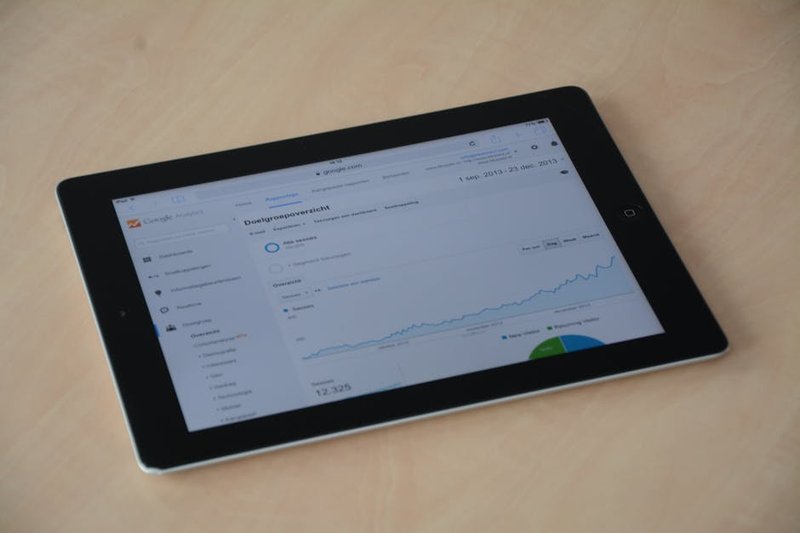
The measurement framework you build today determines how quickly you can adapt to AI search tomorrow. Track the right metrics, optimize systematically, and consider platforms that connect visibility to actual business outcomes rather than treating them as separate challenges.
Frequently Asked Questions About Geo SEO in Singapore
You’ve seen how to implement, measure, and optimize geo SEO for Singapore’s unique market. But you probably still have questions about practicalities—budget, timeline, and how this fits with your existing marketing investments.
How Much Should Singapore Businesses Budget for Geo SEO?
For most Singapore SMBs, geo SEO doesn’t require a massive separate budget. If you’re already investing in SEO, you’re looking at an incremental 15-25% increase to adapt your content for AI platforms. A typical monthly spend ranges from S$1,500 to S$4,000, depending on your industry competitiveness and content volume.
The key difference from traditional SEO: geo SEO delivers faster initial results. While SEO takes 4-6 months to show meaningful traction, geo optimization can surface your content in AI responses within 6-8 weeks. That said, integrated AEO, SEO, and GEO strategies deliver 30-40% better results compared to traditional SEO alone—making the combined investment worthwhile.
Does Geo SEO Replace My Existing SEO Efforts?
No. Key platforms include Google’s SGE, ChatGPT, and Perplexity; instead, they complement each other, with SEO providing foundational visibility that AI systems source for generative responses. Think of it this way: your SEO creates the authoritative content base, while geo SEO ensures AI platforms can parse, understand, and cite that content effectively.
If you stop investing in traditional SEO, you’ll lose the ranking signals and domain authority that AI engines rely on when deciding which sources to reference. Your existing SEO work becomes more valuable when optimized for AI consumption—not less.
Which AI Platforms Should Singapore Businesses Prioritize in 2026?
Key AI platforms relevant for GEO in Singapore include Google’s Search Generative Experience (SGE), ChatGPT, and Perplexity. SGE matters most for businesses targeting local search intent—restaurant bookings, service appointments, retail inquiries. ChatGPT and Perplexity serve research-oriented queries where users want detailed comparisons or expert recommendations.
For Singapore’s multilingual market, GEO best practices include multilingual content strategies due to the population speaking English, Mandarin, Malay, and Tamil. If your target customers search in multiple languages, ensure your structured data and schema markup support language variants. This is particularly important for e-commerce businesses serving diverse neighborhoods.
How Quickly Can We See Results?
Expect initial visibility in AI responses within 6-8 weeks after implementing structured data and citation-friendly content formats. Full optimization—where your brand consistently appears across multiple AI platforms—typically takes 3-4 months.
The timeline depends on your existing content quality. If you already have authoritative, well-structured content, geo SEO accelerates results. If your content needs fundamental improvements, you’ll need to address those gaps first before AI platforms will cite you reliably. Consider exploring proven strategies for setting up AI SEO workflows to streamline your implementation timeline.
Take Action: Your Geo SEO Journey Starts Now
You’ve seen how geo SEO transforms visibility in Singapore’s AI-driven search landscape. The question isn’t whether to implement these strategies—it’s whether you’ll act before your competitors do.
The data speaks clearly: businesses that integrate geo optimization with their existing SEO efforts see 30-40% better performance compared to traditional approaches alone. That’s not marginal improvement—that’s the difference between appearing in AI-generated answers or being invisible to potential customers searching on ChatGPT, Perplexity, and Google’s AI Overviews.
Start With Your Highest-Impact Action
You don’t need to overhaul your entire digital presence overnight. Begin with Google Business Profile optimization—it’s the foundation that delivers immediate visibility gains. Complete your profile with accurate business hours, high-quality photos, and regular posts. Add local schema markup to your website. Build citations on Singapore-specific platforms like SingSaver, HungryGoWhere, and Carousell.
These foundational steps position you for AI search engines that prioritize verified, location-specific information. When someone asks ChatGPT “best [your service] near Raffles Place,” you want your business in that response.
Your Implementation Roadmap
The checklist we’ve prepared consolidates everything covered in this guide into actionable steps. It walks you through Google Business Profile optimization, local citation building, schema markup implementation, and content strategies that resonate with AI engines. You’ll find specific platforms to target, technical elements to implement, and metrics to track.
Download it, assign tasks to your team, and start checking boxes. Each completed item strengthens your geo SEO foundation.
The Early Adopter Advantage
Singapore’s market moves fast. Right now, most businesses still optimize solely for traditional Google search. That creates a window of opportunity for those who recognize where search is heading. AI-powered search isn’t replacing Google—it’s expanding the playing field. The businesses that establish strong geo signals now will dominate local AI search results as adoption accelerates.
You’ve invested time understanding geo SEO. The next step is implementation. Start with your Google Business Profile this week. Build your first local citations next week. Implement schema markup the week after. Small, consistent actions compound into significant competitive advantages.
Your geo SEO journey doesn’t require perfection—it requires starting. The checklist gives you the roadmap. The competitive advantage goes to those who execute. For businesses ready to scale their implementation with AI-powered tools, explore comprehensive platforms that integrate geo optimization with broader growth strategies.
Singapore’s digital landscape rewards action. Take yours today.
About Petric Manurung
Petric Manurung is the Founder & CEO of Fivebucks AI, an SEO and GEO platform built for businesses that want to rank in both traditional search and AI-generated results. With 20+ years across global enterprises — Lufthansa Systems, Apple, Toll Group, CEVA Logistics — he has a firsthand understanding of how visibility gaps cost businesses at scale.
He holds an MBA from Western Michigan University and a HubSpot SEO Certification. Fivebucks AI is where that expertise ships as product — giving teams the tools to optimize for the way people actually find things today: search engines and AI answers alike.
Sources & References
This article incorporates information and insights from the following verified sources:
[1] Generative Engine Optimization (GEO) is a strategy that optimizes content for AI-powered search engines – MediaPlus (2024)
[2] Integrated strategies combining Answer Engine Optimization (AEO), traditional SEO, and GEO deliver 30-40% better results – Hashmeta (2024)
[3] Key platforms include Google’s SGE, ChatGPT, and Perplexity – NEO360 (2025)
[4] SEO Vs GEO | What is Different? What is the Same – iClick Media – iClick Media (2024)
[5] What Is Generative Engine Optimization (GEO) & How Does GEO + … – GSD Council (2025)
[6] Generative Experience Optimization (GEO): Is It the New SEO? – Digital Market (2024)
[7] Why SEO isn’t enough: GEO is how brands get seen today – Business Times Singapore (2025)
[8] Internal: understanding GEO fundamentals – https://www.fivebucks.ai/blogs/post/geo-optimization-basics-singapore-smbs/
[9] Internal: advanced strategies on creating AI-optimized content – https://www.fivebucks.ai/blogs/post/geo-generative-engine-optimization-strategies-2026/
[10] Internal: AI-powered growth platforms – https://www.fivebucks.ai/blogs/post/how-ai-powered-seo-tools-are-replacing-traditional-serp-strategies-in-2025/
[11] Internal: proven strategies for setting up AI SEO workflows – https://www.fivebucks.ai/blogs/post/ultimate-2026-guide-5-proven-steps-set-up-ai-seo-agent/
[12] Internal: comprehensive platforms that integrate geo optimization with broader growth strategies – https://www.fivebucks.ai/blogs/post/best-seo-platform-small-business-under-500k-revenue/
All external sources were accessed and verified at the time of publication. This content is provided for informational purposes and represents a synthesis of the referenced materials.
Leave a Reply