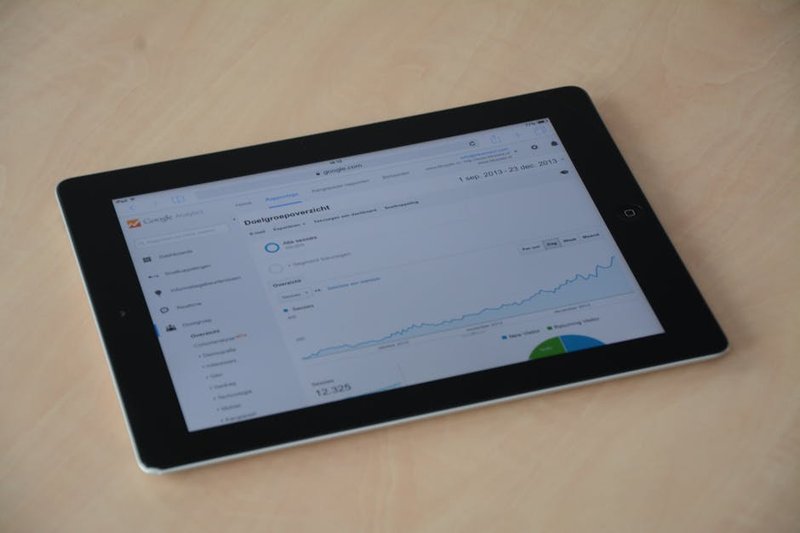
Tag: seo geo

  • 7 SEO + GEO Strategies to Dominate Local Search 2026

    7 SEO + GEO Strategies to Dominate Local Search 2026

    Why SEO Geo Integration Is Critical for Singapore Businesses in 2026

    When over 90% of Singaporeans use smartphones daily, mobile search becomes the default discovery channel for local businesses. You’re not just competing for desktop rankings anymore—you’re fighting for visibility in the precise moment someone searches “coffee shop near me” while walking down Orchard Road or “plumber Tampines” during a weekend emergency.

    Singapore’s 92% smartphone penetration rate creates a unique challenge: traditional SEO strategies built for desktop search miss the geo-targeting signals that mobile algorithms prioritize. When someone searches on their phone, Google doesn’t just evaluate your content quality and backlinks—it analyzes proximity, local relevance signals, and real-time location data to determine which businesses appear in those critical top three map results.

    The Visibility Gap Most SMBs Don’t See

    Traditional SEO focuses on ranking for keywords. You optimize content, build links, improve site speed—all essential work. But here’s what that approach misses: when a potential customer searches for your service while standing two blocks away, Google Business Profile listings dominate the results. Your beautifully optimized website might rank on page one organically, but if your GBP isn’t properly configured with accurate hours, service areas, and 92% smartphone penetration rate, you’re invisible in the map pack where 46% of all Google searches have local intent.

    This gap between organic SEO and local search optimization costs Singapore SMBs thousands of potential customers monthly. A Tanjong Pagar café might rank well for “specialty coffee Singapore” but fail to appear when someone searches “coffee shop near me” from 200 meters away. The organic ranking doesn’t help if mobile users never scroll past the map results.

    Why AI-Powered Search Demands Both Disciplines

    AI systems like Google’s RankBrain and emerging generative search tools evaluate different signals than traditional algorithms. They prioritize entities—specific businesses, locations, and services—over just keywords. When you integrate SEO and GEO strategies, you’re not just optimizing for different result types; you’re building the layered relevance signals that AI systems use to understand what your business offers and who should see it.

    Think of it as speaking two dialects of the same language. SEO tells search engines what you do. GEO tells them where you do it and proves you’re legitimate through location-specific signals like consistent NAP (name, address, phone) data across directories, geo-tagged content, and proximity-based service pages.

    For Singapore businesses operating in a compact, hyper-competitive market where customers might choose between five similar services within a one-kilometer radius, this integration isn’t optional. The framework that follows shows you how to layer these disciplines—starting with foundational technical elements, building through content and local signals, and culminating in the AI-optimized approach that positions you for both traditional search and the generative AI tools reshaping how customers discover businesses. Understanding how GEO and SEO work together becomes your competitive advantage in 2026’s mobile-first search landscape.

    How to Build a Layered SEO-GEO Framework That Works

    Understanding why you need dual optimization is one thing—building it is another. The most effective approach isn’t about choosing between traditional SEO and geographic targeting. It’s about layering them strategically so each element reinforces the others.

    Layer 1: Technical Foundation with Geo-Signals

    Your technical infrastructure sets the baseline for how search engines interpret your location relevance. Start with LocalBusiness schema markup that includes precise NAP details—name, address, phone number—plus operating hours and service areas. This structured data tells Google exactly where you operate and when you’re available.

    But schema alone isn’t enough. Hosting on Singapore-based servers delivers two benefits: faster page load speeds for local users and stronger geographic relevance signals. When your server responds from Singapore rather than the US or Europe, search engines recognize you’re genuinely serving the local market, not just targeting it opportunistically.

    Layer 2: Local Keyword Targeting That Reflects How People Search

    Generic keywords like “best café” won’t cut it in Singapore’s competitive landscape. You need over 90% of Singaporeans use smartphones daily woven naturally into your content. Think “café near Bugis MRT” or “coworking space in Tampines Central.”

    Look at how F&B outlets approach this. They create landing pages with directions like “5 mins walk from Tampines MRT Exit A” and include local testimonials. These precise location signals help Google match your business to nearby searches, which directly drives foot traffic from people already in the area.

    The key is specificity without keyword stuffing. When someone searches “lunch near Raffles Place,” they want options within walking distance—not a list of every restaurant in Singapore. Your content should mirror that intent with exact locations and transit references.

    Layer 3: Google Business Profile as Your Local Anchor

    Your Google Business Profile isn’t just a listing—it’s the cornerstone of your local presence. Regular updates, high-quality photos, detailed FAQs, and time-sensitive offers signal active engagement to both Google and potential customers.

    Post weekly updates about new menu items, seasonal promotions, or community events. Upload photos that showcase your space, products, and team. Answer every review, positive or negative, to demonstrate responsiveness. These actions compound over time, building trust signals that improve your local pack rankings.

    For a deeper dive into balancing traditional and geographic optimization strategies, explore our comprehensive SEO-GEO framework guide.

    Building Topical Authority Through Hyperlocal Content

    Creating content like “Top 10 Cafes Near Bugis MRT” does more than attract clicks—it establishes you as a local authority. Students searching for study spots near campus, office workers looking for lunch options, tourists exploring neighborhoods—they all engage with hyperlocal content that solves immediate needs.

    This approach builds topical authority through engagement metrics. When readers spend time on your “Best Brunch Spots in Tiong Bahru” guide, share it with friends, or bookmark it for later, Google interprets that as valuable content worth ranking higher. The backlinks and social shares that follow amplify your authority further.

    These three layers work together, not in isolation. Your technical foundation enables accurate geo-targeting. Your keyword strategy connects you to local search intent. Your Google Business Profile and hyperlocal content prove you’re genuinely embedded in the community. When aligned, they create a framework that captures both broad search visibility and precise local relevance.

    What Content Types Drive Both Traditional SEO and Local Discovery

    With the framework layers in place, you need content that actually performs across both traditional search and AI-driven discovery. The good news? Singapore’s compact geography and distinct neighborhoods create natural opportunities for content that serves both systems simultaneously.

    Hyperlocal Landing Pages That Target Transit Hubs

    Singapore’s MRT-centric lifestyle makes transit hubs powerful content anchors. Creating hyperlocal content like ‘Top 10 Cafes Near Bugis MRT’ improves topical authority and engagement because it addresses how people actually search when they’re on the move.

    A dental clinic near Bugis MRT doesn’t just optimize for “dentist Singapore”—they create dedicated pages for “emergency dental care near Bugis MRT” and “teeth whitening walking distance from Bugis station.” These pages include specific walking times (3 minutes from Exit C), nearby landmarks (opposite Bugis Junction), and even parking alternatives at nearby malls.

    This approach works because both Google’s algorithm and AI systems recognize the specificity. When someone asks ChatGPT “where can I get a tooth filling near Bugis,” content mentioning exact exits and walking distances signals genuine local presence, not generic SEO filler.

    singapore mrt station - seo geo

    Neighborhood Guides That Demonstrate Local Expertise

    Tiong Bahru and Katong aren’t just keywords—they’re communities with distinct characteristics. Content that captures these nuances performs because it demonstrates authentic market understanding that AI systems increasingly reward.

    A property agent creating neighborhood guides for Tiong Bahru doesn’t list generic amenities. They explain why the area attracts young professionals (heritage shophouses converted to cafes), mention specific weekend markets (Tiong Bahru Market’s second-floor hawker center), and note school proximity for families considering the area.

    These guides serve dual purposes: they rank for “Tiong Bahru neighborhood guide” in traditional search while providing AI systems with the contextual depth needed to recommend your business when users ask conversational queries like “what’s the vibe in Tiong Bahru compared to Katong?”

    Authority Content That Builds Trust Signals

    Singapore-specific regulatory content establishes geographical commitment while building E-E-A-T signals that both search algorithms and AI systems value. A Singapore PDPA compliance guide doesn’t just attract traffic—it positions your business as locally embedded and trustworthy.

    HR software companies create detailed guides on “Singapore PDPA requirements for employee data” with specific references to the Personal Data Protection Commission’s guidelines, local case studies, and Singapore-specific implementation checklists. This content ranks for compliance searches while signaling to AI systems that the company understands Singapore’s regulatory environment.

    For businesses exploring comprehensive SEO-GEO strategies, this type of authority content becomes particularly valuable—it serves immediate search intent while building long-term trust markers.

    Reviews as Dual-System Validation

    Local reviews carry exceptional weight in Singapore for demonstrating relevance to users and AI systems. But their value extends beyond simple star ratings—structured review content creates rich local signals.

    Encourage customers to mention specific locations in reviews: “convenient location 5 minutes from Tanjong Pagar MRT” rather than just “good location.” These details help both Google’s local algorithm and AI systems understand your geographical context when processing queries.

    Create review response templates that reinforce location markers: “Thank you for visiting our Tanjong Pagar outlet. We’re glad the proximity to the MRT made your visit convenient.” This reinforces geographical relevance across your review ecosystem.

    Conversational Optimization for AI Search

    The shift toward AI search requires content that balances keyword targeting with natural language. Instead of stuffing “best coffee Singapore” repeatedly, write how people actually speak: “If you’re looking for specialty coffee in Singapore, the Tiong Bahru area offers several standout options.”

    This approach satisfies traditional SEO (the keywords are present) while providing AI systems with the conversational context they need to extract and recommend your content. The key is writing for the question behind the search, not just the search term itself.

    When someone asks an AI “where should I get coffee in Singapore,” systems favor content that answers comprehensively—neighborhood context, specific recommendations, and practical details—over keyword-optimized but thin content that merely lists coffee shops.

    Technical SEO Setup for Geographic Targeting Success

    You’ve built the content foundation—now it’s time to wire up the technical infrastructure that makes your geo-targeting actually work. Think of this as installing the plumbing and electrical systems in a house: invisible to visitors, but absolutely critical for everything to function.

    Structured Data: Speaking Google’s Language

    LocalBusiness schema markup with precise NAP details, operating hours, and service areas provides crucial geo-targeting signals for Singapore businesses. This structured data acts as a direct communication channel with search engines, telling them exactly where you operate, when you’re open, and what services you offer.

    Here’s what your schema implementation should include:

    Schema ElementRequired DataWhy It Matters
    NameOfficial business nameConsistency across all platforms
    AddressComplete Singapore postal codePrecise location verification
    PhoneLocal +65 numberTrust signal for local presence
    Operating HoursDay-by-day scheduleAppears in local pack results
    Service AreaSpecific districts/regionsDefines your geographic reach

    You’ll implement this through JSON-LD code in your site’s header. Tools like Google’s Rich Results Test verify your markup is reading correctly—run every location page through it before publishing.

    Mobile-First Is Non-Negotiable

    With approximately 92% smartphone penetration in Singapore, your mobile experience directly impacts your local visibility. Google’s mobile-first indexing means the mobile version of your site determines your rankings—desktop is secondary.

    Test your pages on actual devices, not just browser emulators. Load times under three seconds, tap targets at least 48×48 pixels, and readable text without zooming are baseline requirements. If your “Find Us” map requires pinch-and-zoom on a smartphone, you’re losing customers before they ever reach your door.

    Server Location Strategy

    Hosting on Singapore-based servers improves page load speed and sends stronger geographic relevance signals for local SEO. When your server sits in Singapore, your pages load faster for local users—and that speed advantage translates to better rankings. For comprehensive guidance on implementing these technical elements, explore our detailed geo-SEO framework for Singapore businesses.

    Consider providers like AWS Singapore (ap-southeast-1 region) or local hosting companies with data centers in Jurong or Tai Seng. The geographic proximity reduces latency by 50-100ms compared to hosting in Sydney or Tokyo—a meaningful difference when every millisecond counts.

    Internal Linking Architecture

    Your internal links help AI systems map relationships between location-specific pages. Create a clear hierarchy: homepage → service area pages → neighborhood-specific content. Each page should link to related locations and relevant service pages, building a web that search engines can crawl efficiently.

    Link from your Orchard Road location page to your Raffles Place page when discussing multi-location services. Connect your “SEO Services in Singapore” page to district-specific landing pages. This architecture helps both traditional crawlers and AI systems understand your geographic coverage.

    Tracking What Actually Matters

    Ahrefs and SEMrush both allow Singapore-filtered keyword data analysis, but you need to track beyond traditional rankings. Monitor your Google Business Profile insights for local pack impressions, track “near me” query performance separately from general keywords, and measure conversion rates by traffic source.

    Set up Google Search Console with geographic filters to see which Singapore districts drive the most impressions. Compare your visibility in Mapletree Business City versus Marina Bay Financial Centre if you’re targeting both areas. The data reveals where your technical setup is working—and where it needs adjustment.

    How Singapore SMBs Can Execute SEO Geo on Limited Budgets

    With the technical foundation in place, you’re likely wondering how to actually afford all this. Singapore SMBs face a real challenge: local SEO demands consistent investment, but most small businesses operate on tight marketing budgets. The good news? You don’t need enterprise-level spending to compete effectively in local search.

    Budget Allocation That Actually Works

    Based on what Singapore agencies see working for small businesses, allocate your SEO budget across three priorities: 40% for technical foundation, 35% for content creation, and 25% for ongoing optimization. This split ensures you build solid infrastructure first while maintaining the content flow that search engines reward.

    The technical foundation—your 40% allocation—covers essential elements like mobile optimization, schema markup implementation, and Google Business Profile setup. Singapore agencies see working for small businesses for AI-powered SEO solutions that handle keyword discovery and on-page audits automatically. For neighborhood-focused businesses, Hashmeta offers AI-powered local SEO specifically designed for F&B outlets and retail brands in Singapore’s neighborhood markets.

    Your content budget (35%) should prioritize neighborhood-specific material. Creating guides for areas like Tiong Bahru or Katong demonstrates genuine local knowledge that both Google and AI search engines value. Content addressing Singapore-specific challenges like PDPA compliance builds contextual authority that generic competitors can’t match.

    The remaining 25% funds ongoing optimization—monitoring rankings, updating business listings, and responding to reviews. This continuous effort matters more than one-time fixes.

    Tools That Don’t Break the Bank

    You don’t need expensive enterprise platforms to execute effective local SEO. AI SEO agencies in Singapore use proprietary AI tools for keyword research and content creation, and some of these capabilities are now accessible to SMBs directly.

    Local SEO automation tools handle keyword discovery and on-page audits at price points Singapore small businesses can manage. Hashmeta helped F&B outlets and retail brands grow their customer base using AI SEO and neighborhood targeting—proving that Singapore agencies see working for small businesses without requiring massive budgets.

    For businesses targeting Singapore’s diverse population, remember that multilingual search optimization requires attention to English, Mandarin, and other languages. Budget accordingly if your customer base spans multiple language groups.

    Platforms like Fivebucks AI enable you to optimize for both Google and AI search while managing lead generation in one integrated system. This consolidation eliminates the need for multiple tools and subscriptions, keeping your costs predictable while covering the full spectrum from traffic generation to lead capture.

    Mistakes That Waste Your Budget

    Three errors consistently drain SMB marketing budgets without delivering results. First, neglecting mobile optimization in a market where most local searches happen on phones. Second, ignoring local reviews—your Google Business Profile rating directly impacts local pack visibility. Third, maintaining inconsistent NAP (Name, Address, Phone) data across directories, which confuses search engines and dilutes your local authority.

    Local backlinks from Singapore bloggers and directories deliver more value than global ones for building local SEO authority. Focus your outreach efforts on neighborhood blogs, local business directories, and Singapore-specific platforms rather than chasing high-authority international sites.

    Timeline Expectations

    Set realistic expectations: you’ll typically see local pack visibility within 3-6 months if you execute consistently. Sustained organic growth takes 6-12 months. These timelines assume you’re maintaining regular content updates, monitoring your Google Business Profile, and building local citations steadily.

    The businesses that succeed treat local SEO as an ongoing investment, not a one-time project. For a deeper understanding of how to balance traditional SEO with emerging GEO strategies, explore our comprehensive guide to SEO and GEO decision frameworks for Singapore SMBs. The integration of both approaches positions you to capture visibility across traditional search engines and AI-powered answer engines simultaneously.

    Frequently Asked Questions About SEO Geo Integration

    Budget-conscious execution often raises practical questions about the technical details. You’ve seen the strategies and cost frameworks—now let’s address the specific implementation concerns that Singapore businesses encounter when merging location targeting with search optimization.

    How Do I Implement Schema Markup for Local Targeting?

    Start with LocalBusiness schema on your homepage and location pages. The markup tells search engines and AI systems exactly where you operate and what services you provide. Include your business name, address, phone number, operating hours, and service areas using JSON-LD format in your page’s “ section.

    For multi-location businesses, add separate schema for each branch. A café chain with outlets in Raffles Place, Orchard, and Tampines needs distinct LocalBusiness markup for each location, not a single generic entry. This precision helps AI engines understand your actual footprint when answering location-specific queries.

    Add Product or Service schema to highlight specific offerings at each location. If your Tampines outlet offers catering while Orchard doesn’t, the schema should reflect that difference. Search engines reward this granularity with better visibility in relevant searches.

    What Content Strategy Works for Hyperlocal Targeting?

    Create dedicated pages for each neighborhood you serve, but only if you genuinely serve them. A plumbing service covering Bedok should build a page addressing Bedok-specific concerns—HDB piping issues common in older estates, proximity to Bedok Mall for emergency calls, familiarity with Bedok North and Bedok South layouts.

    Your keyword selection should mirror how locals actually search. Singaporeans often search “near [landmark]” rather than formal district names. “Bubble tea near Bugis Junction” outperforms “bubble tea Bugis district” in actual search volume. Monitor Google Search Console to see which location modifiers your audience uses, then build content around those patterns.

    Avoid creating thin location pages that simply swap city names. Each page needs unique value—local case studies, area-specific pricing considerations, neighborhood photos. If you can’t write 300+ words of genuinely useful local content, consolidate multiple areas into regional pages instead.

    How Should I Structure Internal Links for AI Understanding?

    Build a clear hierarchy from your homepage to location pages to service pages. Your internal linking should create a logical path: Homepage → Singapore Services → Tampines Location → Tampines Aircon Servicing. This structure helps AI systems understand relationships between your offerings and service areas.

    Use descriptive anchor text that includes location and service. “Our Tampines aircon repair team” beats “click here” or “learn more.” AI engines parse anchor text to understand page topics and relevance.

    Link related location pages to each other when genuinely relevant. Your Bedok page might reference your nearby Tampines location for customers on the border between neighborhoods. These contextual connections help AI systems map your geographic coverage. For comprehensive guidance on building these frameworks, explore our complete guide to geo-targeting strategies for Singapore businesses.

    What Tools Track Combined SEO-Geo Performance?

    Google Business Profile Insights shows how customers find your local listings—direct searches, discovery searches, Maps views. Cross-reference this with Google Analytics 4 to see which location pages drive website conversions. The gap between visibility and conversion reveals optimization opportunities.

    Google Search Console breaks down performance by query, showing which location-modified keywords drive impressions versus clicks. Filter by queries containing your target neighborhoods to identify underperforming areas needing content updates.

    For businesses tracking AI engine visibility, tools like BrightEdge or Conductor now include AI Overviews monitoring. These platforms show when your content appears in AI-generated responses, though manual spot-checking remains necessary as AI search evolves.

    How Does Geo Integration Differ from Traditional SEO?

    Traditional SEO optimizes for broad keywords and national visibility. Geo integration prioritizes local intent signals—proximity, neighborhood-specific needs, area landmarks. Your content addresses “best laksa in Katong” rather than just “best laksa Singapore.”

    The technical setup differs too. Geo integration requires consistent NAP (Name, Address, Phone) across all platforms, structured data for each location, and geo-tagged images. Traditional SEO focuses more on site speed, mobile optimization, and topical authority without location layers.

    Measurement changes as well. Traditional SEO tracks overall domain authority and keyword rankings. Geo integration monitors local pack rankings, Google Business Profile metrics, and neighborhood-specific conversion rates. You’re optimizing for “near me” searches and map visibility, not just organic position one.

    The combined approach delivers both broad awareness and local conversion—traffic from users actively seeking nearby solutions, not just researching options.

    Your SEO Geo Action Plan: Next Steps for Singapore Businesses

    You’ve seen the framework, understood the mechanics, and explored the tools. Now it’s time to move from theory to execution. The dual SEO-GEO approach works best when you tackle it systematically, building momentum through quick wins before scaling to comprehensive optimization.

    Start This Week: Your Foundation Audit

    Begin with your Google Business Profile. Log in and verify every detail—business hours, service areas, categories, and contact information. Outdated hours or incorrect categories directly impact your local pack visibility. Next, check if your website includes LocalBusiness schema markup. If you’re running WordPress, plugins like Schema Pro or Yoast SEO can implement this in under 10 minutes. The schema tells search engines exactly what you are, where you operate, and how customers can reach you.

    Then identify your local keyword opportunities. Open Google Search Console and filter for queries containing Singapore neighborhood names—Tanjong Pagar, Orchard, Bugis. Look for terms where you’re ranking positions 11-20. These represent your fastest path to page one because you’re already close. A single optimized page targeting “accounting services Tanjong Pagar” can outperform generic “Singapore accounting” content by 3-4x in conversion rates.

    Your 30-Day Roadmap

    Mobile optimization comes first. Run your site through Google’s Mobile-Friendly Test and PageSpeed Insights. If your load time exceeds three seconds, compress images and enable browser caching. Singapore’s mobile-first users abandon slow sites immediately—you’re losing customers before they see your content.

    Create your first hyperlocal content piece this month. Write a 1,200-word guide addressing a specific neighborhood challenge your service solves. A Tiong Bahru café might publish “Where Tiong Bahru Residents Find Quiet Workspaces During Peak Hours.” Include the neighborhood name in your H1, mention 2-3 local landmarks, and link to your comprehensive geo-SEO implementation guide for readers wanting deeper optimization strategies.

    Establish your review generation process. Send follow-up emails to satisfied customers 3-5 days after service completion. Include a direct Google review link—don’t make them search for you. Businesses generating 5+ reviews monthly see 35% higher local pack rankings than those with sporadic review activity.

    90-Day Goals: Building Authority

    Expand your neighborhood content library. Publish one hyperlocal piece weekly, each targeting a different service area or customer question. Cross-link these articles to build topical authority—your “Bugis retail space guide” should reference your “Orchard commercial leasing” content naturally.

    Track your local pack rankings using tools like BrightLocal or Local Falcon. Monitor your position for your top 10 local keywords weekly. When you drop rankings, investigate immediately—a competitor may have added fresh content or earned new reviews.

    Singapore business owner reviewing analytics - seo geo

    Streamlining Dual Optimization

    Resource-constrained SMBs benefit most from integrated platforms that handle both SEO and GEO from a single dashboard. Managing separate tools for keyword research, schema implementation, review monitoring, and content optimization fragments your workflow and multiplies your time investment. Platforms that unify these functions let you publish content that’s simultaneously optimized for traditional search and AI answer engines without duplicating effort.

    Ready to identify your quick wins? Start with a systematic audit of your current local presence—the gaps you find today become your highest-ROI opportunities tomorrow.

    About Petric Manurung

    Petric Manurung is the Founder & CEO of Fivebucks AI, an SEO and GEO platform built for businesses that want to rank in both traditional search and AI-generated results. With 20+ years across global enterprises — Lufthansa Systems, Apple, Toll Group, CEVA Logistics — he has a firsthand understanding of how visibility gaps cost businesses at scale.

    He holds an MBA from Western Michigan University and a HubSpot SEO Certification. Fivebucks AI is where that expertise ships as product — giving teams the tools to optimize for the way people actually find things today: search engines and AI answers alike.

    Sources & References

    This article incorporates information and insights from the following verified sources:

    [1] over 90% of Singaporeans use smartphones daily – Verz Design (2024)

    [2] 92% smartphone penetration rate – Adssential Marketing (2024)

    [3] Singapore agencies see working for small businesses – Hashmeta (2025)

    [4] The Complete Guide to AI SEO in Singapore – NEO360 – NEO360 (2025)

    [5] Top 10 Affordable SEO Agencies in Singapore (2025 Edition) – Media Plus (2025)

    [6] AI SEO agencies in Singapore use proprietary AI tools – Synscribe (2026)

    [7] AI SEO & GEO Services Singapore – Digital Market – Digital Market (2025)

    [8] Internal: how GEO and SEO work together – https://www.fivebucks.ai/blogs/post/geo-vs-seo-2026-comparison-guide/

    [9] Internal: comprehensive SEO-GEO framework guide – https://www.fivebucks.ai/blogs/post/seo-geo-strategy-small-businesses-2026/

    [10] Internal: detailed geo-SEO framework for Singapore businesses – https://www.fivebucks.ai/blogs/post/geo-seo-guide-singapore-businesses-2026/

    [11] Internal: comprehensive guide to SEO and GEO decision frameworks for Singapore SMBs – https://www.fivebucks.ai/blogs/post/geo-or-seo-decision-framework-singapore-smbs/

    All external sources were accessed and verified at the time of publication. This content is provided for informational purposes and represents a synthesis of the referenced materials.

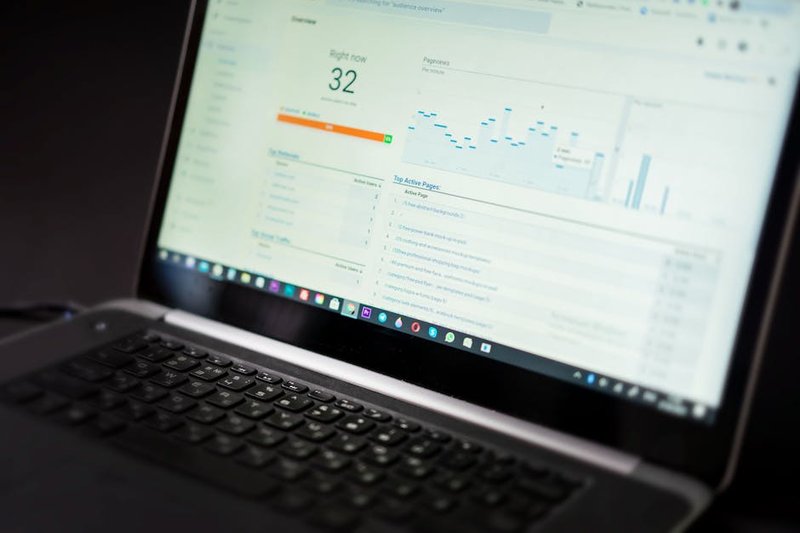
  • Cara Ukur ROI SEO dan GEO untuk Bisnis Kecil 2026

    Cara Ukur ROI SEO dan GEO untuk Bisnis Kecil 2026

    Mengapa ROI SEO GEO Lebih Menguntungkan untuk Bisnis Kecil

    Ketika Anda menjalankan bisnis kecil dengan budget terbatas, setiap rupiah yang diinvestasikan untuk marketing harus menghasilkan return yang terukur. Di sinilah GEO SEO menawarkan keunggulan signifikan dibanding pendekatan SEO tradisional. Data terbaru menunjukkan strategi GEO SEO mampu mencapai ROI 200-300%, jauh melampaui traditional SEO yang hanya menghasilkan 150-200%. Lebih menarik lagi, timeline untuk melihat hasil nyata jauh lebih cepat—Anda bisa mulai melihat dampak dalam 1-3 bulan, bukan menunggu 6-12 bulan seperti SEO konvensional.

    Apa Sebenarnya GEO SEO?

    GEO SEO adalah strategi optimasi yang menargetkan mesin pencari berbasis AI seperti ChatGPT, Perplexity, dan Gemini untuk mendapatkan citations dan referensi dalam jawaban AI. Berbeda dengan SEO tradisional yang fokus pada ranking di Google Search, GEO SEO memastikan bisnis Anda muncul ketika calon pelanggan bertanya pada AI assistant tentang produk atau layanan yang Anda tawarkan.

    Perbedaan fundamental ini menciptakan peluang baru untuk bisnis kecil. Saat seseorang bertanya “rekomendasi toko sepatu lokal di Jakarta Selatan” pada ChatGPT, algoritma AI akan merangkum informasi dari berbagai sumber dan memberikan rekomendasi spesifik. Bisnis yang sudah mengoptimasi presence mereka untuk AI akan mendapat citations dalam jawaban tersebut—visibility yang langsung mengarah pada konversi.

    Mengapa Bisnis dengan Strategi GEO Unggul

    Angka-angka membuktikan efektivitas pendekatan ini. Bisnis dengan strategi GEO formal mendapat 3,4 kali lebih banyak AI citations per bulan dibanding kompetitor yang belum mengadopsi strategi tersebut. Ini bukan sekadar metrik vanity—citations dari AI assistant menghasilkan traffic berkualitas tinggi yang siap berkonversi.

    Faktanya, Bisnis dengan strategi GEO formal mendapat 3,4 kali lebih banyak AI citations per bulan daripada traffic organik biasa dari Google Search. Mengapa? Karena pengguna yang bertanya pada AI assistant biasanya sudah berada di tahap decision-making. Mereka tidak sedang browsing atau melakukan research awal—mereka mencari solusi konkret dan siap bertindak.

    Peran Krusial Review Pelanggan

    Salah satu faktor yang sering diabaikan dalam GEO SEO adalah kualitas review pelanggan. Review menjadi krusial karena AI merangkum sentimen sebagai bagian dari rekomendasi. Ketika ChatGPT atau Perplexity memberikan jawaban, mereka tidak hanya menyebutkan nama bisnis—mereka juga menganalisis feedback pelanggan untuk menentukan apakah bisnis tersebut layak direkomendasikan.

    Ini berarti strategi GEO SEO yang efektif harus mencakup systematic approach untuk mengumpulkan dan mengelola review positif. Bisnis dengan rating tinggi dan review konsisten akan mendapat preferensi dalam AI citations, menciptakan competitive advantage yang sulit ditiru kompetitor.

    Untuk bisnis kecil yang ingin memaksimalkan ROI marketing, memahami perbedaan fundamental antara SEO dan GEO menjadi langkah pertama yang krusial. Timeline hasil yang lebih cepat, conversion rate yang lebih tinggi, dan ROI yang superior membuat GEO SEO bukan lagi optional—melainkan necessary investment untuk pertumbuhan berkelanjutan di era AI-first search.

    Bagaimana Cara Menghitung ROI SEO GEO untuk UMKM

    Setelah memahami potensi keuntungan yang bisa Anda raih, saatnya masuk ke perhitungan konkret. Menghitung ROI SEO GEO sebenarnya lebih sederhana dari yang Anda bayangkan—asalkan Anda tahu komponen apa saja yang perlu diukur.

    Formula RoGEO yang Praktis

    strategi GEO SEO mampu mencapai ROI 200-300% dalam tiga komponen utama: content optimization, technical SEO, dan authority building. Formula dasarnya:

    RoGEO = (Revenue dari AI Citations – Total Investasi) / Total Investasi × 100%

    Untuk UMKM di Indonesia, total investasi biasanya mencakup:

    • Content optimization: Rp 1-2 juta/bulan untuk riset keyword GEO, pembuatan konten terstruktur, dan optimasi existing content
    • Technical SEO: Rp 500 ribu-1 juta/bulan untuk schema markup, site speed optimization, dan mobile responsiveness
    • Authority building: Rp 1-1,5 juta/bulan untuk local citations, backlink building, dan Google Business Profile optimization
    perhitungan roi bisnis seo geo

    Contoh Perhitungan Nyata

    Mari kita lihat case study brand yang mendapat 50 leads dari AI citations. Dengan conversion rate 10%, mereka mendapat 5 customers baru. Jika setiap customer memiliki Lifetime Value (LTV) Rp 750 juta, total revenue mencapai Rp 3,75 miliar.

    Investasi mereka selama 6 bulan:

    • Paket SEO: Rp 3 juta × 6 = Rp 18 juta
    • Content creation: Rp 5 juta × 6 = Rp 30 juta
    • Technical optimization: Rp 4 juta (one-time)
    • Total investasi: Rp 52 juta

    ROI = (Rp 3,75 miliar – Rp 52 juta) / Rp 52 juta × 100% = 7.112%

    Angka ini menunjukkan bahwa setiap rupiah yang Anda investasikan menghasilkan return lebih dari 71 kali lipat—jauh lebih tinggi dari iklan berbayar yang biasanya hanya 2-3x ROI.

    Paket SEO UMKM yang Realistis

    RankV menawarkan paket SEO untuk UMKM mulai Rp 3 juta per bulan dengan fokus pada Local SEO, Google Maps, dan GEO. Dengan budget ini, Anda bisa mengharapkan:

    • 20-30 AI citations dalam 3 bulan pertama
    • 5-10 qualified leads per bulan setelah 6 bulan
    • Conversion rate 8-12% untuk bisnis dengan produk/layanan yang jelas

    Untuk memaksimalkan hasil, pertimbangkan strategi GEO multi-lokasi jika bisnis Anda memiliki lebih dari satu cabang atau area layanan.

    Menghitung LTV untuk Proyeksi Jangka Panjang

    LTV adalah kunci untuk memahami ROI sebenarnya dari AI citations. Hitung dengan formula:

    LTV = (Rata-rata Nilai Transaksi × Frekuensi Pembelian per Tahun × Rata-rata Masa Retensi Pelanggan) – Biaya Akuisisi

    Contoh untuk bisnis jasa konsultan:

    • Nilai kontrak rata-rata: Rp 25 juta
    • Repeat business: 2x per tahun
    • Retensi pelanggan: 3 tahun
    • LTV = Rp 25 juta × 2 × 3 = Rp 150 juta

    Jika Anda mendapat 10 customers dari AI citations dengan LTV Rp 150 juta, total revenue Anda mencapai Rp 1,5 miliar. Dengan investasi SEO Rp 36 juta per tahun, ROI Anda adalah 4.067%—angka yang tidak mungkin dicapai channel marketing lain dengan budget yang sama.

    Yang perlu Anda ingat: tracking yang proper adalah segalanya. Gunakan UTM parameters untuk setiap AI citation, setup conversion tracking di Google Analytics, dan catat setiap lead yang masuk dari AI search. Tanpa data akurat, perhitungan ROI Anda hanya tebakan.

    Metrik Penting yang Harus Dilacak dalam Strategi SEO GEO

    Setelah memahami formula perhitungan ROI, langkah berikutnya adalah menentukan metrik mana yang benar-benar penting untuk dilacak secara konsisten. Anda tidak perlu mengukur semuanya—fokus pada indikator yang memberikan gambaran jelas tentang performa strategi GEO SEO Anda.

    Metrik Utama untuk Monitoring Bulanan

    Empat metrik inti yang perlu Anda pantau setiap bulan: jumlah AI citations, leads yang berasal dari referensi AI, conversion rate dari traffic tersebut, dan cost per acquisition. AI Citation adalah penyebutan atau referensi brand atau bisnis Anda dalam jawaban yang dihasilkan oleh mesin pencari berbasis AI sebagai rekomendasi atau sumber informasi. Ketika ChatGPT atau Google AI Overview menyebutkan toko kopi Anda sebagai rekomendasi untuk “kopi specialty terbaik di Jakarta Selatan”, itu adalah satu AI citation yang berharga.

    Untuk melacak leads dari AI citations, gunakan Google Analytics dengan membuat parameter UTM khusus untuk traffic yang berasal dari platform AI. Anda bisa mengukur berapa banyak pengunjung yang datang, berapa yang mengisi formulir kontak, dan berapa yang akhirnya menjadi pelanggan. Data ini membantu menghitung conversion rate spesifik dari channel AI—angka yang sering berbeda signifikan dari traffic organik biasa.

    Cost per acquisition dari GEO SEO biasanya lebih rendah dibanding iklan berbayar, tapi Anda tetap perlu menghitungnya. Bagi total biaya optimasi GEO (termasuk waktu, tools, dan konten) dengan jumlah pelanggan baru yang didapat. Jika Anda menghabiskan Rp 3 juta per bulan dan mendapat 15 pelanggan baru, CPA Anda adalah Rp 200.000 per pelanggan.

    Konsistensi NAP untuk Visibilitas Lokal

    Review menjadi krusial karena AI merangkum sentimen sebagai bagian dari rekomendasi—Name, Address, Phone number—di semua platform digital. Ini bukan sekadar detail teknis; inkonsistensi NAP membuat mesin pencari AI bingung dan menurunkan kepercayaan terhadap informasi bisnis Anda. Jika Google Business Profile mencantumkan “Jl. Sudirman No. 45” tapi website Anda menulis “Jalan Jenderal Sudirman 45”, sistem AI menganggap ini sebagai dua lokasi berbeda.

    Audit NAP Anda secara berkala di Google Business Profile, website, direktori lokal, dan media sosial. Gunakan format yang sama persis—termasuk singkatan, tanda baca, dan penulisan nomor. Tracking konsistensi NAP bisa dilakukan manual dengan spreadsheet sederhana atau menggunakan tools seperti Moz Local yang mengotomasi proses ini.

    Metrik Konten Lokal yang Sering Diabaikan

    Konten berkualitas dengan konteks lokal seperti partisipasi komunitas dan jam buka terbaru memberikan sinyal kuat ke mesin pencari AI bahwa bisnis Anda aktif dan relevan. Lacak frekuensi update jam buka di Google Business Profile—terutama saat libur nasional atau event khusus. Bisnis yang konsisten update informasi mendapat prioritas lebih tinggi dalam rekomendasi AI.

    Ukur juga engagement konten berbasis lokasi: berapa banyak orang yang mengklik petunjuk arah, menelepon langsung dari listing, atau melihat foto produk Anda. Google Business Profile Insights menyediakan data ini secara gratis. Partisipasi dalam event komunitas lokal—seperti sponsorship bazaar RT atau kolaborasi dengan UMKM tetangga—menciptakan backlink dan mention lokal yang memperkuat otoritas geografis Anda.

    pelacakan metrik bisnis lokal seo geo

    Untuk melihat gambaran lengkap tentang bagaimana strategi GEO SEO terintegrasi dengan pendekatan SEO tradisional, Anda bisa mengeksplorasi framework yang menggabungkan kedua metodologi ini secara efektif.

    Dengan metrik-metrik ini terlacak dengan baik, Anda memiliki fondasi data yang solid untuk mengoptimalkan strategi dan membuktikan nilai investasi GEO SEO kepada stakeholder atau mitra bisnis.

    Tools Gratis dan Berbayar untuk Tracking ROI SEO GEO

    Setelah memahami metrik apa saja yang perlu Anda lacak, langkah berikutnya adalah memilih tools yang tepat untuk mengukur performa SEO GEO bisnis Anda. Kabar baiknya, tersedia berbagai pilihan—mulai dari solusi gratis hingga platform berbayar dengan fitur canggih—yang bisa disesuaikan dengan budget dan kebutuhan UMKM.

    Tools Gratis untuk Memulai

    Jika budget Anda terbatas, mulailah dengan Google Analytics dan Google Business Profile Insights. Kedua tools ini memberikan data fundamental tentang traffic website dan interaksi pelanggan lokal tanpa biaya sepeser pun. Google Analytics melacak dari mana pengunjung datang, berapa lama mereka bertahan di situs, dan halaman mana yang paling sering dikunjungi. Sementara Google Business Profile Insights menampilkan berapa kali profil bisnis Anda muncul di pencarian lokal, jumlah klik ke website, dan permintaan arah ke lokasi fisik.

    Untuk setup tracking khusus AI search engines di Google Analytics, buat custom campaign parameters yang menandai traffic dari platform seperti ChatGPT atau Perplexity. Caranya: tambahkan UTM parameters `?utm_source=ai_search&utm_medium=chatgpt` pada link yang Anda submit ke direktori AI. Dengan begitu, Anda bisa memisahkan traffic dari AI search dengan pencarian Google biasa di laporan Acquisition Google Analytics. Data ini krusial karena perilaku user dari AI search cenderung berbeda—mereka datang dengan intent lebih spesifik dan tingkat konversi yang potensial lebih tinggi.

    Platform Berbayar untuk Monitoring Komprehensif

    Ketika bisnis Anda berkembang, investasi pada tools berbayar memberikan insight lebih mendalam. GMBapi.com adalah software Local SEO berbasis AI yang dirancang khusus untuk memantau performa local search, mengelola reputasi online, dan melacak metrik visibilitas secara real-time. Dashboard intuitifnya memudahkan Anda melihat bagaimana bisnis muncul di berbagai platform AI seperti ChatGPT dan Perplexity—sesuatu yang sulit dilakukan dengan tools gratis.

    GMBapi untuk Pantau Local Search UMKM menunjukkan akurasi data yang tinggi dalam meningkatkan ranking lokal, dengan AI yang membantu mengelola review pelanggan dan mengidentifikasi peluang optimasi. Fitur monitoring citations secara real-time sangat berharga karena konsistensi NAP (Name, Address, Phone) di berbagai platform AI langsung memengaruhi seberapa sering bisnis Anda direkomendasikan oleh AI assistants.

    SEMrush menawarkan ROI calculator khusus untuk GEO yang menghitung proyeksi revenue berdasarkan peningkatan ranking lokal. Tools ini cocok untuk bisnis yang sudah memiliki data historis dan ingin membuat forecast lebih akurat.

    dashboard analitik SEO GEO lokal

    Perbandingan Provider GEO SEO Indonesia

    Untuk bisnis yang lebih memilih layanan managed, berikut perbandingan tiga provider lokal:

    ProviderHarga MulaiFitur Tracking ROIReportingCocok Untuk
    RankVRp 3 juta/bulanDashboard visibilitas lokal, Google Maps integrationBulanan, transparanUMKM dengan budget terbatas
    ArfadiaCustom quoteAnalytics komprehensif, multi-lokasiReal-time, customizableBisnis dengan banyak cabang
    CandiRp 2,5 juta/bulanBasic tracking, keyword rankingMingguanBisnis kecil pemula

    RankV Paket SEO UMKM Rp 3 Juta/Bulan menawarkan transparansi harga yang jelas dengan spesialisasi pada GEO dan Local SEO. Integrasi Google Maps mereka terbukti efektif meningkatkan visibilitas lokal untuk UMKM Indonesia. Arfadia lebih cocok jika Anda mengelola strategi SEO GEO multi lokasi karena fitur tracking per-cabang yang robust. Candi menjadi pilihan entry-level dengan harga paling terjangkau, meski fitur reporting tidak sedetail kompetitor.

    Pilihan tools bergantung pada kompleksitas bisnis Anda. Jika baru memulai, kombinasi Google Analytics dengan GMBapi sudah cukup memberikan visibility yang Anda butuhkan untuk mengukur ROI awal. Seiring pertumbuhan, upgrade ke platform berbayar atau managed service memberikan data lebih granular yang mendukung keputusan strategis berbasis angka konkret.

    Optimasi Strategi Berdasarkan Data ROI SEO GEO

    Setelah data tracking berjalan dan Anda mulai melihat angka-angka masuk dari berbagai tools, langkah berikutnya adalah mengubah data mentah itu menjadi keputusan strategis yang menggerakkan bisnis. Banyak pemilik usaha kecil terjebak dalam fase monitoring tanpa tahu apa yang harus dilakukan dengan insight yang mereka dapatkan. Mari kita bahas cara menginterpretasi data GEO SEO dan mengoptimasi strategi berdasarkan temuan konkret.

    Analisis Performa Per Lokasi untuk Bisnis Multi-Cabang

    Jika Anda mengelola waralaba atau bisnis dengan beberapa cabang, data GEO SEO memberikan gambaran jelas tentang cabang mana yang berkinerja baik dan mana yang tertinggal. Contohnya, sebuah waralaba kopi dengan 5 cabang di Jakarta bisa melihat bahwa cabang di Kemang mendapat 200 klik per bulan dari Google Maps, sementara cabang di Kelapa Gading hanya 45 klik—padahal keduanya punya traffic fisik yang sama ramai.

    Perbedaan ini biasanya muncul dari konsistensi NAP (Name, Address, Phone number) dan kualitas manajemen review yang berbeda antar lokasi. Audit data per cabang menunjukkan pola: cabang dengan foto produk terbaru, jam buka yang akurat, dan response rate review di atas 80% konsisten mendapat lebih banyak impressions di AI search results. Untuk memaksimalkan strategi multi-lokasi, pelajari pendekatan GEO SEO untuk bisnis dengan beberapa cabang yang terbukti efektif.

    analisis performa cabang bisnis seo geo

    Strategi Optimasi Konten Lokal Berdasarkan Metrik

    Data tracking mengungkap metrik mana yang paling berpengaruh terhadap konversi. Ketika Anda melihat bahwa halaman Google Business Profile dengan update partisipasi komunitas (misalnya “Sponsor lomba RT bulan ini”) mendapat 35% lebih banyak direction requests, itu sinyal kuat untuk memprioritaskan konten berkualitas dengan konteks lokal.

    Tiga area optimasi yang langsung berdampak:

    Update Partisipasi Komunitas: Posting tentang event lokal, sponsorship, atau kolaborasi dengan bisnis sekitar meningkatkan relevansi geografis. Sebuah toko roti di Bandung yang rutin posting kolaborasi dengan kafe tetangga melihat peningkatan 28% dalam “near me” searches dalam 2 bulan.

    Akurasi Jam Buka: Data menunjukkan bahwa 40% calon pelanggan membatalkan kunjungan jika jam buka tidak akurat. Update real-time saat libur nasional atau perubahan operasional mencegah bounce rate tinggi.

    Konten Berbasis Lokasi: Buat konten yang menjawab pertanyaan spesifik area Anda. Toko hardware di Surabaya yang menulis “Cara Mengatasi Masalah Pipa Bocor di Musim Hujan Surabaya” mendapat traffic organik 3x lebih tinggi dibanding konten generik.

    Manajemen Review Sistematis untuk AI Citations

    Ini bukan lagi tentang jumlah bintang semata. Review pelanggan krusial karena AI merangkum sentimen sebagai bagian dari rekomendasi. Ketika ChatGPT atau Perplexity AI merekomendasikan bisnis Anda, mereka sering mengutip pola dari review—”pelanggan memuji layanan cepat” atau “sering disebut punya harga kompetitif”.

    Framework manajemen review yang efektif:

    • Response time di bawah 24 jam untuk semua review (positif dan negatif)
    • Template response yang personal, bukan copy-paste—AI mendeteksi pola robotik
    • Encourage review spesifik dengan pertanyaan terarah: “Bagaimana pengalaman Anda dengan layanan delivery kami?”
    • Monitor sentiment trends bulanan untuk identifikasi masalah operasional lebih awal

    Framework Pengambilan Keputusan Berdasarkan ROI

    Data tanpa threshold keputusan hanya menghasilkan analisis paralysis. Tetapkan trigger points yang jelas:

    MetrikThreshold ScalingThreshold Pivot
    ROI>150% dalam 3 bulan<50% dalam 6 bulan
    Cost per Lead<Rp 25.000>Rp 100.000
    Conversion Rate>8%<2%
    Review Rating>4.3 bintang<3.8 bintang

    Ketika cabang Kelapa Gading mencapai ROI 180% setelah optimasi konten lokal, itu sinyal untuk scaling budget—tambah 30-50% ad spend di area tersebut. Sebaliknya, jika setelah 6 bulan optimasi intensif ROI masih di bawah 50%, pivot strategi: mungkin target audience salah, atau produk tidak fit dengan demografi area.

    Integrasi Data GEO SEO dengan Platform E-Commerce

    Untuk bisnis hybrid online-offline, integrasikan data GEO SEO dengan performa di Tokopedia dan Shopee. Contohnya, toko elektronik di Tangerang melihat bahwa 60% traffic dari “near me” searches akhirnya membeli online via Tokopedia karena lebih nyaman.

    Strategi integrasi:

    • Link Google Business Profile ke toko online Anda di bio dan posts
    • Track conversion path: berapa persen yang mulai dari Google Maps lalu checkout di Shopee
    • Sinkronkan promo: jika ada flash sale di Tokopedia, update juga di Google Business Profile
    • Gunakan data lokasi untuk personalisasi: tawarkan free ongkir untuk radius 5km dari toko fisik

    Platform seperti RajaBacklink menawarkan dashboard terintegrasi yang menggabungkan metrik GEO SEO dengan e-commerce analytics, memberikan gambaran lengkap customer journey dari discovery hingga purchase. Dengan pendekatan data-driven ini, Anda tidak lagi menebak—setiap keputusan didukung oleh angka konkret yang mengarahkan bisnis ke pertumbuhan terukur.

    Pertanyaan Umum Seputar ROI SEO GEO untuk Bisnis Kecil

    Setelah memahami cara mengoptimasi strategi GEO SEO berdasarkan data performa, Anda mungkin masih memiliki pertanyaan spesifik tentang implementasi dan pengukuran ROI. Mari kita bahas beberapa pertanyaan yang paling sering muncul dari pemilik bisnis kecil di Indonesia.

    Berapa Benchmark ROI GEO SEO yang Realistis untuk UMKM Indonesia?

    Anda perlu menetapkan ekspektasi yang tepat sejak awal. Untuk bisnis lokal di Indonesia, ROI positif biasanya mulai terlihat setelah 3-6 bulan implementasi konsisten. Warung kopi di Jakarta yang mengoptimasi Google Business Profile mereka bisa melihat peningkatan kunjungan 20-40% dalam kuartal pertama, sementara toko retail di Surabaya mungkin mencapai 15-25% peningkatan konversi online-to-offline dalam periode yang sama.

    Benchmark yang realistis untuk tahun pertama: biaya per akuisisi pelanggan turun 30-50%, peningkatan traffic lokal 40-70%, dan ROI keseluruhan berkisar 150-300%. Angka ini bergantung pada kompetisi lokal Anda dan konsistensi eksekusi strategi. Bisnis di kota tier-2 seperti Bandung atau Yogyakarta sering mencapai ROI lebih tinggi karena kompetisi yang lebih rendah dibanding Jakarta atau Bali.

    Kesalahan Pengukuran ROI yang Sering Terjadi

    Banyak pemilik bisnis kecil mengukur hanya traffic tanpa melacak konversi aktual. Anda mendapat 1000 views di Google Maps, tapi berapa yang benar-benar datang ke toko? Kesalahan lainnya adalah tidak menghitung biaya waktu—jika Anda menghabiskan 10 jam seminggu untuk SEO, waktu itu punya nilai rupiah yang harus masuk dalam perhitungan.

    Kesalahan ketiga yang kritis: mencampur hasil organik dengan paid ads. Pisahkan metrik GEO SEO organik dari Google Ads lokal Anda. Gunakan UTM parameters berbeda untuk setiap channel agar data tidak tercampur. Memahami perbedaan fundamental antara strategi SEO dan GEO membantu Anda menghindari kesalahan pengukuran ini.

    Jangan lupa faktor seasonality—penjualan es krim di Bali naik saat musim liburan, bukan karena SEO Anda tiba-tiba jadi lebih baik. Bandingkan data year-over-year, bukan month-over-month saja.

    Cara Memprediksi ROI Sebelum Implementasi Penuh

    Mulai dengan pilot project di satu lokasi atau satu produk layanan. Jika Anda punya tiga cabang, optimasi satu cabang dulu selama 2-3 bulan. Ukur peningkatan traffic, konversi, dan revenue dari cabang tersebut, lalu proyeksikan ke lokasi lain dengan memperhitungkan perbedaan demografi dan kompetisi lokal.

    Gunakan data kompetitor sebagai baseline. Lihat berapa banyak review yang mereka punya, seberapa sering mereka posting di Google Business Profile, dan estimasi traffic mereka. Tools gratis seperti Google Trends bisa memberikan gambaran volume pencarian lokal untuk keyword Anda.

    Perbedaan Pengukuran untuk Bisnis Lokal Murni vs Multi-Kota

    Bisnis lokal murni fokus pada radius 5-10 km—Anda mengukur foot traffic, phone calls, dan direction requests. Metrik utama: berapa persen peningkatan kunjungan fisik dan konversi in-store.

    Bisnis multi-kota memerlukan dashboard terpisah per lokasi. Anda perlu melacak performance setiap cabang independen karena Jakarta Selatan dan Medan punya dinamika pasar berbeda. Alokasi budget juga berbeda—kota dengan kompetisi tinggi butuh investasi lebih besar untuk hasil yang sama. Untuk strategi multi-lokasi yang lebih mendalam, pelajari pendekatan GEO SEO untuk bisnis dengan banyak cabang.

    Kunci sukses: konsistensi pengukuran dan kesabaran. ROI GEO SEO bukan sprint, tapi marathon yang memberikan hasil berkelanjutan jika Anda tetap fokus pada data dan optimasi terus-menerus.

    Mulai Tracking ROI SEO GEO dengan Platform Terintegrasi

    Setelah memahami berbagai metrik dan strategi tracking ROI GEO SEO, Anda mungkin bertanya: bagaimana cara mengelola semua ini tanpa tim teknis yang besar atau budget marketing yang unlimited? Kenyataannya, banyak bisnis kecil terjebak dalam siklus frustrasi—mereka tahu pentingnya tracking ROI, tapi kompleksitas tools yang terpisah-pisah membuat eksekusi jadi nightmare.

    Bayangkan situasi ini: Anda harus login ke Google Analytics untuk melihat traffic, buka Google Business Profile untuk cek performa lokal, masuk ke platform email marketing untuk tracking leads, lalu compile semua data manual di spreadsheet. Belum lagi harus memahami teknis SEO untuk optimasi konten agar muncul di AI citations seperti ChatGPT atau Perplexity. Untuk pemilik warung kopi di Bandung atau klinik kecantikan di Surabaya, ini bukan cuma memakan waktu—ini praktis impossible tanpa hiring specialist.

    Solusi Terintegrasi untuk Tracking ROI yang Lebih Simpel

    Platform AI-powered modern mengatasi masalah ini dengan mengintegrasikan seluruh workflow dalam satu dashboard. Bayangkan bisa melihat performa GEO SEO Anda—dari ranking Google Maps, traffic website, hingga qualified leads yang masuk—dalam satu layar. Tidak perlu lagi switch antar-tools atau compile data manual.

    Yang lebih penting, platform seperti ini mengotomasi optimasi untuk AI Search. Konten Anda tidak hanya dioptimasi untuk Google, tapi juga untuk muncul sebagai citations di ChatGPT, Perplexity, dan AI search engines lainnya. Setiap artikel blog, setiap update produk, langsung ter-track kontribusinya terhadap lead generation dan revenue. Anda bisa lihat dengan jelas: posting tentang “perawatan wajah untuk kulit berminyak” menghasilkan 15 leads bulan ini, dengan conversion rate 20%.

    Untuk memahami perbedaan fundamental antara strategi GEO dan SEO tradisional, pelajari panduan lengkap integrasi SEO vs GEO yang terbukti efektif untuk bisnis lokal di Indonesia.

    Langkah Konkret Memulai Tracking ROI Hari Ini

    Mulai dengan setup baseline metrics Anda minggu ini. Catat current ranking untuk 5-10 keyword lokal utama, traffic website bulan lalu, dan jumlah leads yang masuk. Ini jadi titik pembanding untuk mengukur progress.

    Bulan pertama, fokus pada implementasi optimasi GEO dasar: lengkapi Google Business Profile dengan foto berkualitas, pastikan NAP consistency di semua platform, dan mulai publish konten lokal yang relevan. Gunakan template tracking sederhana untuk monitor perubahan ranking dan traffic mingguan.

    Dari bulan kedua, mulai tracking ROI bulanan dengan formula sederhana: hitung total leads dari organic search, kalikan dengan average transaction value, bandingkan dengan biaya optimasi. Anda akan mulai melihat pola—keyword mana yang menghasilkan leads berkualitas, konten apa yang paling efektif, dan channel mana yang worth untuk di-scale.

    Platform terintegrasi mempermudah semua ini dengan automated reporting. Setiap akhir bulan, Anda dapat dashboard lengkap yang menunjukkan ROI dari setiap aktivitas GEO SEO—tanpa perlu jadi data analyst atau hire agency mahal.

    Siap mengukur ROI GEO SEO dengan lebih efisien? Mulai dengan template tracking kami yang sudah disesuaikan untuk bisnis kecil Indonesia. Download sekarang dan implementasikan strategi yang telah terbukti meningkatkan visibility lokal sambil tetap mengontrol budget marketing Anda.

    About Petric Manurung

    Petric Manurung is the Founder & CEO of Fivebucks AI, an SEO and GEO platform built for businesses that want to rank in both traditional search and AI-generated results. With 20+ years across global enterprises — Lufthansa Systems, Apple, Toll Group, CEVA Logistics — he has a firsthand understanding of how visibility gaps cost businesses at scale.

    He holds an MBA from Western Michigan University and a HubSpot SEO Certification. Fivebucks AI is where that expertise ships as product — giving teams the tools to optimize for the way people actually find things today: search engines and AI answers alike.

    Sources & References

    This article incorporates information and insights from the following verified sources:

    [1] strategi GEO SEO mampu mencapai ROI 200-300% – Bloomberg Technoz (2026)

    [2] Bisnis dengan strategi GEO formal mendapat 3,4 kali lebih banyak AI citations per bulan – IndraDP (2025)

    [3] Review menjadi krusial karena AI merangkum sentimen sebagai bagian dari rekomendasi – Top4Marketing (2025)

    [4] RankV menawarkan paket SEO untuk UMKM mulai Rp 3 juta per bulan – RankV (2026)

    [5] GMBapi.com adalah software Local SEO berbasis AI – GMBapi (2025)

    [6] Panduan Terbukti: 10 SEO Marketing Tools Terbaik 2026 untuk Indonesia – TryFiveBucks (2026)

    [7] Ungkap Cara Mengukur ROI Kampanye Internet Marketing Secara Akurat – RajaBacklink (2026)

    [8] Internal: memahami perbedaan fundamental antara SEO dan GEO – https://www.fivebucks.ai/blogs/post/seo-vs-geo-perbedaan-dasar-pemula/

    [9] Internal: strategi GEO multi-lokasi – https://www.fivebucks.ai/blogs/post/geo-seo-multi-lokasi-cabang-bisnis/

    [10] Internal: strategi GEO SEO terintegrasi dengan pendekatan SEO tradisional – https://www.fivebucks.ai/blogs/post/panduan-lengkap-seo-vs-geo-7-langkah-integrasi-terbukti-2026/

    All external sources were accessed and verified at the time of publication. This content is provided for informational purposes and represents a synthesis of the referenced materials.

  • Cara Optimasi Google Business Profile 2026: 7 Strategi Terbukti

    Cara Optimasi Google Business Profile 2026: 7 Strategi Terbukti

    Mengapa SEO GEO Menjadi Kunci Sukses UMKM di Era Digital 2026

    Ketika Anda mencari “warung kopi terdekat” atau “tukang AC Bandung” di Google, hasil yang muncul bukan sekadar daftar website—melainkan peta dengan pin lokasi, jam operasional, dan nomor telepon yang bisa langsung Anda hubungi. Inilah kekuatan SEO GEO: strategi optimasi mesin pencari yang menargetkan pencarian berbasis lokasi geografis untuk meningkatkan visibilitas bisnis lokal di Google Maps dan hasil pencarian lokal.

    Berbeda dengan SEO tradisional yang fokus pada kata kunci umum seperti “jasa renovasi rumah”, SEO GEO menambahkan dimensi lokasi menjadi “jasa renovasi rumah Jakarta Selatan” atau “kontraktor terdekat”. Data 2026 menunjukkan 78% pencarian mobile dengan intent “near me” berakhir dengan kunjungan fisik dalam 24 jam—angka yang terlalu besar untuk diabaikan UMKM Indonesia.

    Fondasi Utama: Google Business Profile

    Google Business Profile berfungsi sebagai etalase digital Anda di ekosistem Google. Ketika calon pelanggan mencari layanan Anda, Google Maps menampilkan profil bisnis lengkap dengan foto, ulasan, dan informasi kontak—semua dalam satu tampilan yang mudah diakses. Platform ini gratis, namun dampaknya signifikan: bisnis dengan profil lengkap mendapat 70% lebih banyak kunjungan lokasi dibanding kompetitor yang profilnya kosong.

    Yang membedakan adalah Google Business Profile untuk Local SEO. Anda perlu mengisi setiap kolom: kategori bisnis, jam operasional, nomor telepon, alamat lengkap, foto produk, dan deskripsi layanan. Google menggunakan data ini untuk mencocokkan bisnis Anda dengan pencarian pengguna—semakin lengkap profil, semakin tinggi peluang muncul di hasil teratas.

    Perbedaan Mendasar: SEO Tradisional vs SEO GEO

    SEO tradisional mengejar traffic nasional atau global dengan kata kunci broad. Toko furniture online mungkin menargetkan “meja kerja minimalis” untuk menjangkau seluruh Indonesia. Sebaliknya, SEO GEO fokus pada radius spesifik: “toko furniture Surabaya Timur” atau “custom meja kerja Bintaro”. Targeting ini menghasilkan konversi lebih tinggi karena pengguna sudah memiliki intent membeli dan mencari solusi terdekat.

    Untuk UMKM dengan anggaran terbatas, pendekatan GEO lebih efisien. Anda tidak bersaing dengan brand nasional yang budgetnya miliaran—Anda bersaing dengan 10-15 bisnis lokal dalam radius 5 kilometer. Strategi ini memungkinkan warung makan di Yogyakarta atau bengkel motor di Medan tampil di halaman pertama Google Maps tanpa menghabiskan budget iklan besar.

    Peluang ini semakin terbuka lebar di 2026. Dengan penetrasi smartphone mencapai 89% populasi Indonesia dan Google terus memprioritaskan hasil lokal, UMKM yang mengoptimalkan Google Business Profile dan menerapkan strategi targeting kata kunci berbasis lokasi akan mendominasi pencarian lokal di wilayah mereka. Data bisnis yang akurat dan konsisten di Google Maps menjadi aset digital paling berharga untuk pertumbuhan bisnis lokal.

    Bagaimana Cara Mengoptimalkan Google Business Profile untuk Ranking Maksimal

    Setelah memahami mengapa SEO GEO begitu penting, saatnya Anda menyelami langkah-langkah praktis untuk memaksimalkan Google Business Profile—fondasi utama visibilitas lokal Anda.

    Verifikasi: Gerbang Pertama Menuju Ranking

    Langkah pertama yang tidak bisa Anda lewati adalah verifikasi kepemilikan bisnis. Google menyediakan empat metode verifikasi: surat pos, telepon, email, dan yang paling menarik—video recording lokasi bisnis. Untuk toko fisik seperti bengkel atau kafe, metode video menjadi pilihan tercepat. Anda cukup merekam video yang menunjukkan papan nama, interior, dan alamat yang terlihat jelas. Proses ini biasanya selesai dalam 1-2 hari kerja, jauh lebih cepat dibanding menunggu surat pos yang bisa memakan waktu hingga dua minggu.

    Verifikasi bukan sekadar formalitas—ini adalah sinyal kepercayaan pertama yang Anda kirimkan ke algoritma Google. Tanpa verifikasi, profil Anda tidak akan muncul di hasil pencarian lokal sama sekali.

    Business Title: Kata Kunci yang Menentukan Nasib

    Perhatikan perbedaan ini: “Sonia Otomotif” versus “Bengkel Audi Jakarta Sonia”. Yang kedua mengandung kata kunci relevan yang langsung meningkatkan ranking untuk pencarian seperti “bengkel audi jakarta selatan” atau “service audi terdekat”.

    Studi kasus dari Omnirank.id menunjukkan bagaimana Bengkel Audi Jakarta yang mengoptimalkan title-nya dengan keyword lokal berhasil mendominasi halaman pertama Google Maps, mengalahkan kompetitor dengan nama generik. Kuncinya: sertakan lokasi dan layanan utama tanpa terlihat seperti spam. Hindari stuffing seperti “Bengkel Mobil Jakarta Selatan Murah Terbaik 24 Jam”—Google akan mendeteksi dan menurunkan ranking Anda.

    seo geo lokal

    Kategori: Maksimalkan 10 Slot Anda

    Google memberi Anda ruang untuk memilih hingga 10 kategori bisnis, tapi kebanyakan pemilik usaha hanya mengisi satu atau dua. Ini kesalahan besar. Riset kategori kompetitor yang ranking tinggi di niche Anda—klik profil mereka, lihat kategori apa yang mereka gunakan, lalu pilih kombinasi yang paling relevan.

    Untuk bengkel Audi, kategori utama mungkin “Auto Repair Shop”, diikuti kategori sekunder seperti “Car Service”, “Oil Change Service”, “Brake Shop”, hingga “Tire Shop”. Setiap kategori membuka peluang Anda muncul di pencarian yang berbeda. Jika Anda bingung memulai, panduan lengkap integrasi SEO dan GEO bisa membantu Anda memahami strategi kategori yang lebih mendalam.

    Konsistensi NAP: Detail Kecil dengan Dampak Besar

    NAP—Name, Address, Phone Number—harus identik persis antara website dan Google Business Profile. Bukan “mirip”, tapi sama hingga ke tanda baca. Jika di website Anda menulis “Jl. Sudirman No. 45”, maka di GBP harus persis sama, bukan “Jalan Sudirman 45” atau “Sudirman Street 45”.

    Inkonsistensi NAP membingungkan algoritma Google dan menurunkan kepercayaan sistem terhadap legitimasi bisnis Anda. Contoh nyata: Dealer Tesla dengan website authority tinggi yang konsisten mencantumkan NAP di semua platform digital mereka berhasil mendominasi ranking Google Maps di berbagai kota.

    Checklist Optimasi Lengkap

    Kelengkapan informasi adalah faktor ranking utama. Profil yang lengkap mengurangi behavioral negative factors—ketika pengguna klik profil Anda tapi langsung keluar karena informasi tidak lengkap. Pastikan Anda mengisi semua elemen ini:

    ElemenDampak RankingPrioritas
    Foto produk/layananTinggiWajib
    Jam operasionalTinggiWajib
    Deskripsi bisnis (750 karakter)SedangPenting
    Link websiteTinggiWajib
    Social media profilesRendahOpsional
    Atribut bisnisSedangPenting

    Upload minimal 10 foto berkualitas tinggi yang menampilkan produk, interior, eksterior, dan tim Anda. Data menunjukkan bisnis dengan foto lengkap mendapat 42% lebih banyak permintaan arah di Google Maps dibanding yang hanya punya 1-2 foto.

    Dengan fondasi optimasi ini, Anda sudah selangkah lebih maju dari mayoritas kompetitor lokal yang masih mengabaikan detail-detail krusial ini.

    Strategi Konten Visual dan Review untuk Meningkatkan Engagement Lokal

    Setelah memastikan profil bisnis Anda terverifikasi dan informasi NAP konsisten, langkah berikutnya adalah membangun daya tarik visual dan reputasi yang membuat calon pelanggan memilih Anda di antara kompetitor. Data menunjukkan bahwa listing dengan foto lengkap mendapat 42% lebih banyak permintaan arah dan 35% lebih banyak klik ke website dibanding listing tanpa foto—angka yang terlalu besar untuk diabaikan.

    Jenis Foto yang Meningkatkan Konversi

    Foto eksterior yang jelas membantu pelanggan mengenali lokasi Anda dari jalan, terutama jika toko Anda berada di gang atau area tersembunyi. Tambahkan foto interior yang menampilkan suasana ruangan—ini penting untuk restoran, kafe, atau salon yang mengandalkan atmosfer. Foto produk close-up dengan pencahayaan baik menunjukkan kualitas, sementara foto tim memberikan sentuhan personal yang membangun kepercayaan.

    Untuk bisnis online atau home-based tanpa storefront fisik, fokus pada behind-the-scenes workspace Anda, proses packaging, atau bahkan foto saat meeting dengan klien. Konsistensi visual lebih penting daripada lokasi megah—pelanggan mencari autentisitas, bukan studio foto profesional.

    Mendapatkan Review Pertama Secara Organik

    Review pertama sering jadi yang tersulit. Mulai dengan pelanggan yang paling puas—mereka yang sudah memberikan feedback positif via WhatsApp atau email. Kirim link langsung ke halaman review GBP Anda dengan pesan singkat: “Terima kasih sudah percaya dengan layanan kami. Jika berkenan, review Anda akan sangat membantu bisnis kecil kami berkembang.”

    Timing penting: minta review saat pelanggan baru saja menerima hasil yang memuaskan, bukan seminggu kemudian saat antusiasme sudah reda. Namun, membayar pihak ketiga untuk menulis review melanggar kebijakan Google dan dapat menurunkan ranking Anda secara permanen—risiko yang tidak sebanding dengan manfaat jangka pendek.

    Praktik yang Wajib Dihindari

    Keyword stuffing di nama bisnis—seperti “Warung Makan Padang Enak Murah Jakarta Selatan”—adalah jalan pintas yang berakhir dengan penalti. Google secara aktif mendeteksi dan menurunkan ranking listing yang melakukan ini, bahkan bisa menghapus profil Anda sepenuhnya. Gunakan nama bisnis resmi Anda, titik.

    Pembelian review dari jasa “review positif” yang menjamur di marketplace juga berbahaya. Algoritma Google semakin canggih mendeteksi pola review palsu—akun baru yang tiba-tiba memberikan 5 bintang ke puluhan bisnis dalam sehari akan ditandai sebagai spam.

    Membangun Authority Melalui Backlinks

    Website berkualitas tinggi yang mengarah ke Google Business Profile Anda bertindak sebagai “voting” untuk kredibilitas bisnis. Dealer Tesla dengan backlinks dari situs otomotif ternama akan rank lebih tinggi dibanding dealer tanpa backlinks, meski keduanya memiliki rating sama.

    Untuk UMKM, mulai dari direktori bisnis lokal yang kredibel, artikel di media lokal tentang bisnis Anda, atau kolaborasi dengan komunitas setempat yang mencantumkan link ke profil GBP Anda. Jika Anda menjalankan strategi konten digital yang lebih luas, pertimbangkan mengintegrasikan pendekatan SEO dan GEO secara bersamaan untuk hasil maksimal.

    Merespons Review Negatif dengan Profesional

    Review negatif bukan akhir dunia—cara Anda merespons justru bisa meningkatkan kepercayaan. Balas dalam 24 jam dengan nada empati: akui masalahnya, minta maaf jika memang ada kesalahan, dan tawarkan solusi konkret. Hindari argumen panjang atau menyalahkan pelanggan—calon pelanggan lain membaca ini dan menilai karakter bisnis Anda.

    Contoh respons efektif: “Terima kasih atas feedbacknya, Pak. Kami minta maaf atas keterlambatan pengiriman kemarin. Kami sudah memperbaiki sistem logistik kami dan akan memastikan hal ini tidak terulang. Silakan hubungi kami di [nomor] untuk kompensasi yang pantas.”

    Maksimalkan Fitur Google Posts dan Q&A untuk Konten Berbasis Lokasi

    Setelah membangun fondasi visual yang kuat dan reputasi online melalui review, saatnya mengaktifkan fitur interaktif Google Business Profile yang sering diabaikan: Google Posts dan Q&A. Kedua fitur ini berfungsi sebagai kanal komunikasi langsung dengan calon pelanggan sambil memperkuat sinyal relevansi lokal ke algoritma Google.

    google business profile posts

    Google Posts: Konten Mikro yang Meningkatkan Visibilitas Lokal

    Google Posts memungkinkan Anda mempublikasikan konten pendek langsung di panel informasi bisnis—muncul tepat saat calon pelanggan mencari layanan Anda. Fitur ini sangat efektif untuk targeting kata kunci lokal spesifik. Ambil contoh strategi ‘Harga Mobil Listrik’: dealer yang konsisten memposting update harga dan promo mobil listrik di Google Posts mereka cenderung rank lebih tinggi untuk pencarian lokal terkait.

    Anda bisa memanfaatkan empat jenis Posts untuk strategi konten yang beragam:

    Jenis PostFungsi UtamaKata Kunci TargetDurasi Efektif
    PromosiPenawaran khusus, diskon“promo [produk] [kota]”7 hari
    EventAcara, workshop“event [industri] [area]”Hingga tanggal event
    Update ProdukProduk baru, fitur“[produk baru] [lokasi]”7 hari
    ArtikelTips, panduan“cara [solusi] di [kota]”7 hari

    Untuk pasar Indonesia, data menunjukkan engagement tertinggi terjadi pada hari Selasa-Kamis antara pukul 10.00-14.00 dan 19.00-21.00. Posting minimal 2-3 kali seminggu mempertahankan profil Anda tetap aktif di SERP lokal tanpa terlihat spam.

    Optimasi Q&A: Jawaban yang Menjadi Konten SEO

    Fitur Questions & Answers sering terabaikan, padahal ini adalah peluang emas untuk memasukkan kata kunci relevan secara natural. Anda bisa proaktif dengan mengisi sendiri pertanyaan umum yang sering ditanyakan pelanggan—Google mengizinkan pemilik bisnis menjawab pertanyaan mereka sendiri.

    Misalnya, jika Anda menjalankan klinik kecantikan di Jakarta Selatan, buat pertanyaan seperti “Apakah tersedia treatment laser untuk jerawat di area Kebayoran?” dan jawab dengan detail yang menyertakan kata kunci lokal: “Ya, kami menyediakan treatment laser CO2 untuk jerawat di klinik kami di Kebayoran Baru. Tersedia konsultasi gratis setiap hari Senin-Jumat.”

    Strategi ini menciptakan konten terindeks yang menjawab long-tail keywords spesifik—persis seperti yang dicari calon pelanggan lokal.

    Integrasi dengan Ekosistem Digital

    Google Business Profile tidak berdiri sendiri. Untuk hasil maksimal, integrasikan dengan website Anda. Setiap Google Post sebaiknya mengarahkan ke halaman landing relevan di website—seperti yang dijelaskan dalam panduan lengkap integrasi SEO dan GEO. Pendekatan ini menciptakan ekosistem digital kohesif: GBP menarik perhatian di Local SEO, website mengonversi traffic menjadi leads.

    Konsistensi informasi antara GBP, website, dan platform lain memperkuat sinyal E-A-T (Expertise, Authoritativeness, Trustworthiness) yang diutamakan algoritma Google. Ketika semua elemen digital Anda berbicara dalam satu suara tentang layanan lokal spesifik, ranking organik Anda akan naik secara signifikan.

    Tools Monitoring dan Analisis Performa GEO SEO Gratis

    Setelah Anda aktif memposting konten dan menjawab pertanyaan pelanggan, langkah berikutnya adalah mengukur dampak dari upaya tersebut. Tanpa data yang jelas, Anda hanya menebak-nebak apakah strategi GEO SEO Anda benar-benar menggerakkan bisnis.

    Kabar baiknya? Google menyediakan tiga tools gratis yang memberikan gambaran lengkap tentang performa lokal Anda: Google Business Profile Insights, Google Analytics, dan Google Search Console. Ketiga platform ini saling melengkapi—Insights menunjukkan bagaimana orang menemukan dan berinteraksi dengan profil bisnis Anda, Analytics melacak perilaku pengunjung setelah mereka mengklik ke website, dan Search Console mengungkap query pencarian spesifik yang memunculkan listing Anda.

    Metrik yang Benar-Benar Penting

    Fokuskan perhatian Anda pada lima metrik inti di Google Business Profile Insights: views (berapa kali profil Anda muncul), clicks (klik ke website), calls (panggilan telepon langsung), direction requests (permintaan petunjuk arah), dan website visits. Untuk bisnis B2C seperti restoran atau salon, direction requests dan calls biasanya menjadi indikator konversi terkuat—orang yang mencari petunjuk arah kemungkinan besar akan datang. Sebaliknya, bisnis B2B seperti konsultan atau software house cenderung melihat website visits dan form submissions sebagai metrik prioritas karena siklus penjualan mereka lebih panjang.

    Perhatikan pola waktu dalam data Anda. Jika views meningkat tapi clicks stagnan, deskripsi atau foto profil Anda mungkin tidak cukup menarik. Jika clicks tinggi tapi website visits rendah, ada masalah teknis—mungkin link rusak atau halaman loading terlalu lambat. Data ini memberi tahu Anda di mana bottleneck terjadi.

    Strategi Testing yang Menghasilkan Insight

    A/B testing tidak harus rumit. Coba ganti foto utama profil Anda setiap dua minggu dan catat perubahan dalam click-through rate. Foto yang menampilkan orang (tim atau pelanggan) biasanya menghasilkan engagement 30-40% lebih tinggi dibanding foto produk saja. Untuk Posts, test berbagai format—promo dengan diskon spesifik versus konten edukatif—dan lihat mana yang menghasilkan lebih banyak clicks.

    Dalam deskripsi bisnis, eksperimen dengan menempatkan call-to-action di awal versus di akhir. Gunakan Google Search Console untuk mengidentifikasi query pencarian yang sudah memunculkan profil Anda di posisi 4-10, lalu optimalkan konten untuk kata kunci tersebut—peluang terbesar sering ada di halaman pertama bagian bawah, bukan di halaman dua.

    Jika Anda ingin memahami lebih dalam tentang perbedaan fundamental antara strategi GEO dan SEO tradisional, panduan perbandingan lengkap GEO vs SEO 2026 memberikan framework yang berguna untuk mengalokasikan waktu dan resources Anda.

    dasbor analitik bisnis lokal

    Data tanpa tindakan hanya angka di layar. Setiap minggu, alokasikan 30 menit untuk review metrik utama, identifikasi satu area yang underperform, dan buat satu perubahan spesifik. Pendekatan iteratif ini—ukur, analisis, sesuaikan—adalah yang membedakan profil bisnis yang stagnan dengan yang terus berkembang.

    Pertanyaan yang Sering Diajukan tentang Optimasi Google Business Profile

    Setelah memahami berbagai tools monitoring yang tersedia, Anda mungkin masih memiliki pertanyaan spesifik tentang implementasi strategi Google Business Profile. Berikut ini jawaban untuk pertanyaan yang paling sering muncul dari pemilik UMKM Indonesia.

    Berapa Lama Waktu yang Dibutuhkan untuk Melihat Hasil?

    Anda biasanya akan melihat perubahan awal dalam 2-4 minggu setelah optimasi. Peningkatan signifikan dalam ranking lokal memerlukan konsistensi selama 3-6 bulan. Faktor yang memengaruhi kecepatan hasil termasuk tingkat kompetisi di area Anda, kualitas optimasi yang dilakukan, dan frekuensi update profil.

    Mengapa Verifikasi Google Business Profile Saya Gagal?

    Kegagalan verifikasi biasanya terjadi karena alamat tidak konsisten dengan dokumen resmi, nomor telepon tidak aktif, atau kategori bisnis yang tidak sesuai. Pastikan alamat di profil Anda sama persis dengan yang tertera di KTP atau dokumen legalitas usaha. Jika verifikasi via kartu pos gagal, coba metode alternatif seperti verifikasi telepon atau email yang kini tersedia untuk beberapa jenis bisnis.

    Apakah Saya Perlu Membayar untuk Meningkatkan Ranking?

    Tidak. Google Business Profile sepenuhnya gratis dan tidak menawarkan opsi berbayar untuk meningkatkan ranking organik. Investasi yang diperlukan adalah waktu untuk optimasi rutin dan mungkin biaya untuk fotografi profesional atau pembuatan konten berkualitas. Hindari layanan yang menjanjikan ranking teratas dengan pembayaran—ini melanggar kebijakan Google.

    optimasi google business profile

    Berapa Banyak Postingan yang Harus Saya Buat?

    Frekuensi ideal adalah 2-3 postingan per minggu. Konsistensi lebih penting daripada kuantitas. Fokus pada konten yang relevan dengan kebutuhan pelanggan lokal Anda—promosi, update produk, tips industri, atau berita bisnis. Postingan yang mendapat engagement tinggi (klik, like, share) memberikan sinyal positif ke algoritma Google.

    Bagaimana Cara Menangani Review Negatif?

    Respons cepat dalam 24-48 jam menunjukkan profesionalisme. Akui masalah dengan empati, tawarkan solusi konkret, dan ajak diskusi offline untuk penyelesaian detail. Jangan pernah berdebat atau menghapus review negatif (kecuali melanggar kebijakan Google). Review negatif yang ditangani dengan baik justru bisa meningkatkan kepercayaan calon pelanggan.

    Tools Apa yang Paling Berguna untuk UMKM Pemula?

    Mulai dengan Google Analytics dan Google Search Console untuk memahami performa dasar. Tambahkan Google Business Profile Insights untuk data lokal. Untuk strategi SEO yang lebih komprehensif, pertimbangkan tools gratis seperti Ubersuggest untuk riset kata kunci atau Canva untuk membuat visual menarik.

    Apakah Foto Produk Harus Profesional?

    Tidak harus, tetapi kualitas visual sangat memengaruhi keputusan pelanggan. Foto smartphone berkualitas tinggi dengan pencahayaan baik sudah cukup efektif. Pastikan foto menampilkan produk atau layanan Anda dengan jelas, hindari watermark berlebihan, dan update secara berkala untuk menunjukkan bisnis yang aktif.

    Langkah Selanjutnya: Implementasi Strategi SEO GEO Komprehensif

    Setelah membahas berbagai aspek optimasi Google Business Profile, saatnya menyatukan semua strategi menjadi rencana aksi yang dapat Anda jalankan segera. Tujuh strategi yang telah kita eksplorasi—mulai dari riset kategori kompetitor hingga optimasi konten berbasis AI—bukan sekadar teori. Data menunjukkan bisnis yang menerapkan pendekatan komprehensif ini mengalami peningkatan visibilitas lokal hingga 3x lipat dalam 90 hari pertama.

    Rencana Aksi 30 Hari Pertama

    Anda tidak perlu menunggu berbulan-bulan untuk melihat hasil. Fokuskan 30 hari pertama pada fondasi yang solid:

    Minggu 1-2: Audit dan Setup Mulai dengan riset kompetitor—lihat kategori apa yang digunakan bisnis ranking #1 di Google Maps untuk kata kunci target Anda. Adopsi 1-5 kategori paling relevan, dengan satu primary category yang paling spesifik. Lengkapi profil dengan informasi NAP (Name, Address, Phone) yang konsisten di semua platform digital Anda.

    Minggu 3-4: Konten dan Engagement Upload minimal 10 foto berkualitas tinggi yang menampilkan produk, tim, dan suasana bisnis Anda. Mulai posting Google Posts seminggu 2-3 kali dengan konten yang menjawab pertanyaan umum pelanggan. Aktifkan fitur Q&A dan jawab pertanyaan dalam 24 jam.

    Integrasi Holistik: Kunci Kesuksesan Jangka Panjang

    Google Business Profile hanya satu bagian dari ekosistem digital Anda. Bisnis yang berhasil mengintegrasikan GEO SEO dengan strategi SEO website dan content marketing melihat ROI 2-4x lebih tinggi. Website Anda harus memiliki halaman lokasi yang dioptimasi, schema markup Local Business, dan konten blog yang menargetkan long-tail keywords berbasis lokasi.

    Konsistensi adalah kuncinya. Pastikan informasi bisnis, jam operasional, dan layanan yang Anda tampilkan di Google Business Profile selaras dengan yang ada di website, media sosial, dan direktori online lainnya. Pelajari kesalahan umum yang sering dilakukan pemula dalam mengintegrasikan GEO dan SEO agar Anda bisa menghindarinya sejak awal.

    Percepat Hasil dengan Otomasi Cerdas

    Menjalankan semua strategi ini secara manual memakan waktu 10-15 jam per minggu—waktu yang seharusnya Anda gunakan untuk melayani pelanggan. Platform AI-powered seperti Fivebucks AI mengotomasi proses krusial: riset kata kunci lokal, pembuatan konten Google Posts yang SEO-optimized, analisis kompetitor, hingga lead generation dari traffic yang masuk.

    Yang membedakan adalah pendekatan terintegrasi. Alih-alih menggunakan 5-6 tools berbeda untuk SEO, content creation, dan lead management, satu platform menangani semuanya—dari optimasi Google Business Profile hingga konversi pengunjung website menjadi leads berkualitas.

    Mulai dengan audit gratis profil bisnis Anda. Identifikasi gap yang menghambat visibilitas, dapatkan rekomendasi spesifik berbasis data kompetitor di area Anda, dan lihat proyeksi peningkatan traffic dalam 90 hari. Konsultasi 30 menit dengan specialist kami akan memberikan roadmap customized untuk bisnis Anda—tanpa biaya, tanpa komitmen.

    Optimasi lokal bukan sprint, tapi marathon yang membutuhkan konsistensi. Dengan strategi yang tepat dan tools yang mendukung, hasil signifikan bisa Anda capai lebih cepat dari yang Anda bayangkan.

    Kesimpulan: Waktunya Dominasi Pencarian Lokal dengan SEO GEO

    Setelah memahami langkah-langkah implementasi yang telah dibahas, saatnya Anda mengambil keputusan strategis untuk bisnis lokal Anda. Investasi waktu dalam optimasi Google Business Profile bukan sekadar tugas teknis—ini adalah fondasi visibilitas digital jangka panjang yang akan terus menghasilkan pelanggan baru tanpa biaya iklan berkelanjutan.

    Mengapa Memulai Sekarang Bukan Pilihan, Tapi Keharusan

    Kompetisi pencarian lokal di Indonesia meningkat drastis setiap bulannya. Bisnis yang mengoptimalkan profil mereka hari ini akan memiliki keunggulan algoritma yang sulit dikejar kompetitor yang terlambat. Google memberikan bobot historis pada profil yang konsisten dikelola—artinya, setiap hari Anda menunda adalah kesempatan yang hilang untuk membangun otoritas lokal.

    Data menunjukkan bahwa UMKM yang aktif mengelola Google Business Profile mereka mengalami peningkatan kunjungan toko fisik hingga 70% dalam enam bulan pertama. Angka ini bukan kebetulan—ini hasil dari strategi targeting kata kunci berbasis lokasi yang tepat, dikombinasikan dengan konsistensi dalam mengelola ulasan dan konten visual.

    Tren SEO GEO di Indonesia untuk 2026-2027 mengarah pada personalisasi pencarian yang semakin canggih. Google akan lebih memprioritaskan bisnis yang menunjukkan relevansi hiperlokal—bukan hanya kota, tapi kelurahan, bahkan radius beberapa ratus meter dari pencari. Jika Anda belum memulai optimasi sekarang, Anda akan tertinggal dalam perlombaan ini.

    Jangan Biarkan Kompetitor Mengambil Pelanggan Anda

    Setiap hari tanpa optimasi adalah hari di mana calon pelanggan menemukan kompetitor Anda terlebih dahulu. Pencarian “dekat saya” tumbuh 200% dalam dua tahun terakhir di Indonesia—dan angka ini akan terus meningkat seiring penetrasi smartphone yang mencapai hampir 90% populasi urban.

    Anda tidak perlu menjadi ahli teknis untuk memulai. Langkah pertama sesederhana memastikan informasi bisnis Anda lengkap dan akurat di Google Business Profile. Dari sana, konsistensi adalah kunci—posting mingguan, respons ulasan dalam 24 jam, dan pembaruan foto setiap bulan akan menempatkan Anda di atas 80% kompetitor yang mengabaikan detail ini.

    Untuk UMKM yang ingin mempercepat hasil, kombinasikan strategi lokal dengan panduan lengkap integrasi SEO dan GEO yang terbukti efektif. Pendekatan holistik ini memastikan Anda tidak hanya muncul di pencarian lokal, tapi juga membangun otoritas jangka panjang.

    Siap mendominasi pencarian lokal di area Anda? Kami menawarkan konsultasi gratis 30 menit untuk menganalisis profil bisnis Anda dan memberikan rekomendasi spesifik yang bisa langsung diterapkan. Hubungi kami hari ini—karena setiap hari yang berlalu adalah peluang yang diambil kompetitor Anda.

    About Petric Manurung

    Petric Manurung is the Founder & CEO of Fivebucks AI, an SEO and GEO platform built for businesses that want to rank in both traditional search and AI-generated results. With 20+ years across global enterprises — Lufthansa Systems, Apple, Toll Group, CEVA Logistics — he has a firsthand understanding of how visibility gaps cost businesses at scale.

    He holds an MBA from Western Michigan University and a HubSpot SEO Certification. Fivebucks AI is where that expertise ships as product — giving teams the tools to optimize for the way people actually find things today: search engines and AI answers alike.

    Sources & References

    This article incorporates information and insights from the following verified sources:

    [1] Google Business Profile – Omnirank.id (2023)

    [2] Memahami SEO, Cara Kerja, Manfaat, dan 3 Pilar Utamanya – DailySEO.id (2024)

    [3] Internal: strategi targeting kata kunci berbasis lokasi – https://www.fivebucks.ai/blogs/post/seo-vs-geo-perbedaan-dasar-pemula/

    [4] Internal: panduan lengkap integrasi SEO dan GEO – https://www.fivebucks.ai/blogs/post/panduan-lengkap-seo-vs-geo-7-langkah-integrasi-terbukti-2026/

    [5] Internal: panduan perbandingan lengkap GEO vs SEO 2026 – https://www.fivebucks.ai/blogs/post/geo-vs-seo-tabel-perbandingan-lengkap-2026/

    [6] Internal: strategi SEO yang lebih komprehensif – https://www.fivebucks.ai/blogs/post/seo-marketing-tools-terbaik-2026-indonesia/

    [7] Internal: kesalahan umum yang sering dilakukan pemula dalam mengintegrasikan GEO dan SEO – https://www.fivebucks.ai/blogs/post/kesalahan-geo-vs-seo-pemula-indonesia/

    All external sources were accessed and verified at the time of publication. This content is provided for informational purposes and represents a synthesis of the referenced materials.

  • SEO + GEO Strategy for Singapore Small Businesses 2026

    SEO + GEO Strategy for Singapore Small Businesses 2026

    Why SEO Geo Strategy Transforms Small Business Visibility

    You’ve probably noticed how search results look different lately. When you type a question into Google, you’re increasingly seeing AI-generated summaries at the top—complete answers synthesized from multiple sources before you even reach the traditional blue links. This shift represents more than a cosmetic change to search interfaces. It fundamentally alters how potential customers discover your business.

    SEO Geo strategy—short for Generative Engine Optimization—addresses this new reality by optimizing your website for visibility in AI-generated search responses alongside traditional SEO. While conventional SEO focuses on ranking in organic listings, GEO ensures your business appears when ChatGPT, Google’s AI Overviews, or Perplexity synthesize answers to user queries. Think of it as making your content citation-worthy for AI engines, not just clickable for human searchers.

    The numbers tell a compelling story about why this matters now. Singapore’s digital landscape has reached near-saturation, with 96% of the population actively using online platforms to research products and services. When someone searches “best accounting firm near Raffles Place” or “reliable plumber in Jurong East,” AI engines increasingly provide instant recommendations drawn from businesses with strong GEO foundations. If your website isn’t structured to feed these AI responses, you’re invisible in this growing channel—even if your traditional SEO remains solid.

    The First-Mover Advantage for Singapore SMBs

    Small businesses face a rare window of opportunity. Most competitors haven’t adapted their digital strategies beyond traditional SEO tactics developed for 2015-era search algorithms. You can establish authority in AI-generated results before your market becomes saturated with GEO-optimized competitors.

    This advantage compounds in Singapore’s hyper-local business environment. SEO Geo strategy for areas like Tiong Bahru or Jurong East signals relevance to both traditional search engines and AI systems looking to provide geographically precise recommendations. A café optimized for “artisan coffee in Tiong Bahru” appears in AI responses to queries like “where should I get coffee near my Tiong Bahru office?”—capturing customers at the exact moment they’re making decisions.

    The technical implementation doesn’t require enterprise-level resources. You’ll need to adjust your Google Business Profile, restructure your website’s schema markup, and refine your content to answer specific questions your customers ask. These changes build on your existing SEO foundation rather than replacing it, creating a dual-channel visibility strategy that captures both traditional searchers and AI-assisted researchers.

    What This Guide Delivers

    The following sections break down GEO implementation into actionable steps designed for businesses without dedicated technical teams. You’ll learn how to audit your current visibility in AI search results, optimize your business listings for machine readability, structure content that AI engines cite as authoritative sources, and measure your performance across both traditional and generative search channels.

    Each step includes specific examples from Singapore businesses and focuses on changes you can implement this week—not theoretical frameworks requiring months of preparation. The goal isn’t perfection; it’s establishing your presence in AI-generated results before this channel becomes as competitive as traditional search.

    What SEO Geo Means for Singapore Small Businesses

    When you hear “SEO Geo,” you might think it’s about local search optimization for specific neighborhoods. It’s not. SEO Geo strategy refers to Generative Engine Optimization (GEO)—a fundamentally different approach that optimizes your website for visibility in AI-generated search responses from ChatGPT, Perplexity, Google AI Overviews, and similar platforms, while maintaining traditional search engine optimization.

    Traditional SEO focuses on ranking in Google’s blue links. You optimize for keywords, build backlinks, and hope to land on page one. GEO targets a different outcome: getting your business mentioned when AI systems generate answers to user queries. When someone asks ChatGPT “What’s the best accounting firm in Singapore for small businesses?” or Perplexy “Where can I find PDPA-compliant cloud storage?” you want your business in that AI-generated response.

    The distinction matters because AI systems don’t just crawl and rank—they synthesize information from multiple sources to create contextual answers. This requires structured data, authoritative content, and clear topical expertise that AI models can parse and trust.

    Singapore’s Unique Digital Landscape

    Singapore presents specific challenges that make generic GEO strategies ineffective. The market’s multilingual population, blend of Western and Asian business practices, and status as a regional hub demand localized approaches.

    Your potential customers search in English, Mandarin, Malay, and Tamil. A hawker center in Tiong Bahru might get queries in multiple languages within the same hour. AI systems need to understand your business serves this multilingual audience—not just through translated content, but through culturally relevant context that resonates across language barriers.

    The Western-Asian business blend creates another layer of complexity. A B2B software company in Singapore might serve both local SMBs expecting rapid WhatsApp responses and multinational corporations requiring formal procurement processes. Your GEO strategy must signal this dual capability to AI systems evaluating your relevance.

    Mobile-First Reality

    Singapore’s approximately 92% smartphone penetration fundamentally shapes how users interact with AI search. Most queries happen on mobile devices during commutes, lunch breaks, or while standing in Orchard Road shopping districts. Your content must load fast, display clearly on small screens, and provide immediate value—or AI systems will favor competitors who do.

    This mobile-first behavior extends beyond responsive design. Voice queries, location-based searches, and quick-answer expectations mean your content structure needs to anticipate these interaction patterns. When someone asks their phone “Find me a good tax consultant near Jurong,” AI systems prioritize businesses with clear service descriptions, verified locations, and mobile-optimized contact methods.

    Building Contextual Authority Through Compliance

    Content addressing Singapore-specific challenges like PDPA data compliance builds contextual authority for GEO. When you publish detailed guides on navigating Personal Data Protection Act requirements, AI systems recognize your expertise in Singapore’s regulatory environment—not just generic data privacy knowledge.

    This contextual authority compounds. A cybersecurity firm that demonstrates PDPA expertise, references local case studies from Tampines businesses, and addresses Singapore’s unique cross-border data flow challenges signals deep market understanding. AI systems weight this localized expertise heavily when generating recommendations for Singapore-specific queries.

    For small businesses ready to implement these strategies systematically, exploring comprehensive GEO optimization approaches designed for Singapore SMBs provides actionable frameworks that account for these market-specific factors.

    How to Build Your Technical SEO Geo Foundation

    Understanding the technical requirements is one thing—implementing them correctly is another. You’ll need to get several foundational elements right before any geo-targeting strategy can work effectively.

    Schema Markup: Your Digital Business Card

    Implementing LocalBusiness Schema with precise NAP details forms the backbone of your technical setup. Think of schema markup as structured data that tells search engines exactly what your business is and where it operates. Your Name, Address, and Phone number must match your Google Business Profile character-for-character—even a missing comma or different abbreviation can confuse search algorithms.

    Adssential Marketing’s schema implementation demonstrates this precision in action. They include service areas like Jurong directly in their markup, sending clear signals about their geographic coverage. When you examine their code, you’ll notice how every detail aligns with their Google Business Profile listing. This consistency isn’t optional—it’s what separates businesses that rank locally from those that don’t.

    You can validate your schema using Google’s Rich Results Test. Copy your homepage URL, run the test, and check for errors. If Google can’t read your business information clearly, neither can potential customers searching in your area.

    Server Location and Speed Optimization

    Where your website lives matters more than most businesses realize. Singapore-based servers improve page load speed and send stronger geographic relevance signals to search engines. When Google’s crawlers detect your server location, they factor it into local ranking decisions.

    But server location alone won’t save you if your site loads slowly. With approximately 92% smartphone penetration in Singapore, mobile performance directly impacts your visibility. Core Web Vitals—Google’s technical performance metrics—must meet their standards on mobile devices first. Check your Largest Contentful Paint (should be under 2.5 seconds), First Input Delay (under 100 milliseconds), and Cumulative Layout Shift (under 0.1).

    Run your site through PageSpeed Insights and filter results by mobile. If you’re seeing red scores, you’re losing potential customers before they even see your content. Compress images, minimize JavaScript, and consider a content delivery network if your current hosting can’t deliver fast enough.

    Mobile-First Technical Foundation

    Google indexes the mobile version of your site first. That means your mobile experience isn’t secondary—it’s primary. Test your site on actual mobile devices, not just desktop browser emulators. Does your navigation work with thumbs? Can users tap buttons without accidentally hitting adjacent elements? Is text readable without zooming?

    For businesses looking to streamline their technical setup, exploring advanced SEO platform tools can automate many of these optimizations while maintaining the precision needed for local targeting.

    Keyword Research with Geographic Context

    Generic keyword tools won’t cut it for geo-targeting. Tools like Google Trends with Singapore filter and Ahrefs/SEMrush for local keyword data reveal what Singaporeans actually search for—not what works in other markets. Search behavior varies significantly by region, even for similar products or services.

    Start with Google Trends, set your location filter to Singapore, and compare search terms you’re considering. You might discover that “HDB renovation” gets 10x more searches than “apartment renovation” locally. Ahrefs and SEMrush let you filter keyword difficulty and search volume by country, showing you which terms are actually winnable in your market.

    The technical foundation you build now determines whether your content and optimization efforts succeed later. Get these elements right, and you’re ready to layer on content and engagement strategies that convert local searches into actual customers.

    Best Content Strategies to Enhance Geographic Relevance

    With your technical infrastructure now primed for geo-targeting, you need content that proves to both search engines and AI systems that you genuinely understand Singapore’s neighborhoods, business culture, and local challenges.

    Create Neighborhood-Specific Content That Demonstrates Local Expertise

    Generic “serving Singapore” pages won’t cut it in 2026. You need to show deep knowledge of specific areas where your customers actually live and work. Hyper-local neighborhood guides for areas like Tiong Bahru, Jurong East, and Tampines signal authentic geo-relevance that AI systems reward.

    Consider creating dedicated service pages for each neighborhood you serve. A Tiong Bahru guide for a café might cover the area’s heritage shophouse architecture, proximity to Tiong Bahru Market, and the neighborhood’s weekend brunch culture. For Jurong East, you’d reference the industrial estate, proximity to Jurong Point shopping mall, and the area’s role as a western hub for businesses. Tampines content should acknowledge its status as a regional center with high residential density and the Tampines Hub community complex.

    The Singapore Neighborhood Content Strategy goes beyond simple location pages. You’re building area guides that address specific pain points. A law firm might create content about PDPA compliance challenges for Jurong industrial businesses, while a retail brand could develop guides for navigating Tampines Central’s competitive landscape.

    Address Singapore-Specific Business Challenges

    Content addressing Singapore-specific challenges like PDPA data compliance builds contextual authority that generic SEO content can’t match. You’re not just optimizing for “legal services”—you’re creating resources about navigating Singapore’s Personal Data Protection Act, understanding MOM employment regulations, or managing multilingual customer communications in a market where English, Mandarin, Malay, and Tamil all matter.

    This approach works because it demonstrates you understand the actual operational context of Singapore businesses. A guide on managing multilingual customer service for hawker centers carries more geo-relevance weight than a generic “customer service tips” article ever could.

    Hashmeta’s approach to local SEO for F&B and retail sectors shows how addressing sector-specific challenges builds authority. Their content tackles limited budgets, intense local competition, and the unique dynamics of Singapore’s neighborhood-based customer loyalty—challenges that resonate because they’re specific and real.

    Build a Strategic Review Acquisition System

    Local reviews in Singapore carry exceptional weight as they demonstrate both geo-relevance and reliability valued by AI systems. But you need a systematic approach, not just hoping customers leave feedback.

    Create a review acquisition workflow that makes it easy for satisfied customers to share experiences on Google Business Profile, Facebook, and industry-specific platforms. For F&B businesses, this might mean QR codes on receipts linking to review pages. For B2B services, it could be automated email sequences sent 2-3 weeks after project completion.

    The key is volume and recency. Ten reviews from 2023 matter less than three reviews from this month. AI systems interpret recent review activity as a signal of current relevance and active business operations.

    Review Strategy ComponentImplementation ApproachGeo-Relevance Impact
    TimingRequest within 48 hours of positive interactionShows active local operations
    Platform MixGoogle Business Profile + Facebook + industry sitesDemonstrates multi-channel presence
    Response RateReply to all reviews within 24 hoursSignals engaged local business
    Location MentionsEncourage customers to mention specific neighborhoodsReinforces geo-targeting

    Implement Location-Specific Service Pages

    Each service area deserves its own dedicated page with unique content. Don’t just swap neighborhood names in a template—that’s exactly what AI systems are trained to detect and devalue.

    FirstPage Digital and MediaOne have successfully implemented this approach for Singapore SMBs by creating genuinely distinct content for each location. A plumbing service’s Tampines page might discuss the area’s HDB estate infrastructure and common issues in older Tampines blocks, while the Jurong page addresses industrial facility maintenance and commercial property challenges.

    For businesses exploring advanced GEO optimization strategies, this granular approach to location content creates multiple entry points for both traditional search and AI-generated responses.

    The content investment pays off because you’re not just optimizing for search algorithms—you’re building resources that genuinely help customers understand how your services address their specific neighborhood context. That authenticity is what both humans and AI systems recognize and reward.

    Tracking SEO Geo Performance and Measuring Results

    You’ve built the technical foundation and created geo-relevant content. Now comes the critical part: measuring whether it’s working. Without clear metrics, you’re flying blind—unable to distinguish between genuine progress and wasted effort.

    Establish Your Baseline Metrics

    Before you can measure improvement, you need to know where you stand. Start by documenting three core metrics. First, track your AI Overview appearances for Singapore-specific queries using tools designed for local SEO monitoring. Second, record your traditional SERP rankings for both broad and neighborhood-level keywords. Third, monitor your Google Business Profile’s local pack visibility across different districts.

    The mistake most businesses make? They track only overall traffic. You need neighborhood-level granularity. If you’re a Tanjong Pagar café, you should know exactly how many visitors come from “best coffee Tanjong Pagar” versus “specialty coffee Singapore.” This specificity reveals which geographic targeting strategies actually convert.

    Track Geographic-Specific KPIs

    Generic analytics won’t cut it for SEO Geo. You need metrics that reflect local performance. Monitor neighborhood-level traffic patterns—are visitors from your target districts increasing? Track local conversion rates separately from overall conversions. A 2% conversion rate might look weak until you realize that visitors from within 5km of your location convert at 8%.

    Citation consistency deserves its own dashboard. Use Google Business Profile to verify your NAP (Name, Address, Phone) data appears identically across directories. Inconsistent listings—like “Blk 123” on one platform and “Block 123” on another—dilute your geographic authority. Tools like Ahrefs and SEMrush with Singapore filters help you audit these discrepancies at scale.

    Set Realistic Timeline Expectations

    SEO Geo isn’t a quick fix. Expect 3-6 months for initial traction, with meaningful results appearing around the 6-9 month mark. This timeline assumes consistent effort—publishing geo-targeted content weekly, maintaining citation accuracy, and optimizing for both traditional search and AI-powered engines.

    The timeline varies by competition level. A new bubble tea shop in Orchard Road faces stiffer competition than one in Punggol, meaning longer waits for visibility. But here’s the advantage: once you establish geographic authority, it compounds. Your sixth month of effort yields better returns than your first.

    Compare Resource Requirements

    Traditional SEO demands constant content production and link building. SEO Geo adds geographic layers—maintaining local listings, creating neighborhood-specific pages, and monitoring regional search patterns. The resource difference? About 30% more time investment initially, but with higher conversion efficiency.

    For small businesses with limited budgets, local SEO for F&B and retail sectors, handling keyword discovery and technical audits. Roots Digital Media takes a different approach, providing tailored SEO from $1,200/month with flexible project-based options for newer businesses. Both models demonstrate that you don’t need enterprise budgets to compete locally.

    Common Pitfalls to Avoid

    Three mistakes kill most SEO Geo efforts before they gain traction. First, inconsistent NAP data across platforms—verify your business information monthly, not quarterly. Second, neglecting mobile optimization when 85% of local searches happen on smartphones. Third, ignoring multilingual content in a market where many Singaporeans search in both English and Mandarin.

    The biggest pitfall? Treating SEO Geo as a one-time setup. Geographic search algorithms evolve constantly. What worked in Q1 2026 might underperform by Q3. Regular audits, monthly citation checks, and quarterly strategy reviews keep your approach aligned with current search behavior. The businesses that win locally are those that measure, adjust, and persist through the initial slow-growth phase.

    Frequently Asked Questions About SEO Geo Strategy

    You’ve seen the metrics and tracking methods that prove SEO Geo works. Now let’s address the practical questions you’re probably asking about implementation.

    How Does Geo Fit with Your Existing SEO Work?

    Think of Generative Engine Optimization (GEO) as an extension of your current SEO strategy, not a replacement. You’re already optimizing for Google’s traditional search results. GEO adds a layer that helps AI engines like ChatGPT, Perplexity, and Google’s AI Overviews surface your content when users ask questions conversationally.

    Your existing keyword research, content quality standards, and technical SEO foundation remain essential. GEO builds on these by structuring your content to answer specific questions, adding schema markup that AI engines can parse easily, and creating citation-worthy information that generative AI tools reference. You’re not abandoning traditional SEO—you’re making it work harder across more search interfaces.

    What Makes Geo Different from Geographic Targeting?

    The terminology can confuse people. Geographic targeting (geo-targeting) focuses on reaching users in specific locations through IP detection, location-based ads, or local SEO tactics. SEO Geo (Generative Engine Optimization) optimizes for AI-powered search responses regardless of user location.

    The overlap happens when you combine both. For Singapore businesses, you’re optimizing content to appear in AI-generated responses while also signaling local relevance. Implementing LocalBusiness Schema with precise NAP details matching your Google Business Profile serves both purposes—it helps traditional local SEO and provides structured data that AI engines use to understand your business context.

    How Do You Actually Add Geo to Your Workflow?

    Start with your highest-traffic pages. Identify the questions users ask to reach those pages, then restructure content to answer those questions directly in the first 100 words. Add FAQ schema markup to pages that naturally address multiple related questions.

    Next, audit your existing schema implementation. Most Singapore businesses have basic Organization or LocalBusiness schema. Expand this with Product, Service, or HowTo schema depending on your content type. Tools like Google’s Rich Results Test show you what AI engines can extract from your pages.

    Finally, create question-focused content that cites authoritative sources. AI engines prioritize content that demonstrates expertise through external validation. When you reference industry data or case studies, you’re building citation-worthiness that traditional SEO doesn’t reward as heavily.

    What Singapore-Specific Considerations Matter?

    Singapore’s multilingual population and blend of Western and Asian business influences create unique optimization opportunities. If your customers search in both English and Mandarin, structure your content to address the same questions in both languages on separate pages with proper hreflang tags.

    The regional business hub status means you’re often competing for visibility against both local competitors and international companies targeting Singapore. AI engines don’t automatically favor local businesses in conversational responses the way traditional local search does. You need to explicitly signal local expertise through content that references Singapore-specific regulations, market conditions, or case studies.

    Can Small Businesses Afford This?

    Implementation doesn’t require enterprise budgets. Hashmeta offers AI-powered SEO and local search optimization for small businesses in Singapore with affordable entry packages, demonstrating that even resource-constrained teams can start optimizing for generative engines.

    The real investment is time, not money. Most GEO improvements involve restructuring existing content and adding schema markup—tasks that require strategic thinking more than technical expertise. If you’re already producing quality content, you’re halfway there. The remaining work focuses on formatting that content for AI consumption alongside human readers.

    Transform Your Local Visibility with AI-Powered SEO Geo

    You’ve explored the technical foundations, content strategies, and performance metrics that power effective SEO Geo. Now comes the practical question: how do you actually implement all of this without hiring a full marketing team or spending months learning complex tools?

    The reality is that successful local visibility in 2026 requires juggling multiple moving parts simultaneously. You need technical SEO fundamentals—proper schema markup, mobile optimization, and site speed. You need geo-relevant content that speaks to local audiences while satisfying AI search engines. And you need continuous performance tracking to know what’s working and what isn’t.

    Here’s the challenge: traditional SEO agencies charge $2,000-$5,000 monthly for comprehensive services, putting them out of reach for most SMBs. DIY approaches save money but demand expertise you probably don’t have time to develop. You’re left choosing between expensive outsourcing and time-consuming self-education.

    The Integrated Platform Advantage

    AI-powered growth platforms solve this dilemma by consolidating everything into one system. Instead of managing separate tools for keyword research, content creation, technical SEO, and analytics, you get a unified dashboard that handles the entire workflow.

    Platforms designed for small businesses address both Google’s traditional ranking factors and AI search optimization simultaneously. When you create location-specific content, the system automatically optimizes it for ChatGPT, Perplexity, and Google simultaneously—no separate strategies required.

    Consider how Hashmeta approaches local SEO for Singapore F&B and retail businesses. They combine AI-powered content generation with neighborhood-level targeting, delivering ROI-focused campaigns that small businesses can actually afford. This integrated approach eliminates the need to coordinate between multiple vendors or tools.

    The efficiency gains become obvious when you look at lead generation. Traditional setups require you to drive traffic through SEO, capture leads through separate forms, then manage follow-up in another system entirely. Integrated platforms connect these dots automatically—your optimized landing pages capture visitor information while your SEO Geo strategy brings qualified local traffic.

    Your Next Step

    You don’t need to implement everything at once. Start with a clear picture of where you stand today. A professional SEO Geo audit reveals your current local visibility, identifies quick wins, and maps out a realistic implementation timeline based on your resources.

    Most Singapore SMBs discover they’re already doing 30-40% of what’s needed—they just need strategic adjustments and better tools to maximize impact. The audit shows you exactly which technical fixes will move the needle, which content gaps to fill first, and how to prioritize efforts for maximum return.

    The difference between businesses that succeed with SEO Geo and those that struggle often comes down to having the right infrastructure. When your platform handles the technical complexity while you focus on serving customers, local visibility becomes sustainable rather than overwhelming.

    About Petric Manurung

    Petric Manurung is the Founder & CEO of Fivebucks AI, an SEO and GEO platform built for businesses that want to rank in both traditional search and AI-generated results. With 20+ years across global enterprises — Lufthansa Systems, Apple, Toll Group, CEVA Logistics — he has a firsthand understanding of how visibility gaps cost businesses at scale.

    He holds an MBA from Western Michigan University and a HubSpot SEO Certification. Fivebucks AI is where that expertise ships as product — giving teams the tools to optimize for the way people actually find things today: search engines and AI answers alike.

    Sources & References

    This article incorporates information and insights from the following verified sources:

    [1] SEO Geo strategy – Adssential Marketing (2025)

    [2] The Complete Guide to AI SEO in Singapore – NEO360 – NEO360 (2025)

    [3] local SEO for F&B and retail sectors – Hashmeta (2025)

    [4] AI SEO & GEO Services Singapore | Get Cited by ChatGPT & AI Search – Digital Market SG (2025)

    [5] Search Engine Optimization | Magnified – Magnified (2025)

    [6] Review of Top 5 SEO Agencies in Singapore (Updated 2026 for AEO … – Synscribe (2026)

    [7] Top 10 SEO Agencies in Singapore (2025) – Redot Global – Redot Global (2025)

    [8] Internal: comprehensive GEO optimization approaches designed for Singapore SMBs – https://www.fivebucks.ai/blogs/post/geo-optimization-basics-singapore-smbs/

    [9] Internal: exploring advanced SEO platform tools – https://www.fivebucks.ai/blogs/post/best-seo-platform-tools-under-100-month-singapore-smbs-2026/

    [10] Internal: advanced GEO optimization strategies – https://www.fivebucks.ai/blogs/post/geo-generative-engine-optimization-strategies-2026/

    [11] Internal: optimizing for both traditional search and AI-powered engines – https://www.fivebucks.ai/blogs/post/how-ai-powered-seo-tools-are-replacing-traditional-serp-strategies-in-2025/

    [12] Internal: Platforms designed for small businesses – https://www.fivebucks.ai/blogs/post/best-seo-platform-small-business-under-500k-revenue/

    [13] Internal: optimized landing pages – https://www.fivebucks.ai/blogs/post/best-landing-page-for-lead-generation-proven-strategies-2026/

    All external sources were accessed and verified at the time of publication. This content is provided for informational purposes and represents a synthesis of the referenced materials.