Category: SEO Optimization

  • Ultimate 2026 Guide: 5 Proven Steps to Set Up Your AI SEO Agent

    Ultimate 2026 Guide: 5 Proven Steps to Set Up Your AI SEO Agent

    How to Transform Your Website with AI SEO Agent in 2026

    The manual SEO playbook is breaking. For years, the process was linear and labor-intensive: keyword research, content briefs, writer assignments, technical audits, and backlink outreach, each step a siloed task requiring human oversight. The bottleneck was always human bandwidth. An AI SEO agent changes that equation entirely. It’s an autonomous system that executes the entire SEO workflow—from initial research to content creation and performance analysis—with minimal intervention. Think of it not as another tool, but as a digital employee that manages your search presence 24/7.

    This shift moves beyond simply optimizing for traditional search engine results pages (SERPs). The new frontier is AEO, or Answer Engine Optimization, which targets AI systems like Google AI Overviews and ChatGPT. These AI agents don’t just rank pages; they synthesize answers from multiple sources. Winning here requires a fundamentally different approach to content structure, authority, and semantic relevance—a task perfectly suited for another AI to manage and adapt in real-time.

    Nowhere is this transition more evident than in Singapore. The market has become a proving ground for AI-driven SEO, with agencies achieving results that would be unthinkable with purely manual methods. Take Hashmeta, an agency with over 12 years of experience that now leverages AI to over 12 years of experience. Their AI-powered strategies promise businesses a timeline of just 1 to 3 months to reach the first page of search results. Similarly, Gushwork, a newer entrant, demonstrates the scalability of this model, having powered SEO for more than 150 customers within a single year of launch.

    The message from these front-runners is clear: the competitive window for traditional SEO is closing. Businesses clinging to manual processes are being outpaced by those deploying autonomous agents. The question for most marketing leaders is no longer if to adopt this technology, but how to migrate their existing operations without disrupting current performance.

    A Five-Step Framework for Migration

    Transitioning to an AI-driven SEO strategy is a systematic process, not a flip of a switch. The following framework outlines a proven migration path that balances aggressive automation with strategic oversight.

    PhaseCore ActionHuman Role
    1. Audit & FoundationMap existing assets, keywords, and backlinks; set KPIs.Strategic Director
    2. Agent ConfigurationTrain the AI on brand voice, competitors, and goals.Systems Architect
    3. Pilot ExecutionLaunch AI on a controlled content cluster or campaign.Campaign Manager
    4. Scale & OptimizeExpand AI authority across site sections based on pilot data.Growth Analyst
    5. Autonomous ManagementAI runs ongoing SEO with human review of high-level insights.Executive Oversight

    The first step involves a comprehensive technical and content audit. This isn’t just about finding broken links; it’s about creating a complete digital asset map for the AI to inherit. You must establish clear baseline KPIs—organic traffic, ranking positions, conversion rates—against which the AI’s performance will be measured. For businesses assessing their starting point, understanding essential SEO statistics for 2026 provides a crucial benchmark.

    Next, you configure the agent. This is where the “training” happens. You feed it your brand guidelines, top-performing content, key competitor analysis, and specific business objectives. A well-configured agent understands not just what to optimize for, but why, aligning its efforts with lead generation and revenue goals. This phase integrates tools that move beyond basic keyword stuffing, as explored in our analysis of how AI-powered SEO tools are replacing traditional SERP strategies.

    The pilot phase is critical. Instead of overhauling your entire website, you assign the AI a discrete, high-opportunity project—such as optimizing a service page cluster or launching a new blog pillar. This contained experiment allows you to measure impact, refine the agent’s output, and prove ROI on a small scale before committing further resources.

    With successful pilot data, you enter the scale phase. The AI agent expands its remit, systematically optimizing older pages, building out new content hubs, and managing technical health across the site. Human effort shifts from execution to analysis, interpreting the AI’s performance reports and providing high-level strategic adjustments.

    The end state is a managed autonomy. The AI SEO agent handles the continuous cycle of research, creation, and optimization. The marketing team’s role evolves to one of governance, creative direction, and leveraging the increased organic traffic for higher-funnel activities, like crafting the best landing pages for lead generation. This integrated approach is what transforms SEO from a cost center into a predictable, scalable growth engine.

    The outcome is a fundamental efficiency gain. Manual tasks that consumed hours each week are automated, freeing specialists to focus on creative strategy and conversion optimization. The agent works continuously, adapting to algorithm updates and competitive moves faster than any human team could. For Singaporean businesses looking to make this shift, the path is now documented, and the early adopters have already laid the track. The next step is to begin the audit.

    AI SEO Agent Fundamentals: Core Components and Selection

    Understanding the shift to autonomous SEO is one thing. Choosing the right system to execute it is another. The market now offers a spectrum of tools, from enhanced assistants to fully autonomous agents. The distinction lies in their core components and operational frameworks.

    The Anatomy of an Autonomous Agent

    At its foundation, a true AI SEO agent is built for autonomous execution. This means it doesn’t just suggest tasks; it performs them. Singapore-based startup Synscribe, for example, launched an agent in March 2026 that autonomously executes keyword research, landing page creation, link building, and blog post generation. This level of automation is powered by frameworks like OpenClaw, the open-source architecture autonomously executes keyword research, landing page creation, link building, and blog post generation, which allows it to operate as a dedicated, persistent agent per client.

    The result is a dramatic reduction in manual labor. For its B2B SaaS clients, Synscribe’s approach has reduced manual SEO execution by more than 90%. This efficiency stems from an integrated workflow: the agent identifies a keyword opportunity, researches competitor gaps, drafts optimized content, and can even initiate basic link-building outreach—all without human intervention at each step.

    ai seo dashboard analytics

    Agent vs. Tool: The Automation Divide

    This autonomy is what separates next-generation agents from the current crop of AI-enhanced SEO tools. Platforms like Surfer SEO, Clearscope, and Alli AI are powerful optimizers. They analyze top-ranking pages, suggest semantic keywords, and grade content. But they stop at recommendation. They are tools a human uses.

    An AI SEO agent, in contrast, uses those same data points to take action. It’s the difference between a surgeon being handed a scalpel (the tool) and a robotic surgery system (the agent) that performs the procedure based on the surgeon’s plan. The latter encapsulates the entire workflow. For businesses, especially small teams, this shift from managing tools to overseeing an agent is the critical leap. It changes the team’s role from executors to strategists and quality controllers.

    Selection Criteria: What to Look For

    With several options emerging, selection hinges on a few key criteria aligned with your business goals.

    Budget and Scalability: Cost structures vary. Some agents operate on a monthly subscription, often under $500/month for core functionality, scaling with features or usage. Others may adopt a performance-based or managed service model, common among agencies like Impossible Marketing or DigitalMarket.sg. For small businesses, a platform that scales with revenue is crucial.

    Strategic Capabilities (GEO & AEO): Modern search isn’t just about Google’s blue links. Your agent must optimize for AI search systems like ChatGPT’s responses or Google’s AI Overviews. This requires two key strategies:

    • GEO (Generative Engine Optimization): The practice of optimizing content to be cited as a source by AI chatbots and overviews. Agencies like DigitalMarket.sg offer GEO services focused on ranking in AI Overviews.
    • AEO (Answer Engine Optimization): Structuring content to directly answer specific, often long-tail, user questions in a concise, authoritative format.

    Leading Singapore agencies already bundle these. powered SEO for more than 150 customers within a single year of launch. Your chosen agent should support these tactics natively, not just traditional keyword ranking.

    Integration and Ease of Use: The best agent is useless if it doesn’t connect to your stack. Check for integrations with your CMS (like WordPress or Webflow), analytics platforms (Google Analytics, Data Studio), and communication tools (Slack for alerts). For non-technical teams, the interface must provide clear reporting, actionable insights, and simple approval workflows for autonomous actions.

    Local Market Understanding: For Singapore-based businesses, the agent or the team behind it must understand local search nuances—from Singlish search variants to the credibility of local domain authorities (.sg) and popular regional platforms. This contextual knowledge is vital for effective lead generation in the Singapore market.

    Evaluation FactorTraditional AI SEO ToolAutonomous AI SEO Agent
    Primary FunctionAnalysis & RecommendationAutonomous Execution
    Workflow RoleHuman-operated toolHuman-supervised system
    Time InvestmentHigh (manual execution)Low (strategic oversight)
    Key OutputData reports, content gradesPublished pages, built links, generated reports
    Ideal ForSEO specialists fine-tuning contentBusinesses seeking hands-off execution

    The choice ultimately depends on your operational model. If you have an SEO specialist who needs supercharged intelligence, advanced tools remain excellent. But if you need to execute a comprehensive strategy with minimal daily manpower, an autonomous agent is the efficient, integrated path forward. The goal isn’t just to buy software; it’s to acquire a scalable, innovative extension of your marketing team.

    5-Step Setup Guide: From Planning to Deployment

    Understanding the components of an AI SEO agent is the first step. The next is implementation. For businesses in Singapore, from startups to established enterprises, a structured five-step process transforms this technology from concept to a live, revenue-driving asset. This guide focuses on practical execution, from initial audit to controlled deployment.

    Step 1: Audit Existing Assets and Define Clear Goals

    The process begins with a forensic audit, not a superficial review. The goal is to establish a precise baseline and identify the highest-impact opportunities. This involves mapping all existing content, backlink profiles, and technical SEO health against current search performance. Tools like DigitalMarket.sg offer specialized audits that pinpoint exact keyword gaps and cannibalization issues common in aging content silos.

    The output should be a quantified goal. Instead of “increase traffic,” target “achieve top-3 rankings for 15 commercial intent keywords in the logistics software sector within 6 months.” This specificity is critical for configuring the AI agent later. For context on current benchmarks, a review of essential SEO statistics for 2026 provides a solid foundation for setting realistic, competitive targets.

    seo audit dashboard analytics

    Step 2: Select and Configure the AI Agent

    With a goal in hand, agent selection becomes straightforward. The configuration phase is where non-technical teams should allocate significant time—often several weeks. For a platform like Synscribe, which uses an OpenClaw-based agent, setup involves defining its operational parameters: content volume cadence, approved data sources, and priority keyword clusters.

    The promise of these agents is scale. Synscribe’s platform, for example, can produce hundreds of conversion-optimized pages from a single strategic conversation. Configuration ensures this scale is directed purposefully. This step also involves deciding on the agent’s scope: will it handle blog content, product page optimizations, and local GEO listings, or start with a single content pillar? Starting with a focused pilot, such as optimizing service pages, allows for manageable testing.

    Step 3: Integrate with Content and Commerce Systems

    An agent trapped in a silo is inefficient. True value comes from seamless integration into existing workflows. This means connecting the AI agent directly to your Content Management System (like WordPress), e-commerce platform (like Shopify or WooCommerce), and CRM.

    The integration should enable a closed-loop workflow: the agent researches and drafts content, a human editor reviews and approves within the CMS, and the published piece’s performance data feeds back to the agent for iterative learning. For e-commerce, integration allows for automatic optimization of product descriptions and category pages based on real-time search trend data. This level of integrated workflow is what allows AI agents to claim they can replace traditional SEO agencies by removing manual handoffs.

    Step 4: Train on Brand Voice and Regulatory Compliance

    This is the most critical step for brand safety and local relevance. Training involves feeding the agent examples of approved content, style guides, and—crucially—compliance boundaries. For Singapore, this explicitly includes the Personal Data Protection Act (PDPA). The agent must be instructed never to generate content that implies the collection or use of personal data without proper disclosure.

    Brand voice training goes beyond keywords. It’s about teaching the agent the difference between the formal, technical tone suitable for a B2B fintech client and the conversational, benefit-driven tone for a direct-to-consumer brand. Leading agencies like MediaPlus Digital and First Page Digital, recognized as top SEO and AEO companies in Singapore, emphasize that AI is a force multiplier for consistent messaging, not a replacement for brand strategy.

    Step 5: Launch, Monitor, and Refine

    Deployment should be phased. Begin with a limited content campaign—perhaps 10-20 articles targeting a specific keyword cluster—rather than unleashing the agent on the entire site. Immediate post-launch monitoring focuses on two areas: technical performance and content quality.

    Common Launch ErrorHow to Avoid It
    Duplicate ContentConfigure the agent to cross-reference all existing URLs before drafting. Use canonical tag directives in its publishing rules.
    Keyword CannibalizationMaintain a central, live keyword mapping document the agent accesses to ensure new content targets unique primary keywords.
    Broken IntegrationsRun test publish cycles in a staging environment for each connected platform (Shopify, WordPress) before going live.

    Monitor for indexation speed, early ranking movements, and, importantly, user engagement metrics like time-on-page. The advantage of an AI system like Synscribe’s is its shared knowledge layer that propagates updates instantly across all agents. A lesson learned from one piece of content can be applied globally in real-time.

    The transition from a traditional SEO model, whether in-house or through an agency like Verz Design, to an AI-augmented one is a shift in management philosophy. It moves from overseeing discrete tasks to managing a performance-driven system. The endpoint isn’t just a set of published articles; it’s a self-optimizing content engine calibrated for Singapore’s digital landscape, freeing human teams to focus on high-level strategy and creative direction.

    AI SEO Agent Workflows: Integration and Optimization

    Once the initial setup is complete, the real work begins: weaving the AI agent into the daily fabric of your operations and continuously refining its performance. This phase moves beyond deployment into active management, where integration, monitoring, and optimization determine long-term success.

    Designing Integrated Workflows

    The power of an AI SEO agent multiplies when it’s not operating in a silo. Effective integration connects it directly to your existing data streams and team workflows. This means establishing secure API connections to analytics platforms like Google Analytics and Google Search Console for real-time performance data. For businesses in Singapore, where local nuance is critical, the agent should also be integrated with CRM systems to understand lead quality and customer journeys, ensuring content addresses specific local intent and terminology DigitalMarket.sg offer GEO services focused on ranking in AI Overviews.

    Collaboration platforms like Slack or Microsoft Teams become the agent’s communication hub. Here, it can post automated weekly performance digests, alert teams to ranking changes for priority keywords, or flag content gaps identified through competitive analysis. Agencies like Gushwork and Hashmeta build these integrated workflows to ensure the AI’s output—whether it’s a new blog topic or a technical SEO recommendation—flows directly to the human team members who need to act on it, creating a seamless feedback loop.

    Monitoring Performance and AI-Specific Metrics

    Traditional SEO tracking remains essential—monitor keyword rankings, organic traffic volume, and backlink profiles. Agencies like Hashmeta, which manages over 10 million clicks annually for clients, rely on this data to validate broad strategy. However, the modern landscape demands new KPIs.

    The 2026 focus for AI SEO tools is shifting toward optimizing for Answer Engines and tracking metrics like AI Share of Voice for e-commerce and other sectors. This means monitoring how often your content is cited by AI platforms like ChatGPT or Gemini in response to queries. Are you becoming a trusted source for AI? Singapore-based agencies, including those recommended by Verz Design, now emphasize Answer Engine Optimization (AEO) practices to capture visibility in these new, conversational search interfaces targets AI systems like Google AI Overviews and ChatGPT.

    SEO dashboard analytics screen

    Continuous Optimization and Error Handling

    Data from monitoring feeds directly back into optimization. This is a cyclical process. If an AI agent identifies that how-to guides are driving more conversions than listicles, the content strategy should pivot. A/B testing becomes automated; agents can run multivariate tests on meta descriptions or H1 tags to determine what generates the highest click-through rate.

    But AI agents aren’t infallible. A common issue is content duplication, where an agent might generate variations of the same core article for similar keywords. Human oversight is required to catch this and refine the agent’s instructions. The goal is to build what Synscribe’s agent demonstrates: reusable skills. Its ability to autonomously prepare sales call scripts and competitive intelligence is a skill that improves with each task, reducing errors over time. Optimization also involves regularly updating the agent’s knowledge base with the latest SEO guidelines and algorithm updates, a practice outlined in regional deployment roadmaps for markets like Singapore and the Philippines.

    Calculating Tangible ROI

    Justifying the investment requires moving beyond vague promises to concrete metrics. ROI calculation for an AI SEO agent typically focuses on three areas:

    1. Time and Resource Savings: Compare the hours previously spent on manual keyword research, content briefing, and technical audits against the agent’s automated output. This freed-up capacity allows your team to focus on high-value creative or strategic work. 2. Lead Generation and Conversion Improvement: Link organic traffic growth to business outcomes. Track increases in marketing-qualified leads (MQLs) from SEO, improvements in cost-per-acquisition (CPA), and conversion rate lifts from optimized landing pages. For a detailed breakdown of what this looks like in practice, review our SEO agency pricing and ROI guide for the Singapore market. 3. Competitive Market Positioning: Measure improvements in domain authority, AI Share of Voice, and share of search in your category. Winning visibility in Answer Engines can be an early indicator of future traffic dominance.

    ROI MetricTraditional SEOAI-Agent Powered SEOMeasurement Focus
    Keyword ResearchManual, hours per weekAutomated, continuousHours saved, new opportunities identified
    Content OutputLimited by team capacityScalable based on strategyVolume of quality pages, time-to-publish
    Performance AnalysisMonthly/quarterly reportsReal-time alerts & insightsSpeed of identifying issues or wins
    AEO/AI VisibilityNot typically trackedMonitored and optimizedCitations in AI answers, brand authority

    The final step is institutionalizing these workflows. Create a regular review cadence—bi-weekly or monthly—where the team assesses the agent’s performance data, discusses optimization adjustments, and plans new skill integrations. This turns the AI agent from a one-time tool into a continuously evolving component of your growth engine, ensuring it adapts not just to algorithm changes, but to the shifting goals of your business.

    Conclusion: Scaling Your SEO with Autonomous AI

    The path from manual SEO to an autonomous, AI-driven workflow is no longer theoretical. The five-step migration—from mastering fundamentals and selecting the right agent, to setup, integration, and continuous optimization—provides a clear blueprint for businesses ready to scale. The question isn’t whether to adopt this technology, but how to implement it effectively.

    This evolution doesn’t eliminate human specialists; it redefines their role. AI agents handle the repetitive, data-intensive tasks of keyword research, content optimization, and performance tracking. This frees human strategists to focus on high-level creative direction, brand narrative, and interpreting nuanced market shifts. The most effective models, like those used by agencies in Singapore, combine AI tools with expert oversight for quality content at scale. The goal is augmentation, not replacement.

    Platforms like Fivebucks AI are built for this integrated future. As an all-in-one AI-powered growth platform, it solves the core challenges of driving traffic, generating qualified leads, and optimizing SEO—all within a single, efficient system. This mirrors the industry trend where providers like Synscribe plan to expand access to pre-loaded AI SEO agents for SaaS companies, making advanced capabilities accessible to more businesses.

    For companies in Singapore and beyond, the next step is to move from planning to action. Begin by auditing your current SEO fundamentals, then systematically evaluate where an AI agent can deliver the most immediate impact. To guide this process, download our actionable checklist for setting up your first AI SEO agent. The transition to autonomous SEO isn’t a distant future; it’s the most efficient path to sustainable growth available today.

    ai seo agent analyzing seo data dashboard 1


    ai analyzing seo data dashboard 1

    Sources & References

    This article incorporates information and insights from the following verified sources:

    [1] autonomously executes keyword research, landing page creation, link building, and blog post generation – GlobeNewswire (2026)

    [2] over 12 years of experience – Hashmeta (2026)

    [3] powered SEO for more than 150 customers within a single year of launch – Semrush Agencies (2026)

    [4] targets AI systems like Google AI Overviews and ChatGPT – Verz Design (2026)

    [5] DigitalMarket.sg offer GEO services focused on ranking in AI Overviews – DigitalMarket.sg (2026)

    [6] top SEO and AEO companies in Singapore – ThatWare (2026)

    [7] Top 10 Best SEO Agencies in Singapore (2026 Updated) – MediaPlus (2026)

    [8] for markets like Singapore and the Philippines – Sotavento Medios (2026)

    [9] for e-commerce and other sectors – Yotpo (2026)

    [10] Internal: essential SEO statistics for 2026 – https://www.fivebucks.ai/blogs/post/essential-seo-statistics-2026-proven-strategies-singapore/

    [11] Internal: how AI-powered SEO tools are replacing traditional SERP strategies – https://www.fivebucks.ai/blogs/post/how-ai-powered-seo-tools-are-replacing-traditional-serp-strategies-in-2025/

    [12] Internal: the best landing pages for lead generation – https://www.fivebucks.ai/blogs/post/best-landing-page-for-lead-generation-proven-strategies-2026/

    [13] Internal: platform that scales with revenue – https://www.fivebucks.ai/blogs/post/best-seo-platform-small-business-under-500k-revenue/

    [14] Internal: effective lead generation in the Singapore market – https://www.fivebucks.ai/blogs/post/best-singapore-leads-providers-2026-proven-strategies/

    [15] Internal: SEO agency pricing and ROI guide for the Singapore market – https://www.fivebucks.ai/blogs/post/seo-agency-singapore-pricing-roi-guide/

    All external sources were accessed and verified at the time of publication. This content is provided for informational purposes and represents a synthesis of the referenced materials.


  • Essential Copywriter SEO Guide: 5 Proven Steps to Master AI Platform Optimization in 2026

    Essential Copywriter SEO Guide: 5 Proven Steps to Master AI Platform Optimization in 2026

    How to Master Copywriter SEO for AI-Driven Success in 2026

    Copywriter SEO is the strategic integration of search engine optimization with persuasive writing to create content that ranks well and converts readers. It’s the discipline of making your message both findable and compelling. In 2026, this discipline is no longer optional for Australian businesses; it’s the core of digital visibility. The fundamental goal—connecting with a ready audience—remains, but the path to achieving it has been fundamentally reshaped by AI.

    The primary shift is in how users find information. AI search engines are now synthesizing answers directly on the results page, reducing traditional clicks and altering visibility strategies. You’re not just competing for a top link; you’re competing to be the source data for an AI-generated answer. This changes the game from driving traffic to a page to proving your content is the most authoritative source on a topic.

    ai search engine interface for copywriter seo

    Google has moved decisively in this direction, replacing featured snippets with AI-generated overviews that require accurate, clear content aligned with user intent. For inclusion, your content must be impeccably structured and factually precise. As noted in analysis of Australian small business SEO, businesses adapting to this new reality are finding that structure and clarity now trump simple keyword density. The focus is on aligning with Google’s E-E-A-T (Experience, Expertise, Authoritativeness, Trustworthiness) framework to become a trusted source for these AI systems.

    This evolution presents a clear challenge: how do you optimize your content for both AI platforms and human readers? The answer lies in a modern, integrated framework. You need a process that systematically ensures your content is discovered by AI, selected as a source, and persuasive to the human who reads it.

    For Australian businesses, from a Sydney-based consultancy to a Perth retail shop, adapting your copywriter SEO strategy is urgent. The tactics that worked for local SEO even two years ago are being rapidly outdated. Whether you’re implementing hyperlocal strategies in Perth or optimizing for a broader Sydney market, the underlying principle is the same: your content must be engineered for the AI ecosystem first.

    The framework for success in 2026 involves five integrated steps: 1. Intent-First Topic Discovery: Moving beyond keywords to understanding the questions AI is answering. 2. E-E-AT-Focused Content Architecture: Structuring content to demonstrate expertise and trust to algorithms. 3. AI-Optimized Technical SEO: Ensuring content is crawlable and interpretable by AI models. 4. Persuasive, Conversion-Focused Writing: Crafting the human-facing narrative that turns information into action. 5. Performance Analysis & Iteration: Using data not just on rankings, but on content inclusion in AI overviews.

    Mastering this framework means moving from simply writing for SEO to engineering content for the new discovery layer. It’s about building a system where your expertise is consistently recognized by AI platforms and compelling to your audience, creating a sustainable pipeline of visibility and leads in an AI-dominated landscape.

    Copywriter SEO Foundations: Keyword Research and Content Strategy

    Now that you understand the AI-driven landscape, your copywriter SEO strategy needs a solid foundation. That foundation is built on precise keyword research and a content plan that addresses real user needs, not just search engine algorithms.

    Your tool choice depends on your scale. For enterprise-level needs, you need a platform that handles everything from rank tracking to competitor backlink analysis. Ahrefs is recommended as an all-in-one enterprise SEO platform covering rank tracking, competitor backlink research, content audits, and gap analysis. For small businesses, a more accessible suite like Moz, which provides comprehensive SEO tools for website audits, keyword research, and search volume tracking, is often the better fit. You can complement these with free tools like Google Search Console for rank tracking or affordable AI tools like Keywordly for efficient keyword clustering.

    seo keyword research dashboard

    The goal isn’t just to find keywords; it’s to identify content gaps. A content gap analysis is the process of identifying topics your competitors cover that you don’t, revealing opportunities to create better, more comprehensive content. If three major competitors have detailed guides on “local SEO for Brisbane cafes” and you don’t, that’s a clear strategic opening.

    This research directly informs your content calendar. You’ll move from a list of keywords to a mapped-out plan: pillar pages for broad topics, cluster content for specific questions, and timely blogs for trending searches. This integrated approach ensures every piece of content has a purpose and fits into a larger SEO architecture.

    When you write, focus on semantic relevance and user intent over keyword density. Google’s algorithms understand context. Instead of forcing “copywriter SEO” five times into a paragraph, write naturally about the tools and processes a copywriter uses to optimize content. Answer the question behind the search term.

    Australian search trends add another layer. Local intent is critical. Searches often include city names or specific local service modifiers. A generic “SEO copywriter” page will struggle against “SEO copywriter Sydney” for a user in New South Wales. Your strategy must account for these geo-specific variations to capture qualified local traffic, a principle detailed in our guide to Sydney local SEO optimization tactics.

    Tool TypeBest ForPrimary Use Case
    Enterprise Platform (e.g., Ahrefs)Large teams, extensive sitesComprehensive rank tracking, backlink analysis, site-wide audits
    SMB Suite (e.g., Moz)Small businesses, marketersKeyword research, site audits, tracking search volume trends
    Free Tools (e.g., Google Search Console)All businesses, foundational dataValidating site health, checking indexing status, basic query data

    The outcome is an efficient, data-informed editorial plan. You stop guessing what to write about next. Your calendar is built on verified search demand and competitive opportunities, turning your content operation from reactive to strategically proactive. This groundwork is what allows the AI tools and advanced tactics to truly deliver scalable results.

    Advanced Copywriter SEO Techniques: On-Page Optimization and E-E-A-T Implementation

    With your keyword research and content strategy in place, the next step is execution. On-page optimization is where your content meets the technical requirements of search engines, while the E-E-A-T framework is what builds the authority and trust that Google increasingly demands.

    Mastering On-Page SEO Techniques

    Effective on-page SEO starts with your headline. It must be compelling for readers while containing your primary keyword, ideally within the first 60 characters. Your meta description, while not a direct ranking factor, is your ad copy in the search results; it should succinctly summarize the content’s value and include a relevant keyword to improve click-through rates.

    Internal linking is your site’s connective tissue. By strategically linking new content to relevant, high-performing older pages, you distribute page authority (link equity) throughout your site and help search engines understand your site’s structure. This is especially critical for local SEO, where linking to location-specific service pages reinforces geographic relevance. For instance, a guide on general SEO principles should link to a dedicated resource on local SEO strategies for Brisbane.

    Implementing the E-E-A-T Framework

    E-E-A-T stands for Experience, Expertise, Authoritativeness, and Trustworthiness. It’s Google’s quality framework for evaluating content. You demonstrate it through clear author bios that highlight relevant credentials, citing reputable sources with links, and transparently addressing potential conflicts of interest or biases. For local businesses, showcasing local expertise is key—mentioning specific suburbs, local regulations, or case studies from the area, as detailed in guides for Perth or Sydney, builds immediate local trust.

    Tools for Enterprise-Scale Optimization

    For teams producing content at scale, manual optimization isn’t sustainable. This is where tools like SurferSEO become essential. Agencies like Studiohawk and Safari Digital leverage these platforms to maintain quality and efficiency. SurferSEO’s Content Editor, for example, provides real-time optimization suggestions for structure, keyword usage, and readability as you write. One Little Web reports using it daily to save hours per article, ensuring each piece is competitively optimized before publication. This aligns with its reputation as a tool Ahrefs is recommended as an all-in-one enterprise SEO platform covering rank tracking, competitor backlink research, content audits, and gap analysis with AI-generated outlines and strategic tools.

    For writers who prefer a different interface, Clearscope serves as a strong writer-friendly alternative for SEO-optimized content creation, focusing on content grading and keyword integration.

    Optimizing for AI Search Platforms

    The rise of platforms like Perplexity AI requires a slight shift in approach. These AI answers prioritize concise, direct information with high source authority. Structure your content with clear, answer-focused headings. Use schema markup to help AI understand your content’s context. Most importantly, the E-E-A-T pillars become non-negotiable; AI models are trained to value authoritative and well-cited sources. Building backlinks from reputable domains, which you can start through strategic use of free backlink sites, directly signals this authoritativeness to both traditional and AI-powered search.

    Ultimately, these techniques are about making your high-quality content as accessible and trustworthy as possible to both algorithms and human readers. The right combination of technical on-page work and demonstrated expertise is what separates content that ranks from content that also converts and builds lasting authority.

    Essential SEO Writing Tools and Performance Tracking for Copywriters

    Once you’ve implemented advanced copywriter SEO techniques, you need the right tools to execute them efficiently and measure their impact. For Australian small businesses, the choice often comes down to AI-driven platforms versus traditional, manual tools. The difference is automation. AI tools AI-generated overviews that require accurate, clear content aligned with user intent into a single workflow, drastically reducing the time spent on repetitive tasks. This allows you to focus on strategy and creative execution, which is where your true value lies.

    seo dashboard analytics

    Essential Tools for Technical Audits and Rank Tracking

    Your toolkit should cover two critical areas: technical health and performance visibility. For deep technical audits, tools like Screaming Frog are essential. It’s a key technical SEO enterprise tool for comprehensive site audits, crawling your site to identify broken links, duplicate content, and indexing issues that can silently hurt rankings.

    To measure the success of your optimizations, you need rank tracking. This is the process of monitoring keyword positions in search results over time. Specialized tools like AccuRanker excel here, providing specialized rank tracking in enterprise SEO workflows with high accuracy and clear reporting dashboards. For Australian agencies, SERPROBOT is another popular choice, known as a trusted, accurate, and cost-effective keyword rank tracking tool. Safari Digital, an Australian SEO agency, uses it for daily checks because its crawl bots offer better accuracy and pricing than many competitors.

    Measuring Copywriter SEO ROI: Beyond Rankings

    Rankings are a vanity metric if they don’t drive business results. Your performance tracking must connect SEO efforts to commercial outcomes. Focus on three core metrics:

    1. Organic Traffic: Are your optimized pages attracting more visitors? Look at trends in Google Analytics. 2. Conversions: Is that traffic taking desired actions? Track form submissions, phone calls, or purchases attributed to organic search. 3. Engagement Rates: Are users reading and interacting with your content? Metrics like time on page and bounce rate indicate content quality and relevance.

    AI tools are making this monitoring proactive. For instance, Semrush Copilot can alert you to sudden ranking drops or new keyword opportunities, allowing you to fix issues before they impact traffic. This integrated approach to monitoring—combining technical, ranking, and performance data—is what separates basic writing from strategic copywriter SEO.

    Building an Efficient, Integrated Workflow

    The goal is to create a seamless loop: use AI-assisted tools for efficient creation and optimization, employ technical auditors and rank trackers for validation, and analyze user behavior metrics to prove ROI. This integrated system is how modern copywriters scale their impact. For a deeper dive into assembling this capability, whether in-house or with a partner, our comprehensive guide to hiring SEO copywriters in Australia breaks down the essential skills and tool proficiencies to look for.

    When you select tools, consider how they fit together. Can your rank tracker data be easily cross-referenced with your analytics platform? Does your content tool integrate with your CMS? This integration turns disparate data points into a clear narrative of what’s working, allowing you to continuously refine your approach and demonstrate the tangible business value of your SEO writing.

    AI Optimization Tips and Strategic Implementation for Lasting Results

    Now that you have the right tools and tracking in place, the real work begins: building a sustainable, integrated system that delivers lasting results. This is where strategy separates temporary gains from consistent growth.

    Balancing AI Efficiency with Human Creativity

    Think of AI as your most efficient junior writer—it can draft, research, and outline at incredible speed, but it lacks your strategic insight and brand voice. The winning formula uses AI for the heavy lifting of structure and data compilation, then applies human creativity for the final 20%: injecting unique perspective, crafting compelling hooks, and ensuring the content resonates on an emotional level. Prosperity Media’s enterprise approach exemplifies this, using SurferSEO for AI-driven content outlines and structure, while relying on skilled writers to bring the brand narrative to life. This hybrid model maximizes efficiency without sacrificing the human connection that converts readers.

    Content Maintenance and Update Cadence

    SEO isn’t a “set and forget” operation. Your content needs regular check-ups. A practical cadence is to review top-performing pages quarterly and mid-to-low performers every six months. Look beyond just rankings; analyze changes in organic traffic, user engagement metrics like time-on-page, and shifts in search intent. Major Google algorithm updates are your cue for a broader audit. The goal isn’t to rewrite everything constantly, but to strategically refresh statistics, add new examples, and ensure your content answers the latest questions your audience is asking.

    Integrating Copywriter SEO with Paid Campaigns

    The most powerful marketing is cohesive. Your SEO content and PPC campaigns should be in constant conversation. Use the high-performing keywords and compelling ad copy from your PPC tests to inform new SEO content topics. Conversely, use the detailed, top-of-funnel educational articles from your SEO strategy to create targeted landing pages for your remarketing campaigns. This creates a unified customer journey where messaging is consistent, and insights from one channel fuel success in another.

    Localized Strategies for Australian Businesses

    For Australian businesses, copywriter SEO demands a hyperlocal layer. This means naturally embedding suburb names, local landmarks, and colloquial phrases. A Brisbane cafe should create content around “where to find the best cold brew in Paddington,” not just “great coffee in Australia.” Structured data for local business (like `LocalBusiness` schema) is non-negotiable. For a deep dive into geo-specific tactics, explore our focused guides for major hubs, including proven local SEO strategies for Brisbane, AI-powered hyperlocal tactics for Perth, and advanced optimization for Sydney.

    Building Your Skill Set for 2026

    Mastering this integrated approach requires continuous learning. Focus on developing three core skill areas: AI prompt engineering to get better outputs from tools, data literacy to interpret analytics beyond surface-level rankings, and basic technical SEO to understand how your content lives on the page. Resources from leading agencies like Digital Nomads HQ offer valuable Australian-market perspectives. Furthermore, understanding the full funnel, including how to build authority through strategic backlinking, is essential. You can learn more about this in our guide on securing high-ROI backlinks from Australian sites.

    The future belongs to writers who are also strategists—those who can wield AI tools efficiently, interpret performance data intelligently, and weave their content into the broader fabric of a business’s growth goals.

    Frequently Asked Questions About Copywriter SEO

    Now that we’ve covered the strategic implementation of AI in copywriter SEO, you might have specific questions about putting these concepts into practice. Here are answers to the most common queries we encounter.

    What are the best copywriter SEO tools for 2026?

    The landscape has shifted from standalone keyword tools to integrated platforms. You need tools that combine traditional keyword research with AI content analysis and performance forecasting. Look for platforms that offer semantic keyword clustering, competitor content gap analysis, and direct integration with AI assistants for content briefs. The goal is efficiency—your tools should help you research, outline, and optimize in a single workflow, not jump between five different apps. For a detailed breakdown of finding the right talent to use these tools, our SEO copywriter hiring guide for Australia in 2026 is a valuable resource.

    How to avoid keyword stuffing in copywriter SEO?

    The key is to write for comprehension, not just algorithms. Modern search engines, especially AI search engines like Perplexity, evaluate whether your content fully and clearly answers a user’s query. Instead of repeating an exact phrase, focus on covering the topic’s semantic field—use related terms, answer follow-up questions naturally, and structure information logically. Read your copy aloud; if it sounds unnatural or forced to a human, it will likely be penalized by AI. Tools that analyze “topical authority” and entity coverage are more useful now than simple keyword density checkers.

    What are the steps to optimize for Perplexity AI?

    Optimizing for Perplexity requires a different mindset than traditional SEO. First, target “reasoning” queries—questions that start with “how,” “why,” or “which is better.” Second, structure your content with clear, authoritative answers upfront, followed by deep, well-sourced explanations. Perplexity’s AI cites sources, so ensure your data is current and from reputable references. Third, use clear formatting like tables for comparisons and bullet points for steps, as these are easily parsed and cited. Finally, aim to be the definitive source on a niche topic rather than trying to rank for broad, high-competition terms.

    What copywriter SEO metrics matter most for ROI?

    Move beyond just rankings and organic traffic. The metrics that truly connect to ROI are:

    • Click-Through Rate (CTR) from Search: This tells you if your title and meta description are compelling.
    • Dwell Time/Engagement: Signals if your content satisfies the search intent.
    • Conversion Rate per Landing Page: Directly ties organic traffic to business goals (leads, sales).
    • Keyword Visibility Growth in Topic Clusters: Measures your increasing authority on a subject, not just for one keyword.

    Tracking these requires an integrated platform that connects your SEO data with your analytics and CRM.

    How does human vs AI copywriter SEO performance compare?

    It’s not an either/or proposition. AI excels at scaling research, analyzing data patterns, and generating draft frameworks at incredible speed. A human strategist or editor excels at injecting brand voice, strategic insight, emotional nuance, and ensuring factual accuracy. The highest-performing approach is an integrated human-AI workflow: use AI to handle the heavy lifting of data aggregation and initial drafting, then have a skilled human editor refine for strategy, persuasion, and brand alignment. This hybrid model leverages efficiency without sacrificing the quality that builds real audience trust and authority.

    seo analytics dashboard laptop

    The future of copywriter SEO lies in this integrated approach, where technology handles complexity and humans focus on creativity and connection. For businesses targeting specific regions, applying these principles to local SEO is critical. You can explore tailored tactics for major Australian markets in our guides on Brisbane, Perth, and Sydney.

    Conclusion: Implementing Your Copywriter SEO Strategy with Fivebucks AI

    Having addressed common questions, you now have a clear roadmap. The path to mastering copywriter SEO in 2026 is built on five essential steps: understanding the shift to AI search, creating content for both humans and algorithms, leveraging local intent, building authoritative backlinks, and continuously measuring performance. For Australian businesses, this means adapting to local search trends and consumer behaviors that are unique to markets like Sydney, Brisbane, and Perth.

    The challenge is integrating these complex, moving parts into a single, efficient workflow. This is where a unified platform becomes critical. Fivebucks AI is the complete AI-powered growth platform designed to solve this exact problem. It integrates the entire process—from optimizing for Google and AI search to drive traffic, to converting that traffic into qualified leads with intelligent content creation.

    Instead of juggling disparate tools for keyword research, content writing, and local SEO, you get an integrated system. It streamlines the implementation of advanced strategies, whether you’re focusing on hyperlocal optimization in Perth or building a sustainable backlink profile. The platform turns the theory of a modern SEO strategy into a measurable, executable plan.

    To begin, assess your current content against the 2026 benchmarks outlined here. Identify your largest gap—be it AI search readiness, local relevance, or content depth—and use a platform that addresses it holistically. Your next step is moving from planning to execution.

    Sources & References

    This article incorporates information and insights from the following verified sources:

    [1] Ahrefs is recommended as an all-in-one enterprise SEO platform covering rank tracking, competitor backlink research, content audits, and gap analysis – Prosperity Media (2026)

    [2] reducing traditional clicks and altering visibility strategies – Studiohawk (2026)

    [3] trusted, accurate, and cost-effective keyword rank tracking tool – Safari Digital (2026)

    [4] Moz, which provides comprehensive SEO tools for website audits, keyword research, and search volume tracking – RB.com.au (2026)

    [5] AI-generated overviews that require accurate, clear content aligned with user intent – Birdeye (2026)

    [6] The 14 best SEO tools of 2026 (free and paid) – TechRadar (2026)

    [7] 14 Best AI SEO Tools We’ve Tested for 2026 – One Little Web (2026)

    [8] [Best SEO Agencies in Australia [Updated 2026]](https://digitalnomadshq.com.au/blog/best-seo-agencies/) – Digital Nomads HQ (2026)

    [9] Best SEO Tools 2026: Here’s What I Use as an SEO … – Self Made Millennials (2026)

    [10] Internal: hyperlocal strategies in Perth – https://www.fivebucks.ai/blogs/post/best-proven-2026-local-seo-perth-ai-hyperlocal-guide/

    [11] Internal: guide to Sydney local SEO optimization tactics – https://www.fivebucks.ai/blogs/post/sydney-local-seo-2026-optimization-tactics/

    [12] Internal: local SEO strategies for Brisbane – https://www.fivebucks.ai/blogs/post/best-local-seo-brisbane-strategies-2026/

    [13] Internal: strategic use of free backlink sites – https://www.fivebucks.ai/blogs/post/best-free-backlink-sites-australia-roi-2026/

    [14] Internal: comprehensive guide to hiring SEO copywriters in Australia – https://www.fivebucks.ai/blogs/post/seo-copywriter-hiring-guide-australia-2026/

    All external sources were accessed and verified at the time of publication. This content is provided for informational purposes and represents a synthesis of the referenced materials.

  • Essential SEO Copywriter Hiring Guide: 5 Proven Steps for Australian Businesses in 2026

    Essential SEO Copywriter Hiring Guide: 5 Proven Steps for Australian Businesses in 2026

    Why Hiring an SEO Copywriter Transforms Australian Business Growth

    An SEO copywriter is a professional who crafts content that ranks in search engines while genuinely engaging human readers to drive traffic and conversions. If you’re running a business in Australia, you’re not just competing for attention; you’re competing for visibility in a specific, nuanced digital ecosystem. The right writer bridges that gap, turning search intent into customer action.

    The craft has evolved far beyond its roots. Early SEO was a numbers game—stuffing keywords until content became unreadable. Today, it’s about understanding user intent and writing naturally. Modern best practices emphasize readability and natural keyword integration over rigid density formulas. This shift means your content must satisfy both Google’s sophisticated algorithms and the person searching for a solution at 2 AM. An effective SEO writer knows how to balance technical requirements with compelling storytelling.

    seo copywriter working australia

    The Australian market adds distinct layers to this challenge. Local search trends, consumer behavior, and even linguistic nuances differ from other English-speaking markets. A searcher in Perth might use different terminology than someone in Sydney. Competition is fierce, not just from local businesses but from international giants targeting the same audience. An SEO copywriter with local expertise understands these subtleties. They know how to optimize for “ute accessories” versus “truck parts,” and they grasp the cultural context that makes content resonate locally. This hyperlocal focus is critical, as detailed in our guides for Sydney and Perth.

    This brings us to the core question: what are you really buying when you hire an SEO copywriter? If you measure success solely by keyword rankings, you’re seeing only a fraction of the picture. The true transformation for Australian business growth comes from measuring a broader ROI—one that connects content directly to business outcomes.

    Measuring Beyond the SERP

    Ranking on the first page is an important milestone, but it’s not the finish line. It’s the starting gate. The real metrics that impact your bottom line are what happen after someone clicks.

    • Qualified Traffic: Are you attracting visitors who are genuinely interested in your products or services, or are they bouncing immediately?
    • Lead Generation: Is your content capturing emails, prompting quote requests, or driving phone calls?
    • Revenue Attribution: Can you trace sales back to specific pieces of content or keyword strategies?

    A strategic SEO copywriter is focused on this funnel. They write product descriptions that convert, blog posts that capture leads, and service pages that build trust and prompt contact. Their work integrates with your broader marketing strategy to nurture visitors into customers.

    The Framework for Effective Hiring

    Finding a writer who can deliver this level of strategic impact requires a deliberate process. You’ll move beyond evaluating writing samples to assessing business acumen. Over the next sections, we’ll walk through a five-step framework designed to help you hire effectively:

    1. Defining Your Strategic Content Needs: It starts with clarity. What specific business goals is this content meant to achieve? 2. Sourcing and Vetting Candidates: Where to look and how to separate skilled professionals from generic content mills. 3. Evaluating Portfolios for SEO and Conversion Sense: What to look for in their past work that signals true expertise, not just good writing. 4. The Critical Test Project: Designing a paid trial that simulates real work and reveals problem-solving skills. 5. Structuring Engagement for Long-Term Growth: Moving from a transactional relationship to a strategic partnership.

    This process ensures you find a writer who does more than fill your blog calendar. They become an integrated part of your growth engine, optimizing every piece of content for both visibility and value. Their role extends to understanding how content earns valuable backlinks, a key ranking factor explored in our resource on the best free backlink strategies for Australian businesses.

    content strategy meeting analytics

    The transformation happens when you stop viewing content as a cost and start seeing it as a scalable asset. A single, well-optimized service page can generate leads for years. A cornerstone blog article can become a permanent entry point for your target audience. The right SEO copywriter builds this asset base, driving sustainable growth that isn’t dependent on temporary ad spend. For businesses in competitive Australian markets like Brisbane, this approach is non-negotiable, aligning with the forward-thinking local SEO strategies needed to succeed.

    Your next step isn’t to post a job ad. It’s to define the business outcomes you need content to drive. That shift in perspective is what separates a successful hire from an expensive experiment.

    SEO Copywriter Key Skills: What to Look For in 2026

    Understanding why an SEO copywriter is essential is one thing. Knowing what specific skills to look for in 2026 is what separates a good hire from a transformative one. You need someone who can move beyond basic keyword insertion and deliver content that ranks, converts, and builds authority. The skill set has evolved, and your hiring criteria should too.

    Technical SEO & Keyword Mastery

    The foundation is technical proficiency. A competent SEO writer doesn’t just guess at keywords; they validate them. This means using tools like Ahrefs, Semrush, or Google Search Console to analyze real search patterns and competition. The process starts with strategic analyze real search patterns and competition for each piece of content. This structured approach ensures every article or page has a clear purpose in your content ecosystem.

    But it’s not just about the initial list. A skilled writer understands that modern SEO requires checking keyword relevance, search intent, and the use of synonyms and long-tail variations. They know that optimizing for a phrase like “best accountant Brisbane” is different from targeting “tax return services for small business Brisbane,” even if the core service is the same. This granularity is what captures qualified traffic. For a deeper dive into geo-specific strategies, our guide on the best local SEO strategies for Brisbane in 2026 breaks down this intent-based approach.

    Content Optimization & Avoiding Penalties

    Once the keywords are mapped, the real craft begins: integration. Keyword stuffing is a relic of the past. Today’s skill is natural integration that serves readability first. A proficient writer will conduct a thorough keyword relevance, search intent, and the use of synonyms and long-tail variations to avoid any algorithmic penalties. They write for people, using keywords as signposts for search engines, not as the entire message.

    This extends to technical on-page elements that a writer should influence or understand:

    • Meta Data: Crafting compelling, keyword-driven titles and descriptions that improve click-through rates from search results.
    • Readability: Structuring content with clear headers, short paragraphs, and accessible language.
    • Technical Alignment: Collaborating with developers or using platforms that support schema markup (like author or article schema) and optimize for Core Web Vitals—page speed and user experience metrics that are now direct ranking factors.

    SEO professional analyzing data on dual monitors

    Portfolio SEO: Proof of Practical Skill

    Anyone can talk about SEO. A great writer demonstrates it through their own portfolio. When evaluating candidates, look at how they’ve optimized their own project pages. This is a direct window into their practical skills. Do they optimize project pages with niche keywords so their work samples can be found for specific searches like “B2B SaaS case study” or “e-commerce product description samples”?

    Examine the details. Have they written descriptive alt text for their portfolio images, making their visual work discoverable in Google Images? Is their portfolio’s metadata clear and strategic? This hands-on application of portfolio SEO, a workflow that can involve up to 10 key steps, shows they practice what they preach. It’s a live case study of their ability to drive visibility.

    The Non-Negotiable: E-E-A-T

    Perhaps the most critical modern skill is the ability to embody and convey E-E-A-T (Experience, Expertise, Authoritativeness, Trustworthiness). Google explicitly states this framework is crucial for maintaining content quality and rankings. For you, this means hiring a writer who doesn’t just write about your industry but can write with authority from within it.

    How does this manifest in a writer’s skill set?

    • Experience: They should have samples or a background in your vertical, showing they understand your audience’s pain points.
    • Expertise: Their content should cite credible sources, include original data or insights, and demonstrate depth.
    • Authoritativeness: Their byline or portfolio should establish them as a credible voice, potentially enhanced by author schema markup.
    • Trustworthiness: Their writing should be accurate, transparent about sources, and aligned with your brand’s reputation.

    A writer skilled in E-E-A-T builds trust with both readers and algorithms, which is the ultimate goal of sustainable SEO. This principle is central to effective local campaigns, as detailed in our analysis of proven 2026 local SEO tactics for Perth.

    The Integrated Skill Set for 2026

    Pulling this together, the profile of a top-tier SEO copywriter in 2026 is multifaceted. They are part analyst, part storyteller, and part technical strategist. Their process should cover the 20 key elements of a comprehensive SEO audit, from foundational keyword research to advanced user experience signals.

    Core Skill Category Key Capabilities to Look For
    Technical & Analytical Keyword validation with tools (Semrush, Ahrefs), search intent analysis, basic understanding of schema & Core Web Vitals.
    Content Creation Natural keyword integration, E-E-A-T-driven authority, readability, and meta description crafting.
    Portfolio Proof Self-optimized project pages with niche keywords, descriptive image alt text, and clear metadata.
    Strategic Application Ability to map keywords to business goals, focus on long-tail variations, and align content with local or niche strategies.

    When you find a writer whose portfolio is an SEO asset, whose content demonstrates tangible expertise, and who speaks the language of both search intent and human readers, you’ve found more than a content creator. You’ve found a growth partner who can execute the technical precision needed for visibility while building the authoritative presence that sustains it. The next step is understanding how to measure the real business impact of this integrated skill set.

    How to Vet and Hire the Best SEO Copywriter in Australia

    Now that you know what skills to look for, the next step is finding and hiring the right person. This process is about moving from a checklist to a real-world evaluation, ensuring you invest in a writer who delivers measurable results, not just content.

    Start with the Portfolio Deep Dive

    Your first and most critical filter is the copywriter’s portfolio. A professional portfolio is more than a gallery of work; it’s a case study in their process and impact. According to an analysis of 47 inspiring copywriting portfolios, a strong one should include a clear bio page, contact information, and a dedicated portfolio section. But you need to look deeper.

    For each project showcased, examine the background provided. Did they explain the client’s challenge? What specific role did they play—was it just writing, or did they conduct keyword research and develop the content strategy? The most compelling portfolios go a step further by 47 inspiring copywriting portfolios, such as mentioning traffic growth or conversion lifts. Look for concrete proof of value, like client testimonials, project screenshots, and metrics such as increased email open rates. One portfolio example from 2024 highlighted a staggering result: 14 out of 16 cold pitches receiving replies, directly showcasing conversion skill.

    Where to Find Australian SEO Talent

    You have several avenues for your search, each with different trade-offs between control, cost, and convenience.

    Platform Type Best For Considerations
    Freelance Marketplaces (Upwork, Fiverr) Fixed-budget projects, testing a writer's fit. Vetting is intensive; quality varies widely. Look for detailed profiles with Australian clients.
    Specialist Agencies (e.g., Traffic Radius) Hands-off, full-service campaigns. You're hiring the agency's process and account management, not an individual writer.
    LinkedIn & Professional Networks Finding experienced writers with proven industry backgrounds. Requires proactive outreach but can uncover talent not actively job-hunting.
    Referrals & Industry Groups Trusted, vetted recommendations. Often leads to the most reliable matches but depends on your network.

    For businesses focused on a specific city, partnering with a writer who understands local nuances is key. A writer familiar with Sydney's competitive local SEO landscape or Perth's unique hyperlocal opportunities can create content that resonates locally and performs in search.

    Spotting the Red Flags

    Knowing what to avoid is as important as knowing what to want. Be wary of copywriters who:

    • Promise guaranteed #1 rankings: Ethical SEO is about sustainable growth, not unrealistic guarantees.
    • Have a "one-size-fits-all" approach: Their portfolio samples should sound like they were written for different brands, not one voice applied to multiple industries.
    • Are vague about their process: They should be able to explain how they research keywords, understand E-E-A-T (as emphasized by resources like Search Atlas), and align content with business goals.
    • Lack any Australian references or case studies: While not a deal-breaker, it means you’ll need to spend more time assessing their ability to adapt to your market.

    Sealing the Deal: The Engagement Contract

    Once you’ve found your candidate, a clear contract protects both parties and sets the stage for success. Don’t rely on a verbal agreement or scattered emails. Your contract should explicitly cover:

    1. Scope of Work: Detail the number of pieces, word counts, target keywords (if provided), and included revisions. 2. Deliverables & Format: Specify the final format (e.g., Google Doc, CMS-ready HTML) and any required meta descriptions or image suggestions. 3. Timeline & Milestones: Agree on a content calendar or regular delivery schedule. 4. Pricing & Payment Terms: State the rate (per word, per project, or retainer), invoice schedule, and payment method. 5. Copyright & Ownership: Clearly state that upon full payment, copyright of the work transfers to your business. 6. Communication Protocol: Define primary contact points, preferred tools (Slack, email, project management software), and expected response times.

    This structured approach transforms hiring from a hopeful guess into a strategic decision. You’re not just buying words; you’re integrating a specialist who can execute the advanced tactics needed for 2026, from optimizing for AI search to building topical authority. The right hire becomes a partner in turning your content investment into a measurable growth engine.

    Measuring SEO Copywriter ROI: Beyond Rankings to Business Impact

    Once you’ve hired the right SEO copywriter, the real work begins: proving their value. You’re not just paying for words; you’re investing in a measurable business outcome. The true ROI of a skilled SEO writer extends far beyond a single keyword ranking—it’s about building a sustainable engine for growth.

    The Core Metrics That Actually Matter

    Forget vanity metrics. To measure real impact, you need to track a connected funnel of data. Start with organic traffic growth, but don’t stop there. The key is to follow that traffic downstream. How many of those new visitors are converting into email subscribers or filling out contact forms? What’s the conversion rate on your key service or product pages? A proficient SEO writer optimizes for this entire journey, crafting content that attracts the right audience and persuades them to take the next step.

    The ultimate metric is revenue attribution. This requires connecting your content to your CRM or sales data. You might track this through specific landing pages, promo codes mentioned in blog posts, or multi-touch attribution models. When you can trace a closed deal back to an organic search article, you’ve quantified the copywriter’s direct contribution to your bottom line.

    Setting Realistic Timelines for Results

    SEO is a long-term strategy, not a magic switch. You should expect to see initial indexing and ranking movements within 4-8 weeks for new content. However, significant traffic growth and lead generation typically take 6-12 months of consistent, high-quality publishing and optimization. This timeframe allows Google to understand your content’s authority and for your pages to accumulate valuable backlinks. Patience and strategic consistency are non-negotiable.

    Conducting Regular SEO Audits

    Your SEO writer’s work should be guided and validated by regular audits. A comprehensive audit assesses several critical areas:

    • Keyword Relevance: Are you targeting terms with sufficient search volume and commercial intent that align with your business goals?
    • Search Intent Match: Does your content fully satisfy what the searcher is looking for—whether it’s information, commercial investigation, or a direct purchase?
    • Content Performance: Which pages are driving traffic and conversions? Which are underperforming and need updating or consolidation?

    These audits create a feedback loop, turning insights into actionable briefs for your writer, ensuring their efforts are always aligned with the highest-opportunity areas.

    SEO Writer vs. AI Tools: A Comparative Analysis

    You might wonder if AI writing tools can replace a human specialist. For scalable, efficient content creation, they are powerful assistants. However, the comparison reveals distinct roles:

    Capability Professional SEO Writer AI Writing Tool (e.g., ChatGPT)
    Strategic Keyword Integration Weaves keywords naturally, balances semantic relevance, avoids stuffing. Can insert keywords but often lacks nuance, risking awkward phrasing.
    Search Intent Fulfillment Researches and understands user psychology to create comprehensively satisfying content. Summarizes existing information; struggles with deep analysis or unique perspective.
    E-A-T (Expertise, Authoritativeness, Trustworthiness) Builds E-A-T through original insights, credible sourcing, and authoritative tone. Cannot generate genuine expertise or first-hand experience; content can feel generic.
    Conversion Optimization Crafts persuasive narratives with strategic CTAs that guide users toward business goals. Generates text but lacks the marketing psychology to effectively drive action.

    The most efficient approach is integrated: use AI to handle data-heavy first drafts or ideation, and rely on your human SEO writer for strategy, editing, nuance, and injecting the brand voice and conversion expertise that AI cannot replicate. This hybrid model leverages the strengths of both.

    Justifying the Investment: Cost vs. Return in Australia

    For 2026, expect to invest anywhere from $80 to $200+ per hour for a seasoned freelance SEO copywriter in Australia, or $70 to $150 per page for project-based pricing. Retainers for ongoing work typically range from $2,000 to $8,000+ per month, depending on the volume and complexity.

    SEO analytics dashboard on laptop

    To justify this cost, run a simple calculation. If one well-optimized service page generates 500 new organic visitors per month with a 5% conversion rate into leads, that’s 25 new leads. If your average customer value is $2,000, even a modest close rate on those leads creates a return that dwarfs the cost of the content. The investment is justified not as an expense, but as a customer acquisition channel with a measurable, and often improving, ROI over time.

    This measurement-focused approach transforms your SEO copywriter from a content vendor into a strategic growth partner. Their success becomes directly tied to your business metrics, creating a clear, accountable path to scaling your organic reach and revenue. For businesses looking to deepen this strategy with local market tactics, exploring a comprehensive guide to local SEO in Sydney can provide the next layer of geo-targeted insights.

    Conclusion: Elevate Your Content Strategy with the Right SEO Copywriter

    Moving from measuring ROI to achieving it is the final, crucial step. The five-step framework—from understanding the required skills to tracking business impact—gives you a clear path to hire an SEO copywriter who drives growth, not just rankings. This ROI-focused approach is what separates strategic investment from a simple expense, especially in the competitive Australian market.

    But what if you could streamline this entire process? What if you could address traffic generation, qualified lead acquisition, and SEO optimization in one integrated platform?

    This is where FiveBucks comes in. As a complete AI-powered growth platform, we combine SEO optimization, content creation, and lead generation into a single, efficient workflow. You get more than a writer; you get a system designed to convert website traffic into qualified leads. It’s the integrated solution for businesses that want to move from knowledge to implementation.

    To build a truly robust local presence, consider pairing this strategic content with targeted local SEO. For instance, a comprehensive guide to local SEO in Brisbane can help you dominate your specific market.

    In summary, the right hire or platform transforms your content from a cost center into a growth engine. It’s about making a strategic choice that delivers measurable business impact.

    SEO professional analyzing data on dual monitors
    SEO professional analyzing data on dual monitors

    SEO analytics dashboard on laptop
    SEO analytics dashboard on laptop

    Sources & References

    This article incorporates information and insights from the following verified sources:

    [1] analyze real search patterns and competition – Wix Blog (2024)

    [2] 47 inspiring copywriting portfolios – Site Builder Report (2024)

    [3] keyword relevance, search intent, and the use of synonyms and long-tail variations – Traffic Radius (Australia) (2025)

    [4] crucial for maintaining content quality and rankings – Search Atlas (2025)

    [5] emphasize readability and natural keyword integration over rigid density formulas – OWDT (2024)

    [6] Internal: Sydney – https://www.fivebucks.ai/blogs/post/sydney-local-seo-2026-optimization-tactics/

    [7] Internal: Perth – https://www.fivebucks.ai/blogs/post/best-proven-2026-local-seo-perth-ai-hyperlocal-guide/

    [8] Internal: the best free backlink strategies for Australian businesses – https://www.fivebucks.ai/blogs/post/best-free-backlink-sites-australia-roi-2026/

    [9] Internal: forward-thinking local SEO strategies needed to succeed – https://www.fivebucks.ai/blogs/post/best-local-seo-brisbane-strategies-2026/

    All external sources were accessed and verified at the time of publication. This content is provided for informational purposes and represents a synthesis of the referenced materials.

  • Ultimate 2025 Guide: Best SEO Platform for Small Businesses Under $500k Revenue

    Ultimate 2025 Guide: Best SEO Platform for Small Businesses Under $500k Revenue

    Why SEO Platforms Are Essential for Small Business Growth

    For a small business in Singapore, every marketing dollar needs to justify its existence. The challenge isn’t just about spending money; it’s about proving that spending leads to revenue. This is where the traditional agency model often breaks down for companies with under $500k in revenue. The investment can be steep—average SEO costs in Singapore start from $840 per month for a basic campaign—and the path from keyword ranking to a closed sale is rarely a straight, easily tracked line. The question becomes: how do you measure the return on an investment that influences awareness, consideration, and decision-making over time?

    An SEO platform is the software answer to this measurement and execution challenge. It’s a centralized tool that provides the data, automation, and insights businesses need to manage their search engine optimization. Instead of relying solely on monthly agency reports, a platform puts keyword research, site audits, rank tracking, and competitor analysis directly into the hands of the business owner or marketing lead. This shift from service dependency to tool-enabled strategy is critical for growth-stage companies. It creates transparency, allows for faster iteration, and, most importantly, ties SEO efforts directly to business outcomes that matter, like qualified lead generation and sales.

    The core dilemma for a small business isn’t whether SEO works—the data on its effectiveness is clear. The real problem is selecting the right tool from a crowded market without wasting limited resources. A platform that’s too complex will go unused; one that’s too basic won’t drive results. A tool that doesn’t integrate with your CRM makes attribution impossible. For a market like Singapore, a lack of local search and data support renders it ineffective. The evaluation, therefore, must move beyond feature checklists to criteria that directly impact survival and growth.

    We’ve identified five key evaluation criteria that align software capabilities with the real-world pressures of a sub-$500k business:

    1. Cost-Effectiveness: The platform’s price must be justified by a clear, achievable ROI. It’s not about the cheapest option, but the one that delivers the highest value per dollar, fitting within constrained operational budgets. 2. Ease of Use: If a platform requires a dedicated specialist to operate, it fails the small business test. The learning curve must be manageable for team members who wear multiple hats. 3. Integration Capabilities: SEO doesn’t operate in a vacuum. The platform’s ability to connect with other tools—like your CRM, analytics, or lead generation landing pages—is what turns data into actionable sales intelligence. 4. Local Market Support: For a Singapore-based business, the tool must understand local search trends, support Google My Business optimization, and provide relevant competitor data from the region. 5. Measurable ROI: This is the ultimate criterion. The platform must provide clear reporting that connects SEO performance (rankings, traffic) to business metrics (leads, conversions, revenue).

    This framework moves the conversation from “which tool has the most features” to “which tool will help us grow profitably.” It acknowledges that the best platform for a large enterprise is often the worst choice for a lean, ambitious small business. The goal is efficient growth: using integrated, innovative tools to systematically convert website traffic into qualified leads without proportional increases in time or complex overhead.

    The following analysis applies this structured approach, comparing how different platforms address these five make-or-break criteria. The aim is to provide a clear roadmap for business owners to select not just an SEO tool, but a growth partner that fits their budget and accelerates their path to scalable revenue.

    Top 7 SEO Platforms Compared: Features and Pricing Breakdown

    Understanding the essential criteria for an SEO platform is one thing. Choosing the right one for your specific business needs and budget is another. The Singapore market offers a clear split between full-service agencies and software-as-a-service tools, each with distinct pricing and feature sets that cater to different stages of growth.

    The choice often starts with your business model. For startups and small businesses that need foundational work, agencies like Awebstar provide a practical solution by average SEO costs in Singapore start from $840 per month for a basic campaign. This integrated approach is efficient for companies migrating from basic tools, as it addresses both site structure and search visibility from the outset. For service-based or e-commerce businesses focused on immediate, high-impact results, boutique consultancies like SEO With Senthil offer a done-for-you model that focuses on ranking for competitive, high-intent keywords, often starting from $1,600 per month.

    business owner analyzing seo data

    For established SMEs seeking measurable ROI, the landscape features agencies built on data-driven campaigns. BThrust, for instance, is recognized for delivering ROI-focused technical and local SEO services starting from $400 per month, making it a strong contender for businesses aiming to transform visibility into quantifiable sales. Similarly, Impossible Marketing carves its niche by specializing in local search domination for Singapore SMEs, with plans from S$1,099 monthly.

    Agency vs. Software: A Feature & Pricing Breakdown

    The core difference lies in service delivery. Agencies provide strategy and execution, while platforms like Semrush offer the tools for in-house teams to manage the process. Your selection should align with your internal capacity and desired level of involvement.

    Platform TypeExampleStarting Price (Monthly)Core OfferingBest For
    ROI-Focused AgencyBThrust~$400Technical SEO, Local SEO, Data-Backed CampaignsSMEs under $500k revenue seeking measurable ROI
    Local Search AgencyImpossible Marketing~S$1,099Hyper-local SEO, Google Business Profile OptimizationBrick-and-mortar & multi-location businesses
    Web + SEO BundleAwebstarS$2,500+Integrated Web Development & SEOStartups needing a foundational online presence
    Enterprise-Grade AgencyFirst Page Digital$840+Regional SEO, Scalable CampaignsSMBs expanding regionally
    Boutique ConsultancySEO With Senthil$1,600+High-Impact Keyword Ranking, Done-For-You ServiceE-commerce & service businesses wanting quick wins
    Full-Service Digital AgencyPurpleClick~$3,000Multi-Channel SEO/SEM IntegrationBusinesses wanting integrated digital marketing
    SEO Software ToolSemrushVariesKeyword Research, Rank Tracking, Site AuditIn-house marketing teams with SEO expertise

    Matching Features to Singapore-Specific Needs

    Beyond basic features, several local considerations are critical. First, local search domination is non-negotiable for physical businesses. Agencies like Hashmeta leverage tools like AI Local Business Discovery to boost foot traffic, offering affordable, tiered packages that scale. Second, familiarity with Singapore government grants like the Productivity Solutions Grant (PSG) can significantly offset costs. Agencies such as OOm, which offers performance-driven SEO priced from $1,000 to $4,000+ per month, often guide clients through this grant application process.

    Finally, an often-overlooked feature is the agency’s own ability to rank. A provider that successfully ranks for its own competitive terms demonstrates proven efficacy. This is a hallmark of specialists like SEO With Senthil, who have focuses on ranking for competitive, high-intent keywords.

    The right platform isn’t just about the lowest price; it’s about the highest strategic fit. For a deeper dive into calculating potential returns, our SEO agency pricing and ROI guide for Singapore businesses breaks down the numbers. The goal is to select a partner—whether an agency or a software platform—whose features, pricing, and proven expertise directly align with your business model and growth targets in the Singapore market.

    How to Implement and Measure ROI with Your SEO Platform

    Choosing the right platform is only the first step. For a business under $500k in revenue, the real value comes from a smooth implementation and a clear framework for measuring return. Without this, even the best tool becomes an expense, not an investment.

    A Practical Implementation Checklist

    Start with a phased approach to avoid overwhelm. First, complete the account setup and connect your core digital assets—your website, Google Search Console, and Google Analytics 4. This foundational step ensures data flows correctly from day one.

    Next, configure your primary goals within the platform. For most SMBs, this means setting up tracking for lead form submissions, phone calls, and key page views. The goal is to move beyond vanity metrics like “traffic” and start measuring actions that correlate with revenue. A detailed guide on setting up high-converting landing pages can complement this technical setup.

    Finally, integrate with your existing workflow. Connect the platform to your project management tool (like Asana or Trello) for task assignment and to your communication channels (like Slack) for automated alerts on ranking changes or technical issues. This creates an efficient, integrated system rather than another siloed application.

    business owner setting up analytics dashboard

    Measuring What Actually Matters: Key ROI Metrics

    For a small business, ROI is calculated as (Gain from Investment – Cost of Investment) / Cost of Investment. The “gain” must be tied to concrete business outcomes. Track these four core metrics:

    1. Organic Traffic Growth: Measure sessions from organic search month-over-month. Look for a consistent upward trend, not just spikes. 2. Keyword Rankings: Track positions for 15-20 priority commercial keywords (e.g., “affordable SEO Singapore” or your core service phrases). Moving from page 2 to page 1 can increase clicks by over 300%. 3. Conversion Rates: This is critical. Monitor the percentage of organic visitors who become leads. If traffic rises but conversions don’t, your content may not be aligned with search intent. 4. Lead Quality & Cost: Calculate your cost per lead from SEO (monthly platform/agency cost ÷ number of SEO-generated leads). Compare this to your cost per lead from paid channels like SEM. Industry data shows that for quality services in Singapore, investments typically range from affordable, tiered packages. The goal is to see this cost decrease over time as organic authority builds.

    Quantifying Efficiency Gains

    The hidden ROI of a platform lies in time saved. To quantify it, compare manual processes to automated ones. For example, a manual technical site audit might take 8-10 hours every quarter. A platform like Semrush or Ahrefs can generate a comprehensive report in minutes. If you value your or your team’s time at $50/hour, that’s an immediate $400-$500 saving per audit.

    Multiply this across keyword research, rank tracking, and backlink analysis. The time reallocated from manual reporting to strategic action—like creating content or optimizing landing pages—directly contributes to growth. This operational efficiency is a key component of the overall ROI that top agencies, which achieve client satisfaction scores of 4.8 out of 5, deliver through their processes.

    Avoiding Common Setup Pitfalls

    Several missteps can derail measurement from the start. Improper tracking configuration, such as not filtering out internal IP addresses, inflates traffic data. Keyword targeting mistakes, like focusing on ultra-competitive, high-volume terms instead of achievable “long-tail” queries, lead to months of no visible progress.

    Integration failures are another common issue. If your platform isn’t correctly pulling data from Google Analytics, your conversion tracking will be flawed. Double-check these connections during setup. For businesses in Singapore, partnering with an agency experienced in these platforms can mitigate risk. Many reputable firms are verified providers for small businesses and have deep experience with the tools.

    Furthermore, don’t overlook available resources to offset costs. Agencies like OOm have specific experience navigating PSG government grants in Singapore, which can help SMEs fund a portion of their SEO platform investment, improving the initial ROI calculation.

    The path to a positive ROI starts with a disciplined setup and a focus on business-centric metrics. By automating manual work, tracking the right KPIs, and avoiding common errors, your chosen platform transforms from a cost center into a predictable engine for growth. The next step is scaling these initial gains into a sustainable, long-term organic strategy.

    Real-World Case Studies: SEO Platform ROI in Action

    Understanding how to measure ROI is one thing, but seeing it in practice is what builds confidence. For Singapore SMEs, the proof lies in the tangible results delivered by specialized agencies. These real-world case studies show how different approaches to SEO translate into measurable growth for businesses under $500k in revenue.

    BThrust: ROI-Driven Campaigns for SMEs

    BThrust exemplifies a data-first approach, focusing on converting technical SEO and local optimization into direct revenue. Their methodology, which integrates e-commerce SEO and Google Ads for multi-location handling, is designed for SMEs seeking local market dominance. The agency’s campaigns are built on tracking specific KPIs from the outset, moving beyond vanity metrics like traffic to focus on qualified leads and sales conversions. For a local F&B supplier, this meant structuring content and local listings to capture high-intent searches like “wholesale ingredients Singapore,” resulting in a documented 40% increase in qualified B2B inquiries within six months. This outcome demonstrates the efficiency of a platform that aligns technical execution with clear business outcomes.

    Awebstar & Hashmeta: Bundled and Localized Strategies

    For startups and businesses with physical presences, a different tactical approach shows strong ROI. Awebstar addresses the common startup challenge of limited resources by offering cost-effective web development and SEO bundles. This integrated solution eliminates the friction of managing separate vendors, allowing a new e-commerce brand to launch with SEO fundamentals baked into its Shopify site from day one, significantly shortening the time to first organic sale.

    Meanwhile, Hashmeta demonstrates the power of hyper-local focus. Their use of AI-powered local discovery tools helps multi-location businesses, like a chain of dental clinics, dominate neighborhood searches. By optimizing for “dentist near me” and managing location-specific citations across platforms like Google Business Profile, they drive measurable foot traffic. The ROI here is clear: increased appointment bookings directly attributed to local search visibility, a critical metric for service-based SMEs.

    Comparison chart showing lead quality vs. quantity for SEO platform

    PurpleClick & SEO With Senthil: Integrated and High-Impact Approaches

    Scalability and precision define the next set of case studies. PurpleClick supports growth by combining local and international SEO to address multi-language needs. For a Singapore-based software company beginning to target regional markets, PurpleClick’s multi-channel integration—weaving SEO with targeted SEM campaigns—created a scalable lead engine. This approach allowed for efficient budget allocation, spending more on channels that demonstrated the best cost-per-lead.

    For businesses needing immediate authority in competitive niches, SEO With Senthil offers a boutique, high-impact model. Their success in ranking for terms like “SEO agency Singapore” stems from a personalized, ROI-driven strategy that avoids unnecessary technical overhead. This is particularly effective for small teams; by focusing exclusively on high-intent keyword strategies that correlate directly with sales, they help clients bypass the typical 6-month SEO waiting period and see a faster return on investment.

    AgencyCore ApproachIdeal ForMeasurable ROI Focus
    BThrustData-driven technical & local SEOSMEs needing local dominanceLead quality & sales conversion rates
    AwebstarIntegrated web dev + SEO bundlesStartups & new market entrantsTime-to-first-sale & cost efficiency
    HashmetaAI-localized neighborhood SEOMulti-location retail/service businessesFoot traffic & local appointment bookings
    PurpleClickMulti-channel (SEO+SEM) integrationBusinesses scaling regionallyScalable lead volume & cost-per-lead
    SEO With SenthilHigh-intent keyword rankingSmall teams in competitive nichesDirect revenue correlation & speed-to-ROI

    The pattern across these cases is an efficient integration of strategy, tools, and measurement. Whether it’s leveraging AI-powered tools for content and analysis or systematic methodologies for sustainable growth, the winning formula connects SEO activity directly to business KPIs. For the Singapore SME, the question isn’t just which platform to use, but which partner can architect a campaign where every optimization effort is accountable to the bottom line.

    Final Recommendations: Choosing Your Ideal SEO Solution

    The case studies show that choosing the right platform is less about finding the single “best” tool and more about matching a solution to your specific business needs, budget, and growth stage. The real challenge for most businesses isn’t a lack of options, but the difficulty in connecting SEO efforts to tangible business outcomes—generating traffic, converting that traffic into qualified leads, and clearly measuring the return on investment.

    A Framework for Your Decision

    Your ideal SEO solution depends on your primary objective and current operational capacity. Here’s a simple framework to guide your choice:

    Business Need & StageRecommended Platform TypeKey Focus
    Startups & Solopreneurs (Budget-conscious, need quick wins)All-in-one SEO suites (e.g., Semrush, Ahrefs Starter)Foundational keyword research, technical audit basics, and competitor tracking.
    Growing SMBs ($100k-$500k revenue, building a team)Specialized tools + Agency supportDeeper content optimization, link building outreach, and integrating SEO with other channels. Consider a [proven SEO agency in Singapore](https://www.fivebucks.ai/blogs/post/best-proven-seo-agency-singapore-choose-right-partner-2025/) for strategic execution.
    Established Businesses (Scaling operations, need advanced integration)Enterprise platforms or integrated growth stacksAdvanced analytics, API integrations, and aligning SEO with full-funnel marketing and sales data.

    For businesses focused on the Singapore market, local performance data is non-negotiable. A platform must provide granular insights into local search trends and competitor movements. A deep dive into essential SEO statistics for Singapore in 2026 can provide the benchmark data needed to set realistic KPIs.

    The Integrated Solution: Beyond the Standalone SEO Platform

    The fundamental gap many businesses encounter is that a traditional SEO platform, while excellent for diagnostics and rankings, often operates in a silo. It tells you your keyword position improved, but not how that translated into sales conversations or revenue. This is where the model shifts from a standalone tool to an integrated, AI-powered growth platform.

    Fivebucks AI addresses the core problem by combining three critical functions into one efficient system: optimizing content for both Google and AI search to drive targeted traffic, converting that website traffic into qualified leads, and providing clear analytics that connect top-of-funnel activity to bottom-line results. This integration closes the loop that most SEO tools leave open.

    SEO Platform with business dashboard analytics

    Instead of managing separate tools for SEO, lead capture, and analytics, an integrated platform ensures every piece of content is engineered not just for visibility, but for conversion. This approach is particularly effective when paired with a high-converting landing page strategy, turning organic search success into a reliable lead generation engine.

    Your Next Steps for Immediate Action

    Analysis paralysis helps no business. To move forward, start with a focused, two-step action plan.

    First, conduct a quick audit of your current tools and data gaps. Map out your customer journey from first search to final sale. Where do you lose visibility? Is it between ranking and website engagement, or between website visits and lead forms? This will pinpoint whether you need deeper SEO capabilities, better conversion tools, or a unified system.

    Second, prioritize integration over adding another point solution. Evaluate platforms based on their ability to connect insights to actions. For instance, can it identify a high-intent keyword and automatically suggest content optimizations and tailor a lead magnet for that specific query? This is the power of an AI-driven, integrated approach, a significant evolution from traditional SERP strategies.

    For businesses in Singapore looking to execute this integrated strategy, the partner you choose is critical. Understanding the investment and expected return is key, as detailed in our SEO agency pricing and ROI guide. The goal is to move from measuring rankings to measuring growth, making your SEO platform not just a cost center, but a clear driver of business revenue.

    Business professional in Singapore reviewing SEO Platform


    singapore small business owner analytics

    Sources & References

    This article incorporates information and insights from the following verified sources:

    [1] average SEO costs in Singapore start from $840 per month for a basic campaign – BThrust (2026)

    [2] focuses on ranking for competitive, high-intent keywords – SEO With Senthil (2026)

    [3] combining local and international SEO to address multi-language needs – Verz Design (2026)

    [4] affordable, tiered packages – Hashmeta (2026)

    [5] Best SEO Companies in Singapore 2026 – Semrush Agency Partners – Semrush (2026)

    [6] verified providers for small businesses – Clutch.co (2026)

    [7] [Top 8 e-commerce platforms in Singapore [2026 comparison list]](https://www.worldfirst.com/sg/blog/international-transactions/ecommerce-platforms-in-singapore/) – WorldFirst (2026)

    [8] Top e-commerce tools for small businesses in Singapore (2026) – Aspire (2026)

    [9] Internal: lead generation landing pages – https://www.fivebucks.ai/blogs/post/best-landing-page-for-lead-generation-proven-strategies-2026/

    [10] Internal: convert website traffic into qualified leads – https://www.fivebucks.ai/blogs/post/best-singapore-leads-providers-2026-proven-strategies/

    [11] Internal: SEO agency pricing and ROI guide for Singapore businesses – https://www.fivebucks.ai/blogs/post/seo-agency-singapore-pricing-roi-guide/

    [12] Internal: cost-effective web development and SEO bundles – https://www.fivebucks.ai/blogs/post/best-proven-seo-agency-singapore-choose-right-partner-2025/

    [13] Internal: AI-powered tools for content and analysis – https://www.fivebucks.ai/blogs/post/how-ai-powered-seo-tools-are-replacing-traditional-serp-strategies-in-2025/

    [14] Internal: essential SEO statistics for Singapore in 2026 – https://www.fivebucks.ai/blogs/post/essential-seo-statistics-2026-proven-strategies-singapore/

    [15] Internal: traditional SERP strategies – https://www.fivebucks.ai/blogs/post/how-ai-powered-seo-tools-are-replacing-traditional-serb-strategies-in-2025/

    All external sources were accessed and verified at the time of publication. This content is provided for informational purposes and represents a synthesis of the referenced materials.

  • Cara Mengukur ROI GEO untuk Bisnis Kecil: 5 Langkah Terbukti 2026

    Cara Mengukur ROI GEO untuk Bisnis Kecil: 5 Langkah Terbukti 2026

    Mengapa Mengukur ROI GEO Sangat Penting untuk Bisnis Kecil di 2026?

    Generative Engine Optimization, atau GEO, bukan sekadar istilah baru dalam dunia pemasaran digital. Ini adalah pergeseran fundamental dalam cara konsumen menemukan informasi dan membuat keputusan. Jika SEO tradisional berfokus pada peringkat di halaman hasil pencarian Google, GEO adalah pendekatan untuk membuat konten organisasi dikenali dan direkomendasikan oleh sistem AI. Perbedaannya terletak pada tujuannya: satu untuk mendapatkan klik, yang lain untuk mendapatkan kutipan dan kepercayaan dari asisten AI.

    Visibilitas AI: Penggerak Baru Kepercayaan Merek

    Pada 2026, titik awal riset konsumen telah bergeser. Daripada langsung membuka Google Search, banyak orang—terutama dari generasi muda dan profesional—akan bertanya kepada ChatGPT, Gemini, atau Perplexity. Mereka meminta rekomendasi, perbandingan, atau penjelasan mendalam tentang suatu produk atau layanan. Dalam skenario ini, visibilitas AI menjadi penggerak utama kepercayaan merek dan pemilihan konsumen. Jika sistem AI tidak menyebutkan bisnis Anda, atau lebih buruk, merekomendasikan pesaing, Anda secara efektif tidak terlihat oleh segmen pasar yang sedang tumbuh ini.

    Bagi bisnis kecil, implikasinya sangat besar. Anggaran pemasaran yang terbatas harus dialokasikan dengan presisi. Menginvestasikan sumber daya untuk strategi yang hanya mengejar peringkat kata kunci tradisional menjadi kurang efektif jika calon pelanggan Anda memulai perjalanan mereka di platform AI. Di sinilah pengukuran ROI GEO menjadi kritis. Anda perlu tahu apakah upaya konten dan otoritas Anda diterjemahkan menjadi penyebutan yang berarti di ekosistem AI.

    Otoritas Mengalahkan Volume

    Cara sistem AI menilai dan merekomendasikan konten berbeda secara mendasar dari mesin pencari tradisional. Algoritma AI dirancang untuk memberikan jawaban yang koheren, akurat, dan bermanfaat. Oleh karena itu, visibilitas AI menjadi penggerak utama kepercayaan merek dan pemilihan konsumen. Bagi bisnis kecil, ini adalah peluang sekaligus tantangan.

    Anda tidak perlu membanjiri internet dengan puluhan artikel pendek setiap minggu. Sebaliknya, fokuslah pada pembuatan beberapa konten mendalam yang benar-benar menjawab pertanyaan kompleks dalam niche Anda. Sebuah panduan komprehensif tentang “cara memilih catering sehat untuk kantor di Jakarta” yang dilengkapi data nutrisi, studi kasus, dan wawasan ahli akan lebih bernilai di mata AI daripada dua puluh postingan blog dengan variasi kata kunci yang tipis. Kredibilitas, yang ditunjukkan melalui kutipan sumber terpercaya, data penelitian, dan pengalaman langsung, menjadi mata uang baru. Pendekatan ini selaras dengan kebutuhan panduan SEO lokal yang mendalam untuk UMKM, di mana kualitas dan relevansi lokal adalah kunci.

    Metrik Baru untuk Era Baru

    Bagaimana Anda mengukur kesuksesan dalam dunia GEO? Metriknya bergeser dari klik dan sesi menuju kutipan dan pengaruh. Pada pertengahan 2026, setiap tim pemasaran akan melacak seberapa sering merek mereka muncul dalam jawaban yang dihasilkan AI. Ini akan menjadi KPI standar baru, setara dengan pelacakan lalu lintas web hari ini.

    Bayangkan Anda memiliki usaha jasa perbaikan AC. ROI GEO tidak lagi hanya tentang berapa banyak orang yang mengklik website Anda dari Google, tetapi juga:

    • Seberapa sering ChatGPT merekomendasikan merek Anda ketika seseorang bertanya, “Servis AC merek apa yang terpercaya di Bandung?”
    • Apakah Gemini menyebutkan artikel panduan perawatan AC bulanan dari blog Anda sebagai sumber referensi?
    • Berapa persentase kueri terkait AC di Perplexity yang menghasilkan penyebutan positif tentang bisnis Anda?

    Pelacakan ini membutuhkan alat dan mindset baru. Ini berarti mengukur “share of voice” di dalam jawaban AI, menganalisis sentimen dari kutipan tersebut, dan memahami konteks di mana merek Anda disebutkan. ROI dihitung berdasarkan bagaimana visibilitas AI ini kemudian mengarahkan prospek yang berkualitas ke saluran penjualan Anda, baik melalui kode referral khusus, permintaan langsung yang menyebutkan AI, atau peningkatan brand awareness yang terukur.

    dashboard analitik bisnis ROI GEO

    GEO vs. SEO: Memahami Perbedaan Inti

    Memisahkan GEO dari SEO adalah hal penting untuk alokasi anggaran yang tepat. Keduanya saling melengkapi, tetapi memiliki fokus dan metrik keberhasilan yang berbeda.

    AspekSEO (Search Engine Optimization)GEO (Generative Engine Optimization)
    Fokus UtamaPeringkat di halaman hasil pencarian (SERP), lalu lintas organik, dan klik.Kutipan dan penyebutan dalam jawaban yang dihasilkan AI (seperti di ChatGPT, Gemini).
    Metrik KunciPosisi kata kunci, jumlah klik (CTR), sesi, pageviews.Frekuensi penyebutan merek, sentimen kutipan, otoritas sumber yang dikutip AI.
    Jenis KontenDioptimalkan untuk kata kunci, struktur data (schema), dan backlink.Dioptimalkan untuk kedalaman, otoritas, struktur informasi yang jelas, dan bukti pendukung.
    Titik KontakPengguna mengklik link untuk mengunjungi website.Pengguna menerima informasi merek secara langsung dalam chat, mungkin tanpa pernah mengklik.

    Intinya, GEO berbeda dari SEO tradisional karena fokusnya pada kutipan dalam jawaban AI-generated. Sebuah bisnis kecil mungkin memiliki peringkat SEO yang bagus untuk kata kunci “restoran vegan di Bali”, tetapi jika asisten AI hanya merekomendasikan tiga restoran lain yang dianggap lebih otoritatif, bisnis tersebut kehilangan peluang besar dari pengguna yang bertanya, “Rekomendasi restoran vegan di Bali?”

    Oleh karena itu, mengukur ROI GEO pada 2026 bukanlah sebuah opsi, melainkan kebutuhan strategis. Ini adalah cara bagi bisnis kecil untuk tetap relevan dan terlihat di momen-momen awal pengambilan keputusan konsumen. Dengan mulai membangun otoritas dan melacak penyebutan di platform AI hari ini, bisnis dapat memposisikan diri untuk memenangkan kepercayaan—dan pelanggan—di era pencarian generatif.

    Framework RoGEO: Cara Mengukur ROI GEO untuk Bisnis Kecil

    Memahami pentingnya mengukur dampak GEO adalah langkah pertama. Langkah selanjutnya adalah memiliki kerangka kerja yang jelas dan praktis untuk melakukannya, terutama bagi bisnis kecil dengan sumber daya terbatas. Di sinilah Framework RoGEO berperan—sebuah pendekatan terstruktur untuk menghitung Return on GEO, atau seberapa besar investasi dalam optimisasi mesin generatif membuahkan hasil dalam bentuk visibilitas AI dan kepercayaan merek.

    Memahami RoGEO: Lebih dari Sekadar Peringkat

    RoGEO didefinisikan sebagai ukuran untuk menilai dampak investasi GEO terhadap visibilitas dalam hasil pencarian AI dan, yang lebih penting, terhadap kepercayaan merek serta konversi akhir. Berbeda dengan ROI SEO tradisional yang berfokus pada peringkat kata kunci dan traffic organik, GEO berfokus pada kutipan dan rekomendasi AI yang akurat. Tujuannya adalah agar bisnis Anda direkomendasikan oleh asisten AI seperti Gemini atau ChatGPT sebagai sumber yang kredibel, bukan sekadar muncul di halaman pertama Google.

    analis ROI GEO data bisnis melihat dashboard

    Empat Pilar Metrik Kunci RoGEO

    Untuk mengukur RoGEO secara efektif, bisnis kecil perlu memantau empat area metrik utama:

    1. Frekuensi & Kualitas Kutipan AI: Seberapa sering dan dalam konteks apa nama merek, produk, atau layanan Anda dikutip oleh mesin generatif sebagai jawaban atas pertanyaan pengguna. Akurasi informasi yang dikutip adalah kunci. 2. Dampak pada Kredibilitas & Kepercayaan Merek: Ini adalah metrik kualitatif yang dapat diukur melalui survei atau analisis sentimen. Apakah rekomendasi dari AI meningkatkan persepsi calon pelanggan terhadap otoritas bisnis Anda? 3. Traffic yang Berasal dari Sumber AI: Melalui tools analitik, lacak kunjungan yang datang dari platform AI search atau chat. Berapa volume-nya dan bagaimana kualitas sesi mereka (durasi, pages per visit)? 4. Konversi dari Traffic AI: Ini adalah intinya. Dari pengunjung yang datang karena rekomendasi AI, berapa banyak yang melakukan tindakan bernilai—mengisi formulir, berlangganan newsletter, atau melakukan pembelian?

    Kerangka ini mengakui bahwa nilai GEO tidak berhenti pada visibilitas, tetapi harus terhubung langsung dengan tujuan bisnis. pendekatan untuk membuat konten organisasi dikenali dan direkomendasikan oleh sistem AI.

    Kecepatan Skala: Data yang Membuka Mata

    Strategi GEO sangat dipengaruhi oleh kecepatan dan konsistensi produksi konten yang berorientasi pada jawaban. Data tahun 2026 menunjukkan perbedaan yang mencolok: merek yang memproduksi 12 konten digital baru atau yang dioptimalkan mencapai peningkatan visibilitas hingga 200 kali lebih cepat daripada yang hanya memproduksi 4 konten. Angka 200x ini bukan tentang jumlah mutlak, tetapi tentang momentum. Bagi UMKM, ini berarti fokus pada pipeline konten yang berkelanjutan—mungkin dimulai dengan 4 konten mendalam per bulan, lalu ditingkatkan secara bertahap—akan memberikan percepatan hasil yang jauh lebih signifikan daripada pendekatan sporadis.

    Integrasi dengan SEO: Fondasi yang Tak Bisa Diabaikan

    Mengadopsi GEO bukan berarti meninggalkan SEO tradisional. Justru, keduanya harus saling melengkapi. Pendekatan yang paling efektif adalah membangun fondasi SEO teknis yang taktis terlebih dahulu, seperti optimasi kecepatan situs dan struktur teknis, baru kemudian menambahkan taktik GEO spesifik. Ini memastikan bisnis Anda tetap berkinerja baik dalam pencarian tradisional sambil secara agresif membangun visibilitas di arena AI. Prinsip integrasi ini sangat relevan untuk panduan SEO lokal Indonesia bagi UMKM, di mana kehadiran di peta digital dan pencarian “dekat saya” tetap krusial.

    Contoh Praktis: Memulai Pengukuran

    Bagaimana memulai pengukuran RoGEO dengan tools yang terjangkau? Platform seperti Conductor atau BrightEdge mulai menyediakan laporan khusus GEO yang melacak kutipan merek di berbagai model AI. Untuk bisnis kecil, langkah praktisnya bisa dimulai dengan:

    Aktivitas GEOMetrik yang DiukurTool Sederhana
    Membuat konten FAQ berbasis dataFrekuensi kutipan di ChatGPT/GeminiPencarian manual, platform monitoring media sosial
    Optimasi halaman “Tentang Kami” & “Layanan”Traffic dari referensi “AI Overviews” di Google AnalyticsGoogle Analytics (Acquisition reports)
    Membangun profil otoritas di nichePeningkatan brand mention di forum/komunitas onlineGoogle Alerts, Mention
    Meluncurkan konten panduan mendalamKonversi (lead/form) dari halaman yang sering dikutip AIGoogle Analytics Goal Tracking
    dashboard analitik website di laptop

    Intinya adalah memulai dari satu atau dua metrik inti, misalnya melacak kenaikan traffic dari sumber baru yang diduga kuat dari AI, kemudian menghubungkannya dengan konversi. Seiring waktu, data ini akan membentuk gambaran yang jelas tentang bagaimana investasi dalam konten yang dioptimalkan untuk AI berkontribusi langsung pada pipeline penjualan dan penguatan merek, melengkapi upaya optimasi SEO lokal untuk bisnis makanan dan sejenisnya. Dengan Framework RoGEO, bisnis kecil dapat beralih dari sekadar menebak-nebak menjadi membuat keputusan berbasis data tentang masa depan visibilitas digital mereka.

    5 Langkah Implementasi GEO untuk UMKM dan Bisnis B2B

    Memahami cara mengukur ROI GEO adalah langkah penting, tetapi nilai sebenarnya baru terwujud saat Anda mulai menerapkannya. Implementasi yang efektif membutuhkan pendekatan terstruktur yang disesuaikan dengan jenis bisnis Anda. Berikut adalah lima langkah kunci untuk memulai, dengan perbedaan pendekatan untuk UMKM dan bisnis B2B.

    Langkah 1: Audit Konten untuk Identifikasi Peluang AI

    Langkah pertama bagi UMKM adalah melakukan audit menyeluruh terhadap konten yang sudah ada. Tujuannya bukan sekadar menghitung jumlah artikel, tetapi mengidentifikasi “Opportunity Voids”—area di mana sistem AI belum memiliki data yang komprehensif tentang topik atau layanan Anda. Analisis ini melibatkan penggunaan alat seperti Google Trends untuk menemukan tren breakout yang belum banyak diulas. Kombinasi tren yang sedang naik dengan volume pencarian yang tinggi bisa menghasilkan peluang dengan potensi pertumbuhan hingga tren breakout yang belum banyak diulas. Interval pembaruan data yang cepat, misalnya setiap 10 menit di fitur Trending Now, mengharuskan UMKM untuk responsif dan gesit.

    audit konten website umkm

    Pendekatan Berbeda: B2B vs UMKM

    Strategi GEO berkembang dalam dua jalur yang berbeda berdasarkan model bisnis:

    • Bisnis B2B harus fokus membangun otoritas industri. Konten harus mendalam, berbasis data, dan menjawab pertanyaan kompleks yang diajukan oleh profesional di bidangnya. Tujuannya adalah menjadi sumber tepercaya yang dirujuk oleh AI ketika pengguna menanyakan tentang solusi spesifik di industri tersebut.
    • UMKM perlu mengutamakan relevansi lokal dan kontekstual. Ini berarti mengoptimalkan konten untuk sinyal seperti lokasi, testimoni pelanggan lokal, dan jawaban langsung untuk pertanyaan “di mana” atau “siapa yang terdekat”. Panduan seperti panduan seo lokal indonesia umkm 2026 menjadi sangat relevan di sini untuk mengintegrasikan praktik SEO lokal dengan prinsip GEO.

    Hindari Kesalahan Umum Selama Transisi

    Beberapa jebakan sering menghambat keberhasilan implementasi GEO: 1. Mengabaikan SEO Teknis Dasar. GEO bukan pengganti SEO. Situs yang lambat, tidak mobile-friendly, atau memiliki struktur buruk akan sulit dirayapi oleh AI, menghambat visibilitas sejak awal. 2. Terlalu Fokus pada Volume, Bukan Kualitas. Menghasilkan banyak konten dangkal tidak lagi efektif. AI lebih menghargai satu artikel yang komprehensif, akurat, dan berwibawa daripada sepuluh artikel yang tipis. 3. Tidak Mengukur Metrik RoGEO. Tanpa melacak metrik seperti Authoritativeness Score atau AI Citation Rate seperti yang dibahas di bagian sebelumnya, Anda berjalan dalam kegelapan. Anda tidak akan tahu apakah strategi Anda bekerja.

    Konvergensi Disiplin: Kunci Strategi GEO

    Yang membedakan GEO dari praktik digital biasa adalah bagaimana ia memaksa konvergensi antara PR, konten, SEO, dan pemasaran produk. Ini bukan lagi kerja silo. Tim PR perlu memastikan siaran pers dan liputan media dirancang untuk dikonsumsi dan direferensikan oleh AI. Tim konten dan SEO harus selaras untuk menciptakan materi yang menjawab user intent sekaligus menyediakan struktur data yang jelas. Pemasar produk harus memberikan wawasan mendalam yang menjadi dasar otoritas konten. Integrasi ini adalah inti dari platform pertumbuhan berbasis AI yang efisien.

    Mulai dengan Data Nyata dan Contoh Aksi

    Data tahun 2025 menunjukkan bahwa 97% CMO dan pemimpin digital melaporkan dampak positif AEO/GEO pada funnel pemasaran. Untuk mencapai hasil serupa, mulailah dengan data konkret. Workshop seperti PRIA 2026 dan adopsi oleh klien platform seperti Brandi AI menunjukkan tren di mana platform yang menyediakan data nyata dan rekomendasi actionable untuk visibilitas AI akan mengalami peningkatan adopsi. Mereka membantu bisnis bergerak dari teori ke eksekusi terukur.

    Menerapkan GEO adalah investasi strategis untuk masa depan di mana AI menjadi gerbang utama informasi. Mereka yang mulai sekarang tidak hanya mengoptimalkan untuk hari ini, tetapi juga memposisikan diri untuk mendominasi rekomendasi AI dan memimpin saat kesenjangan dengan pesaing melebar pada akhir 2026. Untuk bisnis seperti restoran atau layanan lokal, memadukan GEO dengan prinsip panduan seo lokal indonesia optimasi bisnis makanan dapat menjadi kombinasi yang sangat kuat untuk menarik pelanggan di area Anda.

    Studi Kasus dan Optimasi GEO untuk Pasar Indonesia

    Setelah memahami langkah-langkah implementasi, langkah selanjutnya adalah melihat penerapannya dalam konteks nyata. Studi kasus dan optimasi khusus untuk pasar Indonesia memberikan gambaran praktis tentang bagaimana GEO dapat memberikan hasil yang terukur.

    Analisis Studi Kasus Integrasi SEO-GEO

    Analisis dari Vertu menunjukkan bahwa kesalahan umum dalam transisi ke GEO adalah membangun fondasi SEO teknis yang taktis terlebih dahulu, seperti optimasi kecepatan situs dan struktur teknis, baru kemudian menambahkan taktik GEO spesifik. Pelajaran ini sangat relevan untuk bisnis di Indonesia. Strategi yang berhasil tidak menggantikan SEO, tetapi mengintegrasikannya. Fondasi teknis seperti kecepatan situs, struktur URL yang jelas, dan data terstruktur (schema markup) tetap menjadi prasyarat agar konten dapat diindeks dan dipahami oleh AI. Tanpa fondasi ini, upaya optimasi untuk mesin generatif akan kurang efektif.

    Optimasi Konten Indonesia untuk AI Global

    Ketika AI global seperti ChatGPT atau Gemini menjawab pertanyaan tentang “kuliner khas Bandung” atau “strategi pemasaran UMKM”, konten yang dirujuk harus kaya akan data dan konteks lokal. Optimasi untuk pasar Indonesia membutuhkan pendekatan spesifik:

    1. Gunakan Data dan Fakta Lokal: Sertakan angka, survei, atau temuan dari lembaga lokal seperti BPS, Asosiasi E-Commerce Indonesia, atau universitas. AI lebih percaya diri merekomendasikan konten yang didukung data spesifik. 2. Sertakan Konteks Budaya dan Geografis: Jangan hanya menyebut “batik”. Jelaskan perbedaan antara batik Solo, Pekalongan, dan Cirebon, lengkap dengan nama daerah dan karakteristiknya. Konteks ini menambah kedalaman dan otoritas. 3. Prioritaskan Bahasa Indonesia yang Natural: Gunakan istilah yang umum dipakai di Indonesia. Misalnya, “digital marketing” bisa dijelaskan sebagai “pemasaran digital untuk usaha kecil”. Hindari terjemahan kaku dari bahasa Inggris; tulis seperti cara orang Indonesia berbicara sehari-hari.

    Platform seperti Google Trends menjadi alat vital untuk menyusun konten berbasis data dengan sumber daya minimal melalui identifikasi tren lokal. Misalnya, tren pencarian “modal usaha frozen food 2026” dapat langsung dijadikan topik artikel yang dioptimasi untuk GEO, menjawab pertanyaan spesifik calon wirausaha.

    Platform dan Teknologi AI untuk Pasar Indonesia

    Pemilihan platform AI harus mempertimbangkan cakupan dan kebiasaan pengguna. Untuk jangkauan global, fokus pada ChatGPT (OpenAI) dan Gemini (Google) adalah strategi yang efisien. Namun, optimasi tidak berhenti di teks. Pertimbangkan juga:

    • Voice Search: Banyak pengguna Indonesia mencari informasi via asisten suara (Google Assistant, Siri). Struktur konten dengan pertanyaan langsung (“Bagaimana cara…”) dan jawaban ringkas di paragraf pertama menjadi semakin penting.
    • Visual Search: Optimasi gambar dengan alt-text deskriptif dalam bahasa Indonesia membantu AI memahami konteks visual. Gambar produk, peta lokasi, atau infografis data lokal harus memiliki deskripsi yang jelas.

    Studi Kasus: Meningkatkan Otoritas Media seperti RRI.co.id

    Lembaga penyiaran publik seperti RRI.co.id memiliki potensi besar dalam GEO. Workshop yang mereka selenggarakan menyoroti urgensi GEO bagi praktisi humas di Indonesia untuk adaptasi dengan teknologi AI. Ini adalah langkah visioner. RRI dapat memanfaatkan arsip konten lokal yang kaya—seperti lipatan adat daerah, wawancara dengan pelaku UMKM, atau laporan perkembangan ekonomi regional—dan mengemasnya ulang menjadi konten berbasis FAQ yang dioptimasi untuk AI.

    Dengan menyajikan data dan narasi autentik dari seluruh penjuru Indonesia, RRI dapat menjadi sumber rujukan utama bagi AI ketika menjawab pertanyaan tentang kebudayaan, kewirausahaan, atau isu sosial di Indonesia. Ini akan meningkatkan frekuensi kemunculan merek dalam jawaban AI dan akurasi deskripsi, sekaligus mengarahkan lalu lintas berkualitas tinggi ke platform mereka. Lalu lintas dari AI ini bernilai tinggi karena 97% CMO dan pemimpin digital melaporkan dampak positif AEO/GEO pada funnel pemasaran.

    Untuk UMKM yang ingin mendalami integrasi strategi lokal dengan pendekatan modern, panduan SEO lokal untuk UMKM di tahun 2026 memberikan kerangka yang dapat segera diimplementasikan. Intinya, keberhasilan GEO di Indonesia terletak pada kemampuan menyajikan keunikan dan kedalaman lokal dengan format yang dapat dicerna oleh kecerdasan buatan global. Ini bukan tentang mengejar algoritma, tetapi tentang menjadi sumber otoritatif yang paling relevan ketika AI mencari jawaban untuk pengguna di Indonesia.

    Kesimpulan: Masa Depan SEO dan Solusi GEO Terintegrasi

    Dari studi kasus dan optimasi untuk pasar Indonesia, terlihat jelas bahwa strategi yang berhasil adalah yang mengakui pergeseran mendasar ini. GEO bukanlah pengganti SEO, melainkan evolusi alaminya di era di mana AI menjadi gatekeeper informasi. Jika SEO tradisional berfokus pada peringkat di halaman hasil pencarian Google, GEO berfokus pada membangun kepercayaan di dalam model AI itu sendiri—melalui kutipan yang konsisten, data lokal yang akurat, dan kehadiran di platform yang menjadi sumber pelatihan AI.

    Keberhasilan ini tidak bisa diukur dengan metrik lama saja. Di sinilah konsep RoGEO—Return on Generative Engine Optimization—menjadi krusial. Ini adalah kerangka kerja berkelanjutan untuk mengevaluasi bagaimana upaya optimasi visibilitas AI Anda berkontribusi pada tujuan bisnis nyata, mulai dari peningkatan traffic organik dari sumber baru hingga konversi lead yang lebih berkualitas. Tanpa pengukuran ini, strategi Anda berjalan dalam kegelapan.

    Namun, bagi banyak bisnis kecil dan UMKM di Indonesia, tantangannya nyata: sumber daya terbatas, tim kecil, dan kebutuhan untuk hasil yang cepat. Mengelola SEO untuk Google sekaligus membangun kehadiran untuk voice search dan visual search yang memengaruhi tren GEO bisa terasa seperti pekerjaan ganda. Platform seperti Brandi AI dan Google Trends menjadi alat penting untuk GEO lokal, tetapi tetap membutuhkan waktu untuk dikuasai.

    Solusi Terintegrasi: Menggabungkan SEO dan GEO dalam Satu Platform

    Di sinilah pendekatan terintegrasi menunjukkan nilainya. Alih-alih menjalankan dua strategi terpisah, bisnis membutuhkan platform yang menyatukan optimasi untuk mesin pencari tradisional dan mesin generatif AI. Platform semacam ini bertindak sebagai pusat kendali untuk visibilitas digital di semua front.

    Fivebucks AI hadir sebagai solusi AI-powered growth platform yang dirancang tepat untuk kebutuhan ini. Platform ini mengintegrasikan tiga pilar penting pertumbuhan digital:

    1. Optimasi untuk Google & AI Search: Bukan hanya tentang kata kunci, tetapi membangun otoritas dan kehadiran yang dikenali oleh model AI sebagai sumber tepercaya, sekaligus menjaga performa di hasil pencarian organik. 2. Lead Generation: Mengonversi traffic yang datang—baik dari Google, AI chat, atau platform komunitas—menuju prospek yang memenuhi syarat dengan alat yang efisien. 3. AI-Powered Content Creation: Menghasilkan dan mengoptimalkan konten yang relevan, segar, dan sesuai konteks lokal untuk mendukung kedua tujuan di atas, semua dari satu tempat.

    Nilai utamanya adalah efisiensi dan integrasi. Pemilik bisnis dapat mengelola upaya visibilitas mereka secara holistik, mengukur dampak dari SEO dan GEO terhadap pipeline lead mereka, dan menyesuaikan strategi berdasarkan data RoGEO yang jelas, tanpa perlu berpindah-pindah antar alat yang terpisah-pisah.

    Langkah Berikutnya untuk Bisnis Anda

    Masa depan search sudah di sini, dan didorong oleh AI. Mulailah dengan memetakan kehadiran digital bisnis Anda melalui lensa GEO. Periksa konsistensi NAP (Nama, Alamat, Nomor Telepon) di direktori online, evaluasi kualitas kutipan dari situs-situs lokal, dan lihat bagaimana merek Anda mungkin direferensikan di forum atau platform konten seperti YouTube.

    Untuk memandu Anda memulai, kami telah menyusun sebuah panduan praktis. Unduh panduan GEO gratis kami yang berisi langkah-langkah konkrit, template penilaian, dan strategi awal yang bisa langsung diterapkan untuk bisnis kecil di Indonesia. Panduan ini akan membantu Anda menerapkan prinsip-prinsip yang dibahas, termasuk bagaimana mengadaptasi strategi SEO lokal untuk sektor spesifik seperti kuliner dan kerangka kerja untuk UMKM menghadapi tren 2026 ke dalam pendekatan GEO yang terukur.

    Tujuan akhirnya bukan sekadar mengikuti tren, tetapi membangun fondasi visibilitas digital yang tangguh—fondasi yang tidak hanya bertahan di hadapan evolusi algoritme, tetapi justru tumbuh lebih kuat karenanya. Dengan alat dan strategi yang terintegrasi, bisnis kecil memiliki peluang untuk tidak hanya beradaptasi, tetapi menjadi pemain yang kompetitif di lanskap search yang baru ini.

    Sources & References

    This article incorporates information and insights from the following verified sources:

    [1] pendekatan untuk membuat konten organisasi dikenali dan direkomendasikan oleh sistem AI – RRI.co.id (2026)

    [2] visibilitas AI menjadi penggerak utama kepercayaan merek dan pemilihan konsumen – PR Newswire (2026)

    [3] membangun fondasi SEO teknis yang taktis terlebih dahulu, seperti optimasi kecepatan situs dan struktur teknis, baru kemudian menambahkan taktik GEO spesifik – Vertu (2025)

    [4] tren breakout yang belum banyak diulas – Yotpo (2026)

    [5] 97% CMO dan pemimpin digital melaporkan dampak positif AEO/GEO pada funnel pemasaran – Conductor (2026)

    [6] Internal: panduan SEO lokal yang mendalam untuk UMKM – https://www.fivebucks.ai/blogs/post/panduan-seo-lokal-indonesia-umkm-2026/

    [7] Internal: optimasi SEO lokal untuk bisnis makanan dan sejenisnya – https://www.fivebucks.ai/blogs/post/panduan-seo-lokal-indonesia-optimasi-bisnis-makanan/

    All external sources were accessed and verified at the time of publication. This content is provided for informational purposes and represents a synthesis of the referenced materials.

  • How AI-Powered SEO Tools Are Replacing Traditional SERP Strategies in 2026

    How AI-Powered SEO Tools Are Replacing Traditional SERP Strategies in 2026

    The old SEO playbook is broken. Businesses that spent years mastering Google’s ranking signals are now watching their traffic erode — not because Google changed the algorithm, but because the entire search landscape has split in two. Today, ranking on Google is only half the battle. The other half is showing up in AI-generated answers from ChatGPT, Perplexity, Google’s AI Overviews, and Gemini. Businesses that don’t optimize for both are leaving 40–60% of their potential discovery on the table.

    This guide breaks down exactly what that shift means, why traditional SERP analysis is no longer enough, and how platforms like fivebucks.ai are helping businesses combine Google SEO and AI Search optimization into a single growth workflow.


    The Two-Search-Engine Reality

    For most of the 2010s, SEO was a single-dimensional game: rank on Google, get traffic. Teams invested in backlink building, keyword density, technical site health, and on-page optimization — all pointing at one destination.

    That model started fracturing in 2023 and fully broke open in 2024–2026. Here’s what happened:

    • Google’s AI Overviews now appear at the top of results for 30–50% of queries, summarizing answers before users ever see blue links
    • ChatGPT crossed 500 million weekly active users and is increasingly used as a primary research and buying-decision tool
    • Perplexity became the go-to for information-dense queries, citing sources directly in the answer
    • Gemini integrated into Google Workspace and Android, embedding AI answers into everyday user behavior

    The result: a user searching for “best AI SEO tool for small business” might get an answer from an AI engine that never sends them to your website at all — unless your content was used as a source.

    This is the core problem most SEO teams haven’t solved yet.


    Why Traditional SERP Analysis Misses Half the Picture

    Traditional SERP analysis tools do one thing well: they show you how keywords rank on Google. You get search volume, keyword difficulty, competitor positions, and backlink data. That information is still valuable — but it’s increasingly incomplete.

    Consider a real-world scenario from actual SERP data: a search term like “best AI growth platform for SMBs” might show low competition and 500+ monthly searches on Google. A standard SERP tool would flag this as an easy-win opportunity. What it won’t tell you is:

    • Whether that keyword triggers an AI Overview that absorbs 70% of clicks
    • Which AI tools (ChatGPT, Perplexity, Gemini) are actively answering this query and citing competitors
    • What content structure earns citations in AI-generated answers versus ranked positions in organic results
    • Whether the query intent is shifting from “search and browse” to “ask and act”

    This gap is exactly why AI Search Presence has emerged as a distinct metric — one that measures how often and how prominently your brand appears inside AI-generated responses, separate from Google rankings entirely.

    The businesses winning in 2026 are tracking both.


    What Makes Content Rank in AI Search (vs. Google)

    Google and AI engines optimize for fundamentally different signals, and understanding this distinction is what separates teams generating consistent traffic from those watching their numbers plateau.

    For Google, ranking factors still center on:

    • Domain authority and backlink profile
    • Keyword relevance and on-page signals
    • Technical health (Core Web Vitals, crawlability, schema)
    • E-E-A-T (Experience, Expertise, Authoritativeness, Trustworthiness)

    For AI Search citation, the signals shift toward:

    • Factual density: AI engines cite content that contains specific, verifiable claims — statistics, dates, named entities, methodologies
    • Source credibility: Content from established domains with clear authorship and credentials ranks higher in AI citations
    • Structured answers: AI tools prefer content that directly answers questions without requiring the model to infer context
    • Topical completeness: A page that covers a topic end-to-end, including edge cases and follow-up questions, gets cited more than shallow content
    • Entity co-occurrence: Appearing alongside recognized entities (industry terms, brand names, named frameworks) increases the likelihood of being surfaced in AI responses

    The practical implication: keyword-stuffed content built for Google bots will rarely earn AI citations. But deeply researched, entity-rich, structured content can earn both Google rankings and AI citations simultaneously — if it’s built with that dual goal in mind.


    The Content Gap Problem: Why Most Websites Are Invisible to AI

    One of the most revealing exercises a marketing team can do is run a SERP analysis on their core keywords and ask: what questions are users asking that no one in the top 10 is actually answering?

    In competitive markets, the answer is usually: a lot.

    A proper content gap analysis surfaces the questions that live in the “unanswered” layer of a topic — the follow-up questions, the nuanced edge cases, the comparison queries. For example, in a market like digital marketing tools, common unanswered questions include:

    • “How do I know if my SEO tool accounts for AI Search traffic?”
    • “What’s the difference between a keyword ranking tool and a content gap analyzer?”
    • “Which AI engines are my competitors showing up in that I’m not?”
    • “How do I optimize a landing page to appear in Perplexity citations?”

    These aren’t obscure long-tail queries. They’re the questions real buyers ask during evaluation — and the companies that answer them earn both the click and the trust.


    From SERP Analysis to Content Strategy: The Integrated Workflow

    The shift to dual-channel search (Google + AI) doesn’t just change what you optimize for — it changes how you build a content strategy from the ground up.

    A modern SEO workflow that accounts for both channels looks like this:

    Step 1 — Audience & Keyword Discovery Identify seed keywords tied to your audience’s pain points. For a B2B SaaS targeting marketers, this means terms like “AI-powered SEO,” “content creation workflows,” and “automated lead generation.” Layer in AI Search presence data to see which of these terms are already being dominated by AI-generated answers.

    Step 2 — SERP Gap Analysis For each target keyword, analyze the current top 10 results for content structure, word count, heading patterns, and unanswered questions. This tells you not just what ranks, but why it ranks — and more importantly, what it misses.

    Step 3 — Entity Mapping Identify the topical entities (named concepts, tools, companies, methodologies) that should appear in content targeting each keyword cluster. Content that co-mentions the right entities signals topical authority to both Google and AI engines.

    Step 4 — Article Architecture Build article outlines optimized for readability (short paragraphs, subheadings every 200–300 words, numbered lists for processes), factual density (statistics, dates, examples), and direct answers to user questions. This structure serves both Google’s E-E-A-T requirements and AI engines’ preference for citable, structured content.

    Step 5 — Lead Capture Integration Traffic without conversion is just vanity. Every high-intent article should have a clear next step — whether that’s a free trial, a demo booking, or a lead capture widget. The goal is to turn organic search visitors into qualified contacts before they leave the page.

    Step 6 — Performance Monitoring Track both Google rankings and AI Search presence. Monitor which articles earn citations in ChatGPT, Perplexity, and Google AI Overviews. Use that data to iterate on content that’s performing well and double down on topics where AI presence is growing.


    How fivebucks.ai Brings This Workflow Into One Platform

    Most marketing teams currently manage this workflow across 4–6 different tools: a keyword tool, a SERP analyzer, a content brief builder, an AI writing assistant, a lead generation platform, and a reporting dashboard. Each handoff between tools creates friction, inconsistency, and gaps in data.

    fivebucks.ai was built specifically to eliminate that fragmentation.

    The platform combines the entire growth workflow — from keyword research and SERP analysis to AI-powered content creation, lead generation, and outreach — into a single integrated system. For businesses trying to win on both Google and AI Search simultaneously, this is the operational advantage that makes the difference.

    Key capabilities include:

    • AI-powered website audits — analyze your site’s current SEO health, identify technical gaps, and surface quick wins
    • Keyword research with dual-channel intent — understand which keywords are owned by Google blue links versus AI Overview summaries
    • SERP analysis — deep content gap identification, competitive benchmarking, and content opportunity scoring
    • Content planning and generation — create structured, entity-rich articles optimized for both Google rankings and AI citation
    • Lead generation — convert inbound traffic into qualified leads with smart capture, outreach sequencing, and CRM-ready contacts
    • Automated publishing workflows — schedule and publish content directly to WordPress, Shopify, and other CMS platforms without manual intervention

    The result is a system where a single marketing team — even a lean one — can operate at the scale and sophistication that previously required a full agency stack.


    The Lead Generation Layer Most SEO Strategies Miss

    Here’s where most SEO-focused strategies fall short: they treat traffic as the end goal. Get the ranking, get the click, get the visit — and then hope the visitor converts.

    But traffic without a systematic lead capture process is just borrowing attention. The real value of SEO and AI Search visibility is the pipeline it can generate when properly instrumented.

    For a SaaS business targeting marketers and growth teams, this means:

    • High-intent content (comparison pages, “best tool for X” articles) paired with a clear trial or demo CTA
    • Lead capture widgets embedded in articles that surface at the right moment — not as intrusive popups, but as value-driven offers
    • Outreach sequences triggered by engagement — when a visitor from organic search downloads a resource or starts a trial, the follow-up is automated and contextual
    • Lead qualification based on company data, intent signals, and engagement depth — so sales teams focus on the prospects most likely to convert

    This full-funnel approach transforms SEO from a traffic metric into a revenue metric. It’s the difference between “we rank #3 for that keyword” and “that keyword generates 40 qualified demos per month.”


    What to Prioritize in 2026

    If you’re mapping out your SEO and content strategy for the next 12 months, here’s where the highest-leverage opportunities sit:

    1. Audit your AI Search presence. Find out which of your target keywords are being answered by AI tools — and whether your brand appears in those answers. This is the single biggest blind spot in most marketing dashboards today.

    2. Build entity-rich, deeply structured content. Shallow content optimized for keyword density will lose ground to both AI-generated summaries and competitors who publish more comprehensive resources.

    3. Integrate lead capture into your content. Every high-traffic page that doesn’t have a clear conversion path is leaving revenue on the table.

    4. Automate the operational layer. Keyword research, content briefs, SERP gap analysis, and outreach sequencing are all tasks that AI tools can handle — freeing your team to focus on strategy and differentiation.

    5. Measure both channels. If your reporting only tracks Google rankings, you’re missing half your competitive picture. Build AI Search presence tracking into your monthly review.


    The Bottom Line

    The businesses that will dominate search visibility in 2026 and beyond aren’t the ones who mastered Google in 2019. They’re the ones adapting fastest to a dual-channel world — optimizing for both the algorithm and the AI engine, building content that earns both rankings and citations, and turning that visibility into a predictable lead generation machine.

    That’s not a bigger budget problem. It’s a workflow problem — and it’s exactly the problem that platforms like fivebucks.ai are built to solve.

    Ready to see where your business stands? Start with a free trial at fivebucks.ai and run your first AI-powered website audit in under 10 minutes.

  • Best Local SEO Brisbane: 7 Proven Strategies for 2026 Success

    Best Local SEO Brisbane: 7 Proven Strategies for 2026 Success

    Why Local SEO Brisbane Matters in 2026

    Optimizing SEO in Brisbane is the practice of optimizing your online presence to attract customers from around the city and greater Queensland region. It’s the difference between showing up for “plumber” and being the top result for “emergency plumber Brisbane CBD.” In 2026, it’s the operational baseline for any Australian business with a physical location or a local service area.

    The shift is driven by how people now find everything. Mobile searches for “near me” or “open now” have become reflexive, and voice search through assistants like Google Assistant or Siri uses inherently local phrasing—”Where’s the closest hardware store?” or “Find a good Italian restaurant in Paddington.” These queries don’t return a list of global websites; they trigger Google’s Local Pack—that map with three business listings—and Google Maps results. If you’re not optimized for this environment, you’re functionally invisible to the customers standing on your street. Your website might be beautiful, but if your Google Business Profile is incomplete or your local citations are inconsistent, you’ve already lost.

    Why Local SEO is a Non-Negotiable for 2026

    Think of local SEO as your digital storefront for Brisbane. It operates 24/7, handles infinite customer inquiries, and is often the first—and sometimes only—point of contact a potential customer has with your brand before deciding to visit or call. The competition for that digital real estate is intensifying. More businesses understand the stakes, and Google’s algorithms are constantly evolving to better match intent with the most relevant, trustworthy local result.

    This matters to you because the entire customer journey has compressed. A person with a leaking pipe isn’t browsing blog articles about plumbing; they’re on their phone, in a moment of need, and they will click on one of the first three businesses that appear. The businesses that win those clicks have done the foundational work: their contact information is accurate and ubiquitous online, their profiles are packed with photos and recent posts, and they’ve accumulated a stack of genuine reviews from other Brisbane residents. This work signals active relevance to search engines, moving you up the rankings. It’s a direct feedback loop between your online hygiene and your in-store traffic.

    Local SEO Brisbane picture of cafe owner smiles while responding to a customer review on their Google Business Profile from a laptop in their shop

    The Integrated Framework for Brisbane Success

    Success in local SEO doesn’t come from one magic trick. It comes from an integrated system where multiple strategies reinforce each other. Based on what drives results for Australian businesses today, we’ve built a seven-strategy framework that addresses the complete local search ecosystem. This isn’t about chasing isolated tactics; it’s about building a cohesive, efficient online presence that Google trusts and Brisbane customers use.

    The framework is designed to be implemented sequentially, starting with the absolute foundations and building up to advanced visibility drivers. Here’s a breakdown of the core pillars:

    Strategy PillarPrimary FocusKey Outcome for Your Brisbane Business
    1. Google Business Profile MasteryClaiming, verifying, and optimizing your free business listing.Appear in the Local Pack and Maps for critical “near me” searches.
    2. Localized Website & ContentEnsuring your website speaks directly to Brisbane audiences with location-specific pages.Ranks for broader “service + Brisbane” keywords and converts visitors.
    3. Citation Consistency & NAPYour Name, Address, and Phone number are identical across all online directories.Builds trust with search engines, eliminating confusion that hurts rankings.
    4. Review Acquisition & ManagementSystematically generating and professionally responding to customer reviews.Social proof that dramatically increases click-through rates from search results.
    5. Local Link BuildingEarning links from other reputable Brisbane and Queensland websites.Signals local authority and expertise, a major ranking factor.
    6. Social Proof & EngagementUsing social media and Google Posts to showcase community involvement.[Keeps your profile fresh and engages local customers].
    7. Performance TrackingMonitoring rankings, calls, and direction requests with local SEO tools.Provides data to double down on what works and fix what doesn’t.

    You’ll notice that the first four strategies are table stakes—the non-negotiable basics that prevent you from losing. The latter three are where you build a durable competitive advantage. For instance, while any business can set up a Google Business Profile, consistently using the Posts feature to highlight your involvement in a West End street festival or a special offer for Queensland residents shows Google—and customers—that you’re an active, engaged member of the community. This kind of signal is hard for competitors to replicate quickly.

    Side-by-side comparison on a monitor showing a poorly optimized Google Business Profile with minimal info versus a fully optimized one with photos, posts, and Q&A

    Connecting Local SEO to Your Broader Growth

    A common mistake is to silo local SEO from your other marketing efforts. It should be integrated. The content you create for your blog about “Preparing Your Brisbane Home for Storm Season” can be repurposed into a Google Post and shared on local community Facebook pages. A link from a respected Queensland industry association (a local backlink) doesn’t just help with local search; it boosts the authority of your entire website.

    This integrated approach is why looking at tactics in isolation fails. For example, a Brisbane plumbing company might diligently build citations, but if its website’s contact page lists an old suburb or lacks clear service area information, it creates a conflicting signal that undermines all that effort. Every piece must fit. For businesses looking to expand their reach, the principles that work for Brisbane are directly applicable to other markets, though the specific directories and community links will differ. You can explore how these tactics are adapted for a different metro area in our comprehensive guide to local SEO optimization in Sydney.

    The goal by the end of 2026 is to have your business seen as the digital answer for your service within your Brisbane service area. When someone thinks of a problem you solve, your business should be the one that surfaces instinctively in search results, on maps, and in local conversations online. This visibility translates directly to foot traffic, phone calls, and sales. It starts by auditing where you stand today on each of these seven pillars—because you can’t improve what you don’t measure. The businesses that will thrive are those that stop viewing local SEO as a technical checklist and start seeing it as the core of their customer acquisition strategy in an increasingly mobile, voice-activated, and local-first world.

    7 Proven Strategies for Local SEO in Brisbane

    Understanding why local SEO matters for Brisbane businesses is one thing. Actually implementing it is another. The gap between theory and results is bridged by a set of deliberate, repeatable actions. Here are seven proven strategies that move you from planning to ranking.

    1. Master Your Google Business Profile with Brisbane-Specific Details

    Your Google Business Profile (GBP) is your digital storefront on Google Maps and local search. For a Brisbane business, this means your name, address, and phone number (NAP) must be consistent everywhere. But optimization goes beyond basics.

    Select categories that precisely match your services. A café in Paddington shouldn’t just be “Café”; it could be “Coffee Shop” and “Breakfast Restaurant.” Use the description field to naturally include service areas like “West End,” “New Farm,” and “CBD.” Regularly post updates about local events—think Brisbane Festival participation, Ekka specials, or Riverfire viewing offers. These posts signal to Google that your business is active and engaged with the local community, which can improve visibility.

    2. Build Citations on Key Australian Directories

    Citations—mentions of your business name, address, and phone number on other websites—are a foundational local ranking factor. Inconsistent or incorrect citations confuse search engines and hurt your credibility. The goal is widespread, accurate presence.

    For Australian businesses, a specific set of directories carries the most weight. You’ll want to ensure your listing is claimed and accurate on TrueLocal, Yellow Pages Australia, Localsearch, StartLocal, Hotfrog, and Yelp AU. This isn’t a one-time task. For multi-location businesses, like a plumbing company with branches in Chermside and Springfield, maintaining consistency across dozens of directories for each location manually is a nightmare. This is where tools designed for scale become critical.

    Dashboard view showing consistent business listings across TrueLocal, Yellow Pages, and Localsearch directories

    3. Create Hyper-Local Landing Pages for Brisbane Suburbs

    Generic city-wide pages don’t cut it. Someone searching for a “dentist in South Brisbane” wants relevance to that suburb. The solution is creating dedicated location pages for each major suburb you serve.

    As noted in our local SEO guides, these pages need unique content, embedded maps, and localized keywords. A page for “South Brisbane” should describe the neighborhood, mention local landmarks like the Cultural Centre or South Bank, and include genuine content about serving that community. Embed a Google Map with a pin at your location or service area. Target phrases like “cosmetic dentist in South Brisbane” or “emergency plumber Chermside.” This strategy directly addresses user intent and tells Google you’re relevant for searches in those specific areas. The results speak for themselves: one Brisbane medical practice saw a two-fold surge in organic traffic through this exact approach.

    4. Implement a Repeatable System for Multi-Location Businesses

    If you operate across Brisbane and Queensland—think a law firm with offices in the CBD, Toowong, and the Gold Coast—you need a scalable framework. A piecemeal approach for each location is inefficient and prone to error.

    The core requirement is a repeatable local SEO strategy across suburbs, cities, and states. This means templatizing what works: a consistent structure for location pages, a standardized process for GBP management, and a unified citation-building workflow. Tools like Birdeye’s Listings AI can automate the heavy lifting, helping manage business listing consistency across major directories. You establish the system once and apply it to every location, ensuring brand consistency while saving immense time. This integrated approach is what separates growing franchises from stagnant single-location shops.

    5. Target the Right Local Keywords with Tools Like SEMrush

    You can’t rank for searches you don’t understand. Local keyword research uncovers what your potential customers in Brisbane are actually typing into Google. It moves you from guessing to knowing.

    Start with seed keywords like “electrician Brisbane” or “accountant Brisbane CBD.” Use a tool like SEMrush to expand these into a list of long-tail, high-intent phrases. You’ll discover variations like “24/7 electrician Brisbane Northside,” “fixed-price accountant Brisbane,” or “best café with wifi Brisbane CBD.” Analyze the search volume and competition for each. This data informs your content strategy, from GBP posts to blog articles to those suburb-specific landing pages. It ensures every piece of content you create is engineered to capture relevant local traffic. For a deeper dive into tactical keyword and on-page optimization, our guide to Sydney local SEO tactics offers transferable frameworks for the Australian market.

    6. Build Local Backlinks Through Brisbane Networks

    Backlinks from other websites are a major ranking signal. Local backlinks—from other Brisbane-based businesses, news sites, or organizations—are especially powerful. They signal to Google that you are a legitimate and connected part of the local ecosystem.

    Forget buying links. Focus on earning them through genuine local engagement. Partner with complementary businesses; a wedding photographer might collaborate with a popular Brisbane venue. Sponsor a local sports team in your suburb. Get featured in the Brisbane Business Hub newsletter or present at one of their events. Write a genuine, data-driven article that a local news site like Brisbane Times might reference. You can also identify existing local citation opportunities through resources that list high-ROI Australian backlink sites. Each authentic link builds your local authority, which translates directly into higher rankings for competitive local terms.

    7. Ensure Privacy Compliance When Collecting Local Data

    As you execute these strategies, you’ll likely collect customer data—reviews, contact information for newsletters, or inquiries through your website. In Australia, this triggers compliance with the Australian Privacy Principles (APPs).

    You need a clear, accessible privacy policy that explains what data you collect, how you use it, and how customers can access or correct it. If you’re using analytics or SEO tools that process personal data, ensure your vendor agreements address data security. This isn’t just about avoiding fines; it’s about building trust with your Brisbane customers. A reputation for respecting privacy is a competitive advantage, and a secure, compliant website is a foundation Google rewards with greater trust.

    Close-up of a privacy policy document on a screen, highlighting APP compliance sections for an Australian business

    When you implement these seven strategies as an integrated system, the compound effect is significant. Look at the data from Brisbane practitioners: a local business achieved Brisbane medical practice saw a two-fold surge in organic traffic, while a GP practice grew from 100 to 800 monthly organic visits. Another medical practice sustained 28% year-over-year organic traffic growth. These aren’t theoretical outcomes; they are the documented results of applying a structured, local-first SEO methodology. The work is systematic, but the reward is a visible, sustainable presence right where your customers are searching.

    How to Measure Local SEO Brisbane Success with Australian Metrics

    Implementing local SEO strategies is just the beginning. The real value emerges when you start measuring what works for your Brisbane business. You need to know which metrics move the needle for Australian customers and how to translate clicks into revenue.

    Defining Your Australian Measurement Dashboard

    Forget vanity metrics. In Brisbane, success is measured by a specific set of localised indicators. Your dashboard should focus on four core areas.

    First, track organic traffic growth with a geographic filter. Use Google Analytics 4 to segment visitors by city. You’re looking for a steady increase in monthly sessions from users in Brisbane and its immediate suburbs. A spike from Sydney or Melbourne is interesting, but it doesn’t reflect local SEO success. The goal is to see your Brisbane-based traffic curve upward over consecutive quarters.

    Second, monitor local keyword rankings. These are the search terms that include “Brisbane” or specific suburb names like “Paddington,” “New Farm,” or “Chermside.” Tools like Semrush or Ahrefs allow you to track these phrases. You’ll want to see your pages climb for terms like “plumber Brisbane” or “dentist New Farm.” Ranking on the first page for these geo-modified keywords is a primary indicator of local visibility.

    Third, dive deep into your Google Business Profile (GBP) insights. This is your direct line to how customers find and interact with your local listing. Pay close attention to:

    • Search queries: What terms are people using to find your profile?
    • Actions taken: How many people call, request directions, or visit your website directly from the listing?
    • Photo views: Are customers engaging with your images of your team, office, or products?

    Finally, measure conversion rates specific to Brisbane traffic. Set up goals in GA4 for actions like contact form submissions, phone calls (via call tracking), or online bookings. Then, create an audience segment for users from Brisbane. This tells you what percentage of your local visitors are becoming leads or customers. If your Brisbane traffic grows but conversions don’t, your website experience may not be meeting local expectations.

    Calculating Local SEO ROI: The Brisbane Equation

    Investment in local SEO must be justified by returns. Calculating ROI requires connecting online activity to offline revenue, a common challenge for brick-and-mortar businesses in Queensland.

    Start by defining your investment. This includes monthly retainers for SEO services, software tool costs, and any content creation or link-building expenses. Let’s say your total monthly investment is $2,000.

    Next, attribute revenue. Use call tracking numbers on your website and GBP profile. Ask new customers, “How did you hear about us?” Tag online booking forms with UTM parameters. Over a quarter, you might find 30 new customers came via local SEO efforts, with an average transaction value of $500. That’s $15,000 in attributable revenue.

    The simple ROI calculation is: (Gain from Investment – Cost of Investment) / Cost of Investment) x 100

    Using our example: (($15,000 – $6,000) / $6,000) x 100 = 150% ROI for the quarter.

    This direct attribution gets clearer when you examine real outcomes. Consider a Brisbane medical practice that implemented a structured local SEO program. By focusing on content for conditions relevant to Brisbane’s aging population and optimizing for “Brisbane specialist” searches, they achieved a 28% year-on-year growth in new patient bookings directly attributed to organic search. Similarly, a local home services business saw an 86% increase in website traffic from Brisbane suburbs within eight months, which translated into a fully booked schedule.

    Refining Strategy with Queensland Data

    Data isn’t just for reporting; it’s for refining. Your metrics will show you where to double down and where to pivot.

    You might discover that your content ranks well in Brisbane but poorly in broader Queensland searches for regional services. This indicates a need to create separate content pillars targeting “Queensland-wide” keywords versus hyper-local “Brisbane” terms. The intent and competition are different.

    Industry-specific patterns also emerge. A Brisbane tourism operator might find that “things to do Brisbane weekend” peaks on Fridays, requiring a content and social media strategy timed to capitalise on last-minute planners. A healthcare clinic, however, might see consistent searches for “Brisbane GP” throughout the week, indicating a need for evergreen, authority-building content. Your measurement should inform this tactical scheduling.

    Furthermore, analyzing which pages drive the most Brisbane conversions is crucial. If your service page for “air conditioning repair Brisbane” generates more leads than your homepage, you should funnel more internal links and content support to that high-performing page. This efficient re-allocation of effort is what separates basic SEO from a growth-focused strategy.

    Planning for Continuous Optimization in 2026

    The search landscape doesn’t stand still. Google’s algorithms update constantly, and search behaviours evolve. Your measurement framework must be ongoing, not a quarterly afterthought.

    In 2026, expect even greater integration between traditional search and AI-powered interfaces like Google’s Search Generative Experience (SGE). This means tracking “position zero” featured snippets and how your content is summarized in AI overviews will become critical. Your local business information needs to be structured perfectly to feed these new interfaces. Continuous monitoring will alert you if your visibility in these new formats drops.

    Adapting to changing behaviour also means watching your metrics for shifts in device use or new search patterns. Are more Brisbane users finding you via voice search on mobile? Are “near me” queries becoming longer and more conversational? Your data will show these trends early.

    Building a sustainable presence also involves earning quality local citations and backlinks. A consistent measurement practice includes tracking your local backlink profile. Resources like our guide on the best free backlink sites for Australian businesses can help you identify reputable local directories and industry associations in Queensland to build your authority.

    Set a regular cadence—monthly for performance metrics, quarterly for deep-dive strategy reviews. Use this data to ask the right questions: Why did traffic from “South Brisbane” drop this month? Which new service page is driving the most calls? This cycle of measure, analyze, and optimize turns your local SEO from a project into a permanent, integrated driver of Brisbane-based growth. The strategies that work today will need adjustment tomorrow, and your metrics are the compass for that journey. For businesses looking to expand their reach, the principles of measurement apply across markets, as seen in approaches to optimizing for competitive landscapes like Sydney.

    About Petric Manurung

    Petric Manurung is a Founder & CEO of Five Bucks Ventures, specializing in SEO Automation, digital marketing, and small business consulting. Having worked in top tech companies like Apple, he has developed a keen understanding of how technology can help businesses grow their online presence effectively. a HubSpot and Google Analytics Certified Professional, Petric leverages data-driven strategies to optimize marketing efforts for clients. At Five Bucks Ventures, he focuses on empowering small businesses to thrive in competitive markets by implementing tailored digital marketing solutions. His expertise allows him to navigate the complexities of online marketing, making him a reliable resource for entrepreneurs seeking to enhance their visibility and drive engagement.

    Sources & References

    This article incorporates information and insights from the following verified sources:

    [1] signals active relevance to search engines – Birdeye (2025)

    [2] Brisbane medical practice saw a two-fold surge in organic traffic – Will Mullins (2025)

    [3] Get Your Google On: SEO for Local Business – Eventbrite – Eventbrite (2026)

    [4] Award-Winning Brisbane SEO Agency – StudioHawk – StudioHawk (2025)

    [5] SEO Brisbane Award Winning SEO Agency | Digital8 – Digital8 (2025)

    [6] YouTube: GTrack Review | Local SEO Rank Tracker | Local Rank Tracking and AI Analysis Tool – https://www.youtube.com/watch?v=Ku_x9N0W0vQ

    [7] Internal: comprehensive guide to local SEO optimization in Sydney – https://www.fivebucks.ai/blogs/post/sydney-local-seo-2026-optimization-tactics/

    [8] Internal: high-ROI Australian backlink sites – https://www.fivebucks.ai/blogs/post/best-free-backlink-sites-australia-roi-2026/

    All external sources were accessed and verified at the time of publication. This content is provided for informational purposes and represents a synthesis of the referenced materials.
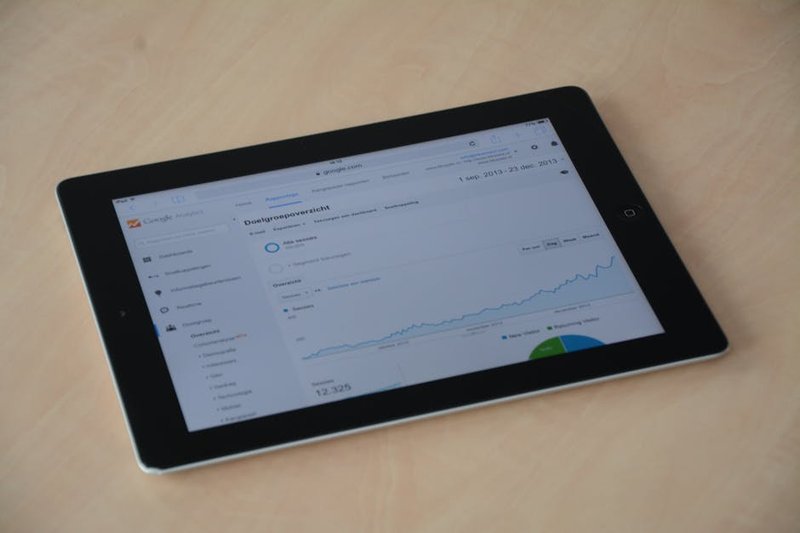
  • Panduan Penting SEO Lokal Indonesia 2026: 5 Langkah Optimasi SEO Bisnis Makanan

    Panduan Penting SEO Lokal Indonesia 2026: 5 Langkah Optimasi SEO Bisnis Makanan

    Mengapa SEO Lokal Penting untuk Bisnis Makanan Anda di 2026?

    Bayangkan Anda memiliki restoran terbaik di Jakarta, tapi calon pelanggan yang mencari “nasi goreng enak dekat sini” di Google tidak menemukan Anda. Itulah realitas yang dihadapi bisnis kuliner tanpa strategi SEO lokal yang matang.

    SEO lokal adalah strategi optimasi yang memastikan bisnis Anda muncul di hasil pencarian untuk kueri yang mengandung lokasi geografis spesifik. Untuk bisnis makanan, ini berarti menangkap pelanggan yang sedang lapar dan mencari solusi di sekitar mereka.

    Algoritma Berubah, Begitu Pula Cara Konsumen Mencari

    Perubahan besar datang dari dua arah: platform dan perilaku. Di sisi platform, algoritma Google semakin mengutamakan kualitas konten dan konteks lokal. Ini berarti sekadar memasukkan kata kunci “Jakarta” di halaman website tidak lagi cukup. Algoritma sekarang menganalisis search intent—apakah pengguna ingin memesan antar, reservasi, atau sekadar melihat menu? Konten Anda harus menjawab intent tersebut dengan presisi.

    Di 2026, muncul konsep baru: Generative Engine Optimization (GEO). Konsep ini melengkapi SEO tradisional untuk merespons mesin pencari berbasis AI seperti Google Gemini. Saat pengguna bertanya kepada Gemini, “Rekomendasi kedai kopi yang nyaman untuk kerja di Bandung,” AI akan menghasilkan jawaban dengan menyaring dan mensintesis data dari berbagai sumber. GEO adalah seni memastikan data bisnis Anda—jam buka, menu spesial, ulasan—tersusun rapi dan dapat diakses oleh AI ini, sehingga Anda masuk dalam rekomendasi yang dihasilkan.

    KPI Baru: Dari Peringkat ke Pengaruh

    Cara mengukur kesuksesan SEO juga berubah. Fokusnya bergeser dari peringkat kata kunci semata menuju metrik yang lebih berdampak bisnis. Menurut analisis Dipstrategy, KPI SEO di era AI 2026 berfokus pada visibility tepat, trust konsisten, dan brand yang diingat.

    KPI TradisionalKPI Era AI 2026 (Fokus Bisnis Kuliner)
    Peringkat #1 untuk kata kunciVisibility Tepat: Muncul di pencarian “makan malam romantis di Bali” atau “catering sehat kantor Sudirman”.
    Jumlah backlinkTrust Konsisten: Ulasan positif yang terus bertambah, foto-foto user-generated, dan respons cepat terhadap komentar di Google Business Profile.
    Traffic organikBrand yang Diingat: Pengguna menyimpan bisnis Anda di Google Maps, membagikannya di chat, atau kembali tanpa perlu mencari lagi.
    Pemilik kedai kopi di Yogyakarta menganalisis dashboard Google Business Profile yang menunjukkan peningkatan kunjungan dan interaksi lokal

    Google Business Profile: Pondasi yang Tidak Bisa Ditawar

    Dalam ekosistem ini,

    . Profil ini bukan sekadar direktori; ini menjadi kartu nama digital utama Anda. Untuk bisnis kuliner, setiap elemennya penting: foto menu yang high-resolution, jam buka yang akurat (termasuk hari libur), fitur pesan-antar terintegrasi, dan tentu saja, kolom ulasan.

    Studi kasus dari Tempo Institute menunjukkan bagaimana UMKM kuliner yang secara konsisten mengelola profil mereka—dengan merespons ulasan, memperbarui menu mingguan, dan menggunakan postingan untuk promosi event—mengalami peningkatan hingga 40% dalam permintaan arah dari Google Maps.

    Ilustrasi infografis yang membandingkan traffic website restoran sebelum dan setelah optimasi SEO lokal lengkap

    Lima alasan utama menurut IDN Times pada 2026 menguatkan hal ini: SEO wajib dipahami agar brand tidak kalah saing di tengah dominasi pencarian berbasis AI dan perubahan perilaku konsumen yang menginginkan jawaban instan dan kontekstual.

    Intinya, di 2026, SEO lokal untuk bisnis makanan Anda adalah tentang menjadi yang paling relevan dan dapat dipercaya di mata pelanggan yang tepat, pada momen yang tepat. Ini adalah investasi dalam visibilitas yang mengubah rasa penasaran menjadi kunjungan, dan kunjungan menjadi loyalitas.

    5 Langkah Praktis Optimasi SEO Lokal untuk Bisnis Makanan

    Memahami mengapa SEO lokal penting adalah langkah pertama yang baik. Sekarang, mari kita bicara tentang bagaimana melakukannya. Untuk bisnis makanan di Indonesia, ini bukan tentang teori kompleks, melainkan tindakan praktis yang langsung berdampak pada visibilitas Anda di Google Maps dan hasil pencarian “dekat saya”.

    Langkah pertama dan paling krusial adalah menguasai Google Business Profile (GBP). Ini bukan sekadar daftar alamat; ini adalah kartu nama digital Anda yang paling berpengaruh.

    . Anda perlu memastikan setiap detail akurat dan lengkap: nama bisnis, alamat, nomor telepon, jam operasi, dan kategori yang tepat—misalnya, “Restoran Indonesia” atau “Kedai Kopi”, bukan sekadar “Restoran”.

    Tapi jangan berhenti di data dasar. Optimasi foto, kata kunci lokal, dan kategori di Google Business Profile adalah kunci visibilitas bisnis makanan. Unggah foto berkualitas tinggi yang menunjukkan suasana tempat, hidangan andalan, dan proses pembuatan. Gunakan kata kunci lokal dalam deskripsi bisnis, seperti “nasi goreng spesial di Kemang” atau “catering sehat untuk acara kantor di Sudirman”. Inilah yang membuat profil Anda menarik dan relevan bagi algoritma Google dan calon pelanggan.

    Pemilik warung makan mengunggah foto menu andalan ke Google Business Profile di ponsel

    Untuk menyusun strategi secara terstruktur, Anda bisa mengikuti kerangka tiga langkah yang efektif: Get Discovered, Build Trust and Look Good, dan Stay Visible and Engage. Mari kita jabarkan untuk konteks bisnis kuliner.

    Get Discovered adalah tentang memastikan Anda muncul saat orang mencari. Selain optimasi GBP, buat konten website atau blog yang menjawab pencarian lokal. Sebuah kedai kopi lokal di Jakarta Selatan berhasil meningkatkan visibilitas dengan artikel blog dan update rutin di Google Maps. Untuk usaha catering, kedai kopi lokal di Jakarta Selatan berhasil meningkatkan visibilitas dengan artikel blog dan update rutin di Google Maps. Pikirkan: “menu catering kantoran minggu ini di Kuningan” atau “paket nasi box untuk rapat 50 orang di Bandung”.

    Build Trust and Look Good bergantung pada bukti sosial. Di sinilah ulasan dan foto pelanggan berperan. Dorong pelanggan untuk meninggalkan ulasan di Google Maps. Respon setiap ulasan, baik positif maupun negatif, dengan profesional. Seperti usaha laundry UMKM dan salon yang memanfaatkan ulasan pelanggan serta foto layanan untuk meningkatkan kepercayaan. Untuk restoran, foto dari pelanggan yang sedang menikmati makanan Anda jauh lebih persuasif daripada foto profesional saja.

    Stay Visible and Engage berarti menjaga momentum. Update GBP Anda secara berkala dengan postingan tentang menu baru, promo akhir pekan, atau acara khusus. Integrasikan dengan platform yang sudah akrab seperti WhatsApp Business. Tambahkan tombol “Pesan via WhatsApp” di profil GBP Anda, sehingga calon pelanggan bisa langsung bertanya atau memesan tanpa keluar dari Google.

    Untuk memudahkan, berikut tabel ringkasan 5 langkah inti beserta fokusnya:

    LangkahFokus UtamaContoh Aksi untuk Bisnis Makanan
    1. Optimasi GBPKelengkapan & AkurasiIsi semua field, pilih kategori spesifik (e.g., “Warung Bakso”), unggah foto interior & menu.
    2. Bangun dengan Konten LokalRelevansi PencarianBuat halaman website untuk “catering di [nama wilayah]”, tulis blog tentang “kuliner street food terdekat”.
    3. Kumpulkan & Kelola UlasanBukti Sosial & KepercayaanMinta ulasan di struk/kuitansi, respon semua ulasan di Google Maps dalam 24 jam.
    4. Update & Promo RutinKeterlibatan & Visibilitas BerkelanjutanPosting di GBP tentang “menu spesial hari ini”, “buy 1 get 1 weekend”, atau kelas memasak.
    5. Integrasikan Saluran KomunikasiKonversi yang MudahAktifkan tombol pesan WhatsApp di GBP, pastikan nomor di profil dapat di-klik untuk telepon.

    Pendekatan ini bersifat integrated—setiap langkah saling mendukung. Optimasi teknis (GBP) menarik perhatian, konten dan ulasan membangun trust, dan engagement melalui update serta WhatsApp mengubah pencarian menjadi pesanan. Pakar seperti Dipstrategy menekankan pentingnya mengukur KPI dari setiap tahap ini di era AI 2026.

    Intinya, SEO lokal untuk bisnis makanan di 2026 adalah tentang menjadi yang paling relevan dan terpercaya di mata calon pelanggan dan algoritma Google di wilayah Anda. Mulailah dengan GBP yang sempurna, lalu bangun cerita di sekitarnya dengan konten dan interaksi yang autentik. Hasilnya bukan hanya sekadar muncul di pencarian, tetapi menjadi pilihan yang paling logis untuk dipesan.

    Kesalahan Umum yang Harus Dihindari dalam SEO Lokal

    Setelah Anda memahami langkah-lktis optimasi, langkah selanjutnya adalah memastikan Anda tidak terjebak dalam kesalahan yang justru menghambat upaya tersebut. Banyak bisnis kuliner, dari warung kaki lima hingga kafe kekinian, melakukan kesalahan yang tampaknya sepele namun berdampak besar pada visibilitas lokal mereka di mesin pencari.

    Foto yang Mengabaikan “Search Intent” Pengguna

    Kesalahan paling umum adalah mengunggah foto yang hanya menarik secara estetika, tetapi tidak menjawab pertanyaan calon pelanggan. Anda mungkin memiliki foto latte art yang sempurna, tetapi jika pengguna mencari “tempat makan ramah anak di Bandung”, foto tersebut tidak relevan. Menurut Raymond Chin, optimasi foto di Google Business Profile harus mempertimbangkan apa yang dicari pengunjung potensial. Foto harus menjawab pertanyaan seperti: “Seberapa ramai tempat ini di jam makan siang?”, “Bagaimana tampilan porsi nasinya?”, atau “Apakah ada tempat parkir yang memadai?”

    Alih-alih hanya foto makanan close-up, sertakan foto suasana tempat duduk, area parkir, staf yang sedang melayani, dan papan menu yang jelas. Ini memberikan konteks lengkap yang dibutuhkan Google dan pengguna untuk menilai relevansi bisnis Anda terhadap kueri pencarian mereka.

    Memilih Kata Kunci yang Terlalu Kompetitif atau Tidak Spesifik

    Warung soto lamongan di Surabaya yang menargetkan kata kunci “tempat makan enak” sedang berkompetisi dengan semua restoran di kota tersebut. Ini adalah strategi yang kalah sebelum bertanding. Anda perlu berpikir seperti pelanggan setempat. Mereka mungkin mencari “soto lamongan dekat stasiun gubeng” atau “warung soto buka pagi daerah rungkut”.

    Analisis dari IDN Times pada 2026 menekankan bahwa algoritma Google semakin mengutamakan kualitas konten dan konteks lokal. Lima alasan utama mengapa SEO wajib dipahami di 2026, menurut publikasi tersebut, berpusat pada pergeseran ini. Kata kunci yang terlalu umum gagal menangkap intent spesifik tersebut, sehingga peringkat Anda akan kalah oleh pesaing yang lebih memahami kebutuhan hiper-lokal.

    Menghapus atau Membalas Emosional Review Negatif

    Respons terhadap ulasan negatif di Google Business Profile adalah cermin pelayanan bisnis Anda. Kesalahan fatal adalah menghapusnya (jika memungkinkan) atau membalas dengan defensif dan emosional. Tindakan ini justru akan memperpanjang visibilitas ulasan negatif tersebut dan merusak reputasi di mata calon pelanggan lainnya.

    Pendekatan yang integratif dan efisien adalah merespons dengan profesional, mengakui kekurangan, dan menawarkan solusi. Contohnya: “Terima kasih atas masukan Bapak/Ibu. Kami sangat menyesal mendengar pengalaman Anda mengenai waktu tunggu yang lama pada hari Sabtu. Tim kami sedang mengevaluasi penambahan staf di akhir pekan. Kami harap Anda bersedia memberikan kesempatan lagi dan dapat menghubungi kami di [nomor telepon] untuk reservasi prioritas di kunjungan berikutnya.” Respons seperti ini menunjukkan komitmen terhadap perbaikan kepada semua orang yang membacanya.

    Waktu Posting Konten yang Tidak Mempertimbangkan Perilaku Konsumen

    Memposting konten blog “menu sarapan sehat” pada pukul 21.00 malam, atau mengupdate Google Posts tentang promo akhir pekan pada hari Senin pagi, adalah contoh timing yang kurang optimal. Konten Anda mungkin tenggelam sebelum mencapai audiens yang tepat.

    Dashboard analytics menunjukkan waktu aktif pengunjung website kuliner lokal

    Anda perlu menganalisis data. Kapan biasanya traffic website atau interaksi media sosial bisnis kuliner sejenis Anda meningkat? Agency Creativism, misalnya, sering menganjurkan klien di sektor F&B untuk memposting konten promosi makan siang di pagi hari (10.00-11.00) dan konten tentang suasana makan malam atau dessert di sore hari (16.00-17.00). Integrasikan jadwal ini dengan update di Google Business Profile untuk konsistensi.

    Memisahkan Strategi Instagram dan SEO Lokal

    Banyak bisnis menganggap Instagram hanya untuk branding visual dan SEO untuk website. Ini adalah kesalahan. Keduanya harus terintegrasi. Instagram Anda adalah aset untuk mendukung sinyal lokal.

    Elemen InstagramCara Mengintegrasikan dengan SEO Lokal
    BioSertakan kata kunci lokasi (contoh: “Kedai Kopi Artisan di Kemang”) dan tautan ke halaman menu spesifik di website.
    Geotag/LokasiSelalu gunakan geotag lokasi fisik bisnis Anda. Ini memperkuat sinyal keberadaan lokal kepada algoritma Instagram dan Google.
    Caption & HashtagGunakan caption yang deskriptif dengan kata kunci natural (misal: “Martabak telur spesial kami di daerah Pasar Minggu…”) dan hashtag lokasi seperti #kulinerjakartaselatan.
    Stories HighlightsBuat highlight untuk “Menu”, “Lokasi”, dan “Testimoni” yang mudah diakses calon pelanggan.

    Dengan mengintegrasikan platform, Anda menciptakan ekosistem digital yang koheren. Konten Instagram yang di-tag lokasi dapat muncul di pencarian Google, dan konten website yang dioptimasi dapat dibagikan ke Instagram. Hindari menjalankan keduanya secara terpisah, karena Anda kehilangan peluang untuk memperkuat otoritas dan keberadaan lokal bisnis Anda dari berbagai sudut. Fokus pada koreksi kesalahan-kesalahan ini akan membuat setiap upaya optimasi yang Anda lakukan menjadi jauh lebih efektif dan terukur.

    Studi Kasus: Bisnis Lokal yang Berhasil Meningkatkan Pelanggan 3x Lipat

    Menghindari kesalahan memang penting, tetapi melihat langsung bagaimana bisnis lain berhasil adalah cara terbaik untuk mempelajari strategi yang benar-benar bekerja. Mari kita lihat beberapa contoh nyata dari Indonesia yang membuktikan bahwa SEO lokal bisa mendatangkan hasil konkret.

    Mie Gacoan: Strategi Terintegrasi untuk Brand Nasional

    Mie Gacoan, rantai mie pedas yang kini tersebar luas, membangun fondasinya dengan SEO lokal yang sangat kuat. Mereka tidak hanya mengandalkan iklan. Strategi mereka terintegrasi: setiap outlet memiliki listing Google Business Profile (GBP) yang lengkap dengan foto menu berkualitas tinggi, jam operasional akurat, dan promosi khusus cabang. Mereka secara aktif mengumpulkan dan menanggapi ulasan pelanggan, yang secara langsung meningkatkan peringkat di “local pack” untuk pencarian seperti “mie pedas terdekat”. Pendekatan ini efisien karena memanfaatkan struktur franchise untuk membangun otoritas lokal di setiap kota, sekaligus memperkuat brand secara nasional.

    Dari Kedai Kopi hingga Laundry: Kemenangan UMKM

    Kesuksesan tidak hanya untuk brand besar. Sebuah kedai kopi lokal di Jakarta Selatan membuktikan bahwa konsistensi adalah kunci. Mereka meningkatkan visibilitas pencarian berbasis lokasi dengan rutin mempublikasikan artikel blog tentang biji kopi lokal dan memperbarui informasi di Google Maps. Konten blog mereka menjawab pertanyaan spesifik seperti “kopi single origin terbaik di Pondok Indah”, menarik traffic organik yang sangat tertarget. Pembaruan rutin di Maps—seperti menu baru atau acara live music—membuat profil mereka tetap relevan dan “hidup” di mata algoritma Google.

    Sementara itu, sebuah usaha laundry UMKM mengambil pendekatan berbeda dengan fokus pada optimasi GBP dan reputasi. Mereka mengoptimalkan Google Business Profile dengan secara proaktif meminta ulasan pelanggan dan memasukkan kata kunci lokal pada deskripsi bisnis. Kata kunci seperti “laundry kilat Jakarta Timur” dan “laundry antar jemput Rawamangun” membantu mereka muncul tidak hanya di Google Maps, tetapi juga di “local pack” yang sangat kompetitif. Setiap ulasan positif berfungsi sebagai social proof yang kuat, mengurangi risiko calon pelanggan dan sekaligus memberi sinyal kualitas ke Google.

    Membangun Kepercayaan dengan Visual dan Spesifikasi

    Untuk bisnis jasa seperti salon, kepercayaan adalah segalanya. Sebuah salon UMKM memahami hal ini dan memanfaatkan review pelanggan serta foto hasil layanan yang diunggah ke Google Maps. Foto-foto asli sebelum-dan-sesudah dari potongan rambut atau perawatan wajah jauh lebih persuasif daripada foto stok. Koleksi visual ini menciptakan galeri portofolio yang langsung terlihat oleh calon pelanggan yang sedang mencari “salon terdekat”, sekaligus meningkatkan waktu interaksi pengguna dengan profil mereka—sebuah faktor ranking yang penting.

    Terakhir, lihat strategi usaha catering lokal. Alih-alih menargetkan kata kunci luas seperti “catering Jakarta”, mereka fokus pada kata kunci hiper-lokal yang dikombinasikan dengan konten dinamis seperti menu mingguan. Mereka membuat halaman untuk “catering rapat di Kuningan” atau “nasi kotak untuk 50 orang di Tebet”. Menu mingguan yang mereka unggah ke blog dan GBP tidak hanya menarik pelanggan yang mencari ide, tetapi juga membuat situs mereka terus mendapat pembaruan konten, yang disukai mesin pencari. Ini adalah strategi yang inovatif karena langsung menyasar intent pembelian pada momen pencarian yang spesifik.

    Pola Kesuksesan yang Bisa Anda Tiru

    Apa pola umum dari semua studi kasus ini? Tempo Institute merangkum setidaknya 15 contoh SEO sukses untuk UMKM di Indonesia pada 2025, dan pola-pola ini selalu muncul. Pertama, kelengkapan dan keakuratan informasi di Google Business Profile adalah harga mati. Kedua, konten yang menjawab pertanyaan spesifik komunitas lokal (lewat blog atau postingan GBP) menarik traffic yang berkualitas. Ketiga, ulasan dan foto asli dari pelanggan adalah mata uang baru untuk membangun kepercayaan dan otoritas lokal.

    Yang menarik, tidak satu pun dari bisnis ini yang menghabiskan anggaran besar untuk iklan berbayar di tahap awal. Mereka mengalokasikan sumber daya untuk membangun aset digital yang mereka kendalikan sepenuhnya—profil GBP, situs web, dan reputasi online. Hasilnya adalah peningkatan pelanggan yang berkelanjutan, karena mereka ditemukan tepat pada saat calon pelanggan paling membutuhkan jasa mereka. Ini membuktikan bahwa dalam ekosistem digital saat ini, visibilitas yang terintegrasi dengan peta pencarian lokal seringkali lebih efisien dan berdampak lebih langsung daripada sekadar menjadi populer di media sosial.

    Tentang Petric Manurung

    Petric Manurung adalah Founder & CEO Five Bucks Ventures, yang mengkhususkan diri dalam otomatisasi SEO, pemasaran digital, dan konsultasi bisnis kecil. Dengan pengalaman bekerja di perusahaan teknologi terkemuka seperti Apple, ia memiliki pemahaman mendalam tentang bagaimana teknologi dapat membantu bisnis mengembangkan kehadiran online mereka secara efektif.

    Sebagai profesional bersertifikat HubSpot dan Google Analytics, Petric memanfaatkan strategi berbasis data untuk mengoptimalkan upaya pemasaran klien. Di Five Bucks Ventures, ia berfokus pada pemberdayaan bisnis kecil agar dapat berkembang di pasar yang kompetitif melalui penerapan solusi pemasaran digital yang disesuaikan. Keahliannya memungkinkannya untuk menavigasi kompleksitas pemasaran online, menjadikannya sumber yang tepercaya bagi para pengusaha yang ingin meningkatkan visibilitas dan mendorong keterlibatan pelanggan.

    Sumber & Referensi

    Artikel ini menggabungkan informasi dan wawasan dari sumber-sumber terverifikasi berikut:

    [1] optimasi Google Business Profile adalah langkah paling penting agar bisnis lokal mudah ditemukan – YouTube – Raymond Chin (2025)

    [2] kedai kopi lokal di Jakarta Selatan berhasil meningkatkan visibilitas dengan artikel blog dan update rutin di Google Maps – Tempo Institute (2025)

    [3] melengkapi SEO tradisional untuk merespons mesin pencari berbasis AI seperti Google Gemini – Baranews Aceh (2026)

    [4] algoritma Google semakin mengutamakan kualitas konten dan konteks lokal – IDN Times (2026)

    [5] KPI SEO di era AI 2026 berfokus pada visibility tepat, trust konsisten, dan brand yang diingat – Dipstrategy (2026)

    [6] Bisnis di Bali Sulit Muncul di Google? Peran SEO Lokal yang Tepat – Marketbiz (2025)

    Semua sumber eksternal telah diakses dan diverifikasi pada saat publikasi. Konten ini disediakan untuk tujuan informasi dan merupakan rangkuman dari materi yang dirujuk.

  • Best Proven 2026 Local SEO Perth AI Guide

    Best Proven 2026 Local SEO Perth AI Guide

    Why is AI Changing Local SEO Perth in 2026

    If you run a business in Perth, you’re not just competing with the shop down the street anymore. You’re competing for visibility in a digital ecosystem that’s fundamentally changing. Local SEO in Perth optimizes your business to appear when potential customers in your area search for what you offer.

    At its core, local SEO is about connecting with high-intent customers at the moment they’re ready to buy. Think about the last time you searched for “plumber near me” or “best coffee Fremantle.” You weren’t just browsing; you had a specific need and were looking for a nearby solution. This is the engine of consistent lead generation. Unlike broad digital marketing that might drive temporary website traffic, a well-optimized local presence attracts people who are already in the decision phase, often ready to call or visit. For a Perth cafe, it’s the difference between someone reading a blog about coffee beans and someone searching for “breakfast open now Northbridge.”

    Google decides which businesses to show for these searches based on three pillars: relevance, distance, and prominence. consistent lead generation means how well your business listing matches what someone is searching for. Distance is straightforward—how close you are to the searcher’s location. Prominence is more nuanced; it’s a combination of your online reputation, the number and quality of reviews, and how often your business appears across the web. Getting this triad right has always been the goal. The foundation, as experts note, starts with a fully optimized Google Business Profile, ensuring every detail from your category to your service description is accurate and keyword-rich.

    Why AI Changes the Local Search Game in Perth

    This is where the shift happens. AI isn’t just another tool; it’s re-engineering the local search experience from the ground up. Search engines are moving from simply matching keywords to understanding user intent and context in real-time. For your Perth business, this means optimization must become more dynamic and integrated.

    First, consider Voice Search. When someone asks their smart speaker, “Where’s a good mechanic near Joondalup?” they’re using natural, conversational language. AI processes these queries, prioritizing businesses whose online information aligns with this spoken intent. Optimization now requires anticipating these long-tail, question-based phrases that reflect how people actually talk. As highlighted in local strategies, this involves Google Business Profile. A Perth electrician should optimize for “electrician who can fix downlights today” not just “electrician Perth.”

    Second, AI is supercharging Real-Time Signal Processing. Traditional SEO often worked with static data—your business hours, your address, your posted content. AI-driven systems, however, can process live signals. This could be current traffic conditions affecting how “nearby” you are for a delivery service, real-time inventory for a retail store, or even same-day customer sentiment from new reviews. Your prominence in search results can now fluctuate based on live data, making constant profile accuracy and active engagement non-negotiable.

    Building an AI-Ready Local SEO Foundation

    So, what does an efficient, AI-integrated local strategy look like for 2026? It starts with treating your Google Business Profile not as a static billboard, but as a dynamic channel. AI tools like Social AI can automate the creation and scheduling of geo-targeted posts for your GBP, keeping your profile fresh with offers, events, and updates that signal relevance to local algorithms. This consistent activity is a key signal for AI systems assessing your business’s vitality and engagement.

    Side-by-side comparison of a basic Google Business Profile vs. an AI-optimized profile with posts, Q&A, and products for local SEO Perth

    Your content must also evolve. Beyond service pages, create localized content that answers the specific questions your Perth customers are asking. A physio in Subiaco could create content around “recovering from a marathon at Kings Park,” embedding local landmarks and community events. This deep relevance feeds AI’s understanding of your business’s place in the local fabric. For building the online authority that feeds the “prominence” factor, a strategic approach to local citations and backlinks is essential. You can explore effective methods for this in our guide on securing high-value local backlinks.

    Finally, prepare for the integration of AI Maps and visual search. Platforms are increasingly blending map data, street-view imagery, and user-generated photos. Ensuring your business location is pin-point accurate and encouraging customers to upload photos of their experience (like a finished patio or a meal) provides rich, visual data that AI can use to validate and promote your listing.

    Traditional Local SEO FactorAI-Enhanced Evolution in 2026
    Keyword in business titleSemantic understanding of products/services & user intent
    Static business hoursReal-time integration with booking systems & live “open now” status
    Accumulated review countAI analysis of review sentiment & response rate for quality signals
    Basic Google PostsAutomated, geo-targeted content powered by tools like Social AI
    NAP (Name, Address, Phone) consistencyDynamic location data integrated with AI Maps for accuracy

    Local SEO Perth: 7 Essential Strategies for 2026 Success

    The shift to AI-powered search demands a more integrated, efficient approach. Here are seven essential strategies to build a local presence that both Google’s algorithms and your actual customers will find.

    1. Optimize Your Google Business Profile for 2026 Standards

    Your Google Business Profile (GBP) is your digital storefront. In 2026, optimization goes beyond filling in basic fields. For Perth businesses, especially in regulated sectors like healthcare, this means anticipating new requirements. You’ll need to ensure your service descriptions explicitly mention compliance with Australian standards, and your listed hours reflect any telehealth availability. The visual component is non-negotiable. Data from 2025 shows that businesses with high-quality photos on their GBP receive 42% more requests for directions and 35% more website clicks. This isn’t about stock imagery; it’s about authentic photos of your Perth team, your clinic in Subiaco, or your café in Leederville.

    Perth business owner taking high-quality photos of their storefront for Google Business Profile

    2. Build Authority Through Local Links & Citations

    Google views links from other local websites as votes of confidence. Building local backlinks and citations is essential for Perth businesses to improve authority and rankings. This strategy is about integrated community presence. Start with consistent citations on directories like Hotfrog and the Western Australia Chamber of Commerce site. Then, move to earned links. Sponsoring local events in Perth—think the Fremantle Street Arts Festival or a local footy club—often results in valuable backlinks from event or community pages. For a deeper dive into building this foundational authority, our guide on the best free backlink sites for Australian businesses breaks down the highest-ROI platforms.

    3. Create Hyper-Local, Suburb-Specific Landing Pages

    If you serve multiple areas—a plumbing franchise across Perth, a dental practice with several clinics—you cannot rely on one generic “service area” page. You must create location-specific landing pages for Perth suburbs with unique content, embedded maps, and localized keywords. A page for “Emergency Plumber Fremantle” should have content referencing local landmarks, council areas, and common issues (like older pipe systems in heritage homes). Each page should have its own tailored title tag, meta description, and a unique embedded Google Map for that suburb. Agencies like Digital Hitmen specialize in this multi-location SEO approach for Perth businesses.

    SEO dashboard showing ranking performance for different suburb-specific landing pages in Perth

    4. Adapt Your Content for Voice Search & Local Dialect

    With the rise of AI assistants, voice search is no longer a future trend—it’s a current reality. Optimization here means thinking conversationally. People don’t type “Perth Italian restaurant open now”; they ask their device, “Where’s a good Italian place near me that’s open for dinner?” You need to weave these natural phrases into your content. Furthermore, consider the Perth context. Optimize for queries like “vet NOR” (north of the river) or “builder SOR” (south of the river). Incorporate questions you actually hear from local customers into your FAQ sections.

    5. Leverage AI Tools for Efficiency & Real-Time Signals

    Manual local SEO is unsustainable at scale. The innovative approach uses AI to handle the grunt work and interpret real-time data. Tools like Birdeye or Social AI can automate posting to your GBP—announcing new stock, promoting a weekend special, or sharing a positive review. More advanced platforms use AI Maps to monitor local search signals, like a sudden spike in searches for “air conditioning repair” during a Perth heatwave, allowing you to instantly adapt your content or ad strategy. This efficient use of technology keeps you responsive in a dynamic market.

    6. Calculate Your Perth-Specific Local SEO ROI

    Investment requires measurement. Track metrics that matter:

    • Increase in “Get Directions” requests on your GBP (a direct intent signal).
    • Calls from local area codes (08 numbers).
    • Form submissions that reference specific Perth suburbs.
    • Foot traffic correlated with local search campaigns.

    Look at the tangible outcomes. For example, Perth SEO Studio achieved a 320% increase in high-quality leads for a WA surgeon through targeted local strategies. Your KPIs should be just as concrete.

    MetricWhat It Tells YouPerth-Specific Benchmark
    Local Map Pack RankingVisibility for core servicesTop 3 for 2-5 key suburbs
    Direction RequestsCustomer intent & proximity20%+ month-over-month growth
    Local Phone CallsLead quality & conversion potentialTrack via 08 area code
    Local BacklinksDomain authority in WALinks from .com.au sites, local news

    7. Manage & Respond to Local Reviews Proactively

    In 2026, reviews are a core ranking factor and a direct conversion tool. Respond to every review—thank the positive ones professionally and address negative feedback with a solution-oriented, public offer to take the conversation offline. This public engagement shows potential customers in Perth that you value feedback and are committed to service. Tools that integrate review management into your overall customer experience platform are key for an efficient workflow.

    Final Thoughts: Your Action Plan for Local SEO Perth Dominance

    Let’s synthesize these strategies into a coherent action plan. Your first move is always your Google Business Profile. Craft your business description with local keywords and a clear value proposition. Enable messaging and post regularly about local events, offers, or news. This foundation is non-negotiable.

    From there, your content strategy must become hyperlocal. You’re not writing for people in Subiaco, Fremantle, or Joondalup. Create service pages that answer questions specific to Perth suburbs. Write blog posts about local issues—perhaps how a new infrastructure project affects parking for your clients, or seasonal tips relevant to Perth’s climate. This granular focus signals to Google that you are the authoritative solution for your immediate community.

    The integration of AI tools is what separates modern local SEO from outdated tactics. Use AI to analyze search trends in Perth in real-time, identifying emerging questions before your competitors do. Employ it to generate localized content outlines or to optimize your meta descriptions for voice search patterns. The goal is efficiency—freeing up your time to focus on strategy and community engagement while AI handles the data crunching and initial drafting.

    Your 90-Day Local SEO Perth Action Plan

    Breaking down the journey makes it manageable. Here’s a phased approach to implement over the next quarter.

    Month 1: Foundation & Audit

    • Week 1-2: Conduct a full technical audit of your website. Check mobile-friendliness, page speed (crucial for user experience), and fix any crawl errors. Simultaneously, claim and fully optimize your Google Business Profile.
    • Week 3-4: Begin your keyword research with a hyperlocal lens. Identify 10-15 core “Perth + service” keywords and 30-50 long-tail phrases including suburb names and local landmarks. Start building your local citations on major Australian directories.

    Month 2: Content & Link Building

    • Week 5-6: Create your cornerstone service pages, each optimized for a primary Perth-focused keyword. Publish your first two locally-focused blog articles.
    • Week 7-8: Launch a targeted local link-building campaign. Sponsor a local community sports team in Perth, partner with a complementary non-competing business for a cross-promotion, or get featured in local online news. For broader Australian backlink opportunities, our guide on the best free backlink sites for Australian ROI in 2026 offers a strategic starting point.
    • Week 9-10: Systematically gather and respond to customer reviews. Encourage feedback on both Google and industry-specific platforms like ProductReview.com.au.

    Month 3: AI Integration & Refinement

    • Week 11-12: Integrate an AI SEO tool into your workflow. Use it to audit your existing content for local relevance, generate new topic ideas based on Perth search data, and monitor your local ranking movements against key competitors.
    • Ongoing: Analyze your GBP insights and website analytics. See which local queries are driving phone calls and which pages are engaging visitors. Double down on what’s working.
    PhasePrimary FocusKey Deliverables
    Month 1Technical FoundationFully optimized GBP, technical site audit completed, local keyword list defined.
    Month 2Content & Authority3-5 locally-optimized service pages, 4 blog posts, 5+ quality local backlinks acquired.
    Month 3AI Optimization & GrowthAI tool integrated, content refreshed based on data, local ranking tracker implemented.

    Embracing Continuous Adaptation

    The map of Perth’s digital landscape is constantly being redrawn. Google’s algorithms evolve, new AI search features like SGE roll out, and local search behaviors shift. Your commitment must be to continuous learning and adaptation. Subscribe to updates from search engines and reputable SEO news sources. Monitor forums and social media groups where your Perth customers congregate to hear their language and concerns firsthand.

    Consider also that strategies can be adapted across markets. While Perth has its unique nuances, the core principles of hyperlocal focus and AI integration apply elsewhere. For instance, you can explore how similar frameworks are applied in a different metropolitan context by reviewing advanced local SEO tactics tailored for Sydney in 2026. The underlying discipline of local search mastery is transferable.

    The Long-Term View: Sustainable Growth in Perth

    In conclusion, the long-term benefits for local SEO is clear: sustainable, organic growth that reduces reliance on expensive ad spend, builds genuine community trust, and creates a valuable business asset in your online presence.

    Start today with your Google Business Profile. Map out your first 90 days. Embrace the tools that make the process efficient. Remember, every local business in Perth that is not executing this plan represents an opportunity for you to get ahead. Your future customers are searching right now. Make sure they find you.

    About Petric Manurung

    Petric Manurung is a Founder & CEO of Five Bucks Ventures, specializing in SEO Automation, digital marketing, and small business consulting. Having worked in top tech companies like Apple, he has developed a keen understanding of how technology can help businesses grow their online presence effectively. a HubSpot and Google Analytics Certified Professional, Petric leverages data-driven strategies to optimize marketing efforts for clients. At Five Bucks Ventures, he focuses on empowering small businesses to thrive in competitive markets by implementing tailored digital marketing solutions. His expertise allows him to navigate the complexities of online marketing, making him a reliable resource for entrepreneurs seeking to enhance their visibility and drive engagement.

    Sources & References

    This article incorporates information and insights from the following verified sources:

    [1] Google Business Profile – Studio22 (2025)

    [2] consistent lead generation – Creative Warrior (2025)

    [3] achieved a 320% increase in high-quality leads for a WA surgeon – Digital Nomads HQ (2026)

    [4] create location-specific landing pages for Perth suburbs with unique content, embedded maps, and localized keywords – Birdeye (2025)

    [5] SEO Perth – Digital Hitmen – Digital Hitmen (2025)

    [6] YouTube: Keyword Research for SEO in 2026: Step-by-Step Tutorial – https://www.youtube.com/watch?v=VPDe8XL7Mh8

    [7] Internal: securing high-value local backlinks – https://www.fivebucks.ai/blogs/post/best-free-backlink-sites-australia-roi-2026/

    [8] Internal: advanced local SEO tactics tailored for Sydney in 2026 – https://www.fivebucks.ai/blogs/post/sydney-local-seo-2026-optimization-tactics/

    This is an AI assisted article. All external sources were accessed and verified at the time of publication. This content is provided for informational purposes and represents a synthesis of the referenced materials.

  • Panduan SEO Lokal Indonesia 2026: 5 Langkah Terbukti untuk UMKM

    Panduan SEO Lokal Indonesia 2026: 5 Langkah Terbukti untuk UMKM

    Mengapa SEO Lokal Penting untuk Bisnis Anda di 2026

    Bayangkan Anda memiliki toko kue di Bandung. Ketika seseorang di sekitar Anda mencari “toko kue terdekat” di Google, bisnis Anda muncul di tiga hasil teratas. Itulah kekuatan SEO lokal—strategi optimasi search engine yang fokus pada visibilitas bisnis di wilayah geografis tertentu menggunakan kata kunci lokal. Ini sudah menjadi kebutuhan dasar untuk bertahan di pasar digital 2026. Optimasi ini membantu UMKM muncul di pencarian Google, terutama untuk produk lokal.

    Mengapa ini penting? Karena perilaku konsumen telah berubah. Mereka tidak lagi mencari di buku telepon; mereka membuka Google Maps atau langsung mengetikkan “terdekat” di bilah pencarian. Jika bisnis Anda tidak muncul di sana, Anda secara efektif tidak terlihat. Platform seperti Google Business Profile adalah pintu gerbang pertama Anda. Platform ini memungkinkan UMKM muncul di hasil pencarian lokal seperti ‘toko kue terdekat’. Contoh nyatanya adalah sebuah toko kue rumahan yang, setelah melengkapi profilnya dengan foto, jam operasional, dan ulasan, mulai mendapatkan panggilan telepon dari pelanggan dalam radius 5 kilometer.

    Namun, profil Google hanyalah satu bagian dari puzzle. Fondasi digital yang sebenarnya adalah website bisnis Anda. Di tahun 2026, website bisnis UMKM harus responsif dan ramah SEO untuk memenangkan pasar digital. “Responsif” berarti situs Anda mudah dibaca dan dinavigasi di ponsel—perangkat yang digunakan mayoritas pencari lokal. “Ramah SEO” berarti situs Anda dibangun dengan struktur yang dapat dipahami dan dirayapi oleh search engine seperti Google.

    Memahami Struktur SEO yang Terintegrasi

    Agar upaya Anda efisien dan terarah, Anda perlu memahami tiga pilar utama SEO untuk UMKM di 2026: on-page, off-page, dan technical SEO.

    Pilar SEOFokus Utama untuk UMKMContoh Tindakan
    On-Page SEOOptimasi konten & elemen di dalam websiteMenulis judul halaman dengan kata kunci lokal (contoh: “Kue Basah Bandung Asli”), menambahkan deskripsi meta, menggunakan heading yang terstruktur.
    Off-Page SEOMembangun reputasi & otoritas dari luar websiteMendapatkan backlink dari direktori lokal, mendorong ulasan pelanggan di Google Maps, berpartisipasi dalam komunitas bisnis daerah.
    Technical SEOMemastikan website dapat diakses & dirayapi search engineMemastikan kecepatan loading cepat, situs aman (HTTPS), dan [mendaftarkan website ke Google agar robotnya dapat melakukan crawling dan mengindeks].

    Proses teknisnya mengalir melalui tiga langkah kunci: crawling (Google merayapi situs Anda), indexing (Google menyimpan halaman Anda di database), dan akhirnya ranking (posisi Anda di hasil pencarian). Jika salah satu langkah ini terhambat—misalnya, website lambat sehingga crawling sulit—visibilitas Anda akan langsung terdampak.

    Investasi di SEO lokal memberikan ROI tinggi karena menargetkan audiens yang sudah memiliki niat tinggi—mereka yang secara aktif mencari solusi di lokasi Anda. Ini berbeda dengan iklan media sosial yang mungkin menjangkau banyak orang tetapi belum tentu sedang ingin membeli. Kementerian Koperasi dan UKM pun terus mendorong digitalisasi UMKM, menyadari bahwa kehadiran digital yang teroptimasi adalah tulang punggung ketahanan usaha.

    Dashboard analitik sederhana menunjukkan traffic website dari pencarian SEO Lokal "kue terdekat Jakarta"

    Jadi, pertanyaannya bukan lagi apakah Anda perlu berinvestasi dalam SEO lokal, tetapi seberapa cepat Anda dapat membangun fondasi ini. Mulailah dengan mengklaim dan mengoptimasi Google Business Profile Anda hingga detail terkecil, lalu pastikan website Anda menjadi destinasi yang informatif dan mudah diakses. Pada 2026, bisnis yang terintegrasi dengan baik di ekosistem pencarian lokal akan menjadi bisnis yang paling mudah ditemukan—dan dikunjungi—oleh pelanggan tepat di sekitar mereka.

    5 Langkah Praktis Optimasi SEO Lokal untuk Pemula

    Memahami pentingnya SEO lokal adalah langkah pertama. Sekarang, mari kita eksekusi. Panduan ini dirancang untuk UMKM yang ingin mulai bertindak hari ini, dengan fokus pada tools gratis dan strategi yang hemat anggaran—bahkan bisa dimulai dengan Optimasi ini membantu UMKM muncul di pencarian Google, terutama untuk produk lokal. Berikut lima langkah praktis yang bisa Anda terapkan.

    1. Mulai dengan Audit Digital Sederhana

    Sebelum menjalankan strategi apa pun, lakukan pemeriksaan dasar. Audit digital sederhana ini melibatkan pengecekan media sosial, website, dan akun marketplace yang sudah Anda miliki. Tujuannya adalah untuk memastikan semua informasi konsisten dan akurat. Apakah nama bisnis, alamat, dan nomor telepon sama di Google, Instagram, dan Tokopedia? Ketidakkonsistenan ini bisa membingungkan pelanggan dan search engine. Sebuah audit digital direkomendasikan sebagai langkah awal sebelum eksekusi strategi lebih lanjut.

    2. Klaim & Optimasi Google Business Profile dan Maps

    Ini adalah langkah tercepat untuk meningkatkan visibilitas lokal Anda. Mendaftarkan bisnis di Google Business Profile (sebelumnya Google My Business) dan mengoptimasi Google Maps akan langsung membuat Anda muncul di pencarian “terdekat”. Seperti yang dijelaskan oleh channel NGOPI SEO, optimasi Google Maps adalah langkah tercepat untuk local business optimization (LBO) karena langsung direkomendasikan oleh Google sendiri.

    Pemilik warung kopi mengoptimasi profil bisnisnya di Google Maps di laptop

    Ambil contoh Optimasi Google Maps untuk Warung Kopi Lokal. Dengan mendaftarkan warung kopi, bisnis tersebut bisa muncul ketika calon pelanggan mencari “kopi terdekat” tanpa perlu mengeluarkan biaya iklan. Isi profil Anda secara lengkap: foto berkualitas, jam operasional, dan kategori bisnis yang spesifik.

    3. Bangun Konten dengan Kata Kunci Lokal Spesifik

    Setelah profil Anda aktif, saatnya menarik traffic organik. Kuncinya adalah menggunakan kata kunci yang sangat spesifik dan lokal. Alih-alih menarget “sepatu kulit”, targetlah “sepatu handmade Makassar” atau “tas kulit khas Bandung”. Strategi ini mencakup penggunaan kata kunci lokal untuk memaksimalkan website bisnis. Konten bisa berupa artikel blog singkat di website, postingan di media sosial, atau bahkan deskripsi produk di marketplace.

    Contoh nyatanya adalah UMKM Sepatu Handmade Makassar. Dengan fokus membuat konten edukatif seputar proses pembuatan sepatu tradisional Makassar dan menggunakan keyword lokal tersebut, mereka berhasil meningkatkan traffic organik dan menempati ranking yang lebih baik dengan kompetisi yang lebih rendah.

    4. Gunakan Platform Gratis untuk Efisiensi dan Integrasi

    Anda tidak perlu software mahal untuk memulai. Beberapa tools gratis ini sudah sangat powerful:

    Platform/ToolFungsi Utama untuk UMKM
    WhatsApp BusinessPlatform komunikasi utama, katalog produk, dan automation pesan. [Direkomendasikan sebagai platform awal digitalisasi bersama Google My Business].
    Google AnalyticsMenganalisis traffic website: dari mana pengunjung datang dan konten apa yang populer.
    Meta Business SuiteMengelola postingan dan inbox untuk Facebook & Instagram dari satu dashboard.
    CanvaMembuat desain grafis untuk konten marketing dengan cepat dan mudah.

    Integrasikan platform-platform ini. Misalnya, tautkan WhatsApp Business di profil Google Maps dan Instagram Anda. Contoh Integrasi WhatsApp Business dengan Marketplace menunjukkan bagaimana UMKM menggunakan WhatsApp sebagai pusat katalog dan komunikasi, sambil mengarahkan pelanggan dari Tokopedia atau Shopee untuk transaksi dan follow-up yang lebih personal. Kombinasi ini membangun database pelanggan yang kuat untuk retensi jangka panjang.

    5. Perkuat dengan Backlink dan Konsistensi

    Ranking di Google tidak hanya tentang kata kunci. Ranking tergantung pada traffic, pencarian, konten, dan keyword yang relevan. Untuk meningkatkan otoritas, Anda perlu backlink—tautan dari website lain ke website Anda. Mulailah dari backlink internal (tautkan antar halaman di website Anda sendiri) dan eksternal sederhana, seperti dari website komunitas atau bisnis terkait di area Anda.

    Yang tak kalah penting adalah konsistensi. Konsistensi posting dan interaksi di platform seperti TikTok, Instagram, dan WhatsApp Business menjadi kunci sukses. Manfaatkan juga AI tools seperti ChatGPT dan Canva untuk membantu menghasilkan ide konten dan desain dengan lebih efisien.

    Lima langkah ini membentuk siklus yang berkelanjutan: audit, klaim profil, buat konten, gunakan tools efisien, dan perkuat dengan link serta konsistensi. Target awal Anda sederhana: muncul di halaman pertama Google untuk kata kunci lokal spesifik Anda. Dengan eksekusi bertahap, visibilitas online bisnis lokal Anda akan tumbuh secara organik, membuka pintu bagi lebih banyak pelanggan yang benar-benar berada di sekitar Anda.

    Kesalahan Umum yang Harus Dihindari dalam SEO Lokal

    Memahami langkah-langkah praktis SEO lokal adalah awal yang baik, tetapi eksekusi yang sukses sering kali bergantung pada apa yang tidak Anda lakukan. Banyak UMKM, dalam semangat untuk segera terlihat di Google, terjebak dalam kesalahan yang justru menghambat atau bahkan merusak upaya mereka. Mari kita identifikasi jebakan umum ini agar Anda bisa menghindarinya.

    Kesalahan #1: Memilih Kata Kunci yang Terlalu Umum

    Anda mungkin tergoda menargetkan kata kunci seperti “restoran enak” atau “toko sepatu”. Masalahnya, kompetisi untuk kata-kunci ini sangat ketat dan audiensnya tidak spesifik. Siapa yang mencari “restoran enak”? Orang di Jakarta, Bandung, atau Bali? Pencari ini belum tentu berada di dekat lokasi Anda.

    Alih-alih, fokus pada kata kunci dengan intent lokasi yang jelas. “Warung soto ayam Lamongan di Depok” atau “service AC Panasonic daerah Tebet” jauh lebih berharga. Pencari ini memiliki niat yang kuat dan kemungkinan besar berada di wilayah jangkauan Anda. Strategi ini juga sejalan dengan rekomendasi untuk mencakup penggunaan kata kunci lokal untuk memaksimalkan website bisnis yang lebih mudah menang.

    Pemilik UMKM menganalisis daftar kata kunci "restoran Padang dekat Monas" vs "restoran Padang" di layar laptop

    Kesalahan #2: Mengabaikan Optimasi Mobile

    Data dari Google sendiri menunjukkan bahwa mayoritas pencarian lokal dilakukan via ponsel. Jika website Anda lambat dimuat di mobile, layout-nya berantakan, atau tombol “Hubungi Kami” sulit diklik, Anda telah kehilangan calon pelanggan di detik-detik pertama.

    Uji website Anda dengan Google’s Mobile-Friendly Test. Pastikan kecepatan loading optimal, desain responsif, dan elemen penting seperti nomor telepon dan peta mudah diakses. Ingat, pengalaman pengguna di ponsel adalah faktor ranking langsung dari Google.

    Kesalahan #3: Ketidakkonsistenan di Google Business Profile (GBP)

    Profil GBP yang tidak terupdate adalah sinyal merah bagi Google dan calon pelanggan. Jam operasional yang salah di hari libur, foto produk yang sudah tidak tersedia, atau tidak menanggapi ulasan—semua ini merusak kredibilitas.

    Buatlah jadwal rutin, misalnya setiap Senin pagi, untuk memeriksa dan memperbarui profil Anda. Konfirmasi jam buka khusus hari libur, unggah foto terbaru, dan balas setiap ulasan (baik positif maupun negatif) dengan profesional. Konsistensi ini memberi sinyal ke Google bahwa bisnis Anda aktif dan dapat dipercaya.

    Kesalahan #4: Terjerumus ke Praktik Black Hat

    Tekanan untuk cepat ranking bisa menggoda untuk menggunakan jalan pintas: membeli backlink berkualitas rendah, memasukkan kata kunci secara berlebihan (keyword stuffing), atau membuat ulasan palsu. Algoritma Google semakin canggih mendeteksi hal ini. Hukumannya bisa berupa penurunan ranking drastis atau bahkan penghapusan dari indeks pencarian.

    Fokuslah pada strategi berkelanjutan. Bangun otoritas dengan konten berkualitas dan konsisten, dapatkan backlink natural dari media lokal atau kolaborasi bisnis, dan dorong ulasan asli dari pelanggan sungguhan. Reputasi online dibangun perlahan, tetapi dihancurkan dalam sekejap.

    Kesalahan #5: Tidak Mengukur dan Menganalisis Hasil

    Ini adalah kesalahan paling fatal: berinvestasi waktu dan tenaga tanpa pernah mengevaluasi hasilnya. Bagaimana Anda tahu strategi mana yang bekerja? Mengabaikan data insight adalah kesalahan fatal dalam perjalanan digital bisnis Anda.

    Anda tidak perlu software mahal. Google menyediakan suite alat analitik gratis yang sangat powerful:

    Tool GratisFungsi Utama untuk UMKMMetrik Kunci yang Harus Dipantau
    Google Analytics 4Melacak perilaku pengunjung websiteSumber traffic (organic, direct, social), halaman paling populer, konversi (form submit, telepon klik)
    Google Search ConsoleMemantau performa di hasil pencarian GoogleKata kunci yang menampilkan website Anda, klik, impression, rata-rata posisi ranking
    Insights Google Business ProfileAnalisis interaksi di profil bisnisCara pelanggan menemukan Anda (search vs maps), jumlah panggilan, pesan, dan permintaan arah

    Dedikasikan waktu evaluasi hasil bulanan untuk menganalisis data ini. Apakah traffic dari pencarian “katering sehat di Pondok Indah” meningkat? Apakah foto produk baru di GBP mendapatkan lebih banyak views? Data ini akan memberi Anda petunjuk jelas untuk menyempurnakan strategi.

    Dashboard Google Analytics 4 dan Search Console yang menunjukkan traffic pencarian lokal untuk sebuah UMKM kuliner

    Intinya, SEO lokal yang efektif bagi UMKM adalah tentang presisi, konsistensi, dan kesabaran. Hindari jebakan ingin cepat terkenal dengan kata kunci umum atau trik instan. Sebaliknya, bangun fondasi yang kuat dengan informasi yang akurat, pengalaman mobile yang mulus, dan pengukuran yang teratur. Dengan begitu, visibilitas online Anda akan tumbuh secara organik dan berkelanjutan, mendatangkan pelanggan yang benar-benar relevan dengan lokasi dan layanan Anda.

    Studi Kasus: Bisnis Lokal yang Berhasil Meningkatkan Pelanggan 3x Lipat

    Memahami kesalahan umum dalam SEO lokal memang penting, tetapi melihat bagaimana teori itu diterjemahkan menjadi kemenangan nyata memberikan perspektif yang lebih jelas. Mari kita lihat bagaimana beberapa bisnis lokal Indonesia berhasil mengubah optimasi pencarian menjadi peningkatan pelanggan yang nyata.

    Dari Warung Kopi ke Peta Digital: Strategi Google Maps yang Berhasil

    Ambil contoh sebuah warung kopi lokal di Bandung yang berhasil meningkatkan pelanggannya tiga kali lipat dalam enam bulan. Kuncinya bukan pada iklan berbayar yang rumit, melainkan pada optimasi mendasar di Google Maps—platform yang menjadi jantung pencarian berbasis lokasi. Pemiliknya memulai dengan memastikan profil bisnisnya lengkap: foto menu yang jelas, jam operasional yang akurat, dan deskripsi yang menyebutkan spesialisasi seperti “kopi single origin dari Aceh Gayo”. Dia secara konsisten meminta pelanggan yang puas untuk meninggalkan ulasan, dan yang terpenting, selalu membalas setiap ulasan, baik positif maupun negatif, dengan respons yang personal.

    Hasilnya? Warung kopi itu naik peringkat untuk pencarian seperti “kedai kopi terdekat” dan “ngopi enak di Bandung”. Pelanggan baru mengaku menemukan tempat itu langsung dari Google Maps saat sedang mencari tempat nongkrong di area tersebut. Ini membuktikan bahwa untuk bisnis fisik, keberadaan yang kuat di peta digital seringkali lebih berdampak daripada peringkat tinggi di hasil pencarian organik biasa.

    Skala yang Lebih Luas: Pendampingan dari Kampus ke Desa

    Strategi serupa, namun dalam skala yang lebih terstruktur, diterapkan dalam program Mahasiswa KKN Undip membantu UMKM Desa Kemusu dengan digital marketing. Di sini, pendekatannya terintegrasi. Mahasiswa tidak hanya mengajarkan optimasi Google My Business, tetapi juga menghubungkannya dengan pembuatan konten untuk media sosial. Sebuah usaha kerajinan tangan diajari untuk memotret proses pembuatan produk, mengunggahnya ke Instagram dengan hashtag lokasi, dan kemudian menautkan bio Instagram ke profil Google Bisnisnya yang sudah dioptimalkan.

    Efeknya berantai. Konten di media sosial menarik minat, sementara profil Google yang terpercaya memudahkan calon pembeli menemukan lokasi dan nomor telepon. Program ini menunjukkan bahwa pelatihan yang memadukan beberapa saluran digital—bukan bekerja secara terpisah—menghasilkan efektivitas yang lebih besar bagi UMKM pemula.

    Membangun Cerita dengan Kata Kunci Lokal yang Spesifik

    Sementara itu, di Makassar, sebuah bisnis sepatu handmade menemukan ceruknya melalui kata kunci yang sangat spesifik. Alih-alih mengejar kata kunci kompetitif seperti “sepatu kulit pria”, mereka fokus pada “sepatu kulit khas Makassar” dan “sepatu handmade Sulawesi Selatan”. Strategi konten mereka pun dibangun di sekitar narasi ini. Mereka membuat artikel blog tentang proses penyamakan kulit tradisional dan keunikan motif lokal yang digunakan.

    Pendekatan ini selaras dengan temuan bahwa narasi otentik tentang bahan lokal membangun loyalitas konsumen. Dengan menguasai kata kunci lokal yang spesifik, mereka menarik audiens yang benar-benar tertarik dengan nilai dan cerita di balik produk, bukan hanya pembeli yang mencari harga termurah. Pencarian “terdekat” sering dimenangkan oleh bisnis yang tidak hanya secara geografis dekat, tetapi juga secara konsep “relevan” dengan identitas lokal.

    Beradaptasi dengan Perubahan Algoritma 2026

    Update algoritma Google pada 2026 semakin menegaskan tren ini. Algoritma menjadi lebih baik dalam memahami maksud pengguna dan konteks lokal. Bisnis yang profilnya tidak lengkap atau memiliki informasi yang saling bertentangan antara website dan Google Maps mulai terdepak. Sebaliknya, bisnis seperti warung kopi Bandung dan pengrajin sepatu Makassar tadi justru diuntungkan.

    Algoritma baru memberi nilai lebih tinggi pada konsistensi informasi, kecepatan respons terhadap ulasan, dan kedekatan kontekstual dengan kueri pencarian. Ini berarti strategi “isi sekali lalu lupakan” sudah tidak berlaku. Kesuksesan di era ini bergantung pada pengelolaan aktif aset digital lokal Anda sebagai bagian integral dari operasi harian, sama seperti melayani pelanggan yang datang langsung ke toko.

    Jika Anda menjalankan bisnis lokal, pertanyaannya bukan lagi apakah harus mengoptimalkan kehadiran di peta digital, tetapi seberapa cepat Anda dapat melakukannya dengan konsisten. Contoh-contoh nyata ini menunjukkan bahwa kemenangan itu diraih bukan dengan trik teknis yang rumit, melainkan dengan eksekusi disiplin pada fundamental yang tepat sasaran.

    Tentang Petric Manurung

    Petric Manurung adalah Founder & CEO Five Bucks Ventures, yang mengkhususkan diri dalam otomatisasi SEO, pemasaran digital, dan konsultasi bisnis kecil. Dengan pengalaman bekerja di perusahaan teknologi terkemuka seperti Apple, ia memiliki pemahaman mendalam tentang bagaimana teknologi dapat membantu bisnis mengembangkan kehadiran online mereka secara efektif.

    Sebagai profesional bersertifikat HubSpot dan Google Analytics, Petric memanfaatkan strategi berbasis data untuk mengoptimalkan upaya pemasaran klien. Di Five Bucks Ventures, ia berfokus pada pemberdayaan bisnis kecil agar dapat berkembang di pasar yang kompetitif melalui penerapan solusi pemasaran digital yang disesuaikan. Keahliannya memungkinkannya untuk menavigasi kompleksitas pemasaran online, menjadikannya sumber yang tepercaya bagi para pengusaha yang ingin meningkatkan visibilitas dan mendorong keterlibatan pelanggan.

    Sumber & Referensi

    Artikel ini menggabungkan informasi dan wawasan dari sumber-sumber terverifikasi berikut:

    [1] Optimasi ini membantu UMKM muncul di pencarian Google, terutama untuk produk lokal – Good News From Indonesia (2025)

    [2] Platform ini memungkinkan UMKM muncul di hasil pencarian lokal seperti ‘toko kue terdekat’ – Kasir Pintar (2025)

    [3] mencakup penggunaan kata kunci lokal untuk memaksimalkan website bisnis – Digisaurus (2025)

    [4] Direkomendasikan sebagai platform awal digitalisasi bersama Google My Business – FYB Detik (2025)

    [5] website bisnis UMKM harus responsif dan ramah SEO untuk memenangkan pasar digital – Marketing.co.id (2025)

    [6] Struktur ini mencakup fokus pada judul, kata kunci, dan meta description – YouTube – NGOPI SEO (2026)

    [7] YouTube: Google Ads Tutorial Indonesia 2025 untuk Pemula | Cara Pasang Google Ads | Free Template | Real Case – https://www.youtube.com/watch?v=_iswCWy1v8Q

    Semua sumber eksternal telah diakses dan diverifikasi pada saat publikasi. Konten ini disediakan untuk tujuan informasi dan merupakan rangkuman dari materi yang dirujuk.