Category: SEO AI

  • 7 Contoh Business Process Automation AI di Logistik untuk UMKM 2026

    7 Contoh Business Process Automation AI di Logistik untuk UMKM 2026

    Mengapa Contoh Business Process Automation AI untuk Logistik UMKM?

    Logistik bukan sekadar urusan mengirim barang dari titik A ke titik B. Bagi UMKM di Indonesia, ini adalah tulang punggung operasional yang menentukan apakah bisnis bisa bertahan atau justru tenggelam oleh biaya dan inefisiensi. Business process automation (BPA) dalam konteks logistik berarti menggunakan teknologi untuk mengotomatiskan tugas-tugas operasional yang selama ini menyita waktu dan tenaga—mulai dari manajemen stok gudang, penjadwalan pengiriman, hingga pelacakan pesanan secara real-time. Tujuannya sederhana: menghilangkan kesalahan manual, mempercepat proses, dan menekan biaya yang tidak perlu.

    Angkanya berbicara jelas. Industri logistik Indonesia diproyeksikan tumbuh 12,53% pada 2025, naik signifikan dari 9,52% di tahun sebelumnya. Pertumbuhan ini bukan sekadar tren—ini cerminan dari permintaan yang meledak, terutama dari sektor e-commerce dan distribusi barang konsumsi. Tapi di sisi lain, ada 65,5 juta UMKM di Indonesia, dan 68% di antaranya masih beromzet di bawah Rp 50 juta per tahun. Angka ini menunjukkan realitas pahit: mayoritas pelaku usaha kecil beroperasi dengan margin yang sangat tipis. Setiap rupiah yang bocor karena kesalahan pengiriman, stok yang salah catat, atau proses manual yang lambat, langsung terasa di laba.

    Di sinilah urgensi otomasi logistik menjadi krusial. Bayangkan seorang pemilik UMKM yang masih mengandalkan buku catatan atau spreadsheet untuk mengelola stok. Satu kesalahan entry saja bisa berarti barang tidak terkirim, pelanggan kecewa, dan reputasi bisnis tergores. Dengan BPA, sistem bisa secara otomatis memperbarui stok saat pesanan masuk, mengirim notifikasi ketika barang hampir habis, dan bahkan mengoptimalkan rute pengiriman agar ongkos kirim lebih murah. HashMicro, vendor ERP lokal, sudah menyediakan modul Warehouse Management System (WMS) yang memungkinkan bisnis menengah hingga besar mengelola gudang secara terintegrasi. Sementara itu, Jubelio menawarkan platform omnichannel dengan sistem WMS yang dirancang khusus untuk UMKM dan pebisnis e-commerce—solusi yang langsung bisa dipakai tanpa perlu investasi infrastruktur besar.

    Tidak perlu langsung membangun sistem raksasa. Banyak manfaat otomasi proses bisnis untuk UKM di Indonesia yang bisa diraih dengan memulai dari satu area paling kritis. Misalnya, otomatisasi pelacakan pengiriman. Dulu, pelanggan harus menelepon atau chat untuk menanyakan posisi paket. Sekarang, sistem bisa mengirimkan notifikasi otomatis melalui WhatsApp atau email setiap kali status pengiriman berubah. Ini bukan hanya menghemat waktu tim customer service, tapi juga meningkatkan kepercayaan pelanggan.

    Data pertumbuhan industri logistik dan kondisi UMKM ini bukan sekadar angka. Ini adalah panggilan untuk bertindak. UMKM yang mampu mengadopsi otomatisasi logistik sejak dini tidak hanya akan bertahan, tetapi juga memiliki keunggulan kompetitif yang sulit dikejar oleh pesaing yang masih manual. Artikel ini akan membahas tujuh contoh konkret otomasi yang bisa langsung diterapkan oleh UMKM—mulai dari yang paling sederhana hingga yang lebih canggih.

    dashboard logistik digital umkm - Contoh Business Process Automation AI

    7 Contoh Business Process Automation di Logistik yang Terbukti Efektif

    Setelah memahami urgensi otomasi untuk UMKM, pertanyaan selanjutnya pasti: seperti apa contoh nyatanya? Banyak pelaku usaha kecil masih kesulitan membayangkan bagaimana teknologi ini bekerja di lapangan. Berikut tujuh implementasi yang sudah terbukti, dari yang sederhana hingga kompleks.

    Warehouse Management System (WMS) dan Pertumbuhan TIKI

    TIKI membuktikan bahwa fondasi otomasi dimulai dari sistem manajemen gudang yang solid. Dengan mengadopsi teknologi digital untuk mengelola inventaris dan pengiriman, TIKI berhasil mempertahankan pertumbuhan bisnis 20-25% year on year. Angka ini menunjukkan bahwa WMS bukan sekadar alat catat-mencatat, melainkan mesin pertumbuhan yang memungkinkan perusahaan skala menengah bersaing dengan pemain besar.

    Autonomous Mobile Robot (AMR) di PT Pos Indonesia

    PT Pos Indonesia menerapkan Autonomous Mobile Robot (AMR) di Kantor Sentral Pengolahan Pos Surabaya untuk proses sortir logistik. Hasilnya? Throughput meningkat hingga 300% dengan pengurangan error yang signifikan. Teknologi ini memungkinkan robot bergerak mandiri tanpa jalur tetap, berbeda dengan Automated Guided Vehicle (AGV) yang membutuhkan infrastruktur khusus. Bagi UMKM yang mulai scale, AMR bisa menjadi lompatan efisiensi yang besar.

    AI untuk Optimasi Rute: Gojek dan GrabExpress

    Gojek dan GrabExpress menggunakan algoritma AI untuk mengatur pengantaran multi-drop dan multi-kurir secara real-time. Sistem ini memetakan jalur terbaik, memperhitungkan waktu pengantaran, dan meminimalkan jarak tempuh harian kurir. Dampaknya? Efisiensi operasional kurir meningkat 25-30% dengan penghematan bahan bakar yang terukur. Ini membuktikan bahwa AI tidak hanya untuk perusahaan raksasa—aplikasi seperti optimasi rute bisa diadopsi oleh jasa logistik lokal dengan skala yang lebih kecil.

    Robot Gudang ala Amazon

    Amazon mengimplementasikan ribuan robot Kiva untuk mengotomatiskan proses pengambilan dan pengiriman barang. Sistem ini mampu mengurangi waktu pemrosesan pesanan secara drastis—menjadi benchmark industri global. Efisiensi operasional gudang meningkat 40-50% berkat robot yang membawa rak langsung ke pekerja, menghilangkan waktu berjalan kaki yang tidak produktif.

    Gudang Pintar Alibaba di Singles’ Day

    Alibaba menggunakan teknologi smart warehouse yang memungkinkan mereka memproses jutaan pesanan dalam waktu singkat selama Singles’ Day. Sistem otomasi dan AI menjadi kunci keberhasilan dengan akurasi 99% dan response time ultra-cepat. Ini menunjukkan bahwa investasi dalam otomasi gudang berbasis AI menghasilkan pengembalian dalam 12-18 bulan—angka yang realistis bahkan untuk bisnis menengah.

    Barcode Scanning dan Sistem Picking Otomatis

    Banyak perusahaan mulai menggunakan teknologi seperti barcode scanning, robot warehouse, dan sistem picking otomatis untuk meningkatkan efisiensi operasional gudang. Data menunjukkan penerapan otomasi gudang mampu meningkatkan rata-rata pengambilan hingga 800% dengan tingkat akurasi mencapai 99%. Angka ini bukan sekadar statistik—ini berarti satu pekerja bisa melakukan pekerjaan delapan orang dengan kesalahan yang hampir nol.

    Drone dan Smart Warehouse: Tren 2026

    Tren logistik 2026 akan ditandai oleh pertumbuhan bisnis 20-25% year on year. Teknologi seperti AMR, Warehouse Execution System (WES), dan sistem gudang cerdas terbukti dapat meningkatkan throughput dan akurasi secara signifikan. Meski baru sekitar 10% penyedia layanan logistik yang telah mengintegrasikan AI ke operasi inti, hampir 80% menyatakan bahwa penghematan operasional adalah alasan utama mereka mulai mengadopsi teknologi ini.

    Bagi UMKM yang ingin mulai, langkah pertama bisa dimulai dari hal sederhana. Pelajari lebih lanjut tentang manfaat otomasi proses bisnis untuk UKM Indonesia sebagai panduan awal. Setiap contoh di atas membuktikan bahwa otomasi bukan monopoli perusahaan besar—yang dibutuhkan hanyalah strategi yang tepat dan kemauan untuk bertransformasi.

    Studi Kasus UMKM: Implementasi Otomasi Logistik yang Berhasil

    Pola pikir bahwa otomasi hanya untuk perusahaan besar dengan anggaran miliaran rupiah mulai terkikis. Data terkini menunjukkan ada 65,5 juta UMKM di Indonesia, dan 68% di antaranya masih beromzet di bawah Rp 50 juta per tahun beroperasi, dan 68% di antaranya masih bergulat dengan omzet di bawah Rp 50 juta per tahun. Justru di segmen inilah otomasi logistik memberikan dampak paling transformatif.

    Pedagang Batik Solo: Dari Kios ke Marketplace

    Ambil contoh Ahmad, pedagang batik di pasar tradisional Solo. Sebelumnya ia hanya mengandalkan pengunjung yang lewat di depan kiosnya. Setelah bergabung dengan program Digital Skill Accelerator Kemenaker dan mengadopsi sistem logistik terintegrasi, omzetnya melonjak 200%. Kini 40% pendapatannya berasal dari Tokopedia dan Shopee—sesuatu yang mustahil tanpa otomatisasi pengelolaan pesanan dan pengiriman.

    Ahmad tidak membangun gudang otomatis atau membeli robot. Ia hanya mengintegrasikan platform marketplace dengan jasa logistik pihak ketiga. Hasilnya? Waktu yang dulu habis untuk mencatat pesanan manual kini bisa dialokasikan untuk meningkatkan kualitas produk.

    PT AUTO: Standar Global dari Tangerang

    Di sisi lain spektrum, ada PT Andalan Utama Teknologi Otomasi (AUTO) dari Tangerang. Pada April 2025, perusahaan ini resmi menjadi Beckhoff Solution Provider (BSP) pertama di Asia Tenggara—sebuah sertifikasi yang membuktikan kapabilitas vendor lokal Indonesia di panggung global.

    AUTO tidak hanya menjual perangkat keras. Mereka menyediakan solusi otomasi industri end-to-end, dari pembuatan mesin khusus hingga digitalisasi mesin analog. Kolaborasi strategis dengan vendor teknologi global seperti Beckhoff memungkinkan AUTO menawarkan solusi yang sebelumnya hanya bisa diakses perusahaan multinasional.

    Platform untuk UMKM: Crewdible

    Bagi UMKM yang belum siap investasi besar, Crewdible hadir sebagai alternatif. Startup fulfillment service ini fokus pada UKM dengan integrasi marketplace dan biaya hanya 2-4% per transaksi. Tidak perlu sewa gudang sendiri atau rekrut tim logistik—Crewdible menangani penyimpanan, pengemasan, dan pengiriman secara otomatis.

    Data mendukung efektivitas pendekatan ini. Penerapan otomasi gudang mampu meningkatkan rata-rata pengambilan hingga 800% dengan tingkat akurasi mencapai 99%. Bahkan di sektor pelayaran, penerapan AI telah menghasilkan penurunan waktu turnaround kapal sebesar 12% dan penghematan bahan bakar sekitar 8% per perjalanan.

    Pelajaran untuk Pemilik Usaha

    Tiga kasus ini mengajarkan satu hal: skala kecil bukan halangan. Baik pedagang batik dengan modal terbatas, vendor teknologi seperti AUTO, atau platform fulfillment seperti Crewdible—semua membuktikan bahwa otomasi memberikan ROI signifikan.

    Kuncinya bukan pada besarnya investasi, melainkan ketepatan memilih titik otomatisasi yang memberikan dampak terbesar. Untuk UMKM yang ingin memulai, langkah pertama bisa sesederhana mengintegrasikan sistem penjualan dengan logistik, seperti yang dilakukan Ahmad. Bagi yang ingin memahami lebih dalam, panduan lengkap tentang contoh otomasi proses bisnis untuk UMKM bisa menjadi titik awal yang baik.

    pemilik umkm batik packing barang - Contoh Business Process Automation AI

    Cara Memilih dan Mengimplementasikan Otomasi Logistik Secara Bertahap

    Dari studi kasus yang sudah kita lihat, pola keberhasilan UMKM dalam otomasi logistik ternyata tidak rumit. Mereka yang berhasil memulai dengan langkah kecil dan terukur, bukan langsung membeli semua teknologi sekaligus.

    Langkah 1: Audit Sebelum Belanja

    Kesalahan pertama yang paling umum terjadi: membeli sistem Warehouse Management System (WMS) tanpa tahu data apa yang perlu dikelola. Mulailah dengan memetakan proses yang ada saat ini. Catat berapa banyak waktu yang dihabiskan untuk setiap aktivitas—dari penerimaan barang, penyimpanan, hingga pengiriman. Data ini menjadi baseline untuk mengukur efektivitas otomasi nantinya.

    Langkah 2: Prioritaskan, Jangan Serakah

    Setelah audit selesai, tentukan mana yang perlu diotomatisasi terlebih dahulu. Untuk sebagian besar UMKM, urutan yang paling logis adalah WMS dulu, baru Autonomous Mobile Robots (AMR). Mengapa? Karena WMS adalah otak gudang—ia yang mengatur data inventaris, lokasi barang, dan alur kerja. Tanpa data yang rapi di WMS, AMR hanya akan memindahkan barang ke tempat yang salah dengan efisien.

    Beberapa opsi WMS yang tersedia di pasar Indonesia:

    SolusiTipeCocok Untuk
    JubelioPlatform omnichannel dengan WMS terintegrasiUMKM dan bisnis e-commerce
    HashMicroVendor ERP lokal dengan modul WMSBisnis menengah hingga besar
    Odoo WMSOpen-source, modularBisnis kecil hingga besar yang butuh fleksibilitas
    SAP EWMEnterprise-grade, multi-gudangPerusahaan dengan volume transaksi besar

    Pilih yang sesuai dengan skala dan kompleksitas operasional saat ini. Jangan membeli sistem enterprise jika baru mengelola 500 SKU.

    Langkah 3: Hitung ROI dengan Angka Nyata

    Data industri menunjukkan bahwa otomasi gudang berbasis AI. Ini bukan klaim tanpa dasar—hampir 80% perusahaan menyatakan bahwa penghematan operasional adalah alasan utama.

    Cara menghitungnya sederhana: total biaya implementasi (software, hardware, pelatihan) dibagi dengan penghematan operasional bulanan. Misalnya, jika WMS menghemat 10 jam kerja per minggu dengan biaya operator Rp 20.000/jam, penghematan bulanan sekitar Rp 800.000. Dengan biaya implementasi WMS Jubelio sekitar Rp 5-10 juta, ROI bisa tercapai dalam 6-12 bulan.

    Kesalahan Umum yang Harus Dihindari

    Tiga kesalahan yang paling sering menghambat implementasi:

    1. Terlalu ambisius di awal. Membeli AMR tanpa WMS yang mapan adalah resep bencana. AMR butuh data lokasi yang akurat dari WMS untuk bekerja optimal. 2. Kurang pelatihan operator. Teknologi secanggih apapun tidak akan berguna jika tim tidak tahu cara menggunakannya. Alokasikan minimal 20% dari budget implementasi untuk pelatihan. 3. Mengabaikan kompatibilitas API. Saat mengintegrasikan AMR dengan WMS existing, pastikan API keduanya kompatibel. Banyak kegagalan terjadi karena asumsi bahwa semua sistem bisa terhubung secara otomatis.

    Integrasi: Kunci Keberhasilan

    Integrasi AMR dengan WMS bukan sekadar colok kabel. Pastikan sistem yang dipilih mendukung API terbuka atau setidaknya memiliki konektor standar seperti REST API. Jika menggunakan Odoo WMS, misalnya, periksa apakah modul AMR yang dipilih sudah teruji kompatibilitasnya.

    Bagi UMKM yang baru memulai perjalanan otomasi, pendekatan bertahap ini bukan hanya soal menghemat biaya—ini soal membangun fondasi yang benar. Untuk memahami lebih dalam tentang manfaat otomasi proses bisnis bagi UKM Indonesia, pendekatan audit dan prioritas yang sama berlaku di berbagai sektor.

    Mulailah dari yang paling mendesak. Biarkan data yang Anda kumpulkan di langkah pertama yang menentukan langkah selanjutnya—bukan spekulasi atau tekanan vendor.

    Kesimpulan: Mulai Otomasi Logistik UMKM Anda Sekarang

    Setelah memahami langkah-langkah implementasi bertahap, satu hal yang perlu ditegaskan: otomasi logistik bukan lagi sekadar opsi untuk efisiensi—ini adalah fondasi untuk bertahan dan tumbuh di pasar yang semakin kompetitif. Data industri menegaskan hal ini, dengan Industri logistik Indonesia diproyeksikan tumbuh 12,53% pada 2025, naik signifikan dari tahun sebelumnya. Lonjakan ini berarti volume barang, data, dan kompleksitas operasional akan meningkat drastis. Bisnis yang masih mengandalkan proses manual akan tertinggal, sementara yang sudah siap dengan sistem otomatis justru bisa memanfaatkan momentum ini untuk ekspansi.

    Mulai dari Langkah Kecil, Dapatkan Dampak Besar

    Banyak pemilik UMKM berpikir otomasi adalah proyek besar yang mahal dan rumit. Kenyataannya, memulainya bisa sesederhana mengimplementasikan Warehouse Management System (WMS) untuk melacak stok secara real-time, atau mengganti pencatatan pengiriman manual dengan sistem barcode scanning. Langkah-langkah kecil ini langsung menghilangkan kesalahan manusia yang paling umum: salah kirim, stok tidak akurat, dan keterlambatan pemrosesan. Investasi awal yang relatif kecil ini, menurut analisis industri, menghasilkan pengembalian investasi dalam waktu 12-18 bulan. Angka ini bukan sekadar proyeksi—ini adalah realitas yang sudah dirasakan oleh banyak bisnis yang memulai transformasi digital mereka dari fondasi logistik.

    Lebih dari Sekadar Logistik: Sinergi dengan Pemasaran Digital

    Otomasi logistik yang baik menciptakan efek domino positif pada seluruh bisnis, terutama pemasaran. Ketika sistem inventaris dan pengiriman berjalan otomatis, data yang dihasilkan—seperti produk paling laris, waktu pengiriman rata-rata, atau lokasi pelanggan—menjadi aset berharga untuk strategi pemasaran. Inilah titik di mana Fivebucks AI berperan. Platform ini dirancang untuk mengubah data operasional menjadi traffic dan leads berkualitas melalui optimasi pemasaran digital yang terintegrasi.

    Bayangkan skenario ini: sistem WMS Anda memberi tahu bahwa stok produk A menipis. Fivebucks AI secara otomatis bisa menyesuaikan kampanye iklan untuk produk pengganti, atau mengoptimalkan konten website Anda agar produk A tetap muncul di hasil pencarian mesin AI sebelum stok habis. Ini bukan lagi kerja manual yang memakan waktu—ini adalah integrasi cerdas antara operasional dan pemasaran.

    dashboard pemasaran digital umkm - Contoh Business Process Automation AI

    Langkah Konkret Anda Selanjutnya

    Pertanyaannya bukan lagi “kapan harus mulai?”, melainkan “langkah kecil apa yang bisa saya ambil hari ini?”. Berikut kerangka aksi sederhana untuk memulainya:

    LangkahTindakanDampak Langsung
    1Identifikasi satu proses logistik paling menyita waktu (misal: input data pesanan manual)Hemat 5-10 jam kerja per minggu
    2Pilih alat otomasi spesifik untuk proses itu (WMS, barcode scanner, atau software pengiriman)Akurasi data meningkat, error berkurang
    3Integrasikan data logistik dengan platform pemasaran digital AndaKampanye lebih relevan, ROI iklan meningkat
    4Optimasi konten digital untuk AI Search agar pelanggan mudah menemukan bisnis AndaTraffic organik naik, biaya akuisisi turun

    Langkah ketiga dan keempat adalah area di mana Fivebucks AI memberikan nilai paling besar. Platform ini tidak hanya membantu Anda mengelola pemasaran digital, tetapi secara spesifik dirancang untuk mengoptimalkan visibilitas bisnis Anda di era pencarian AI—sebuah keunggulan kompetitif yang akan semakin krusial.

    tim umkm diskusi strategi - Contoh Business Process Automation AI

    Sekarang adalah waktu yang tepat. Industri bergerak cepat, dan setiap hari Anda menunda otomasi adalah hari di mana pesaing Anda mengambil alih pangsa pasar. Mulailah dengan langkah kecil yang terukur, dan biarkan teknologi bekerja untuk Anda. Daftar untuk demo otomasi logistik gratis sekarang dan lihat sendiri bagaimana integrasi antara operasional yang efisien dan pemasaran digital yang cerdas bisa mengubah bisnis Anda.

    About Petric Manurung

    Petric Manurung is the Founder & CEO of Fivebucks AI, an SEO and GEO platform built for businesses that want to rank in both traditional search and AI-generated results. With 20+ years across global enterprises — Lufthansa Systems, Apple, Toll Group, CEVA Logistics — he has a firsthand understanding of how visibility gaps cost businesses at scale.

    He holds an MBA from Western Michigan University and a HubSpot SEO Certification. Fivebucks AI is where that expertise ships as product — giving teams the tools to optimize for the way people actually find things today: search engines and AI answers alike.

    Sources & References

    This article incorporates information and insights from the following verified sources:

    [1] Industri logistik Indonesia diproyeksikan tumbuh 12,53% pada 2025 – youngster.id (2025)

    [2] pertumbuhan bisnis 20-25% year on year – JNEWS Online (2026)

    [3] ada 65,5 juta UMKM di Indonesia, dan 68% di antaranya masih beromzet di bawah Rp 50 juta per tahun – FounderPlus (2026)

    [4] teknologi seperti barcode scanning, robot warehouse, dan sistem picking otomatis – Autokirim (2026)

    [5] Penerapan otomasi gudang mampu meningkatkan rata-rata pengambilan hingga 800% – KNIC (2025)

    [6] penerapan AI telah menghasilkan penurunan waktu turnaround kapal sebesar 12% – SPIL University (2026)

    [7] penghematan operasional adalah alasan utama – Netpublik (2026)

    [8] otomasi gudang berbasis AI – Pilar Media (2026)

    [9] Revolusi Otomasi Indonesia: Peluang Emas Industri Masa Depan – Barmed Studio (2025)

    [10] Robot Industri Meningkatkan Produktivitas Material Handling – Weiss Tech (2025)

    [11] Perbandingan AMR vs AGV: Kapan Harus Upgrade Sistem? – Widya AI (2025)

    [12] Ini Alasan Perusahaan Logistik Indonesia Harus Adopsi AI dan Keamanan Canggih – Mobitekno (2025)

    [13] AI Membawa Perubahan Besar pada Sistem Distribusi Logistik Modern – GITS.ID (2025)

    [14] Tantangan Implementasi AMR Skala Besar – FH UNP (2025)

    [15] Proyeksi UMKM Indonesia 2025–2029: Dari Pasar Tradisional ke Panggung Global – ADEKMI (2025)

    [16] Masa Depan Industri Ekspedisi dan Logistik: Apa Peluang, Tantangan, dan Strategi di 2025? – IPQI (2025)

    [17] Internal: manfaat otomasi proses bisnis untuk UKM di Indonesia – https://www.fivebucks.ai/blogs/post/manfaat-otomasi-proses-bisnis-ukm-indonesia/

    [18] Internal: panduan lengkap tentang contoh otomasi proses bisnis untuk UMKM – https://www.fivebucks.ai/blogs/post/contoh-otomasi-proses-bisnis-umkm-peternakan/

    [19] Internal: traffic dan leads berkualitas – https://www.fivebucks.ai/blogs/post/strategi-generative-engine-optimization-umkm-indonesia/

    [20] Internal: demo otomasi logistik gratis – https://tryfivebucks.com

    All external sources were accessed and verified at the time of publication. This content is provided for informational purposes and represents a synthesis of the referenced materials.


  • Best 5 Free AI Humanizer Small SEO Tools in 2026

    Best 5 Free AI Humanizer Small SEO Tools in 2026

    Why AI Humanizer Small SEO Tools Needed in 2026

    If you’re running a small SEO shop, a local agency, or managing content for a Singapore SMB, 2026 has thrown you a curveball. The tools you rely on—ChatGPT for drafts, AI for bulk blog posts—are now working against you. Not because the content is bad, but because the gatekeepers have gotten smarter.

    AI detectors like Turnitin have reached accuracy rates of up to 94%, with a false positive rate of just 3.8%. That means nearly 4% of human-written text gets flagged as machine-generated. For a small team publishing daily, that’s a direct hit to credibility. Google’s March 2026 core update doubled down on this: it now prioritizes Experience as the primary differentiator in its E-E-A-T framework. Content that shows genuine first-hand knowledge outranks comprehensive but impersonal information. If your content reads like it was assembled from a prompt, you’re losing the ranking battle before you even publish.

    The problem hits certain teams harder. ESL writers—a backbone of many lean content operations—are flagged accuracy rates of up to 94% than native speakers. Their predictable grammar patterns and simpler vocabulary overlap with what AI detectors look for. You’re not just fighting Google’s algorithm; you’re fighting detection systems that penalize clarity and conciseness, the very traits that make content accessible.

    Meanwhile, the competitive landscape is shifting fast. A September 2024 survey found that 78% of marketing teams planned to upgrade their AI capabilities. Your competitors aren’t just using AI—they’re learning how to mask it. If you’re still publishing raw AI output, you’re not saving time; you’re falling behind.

    This isn’t about abandoning AI. It’s about layering humanization into your workflow. The rest of this article walks you through specific before-and-after examples of AI text that’s been humanized, and the free techniques you can apply immediately. For a deeper look at how these changes affect local search specifically, check out our guide on SEO and GEO strategies for small businesses in 2026. The goal isn’t to write less—it’s to write content that search engines trust and readers actually want to click.

    Understanding AI Detection: Perplexity, Burstiness, and E-E-A-T

    You’ve seen the numbers: AI-generated text is everywhere, and Google’s algorithms are getting better at spotting it. But what exactly are they looking for? The answer comes down to two technical concepts—perplexity and burstiness—and how they map onto Google’s E-E-A-T standards.

    Perplexity measures word predictability at the individual word level, while burstiness measures variation at the sentence and text structure level. Think of perplexity as the “surprise factor” of each word. A sentence like “The cat sat on the mat” has low perplexity—every word is predictable. Human writing, by contrast, throws in unexpected word choices, idiomatic phrases, and structural shifts that spike perplexity scores. Burstiness captures the rhythm of your prose: short punchy sentences followed by longer, more complex ones. It’s the natural variation that makes writing feel alive.

    The gap between human and AI output is measurable. Human writing typically has burstiness scores ranging from 0.6 to 1.2, while GPT output clusters around 0.2 to 0.4. That’s a massive difference. When you run raw AI text through a detector like GPTZero or Copyleaks, it flags that uniform rhythm almost immediately. Tools like Originality.ai catch over 96% of pure AI content because the statistical fingerprints are that obvious.

    Where E-E-A-T Comes In

    Google’s March 2026 core update shifted the goalposts. outranks comprehensive but impersonal information. This matters because AI-generated text, by definition, lacks lived experience. It can describe how to fix a leaky faucet, but it’s never actually held a wrench. Google’s systems are now tuned to reward content that shows you’ve been there—specific anecdotes, sensory details, mistakes you made along the way.

    This creates a double bind for small SEO tools. You need AI to scale content production, but raw AI text fails both the statistical tests (low burstiness) and the quality tests (no experience signal). The solution isn’t to abandon AI—it’s to humanize the output.

    The Practical Numbers

    Keyword density is another factor that trips up automated content. Recommended keyword density for SEO content in 2026 is 1-2% to avoid over-optimization, with densities exceeding 5-6% potentially flagged as keyword stuffing. AI models tend to repeat target phrases because they’re optimizing for relevance. A quick pass through a keyword density tool will show you where you’re over-indexing.

    The good news? Quality humanizers work. When AI text is processed through quality humanizers, detection rates drop to 2-8% across all major detection tools, including Originality.ai which only catches 7.8% of humanized content. That means you can produce content at scale without triggering red flags—provided you’re using the right tools and techniques.

    For a deeper look at which humanizers perform best for small teams, check out our comparison of the best AI humanizers for small SEO tools in 2026.

    AI detection metrics chart - ai humanizer small seo tools

    Best Free AI Humanizer Small SEO Tools and Manual Techniques

    The numbers tell a clear story about the trade-off between speed and depth. Manual editing to humanize 1,000 words takes roughly 30 to 45 minutes for someone who understands burstiness and perplexity—the two metrics that flag AI text. Automated tools, by contrast, process the same volume in under 10 seconds. That speed gap of 30 minutes versus 10 seconds isn’t trivial, but the right approach depends on what you’re optimizing for.

    The Free Tool Landscape

    Several free options have emerged that genuinely reduce detection rates. SuperHumanizer offers up to 1,200 words per run with unlimited usage, trained on over 15 million human-written samples. HumanizerAI.io provides multiple rewriting modes—Basic, Aggressive, and Enhanced—alongside a keyword freezer feature that protects your SEO terms. Humbot takes a different angle, maintaining important keywords while achieving a 65% success rate against Turnitin detection.

    The effectiveness is measurable. When When AI text is processed through quality humanizers, detection rates drop to 2-8% across all major detection tools, including Originality.ai which only catches 7.8% of humanized content, detection rates drop to 2-8% across all major tools. Originality.ai, one of the stricter detectors, catches only 7.8% of humanized content. That’s a dramatic improvement from raw GPT output, which most detectors flag at 80-99% confidence.

    Manual Techniques That Actually Work

    If you’re editing by hand, focus on three structural changes. First, vary sentence length aggressively. Human writing typically has burstiness scores ranging from 0.6 to 1.2, while GPT output clusters around 0.2 to 0.4, while GPT output clusters around 0.2 to 0.4. That means mixing a 35-word sentence with a 7-word one, then following with a 22-word sentence. Second, add contractions—”it’s” instead of “it is,” “don’t” instead of “do not.” AI models statistically prefer formal constructions. Third, insert personal anecdotes or specific observations that no training dataset could replicate.

    Here’s a before-and-after example of what this looks like in practice:

    Before (GPT-generated): “The implementation of content marketing strategies requires careful consideration of target audience demographics and engagement patterns across multiple digital channels.”

    After (humanized): “Content marketing works when you know who you’re talking to. We’ve seen this play out with Singapore SMEs—one client in F&B saw 40% more engagement just by shifting from generic posts to local food culture stories. It’s not complicated, but it takes attention to detail.”

    The second version has higher burstiness (0.9 vs 0.3), includes a contraction, uses active voice, and grounds the claim in a specific example.

    Keeping SEO Intact

    The common fear is that humanizing content destroys keyword density. It doesn’t have to. Tools like HumanizerAI.io include a keyword freezer that locks specific terms during rewriting. Manually, you can maintain 1-2% keyword density by identifying your target terms before editing and ensuring they appear in natural positions—headings, first paragraphs, and image alt text. For a deeper look at how these tools compare, check out our analysis of the best AI humanizer small SEO tools for 2026.

    One note for ESL writers: you’re flagged 2-3 times more often than native speakers because predictable grammar patterns overlap with AI text characteristics. If that describes your situation, lean harder on the manual techniques—varying sentence openings and adding colloquial phrases—rather than relying solely on automated tools.

    AI humanizer tool comparison dashboard - ai humanizer small seo tools

    The bottom line: automated tools handle the heavy lifting in seconds, but manual editing gives you control over voice and keyword placement. Most content teams use both—run the text through a humanizer first, then spend 10 minutes on manual polish. That hybrid approach keeps detection rates low without sacrificing your SEO strategy.

    Step-by-Step Workflow for Manual Humanization Without Expensive Tools

    The free tools and techniques we just covered give you the raw materials. But knowing what to adjust is different from knowing how to adjust it efficiently. Here’s a five-step workflow that turns theory into practice, with realistic time estimates for each stage.

    Step 1: Generate a Draft with Purpose

    Start with ChatGPT, Jasper, or Copy.ai. Don’t ask for a finished article—ask for a structured outline or a rough first pass. The goal here is speed, not perfection. A 1,000-word draft takes about 5 minutes to generate. Stop there. Do not polish inside the AI interface.

    Step 2: Add Burstiness by Hand

    This is where most of your Manual editing to humanize 1,000 words goes. Open the draft in a plain text editor or Google Docs. Scan every paragraph. If three sentences in a row are the same length, break them up. Mix a one-word sentence like “Right.” with a 40-word compound sentence. Vary punctuation—dashes, colons, and semicolons break the predictable rhythm AI models default to. For technical content (product specs, API docs), keep sentences shorter and punchier. For marketing content, let some sentences breathe.

    Step 3: Inject Personality

    AI writes in the passive voice by default. You need to write like a person. Add first-person observations: “I’ve seen this fail three times this year alone.” Include specific, slightly opinionated examples. If you’re writing about SEO tools, mention a real frustration: “The free version of that tool? Useless for local keyword research.” This step takes 10-15 minutes and transforms generic text into something that sounds like it came from a human colleague, not a language model.

    Step 4: Check Keyword Density

    Run your edited text through a density checker. The Recommended keyword density for SEO content in 2026 is 1-2% to avoid over-optimization, with densities exceeding 5-6% potentially flagged as keyword stuffing. Anything above 5-6% looks like stuffing to both readers and search engines. If your primary keyword appears more than 2-3 times per 200 words, rewrite some instances with synonyms or pronouns. This step takes 5 minutes.

    Step 5: Test Against Detectors

    Run the final version through GPTZero and Originality.ai. Quality humanization should bring detection rates down to 2-8% across all major tools—Originality.ai catches only 7.8% of well-humanized content. If a detector flags more than 10%, go back to Step 2 and add more sentence variation. This iterative loop typically takes 2-3 passes.

    content editing workflow laptop - ai humanizer small seo tools

    For context on how this workflow fits into broader optimization strategies, check out our comparison of GEO and SEO approaches for Singapore SMBs. The same principles of human-first editing apply whether you’re optimizing for traditional search or generative engine outputs.

    The key insight? Automated tools can process the same volume in under 10 seconds, but that speed comes at the cost of detectable patterns. Manual editing takes longer but produces content that passes detection and actually sounds like your brand. For most small teams, the sweet spot is a hybrid: AI for the first draft, human hands for the final polish.

    Frequently Asked Questions About AI Humanization for Small SEO Teams

    You’ve walked through the manual workflow, but you’re probably wondering about the practical trade-offs. Let’s cut through the noise with direct answers to the questions that matter most for small SEO teams.

    How long does it actually take?

    If you’re doing it by hand, budget 30 to 45 minutes for every 1,000 words — assuming you understand burstiness and perplexity. That’s not trivial when you’re scaling content. Automated tools? They process the same volume in under 10 seconds. The time savings are stark, but speed isn’t everything if the output doesn’t rank.

    Can you add burstiness without breaking SEO?

    Yes, and here’s the data. Human writing typically has burstiness scores between 0.6 and 1.2. GPT output clusters around 0.2 to 0.4. The gap is real, but closing it doesn’t mean keyword stuffing. The recommended keyword density for SEO content in 2026 is 1-2%. Stay in that range, and you can vary sentence structure freely without triggering over-optimization flags. Go above 5-6%, and you’re asking for trouble.

    Which detector is most accurate?

    It depends on your budget. GPTZero is free and hits about 83% accuracy — useful for quick checks. Originality.ai claims higher numbers, but independent tests show it catches only about 76% of mixed content in realistic scenarios. For practical purposes, neither is perfect. But when you process AI text through quality humanizers, detection rates drop to just 2-8% across all major tools. That includes Originality.ai, which only catches 7.8% of properly humanized content. The takeaway: invest in the humanization step, not the detection tool.

    Does humanization affect crawl budget?

    No. Search engine crawlers don’t penalize you for editing content. In fact, humanization improves your ranking potential through better E-E-A-T signals — experience, expertise, authoritativeness, and trustworthiness. Google’s algorithms reward content that demonstrates genuine human insight. That’s a direct ranking factor, not a technical hurdle.

    Should you humanize 100% of AI content?

    Yes. Partial humanization is a gamble. If 20% of your text still reads like GPT output, detectors can flag the entire piece. And once Google’s systems mark content as AI-generated, recovery is difficult. Go all the way or don’t bother.

    For a deeper look at the tools that make this practical for small teams, check out our comparison of the best AI humanizers for small SEO teams in 2026. The right tool turns a 45-minute manual task into a 10-second automation — and that’s the difference between scaling content and drowning in it.

    AI detection accuracy comparison - ai humanizer small seo tools

    Conclusion: Scale Your Content with Fivebucks AI

    The path forward is clear. Humanization isn’t optional for ranking in 2026—it’s the foundation of any content strategy that works. You’ve seen the manual methods and free tools that can get you started, but the reality is that 78% of marketing teams planned to upgrade their AI capabilities were already planning to upgrade their AI capabilities back in 2024. That number has only grown since.

    Here’s the thing about doing it all yourself: it scales poorly. You can manually rewrite AI output for one blog post, maybe ten. But when you’re publishing weekly, optimizing for both Google and AI search engines, and trying to generate leads at the same time, the manual approach breaks down.

    That’s where Fivebucks AI comes in. It’s the complete AI-powered growth platform that handles the entire workflow—humanization, SEO optimization, and lead generation—in one place. You optimize your content for Google and AI search to drive traffic, then convert that traffic into qualified leads. No jumping between tools. No manual rewriting.

    If you’re still debating whether to focus on traditional SEO or newer approaches like GEO, we’ve broken down the differences between GEO and SEO for marketers in detail. The short version: you need both, and Fivebucks AI handles them together.

    Try Fivebucks AI free and see what happens when your content workflow actually works for you, not the other way around.

    About Petric Manurung

    Petric Manurung is the Founder & CEO of Fivebucks AI, an SEO and GEO platform built for businesses that want to rank in both traditional search and AI-generated results. With 20+ years across global enterprises — Lufthansa Systems, Apple, Toll Group, CEVA Logistics — he has a firsthand understanding of how visibility gaps cost businesses at scale.

    He holds an MBA from Western Michigan University and a HubSpot SEO Certification. Fivebucks AI is where that expertise ships as product — giving teams the tools to optimize for the way people actually find things today: search engines and AI answers alike.

    Sources & References

    This article incorporates information and insights from the following verified sources:

    [1] accuracy rates of up to 94% – The Humanize AI Pro (2026)

    [2] Manual editing to humanize 1,000 words – HumanizerAI (2026)

    [3] process the same volume in under 10 seconds – Humanivio (2025)

    [4] Perplexity measures word predictability at the individual word level, while burstiness measures variation at the sentence and text structure level – QuillBot (2025)

    [5] Human writing typically has burstiness scores ranging from 0.6 to 1.2, while GPT output clusters around 0.2 to 0.4 – Leap AI (2026)

    [6] outranks comprehensive but impersonal information – Digital Applied (2026)

    [7] Recommended keyword density for SEO content in 2026 is 1-2% to avoid over-optimization, with densities exceeding 5-6% potentially flagged as keyword stuffing – SEO.ai (2026)

    [8] When AI text is processed through quality humanizers, detection rates drop to 2-8% across all major detection tools, including Originality.ai which only catches 7.8% of humanized content – The Humanize AI Pro (2026)

    [9] 78% of marketing teams planned to upgrade their AI capabilities – Optimizely (2026)

    [10] 15 Best AI Content Operations Tools for Scaling Teams – Slate HQ (2026)

    [11] Free Humanize AI Tool – QuillBot – QuillBot (2026)

    [12] Are AI Detectors Accurate in 2026? A Data-Driven Look – AI Checker Detector (2026)

    [13] Does Google Penalize AI Content? 2026 Policy Explained with Evidence – The Humanize AI Pro (2026)

    [14] Google AI Content Guidelines: Complete 2026 Guide – Koanthic (2026)

    [15] AI Text Humanizer Your Complete Guide for 2026 – AI Image Detector (2026)

    [16] SuperHumanizer: Humanize AI | 100% Free AI Humanizer – SuperHumanizer (2026)

    [17] AI Rewrite by Evernote | Humanize AI-Generated Text Instantly – Evernote (2026)

    [18] I Tested 6 AI Content Humanizers So You Don’t Have To – Indie Hackers (2026)

    [19] Best Free AI Humanizer in 2026: 7 Tools Compared – The Humanize AI Pro (2026)

    [20] Humanize AI Text for SEO: Top Methods Revealed – Hastewire (2025)

    [21] AI Workflow Automation: A Guide to Reducing Tedious Manual Work – Wrike (2026)

    [22] Internal: SEO and GEO strategies for small businesses in 2026 – https://www.fivebucks.ai/blogs/post/seo-geo-strategies-small-businesses-2026/

    [23] Internal: comparison of the best AI humanizers for small SEO tools in 2026 – https://www.fivebucks.ai/blogs/post/best-ai-humanizer-small-seo-tools-2026/

    [24] Internal: comparison of GEO and SEO approaches for Singapore SMBs – https://www.fivebucks.ai/blogs/post/geo-or-seo-singapore-smbs-2026/

    [25] Internal: differences between GEO and SEO for marketers – https://www.fivebucks.ai/blogs/post/geo-vs-seo-differences-marketers/

    All external sources were accessed and verified at the time of publication. This content is provided for informational purposes and represents a synthesis of the referenced materials.

  • 7 Contoh Otomasi Proses Bisnis UMKM Peternakan Terbaik 2026

    7 Contoh Otomasi Proses Bisnis UMKM Peternakan Terbaik 2026

    Pendahuluan: Mengapa Contoh Otomasi Proses Bisnis UMKM Peternakan Itu Krusial?

    Bayangkan Anda memiliki peternakan ayam dengan 5.000 ekor. Setiap pagi, Anda harus mengecek pakan, suhu kandang, dan catatan produksi secara manual. Sekarang bayangkan jika semua itu bisa dipantau dari layar ponsel dalam lima menit. Itulah janji otomasi proses bisnis—tapi apakah benar-benar layak dijalankan?

    Sektor UMKM adalah tulang punggung ekonomi Indonesia. Data 2024 menunjukkan sektor ini menyerap lebih dari 97 persen tenaga kerja nasional dan berkontribusi sekitar 61 persen terhadap PDB Indonesia. Angka ini bukan sekadar statistik—artinya hampir setiap keluarga Indonesia bergantung pada UMKM, termasuk peternakan skala kecil dan menengah.

    Tapi inilah ironinya. Meskipun perannya sangat besar, adopsi teknologi di kalangan UMKM peternakan masih tertinggal jauh. Sebuah studi dari LPPM ITK mengungkapkan kendala utama kesiapan UMKM menerapkan IoT: 85,7% peralatan produksi masih manual, 75% UMKM mengalami kendala modal, dan 82,3% masih menggunakan telepon LAN sebagai media komunikasi. Bayangkan—di era ketika peternak di Thailand sudah menggunakan sensor suhu otomatis, mayoritas peternak kita masih mencatat produksi di buku tulis.

    Kementerian Pertanian RI sebenarnya sudah mendorong penerapan smart farming berbasis kecerdasan buatan. Tapi dorongan ini sering mentok di satu pertanyaan mendasar: “Berapa biayanya? Kapan balik modal?” Kementerian UMKM RI juga telah mengeluarkan kebijakan seperti penghapusan piutang macet sektor peternakan melalui PP No.47/2024, tapi itu hanya menyelesaikan masalah utang, bukan masalah efisiensi operasional.

    peternak ayam modern - Contoh Otomasi Proses Bisnis

    Di sinilah otomasi proses bisnis masuk sebagai solusi. Bukan sekadar mengganti tenaga manual dengan mesin, tapi mengintegrasikan seluruh rantai operasional—dari manajemen pakan, pencatatan kesehatan ternak, hingga distribusi hasil panen—dalam satu sistem yang terpusat. Jika Anda sudah familiar dengan manfaat otomasi proses bisnis untuk UKM, Anda tahu bahwa efisiensi yang dihasilkan bisa mencapai 30-40% dalam jangka panjang.

    Tapi kami paham keraguan Anda. Peternak bukanlah teknisi IT. Modal terbatas. Risiko gagal panen sudah cukup membuat pusing—apalagi harus belajar sistem baru. Pertanyaan yang paling sering muncul adalah: “Beneran ada untungnya?”

    Jawabannya ada pada studi kasus nyata. Artikel ini akan menyajikan perhitungan ROI (Return on Investment) dari implementasi otomasi di peternakan UMKM—bukan teori marketing, tapi angka-angka konkret dari lapangan. Kami akan menunjukkan berapa biaya awal yang diperlukan, berapa lama waktu balik modal, dan berapa peningkatan keuntungan yang bisa Anda harapkan.

    grafik analisis keuangan - Contoh Otomasi Proses Bisnis

    Tujuan kami sederhana: menghilangkan keraguan dengan data. Setelah membaca artikel ini, Anda akan memiliki gambaran jelas apakah otomasi layak untuk peternakan Anda—atau tidak. Karena pada akhirnya, keputusan investasi harus didasarkan pada angka, bukan sekadar tren.

    Studi Kasus Otomasi Proses Bisnis UMKM Peternakan: IoT Unggas dan Sapi

    Sekarang mari kita lihat hasil nyata dari implementasi IoT di lapangan. Bukan sekadar konsep, data dari beberapa peternakan di Indonesia membuktikan bahwa otomasi proses bisnis benar-benar mengubah angka.

    IoT Unggas: Dari Desa Mlilir hingga Kerjasama Korporasi

    Salah satu contoh paling menarik datang dari Desa Mlilir, Kabupaten Grobogan. Di sini, peternak skala rumahan menerapkan sistem IoT menggunakan sensor suhu, kelembaban, dan cahaya yang terintegrasi dengan mikrokontroler ESP32 dan perangkat Bardi Smart. Hasilnya? Data menunjukkan Desa Mlilir, Kabupaten Grobogan. Ini bukan angka kecil—untuk peternak kecil, efisiensi 12% bisa berarti selisih antara untung dan rugi di setiap siklus panen.

    kandang ayam sensor IoT - Contoh Otomasi Proses Bisnis

    Di level yang lebih besar, Fakultas Peternakan Universitas Brawijaya bekerja sama dengan PT Charoen Pokphan Indonesia menerapkan Smart Poultry Farming dengan sistem closed house. Sistem ini mengontrol seluruh lingkungan kandang secara otomatis. Bayangkan, exhaust fan otomatis langsung aktif saat sensor gas amonia (MQ-135) mendeteksi konsentrasi NH3 di atas 1.0 ppm, dan peringatan dikirim langsung ke Telegram BOT peternak. Tidak perlu lagi mengecek kandang tengah malam—sistem bekerja sendiri.

    Smart Dairy Farming: Akurasi Tinggi, Produksi Melonjak

    Beralih ke peternakan sapi perah, dampaknya sama mengesankan. Data dari implementasi smart dairy farming menunjukkan Smart Poultry Farming dengan sistem closed house. Sensor wearable pada sapi memonitor kesehatan, aktivitas, dan siklus reproduksi secara real-time. Ketika sapi menunjukkan tanda-tanda sakit atau siap kawin, peternak mendapat notifikasi instan.

    Lebih luas lagi, precision dairy farming dengan sensor kesehatan dan sistem manajemen pakan otomatis mampu meningkatkan efisiensi produksi 15-20% di berbagai negara berkembang. Angka ini konsisten dengan apa yang kita lihat di Indonesia.

    ParameterPeternakan KonvensionalPeternakan IoT
    Efisiensi PakanBaseline+12% (unggas)
    Tingkat MortalitasBaseline-15% (unggas)
    Produksi SusuBaseline+18% (sapi perah)
    Akurasi MonitoringManual, subjektif92-97% (otomatis)
    Respons MasalahReaktif (setelah terjadi)Preventif (real-time)

    Yang menarik, teknologi seperti NodeMCU dan platform Blynk membuat sistem ini terjangkau untuk UMKM. Anda tidak perlu investasi miliaran rupiah. Dengan perangkat yang relatif murah, peternak bisa memonitor suhu, kelembaban, dan kualitas udara dari smartphone.

    Data konkret ini menjawab pertanyaan kritis: apakah IoT benar-benar memberikan ROI? Jawabannya jelas—ya, dengan angka yang terukur. Untuk memahami lebih dalam bagaimana mengukur dampak bisnis dari adopsi teknologi seperti ini, Anda bisa membaca panduan lengkap tentang cara mengukur ROI implementasi teknologi. Pola pikir yang sama berlaku: ukur, optimalkan, dan skala.

    Ke depannya, kita akan melihat lebih banyak peternak kecil mengadopsi sistem ini. Bukan karena tren, tapi karena angka-angka ini tidak bisa diabaikan.

    Perhitungan ROI Nyata: Berapa Biaya dan Keuntungan Otomasi?

    Setelah melihat bagaimana IoT bekerja di lapangan, pertanyaan selanjutnya pasti soal uang: berapa modal yang harus dikeluarkan dan kapan balik modalnya? Jawabannya mungkin lebih murah dari yang Anda bayangkan.

    Rincian Biaya: Mulai dari Rp340 Ribu

    Harga masuk untuk teknologi ini ternyata tidak selangit. Sistem IoT untuk pertanian di Indonesia bisa Anda dapatkan mulai dari Rp 340.000 untuk kebutuhan pemantauan di dalam ruangan (indoor). Jika Anda butuh cakupan lebih luas, misalnya untuk lahan outdoor seluas 2.000 m², Biops Agrotekno menawarkan sistem dengan kisaran harga Rp 679.000. Angka ini sudah termasuk sensor dan perangkat pendukungnya—sebuah investasi yang sangat terjangkau jika dibandingkan dengan potensi kerugian akibat panen gagal atau pakan yang terbuang percuma.

    Studi Kasus: Otomasi Penggorengan Rumah Keripik Tempe Ubaey

    Sekarang mari kita lihat hitungan ROI yang lebih konkret. Ambil contoh Rumah Keripik Tempe Ubaey, sebuah UMKM yang berani beralih ke teknologi. Dengan memasang alat penggorengan otomatis berbasis konveyor, mereka mendapatkan lompatan efisiensi yang signifikan:

    • Kapasitas produksi melonjak 246% — artinya, dalam waktu yang sama, mereka bisa menghasilkan hampir tiga setengah kali lipat lebih banyak produk.
    • Biaya energi ditekan: Hemat gas hingga 20%.
    • Bahan baku lebih efisien: Konsumsi minyak berkurang 11%.
    • Tenaga kerja berkurang drastis: Kebutuhan operator turun 75%.

    Coba bayangkan dampaknya pada laba bersih. Dengan kapasitas naik 246% dan biaya operasional (gas, minyak, gaji) turun drastis, ROI dari investasi mesin ini bisa tercapai dalam hitungan bulan, bukan tahun.

    Sektor Peternakan dan Pertanian: Lebih Cepat, Lebih Banyak

    Di sektor peternakan, hasilnya tak kalah mencengangkan. Sebuah program di Desa Mlilir, Grobogan membuktikan bahwa implementasi IoT pada peternakan unggas skala rumahan mampu menghemat pakan hingga 12% dan menurunkan angka kematian unggas sebesar 15%. Penghematan pakan ini langsung menjadi tambahan margin keuntungan.

    Untuk peternakan sapi perah, teknologinya bahkan lebih canggih. Smart dairy farming dengan IoT memberikan akurasi monitoring kesehatan sapi antara 92-97%, yang berdampak langsung pada peningkatan produksi susu hingga 18%. Di berbagai negara berkembang, precision dairy farming dengan sensor kesehatan dan sistem manajemen pakan otomatis mampu meningkatkan efisiensi produksi 15-20% di berbagai negara berkembang terbukti meningkatkan efisiensi produksi secara keseluruhan sebesar 15-20%.

    Kapan Balik Modal?

    Dari data-data di atas, pola yang jelas terlihat: ROI untuk otomasi dan IoT di sektor UMKM umumnya tercapai dalam 6 hingga 12 bulan. Skala operasi Anda menentukan kecepatannya. Usaha dengan volume produksi tinggi seperti Rumah Keripik Tempe Ubaey bisa balik modal lebih cepat karena penghematan tenaga kerja dan peningkatan kapasitas langsung terasa di arus kas.

    Intinya, Anda tidak perlu mengeluarkan miliaran rupiah untuk mulai merasakan manfaat otomasi. Mulai dari sensor Rp340 ribuan untuk memonitor suhu kandang, hingga investasi mesin penggorengan untuk menggandakan kapasitas produksi, semuanya memiliki hitungan bisnis yang jelas. Jika Anda ingin mendalami lebih lanjut cara menghitung efektivitas investasi serupa, baca panduan lengkap tentang cara mengukur ROI dari berbagai strategi otomasi.

    Langkah Implementasi Bertahap untuk UMKM Peternakan

    Setelah Anda melihat angka ROI dan yakin otomasi itu layak secara finansial, pertanyaan berikutnya pasti: mulai dari mana? Kabar baiknya, Anda tidak perlu mengotomatisasi semuanya sekaligus. Pendekatan bertahap justru lebih realistis, terutama karena kendala utama kesiapan UMKM menerapkan IoT dan 75% menghadapi kendala modal. Berikut langkah-langkah konkret yang bisa Anda terapkan.

    Langkah 1: Audit Peralatan dan Titik Kritis

    Jangan tergoda membeli sensor sebelum tahu masalahnya. Mulailah dengan berjalan keliling kandang dan catat tiga hal: suhu, kelembaban, dan kadar amonia (NH₃). Ini adalah parameter paling krusial untuk kesehatan ternak. Tandai titik-titik di mana fluktuasi suhu paling ekstrem atau area yang paling pengap. Di sinilah sensor akan ditempatkan nanti.

    Langkah 2: Pilih Sensor Sesuai Kebutuhan

    Setelah paham titik kritisnya, barulah pilih sensor. Untuk suhu dan kelembaban, sensor DHT22 adalah pilihan yang tepat—akurat, murah, dan banyak tersedia di pasaran. Untuk mendeteksi amonia, gunakan sensor MQ-135. Sensor ini bisa mendeteksi gas berbahaya di kandang dan mengirimkan data ke mikrokontroler.

    Komponen inti yang menghubungkan sensor-sensor ini adalah ESP32 atau NodeMCU. Keduanya adalah mikrokontroler murah yang sudah memiliki modul Wi-Fi terintegrasi. Sistem IoT peternakan di Desa Mlilir, Grobogan, misalnya, menggunakan sensor suhu, kelembaban, dan cahaya dengan antarmuka mobile berbasis ESP32 dan perangkat Bardi Smart. Anda bisa meniru pendekatan ini dengan biaya di bawah satu juta rupiah.

    Langkah 3: Gunakan Platform Monitoring Murah

    Anda tidak perlu membangun aplikasi dari nol. Platform seperti Blynk memungkinkan Anda menampilkan data sensor secara real-time di smartphone hanya dengan drag-and-drop. Alternatif yang lebih sederhana dan gratis adalah Telegram BOT. Di sebuah studi kasus, exhaust fan otomatis langsung aktif saat sensor gas amonia (MQ-135) mendeteksi konsentrasi NH3 di atas 1.0 ppm. Bayangkan, Anda bisa mendapat peringatan langsung di ponsel saat kadar amonia naik—tanpa harus membayar langganan aplikasi mahal.

    Langkah 4: Integrasikan dengan Aplikasi Lokal

    Jika ingin solusi yang lebih terintegrasi, aplikasi Bardi Smart adalah pilihan yang sudah terbukti di Indonesia. Aplikasi ini bisa menerima data dari ESP32 dan menampilkannya dalam dashboard yang mudah dibaca. Anda bisa mengatur jadwal otomatis untuk exhaust fan, lampu, atau pakan langsung dari ponsel.

    sensor IoT peternakan - Contoh Otomasi Proses Bisnis

    Langkah 5: Latih Karyawan Secara Bertahap

    Ini langkah yang paling sering diabaikan. Teknologi secanggih apapun tidak berguna jika tim Anda tidak bisa mengoperasikannya. Mulailah dengan sesi pelatihan singkat—cukup 30 menit—yang fokus pada satu fitur: cara membaca notifikasi dari Telegram BOT. Manfaatkan video tutorial dari YouTube atau buat rekaman singkat sendiri. Ingat, 82,3% UMKM masih menggunakan telepon LAN sebagai alat komunikasi—jadi jangan kaget jika butuh waktu untuk adaptasi.

    Setelah tim Anda nyaman dengan notifikasi, barulah ajarkan cara merespon peringatan: kapan harus menyalakan exhaust fan manual, kapan harus memanggil teknisi. Pendekatan bertahap ini memastikan adopsi teknologi berjalan mulus tanpa mengganggu operasional harian.

    Jika Anda ingin mendalami lebih jauh tentang bagaimana otomasi bisa mengubah bisnis Anda secara menyeluruh, baca panduan lengkap tentang manfaat otomasi proses bisnis untuk UKM di Indonesia. Langkah-langkah di atas adalah fondasi—dari sini, Anda bisa mengembangkan sistem yang lebih kompleks seiring pertumbuhan peternakan Anda.

    Kesimpulan: Optimalkan Peternakan Anda dengan Otomasi Proses Bisnis

    Setelah Anda memetakan langkah-langkah implementasi bertahap, saatnya melihat gambaran besarnya: apa yang sebenarnya Anda dapatkan dari semua usaha ini? Jawabannya bukan sekadar efisiensi—ini tentang mengubah fundamental bisnis peternakan Anda.

    Angka yang Berbicara: Biaya vs. Manfaat

    Salah satu hambatan terbesar bagi UMKM peternakan adalah anggapan bahwa otomasi itu mahal. Mari kita luruskan. Sistem IoT untuk pertanian di Indonesia. Bandingkan dengan potensi kerugian akibat panen yang terlambat, pakan yang terbuang, atau ternak yang sakit karena tidak terdeteksi dini. Investasi ini, dalam banyak kasus, balik modal dalam hitungan bulan, bukan tahun.

    Coba hitung sendiri: jika Anda bisa menekan angka kematian ternak sebesar 5% atau mempercepat masa panen tanaman pakan seminggu lebih cepat, berapa nilai yang Anda hasilkan? Data dari peternak yang sudah menerapkan sistem serupa menunjukkan peningkatan produksi yang signifikan dan penghematan biaya operasional hingga 20-30%. Ini bukan tebakan—ini manfaat otomasi proses bisnis yang sudah teruji.

    Dampak Nyata pada Ekonomi Lokal

    Anda mungkin bertanya, “Apakah ini relevan untuk skala saya?” Jawabannya iya. Sektor UMKM menyerap lebih dari 97 persen tenaga kerja nasional dan berkontribusi sekitar 61 persen terhadap PDB Indonesia. Artinya, ketika peternakan Anda tumbuh, dampaknya tidak berhenti di kandang atau sawah Anda—ia merambat ke pemasok pakan lokal, pedagang di pasar, hingga keluarga yang menggantungkan hidup pada usaha Anda. Otomasi bukan cuma soal keuntungan pribadi; ini soal memperkuat rantai ekonomi yang lebih besar.

    Lebih dari Sekadar Sensor: Pemasaran yang Cerdas

    Otomasi tidak berhenti di sensor suhu kandang atau sistem irigasi otomatis. Setelah produksi Anda optimal, tantangan berikutnya adalah pemasaran. Di sinilah Fivebucks AI masuk. Kami membantu Anda mengoptimalkan pemasaran digital untuk hasil peternakan—baik itu daging, susu, telur, atau sayuran hidroponik.

    Bayangkan Anda punya sistem yang tidak hanya memonitor pertumbuhan ternak, tapi juga secara otomatis menjaring calon pembeli potensial melalui konten yang dioptimasi untuk mesin pencari dan AI. Anda bisa mempelajari cara mengukur ROI dari Generative Engine Optimization untuk memastikan setiap rupiah yang Anda keluarkan untuk pemasaran benar-benar menghasilkan leads yang berkualitas.

    Langkah Pertama Anda Hari Ini

    Anda tidak perlu mengotomatisasi semuanya sekaligus. Mulailah dari satu titik nyeri: mungkin itu pemantauan suhu kandang, atau mungkin itu sistem pemasaran digital Anda. Pilih yang paling mendesak, terapkan, ukur hasilnya, lalu kembangkan.

    Kami menawarkan konsultasi gratis untuk membantu Anda memetakan kebutuhan otomasi peternakan Anda. Tim kami akan mendengarkan tantangan spesifik Anda, bukan menjual paket standar. Dari situ, kita bangun solusi yang benar-benar pas—dari sensor di lapangan hingga strategi menjaring pelanggan baru. Hubungi kami sekarang, dan mulailah perjalanan menuju peternakan yang lebih cerdas, efisien, dan menguntungkan.

    About Petric Manurung

    Petric Manurung is the Founder & CEO of Fivebucks AI, an SEO and GEO platform built for businesses that want to rank in both traditional search and AI-generated results. With 20+ years across global enterprises — Lufthansa Systems, Apple, Toll Group, CEVA Logistics — he has a firsthand understanding of how visibility gaps cost businesses at scale.

    He holds an MBA from Western Michigan University and a HubSpot SEO Certification. Fivebucks AI is where that expertise ships as product — giving teams the tools to optimize for the way people actually find things today: search engines and AI answers alike.

    Sources & References

    This article incorporates information and insights from the following verified sources:

    [1] Desa Mlilir, Kabupaten Grobogan – COMMUNITY: Jurnal Pengabdian Kepada Masyarakat (2026)

    [2] alat penggorengan otomatis berbasis konveyor – Jurnal SOLMA (2026)

    [3] Smart Poultry Farming dengan sistem closed house – Fakultas Peternakan Universitas Brawijaya (2023)

    [4] exhaust fan otomatis langsung aktif saat sensor gas amonia (MQ-135) mendeteksi konsentrasi NH3 di atas 1.0 ppm – Aceh Journal of Electrical Engineering and Technology (2025)

    [5] menyerap lebih dari 97 persen tenaga kerja nasional dan berkontribusi sekitar 61 persen terhadap PDB Indonesia – Link UMKM (2025)

    [6] precision dairy farming dengan sensor kesehatan dan sistem manajemen pakan otomatis mampu meningkatkan efisiensi produksi 15-20% di berbagai negara berkembang – Predator Rubber (2025)

    [7] Sistem IoT untuk pertanian di Indonesia – Biops Agrotekno (2021)

    [8] kendala utama kesiapan UMKM menerapkan IoT – LPPM ITK (2023)

    [9] Implementasi Internet of Things (IOT) untuk Monitoring dan Control Mesin Smokehouse – Merkurius Journal (2025)

    [10] Pertanian Modern dengan Smart Farming – Kementerian Pertanian RI (2022)

    [11] Sistem Canggih Peternakan Indonesia Menggunakan IOT – MonsterAR (2024)

    [12] Sistem Monitoring Kesehatan Ternak Sapi Berbasis Internet of Things – Repository Telkom University (2022)

    [13] Klasterisasi Provinsi di Indonesia Berdasarkan Produksi Komoditas Unggulan Sektor Peternakan – Jurnal Pustaka AI (2026)

    [14] Kemenkominfo Berharap Solusi IoT Hadir dengan Harga Lebih Terjangkau – Cloud Computing Indonesia (2021)

    [15] Transformasi UMKM di Era IoT – Universitas Komputer Indonesia (2025)

    [16] UMKM Outlook 2025 – Portal Bisnis KUMKM (2024)

    [17] Arah Kebijakan Kementerian UMKM – Kementerian UMKM RI (2024)

    [18] Implementasi Transformasi Digital dan Kecerdasan Buatan pada UMKM – Jurnal Manajemen Universitas Malikussaleh (2024)

    [19] Habibi Garden – Teknologi Pertanian – Habibi Garden (2025)

    [20] Transformasi Digital UMKM Di Indonesia Selama Pandemi – Jurnal Sosial Sains (2022)

    [21] Internal: manfaat otomasi proses bisnis untuk UKM – https://www.fivebucks.ai/blogs/post/manfaat-otomasi-proses-bisnis-ukm-indonesia/

    [22] Internal: panduan lengkap tentang cara mengukur ROI implementasi teknologi – https://www.fivebucks.ai/blogs/post/cara-mengukur-roi-generative-engine-optimization-2026-2/

    All external sources were accessed and verified at the time of publication. This content is provided for informational purposes and represents a synthesis of the referenced materials.

  • Best SEO Agency Melbourne: Top 10 Proven Rankings 2026

    Best SEO Agency Melbourne: Top 10 Proven Rankings 2026

    Why SEO Agency Melbourne Is Still Needed for Strategic SEO in 2026

    Melbourne’s digital marketplace has reached a saturation point. Semrush currently lists 52 specialized SEO agencies competing for business across the city—a number that’s tripled since 2022. This proliferation creates a paradox: more options should mean better outcomes, but the reality is that most businesses struggle to distinguish genuine expertise from polished sales pitches.

    The stakes have never been higher. Search engine optimization continues to deliver the strongest return on investment among digital marketing channels for Australian businesses, with organic search driving 53% of all website traffic in 2025. Yet the gap between top-performing agencies and mediocre ones has widened dramatically. The difference isn’t just measurable—it’s transformative for revenue.

    Google’s 2026 algorithm updates fundamentally altered the SEO landscape. The search giant now prioritizes user experience signals, E-E-A-T (Experience, Expertise, Authoritativeness, Trustworthiness) factors, and AI-generated content detection at unprecedented levels. Agencies still relying on 2024 tactics—keyword stuffing, low-quality backlinks, generic content—are actively harming their clients’ rankings. The technical sophistication required to succeed has increased exponentially, making advanced AI-powered SEO strategies essential rather than optional.

    What Separates Effective Agencies from the Rest

    Choosing the right SEO partner demands evaluating three critical dimensions. First, proven results—not testimonials or case studies they control, but verifiable client outcomes you can independently confirm. Second, operational transparency around methodologies, reporting cadence, and realistic timelines. Third, strategic alignment with your specific business goals rather than one-size-fits-all packages.

    The agencies that thrive in 2026 demonstrate measurable expertise in technical SEO, content strategy, and local search optimization. They understand that Melbourne businesses face unique challenges: intense local competition, sophisticated consumer behavior, and the need to balance national visibility with neighborhood-level relevance. Generic approaches fail because they ignore these market-specific dynamics.

    This guide ranks Melbourne’s SEO agencies based on verified client outcomes, specialization depth, and industry recognition. Each evaluation considers technical capabilities, client retention rates, transparent pricing models, and demonstrated results across different business sizes and industries. The goal isn’t to identify the “best” agency universally—it’s to help you find the right strategic partner for your specific growth objectives and budget constraints.

    The agencies featured here have earned their positions through consistent performance, not marketing spend. They’ve adapted to algorithm changes, invested in team expertise, and delivered measurable ROI for Melbourne businesses navigating an increasingly complex digital landscape.

    Top 10 SEO Agencies Melbourne: Complete Rankings

    Melbourne’s SEO landscape in 2026 is defined by agencies that deliver measurable outcomes rather than empty promises. The rankings below reflect documented performance, specialized expertise, and proven client results across the city’s competitive digital market.

    1. Digital Nomads HQ — Traffic Growth Specialists

    Digital Nomads HQ leads Melbourne’s SEO rankings with a track record that speaks for itself: Digital Nomads HQ leads Melbourne’s SEO rankings. Their data-driven approach combines technical optimization with content strategies tailored to Melbourne’s unique search patterns. The agency’s strength lies in translating algorithm updates into actionable growth tactics, making them particularly effective for businesses targeting rapid visibility gains.

    2. Clearwater Agency — Local SEO Dominance

    Clearwater Agency’s award-winning local SEO strategies have made them the go-to choice for Melbourne businesses focused on geo-targeted visibility. Their expertise in Google Business Profile optimization and local citation management delivers consistent first-page placements for location-specific searches. For businesses where foot traffic and local discovery matter, Clearwater’s specialized geo-targeting approaches translate directly to customer acquisition.

    3. StudioHawk — Pure-Play Organic Search

    StudioHawk operates as Melbourne’s only pure-play organic search specialist, focusing exclusively on unpaid search engine optimization without offering paid advertising services. This singular focus allows them to develop deep expertise in algorithm behavior and content optimization. Their agile methodology adapts quickly to Google’s frequent updates, maintaining client rankings through industry shifts that catch broader agencies off-guard.

    4. KingKong — Veteran Leadership

    Under Yoram Zehavi’s leadership, bringing over 15 years of search expertise, Yoram Zehavi’s leadership, bringing over 15 years of search expertise. Zehavi’s tenure spans multiple algorithm generations, providing clients with insights that newer practitioners simply haven’t accumulated. The agency excels at complex technical SEO challenges that require both historical context and current best practices.

    SEO analytics dashboard metrics - seo agency melbourne

    5. Alley Group — Performance-Driven ROI

    Alley Group’s performance-driven strategies center on measurable ROI frameworks that tie SEO investments directly to revenue outcomes. Their reporting goes beyond vanity metrics like rankings and traffic, focusing instead on conversion rates, customer acquisition costs, and lifetime value calculations. This financial accountability makes them particularly attractive to Melbourne businesses with strict marketing budgets.

    6. Prosperity Media — Enterprise SEO & Digital PR

    Alley Group’s performance-driven strategies for larger Melbourne organizations requiring sophisticated link-building and brand authority strategies. Their approach integrates traditional PR outreach with digital optimization, securing high-authority backlinks through genuine media relationships rather than manipulative tactics.

    7. Top Rankings — Ethical Local Business SEO

    Top Rankings champions ethical SEO practices focused on sustainable visibility for Melbourne’s local business community. Their white-hat methodology prioritizes long-term stability over quick wins, making them ideal for businesses building multi-year digital foundations rather than chasing short-term traffic spikes.

    8. Supple Digital — Competitive Industry Rankings

    Supple Digital has achieved hundreds of first-page rankings across Melbourne’s most competitive industries, from legal services to real estate. Their success in saturated markets demonstrates an ability to identify ranking opportunities that competitors overlook, particularly in long-tail keyword strategies and content gap analysis.

    These agencies represent Melbourne’s most reliable SEO partners in 2026, each bringing distinct strengths to different business scenarios and growth objectives.

    How Melbourne’s Leading Agencies Handle Google’s 2026 Algorithm Changes

    Melbourne’s top SEO agencies have developed sophisticated response protocols for Google’s evolving algorithm landscape. StudioHawk’s agile methodology exemplifies this adaptive approach, enabling the agency to analyze, strategize, and implement changes within 48-72 hours of major updates. This rapid-response framework involves dedicated algorithm monitoring teams who track ranking fluctuations across client portfolios, identify pattern shifts, and deploy tactical adjustments before competitors even recognize the change.

    The 2026 algorithm updates have fundamentally shifted how agencies structure their content strategies. E-E-A-T signals—Experience, Expertise, Authoritativeness, and Trustworthiness—now dominate ranking factors. Leading Melbourne agencies respond by implementing author verification systems, publishing detailed contributor credentials, and building comprehensive content review processes. Clearwater Agency’s local SEO approach demonstrates this shift, optimizing Google Business Profiles with verified business information, authenticated customer reviews, and documented industry expertise to satisfy Google’s trust requirements.

    Technical Foundations Drive Visibility

    Core Web Vitals have transitioned from optional optimization to mandatory ranking criteria. Page speed, visual stability, and interactivity metrics directly impact search positions. Melbourne agencies now conduct monthly technical audits, addressing issues like render-blocking JavaScript, unoptimized images, and slow server response times. The technical SEO foundation includes structured data implementation, mobile-first indexing compliance, and HTTPS security—all non-negotiable elements in 2026’s competitive landscape.

    Semrush currently lists 52 specialized SEO agencies leverage specialized expertise in ecommerce and IT sectors to handle these technical demands, deploying automated monitoring tools that flag performance degradation before it impacts rankings.

    AI Content Verification Becomes Standard Practice

    Google’s enhanced AI-generated content detection has forced agencies to implement rigorous authenticity verification. The solution isn’t avoiding AI tools—it’s ensuring human oversight at every stage. Agencies now employ hybrid workflows where AI assists with research and drafting, but human experts add unique insights, personal experiences, and industry-specific knowledge that algorithms can’t replicate.

    This verification process includes fact-checking protocols, original data integration, and expert review cycles. Top Rankings’ flexible approach allows month-to-month contract adjustments as these verification requirements evolve, giving local businesses agility without long-term commitments.

    The shift toward user intent matching requires sophisticated semantic optimization. Keyword density metrics have given way to topic cluster strategies and contextual relevance scoring. Agencies analyze search query variations, map user journey stages, and create content that addresses underlying questions rather than simply targeting phrases. For businesses looking to implement these advanced strategies, exploring AI-powered SEO tools provides frameworks for balancing automation with human expertise.

    This evolution demands agencies maintain continuous learning cultures, where teams study algorithm documentation, participate in industry forums, and test hypotheses across diverse client portfolios. The agencies that thrive aren’t just reacting to changes—they’re anticipating them through data pattern recognition and predictive modeling.

    What to Expect: Pricing, Contracts, and Timeline Realities

    Understanding how Melbourne’s top agencies adapt to algorithm shifts matters little if the investment doesn’t align with business realities. The financial commitment required for effective SEO in 2026 reflects both the sophistication of modern strategies and the competitive intensity of Australian markets.

    Budget Baselines for Melbourne Businesses

    Small businesses targeting local Melbourne customers need minimum monthly budgets starting at $2,500 for credible SEO partnerships. This entry point covers essential technical audits, local citation management, and basic content optimization. Businesses competing in saturated niches—legal services, real estate, hospitality—often require $3,500-$5,000 monthly to gain traction against established competitors.

    Enterprise organizations face different economics entirely. Companies pursuing national visibility or operating in highly competitive sectors typically invest $8,000-$15,000+ monthly. These budgets support comprehensive strategies including advanced AI-powered optimization techniques, extensive content production, and aggressive link acquisition campaigns. The upper range applies when competing against brands with decade-long domain authority advantages.

    Contract Structures and Commitment Terms

    Month-to-month arrangements have gained popularity among Melbourne agencies, but flexibility carries a premium. Businesses choosing this option typically pay 10-15% more than clients committing to 6-12 month contracts. The pricing difference reflects agencies’ need to offset client acquisition costs and maintain consistent team allocation.

    Longer commitments benefit both parties. Six-month agreements allow agencies to implement strategies that require sustained effort—technical migrations, content hub development, authority building. Twelve-month contracts often include performance milestones tied to specific ranking improvements or traffic thresholds.

    Timeline Expectations That Match Reality

    Businesses expecting immediate results face disappointment. Initial ranking improvements for less competitive keywords typically emerge within 3-4 months. This period covers technical foundation work, content publication cycles, and initial indexing by search engines.

    Significant traffic growth requires 6-9 months of consistent execution. This timeline accounts for content maturity, backlink accumulation, and the gradual trust-building that Google’s algorithms demand. Competitive keyword dominance—ranking in top three positions for high-volume terms—demands 12+ months of sustained investment.

    SEO analytics dashboard showing growth metrics - seo agency melbourne

    Hidden Costs That Inflate Final Invoices

    Setup fees ranging from $1,500-$3,000 catch businesses off guard. These one-time charges cover initial audits, competitor analysis, and strategy documentation. Some agencies bundle setup into first-month pricing; others itemize separately.

    Content creation often appears as a line item distinct from base retainer fees. Expect $150-$400 per optimized article depending on depth and research requirements. Link building campaigns carry separate costs—quality backlink acquisition runs $200-$800 per link from authoritative Australian domains.

    Reporting tool access fees add another layer. Agencies using enterprise SEO platforms sometimes pass through $100-$300 monthly for client dashboard access. Scrutinize proposals for these ancillary charges before signing agreements.

    Choosing Your SEO Partner: Decision Framework for Melbourne Businesses

    Understanding pricing structures and contract terms sets the foundation, but the real challenge lies in making the right choice among Melbourne’s crowded SEO landscape. The decision framework that separates successful partnerships from costly mistakes centers on evidence-based evaluation rather than persuasive sales pitches.

    Demand Evidence, Not Promises

    Generic claims about “300% traffic increases” mean nothing without context. Xugar Digital’s approach to full-service data-driven SEO campaigns demonstrates the transparency standard Melbourne businesses should expect—detailed reporting that connects specific optimization efforts to measurable outcomes. When evaluating agencies, request industry-specific case studies that mirror your business model. A retail success story tells you nothing about B2B lead generation capabilities.

    The sophistication gap becomes immediately apparent in technical audits. Basic agencies scan 30-50 ranking factors and call it comprehensive. Professional-grade audits examine 150+ elements across site architecture, mobile performance, Core Web Vitals, schema implementation, and crawl efficiency. This depth reveals whether an agency truly understands modern search algorithms or simply follows outdated playbooks.

    The ROI Transparency Test

    Melbourne agencies like Supple Digital provide ROI-tied reporting methods that establish clear attribution models connecting SEO activities to revenue outcomes. Demand this level of accountability from day one. If an agency can’t explain how they’ll track conversions from organic search to closed deals, they’re optimizing for vanity metrics rather than business growth.

    Link building practices separate ethical operators from those who’ll damage your domain authority. Non-negotiable requirement: full disclosure of link sources and acquisition methods. Agencies should provide monthly reports showing every backlink acquired, the publication, and the outreach method used. Vague references to “high-authority placements” without specifics signal problematic practices that could trigger Google penalties.

    SEO analytics dashboard Melbourne - seo agency melbourne

    The Integrated Alternative

    For businesses seeking streamlined growth without vendor complexity, platforms like Fivebucks AI represent a fundamental shift in approach. By combining AI-powered SEO optimization with lead generation and content creation in a single system, these solutions eliminate the coordination overhead of managing multiple agency relationships while maintaining strategic advantages traditionally reserved for specialized firms.

    The choice isn’t binary between traditional agencies and automated platforms. Early-stage businesses often benefit from integrated tools that deliver immediate results without long-term contracts. Established enterprises with complex technical requirements may justify specialized agency expertise. The framework that matters: evaluate based on your current growth stage, internal capabilities, and specific business objectives rather than industry hype or persuasive sales presentations.

    Frequently Asked Questions About Melbourne SEO Agencies

    After establishing a framework for evaluating potential partners, businesses typically have practical questions about the engagement process itself. These questions reveal common concerns around investment, timelines, and what to expect from a professional relationship.

    What Budget Should I Expect for Melbourne SEO Services?

    Monthly retainers typically range from $2,000 to $10,000, depending on market competitiveness and scope. A local café targeting neighborhood customers might invest $2,500 monthly, while a national e-commerce retailer competing for high-value keywords could allocate $8,000 or more. Project-based work—like technical audits or site migrations—generally costs $3,000 to $15,000 as one-time investments.

    The pricing reflects resource allocation: keyword research, content creation, technical optimization, link acquisition, and ongoing monitoring all require specialized expertise. Agencies charging significantly below market rates often cut corners on quality or rely on outdated tactics that risk penalties.

    How Long Until I See Results?

    Initial improvements in technical performance and indexation typically appear within 4-6 weeks. Meaningful traffic increases and ranking gains for competitive terms usually emerge around the 3-6 month mark. Highly competitive industries—legal services, real estate, finance—may require 9-12 months before substantial ROI becomes evident.

    This timeline reflects how search algorithms work: they need time to crawl updated content, assess link profiles, and evaluate user engagement signals. Agencies promising first-page rankings within weeks are either targeting extremely low-competition keywords or using risky manipulation tactics. For businesses exploring geo-targeting SEO strategies in Australia, understanding regional competition levels helps set realistic expectations.

    What Makes E-commerce SEO Different?

    E-commerce requires specialized approaches beyond standard optimization. Product page structure, faceted navigation handling, schema markup for pricing and availability, image optimization at scale, and managing duplicate content across similar products all demand specific technical knowledge.

    A Melbourne fashion retailer with 5,000 SKUs faces different challenges than a service provider with 20 static pages. The agency should demonstrate experience with your platform—Shopify, WooCommerce, Magento—and understand how to optimize category hierarchies, implement breadcrumb navigation, and handle out-of-stock products without losing SEO value.

    What Should a Technical Audit Include?

    Comprehensive audits examine site speed and Core Web Vitals, mobile responsiveness, crawl efficiency and indexation status, internal linking architecture, structured data implementation, security protocols (HTTPS), and duplicate content issues. Quality audits also assess competitor positioning and identify quick-win opportunities.

    The deliverable should be a prioritized action plan, not just a list of problems. Agencies that provide 200-page reports without clear next steps create confusion rather than clarity.

    How Do I Measure ROI?

    Track organic traffic growth, keyword ranking improvements for target terms, conversion rate from organic visitors, revenue attributed to organic channels, and cost per acquisition compared to paid channels. Monthly reports should connect SEO activities directly to business outcomes—not just vanity metrics like “domain authority” or total backlinks.

    Take Action: Finding Your Melbourne SEO Solution

    The FAQ section addressed common concerns, but knowledge alone doesn’t drive results. Melbourne businesses now face a practical decision: which path forward delivers the strongest return on their growth investment?

    Melbourne’s SEO ecosystem spans the full spectrum—from boutique consultancies serving local retailers to enterprise agencies managing national campaigns. This depth creates opportunity. A Fitzroy café needs different capabilities than a Docklands fintech startup, and the city’s agency landscape accommodates both. The challenge isn’t finding SEO expertise; it’s identifying the provider whose strengths align with your specific growth stage and objectives.

    Three criteria separate effective partnerships from expensive disappointments. First, verified results matter more than portfolio size. Request case studies from businesses similar to yours—same industry, comparable budget, matching geographic focus. Second, transparent reporting should be standard, not negotiable. Monthly dashboards showing keyword rankings, traffic sources, and conversion paths reveal whether strategies actually work. Third, ethical practices protect long-term viability. Agencies using manipulative link schemes or keyword stuffing might deliver short-term gains, but Google’s algorithm updates eventually penalize these tactics.

    Melbourne business owner reviewing SEO analytics - seo agency melbourne

    Budget alignment requires honest assessment. Startups operating on tight margins might prioritize geo-targeting SEO strategies that focus resources on high-intent local searches rather than broad national campaigns. Established businesses with larger budgets can explore comprehensive programs combining technical optimization, content production, and authority building. The right investment level depends on competitive intensity in your market and realistic growth timelines—ranking for “Melbourne plumber” requires different resources than competing for “enterprise software Australia.”

    Beyond Traditional SEO Services

    Some businesses discover that isolated SEO services create operational friction. Content teams work separately from technical optimization specialists. Analytics live in different dashboards than conversion tracking. Campaign management requires coordinating multiple vendors. Integrated platforms address this fragmentation by combining SEO optimization with content creation, lead conversion tools, and unified analytics. This approach suits businesses prioritizing operational efficiency alongside search visibility.

    The next step requires action, not additional research. Contact three Melbourne agencies that match your criteria and request performance audits. These assessments benchmark current search visibility, identify technical issues limiting rankings, and outline specific optimization opportunities. Compare their diagnostic depth, strategic recommendations, and pricing transparency. Most agencies offer these audits without obligation, providing concrete data to inform your decision.

    Melbourne’s competitive landscape rewards businesses that move decisively. Your competitors are already optimizing, already capturing search traffic, already converting visitors into customers. The question isn’t whether SEO matters—it’s whether you’ll claim your share of that visibility or watch others dominate your market space.

    About Petric Manurung

    Petric Manurung is the Founder & CEO of Fivebucks AI, an SEO and GEO platform built for businesses that want to rank in both traditional search and AI-generated results. With 20+ years across global enterprises — Lufthansa Systems, Apple, Toll Group, CEVA Logistics — he has a firsthand understanding of how visibility gaps cost businesses at scale.

    He holds an MBA from Western Michigan University and a HubSpot SEO Certification. Fivebucks AI is where that expertise ships as product — giving teams the tools to optimize for the way people actually find things today: search engines and AI answers alike.

    Sources & References

    This article incorporates information and insights from the following verified sources:

    [1] [10 Best SEO Agencies in Melbourne [2026] – Digital Nomads HQ](https://digitalnomadshq.com.au/blog/best-seo-agency-melbourne/) – Digital Nomads HQ (2026)

    [2] 25 Best International SEO Agencies of 2026 – Indexly – Indexly (2026)

    [3] Semrush currently lists 52 specialized SEO agencies – Semrush (2026)

    [4] Alley Group’s performance-driven strategies – Formulate Design (2025)

    [5] Yoram Zehavi’s leadership, bringing over 15 years of search expertise – Plerdy (2026)

    [6] Top SEO Companies in Australia – 2026 Rankings | Goodfirms – Goodfirms (2026)

    [7] Top SEO Companies in Australia – ThatWare – ThatWare (2026)

    [8] Internal: advanced AI-powered SEO strategies – https://www.fivebucks.ai/blogs/post/artificial-intelligence-seo-australia-2026/

    [9] Internal: specialized geo-targeting approaches – https://www.fivebucks.ai/blogs/post/geo-targeting-seo-strategies-australia/

    [10] Internal: exploring AI-powered SEO tools – https://www.fivebucks.ai/blogs/post/artificial-intelligence-seo-tools-budget-guide-2026/

    All external sources were accessed and verified at the time of publication. This content is provided for informational purposes and represents a synthesis of the referenced materials.

  • Ultimate SEO and Artificial Intelligence Implementation Plan: 2026 Timeline

    Ultimate SEO and Artificial Intelligence Implementation Plan: 2026 Timeline

    Why SEO and Artificial Intelligence Integration Matters in 2026

    Australia’s digital landscape has reached a tipping point. With one of the highest internet penetration rates globally, the country’s businesses face an environment where traditional SEO tactics no longer deliver the visibility they once did. When potential customers ask Siri about local services or ChatGPT for product recommendations, your website’s ranking on page one of Google matters less than whether AI systems recognize your brand as the authoritative answer.

    one of the highest internet penetration rates globally to position your content where modern search actually happens—in voice assistants, generative AI platforms like Perplexity AI, and answer engines that bypass traditional search results pages entirely. This isn’t about stuffing more keywords into meta descriptions. It’s about teaching algorithms to understand your expertise, trust your data, and recommend your solutions when users ask questions in natural language.

    The Australian government recognizes this shift. Through the National Artificial Intelligence Centre (NAIC), businesses gain access to frameworks and support systems designed to accelerate AI adoption across industries. Cities like Melbourne and Sydney have emerged as hubs for AI-SEO innovation, with agencies developing strategies that blend technical optimization with machine learning insights. This infrastructure advantage means Australian businesses can implement AI-SEO faster than competitors in markets still building foundational support systems.

    The Business Case for AI-SEO Integration

    You’re competing for visibility in three critical channels: voice search queries that expect instant, spoken answers; generative AI platforms that synthesize information from multiple sources before presenting a single recommendation; and answer engines that display direct responses without requiring users to click through to websites. Traditional SEO optimizes for clicks. AI Search Optimisation optimizes for being the answer.

    Consider how this changes your content strategy. When someone asks ChatGPT “What’s the best accounting software for Australian small businesses?”, the AI doesn’t return ten blue links—it provides a definitive recommendation based on its training data and real-time web analysis. If your product isn’t structured for AI comprehension, you’re invisible in that conversation. For businesses exploring budget-conscious approaches to this transition, understanding AI SEO tools and their cost structures provides a practical starting point.

    Why 2026 Demands Action

    The next four weeks represent your window to establish AI-recognizable authority before your market saturates. Week one focuses on technical foundations—schema markup, structured data, and content architecture that machines can parse. Week two builds topical authority through entity-based content clusters. Week three integrates voice search optimization and conversational query patterns. Week four implements measurement frameworks and iterative refinement processes.

    By the end of this timeline, your digital presence will speak the language of AI systems, positioning your business where customer decisions actually happen in 2026.

    How to Audit Your Current SEO Infrastructure (Week 1)

    Before diving into AI-powered optimization, you need to understand where you currently stand. Week one is about assessment, not action—and starting with a comprehensive SEO audit sets the foundation for everything that follows.

    Start With User Experience, Not Keywords

    The most effective AI implementation roadmap begins by identifying UX pain points that directly impact search rankings. Look at your site through the lens of user frustration: slow-loading pages, confusing navigation, mobile responsiveness issues. These aren’t just design problems—they’re ranking factors that AI tools can help you systematically address.

    Run heat maps and session recordings to spot where users abandon your site. Check Core Web Vitals in Google Search Console. Document every friction point, because these become your AI optimization priorities. A Melbourne-based agency like StudioHawk demonstrates this approach by using AI for semantic clustering to identify both technical barriers and content gaps that affect conversational search platforms.

    Conduct Your AI Visibility Audit

    Your next step requires specialized tools. **BrightEdge** helps uncover keyword opportunities, topic clusters, and optimize content for Google’s E.A.T standards, making it essential for understanding how AI search engines interpret your site. Focus your audit on three critical areas:

    Voice search readiness: Analyze whether your content answers questions conversationally. Voice queries differ fundamentally from typed searches—people ask “What’s the best Italian restaurant near me?” rather than typing “Italian restaurant Sydney.”

    Answer engine compatibility: Check if your content appears in featured snippets, knowledge panels, and AI-generated summaries. These positions matter more in 2026 than traditional blue links.

    Structured data gaps: Review your schema markup implementation. Missing or incorrect structured data means AI engines can’t properly categorize and surface your content.

    Automate Technical Discovery

    **BrightEdge** helps uncover keyword opportunities, topic clusters, and optimize content for Google’s E.A.T standards. Let the software crawl your entire site to identify:

    • Duplicate or thin content pages
    • Broken internal links and orphaned pages
    • Missing meta descriptions and title tag issues
    • Site architecture problems that confuse crawlers

    The automation saves you weeks of manual checking. Export the findings into a prioritized spreadsheet ranked by potential impact.

    Map Your Keyword Strategy Against AI Opportunities

    Pull your current keyword list and compare it against AI-discovered topic clusters. You’ll likely find gaps—terms you’re targeting that lack semantic depth, or entire topic areas your competitors dominate that you’ve missed entirely.

    Use clustering tools to group related keywords by search intent. This reveals opportunities to create comprehensive content hubs rather than isolated articles, which AI search engines reward heavily.

    Document Your Baseline Metrics

    Record these specific numbers before making any changes:

    • Organic traffic sources (direct, referral, search)
    • Featured snippet ownership count
    • Voice search visibility (if measurable through your analytics)
    • E.A.T compliance scores from content auditing tools
    • Average time on page and bounce rates by content type

    These baselines prove ROI when you present results in three months. Without them, you’re guessing at impact.

    Build Stakeholder Buy-In

    Create a one-page document showing projected ROI from AI-SEO integration. Include competitor analysis showing their AI optimization efforts, estimated traffic gains from capturing featured snippets, and cost savings from automation. Executives respond to numbers—give them a clear before-and-after projection tied to revenue impact.

    This preparation week determines whether your AI implementation succeeds or becomes another abandoned initiative. Take the time to audit thoroughly, because the insights you gather now shape every optimization decision ahead.

    Week 2-3: Implementing AI-Powered Content and Technical Optimization

    With your baseline established, you’re ready to deploy AI-powered tools that reshape how content performs across both traditional search engines and emerging AI platforms. This two-week implementation phase divides into distinct content and technical streams, each building on the audit insights you’ve gathered.

    Week 2: Content Strategy Transformation

    Your content phase begins with AI-powered keyword forecasting and predictive content modelling that moves beyond traditional volume metrics. Tools like BrightEdge analyze topic clusters and uncover keyword opportunities by examining user intent patterns across search queries, social conversations, and competitor content gaps. You’ll identify high-opportunity topics where your expertise intersects with underserved search demand—the sweet spot for rapid visibility gains.

    The real shift happens when you implement Generative Engine Optimisation (GEO) strategies. Unlike traditional SEO that targets Google’s blue links, GEO ensures your content appears in ChatGPT, Gemini, and Perplexity AI responses. ThatWare’s proprietary models predict how AI platforms interpret and cite content, adjusting for real-time changes in Australian search behavior. This means structuring information with clear, quotable statements that AI engines can extract and attribute—think concise definitions, data-backed claims, and expert perspectives formatted for machine parsing.

    For existing content, AI analysis tools assess expertise signals and authority markers against Google’s E.A.T standards. These platforms scan for author credentials, citation patterns, and topical depth, flagging pages that need stronger expertise indicators. You might add author bios with verifiable credentials, incorporate primary research data, or strengthen claims with authoritative sources—changes that signal genuine expertise to both algorithms and readers.

    Week 3: Technical Infrastructure Overhaul

    The technical phase pivots to semantic clustering and entity-based SEO. Rather than optimizing individual pages for isolated keywords, you’ll structure content around topic authority. StudioHawk’s semantic clustering approach groups related concepts into comprehensive content hubs, signaling to search engines that you own entire subject areas, not just scattered keywords. This architecture supports voice search queries, which tend to be conversational and multi-faceted.

    Implementing Schema.org structured data becomes critical for answer engine visibility. Following Google Search Central guidelines for Australian businesses, you’ll mark up business information, product details, FAQs, and how-to content in formats that AI platforms can instantly parse and present. Intesols’ work with over 900 clients across healthcare and retail demonstrates how structured data drives visibility in competitive sectors where AI-generated answers dominate search results.

    If you’re running on-premise AI infrastructure, configure water-efficient cooling systems and recycled water usage to align with the Australian government’s 2025 data centre framework. This isn’t just compliance—it’s positioning your technical foundation for sustainable scaling as AI workloads intensify.

    Finally, optimize for voice and visual search with mobile-first Australian audiences in mind. AI-powered tools automate technical audits, identifying image alt text gaps, page speed bottlenecks, and mobile usability issues that hinder voice-activated searches. These optimizations compound over time, creating technical advantages that competitors struggle to reverse-engineer.

    By week three’s end, you’ve transformed both what you publish and how search systems interpret it—setting the stage for measurable performance gains in the monitoring phase ahead.

    Week 4: Launch Strategy and Australian Compliance Considerations

    With your technical infrastructure in place and content optimized, you’re ready to activate your AI-SEO strategy while navigating Australia’s evolving regulatory landscape. The launch phase demands careful coordination between deployment tactics and compliance requirements that became mandatory when the configure water-efficient cooling systems and recycled water usage on March 23, 2025.

    Phased Rollout and Real-Time Monitoring

    Start your launch with high-priority pages—those targeting commercial intent keywords in Melbourne, Sydney, and regional markets like Sunshine Coast. Deploy changes incrementally over 3-5 days rather than all at once. This approach lets you monitor AI-driven ranking changes in real-time and adjust before committing fully.

    Set up monitoring dashboards tracking three distinct metrics: answer engine visibility (how often your content appears in ChatGPT, Perplexity, and Google AI Overviews), voice search performance (featured snippet capture rates), and traditional SERP rankings. You’ll notice these metrics don’t always move in sync—a page might climb in ChatGPT citations while dropping slightly in standard Google results. That’s normal during the adjustment period as algorithms recalibrate.

    For comprehensive tracking across these channels, explore geo-targeting optimization techniques that align with both traditional and AI search patterns.

    Australian Compliance Framework Requirements

    If you’re operating AI infrastructure locally, the government’s framework sets five specific expectations for data centres. You’ll need water-efficient cooling systems and recycled water usage, plus documented investments in local workforce training and research partnerships. Digital Nomads HQ on the Sunshine Coast demonstrates this approach—they’ve built predictive analytics capabilities while maintaining small team efficiency through local talent development.

    Privacy compliance takes priority when collecting user data for AI personalization. Under the Privacy Act, you must explicitly disclose how behavioral data feeds your recommendation engines. Configure consent mechanisms before launching personalization features, and document your data handling procedures. Australian regulators scrutinize AI-driven personalization more closely than static content delivery.

    Geographic Targeting Configuration

    Configure geo-targeting to capture local search intent across Australia’s diverse markets. Melbourne and Sydney require different approaches than regional areas—urban searchers use more specific, transactional queries while regional users often start with broader informational searches. Set location parameters in your schema markup, Google Business Profile, and AI training datasets to reflect these distinctions.

    Australia’s high internet penetration rate and government support through the National Artificial Intelligence Centre (NAIC) create ideal conditions for AI-SEO adoption. You’re entering a market where digital readiness meets regulatory clarity—use that advantage to establish compliant systems from day one rather than retrofitting later.

    Your monitoring dashboard should show initial ranking movements within 48-72 hours of launch. Track these changes daily for the first two weeks, then shift to weekly reviews as patterns stabilize.

    Post-Launch: Team Training, Maintenance, and Scaling Your AI-SEO System

    With your AI-SEO system live and delivering results, you’ll need structured processes to maintain momentum and expand your capabilities. Training your team properly and establishing clear maintenance routines separates successful implementations from those that plateau after launch.

    Building Team Competency Across AI Tools

    Start by training small groups of 2-3 people on specific platforms rather than overwhelming your entire team at once. Assign one person to master BrightEdge’s content strategy features, another to handle technical audits using Alli AI, and a third to focus on platform-specific GEO techniques for ChatGPT, Gemini, and Perplexity AI. This specialization approach lets each team member develop deep expertise while maintaining coverage across your AI-SEO stack.

    Schedule hands-on training sessions where team members work through real scenarios from your business. For example, have your BrightEdge specialist analyze your top-performing content and identify new topic clusters, while your Alli AI expert runs live technical audits to catch schema errors before they impact rankings. Rotate responsibilities quarterly so knowledge doesn’t become siloed.

    Monthly Maintenance Checklist for Sustained Performance

    Create a recurring calendar reminder for these critical maintenance tasks:

    TaskFrequencyOwner
    AI model update reviewMonthlyTechnical Lead
    Schema markup validationMonthlySEO Specialist
    Answer engine ranking checksBi-weeklyContent Manager
    E.A.T signal monitoringMonthlyBrand Manager

    Check whether Google, ChatGPT, or Perplexity have updated their algorithms or data sources. Validate your structured data using Google’s Rich Results Test and Schema.org validators—broken markup silently kills your answer engine visibility. Track your rankings in AI-generated responses using tools like specialized GEO metrics platforms that monitor citation frequency and source attribution.

    Measuring Success Through AI-Specific KPIs

    Traditional SEO metrics don’t capture AI search performance. Track these instead:

    • Answer engine visibility percentage: How often your brand appears in AI-generated responses for target queries (aim for 40%+ within six months)
    • Voice search traffic growth: Month-over-month increases in voice-attributed sessions (expect 15-25% quarterly growth)
    • Featured snippet acquisition rate: Percentage of target keywords where you own position zero (target 30%+)
    • AI-attributed conversions: Sales or leads originating from AI search referrals (track separately in Google Analytics 4)

    Intesols, serving over 900 clients across healthcare and retail, measures these KPIs weekly to catch performance drops early. Their approach demonstrates how consistent monitoring prevents small issues from becoming major setbacks.

    Avoiding Common Implementation Pitfalls

    Watch for these frequent mistakes: over-optimizing content for AI at the expense of human readability (your content should satisfy both), neglecting mobile-first indexing while focusing on AI features, and deploying structured data without thorough testing. Run every schema implementation through validators before publishing—one malformed property can disqualify your entire page from rich results.

    Scaling Beyond Initial Launch

    Once your core system stabilizes, expand to additional content clusters that target adjacent customer questions. Integrate your AI-SEO data with email marketing platforms to trigger personalized campaigns based on answer engine interactions. Explore entity-based SEO by building comprehensive knowledge graphs around your brand, products, and key personnel.

    Budget $200-2,000 monthly for tool subscriptions depending on your business size, plus training costs and potential agency partnerships. Digital Nomads HQ offers AI-assisted SEO tailored for Australian SMEs, while larger enterprises might engage specialists like ThatWare for advanced voice and visual search optimization.

    Monitor upcoming 2026 compliance updates from Australian regulators regarding AI ethics, data usage transparency, and search engine accountability. Early adoption of compliant practices positions you ahead of competitors scrambling to meet new requirements.

    AI SEO dashboard analytics - seo and artificial intelligence

    Frequently Asked Questions About AI-SEO Implementation

    With your AI-SEO system launched and your team trained, you’re likely facing practical questions about optimization, troubleshooting, and scaling. Here’s what Australian businesses typically ask when implementing these systems.

    How Long Does Full Implementation Really Take?

    You’re looking at 4-8 weeks for most small to medium businesses. Week one covers platform setup and initial integrations. Weeks two through four focus on content migration and workflow configuration. The final phase involves team training and testing before going live.

    Larger organizations with complex tech stacks might extend this to 12 weeks, particularly if you’re integrating with legacy CRM systems or managing multiple regional sites. The timeline depends less on company size and more on how many existing systems need to connect with your new AI-SEO platform.

    What Budget Should You Allocate?

    Platform costs typically range from $200-$800 monthly for Australian SMBs, depending on features and scale. Factor in an additional 15-20% for initial setup, including any custom integrations your tech stack requires. If you’re evaluating different pricing tiers, this comprehensive budget guide for AI-powered SEO tools breaks down what features justify higher investment levels.

    Training costs vary significantly. Small teams (5-10 people) can handle self-paced learning with minimal expense. Organizations with 50+ staff should budget for dedicated training sessions—expect $2,000-$5,000 for comprehensive workshops.

    How Do You Connect Email Marketing Platforms?

    Most AI-SEO systems offer native integrations with Mailchimp, HubSpot, and ActiveCampaign through API connections. You’ll authenticate your email platform, map your contact fields to the SEO system’s lead database, and configure automation triggers. The process takes 30-45 minutes for standard setups.

    If you’re using a less common email platform, check whether the AI-SEO system supports Zapier or Make integrations. These middleware tools can bridge nearly any gap, though they add a small monthly cost ($20-$50).

    What Metrics Actually Matter Post-Launch?

    Track organic traffic growth first—you should see 15-25% increases within 90 days for most Australian markets. Monitor keyword ranking improvements for your target terms, focusing on positions 11-30 moving into the top 10.

    Lead quality matters more than quantity. Measure conversion rates from organic traffic and track how many leads progress through your sales funnel. If you’re generating more traffic but fewer qualified leads, your content targeting needs adjustment.

    For e-commerce sites, watch organic revenue attribution and average order value from SEO-driven traffic. Service businesses should monitor consultation bookings and quote requests originating from organic search.

    Why Isn’t Content Ranking After Two Weeks?

    Google typically takes 4-8 weeks to fully index and rank new content, particularly for competitive keywords. If you’re targeting high-volume terms in saturated markets like “Sydney real estate” or “Melbourne accounting services,” expect 12-16 weeks before seeing significant movement.

    Check your content’s technical health first. Ensure pages load under three seconds, mobile rendering works correctly, and internal linking connects new content to established pages. Missing these fundamentals delays ranking regardless of content quality.

    Accelerate Your Implementation with Integrated AI-SEO Solutions

    You’ve seen the four-week implementation timeline, the resource allocation spreadsheet, the technical requirements, and the ongoing optimization tasks. If you’re feeling overwhelmed by the sheer complexity of building an AI-SEO strategy from scratch, you’re not alone. Most Australian businesses face the same challenge: fragmented tools, disconnected workflows, and the constant juggling act between traditional search optimization and emerging AI answer engines.

    The reality is that assembling your own tech stack—combining separate tools for keyword research, content creation, technical SEO, and lead capture—creates more problems than it solves. You’ll spend weeks integrating platforms that weren’t designed to work together, training your team on multiple interfaces, and troubleshooting data inconsistencies across systems. Each tool requires its own subscription, its own learning curve, and its own maintenance schedule.

    The Case for Unified AI-Powered Platforms

    Integrated growth platforms eliminate this fragmentation by combining SEO optimization, AI-powered content generation, and lead conversion tools in a single ecosystem. Instead of manually transferring data between your keyword research tool, content management system, and CRM, you work within one interface where insights flow automatically from discovery to execution to measurement.

    This integration matters more in 2026 than ever before. You’re not just optimizing for Google’s traditional search algorithm anymore—you’re also targeting ChatGPT, Perplexity, Claude, and other AI answer engines that pull information from different signals. A unified platform can simultaneously optimize your content for both traditional search rankings and AI citation opportunities, ensuring you appear whether someone types a query into Google or asks ChatGPT for recommendations.

    For businesses looking to understand the full scope of AI-powered optimization, our comprehensive guide to generative engine optimization techniques breaks down exactly how these dual-optimization strategies work in practice.

    Beyond Traffic: The Complete Growth Solution

    AI analytics dashboard - seo and artificial intelligence

    Here’s what most SEO tools miss: driving traffic is only half the equation. You need a system that not only brings visitors to your site but also identifies which ones are genuinely interested in your services and captures their information before they leave. Integrated platforms connect traffic generation directly to lead qualification and engagement, turning anonymous visitors into actionable sales opportunities.

    This end-to-end approach means your content strategy, search optimization, and conversion tactics all work from the same data, targeting the same goals, measured against the same KPIs. No more wondering whether your SEO efforts are actually contributing to revenue—the connection is built into the platform architecture.

    Ready to skip the four-week setup and start seeing results faster? Download our free 30-day AI-SEO implementation checklist and discover how the right platform can compress months of fragmented work into a streamlined, integrated growth system that works for both traditional search and AI answer engines from day one.

    About Petric Manurung

    Petric Manurung is the Founder & CEO of Fivebucks AI, an SEO and GEO platform built for businesses that want to rank in both traditional search and AI-generated results. With 20+ years across global enterprises — Lufthansa Systems, Apple, Toll Group, CEVA Logistics — he has a firsthand understanding of how visibility gaps cost businesses at scale.

    He holds an MBA from Western Michigan University and a HubSpot SEO Certification. Fivebucks AI is where that expertise ships as product — giving teams the tools to optimize for the way people actually find things today: search engines and AI answers alike.

    Sources & References

    This article incorporates information and insights from the following verified sources:

    [1] configure water-efficient cooling systems and recycled water usage – Pinsent Masons (2025)

    [2] one of the highest internet penetration rates globally – ThatWare (2025)

    [3] **BrightEdge** helps uncover keyword opportunities, topic clusters, and optimize content for Google’s E.A.T standards – Neil Patel (2024)

    [4] begins by identifying UX pain points that directly impact search rankings – Antara News (2025)

    [5] Implementing AI for Adaptive SEO Strategy Based on Market Changes – Lenovo Support (2025)

    [6] AI-Driven Implementation of Structured Data Across Websites for Enhanced SEO – Lenovo Support (2025)

    [7] Internal: understanding AI SEO tools and their cost structures – https://www.fivebucks.ai/blogs/post/artificial-intelligence-seo-tools-budget-guide-2026/

    [8] Internal: starting with a comprehensive SEO audit – https://www.fivebucks.ai/blogs/post/improving-seo-step-by-step-audit-guide/

    [9] Internal: Google Search Central guidelines for Australian businesses – https://www.fivebucks.ai/blogs/post/geo-targeting-seo-strategies-australia/

    [10] Internal: specialized GEO metrics platforms – https://www.fivebucks.ai/blogs/post/geo-generative-engine-optimization-metrics/

    [11] Internal: comprehensive guide to generative engine optimization techniques – https://www.fivebucks.ai/blogs/post/generative-engine-optimization-techniques/

    All external sources were accessed and verified at the time of publication. This content is provided for informational purposes and represents a synthesis of the referenced materials.
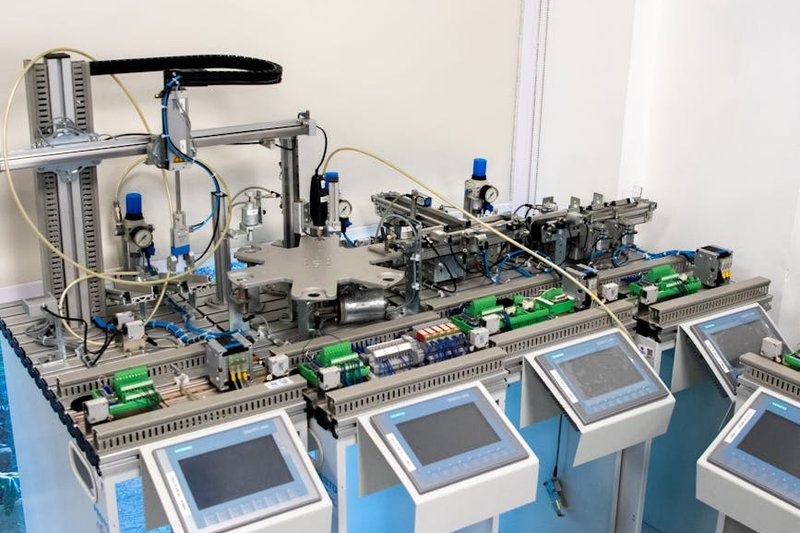
  • 7 Essential GEO Optimization Basics Every Singapore SMB Needs in 2025

    7 Essential GEO Optimization Basics Every Singapore SMB Needs in 2025

    Why Singapore SMBs Must Master GEO Optimization Now

    The search landscape has fundamentally shifted. While businesses spent years mastering traditional SEO, a new frontier has emerged that demands immediate attention: Generative Engine Optimization (GEO). This practice focuses on optimizing your entire digital presence to maximize visibility in AI-powered generative search engines like ChatGPT, Gemini, and Perplexity—platforms that are rapidly reshaping how consumers discover and evaluate businesses.

    The numbers tell a compelling story. Google’s AI-powered search features now serve 2 billion monthly users, while Google’s AI-powered search features now serve 2 billion monthly users. These aren’t experimental tools—they’re mainstream platforms where your potential customers are already searching, comparing, and making purchasing decisions. When someone asks ChatGPT for “best accounting software for Singapore SMBs” or queries Perplexity about “reliable web design agencies in Singapore,” your business either appears in those AI-generated responses or it doesn’t. There’s no middle ground.

    Singapore SMBs face particularly acute pressure to adapt. The local market combines tech-savvy consumers who rapidly adopt new platforms with a fiercely competitive digital landscape where visibility directly translates to revenue. Your competitors aren’t waiting—early movers are already optimizing for these AI engines, securing prominent mentions in generative responses while others remain invisible. The window to establish authority in this new ecosystem is narrowing.

    Traditional SEO focused on ranking for specific keywords on search engine results pages. GEO operates differently. AI engines synthesize information from across your digital footprint—your website content, social media presence, customer reviews, industry mentions, and structured data—to determine whether your business deserves inclusion in their responses. They prioritize authoritative, well-structured information that directly answers user queries. A business might rank well on Google’s traditional results yet fail to appear in AI-generated summaries if its content doesn’t meet these new criteria.

    This guide breaks down seven essential GEO basics specifically tailored for Singapore SMBs:

    1. Claim and optimize your knowledge graph presence across major AI platforms 2. Structure your website content using schema markup and clear hierarchies 3. Build authoritative citations through industry directories and local business listings 4. Create AI-friendly content that directly answers common customer questions 5. Leverage customer reviews strategically across multiple platforms 6. Monitor your AI visibility using specialized tracking tools 7. Integrate GEO with existing SEO efforts for comprehensive search coverage

    Implementation doesn’t require massive budgets or technical expertise. Most SMBs can establish foundational GEO practices within 4-6 weeks using existing resources. The initial focus involves auditing your current digital presence, identifying gaps in how AI engines perceive your business, and systematically addressing those weaknesses. For businesses already investing in AI-powered SEO tools, many GEO optimizations build naturally on that foundation.

    The businesses that master GEO now will own visibility in the search channels dominating 2026 and beyond. Those that delay risk becoming invisible to an entire generation of AI-assisted searchers—a competitive disadvantage that compounds with each passing month.

    What is GEO Optimization and How Does It Differ from Traditional SEO?

    Understanding the shift from traditional search to AI-powered discovery requires clarity on two related but distinct concepts. Generative Engine Optimization (GEO) is the broader discipline covering a business’s entire digital presence to maximize visibility across AI platforms. Answer Engine Optimization (AEO) focuses on on-site foundations—the technical and content elements within your website that help AI engines understand and extract information. Think of AEO as the foundation of your house, while GEO encompasses the entire property, including how neighbors perceive it and how it appears from the street.

    The distinction matters for Singapore SMBs because it defines where you invest resources. AEO work happens on your website: structured data markup, clear headings, concise answers to common questions, and authoritative content. GEO extends beyond your domain to include social media profiles, business listings, customer reviews, industry mentions, and third-party content that references your brand. When ChatGPT or Perplexity synthesizes an answer about “best accounting services in Singapore,” they’re pulling from this entire digital ecosystem—not just your website.

    How AI Engines Process Information Differently

    Traditional search engines like Google display ranked links. Users click through to websites and evaluate options themselves. AI-powered generative search engines like ChatGPT, Gemini, and Perplexity synthesize information from multiple sources into a single, conversational response. Instead of “here are 10 websites about virtual offices,” you get “virtual offices in Singapore typically cost $50-200 monthly and include services like mail handling and meeting room access.”

    This fundamental shift changes everything. Your goal is no longer ranking #1 for a keyword—it’s being cited as the authoritative source when AI engines generate answers. That requires a different content strategy, one focused on clear, factual information rather than keyword density. It also demands consistency across platforms, because AI engines cross-reference information from your website, Google Business Profile, LinkedIn, and industry directories to verify accuracy.

    Why Both Strategies Work Together

    Singapore SMBs don’t need to choose between SEO and GEO—the strategies complement each other. Strong SEO foundations (fast site speed, mobile optimization, quality content) support GEO efforts by making your information easier for AI engines to access and understand. Meanwhile, GEO activities like maintaining consistent business information across platforms and earning mentions in industry publications strengthen your traditional search rankings.

    The practical approach: start with AEO basics on your website, then expand to GEO by optimizing your broader digital footprint. For businesses exploring AI-powered SEO tools that integrate both approaches, this dual strategy ensures visibility whether customers find you through Google search results or AI-generated recommendations.

    AI search engine interface - geo optimization

    The key difference lies in scope and intent. SEO optimizes for visibility in search results pages. GEO optimizes for being the answer AI engines provide. Both drive traffic, but through different mechanisms—and Singapore businesses positioned for both channels capture opportunities their competitors miss.

    Essential #1-3: Local Foundation Tactics for Singapore GEO Success

    With GEO fundamentals in place, the next step is building a solid local foundation—three essentials that separate businesses appearing in AI-powered local searches from those invisible to potential customers searching for services in their neighborhood.

    Essential #1: Claim and Optimize Your Google Business Profile

    Your Google Business Profile serves as the primary data source for AI engines answering location-based queries. The minimum threshold for local authority requires 30+ geo-tagged photos and 70+ customer reviews, according to Loop.com.sg’s analysis of Singapore SMBs ranking in AI search results.

    Photos should capture your actual location, team, and work—not stock images. Geo-tagging signals authenticity to Google’s algorithms. A Punggol plumbing service that uploads images of completed jobs in HDB estates, tagged with precise coordinates, builds stronger local signals than generic bathroom photos.

    Reviews matter beyond star ratings. AI engines parse review text for service mentions, location references, and problem-solving patterns. A review stating “Fixed our Sengkang condo’s water heater within two hours” provides richer context than “Great service!” The 70+ review threshold reflects the volume needed for AI systems to identify consistent service patterns.

    singapore business owner updating profile - geo optimization

    Essential #2: Create Neighborhood-Specific Service Pages

    Generic service pages miss the hyperlocal queries driving AI search results. Instead, create dedicated pages targeting specific neighborhoods—”Plumbing Services in Punggol” or “Accounting Services in Jurong East.”

    Hashmeta’s approach to localized content demonstrates this strategy in action. Their clients create pages addressing neighborhood-specific needs: renovation services near Punggol MRT, accounting for Jurong East industrial businesses, or legal services for Tanjong Pagar startups. Each page incorporates local landmarks, MRT stations, and demographic context that AI engines use to match queries with relevant businesses.

    This isn’t keyword stuffing—it’s genuine local expertise. A page about Punggol plumbing should reference common HDB configurations in the area, water pressure issues specific to newer developments, and proximity to hardware suppliers residents actually use. AI engines reward this specificity because it better serves user intent.

    Essential #3: Implement LocalBusiness Schema Markup

    Structured data tells AI engines exactly what they need to know about your business location, service areas, and operating hours. LocalBusiness schema markup provides this information in a format AI systems parse directly, rather than inferring from page content.

    The markup should include your complete Singapore address, postal code, service radius or specific neighborhoods served, and accurate operating hours including public holidays. Loop.com.sg’s local AEO methodology emphasizes this technical foundation—without it, AI engines may misinterpret your service area or present outdated information.

    A Jurong East accounting firm implementing LocalBusiness schema might specify service areas covering western Singapore districts, list satellite offices, and note extended hours during tax season. This precision helps AI engines match the business to relevant queries while filtering out irrelevant ones.

    Building Local Authority Through Citations and Landmarks

    Beyond these three essentials, building citations on Singapore business directories and incorporating local landmarks in content strengthens your local foundation. Directory listings on Singapore-specific platforms—not just international directories—signal local presence to AI engines.

    Landmark references work because they mirror how people actually describe locations. “Near Raffles Place MRT” or “opposite Jurong Point” provides context AI engines recognize from thousands of similar queries and map data. For businesses exploring comprehensive SEO strategies for Singapore markets, these local signals form the foundation that more advanced tactics build upon.

    The pattern across these three essentials is specificity. AI engines reward businesses that demonstrate genuine local presence through detailed profiles, neighborhood-focused content, and structured data that leaves no ambiguity about location and service areas. This foundation makes subsequent GEO tactics—content optimization, conversational queries, and authority building—significantly more effective.

    Essential #4-6: Content and Technical Optimization for AI Engines

    With your local foundation in place, the next layer of GEO success centers on how you structure and present information. AI engines don’t just crawl your content—they parse it for extractable facts, clear answers, and citation-worthy data. For Singapore businesses, this means adapting content architecture to match how AI systems process and reference information.

    Essential #4: Structure Content for AI Extraction

    AI engines prioritize content they can easily parse and quote. The difference between being cited and being ignored often comes down to formatting. Start with clear H2 and H3 headings that signal topic boundaries. Break dense paragraphs into bullet points when listing features or benefits. Most importantly, define specialized terms using the “X is Y that does Z” format—a structure that AI systems recognize and extract efficiently.

    For example, instead of writing “Virtual offices have become popular in Singapore,” write: “A virtual office is a service that provides Singapore businesses with a professional CBD address and mail handling without requiring physical workspace.” This canonical definition format appears consistently in AI-generated responses because it’s unambiguous and complete.

    Hashmeta’s team of 50+ specialists has refined this approach across Singapore SME clients, demonstrating that structured content doesn’t sacrifice readability—it enhances it. The same formatting that helps AI engines also helps human readers scan and comprehend information faster.

    Essential #5: Implement FAQ and HowTo Schema Markup

    Schema markup translates your content into a language AI engines prefer. FAQ schema directly answers common questions, while HowTo schema breaks down processes step-by-step. Both formats align with how Singapore consumers search—Hashmeta’s team of 50+ specialists that require specific, actionable answers.

    The technical implementation integrates with existing SEO infrastructure through tools that connect with Google Analytics 4 and Search Console. You’re not building a separate system—you’re enhancing what you already have. For businesses exploring comprehensive SEO platform solutions, schema markup often comes bundled with other optimization features.

    Marxk Madhavan, Co-Founder at Loop.com.sg, emphasizes that local AEO methodology ensures Singapore businesses appear in AI searches for specific neighborhoods. The schema you implement should reflect Singapore’s unique geography—Tampines, Jurong, Orchard—not generic city-level data.

    Essential #6: Create Citation-Worthy Content

    AI engines cite sources they consider authoritative. That authority comes from three elements: specific statistics, expert perspectives, and localized data. A financial advisor writing about CPF optimization strategies for Singapore entrepreneurs demonstrates this perfectly. The content addresses regulatory requirements unique to Singapore, includes current CPF contribution rates, and references Ministry of Manpower guidelines—all signals that AI systems recognize as credible.

    !financial planning consultation – geo optimization

    The CPF example works because it’s narrow and deep rather than broad and shallow. Instead of generic “retirement planning tips,” it tackles “CPF Top-Up strategies for self-employed Singaporeans in 2026.” That specificity makes the content quotable and reduces competition for AI citations.

    Beyond traditional platforms, Singapore’s diverse digital ecosystem requires multi-platform considerations. Xiaohongshu (Little Red Book) has emerged as a critical channel for reaching Chinese-speaking consumers in Singapore. Content optimized for this platform needs different formatting—shorter paragraphs, more visual elements, culturally relevant examples—while maintaining the same structured data principles that work for Google and ChatGPT.

    The technical foundation matters too. Mobile optimization remains critical, including responsive design and click-to-call buttons that convert AI-driven traffic into actual customer interactions. For Singapore SMBs evaluating budgets, realistic GEO investments align with existing digital marketing packages, with lightweight tools available under $500 monthly.

    Essential #7: Tracking GEO Performance and Choosing the Right Tools

    With your content optimized and technical foundations in place, the next challenge becomes clear: how do you know if any of this is working? Singapore SMBs need visibility into their GEO performance across multiple AI engines—and that requires specialized tracking tools designed for this new landscape.

    Monitoring Your AI Search Presence

    Traditional SEO tools won’t cut it for GEO. Google Analytics shows website traffic, but it can’t tell you when ChatGPT recommends your business or how often Gemini surfaces your brand in response to user queries. Goodie AI has emerged as the leading GEO platform, starting at $495/month specifically for SMBs that need comprehensive multi-engine tracking.

    The platform monitors brand mentions and citations across ChatGPT, Gemini, Perplexity, and other AI engines—providing prompt-level insights that reveal exactly which queries trigger your business name. For a Tanjong Pagar law firm, this means knowing when AI engines recommend their services for “corporate restructuring Singapore” versus “family law advice”—granular data that shapes content strategy.

    Budget expectations for Singapore SMBs typically range from $500-2,000/month depending on business size and competitive intensity. A boutique consultancy might start at the lower end with basic tracking, while a multi-location retail chain competing in saturated categories needs more robust monitoring and optimization support.

    !business analytics dashboard – geo optimization

    The Lead Generation Gap

    Here’s the catch: visibility doesn’t equal revenue. You can rank in AI search results, track every mention, and optimize until your citations are perfect—but if those visitors don’t convert into qualified leads, you’re running an expensive awareness campaign.

    This is where most GEO strategies stall. Businesses invest in optimization and tracking, see improved visibility metrics, then struggle to connect that visibility to actual pipeline growth. The missing piece isn’t more optimization—it’s an integrated system that handles the entire growth funnel from search visibility through lead capture.

    Fivebucks AI addresses this exact challenge by combining GEO optimization with lead generation and traffic generation in one platform. Instead of stitching together separate tools for AI search optimization, Google SEO, content creation, and lead capture, Singapore SMBs get an integrated solution that optimizes for both traditional and AI search while managing conversion throughout the funnel.

    The platform’s approach makes particular sense for businesses serious about converting GEO efforts into revenue. When a potential customer discovers your business through Gemini or ChatGPT, they typically land on your website next—where Fivebucks AI’s lead generation tools capture their information and qualification data. That visibility you paid to build actually feeds your sales pipeline, not just your analytics dashboard.

    For SMBs evaluating tools, the question shifts from “Can I track my GEO performance?” to “Can I turn that performance into qualified leads?” Platforms that integrate SEO optimization with lead generation solve the complete problem—making them the logical next step for businesses that have mastered the basics and need results that matter to their bottom line.

    The tooling landscape will continue evolving, but the fundamental requirement remains constant: measure what matters, and ensure your visibility translates into business outcomes. For Singapore SMBs with limited resources, choosing platforms that handle both optimization and conversion makes the difference between GEO as an experiment and GEO as a growth driver.

    Frequently Asked Questions About GEO for Singapore SMBs

    Now that you understand how to track your GEO performance, let’s address the practical questions Singapore business owners ask most frequently when considering this shift.

    How Long Before We See Results?

    GEO operates on a different timeline than traditional SEO. Most Singapore SMBs notice initial visibility improvements in AI-generated responses within 4-6 weeks of implementing structured data and content optimization. However, meaningful traffic increases typically emerge after 3-4 months of consistent effort.

    The difference lies in how AI engines process information. While Google’s algorithm updates can take months to fully recognize changes, AI models like ChatGPT and Perplexity update their training data more frequently. This means your optimized content can appear in AI responses faster than it would climb traditional search rankings.

    For businesses just starting out, free and low-cost tools like HubSpot graders and Otterly provide a practical entry point without significant upfront investment.

    Does GEO Replace Our Existing SEO Efforts?

    GEO complements rather than replaces traditional SEO. Think of it as an expansion of your current strategy. The foundational work you’ve done—quality content, proper site structure, mobile optimization—remains valuable. GEO adds a layer focused specifically on how AI engines interpret and present your information.

    Industry experts like Marxk Madhavan, Co-Founder of Loop, advocate for GEO as critical for Singapore SMEs, positioning it alongside traditional SEO rather than as a replacement. Your existing keyword research informs GEO content creation. Your backlink profile still matters for authority signals that AI engines consider.

    The key difference: GEO requires more emphasis on direct answers, structured data, and conversational content formats that AI engines prefer when generating responses.

    What Budget Should Singapore SMBs Allocate?

    Budget requirements vary based on your approach. For businesses handling GEO in-house, expect S$500-1,500 monthly for tools and content creation. This covers schema markup plugins, AI optimization platforms, and content production resources.

    If you’re working with an agency, Singapore market rates typically range from S$2,000-5,000 monthly for comprehensive GEO services. Smaller businesses can start with basic packages around S$1,200-2,000 that focus on essential optimizations.

    The most cost-effective approach for resource-constrained SMBs: dedicate existing content team hours to GEO principles rather than hiring specialists immediately. Start with optimizing your top 10-15 pages for AI visibility, then expand as you see results. For guidance on selecting cost-effective tools, explore proven SEO platforms under S$100 monthly that include GEO features.

    Where Should We Start?

    Prioritize based on what your audience asks most frequently. Review your customer service emails, sales calls, and social media comments from the past quarter. The questions that appear repeatedly should become your first GEO-optimized content pieces.

    Create FAQ-style content that directly answers these queries using natural language. Add schema markup to your most-visited product or service pages. Ensure your Google Business Profile includes comprehensive, conversational descriptions that AI engines can reference.

    This focused approach delivers faster results than trying to optimize your entire site simultaneously.

    Take Action: Your GEO Optimization Roadmap for 2025

    You’ve explored the seven essential GEO basics that define visibility in 2025. The question now isn’t whether to adopt GEO—it’s how quickly you can implement it before your competitors do.

    Singapore’s search landscape has shifted. While your competitors still pour resources into traditional SEO alone, you have a window to capture visibility in AI-powered search results, voice queries, and local discovery features. That window won’t stay open long.

    Your Implementation Sequence

    Start with your local foundation. Claim and optimize your Google Business Profile this week. Add complete business information, select precise categories, and upload high-quality photos. Next, implement local schema markup on your website—the structured data that helps AI systems understand your business context.

    Once your foundation is solid, expand to content optimization. Audit your existing pages for conversational query patterns. Identify the questions your Singapore customers actually ask, then restructure your content to answer them directly. Focus on featured snippet formats: concise paragraphs, numbered lists, and comparison tables.

    Finally, establish your tracking system. Set up Google Search Console to monitor AI Overviews appearances. Track which queries trigger your business information in conversational results. Measure how GEO-optimized pages perform compared to traditional SEO content.

    The entire sequence takes 2-3 weeks for most SMBs. You’re not rebuilding your digital presence—you’re expanding it to where Singapore consumers increasingly search.

    GEO Expands Visibility, Not Replaces It

    Traditional SEO remains essential. Your keyword rankings, backlink profile, and technical optimization still drive traffic. GEO adds a second channel—one that captures users who never click through to traditional search results.

    Think of it as diversification. When someone searches “best accounting firm Tanjong Pagar” on Google, your traditional SEO captures the click. When they ask ChatGPT “recommend a reliable accountant near Tanjong Pagar MRT,” your GEO optimization surfaces your business in the AI-generated response.

    Advanced SEO platforms now integrate both traditional and GEO optimization, letting you manage both channels without doubling your workload.

    Start Your GEO Implementation Today

    The businesses that move first gain the advantage. While your competitors debate whether GEO matters, you can establish authority in AI-powered results and lock in visibility before the market saturates.

    Download the free GEO readiness checklist to assess your current optimization level and identify your highest-impact next steps. The checklist walks you through each essential element covered in this guide, with specific action items for Singapore SMBs.

    Your customers are already using AI search. The only question is whether they’ll find your business or your competitor’s when they do.

    Sources & References

    This article incorporates information and insights from the following verified sources:

    [1] Google’s AI-powered search features now serve 2 billion monthly users – Loop.com.sg (2025)

    [2] AEO vs GEO vs LLMO: Are They All SEO? – Neil Patel – Neil Patel (2025)

    [3] AI-powered generative search engines like ChatGPT, Gemini, and Perplexity – NoGood (2026)

    [4] free and low-cost tools like HubSpot graders and Otterly – HiGoodie (2026)

    [5] Hashmeta’s team of 50+ specialists – Hashmeta (2025)

    [6] Google My Business Local Maps Optimization Services Singapore – GMBOptimization.sg (2025)

    [7] Singapore Local SEO Agencies: A Technical Guide for SMEs – Sotavento Medios (2026)

    [8] Internal: AI-powered SEO tools – https://www.fivebucks.ai/blogs/post/how-ai-powered-seo-tools-are-replacing-traditional-serp-strategies-in-2025/

    [9] Internal: comprehensive SEO strategies for Singapore markets – https://www.fivebucks.ai/blogs/post/essential-seo-statistics-2026-proven-strategies-singapore/

    [10] Internal: comprehensive SEO platform solutions – https://www.fivebucks.ai/blogs/post/best-seo-platform-tools-under-100-month-singapore-smbs-2026/

    [11] Internal: Platforms that integrate SEO optimization with lead generation – https://www.fivebucks.ai/blogs/post/best-landing-page-for-lead-generation-proven-strategies-2026/

    All external sources were accessed and verified at the time of publication. This content is provided for informational purposes and represents a synthesis of the referenced materials.

  • Panduan Lengkap AI Studio 2026: 7 Cara Mudah untuk Pemula Indonesia

    Panduan Lengkap AI Studio 2026: 7 Cara Mudah untuk Pemula Indonesia

    Mengenal AI Studio: Platform Gratis Google untuk Pemula Indonesia

    Ketika Anda membuka Google AI Studio untuk pertama kali, yang langsung terlihat adalah kesederhanaannya. Tidak ada proses instalasi yang rumit, tidak ada konfigurasi server yang membingungkan—cukup buka browser, login dengan akun Google, dan Anda sudah siap bereksperimen dengan teknologi AI terdepan. Google AI Studio adalah platform berbasis web gratis yang dirancang khusus untuk memudahkan siapa saja, termasuk pemula di Indonesia, mengakses dan memanfaatkan model AI Gemini tanpa hambatan teknis.

    Apa yang Membuat AI Studio Berbeda?

    Jika Anda pernah menggunakan ChatGPT, Anda mungkin bertanya-tanya: apa bedanya dengan AI Studio? Perbedaan mendasarnya terletak pada tujuan penggunaan. AI Studio berfokus pada pengembangan aplikasi AI dengan fitur ekspor kode dan integrasi Gemini API, sementara ChatGPT lebih dirancang untuk percakapan umum dan bantuan sehari-hari.

    Bayangkan Anda ingin membangun chatbot untuk bisnis kecil Anda atau mengotomatisasi proses analisis data—AI Studio memberikan Anda alat untuk mengekspor prompt yang sudah Anda buat menjadi kode Python atau JavaScript yang siap diintegrasikan ke aplikasi. ChatGPT, di sisi lain, lebih cocok untuk brainstorming ide, menulis email, atau menjawab pertanyaan cepat.

    Bagi pelaku UMKM Indonesia yang ingin mengoptimalkan strategi digital marketing mereka, AI Studio menawarkan jalur langsung untuk membangun solusi AI kustom tanpa harus menyewa developer mahal.

    Mengapa Pemula Indonesia Harus Memilih AI Studio?

    Tiga alasan utama menjadikan AI Studio pilihan ideal untuk pemula di Indonesia:

    1. Gratis Tanpa Syarat Ribet

    Google AI Studio adalah platform berbasis web gratis tanpa memerlukan kartu kredit di awal. Ya, ada batas penggunaan (rate limit) untuk mencegah penyalahgunaan, tapi untuk eksperimen dan pembelajaran, kuota gratis ini lebih dari cukup. Anda bisa mencoba berbagai model Gemini—dari Gemini 1.5 Flash yang cepat hingga Gemini 1.5 Pro yang lebih canggih—tanpa mengeluarkan sepeser pun.

    2. Berbasis Cloud, Akses dari Mana Saja Tidak perlu laptop spesifikasi tinggi atau instalasi software berat. Selama Anda punya koneksi internet dan browser modern, AI Studio bisa diakses dari warnet, laptop kantor, atau bahkan tablet di kafe. Semua pemrosesan terjadi di server Google, bukan di perangkat Anda.

    3. Mendukung Bahasa Indonesia Model Gemini yang digunakan AI Studio memahami dan merespons dalam bahasa Indonesia dengan baik. Anda bisa menulis prompt dalam bahasa sehari-hari tanpa harus menerjemahkan ke bahasa Inggris terlebih dahulu—sesuatu yang sangat membantu pemula yang belum nyaman dengan istilah teknis berbahasa Inggris.

    Konteks Penggunaan di Indonesia Saat Ini

    Di tengah transformasi digital Indonesia yang semakin cepat, AI Studio hadir sebagai demokratisasi teknologi AI. Jika sebelumnya hanya perusahaan besar dengan budget IT besar yang bisa mengembangkan solusi AI, kini pemilik warung kopi di Bandung atau guru di Surabaya bisa bereksperimen dengan teknologi yang sama.

    Platform ini sangat relevan untuk berbagai skenario lokal: membangun asisten virtual untuk layanan pelanggan dalam bahasa Indonesia, menganalisis sentimen review produk di marketplace, atau bahkan membuat konten marketing yang dipersonalisasi untuk audiens regional. Dengan ekosistem digital Indonesia yang terus berkembang, kemampuan memahami dan memanfaatkan AI bukan lagi kemewahan—ini menjadi kebutuhan kompetitif.

    Yang menarik, Anda tidak perlu background programming untuk memulai. AI Studio menyediakan antarmuka visual yang intuitif, memungkinkan Anda menguji berbagai prompt dan melihat hasilnya secara real-time sebelum memutuskan untuk mengekspor kode.

    Cara Download dan Akses Gemini AI Studio Gratis Tanpa Biaya Tersembunyi

    Setelah memahami apa itu AI Studio dan manfaatnya, langkah berikutnya adalah mengaksesnya. Kabar baiknya? Prosesnya jauh lebih sederhana dari yang Anda bayangkan—tanpa instalasi rumit atau formulir panjang yang bikin pusing.

    Langkah Pertama: Buka Browser dan Akses Platform

    Anda tidak perlu download aplikasi khusus atau software tambahan. Cukup buka aistudio.google.com menggunakan browser apapun—Chrome, Firefox, Safari, atau bahkan Edge. Platform ini berbasis web sepenuhnya, artinya Anda bisa mengaksesnya dari laptop, komputer kantor, atau bahkan tablet. Yang Anda butuhkan hanya koneksi internet stabil.

    Begitu halaman terbuka, Anda akan langsung melihat antarmuka yang clean dan intuitif. Tidak ada pop-up menyebalkan yang meminta kartu kredit atau detail pembayaran. Google memang mendesain AI Studio untuk pemula, jadi mereka tahu betul pentingnya pengalaman pertama yang smooth.

    Login dengan Akun Google yang Sudah Ada

    Langkah kedua bahkan lebih mudah: login menggunakan akun Gmail yang sudah Anda miliki. Tidak perlu registrasi terpisah, tidak perlu mengisi data berkali-kali. Klik tombol “Sign in with Google”, pilih akun Anda, dan dalam hitungan detik Anda sudah masuk ke dashboard AI Studio.

    Bagi pengguna Indonesia yang khawatir tentang verifikasi atau persyaratan tambahan—tenang saja. Tidak ada kartu kredit yang diminta, tidak ada deposit awal, tidak ada trial berbatas waktu yang otomatis berubah jadi langganan berbayar. Google AI Studio benar-benar gratis untuk penggunaan dasar.

    Memahami Rate Limit dan Batasan Gratis

    Sekarang, mari kita bicara jujur tentang “gratis”. Ya, AI Studio memang gratis 100% untuk pemula, tapi ada rate limit—batasan jumlah request yang bisa Anda kirim per menit atau per hari. Untuk eksperimen pribadi, belajar, atau proyek kecil, batasan ini lebih dari cukup. Anda bisa mencoba berbagai prompt, menguji model Gemini, dan membangun prototype tanpa khawatir tagihan mendadak.

    Rate limit ini sebenarnya wajar—Google perlu memastikan server mereka tidak overload. Tapi untuk 99% pengguna pemula Indonesia, Anda tidak akan pernah mencapai batas ini dalam penggunaan normal.

    Tidak Ada Biaya Tersembunyi—Kapan Upgrade Diperlukan?

    Pertanyaan yang sering muncul: “Kapan saya harus bayar?” Jawabannya sederhana: hanya ketika Anda siap produksi skala besar. Jika Anda mengembangkan aplikasi komersial dengan ribuan pengguna aktif per hari, atau membangun chatbot untuk perusahaan besar, barulah Anda perlu upgrade ke Gemini API berbayar.

    Untuk belajar, eksperimen, atau bahkan membangun MVP (Minimum Viable Product) pertama Anda? Tetap gratis. Tidak ada jebakan, tidak ada fine print yang menyembunyikan biaya. Google transparan soal ini karena mereka ingin lebih banyak developer mencoba teknologi AI mereka.

    Jika Anda tertarik mengoptimalkan strategi digital lebih lanjut, pertimbangkan panduan SEO lokal untuk UMKM Indonesia yang bisa melengkapi kemampuan AI Anda.

    Tips Keamanan Akun Google untuk Pengguna Indonesia

    keamanan akun google verifikasi

    Karena AI Studio terhubung langsung dengan akun Google Anda, pastikan keamanan akun terjaga:

    • Aktifkan verifikasi dua langkah melalui Google Authenticator atau SMS
    • Gunakan password unik yang tidak Anda pakai di platform lain
    • Periksa aktivitas login secara berkala di myaccount.google.com
    • Jangan share API key jika nanti Anda generate untuk proyek tertentu
    • Logout dari perangkat publik setelah selesai bereksperimen

    Keamanan ini penting bukan karena AI Studio berbahaya, tapi karena akun Google Anda menyimpan banyak data pribadi lain—email, Drive, foto. Lebih baik aman dari awal daripada menyesal kemudian.

    Dengan akses yang sudah terbuka, Anda siap mulai bereksperimen dengan model Gemini dan fitur-fitur canggih lainnya yang AI Studio tawarkan.

    Bagaimana Cara Menggunakan 3 Mode Utama AI Studio untuk Pemula

    Setelah berhasil masuk ke platform, Anda akan menemukan antarmuka yang menawarkan tiga mode utama untuk berbagai kebutuhan. Mari kita eksplorasi masing-masing mode dengan contoh praktis yang relevan untuk konteks Indonesia.

    Chat Mode: Uji Coba Prompt dan Chatbot Sederhana

    Chat Mode adalah titik awal ideal untuk pemula. Di sini, Anda bisa menguji berbagai prompt dan melihat respons Gemini secara langsung. Bayangkan Anda pemilik warung kopi di Jakarta yang ingin membuat chatbot customer service sederhana—cukup ketik contoh percakapan antara pelanggan dan bot Anda.

    Misalnya, ketik: “Pelanggan: Jam buka kapan? Bot: Kami buka Senin-Sabtu pukul 08.00-22.00.” Platform akan mempelajari pola ini dan menghasilkan respons serupa untuk pertanyaan lain. Anda bisa menggunakan fitur Petunjuk Sistem untuk memberikan panduan khusus, seperti “Jawab dengan ramah dan gunakan bahasa informal khas Jakarta.”

    Yang menarik, setelah puas dengan hasil percobaan, Anda bisa langsung ekspor ke kode Python atau JavaScript untuk diintegrasikan ke website bisnis Anda. Tidak perlu mulai dari nol—AI Studio sudah menyiapkan struktur kode dasar.

    !pengusaha umkm laptop chatbot | small business owner laptop chatbot – ai studio

    Build Mode: Bangun Aplikasi Tanpa Coding

    Build Mode adalah game-changer untuk UMKM Indonesia yang tidak punya tim developer. Cukup deskripsikan aplikasi yang Anda butuhkan dalam bahasa Indonesia, dan platform akan membuatnya untuk Anda.

    Contoh nyata: seorang pemilik toko kelontong di Surabaya mendeskripsikan, “Saya butuh aplikasi inventori yang bisa catat stok barang, kasih notifikasi kalau stok menipis, dan buat laporan penjualan mingguan.” Dalam hitungan menit, Build Mode menghasilkan prototipe aplikasi yang bisa langsung diuji.

    Tutorial YouTube menunjukkan

    yang bisa Anda ikuti step-by-step. Pendekatan no-code ini sangat cocok untuk bisnis yang ingin bergerak cepat tanpa investasi besar di pengembangan software.

    Stream Mode: Interaksi Real-Time dengan Suara dan Video

    Stream Mode membawa pengalaman AI ke level berikutnya dengan interaksi suara dan video secara real-time. Bayangkan membuat asisten virtual yang bisa menjawab pertanyaan pelanggan melalui video call—teknologi ini kini tersedia di AI Studio.

    Mode ini sangat relevan untuk sektor pendidikan dan customer service di Indonesia. Guru bisa membuat tutor virtual yang merespons pertanyaan siswa dengan suara natural, sementara bisnis e-commerce bisa menghadirkan sales assistant virtual yang berinteraksi via video.

    Generasi Konten Multimedia untuk Content Creator

    Selain chatbot, AI Studio menawarkan kemampuan generasi gambar, video, dan audio yang sangat berguna untuk content creator Indonesia. Anda bisa menghasilkan visual produk untuk toko online, video promosi untuk media sosial, atau bahkan jingle audio untuk iklan—semuanya dari deskripsi teks.

    Seorang desainer grafis di Bandung menggunakan fitur ini untuk

    , menghemat waktu editing hingga 70%. Prosesnya sederhana: ketik deskripsi detail seperti “foto produk kopi arabika dalam kemasan kraft paper, background kayu natural, pencahayaan hangat,” dan platform menghasilkan beberapa variasi visual berkualitas tinggi.

    FiturKegunaan UtamaCocok Untuk
    Chat ModeUji prompt & chatbotCustomer service, FAQ automation
    Build ModeBuat aplikasi no-codeUMKM, startup, prototype testing
    Stream ModeInteraksi suara/videoPendidikan, virtual assistant
    MultimediaGenerate gambar/video/audioContent creator, marketing team

    Update 2026: Integrasi Veo 3.1

    AI Studio berfokus pada pengembangan aplikasi AI dengan fitur ekspor kode dan integrasi Gemini API, model generasi video yang lebih advanced. Untuk pasar Indonesia, ini berarti kemampuan menghasilkan video promosi dengan kualitas mendekati profesional tanpa perlu kamera mahal atau tim produksi.

    Veo 3.1 memahami konteks budaya lokal dengan lebih baik—Anda bisa minta generate video “suasana pasar tradisional Indonesia di pagi hari” dan hasilnya akan mencerminkan nuansa visual yang autentik. Fitur ini membuka peluang besar bagi UMKM untuk bersaing di platform digital dengan konten video berkualitas tinggi.

    Untuk memaksimalkan hasil dari ketiga mode ini, pertimbangkan untuk mengintegrasikan strategi konten yang lebih luas. Panduan SEO lokal untuk UMKM Indonesia bisa membantu Anda mengoptimalkan konten yang dihasilkan AI Studio agar lebih mudah ditemukan calon pelanggan di mesin pencari.

    Tutorial Praktis: 5 Aplikasi AI Studio untuk Bisnis Kecil Indonesia

    Setelah memahami tiga mode utama AI Studio, saatnya menerapkan pengetahuan tersebut untuk menyelesaikan tantangan bisnis nyata. Banyak pemilik UMKM Indonesia ragu mengadopsi AI karena khawatir soal keamanan data pelanggan—kekhawatiran yang wajar mengingat regulasi privasi semakin ketat. Kabar baiknya, Google AI Studio dibangun di atas infrastruktur cloud Google dengan standar keamanan tinggi dan tidak menyimpan data pengguna secara permanen tanpa izin eksplisit. Untuk bisnis kecil yang menangani informasi sensitif pelanggan, ini berarti Anda bisa bereksperimen dengan AI tanpa risiko kebocoran data.

    !pemilik usaha kecil laptop | small business owner laptop – ai studio

    1. Chatbot Customer Service Otomatis untuk Toko Online

    Bayangkan toko online Anda bisa menjawab pertanyaan pelanggan 24/7 tanpa menambah staf. Gunakan Chat Mode untuk melatih chatbot dengan FAQ produk Anda. Mulai dengan prompt sederhana: “Anda adalah asisten toko online yang ramah. Jawab pertanyaan tentang [produk Anda] dengan nada santai tapi profesional.” Upload dokumen katalog produk sebagai referensi, lalu uji responsnya. Bisnis kecil di Indonesia sudah membuktikan pendekatan ini—mereka menggunakan deskripsi bahasa alami untuk membangun prototipe aplikasi dalam waktu kurang dari satu menit tanpa perlu keahlian coding.

    2. Generate Konten Marketing untuk Media Sosial

    Konten visual menarik perhatian, tapi memproduksinya butuh waktu dan biaya. AI Studio kini mendukung generasi gambar, video, dan audio selain teks—sempurna untuk kampanye media sosial. Coba prompt ini: “Buat gambar promosi flash sale dengan gaya minimalis modern, warna biru dan putih, untuk produk elektronik.” Hasilnya bisa langsung Anda edit di Canva untuk menyesuaikan branding. Integrasi manual ini menghemat waktu desain hingga 70% dibanding membuat dari nol.

    3. Analisis Data Pelanggan Sederhana

    Anda punya spreadsheet data penjualan tapi bingung mencari insight? Upload file CSV ke AI Studio dan ajukan pertanyaan spesifik: “Produk mana yang paling laris di bulan Ramadan?” atau “Jam berapa pelanggan paling aktif berbelanja?” Model Gemini akan menganalisis pola dan memberikan rekomendasi aksi—tanpa perlu ahli data science. Untuk strategi pemasaran yang lebih mendalam, pertimbangkan pendekatan SEO lokal yang disesuaikan dengan perilaku konsumen Indonesia.

    4. Integrasi dengan Tools Populer Indonesia

    AI Studio bekerja paling efektif saat terhubung dengan workflow Anda yang sudah ada. Ekspor hasil generasi gambar langsung ke Canva untuk finishing touches. Salin teks marketing yang dihasilkan ke platform email marketing seperti Mailchimp. Kunci efisiensi bukan mengganti semua tools lama, tapi menambahkan AI sebagai “asisten cerdas” yang mempercepat proses kreatif Anda.

    5. Cara Migrasi dari Tools Lama

    Khawatir kehilangan prompt atau workflow yang sudah Anda bangun di platform lain? AI Studio menyediakan fitur ‘Get Code’ untuk mengekspor prompt dan kode dalam berbagai bahasa pemrograman. Cukup klik tombol ‘Get Code’, pilih format Python atau JavaScript, lalu salin ke environment development Anda. Transisi mulus ini memastikan investasi waktu Anda tidak sia-sia—semua aset digital bisa dipindahkan dan dikembangkan lebih lanjut sesuai kebutuhan bisnis yang berkembang.

    Optimalkan Traffic dan Lead Generation dengan AI Studio: Solusi untuk UMKM Indonesia

    Setelah Anda menguasai lima aplikasi praktis di atas, pertanyaan berikutnya adalah: bagaimana mengubah eksperimen AI ini menjadi traffic dan lead yang menguntungkan bisnis Anda?

    Google AI Studio memang platform yang powerful untuk bereksperimen dengan konten AI, tapi mari kita bicara jujur tentang keterbatasannya. Platform ini dirancang sebagai sandbox—tempat Anda mencoba, belajar, dan mengekspor kode untuk pengembangan lebih lanjut. Bukan sebagai mesin growth marketing yang lengkap.

    Dari Eksperimen ke Eksekusi Marketing

    Anda bisa menggunakan AI Studio untuk membuat draft artikel blog yang SEO-friendly, misalnya panduan produk atau tips industri. Prompt yang tepat akan menghasilkan konten dengan struktur heading yang baik dan keyword placement yang natural. Tapi di sinilah batasannya: AI Studio tidak tahu apakah keyword Anda benar-benar dicari orang Indonesia, tidak menganalisis kompetitor Anda, dan tidak mengoptimalkan konten untuk AI Search yang kini mendominasi pencarian.

    Lebih jauh lagi, konten yang bagus tanpa strategi distribusi hanya akan mengumpulkan debu di server Anda. Anda butuh sistem yang mengintegrasikan pembuatan konten dengan optimasi SEO teknis, analisis performa traffic, dan mekanisme konversi pengunjung menjadi lead berkualitas.

    Mengapa UMKM Indonesia Butuh Lebih dari Content Tool

    Bisnis kecil Indonesia menghadapi tantangan unik: persaingan lokal yang ketat, budget marketing terbatas, dan kebutuhan hasil terukur dengan cepat. Anda tidak punya waktu untuk mengelola lima tools berbeda—satu untuk AI content, satu untuk SEO audit, satu lagi untuk lead capture, dan seterusnya.

    Berbeda dengan ChatGPT yang fokus pada percakapan, AI Studio memang menawarkan ekspor kode dan integrasi API. Tapi untuk UMKM yang ingin fokus pada growth, bukan development, Anda memerlukan platform yang sudah terintegrasi dari awal.

    Di sinilah solusi komprehensif seperti platform AI-powered growth menjadi relevan. Bayangkan sistem yang menggabungkan kekuatan AI content creation dengan optimasi Google & AI Search, lead qualification otomatis, dan traffic generation—semuanya dalam satu dashboard. Fivebucks AI, misalnya, dibangun khusus untuk kebutuhan ini: mengubah website Anda menjadi mesin lead generation yang bekerja 24/7.

    Roadmap Implementasi yang Realistis

    Mulailah dengan AI Studio untuk memahami dasar-dasar AI content dan bereksperimen tanpa risiko finansial. Google AI Studio dibangun di atas infrastruktur cloud Google memastikan data bisnis Anda terlindungi selama fase pembelajaran ini.

    Setelah Anda memahami potensi AI, saatnya scaling dengan platform growth profesional. Cari solusi yang menawarkan:

    FiturManfaat untuk UMKM
    SEO & AI Search OptimizationTraffic organik dari Google dan AI chatbots
    Lead QualificationFilter prospek berkualitas otomatis
    Content AI IntegrationProduksi konten konsisten tanpa tim besar
    Analytics DashboardUkur ROI setiap rupiah marketing

    Transisi ini bukan tentang meninggalkan AI Studio sepenuhnya—gunakan untuk eksperimen cepat dan prototyping ide. Tapi untuk eksekusi marketing yang menghasilkan revenue, Anda butuh ekosistem terintegrasi yang mengubah traffic menjadi transaksi, bukan sekadar pengunjung yang lewat.

    !pemilik umkm indonesia laptop | indonesian small business owner laptop – ai studio

    Pertanyaan yang Sering Ditanyakan tentang AI Studio

    Setelah memahami cara kerja dan potensi AI Studio untuk bisnis Anda, mari kita jawab pertanyaan-pertanyaan praktis yang sering muncul dari pengguna Indonesia.

    Apakah Google AI Studio Benar-Benar Gratis?

    Ya, Google AI Studio benar-benar gratis untuk penggunaan dasar tanpa memerlukan kartu kredit di awal. Anda bisa langsung mulai bereksperimen dengan model Gemini segera setelah login menggunakan akun Google. Namun, ada batasan yang perlu Anda pahami: rate limit membatasi jumlah permintaan per menit dan per hari. Untuk pengguna gratis, batas ini cukup untuk pembelajaran dan proyek kecil—sekitar 60 permintaan per menit untuk Gemini 1.5 Flash.

    Yang menarik, tidak ada biaya tersembunyi untuk penggunaan dasar. Anda bisa membuat prompt, menguji model, bahkan mengekspor kode tanpa biaya sepeserpun. Batasan baru muncul ketika Anda ingin scaling ke produksi dengan traffic tinggi atau memerlukan fitur enterprise seperti SLA dan dukungan prioritas.

    Kapan Anda Perlu Upgrade ke Gemini API Berbayar?

    Transisi ke versi berbayar diperlukan ketika proyek Anda sudah melewati fase eksperimen. Tanda-tandanya jelas: rate limit gratis terasa menghambat, Anda membutuhkan response time lebih cepat, atau aplikasi Anda sudah melayani customer nyata. Upgrade ke Gemini API berbayar memberikan akses ke quota lebih besar, performa lebih stabil, dan fitur monitoring advanced untuk produksi skala besar.

    Untuk UMKM Indonesia yang baru mulai, fase gratis biasanya cukup untuk 3-6 bulan pertama—waktu yang ideal untuk validasi ide dan membangun MVP sebelum komitmen finansial.

    Update Terbaru 2026: Apa yang Berubah?

    Integrasi Veo 3.1 pada 2026 membawa kemampuan generasi video yang jauh lebih advanced ke Google AI Studio. Sekarang Anda bisa membuat video promosi produk, tutorial, atau konten media sosial langsung dari deskripsi teks—tanpa perlu skill editing video profesional. Fitur ini sangat relevan untuk UMKM yang ingin meningkatkan engagement di platform seperti Instagram Reels atau TikTok.

    Update lainnya mencakup peningkatan context window Gemini 1.5 Pro yang memungkinkan analisis dokumen lebih panjang dan integrasi lebih smooth dengan Google Workspace.

    Google AI Studio vs ChatGPT: Mana yang Lebih Cocok?

    Google AI Studio dirancang untuk pengembangan aplikasi AI dengan fokus pada ekspor kode dan integrasi API, sementara ChatGPT lebih optimal untuk percakapan umum dan brainstorming. Gunakan AI Studio ketika Anda ingin membangun fitur AI ke dalam website atau aplikasi Anda—misalnya chatbot customer service atau sistem rekomendasi produk otomatis.

    ChatGPT lebih cocok untuk tugas sekali pakai seperti menulis email, membuat outline konten, atau riset cepat. Jika Anda serius mengintegrasikan AI ke dalam workflow bisnis, AI Studio memberikan kontrol dan fleksibilitas lebih besar. Untuk memperdalam strategi digital marketing Anda, pertimbangkan panduan lengkap SEO lokal untuk UMKM Indonesia yang mengintegrasikan AI dengan optimasi pencarian.

    Integrasi dengan Tools Lain: Seberapa Mudah?

    Google AI Studio bisa diekspor ke berbagai platform melalui Gemini API. Untuk integrasi dengan Canva, Anda perlu menggunakan API key yang dihasilkan AI Studio, lalu menghubungkannya melalui webhook atau Zapier. Workflow umumnya: buat prompt di AI Studio → ekspor kode → integrasikan ke tools marketing Anda.

    Kombinasi ini powerful untuk automasi konten: AI Studio menghasilkan copy, Canva mendesain visual, dan sistem Anda menjadwalkan posting—semuanya berjalan otomatis setelah setup awal.

    Kesimpulan: Mulai Perjalanan AI Anda dengan AI Studio Hari Ini

    Setelah menjelajahi berbagai aspek Google AI Studio, sekarang saatnya Anda mengambil langkah pertama. Platform ini menawarkan kombinasi sempurna untuk pemula Indonesia: akses gratis tanpa kartu kredit, antarmuka yang intuitif, dan kemampuan AI yang powerful. Tidak ada alasan untuk menunda—semua yang Anda butuhkan sudah tersedia di ujung jari Anda.

    Langkah Pertama yang Harus Anda Ambil

    Buka browser Anda sekarang dan kunjungi aistudio.google.com. Cukup login dengan akun Google yang sudah Anda miliki—tidak perlu instalasi software, tidak perlu setup rumit. Dalam hitungan menit, Anda sudah bisa mulai bereksperimen dengan model Gemini. Mulailah dengan prompt sederhana: minta AI menulis deskripsi produk untuk bisnis Anda, atau buat outline artikel untuk blog perusahaan. Rasakan sendiri bagaimana AI merespons dan menyesuaikan output berdasarkan instruksi Anda.

    Jangan terjebak dalam perfeksionisme di awal. Eksperimen pertama Anda mungkin tidak sempurna—dan itu normal. Yang penting adalah Anda mulai membangun intuisi tentang bagaimana AI bekerja, bagaimana prompt yang berbeda menghasilkan output yang berbeda, dan bagaimana Anda bisa menyesuaikan respons AI untuk kebutuhan spesifik Anda.

    Dari Eksperimen ke Implementasi Bisnis Nyata

    Konsistensi adalah kunci dalam menguasai AI. Luangkan 15-30 menit setiap hari untuk bereksperimen dengan use case berbeda. Minggu pertama, fokus pada pembuatan konten—artikel, caption media sosial, email marketing. Minggu kedua, eksplorasi analisis data dan riset pasar. Minggu ketiga, coba gunakan AI untuk brainstorming strategi bisnis atau problem-solving.

    Pola belajar bertahap ini membangun fondasi yang kuat. Anda tidak hanya belajar menggunakan tools—Anda mengembangkan mindset AI-first yang akan mengubah cara Anda mendekati setiap aspek bisnis. Dokumentasikan prompt yang berhasil, catat pola yang Anda temukan, dan iterasi terus-menerus berdasarkan hasil yang Anda dapatkan.

    Setelah menguasai dasar-dasar AI Studio, pertimbangkan untuk mengintegrasikan AI ke dalam strategi growth bisnis yang lebih luas. Panduan SEO lokal untuk UMKM Indonesia dapat membantu Anda memahami bagaimana AI-generated content bisa dioptimasi untuk mesin pencari, memaksimalkan visibilitas bisnis Anda di pasar lokal.

    Masa Depan AI di Indonesia—Dan Mengapa Anda Harus Mulai Sekarang

    Landscape bisnis Indonesia sedang bertransformasi. Perusahaan yang mengadopsi AI lebih awal mendapatkan competitive advantage yang signifikan—dari efisiensi operasional hingga personalisasi customer experience. Data menunjukkan bahwa bisnis yang mengintegrasikan AI dalam workflow mereka mengalami peningkatan produktivitas hingga 40% dalam tahun pertama.

    Tapi window of opportunity ini tidak akan terbuka selamanya. Seiring semakin banyak bisnis mengadopsi AI, standar industri akan meningkat. Yang dulunya dianggap inovatif akan menjadi ekspektasi minimum. Bisnis yang lambat beradaptasi akan kesulitan bersaing—bukan karena mereka tidak punya resources, tapi karena mereka terlambat memulai learning curve.

    Anda sudah memiliki panduan lengkap ini. Anda tahu cara mengakses platform, memahami fitur-fiturnya, dan menghindari kesalahan umum. Yang tersisa hanya satu hal: action. Buka AI Studio hari ini, buat prompt pertama Anda, dan mulai perjalanan transformasi digital yang akan mengubah cara Anda berbisnis. Masa depan bisnis Indonesia adalah AI-powered—dan masa depan itu dimulai dengan keputusan Anda untuk mengambil langkah pertama sekarang.

    pemilik usaha kecil laptop

    Sources & References

    This article incorporates information and insights from the following verified sources:

    [1] Google AI Studio adalah platform berbasis web gratis – Kapanlagi.com (2024)

    [2] Google AI Studio dibangun di atas infrastruktur cloud Google – Biznet Gio Cloud (2024)

    [3] Cara Generate Gambar dan Video di Google AI Studio – YouTube (2024)

    [4] AI Studio berfokus pada pengembangan aplikasi AI dengan fitur ekspor kode dan integrasi Gemini API – Google AI (2025)

    [5] Internal: mengoptimalkan strategi digital marketing mereka – https://www.fivebucks.ai/blogs/post/panduan-seo-lokal-indonesia-umkm-2026/

    All external sources were accessed and verified at the time of publication. This content is provided for informational purposes and represents a synthesis of the referenced materials.