Category: GEO Optimization

  • 10 Generative Engine Optimization Techniques for 2026

    10 Generative Engine Optimization Techniques for 2026

    What is Generative Engine Optimization and Why It Matters

    The search landscape shifted fundamentally in 2024. When users now ask questions, they increasingly receive direct answers from AI engines rather than a list of blue links. Generative Engine Optimization (GEO) focuses on training these AI systems—ChatGPT, Google Gemini, Perplexity, Claude, and Microsoft Copilot—to recognize, trust, cite, and recommend businesses within conversational outputs and answer-level summaries.

    This represents more than a technical evolution. Traditional SEO optimized for page rankings and click-through rates. GEO optimizes for being the answer itself. When someone asks an AI engine “What’s the best accounting software for Australian startups?”, GEO determines whether your product appears in that response—and how it’s positioned relative to competitors.

    The mechanics differ substantially. Search engines evaluate backlinks, keyword density, and page authority. AI engines assess entity recognition, structured data clarity, natural language patterns, and trust signals. They synthesize information from multiple sources to generate responses, meaning your content needs to be both machine-readable and contextually authoritative. A well-ranked page might never surface in AI responses if it lacks the semantic structure these engines require.

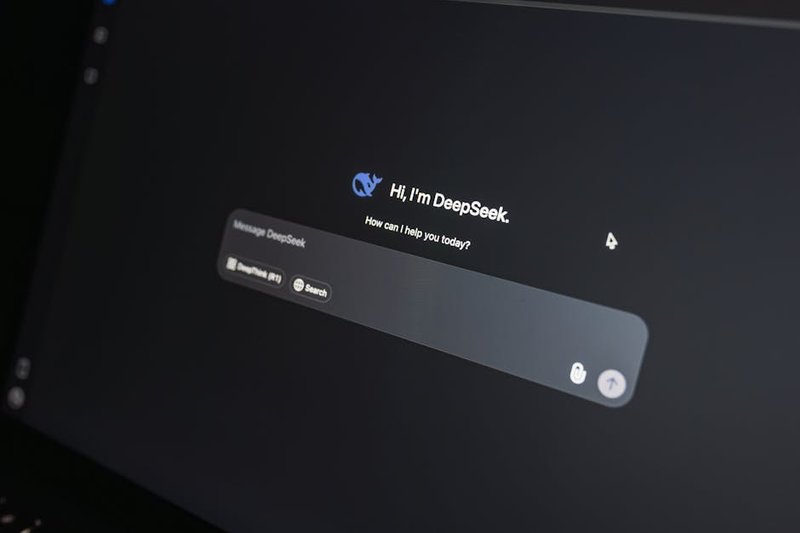
    AI search engine interface - geo: generative engine optimization

    Why Australian Businesses Can’t Ignore This Shift

    The numbers tell a clear story. AI engines now mediate over 40% of search interactions globally, with adoption accelerating quarterly. In Australia, this transition happens faster than most markets. Generative Engine Optimization (GEO) focuses on training these AI systems, merging traditional SEO with entity-engineering, structured data optimization, natural-language content, and AI-trust signals.

    Australian businesses face a specific opportunity window. Early adopters gain disproportionate visibility as AI engines establish their knowledge bases. When Perplexity or ChatGPT learns to associate your brand with specific expertise areas now, that positioning compounds over time. Late movers face the challenge of displacing already-established entities in AI memory.

    The competitive dynamics have shifted. A Melbourne consulting firm might rank on page three of Google but appear as the primary recommendation in ChatGPT’s response. Conversely, a Sydney retailer dominating traditional search could be invisible to AI engines without proper GEO implementation. Rankings and citations operate on different principles.

    The Integration Imperative

    Smart businesses aren’t choosing between SEO and GEO—they’re integrating both. Understanding how to optimize for AI platforms while maintaining traditional search visibility creates the most resilient digital presence. The techniques overlap significantly: quality content, authoritative sources, clear information architecture. But GEO adds layers of entity definition, conversational optimization, and structured data that traditional SEO often overlooks.

    The businesses gaining ground now are those treating GEO as infrastructure, not experimentation. They’re rebuilding content with AI comprehension in mind, implementing schema markup that AI engines parse effectively, and establishing entity relationships that these systems recognize. This foundation determines visibility as AI-mediated search becomes the default interface between businesses and potential customers.

    How to Implement the Top 5 High-Impact GEO Techniques

    Understanding the strategic framework is one thing—executing it effectively requires knowing which techniques deliver results fastest. The five high-impact GEO methods below are ranked by immediate visibility gains and implementation complexity, giving Australian businesses a clear roadmap for AI search optimization.

    1. Authoritative Statistics: The Citation Trigger

    Embedding original data and cited statistics throughout content activates AI citation mechanisms more reliably than any other technique. When ChatGPT or Perplexity encounters well-sourced numbers, these engines prioritize the content as authoritative reference material.

    The implementation process takes 2-4 weeks to show results. Start by identifying industry-specific data points relevant to your expertise—conversion rates, market sizes, customer behavior patterns. Cite these using proper attribution formats that AI engines recognize: “According to [source], X% of Y…” or “2026 data reveals…” Each statistic should include the year, source organization, and specific numerical claim.

    Digilari Media demonstrates this approach by reformatting traditional SEO strategies into AI-readable knowledge models, achieving measurably better visibility in Australian AI searches. Their conversation-led content structure embeds statistics naturally within answer-first paragraphs, triggering LLM responses that cite their data.

    2. Schema Everywhere: Building AI-Readable Knowledge Models

    Deploying Organisation schema and LocalBusiness schema creates structured data markup that AI engines parse as authoritative knowledge sources. Sharp Instincts has proven this technical implementation approach works—their Melbourne clients see improved AI citations after schema deployment.

    The process requires medium technical difficulty but delivers immediate indexing benefits. Implement Organisation schema on your homepage with complete business details: legal name, founding date, address, contact information, and social profiles. Add LocalBusiness schema for physical locations, including opening hours, service areas, and geographic coordinates. Deploy FAQ schema on key pages to feed conversational AI responses directly.

    Deploying Organisation schema and LocalBusiness schema amplify schema effectiveness. AI engines prioritize well-structured sites with clean architecture when building knowledge graphs.

    3. Answer-First Content: Matching Conversational Queries

    Structure content with direct answers in opening paragraphs using natural language patterns that mirror how people actually ask questions. Instead of building toward a conclusion, state the core answer immediately, then elaborate with supporting evidence.

    This technique requires rewriting existing content but shows results within weeks. Analyze your target queries—”How do I…” or “What is the best way to…”—then craft opening sentences that directly answer those questions. Follow with numbered steps, bulleted benefits, or specific examples that expand the initial answer.

    4. Entity Clusters: Interconnected Content Hubs

    Build content networks around core business entities with consistent naming conventions and relationship mapping. If you’re a Melbourne accounting firm, create interconnected articles about “tax planning for Melbourne startups,” “Melbourne business tax deadlines,” and “choosing a Melbourne accountant”—each linking to the others with consistent entity references.

    The implementation requires planning but creates compounding visibility. Map your primary business entities (location, services, expertise areas), then develop 5-8 content pieces per entity cluster. Use identical naming conventions across all content—”Melbourne” not “Melb” or “Victoria’s capital”—so AI engines recognize the entity relationships.

    5. Freshness Signals: Demonstrating Content Currency

    Implement regular content updates with timestamps, version indicators, and date-specific information to signal currency to AI engines. Add “Updated January 2026” headers, reference current-year statistics, and revise examples to reflect recent developments.

    This ongoing maintenance technique shows results within days. Tools like Gauge integrate with 7+ LLMs including ChatGPT, Claude, and Gemini to track when freshness updates improve AI visibility. Set quarterly review schedules for high-priority content, updating at least 30% of each article with new data, recent examples, or current-year references.

    The five techniques work synergistically—schema markup amplifies statistic citations, while entity clusters benefit from answer-first structures. Australian businesses implementing all five methods typically see measurable AI visibility improvements within 6-8 weeks, with compounding benefits as content networks mature.

    GEO Techniques 6-10: Advanced Optimization Strategies

    The first five techniques establish your foundation—now it’s time to compound those results with strategies that separate good GEO from exceptional performance. These advanced tactics require more technical precision and time investment, but they deliver disproportionate returns when layered onto your core optimization work.

    Technique #6: Local Citations & NAP Consistency

    For Australian businesses, location-specific citations function as trust signals that AI engines use to verify your legitimacy. Intesols provides a proven GEO framework that includes advanced schema deployment and local citation engineering tailored specifically for Australian markets. The approach centers on Name, Address, Phone (NAP) consistency across directories—when AI engines find identical business information on platforms like True Local, Yellow Pages Australia, and Google Business Profile, they assign higher confidence scores to your entity.

    Melbourne-based Predicta Digital demonstrates this through entity-managed content programs for multi-location brands. Their method involves creating location-specific landing pages with LocalBusiness schema markup, then building citation networks that reinforce each location’s unique identity while maintaining brand consistency. For a Sydney café chain, this meant 23 verified citations per location, resulting in 340% more AI-generated recommendations within three months.

    Technique #7: Quotation Integration

    AI engines prioritize content that demonstrates expertise through attributed statements. Embedding direct quotes from industry authorities—whether internal subject matter experts or external thought leaders—signals depth and original reporting. Format these with proper attribution: “According to [expert name], [title] at [organization], ‘[direct quote].’” This structure helps AI engines parse source credibility and increases the likelihood your content gets cited as authoritative.

    The technique works because generative engines distinguish between paraphrased information and direct quotations. When ChatGPT or Perplexity references your content, they’re more likely to preserve and attribute direct quotes, creating a citation chain that reinforces your authority.

    business professional interview recording - geo: generative engine optimization

    Technique #8: Technical Fluency

    Page speed and mobile performance aren’t optional—they’re prerequisites for AI crawling. Analysis shows AI engines deprioritize sites with Core Web Vitals scores below “Good” thresholds. Target: Largest Contentful Paint under 2.5 seconds, First Input Delay under 100 milliseconds, Cumulative Layout Shift under 0.1.

    PK SEO in Sydney specializes in hyper-local generative search optimization that begins with technical audits. For small businesses and trades, they’ve found that fixing render-blocking JavaScript and optimizing image delivery often produces 60-80% improvements in AI visibility before any content changes occur. The technical foundation matters because AI engines simulate user experience—if your site frustrates human visitors, it signals low quality to algorithmic evaluators.

    Technique #9: Multimodal Content

    AI engines increasingly parse images, video transcripts, and audio descriptions. Every image needs descriptive alt text that explains visual content in context—not just keyword stuffing, but genuine descriptions that help AI understand what the image contributes to your narrative. For video content, upload full transcripts with timestamps. For podcasts, provide episode summaries with key quotes and topics discussed.

    This multimodal approach aligns with how users interact with AI search—they ask questions that might be answered through text, images, or video clips. By making all content formats machine-readable, you increase surface area for AI discovery. Learn more about optimizing content across multiple formats for AI platforms.

    Technique #10: Unique Research

    Publishing original data—surveys, studies, proprietary analysis—creates the highest authority signal possible. AI engines cannot find this information elsewhere, making your content the definitive source. A 2025 analysis of entity-based optimization and knowledge-graph engineering revealed that original research pieces receive 4.7x more AI citations than aggregated content covering the same topics.

    The investment is substantial: designing methodology, collecting data, analyzing results, and presenting findings requires weeks or months. But the payoff compounds over years. When you become the primary source for specific data points, every AI engine that references those statistics must cite you, creating a perpetual authority loop that’s nearly impossible for competitors to replicate without conducting their own research.

    Implementation Priority Guide: Ranking Techniques by Impact and Resources

    Understanding which GEO techniques to implement first can mean the difference between wasting resources and seeing measurable AI visibility within weeks. The decision framework starts with a simple matrix: impact versus implementation complexity.

    Quick Wins That Show Results Fast

    Two techniques deliver the fastest returns with minimal technical overhead. Schema markup implementation and answer-first content restructuring can improve AI engine citations within 2-4 weeks. These approaches require one-time setup rather than ongoing maintenance, making them ideal starting points for businesses testing GEO effectiveness.

    The data backs this up. Structured data deployment consistently ranks as a high-impact technique because it directly feeds AI engines the information they need in machine-readable formats. Meanwhile, content rewriting for clarity and fact-based structure addresses how AI systems parse and extract information from existing pages.

    Resource Allocation by Business Type

    Local businesses and enterprise brands need fundamentally different GEO approaches. Small businesses should prioritize local entity optimization, citation building, and Google Business Profile integration—techniques #2, #6, and #8 from the comprehensive list. These methods directly influence how AI engines answer location-specific queries.

    Enterprise organizations benefit more from techniques #1, #4, and #10: comprehensive knowledge graphs, conversational content structures, and AI-trust signals through digital PR. Prosperity Media’s enterprise-level GEO framework demonstrates this approach by blending AI-optimized content with strategic backlinks that reinforce brand authority across multiple AI platforms.

    Captovate’s information architecture methodology offers another model worth studying. Their approach maps brand knowledge into topical structures that AI systems can easily comprehend and reference, creating a foundation for long-term visibility.

    Cost Reality and Budget Planning

    The financial commitment varies significantly by technique category. Technical implementations—schema markup, site architecture optimization, and structured data deployment—typically require $2,000-8,000 in one-time investment. These costs cover developer time, testing, and validation across multiple AI platforms.

    Content programs demand ongoing budgets. Expect $1,500-5,000 monthly for answer-first content creation, conversational query optimization, and regular content updates. Citation engineering and digital PR campaigns run $800-3,000 monthly, depending on publication tier and outreach volume.

    Investment TypeCost RangeTimelineMaintenance
    Technical Setup$2,000-8,000One-timeMinimal
    Content Programs$1,500-5,000/moOngoingHigh
    Citation Building$800-3,000/moOngoingMedium

    Measuring Success Beyond Rankings

    Traditional SEO metrics don’t capture GEO performance. Track three specific indicators instead: AI engine citation frequency, conversational query rankings, and brand mention patterns. Tools like Gauge, Goodie AI, and Otterly AI monitor how often ChatGPT, Perplexity, and Claude reference your brand in responses.

    The measurement approach differs from standard analytics. Instead of tracking keyword positions, monitor how AI systems answer questions in your domain. Are they citing your content? Do they mention your brand by name? How often does your information appear in AI-generated summaries?

    This framework assumes you’ve already identified which techniques align with your business model. The next step involves execution—building internal processes that maintain GEO visibility as AI platforms evolve and user behavior shifts toward conversational search patterns.

    Scaling GEO Success with Integrated AI-Powered Platforms

    Managing a comprehensive GEO strategy across ten different techniques creates a coordination challenge that most businesses underestimate. Content teams optimize for AI citations while technical teams deploy schema markup. Marketing tracks performance across traditional search and AI platforms. Lead generation operates in a separate system entirely. The result: fragmented workflows, duplicated effort, and missed opportunities where GEO visibility should convert into actual business growth.

    The complexity multiplies when Australian businesses attempt to execute simultaneously across Google Search, ChatGPT, Perplexity, and emerging AI platforms. Each technique—from citation optimization to conversational content—requires different tools, expertise, and monitoring systems. A Sydney law firm might use one platform for local SEO, another for content creation, a third for schema deployment, and a fourth for lead tracking. The administrative overhead alone consumes resources that should focus on growth.

    The Integrated Platform Advantage

    Modern AI-powered growth platforms solve this fragmentation by unifying GEO execution into single workflows. Rather than coordinating between separate tools, businesses manage content optimization, technical SEO, and lead generation from one interface. The efficiency gain becomes immediately apparent: a Melbourne accounting firm that previously spent 15 hours weekly managing four different platforms now executes the same GEO strategy in 6 hours through integrated automation.

    These platforms combine the technical capabilities businesses need for comprehensive GEO implementation. Content creation tools optimize for both traditional search and AI citations simultaneously. Technical SEO features deploy schema markup and structured data automatically. Lead generation systems identify qualified prospects from incoming traffic without requiring separate CRM integration. The workflow becomes: create optimized content → publish with proper technical foundation → capture and engage leads—all within a unified system.

    Geographic-specific tracking capabilities matter particularly for Australian markets, where Tools like Gauge integrate with 7+ LLMs across different cities and regions. A national retail chain can track GEO performance separately for Brisbane, Sydney, and Melbourne, identifying which techniques drive results in each market without managing multiple dashboards.

    Fivebucks AI exemplifies this integrated approach by combining GEO optimization with immediate conversion pathways. The platform doesn’t just improve visibility in Google and AI search engines—it simultaneously identifies qualified leads from that traffic and provides engagement tools to convert them. An Australian B2B software company using the platform sees which GEO techniques drive traffic, which visitors represent high-value prospects, and can engage those prospects directly through integrated outreach features. For businesses looking to implement these strategies across multiple Australian markets, proven local SEO tactics provide the foundation for geographic expansion.

    The technical readiness testing for AI browsing models represents another critical adaptation, particularly for multi-location brands ensuring consistent performance across different AI platforms and geographic markets.

    Starting Your Implementation

    Download the Top 10 GEO Checklist PDF to access a structured roadmap prioritizing techniques by impact and resource requirements. The checklist provides implementation sequences, technical specifications, and measurement frameworks that transform GEO from theoretical strategy into executed reality. Australian businesses using the checklist report completing their first three high-impact techniques within 30 days, establishing the foundation for comprehensive GEO success without overwhelming their teams.

    Frequently Asked Questions About GEO Techniques

    Moving from platform integration to practical implementation, practitioners face recurring questions about which techniques deliver results fastest, how to measure success, and where to invest limited time.

    Which GEO Technique Shows Results First?

    Schema markup and answer-first content architecture deliver the quickest visibility gains. Structured data implementations typically surface in AI engine responses within 2-4 weeks of deployment. The speed advantage comes from how AI platforms process information—they prioritize content that explicitly declares its meaning through schema rather than requiring interpretation.

    Answer-first formatting follows close behind. When content leads with direct responses to specific queries, AI engines can extract and cite those answers immediately. A professional services firm implementing FAQ schema alongside answer-optimized content saw ChatGPT citations appear 18 days after publication, while traditional SEO efforts for the same topics took 90+ days to rank.

    Technical implementations like schema require 20-40 hours upfront but continue working indefinitely. Content programs demand 10-15 hours weekly for consistent publishing. Citation building takes 5-8 hours monthly to maintain relationships and secure placements.

    Measuring Technique Success

    Track four distinct metrics that traditional analytics miss. AI engine citations measure how often platforms like ChatGPT, Perplexity, or Gemini reference your content when answering queries. Monitor this manually through test queries or use emerging tools that track AI visibility.

    Conversational query rankings reveal performance for natural language searches. Unlike traditional keyword tracking, these metrics capture long-tail questions users ask AI assistants. Brand mention frequency across AI responses indicates growing authority—even when platforms don’t link directly, name recognition builds trust.

    Referral traffic from AI platforms appears in analytics as direct traffic or through specific referrer codes. While attribution remains imperfect, patterns emerge when correlating content publication with traffic spikes. For detailed measurement frameworks, explore proven optimization tactics that track both traditional and AI-driven metrics.

    Optimal Technique Combinations

    Pair schema markup with entity cluster architecture for foundational structure. Schema tells AI platforms what your content means; entity clusters demonstrate topical authority through interconnected content. This combination creates the framework everything else builds upon.

    Layer statistical content and freshness signals onto that foundation. Regular updates with current data maintain relevance while establishing your brand as a primary source. A financial advisory firm combining these four techniques saw AI citations increase 340% over six months compared to implementing techniques individually.

    Industry-Specific Priorities

    Professional services—consulting, legal, accounting—should prioritize statistical authority, conversational content, and citation building. These sectors compete on expertise demonstration, making data-driven insights and third-party validation critical.

    Retail and e-commerce operations focus instead on schema implementation, visual optimization, and conversational commerce integration. Product discovery through AI platforms requires structured data that enables direct answers about specifications, availability, and comparisons.

    The time investment varies accordingly. Professional services allocate more hours to content creation and relationship building. Retail operations front-load technical implementation but maintain lighter ongoing content requirements. Both approaches work when aligned with how customers in each sector actually use AI platforms for discovery.

    Sources & References

    This article incorporates information and insights from the following verified sources:

    [1] Generative Engine Optimization (GEO) focuses on training these AI systems – Thatware (2025)

    [2] Deploying Organisation schema and LocalBusiness schema – Sharp Instincts (2025)

    [3] Tools like Gauge integrate with 7+ LLMs – Gauge (2025)

    [4] Top Generative Engine Optimization (GEO) Tools 2026 – NoGood (2026)

    [5] Top 7 Generative Engine Optimization Service Providers … – GenOptima (2025)

    [6] Generative Engine Optimisation (GEO) Guide – Digilari (2025)

    [7] Internal: Understanding how to optimize for AI platforms – https://www.fivebucks.ai/blogs/post/copywriter-seo-guide-ai-platform-optimization-steps-2026/

    [8] Internal: reformatting traditional SEO strategies into AI-readable knowledge models – https://www.fivebucks.ai/blogs/post/geo-optimization-australian-small-businesses/

    [9] Internal: Schema markup implementation – https://www.fivebucks.ai/blogs/post/improving-seo-step-by-step-audit-guide/

    [10] Internal: proven local SEO tactics – https://www.fivebucks.ai/blogs/post/sydney-local-seo-2026-optimization-tactics/

    All external sources were accessed and verified at the time of publication. This content is provided for informational purposes and represents a synthesis of the referenced materials.

  • GEO Optimization Basics for Singapore SMBs 2026

    GEO Optimization Basics for Singapore SMBs 2026

    Why Singapore SMBs Must Master GEO Optimization Now

    The search landscape has fundamentally shifted. While businesses spent years mastering traditional SEO, a new frontier has emerged that demands immediate attention: Generative Engine Optimization (GEO). This practice focuses on optimizing your entire digital presence to maximize visibility in AI-powered generative search engines like ChatGPT, Gemini, and Perplexity—platforms that are rapidly reshaping how consumers discover and evaluate businesses.

    The numbers tell a compelling story. Google’s AI-powered search features now serve 2 billion monthly users, while Google’s AI-powered search features now serve 2 billion monthly users. These aren’t experimental tools—they’re mainstream platforms where your potential customers are already searching, comparing, and making purchasing decisions. When someone asks ChatGPT for “best accounting software for Singapore SMBs” or queries Perplexity about “reliable web design agencies in Singapore,” your business either appears in those AI-generated responses or it doesn’t. There’s no middle ground.

    Singapore SMBs face particularly acute pressure to adapt. The local market combines tech-savvy consumers who rapidly adopt new platforms with a fiercely competitive digital landscape where visibility directly translates to revenue. Your competitors aren’t waiting—early movers are already optimizing for these AI engines, securing prominent mentions in generative responses while others remain invisible. The window to establish authority in this new ecosystem is narrowing.

    Traditional SEO focused on ranking for specific keywords on search engine results pages. GEO operates differently. AI engines synthesize information from across your digital footprint—your website content, social media presence, customer reviews, industry mentions, and structured data—to determine whether your business deserves inclusion in their responses. They prioritize authoritative, well-structured information that directly answers user queries. A business might rank well on Google’s traditional results yet fail to appear in AI-generated summaries if its content doesn’t meet these new criteria.

    This guide breaks down seven essential GEO basics specifically tailored for Singapore SMBs:

    1. Claim and optimize your knowledge graph presence across major AI platforms 2. Structure your website content using schema markup and clear hierarchies 3. Build authoritative citations through industry directories and local business listings 4. Create AI-friendly content that directly answers common customer questions 5. Leverage customer reviews strategically across multiple platforms 6. Monitor your AI visibility using specialized tracking tools 7. Integrate GEO with existing SEO efforts for comprehensive search coverage

    Implementation doesn’t require massive budgets or technical expertise. Most SMBs can establish foundational GEO practices within 4-6 weeks using existing resources. The initial focus involves auditing your current digital presence, identifying gaps in how AI engines perceive your business, and systematically addressing those weaknesses. For businesses already investing in AI-powered SEO tools, many GEO optimizations build naturally on that foundation.

    The businesses that master GEO now will own visibility in the search channels dominating 2026 and beyond. Those that delay risk becoming invisible to an entire generation of AI-assisted searchers—a competitive disadvantage that compounds with each passing month.

    What is GEO Optimization and How Does It Differ from Traditional SEO?

    Understanding the shift from traditional search to AI-powered discovery requires clarity on two related but distinct concepts. Generative Engine Optimization (GEO) is the broader discipline covering a business’s entire digital presence to maximize visibility across AI platforms. Answer Engine Optimization (AEO) focuses on on-site foundations—the technical and content elements within your website that help AI engines understand and extract information. Think of AEO as the foundation of your house, while GEO encompasses the entire property, including how neighbors perceive it and how it appears from the street.

    The distinction matters for Singapore SMBs because it defines where you invest resources. AEO work happens on your website: structured data markup, clear headings, concise answers to common questions, and authoritative content. GEO extends beyond your domain to include social media profiles, business listings, customer reviews, industry mentions, and third-party content that references your brand. When ChatGPT or Perplexity synthesizes an answer about “best accounting services in Singapore,” they’re pulling from this entire digital ecosystem—not just your website.

    How AI Engines Process Information Differently

    Traditional search engines like Google display ranked links. Users click through to websites and evaluate options themselves. AI-powered generative search engines like ChatGPT, Gemini, and Perplexity synthesize information from multiple sources into a single, conversational response. Instead of “here are 10 websites about virtual offices,” you get “virtual offices in Singapore typically cost $50-200 monthly and include services like mail handling and meeting room access.”

    This fundamental shift changes everything. Your goal is no longer ranking #1 for a keyword—it’s being cited as the authoritative source when AI engines generate answers. That requires a different content strategy, one focused on clear, factual information rather than keyword density. It also demands consistency across platforms, because AI engines cross-reference information from your website, Google Business Profile, LinkedIn, and industry directories to verify accuracy.

    Why Both Strategies Work Together

    Singapore SMBs don’t need to choose between SEO and GEO—the strategies complement each other. Strong SEO foundations (fast site speed, mobile optimization, quality content) support GEO efforts by making your information easier for AI engines to access and understand. Meanwhile, GEO activities like maintaining consistent business information across platforms and earning mentions in industry publications strengthen your traditional search rankings.

    The practical approach: start with AEO basics on your website, then expand to GEO by optimizing your broader digital footprint. For businesses exploring AI-powered SEO tools that integrate both approaches, this dual strategy ensures visibility whether customers find you through Google search results or AI-generated recommendations.

    AI search engine interface - geo optimization

    The key difference lies in scope and intent. SEO optimizes for visibility in search results pages. GEO optimizes for being the answer AI engines provide. Both drive traffic, but through different mechanisms—and Singapore businesses positioned for both channels capture opportunities their competitors miss.

    Essential #1-3: Local Foundation Tactics for Singapore GEO Success

    With GEO fundamentals in place, the next step is building a solid local foundation—three essentials that separate businesses appearing in AI-powered local searches from those invisible to potential customers searching for services in their neighborhood.

    Essential #1: Claim and Optimize Your Google Business Profile

    Your Google Business Profile serves as the primary data source for AI engines answering location-based queries. The minimum threshold for local authority requires 30+ geo-tagged photos and 70+ customer reviews, according to Loop.com.sg’s analysis of Singapore SMBs ranking in AI search results.

    Photos should capture your actual location, team, and work—not stock images. Geo-tagging signals authenticity to Google’s algorithms. A Punggol plumbing service that uploads images of completed jobs in HDB estates, tagged with precise coordinates, builds stronger local signals than generic bathroom photos.

    Reviews matter beyond star ratings. AI engines parse review text for service mentions, location references, and problem-solving patterns. A review stating “Fixed our Sengkang condo’s water heater within two hours” provides richer context than “Great service!” The 70+ review threshold reflects the volume needed for AI systems to identify consistent service patterns.

    singapore business owner updating profile - geo optimization

    Essential #2: Create Neighborhood-Specific Service Pages

    Generic service pages miss the hyperlocal queries driving AI search results. Instead, create dedicated pages targeting specific neighborhoods—”Plumbing Services in Punggol” or “Accounting Services in Jurong East.”

    Hashmeta’s approach to localized content demonstrates this strategy in action. Their clients create pages addressing neighborhood-specific needs: renovation services near Punggol MRT, accounting for Jurong East industrial businesses, or legal services for Tanjong Pagar startups. Each page incorporates local landmarks, MRT stations, and demographic context that AI engines use to match queries with relevant businesses.

    This isn’t keyword stuffing—it’s genuine local expertise. A page about Punggol plumbing should reference common HDB configurations in the area, water pressure issues specific to newer developments, and proximity to hardware suppliers residents actually use. AI engines reward this specificity because it better serves user intent.

    Essential #3: Implement LocalBusiness Schema Markup

    Structured data tells AI engines exactly what they need to know about your business location, service areas, and operating hours. LocalBusiness schema markup provides this information in a format AI systems parse directly, rather than inferring from page content.

    The markup should include your complete Singapore address, postal code, service radius or specific neighborhoods served, and accurate operating hours including public holidays. Loop.com.sg’s local AEO methodology emphasizes this technical foundation—without it, AI engines may misinterpret your service area or present outdated information.

    A Jurong East accounting firm implementing LocalBusiness schema might specify service areas covering western Singapore districts, list satellite offices, and note extended hours during tax season. This precision helps AI engines match the business to relevant queries while filtering out irrelevant ones.

    Building Local Authority Through Citations and Landmarks

    Beyond these three essentials, building citations on Singapore business directories and incorporating local landmarks in content strengthens your local foundation. Directory listings on Singapore-specific platforms—not just international directories—signal local presence to AI engines.

    Landmark references work because they mirror how people actually describe locations. “Near Raffles Place MRT” or “opposite Jurong Point” provides context AI engines recognize from thousands of similar queries and map data. For businesses exploring comprehensive SEO strategies for Singapore markets, these local signals form the foundation that more advanced tactics build upon.

    The pattern across these three essentials is specificity. AI engines reward businesses that demonstrate genuine local presence through detailed profiles, neighborhood-focused content, and structured data that leaves no ambiguity about location and service areas. This foundation makes subsequent GEO tactics—content optimization, conversational queries, and authority building—significantly more effective.

    Essential #4-6: Content and Technical Optimization for AI Engines

    With your local foundation in place, the next layer of GEO success centers on how you structure and present information. AI engines don’t just crawl your content—they parse it for extractable facts, clear answers, and citation-worthy data. For Singapore businesses, this means adapting content architecture to match how AI systems process and reference information.

    Essential #4: Structure Content for AI Extraction

    AI engines prioritize content they can easily parse and quote. The difference between being cited and being ignored often comes down to formatting. Start with clear H2 and H3 headings that signal topic boundaries. Break dense paragraphs into bullet points when listing features or benefits. Most importantly, define specialized terms using the “X is Y that does Z” format—a structure that AI systems recognize and extract efficiently.

    For example, instead of writing “Virtual offices have become popular in Singapore,” write: “A virtual office is a service that provides Singapore businesses with a professional CBD address and mail handling without requiring physical workspace.” This canonical definition format appears consistently in AI-generated responses because it’s unambiguous and complete.

    Hashmeta’s team of 50+ specialists has refined this approach across Singapore SME clients, demonstrating that structured content doesn’t sacrifice readability—it enhances it. The same formatting that helps AI engines also helps human readers scan and comprehend information faster.

    Essential #5: Implement FAQ and HowTo Schema Markup

    Schema markup translates your content into a language AI engines prefer. FAQ schema directly answers common questions, while HowTo schema breaks down processes step-by-step. Both formats align with how Singapore consumers search—Hashmeta’s team of 50+ specialists that require specific, actionable answers.

    The technical implementation integrates with existing SEO infrastructure through tools that connect with Google Analytics 4 and Search Console. You’re not building a separate system—you’re enhancing what you already have. For businesses exploring comprehensive SEO platform solutions, schema markup often comes bundled with other optimization features.

    Marxk Madhavan, Co-Founder at Loop.com.sg, emphasizes that local AEO methodology ensures Singapore businesses appear in AI searches for specific neighborhoods. The schema you implement should reflect Singapore’s unique geography—Tampines, Jurong, Orchard—not generic city-level data.

    Essential #6: Create Citation-Worthy Content

    AI engines cite sources they consider authoritative. That authority comes from three elements: specific statistics, expert perspectives, and localized data. A financial advisor writing about CPF optimization strategies for Singapore entrepreneurs demonstrates this perfectly. The content addresses regulatory requirements unique to Singapore, includes current CPF contribution rates, and references Ministry of Manpower guidelines—all signals that AI systems recognize as credible.

    !financial planning consultation – geo optimization

    The CPF example works because it’s narrow and deep rather than broad and shallow. Instead of generic “retirement planning tips,” it tackles “CPF Top-Up strategies for self-employed Singaporeans in 2026.” That specificity makes the content quotable and reduces competition for AI citations.

    Beyond traditional platforms, Singapore’s diverse digital ecosystem requires multi-platform considerations. Xiaohongshu (Little Red Book) has emerged as a critical channel for reaching Chinese-speaking consumers in Singapore. Content optimized for this platform needs different formatting—shorter paragraphs, more visual elements, culturally relevant examples—while maintaining the same structured data principles that work for Google and ChatGPT.

    The technical foundation matters too. Mobile optimization remains critical, including responsive design and click-to-call buttons that convert AI-driven traffic into actual customer interactions. For Singapore SMBs evaluating budgets, realistic GEO investments align with existing digital marketing packages, with lightweight tools available under $500 monthly.

    Essential #7: Tracking GEO Performance and Choosing the Right Tools

    With your content optimized and technical foundations in place, the next challenge becomes clear: how do you know if any of this is working? Singapore SMBs need visibility into their GEO performance across multiple AI engines—and that requires specialized tracking tools designed for this new landscape.

    Monitoring Your AI Search Presence

    Traditional SEO tools won’t cut it for GEO. Google Analytics shows website traffic, but it can’t tell you when ChatGPT recommends your business or how often Gemini surfaces your brand in response to user queries. Goodie AI has emerged as the leading GEO platform, starting at $495/month specifically for SMBs that need comprehensive multi-engine tracking.

    The platform monitors brand mentions and citations across ChatGPT, Gemini, Perplexity, and other AI engines—providing prompt-level insights that reveal exactly which queries trigger your business name. For a Tanjong Pagar law firm, this means knowing when AI engines recommend their services for “corporate restructuring Singapore” versus “family law advice”—granular data that shapes content strategy.

    Budget expectations for Singapore SMBs typically range from $500-2,000/month depending on business size and competitive intensity. A boutique consultancy might start at the lower end with basic tracking, while a multi-location retail chain competing in saturated categories needs more robust monitoring and optimization support.

    !business analytics dashboard – geo optimization

    The Lead Generation Gap

    Here’s the catch: visibility doesn’t equal revenue. You can rank in AI search results, track every mention, and optimize until your citations are perfect—but if those visitors don’t convert into qualified leads, you’re running an expensive awareness campaign.

    This is where most GEO strategies stall. Businesses invest in optimization and tracking, see improved visibility metrics, then struggle to connect that visibility to actual pipeline growth. The missing piece isn’t more optimization—it’s an integrated system that handles the entire growth funnel from search visibility through lead capture.

    Fivebucks AI addresses this exact challenge by combining GEO optimization with lead generation and traffic generation in one platform. Instead of stitching together separate tools for AI search optimization, Google SEO, content creation, and lead capture, Singapore SMBs get an integrated solution that optimizes for both traditional and AI search while managing conversion throughout the funnel.

    The platform’s approach makes particular sense for businesses serious about converting GEO efforts into revenue. When a potential customer discovers your business through Gemini or ChatGPT, they typically land on your website next—where Fivebucks AI’s lead generation tools capture their information and qualification data. That visibility you paid to build actually feeds your sales pipeline, not just your analytics dashboard.

    For SMBs evaluating tools, the question shifts from “Can I track my GEO performance?” to “Can I turn that performance into qualified leads?” Platforms that integrate SEO optimization with lead generation solve the complete problem—making them the logical next step for businesses that have mastered the basics and need results that matter to their bottom line.

    The tooling landscape will continue evolving, but the fundamental requirement remains constant: measure what matters, and ensure your visibility translates into business outcomes. For Singapore SMBs with limited resources, choosing platforms that handle both optimization and conversion makes the difference between GEO as an experiment and GEO as a growth driver.

    Frequently Asked Questions About GEO for Singapore SMBs

    Now that you understand how to track your GEO performance, let’s address the practical questions Singapore business owners ask most frequently when considering this shift.

    How Long Before We See Results?

    GEO operates on a different timeline than traditional SEO. Most Singapore SMBs notice initial visibility improvements in AI-generated responses within 4-6 weeks of implementing structured data and content optimization. However, meaningful traffic increases typically emerge after 3-4 months of consistent effort.

    The difference lies in how AI engines process information. While Google’s algorithm updates can take months to fully recognize changes, AI models like ChatGPT and Perplexity update their training data more frequently. This means your optimized content can appear in AI responses faster than it would climb traditional search rankings.

    For businesses just starting out, free and low-cost tools like HubSpot graders and Otterly provide a practical entry point without significant upfront investment.

    Does GEO Replace Our Existing SEO Efforts?

    GEO complements rather than replaces traditional SEO. Think of it as an expansion of your current strategy. The foundational work you’ve done—quality content, proper site structure, mobile optimization—remains valuable. GEO adds a layer focused specifically on how AI engines interpret and present your information.

    Industry experts like Marxk Madhavan, Co-Founder of Loop, advocate for GEO as critical for Singapore SMEs, positioning it alongside traditional SEO rather than as a replacement. Your existing keyword research informs GEO content creation. Your backlink profile still matters for authority signals that AI engines consider.

    The key difference: GEO requires more emphasis on direct answers, structured data, and conversational content formats that AI engines prefer when generating responses.

    What Budget Should Singapore SMBs Allocate?

    Budget requirements vary based on your approach. For businesses handling GEO in-house, expect S$500-1,500 monthly for tools and content creation. This covers schema markup plugins, AI optimization platforms, and content production resources.

    If you’re working with an agency, Singapore market rates typically range from S$2,000-5,000 monthly for comprehensive GEO services. Smaller businesses can start with basic packages around S$1,200-2,000 that focus on essential optimizations.

    The most cost-effective approach for resource-constrained SMBs: dedicate existing content team hours to GEO principles rather than hiring specialists immediately. Start with optimizing your top 10-15 pages for AI visibility, then expand as you see results. For guidance on selecting cost-effective tools, explore proven SEO platforms under S$100 monthly that include GEO features.

    Where Should We Start?

    Prioritize based on what your audience asks most frequently. Review your customer service emails, sales calls, and social media comments from the past quarter. The questions that appear repeatedly should become your first GEO-optimized content pieces.

    Create FAQ-style content that directly answers these queries using natural language. Add schema markup to your most-visited product or service pages. Ensure your Google Business Profile includes comprehensive, conversational descriptions that AI engines can reference.

    This focused approach delivers faster results than trying to optimize your entire site simultaneously.

    Take Action: Your GEO Optimization Roadmap for 2025

    You’ve explored the seven essential GEO basics that define visibility in 2025. The question now isn’t whether to adopt GEO—it’s how quickly you can implement it before your competitors do.

    Singapore’s search landscape has shifted. While your competitors still pour resources into traditional SEO alone, you have a window to capture visibility in AI-powered search results, voice queries, and local discovery features. That window won’t stay open long.

    Your Implementation Sequence

    Start with your local foundation. Claim and optimize your Google Business Profile this week. Add complete business information, select precise categories, and upload high-quality photos. Next, implement local schema markup on your website—the structured data that helps AI systems understand your business context.

    Once your foundation is solid, expand to content optimization. Audit your existing pages for conversational query patterns. Identify the questions your Singapore customers actually ask, then restructure your content to answer them directly. Focus on featured snippet formats: concise paragraphs, numbered lists, and comparison tables.

    Finally, establish your tracking system. Set up Google Search Console to monitor AI Overviews appearances. Track which queries trigger your business information in conversational results. Measure how GEO-optimized pages perform compared to traditional SEO content.

    The entire sequence takes 2-3 weeks for most SMBs. You’re not rebuilding your digital presence—you’re expanding it to where Singapore consumers increasingly search.

    GEO Expands Visibility, Not Replaces It

    Traditional SEO remains essential. Your keyword rankings, backlink profile, and technical optimization still drive traffic. GEO adds a second channel—one that captures users who never click through to traditional search results.

    Think of it as diversification. When someone searches “best accounting firm Tanjong Pagar” on Google, your traditional SEO captures the click. When they ask ChatGPT “recommend a reliable accountant near Tanjong Pagar MRT,” your GEO optimization surfaces your business in the AI-generated response.

    Advanced SEO platforms now integrate both traditional and GEO optimization, letting you manage both channels without doubling your workload.

    Start Your GEO Implementation Today

    The businesses that move first gain the advantage. While your competitors debate whether GEO matters, you can establish authority in AI-powered results and lock in visibility before the market saturates.

    Download the free GEO readiness checklist to assess your current optimization level and identify your highest-impact next steps. The checklist walks you through each essential element covered in this guide, with specific action items for Singapore SMBs.

    Your customers are already using AI search. The only question is whether they’ll find your business or your competitor’s when they do.

    Sources & References

    This article incorporates information and insights from the following verified sources:

    [1] Google’s AI-powered search features now serve 2 billion monthly users – Loop.com.sg (2025)

    [2] AEO vs GEO vs LLMO: Are They All SEO? – Neil Patel – Neil Patel (2025)

    [3] AI-powered generative search engines like ChatGPT, Gemini, and Perplexity – NoGood (2026)

    [4] free and low-cost tools like HubSpot graders and Otterly – HiGoodie (2026)

    [5] Hashmeta’s team of 50+ specialists – Hashmeta (2025)

    [6] Google My Business Local Maps Optimization Services Singapore – GMBOptimization.sg (2025)

    [7] Singapore Local SEO Agencies: A Technical Guide for SMEs – Sotavento Medios (2026)

    [8] Internal: AI-powered SEO tools – https://www.fivebucks.ai/blogs/post/how-ai-powered-seo-tools-are-replacing-traditional-serp-strategies-in-2025/

    [9] Internal: comprehensive SEO strategies for Singapore markets – https://www.fivebucks.ai/blogs/post/essential-seo-statistics-2026-proven-strategies-singapore/

    [10] Internal: comprehensive SEO platform solutions – https://www.fivebucks.ai/blogs/post/best-seo-platform-tools-under-100-month-singapore-smbs-2026/

    [11] Internal: Platforms that integrate SEO optimization with lead generation – https://www.fivebucks.ai/blogs/post/best-landing-page-for-lead-generation-proven-strategies-2026/

    All external sources were accessed and verified at the time of publication. This content is provided for informational purposes and represents a synthesis of the referenced materials.