Category: Australia

  • Ultimate Geo Targeting SEO Guide: 7 Proven Steps for Sydney E-commerce in 2026

    Why Geo Targeting SEO Is Critical for Sydney E-commerce Success

    When you search “buy running shoes Sydney” today, you’re no longer just scrolling through ten blue links. You’re getting instant answers from AI-powered search engines that pull information from across the web and serve it up as a complete response. This shift fundamentally changes how Sydney e-commerce businesses need to think about visibility.

    Geo targeting SEO is a strategy that optimizes your online content to rank for location-specific searches—ensuring your business appears when customers search for products or services in specific geographic areas like Sydney. It’s not just about adding “Sydney” to your homepage anymore. Geolocation optimization has become critical for website visibility in Australian cities because AI search engines now prioritize contextually relevant, location-specific answers over generic product pages.

    Here’s what’s changed: traditional SEO focused on ranking your product page for “running shoes.” Geo targeting SEO ensures you appear when someone searches “running shoes delivery Bondi” or “where to buy trail runners near Parramatta.” The difference matters because AI-powered search answers—generated by large language models (LLMs)—pull from sources that demonstrate clear geographic relevance and authority.

    Why Sydney E-commerce Can’t Ignore This Anymore

    Geolocation optimization has become critical for website visibility like Sydney e-commerce. You might operate entirely online, but your customers still live in specific suburbs, expect realistic delivery timeframes, and search with local intent. When they ask an AI search engine “best place to order office furniture in Sydney,” you need to be part of that answer—not buried on page three of traditional search results.

    The competitive reality is stark. Sydney e-commerce businesses optimizing for geo targeting appear in AI-generated answers, Google’s local pack, and location-specific queries. Those that don’t are effectively invisible to a growing segment of searchers who never scroll past the AI-generated response.

    This guide walks you through seven concrete steps to implement Sydney-specific geo targeting SEO. You’ll learn how to structure your content for AI search engines, optimize for Sydney suburbs and regions, and measure what actually drives local visibility. For businesses ready to tackle the technical foundation first, exploring comprehensive SEO audit strategies provides the groundwork these geo targeting tactics build upon.

    The framework ahead isn’t theoretical—it’s built on what’s working for Australian e-commerce businesses competing in Sydney’s digital marketplace right now.

    Understanding Sydney’s E-commerce Landscape and Local Search Behavior

    Sydney’s e-commerce market operates under distinct digital dynamics that demand more than cookie-cutter SEO tactics. When local consumers search for products, they’re increasingly specific about location—queries like “organic skincare delivery Sydney CBD” or “same-day furniture Sydney Inner West” reflect how shoppers filter for proximity and convenience. GEO targeting has evolved from a niche tactic for physical stores to essential strategy for any business with a defined service area, particularly in Sydney’s competitive online retail environment.

    The competitive landscape here differs markedly from other Australian cities. Sydney e-commerce businesses face both established national retailers and nimble local operators, all vying for visibility in the same geographic corridors. Location authority—your business’s proven relevance to specific Sydney suburbs or regions—directly impacts whether you appear in those high-intent local searches. A Bondi-based activewear brand optimizing for “Sydney” broadly will lose ground to competitors who’ve built authority in specific areas like “Eastern Suburbs” or “Northern Beaches.”

    How Sydney SEO Agencies Approach Geographic Targeting

    Sydney agencies like Intesols bring AI SEO expertise to help e-commerce businesses achieve sustainable growth through precise geo-targeting. Rather than generic national campaigns, they map service areas to match actual delivery zones and customer concentrations. Safari Digital’s approach focuses on connecting small businesses with local customers through geo-targeted campaigns that emphasize neighborhood-level relevance—think “Newtown vintage clothing” versus “Sydney vintage clothing.”
    Digiware takes this further by building GEO funnels that optimize the entire customer journey for local searches, from initial discovery through conversion. Their work demonstrates how Sydney e-commerce operations can boost conversions by aligning content, technical SEO, and user experience with geographic intent.

    Mapping Your Service Area Strategy

    You need to define where you actually serve customers, then build authority there. If you deliver to the Inner West, Northern Suburbs, and Eastern Suburbs, your content strategy should reflect those three distinct areas—not just “Sydney.” This means creating location-specific landing pages, optimizing product descriptions with area references, and earning local citations that reinforce your presence in each zone.

    For businesses looking to implement these strategies systematically, understanding GEO optimization fundamentals for Australian small businesses provides a foundation for building location authority that actually converts searchers into customers. The key is matching your digital footprint to your operational reality—where you deliver, where your customers live, and how they search for what you sell.

    How to Audit Your Current Sydney E-commerce SEO Setup

    Understanding Sydney’s unique e-commerce landscape sets the foundation—now you need to assess where your current setup stands. Before investing in new strategies, a thorough audit reveals exactly which gaps are holding back your local visibility and revenue potential.

    Start With Location Authority Assessment

    Impressive Digital’s Sydney SEO process begins with evaluating your suburb targeting and location authority—two factors that determine whether Sydney shoppers actually find your store. Check if your site currently targets specific suburbs like Bondi, Parramatta, or Chatswood in product pages and category descriptions. Most e-commerce sites miss this entirely, defaulting to generic “Sydney” mentions that fail to capture high-intent local searches.

    Next, audit your Google Business Profile completeness. Verify that your business name, address, phone number, hours, and product categories match exactly across all platforms. Look for missing elements: Are your business hours current? Have you uploaded product photos? Does your description mention specific Sydney suburbs you serve? Gorilla 360’s GEO agency services emphasize that incomplete profiles directly correlate with lower local rankings—a gap you can fix immediately.

    Technical SEO Foundation Check

    Impressive Digital’s Sydney SEO process by ensuring search engines can properly crawl and understand your Sydney-focused content. Run a crawl analysis using tools like Screaming Frog to identify broken internal links, redirect chains, and orphaned product pages. These issues prevent search engines from discovering your suburb-specific content.

    Examine your schema markup implementation next. Product schema should include location-specific availability data—whether items ship from your Sydney warehouse or are available for local pickup. Small business technical setups for Shopify and WooCommerce platforms often lack proper schema, leaving AI search engines unable to surface your products in location-aware results.

    Test site speed across mobile devices using Google PageSpeed Insights, focusing on Core Web Vitals. Sydney shoppers increasingly browse on mobile during commutes—if your product pages load slowly, you’re losing sales before customers even see your offerings. For a comprehensive technical foundation, reference our step-by-step audit guide covering advanced optimization techniques.

    Keyword and Backlink Gap Analysis

    Audit your current keyword targeting by analyzing which Sydney suburb terms you rank for versus competitors. Export your Google Search Console data and filter for queries containing suburb names. If you’re not appearing for “[product] Newtown” or “[category] Surry Hills,” you’ve identified clear targeting opportunities.

    Finally, assess your backlink profile for location authority. Quality links from Sydney-based directories, local news sites, and community organizations signal relevance to search engines. Revenue-linked GEO efforts start with identifying which local link sources competitors have secured that you’re missing—these become your immediate outreach targets.

    Selecting and Implementing the Right Geo SEO Tools for Sydney Stores

    Your audit has revealed gaps—now you need the right tools to close them. The choice between platforms matters: Shopify stores in Sydney typically benefit from apps like Plug in SEO or SEO Manager, which integrate directly with product catalogs and handle structured data automatically. WooCommerce setups require more manual configuration but offer greater flexibility through plugins like Yoast Local SEO or Rank Math Pro, which let you customize schema markup for each Sydney suburb you target.

    The integration complexity differs significantly. Shopify’s closed ecosystem means fewer technical headaches—most geo-targeting tools install with one click and sync with your existing product data. WooCommerce demands more hands-on setup: you’ll configure location-specific URLs, manage separate sitemaps for Sydney regions, and ensure your hosting environment supports the additional tracking scripts. If you’re running a multi-location operation across Bondi, Parramatta, and the CBD, WooCommerce’s granular control pays off. For single-location stores, Shopify’s simplicity wins.

    Building Conversion Pathways for Local Searches

    Digiware’s approach to GEO funnel builds demonstrates how local search optimization connects directly to revenue. Their method starts with identifying high-performing keywords that drive national visibility from local GEO positioning, then structures conversion pathways around those terms. For Sydney e-commerce, this means creating landing pages optimized for searches like “same-day delivery Surry Hills” or “click and collect Chatswood”—not just generic product pages.

    The technical setup requires tracking systems that account for Australian time zones and Sydney’s sprawling geography. Your analytics must differentiate between a customer searching from Manly at 9 AM versus someone in Penrith at 9 PM—purchase intent varies by location and time. Tools like Google Analytics 4 with custom dimensions for suburb-level tracking, combined with heatmapping software that segments by postal code, give you this granularity.

    Selecting AI-Optimized Tools

    AI-driven search demands different optimization approaches focused on semantic relevance and entity authority. Look for tools that track how large language models interpret your product descriptions—platforms like Clearscope or MarketMuse now include LLM visibility scores alongside traditional keyword metrics. These systems analyze whether your content appears in AI-generated responses, not just traditional search results.

    Configuration for Sydney-specific parameters starts with setting your primary location in Google Business Profile, then extends to your website’s schema markup. Define service areas by suburb, specify Australian business hours in UTC+10/+11 format, and test your setup using location-spoofing tools to simulate searches from different Sydney postcodes. Run queries from Bondi (2026), Parramatta (2150), and North Sydney (2060) to verify your geo-targeting triggers correctly across all target areas.

    What Changes to Make for AI-Visible Product Descriptions in Sydney

    With your geo-targeting tools configured, the next challenge is making your Sydney e-commerce content actually visible to AI search systems. Traditional keyword stuffing won’t cut it—you need to restructure how you describe products so AI understands context, relevance, and local intent.

    Restructuring Product Descriptions for AI Understanding

    different optimization approaches focused on semantic relevance and entity authority centers on three pillars: semantic relevance, entity authority, and structured data. For a Sydney surf shop, this means transforming a basic product description like “Men’s wetsuit, black, size M” into something AI systems can extract and recommend: “Men’s 3/2mm wetsuit designed for Sydney’s spring water temperatures (16-18°C), featuring flexible neoprene for paddling at Bondi and Manly beaches.”

    The difference? AI can now match this product to queries like “What wetsuit thickness do I need for Sydney in October?” or “Best wetsuit for Bondi Beach conditions.” You’re answering the questions people actually ask, not just listing specifications.

    Start by identifying the Sydney-specific queries your products should answer. An outdoor furniture retailer might optimize for:

    • “Outdoor furniture that handles Sydney humidity and salt air”
    • “Best patio sets for small Sydney balconies in Surry Hills”
    • “UV-resistant outdoor chairs for Sydney’s harsh summer sun”

    Each product description should directly address at least one of these location-aware queries. Include Sydney suburbs, weather patterns, lifestyle contexts, and local use cases. AI systems extract this contextual information to generate relevant answers.

    Implementing Schema Markup for AI Visibility

    Schema markup tells AI exactly what your content represents. For Sydney e-commerce, you’ll want Product schema with local business extensions. Here’s what that looks like in practice:

    “`json { “@type”: “Product”, “name”: “Coastal Outdoor Dining Set”, “description”: “Weather-resistant dining set designed for Sydney’s coastal climate”, “offers”: { “@type”: “Offer”, “availability”: “InStock”, “areaServed”: { “@type”: “City”, “name”: “Sydney”, “containedInPlace”: “New South Wales” } } } “`

    Purge Digital’s methodology for leveraging LLMs in geo-targeting emphasizes local data integration through Google Business Profile connections and location-specific content layers. When you combine schema markup with GBP data, AI systems gain confidence in recommending your products for Sydney-specific searches.

    For practical implementation guidance, explore advanced optimization techniques that align with how AI systems process and rank content. The key is creating machine-readable signals that confirm your product’s relevance to Sydney shoppers—not just claiming it, but structuring your data to prove it.

    How to Track and Measure Sales Impact from Sydney Geo Targeting

    With your Sydney geo targeting optimizations in place, you need a clear framework to measure whether these efforts translate into actual revenue. Start by documenting your baseline metrics before implementation—record current traffic from Sydney suburbs, conversion rates by location, and average order values. This snapshot becomes your reference point for calculating ROI and proving campaign effectiveness.

    Setting Up Attribution Tracking

    You’ll need proper tracking infrastructure to connect geo-targeted traffic to sales. Configure UTM parameters specifically for Sydney campaigns—use `utm_source=sydney_geo` and `utm_campaign=suburb_name` to segment traffic by location. Technical requirements include hreflang tags for localized product pages, particularly if you’re running Shopify or similar platforms with multiple location-specific variants.

    Track the full conversion pathway, not just last-click attribution. A customer in Bondi might discover your product through a geo-targeted blog post, return via a Sydney-specific PPC ad, and convert after reading localized reviews. Multi-touch attribution reveals which geographic touchpoints drive the most valuable customer journeys. Tools like Google Analytics 4 let you create custom segments for Sydney traffic and analyze behavior flow by suburb.

    ROI Timeline Expectations

    Sydney e-commerce campaigns typically show measurable improvements within 90 days through targeted keyword strategies, but your timeline depends on competition and current visibility. In the first 30 days, expect to see traffic increases from Sydney-specific long-tail keywords—these rank faster than broad terms. By day 60, you should notice improved conversion rates as AI search engines begin surfacing your localized content for relevant queries.

    The 90-day mark reveals true revenue impact. Look for sustained traffic growth from high-intent Sydney searches and improved average order values from better-matched customer segments. Combining geo targeting with Google Business Profile accelerates results by improving local intent coverage across both traditional and AI search platforms.

    Analyzing Geographic Performance

    Break down revenue by Sydney suburb to identify your highest-performing areas. You might discover that customers in Surry Hills convert at 4.2% while Parramatta traffic converts at 2.8%—this insight lets you allocate budget more effectively. Create custom reports showing sales per suburb, average order value by location, and customer lifetime value across different service areas.

    For deeper analysis, explore advanced geo optimization techniques that help Australian businesses refine their geographic targeting strategies.

    Cost Considerations

    Budget for three main expense categories: tracking tools ($50-200/month for analytics platforms), content optimization (typically $1,500-5,000 for comprehensive Sydney-focused content updates), and ongoing management. If you’re working with an agency, expect $2,000-8,000/month for full-service geo targeting in competitive Sydney markets. These investments should return 3-5x within the first year for established e-commerce businesses with solid product-market fit.

    Integrating Google Business Profile with Your Sydney E-commerce Strategy

    You’ve just seen how tracking performance data reveals what’s working in your Sydney geo targeting. Now here’s where many e-commerce businesses hit a wall: they assume Google Business Profile only matters for brick-and-mortar stores. That’s a costly misconception.

    Online retailers serving Sydney can absolutely leverage Google Business Profile—even without a physical storefront. The key lies in understanding service area businesses (SABs). When you set up your profile, Google lets you specify service areas rather than a street address. For Sydney e-commerce, this means claiming your business location (even if it’s a home office or warehouse) and defining Sydney and surrounding suburbs as your service zones.

    Here’s the practical process: First, verify your business through Google’s postal mail option to your registered address. Once verified, hide your street address in settings—customers see “Serving Sydney and surrounding areas” instead. Next, add detailed service areas: Inner West, Eastern Suburbs, North Shore, and other relevant Sydney regions. Impressive Digital’s approach to Sydney SEO demonstrates how suburb targeting combined with Google Business Profile optimization creates powerful local visibility for e-commerce businesses.

    The integration with your broader geo targeting strategy happens through consistent NAP (Name, Address, Phone) data across all platforms. Your Google Business Profile should mirror the Sydney-specific information on your website’s contact page, schema markup, and directory listings. This consistency signals authority to Google’s local algorithm—even for purely online operations.

    For e-commerce businesses serving multiple Australian markets or international customers, Technical requirements include hreflang tags for localized product pages. These HTML attributes tell search engines which language and regional version of your content to serve. A Sydney-based retailer shipping nationally might implement hreflang tags distinguishing Sydney-specific landing pages from Melbourne or Brisbane versions. The tags sit in your page header, formatted as: “.

    The real power emerges when you mine Google Business Profile insights to refine targeting. Check the “Insights” tab weekly to see which Sydney suburbs generate the most profile views and customer actions. If Bondi and Manly show high engagement but low conversions, adjust your geo targeting bid modifiers or create suburb-specific landing pages. Notice search queries bringing users to your profile—these reveal exactly how Sydney customers describe your products, giving you keyword gold for optimizing your broader SEO strategy.

    Your Google Business Profile becomes a testing ground for geo targeting hypotheses. The data flows directly into smarter campaign decisions across all channels.

    Frequently Asked Questions About Sydney Geo Targeting SEO

    With your Google Business Profile now integrated into your broader Sydney e-commerce strategy, you’re likely facing specific technical questions about implementation. Let’s address the most common concerns that Sydney businesses encounter when setting up geo-targeted campaigns.

    How Do I Set Up Geo Targeting on Shopify and WooCommerce?

    For Shopify stores in Sydney, you’ll want to install apps like Geolocation or Bold Commerce’s location-based pricing tools. These plugins detect visitor IP addresses and automatically adjust product recommendations, shipping options, and even pricing based on Sydney postcodes. The setup typically takes 15-30 minutes—navigate to your Shopify App Store, search for geo-targeting apps, and follow the installation wizard. Most apps offer Sydney-specific templates that recognize NSW postcodes automatically.

    WooCommerce users need the WooCommerce Geolocation plugin or similar WordPress extensions. After installation, configure your settings to prioritize Sydney suburbs (2000-2234 postcodes) and set rules for product visibility. For example, you might show “Same-day delivery available” badges only to visitors from inner Sydney postcodes. The plugin integrates with your existing WordPress dashboard, making adjustments straightforward even if you’re not technically inclined.

    What Should I Budget for Sydney Geo Targeting?

    Expect to invest $500-$2,000 monthly for professional geo-targeting campaigns in Sydney. This covers paid search ads with location parameters, remarketing to Sydney audiences, and ongoing optimization. Smaller businesses can start with $300-500 monthly budgets focused on high-intent keywords like “buy [product] Sydney CBD” or “[service] near Bondi.” Tools like specialized geo-targeting platforms for Australian businesses can help maximize your budget efficiency by automating bid adjustments based on Sydney neighborhood performance.

    Platform costs vary—Google Ads typically requires higher minimums ($500+/month) while Facebook’s geo-targeting starts around $200-300 monthly for Sydney-focused campaigns.

    Do Service Businesses Need Different Approaches Than E-commerce?

    Service-based businesses in Sydney benefit more from hyper-local targeting within specific suburbs. If you’re a plumber in Parramatta, target a 10km radius rather than all of Sydney. E-commerce stores, however, should cast wider nets across Greater Sydney since shipping makes geography less critical.

    For service businesses, use prompts like: “Find emergency plumbers in [Sydney suburb] with same-day availability” or “Compare physiotherapy clinics within 5km of [Sydney postcode].” E-commerce prompts work better with product focus: “Best places to buy [product] online with Sydney delivery” or “Sydney retailers offering [specific product feature].”

    Take Action: Your Sydney Geo Targeting SEO Roadmap

    You’ve seen the framework—now let’s talk about execution. The seven steps we’ve covered aren’t meant to be implemented simultaneously. If you’re running a Sydney store right now, here’s your priority sequence: start with Google Business Profile optimization and local schema markup (steps 1-2), then layer in AI search optimization and content localization (steps 3-4), and finally scale with programmatic pages and review management (steps 5-7). This sequencing delivers visible results within 30-45 days while building the foundation for long-term dominance.

    Here’s what most Sydney businesses discover quickly: managing geo targeting across Google, ChatGPT, Perplexity, and traditional search engines while maintaining consistent NAP data, generating location-specific content, and monitoring performance becomes overwhelming fast. You’re juggling Google Search Console, AI platform analytics, review monitoring tools, schema validators, and content management systems—all while trying to run your actual business.

    The Integration Advantage

    AI-powered platforms have evolved specifically to solve this fragmentation. Instead of manually updating business information across 50+ directories, generating unique content for each Sydney suburb, or tracking rankings across multiple search engines, integrated solutions handle the technical complexity while you focus on strategy. The difference isn’t just efficiency—it’s the ability to maintain consistency at scale, which directly impacts how search engines evaluate your local authority.

    For Sydney businesses serious about local search dominance, specialized geo targeting tools built for Australian markets provide the infrastructure to execute all seven steps from a single dashboard. You’re not just saving time; you’re ensuring your location data, content variations, and performance tracking work together rather than creating conflicting signals.

    Your Next Move

    If you’re ready to implement this framework, start with a comprehensive audit of your current geo targeting setup. A professional GEO audit reveals exactly where you’re losing visibility in Sydney local search—missing schema markup, inconsistent NAP data, AI search gaps, or content opportunities your competitors haven’t claimed yet.

    The competitive landscape in Sydney is shifting right now. Businesses that establish strong geo targeting foundations in 2026 will own the local search results as AI-powered discovery becomes standard. The question isn’t whether to optimize for geo targeting—it’s whether you’ll lead this transition or spend the next two years catching up to competitors who moved first.

    About Petric Manurung

    Petric Manurung is the Founder & CEO of Fivebucks AI, an SEO and GEO platform built for businesses that want to rank in both traditional search and AI-generated results. With 20+ years across global enterprises — Lufthansa Systems, Apple, Toll Group, CEVA Logistics — he has a firsthand understanding of how visibility gaps cost businesses at scale.

    He holds an MBA from Western Michigan University and a HubSpot SEO Certification. Fivebucks AI is where that expertise ships as product — giving teams the tools to optimize for the way people actually find things today: search engines and AI answers alike.

    Sources & References

    This article incorporates information and insights from the following verified sources:

    [1] Geolocation optimization has become critical for website visibility – Purge Digital (2026)

    [2] Sydney agencies like Intesols bring AI SEO expertise – Intesols (2025)

    [3] Impressive Digital’s Sydney SEO process – Impressive Digital (2025)

    [4] Digiware takes this further by building GEO funnels – Digiware (2025)

    [5] different optimization approaches focused on semantic relevance and entity authority – Multimediax (2025)

    [6] Safari Digital’s approach – Safari Digital (2025)

    [7] Technical requirements include hreflang tags for localized product pages – Yoghurt Digital (2025)

    [8] [GEO Agency Australia [Future Proof Your Business] – Gorilla 360](https://gorilla360.com.au/geo/) – Gorilla 360 (2026)

    [9] SEO Sydney | Award-Winning SEO Agency – Digital Nomads HQ – Digital Nomads HQ (2025)

    [10] Internal: exploring comprehensive SEO audit strategies – https://www.fivebucks.ai/blogs/post/improving-seo-step-by-step-audit-guide/

    [11] Internal: understanding GEO optimization fundamentals for Australian small businesses – https://www.fivebucks.ai/blogs/post/geo-optimization-australian-small-businesses/

    [12] Internal: explore advanced optimization techniques – https://www.fivebucks.ai/blogs/post/generative-engine-optimization-techniques/

    [13] Internal: optimizing your broader SEO strategy – https://www.fivebucks.ai/blogs/post/best-geo-seo-tool-australian-businesses/

    All external sources were accessed and verified at the time of publication. This content is provided for informational purposes and represents a synthesis of the referenced materials.


  • Best Geo-Targeting SEO Strategies for Australia 2026

    Best Geo-Targeting SEO Strategies for Australia 2026

    What Is Geo-Targeting SEO and Why Australian Businesses Need It Now

    You’ve likely heard the term “geo-targeting SEO” thrown around, but here’s what it actually means for your business: it’s the practice of optimizing your website to appear when potential customers in specific locations search for services you provide. Think of it as planting digital signposts that guide local customers to your door—whether they’re searching through Google, asking ChatGPT for recommendations, or consulting Google’s Gemini for advice.

    The mechanics are straightforward. Geo-targeting SEO combines location-specific content (like service area pages mentioning suburbs you cover) with technical signals that tell search engines exactly where you operate. When someone in Parramatta searches for “commercial plumber,” your optimized site signals to Google that you serve that area, increasing your chances of appearing in results.

    But 2026 has introduced a critical evolution: GEO, or Generative Engine Optimisation. While traditional SEO gets you ranked in search results, GEO enhances your visibility by making your website favourable for AI-generated recommendations. When a potential customer asks ChatGPT “Who should I hire for office fitouts in Brisbane?”, GEO determines whether your business gets mentioned in that AI-generated response.

    Here’s the relationship you need to understand: GEO enhances your visibility by making your website favourable for AI-generated recommendations. You can’t skip the fundamentals—fast loading times, mobile responsiveness, clear service descriptions—and jump straight to AI optimization. Think of SEO as the foundation of a building and GEO as the solar panels on the roof. The panels only work if the structure beneath them is solid.

    For Australian service businesses—accountants, consultants, contractors, medical practices—this shift matters more than you might realize. Your customers increasingly start their search journey by asking AI tools for recommendations rather than typing keywords into Google. A Sydney-based architectural firm discovered this when they noticed 40% of their new client inquiries mentioned “ChatGPT recommended you” during initial consultations.

    The challenge is that AI recommendation engines evaluate websites differently than traditional search algorithms. They prioritize content that directly answers questions, demonstrates expertise through detailed explanations, and provides clear location context. A Melbourne law firm might rank well in Google for “commercial litigation lawyer Melbourne” but remain invisible in ChatGPT responses if their content doesn’t clearly articulate their specific expertise and service areas.

    A strong SEO foundation remains imperative for successful GEO campaigns in Australia, which means you’re not abandoning your existing optimization efforts. Instead, you’re extending them. The service area pages you’ve built, the Google Business Profile you maintain, the local citations you’ve earned—all of these continue working while you layer on GEO strategies that make your expertise visible to AI recommendation engines.

    For businesses exploring how to balance these dual optimization approaches, advanced GEO techniques for Australian small businesses provide practical frameworks that build on your existing SEO investments rather than replacing them.

    The businesses that adapt now gain a significant advantage as AI-powered search becomes the default way Australians discover local services.

    How Australian Search Behavior Shifted Toward AI-Powered Local Discovery

    Understanding geo-targeting SEO is one thing—seeing how Australian search behavior has fundamentally changed is another. If you look at how people in Melbourne and Perth search for local services today, you’ll notice something striking: they’re asking questions, not typing keywords.

    The Rise of Conversational AI Queries

    Australian service businesses face a new reality. When someone needs a marketing consultant in Melbourne or a business advisor in Perth, they’re increasingly turning to ChatGPT or similar AI tools with queries like “Who can help me develop a content strategy for my Perth-based consultancy?” rather than typing “marketing consultant Perth” into Google. This shift toward conversational queries means your business needs to appear not just in traditional search results, but in AI-generated recommendations.

    The data tells a clear story: consistent high rankings on Google, Bing, and Yahoo enhance visibility in AI-generated recommendations. When AI tools scan the web to answer user queries, they prioritize businesses that already demonstrate authority through traditional search rankings. Your Google Business Profile, website content, and backlink profile now serve dual purposes—they boost your traditional visibility while simultaneously increasing the likelihood that AI platforms will recommend your services.

    Why Service Businesses Face Unique Challenges

    Here’s the catch: if you’re selling physical products, you can ship anywhere. But if you’re a business consultant, accountant, or marketing agency, geography matters fundamentally. You can’t serve a client in Brisbane from Perth the same way an e-commerce store ships nationwide. This creates a geo-targeting challenge that product-based businesses simply don’t face.

    AI tools aggregate local business information differently than traditional search results. Instead of showing ten blue links, they synthesize information from multiple sources—your website, reviews, business listings, and industry mentions—to provide a single, confident recommendation. When someone asks an AI tool for the best SEO consultant in Melbourne, the algorithm doesn’t just match keywords; it evaluates your entire digital footprint, weighs your authority signals, and considers how well your location aligns with the user’s needs.

    The Dual Optimization Imperative

    You might be wondering whether to focus on traditional SEO or AI optimization. The answer is both, simultaneously. A strong SEO foundation remains imperative for successful GEO campaigns in Australia. Think of it this way: your traditional SEO work—optimizing meta descriptions, building quality backlinks, maintaining an active Google Business Profile—creates the foundation that AI tools rely on when making recommendations.

    For Australian businesses targeting specific cities, this means your local SEO strategy must now account for how AI platforms interpret and present your information. The businesses winning local discovery in 2026 aren’t choosing between search engines and AI tools—they’re optimizing for both simultaneously, ensuring their expertise surfaces whether someone searches traditionally or asks an AI assistant for recommendations.

    7 Proven Geo-Targeting SEO Strategies for Australian Service Businesses

    With AI-powered search reshaping how Australians discover local services, you need technical precision paired with strategic content placement. Here’s how to position your business for both traditional search engines and AI recommendation systems.

    Strategy 1: Deploy Clear Domain Signals

    Your domain structure sends the strongest geographic signal to search engines. Country-specific top-level domains like .com.au provide the clearest targeting signal, telling Google exactly which audience you serve. If you’ve already invested in a .com domain, you have two alternatives: subdomains (au.example.com) or subdirectories (example.com/au/). The critical detail? Country-specific top-level domains like .com.au provide the clearest targeting signal—not buried three levels deep in your URL structure.

    Geo Targetly’s approach demonstrates this principle in action: they use .com.au domains combined with geo IP redirection to route Australian users and crawlers to localized content. This dual-layer strategy ensures both human visitors and search bots receive consistent geographic signals.

    Strategy 2: Configure Smart Geo-Redirection

    Location-based redirection can enhance user experience without triggering penalties—if you implement it correctly. The key is treating Googlebot exactly like your human users, avoiding any hint of cloaking. When a Sydney-based visitor lands on your site, redirect them to Sydney-specific content. When Googlebot crawls from Australia, it should see the same experience. This consistency keeps you compliant while delivering relevant content.

    Strategy 3: Layer Technical Targeting Signals

    Multiple locale signals work together to reinforce your geographic focus: hreflang tags in your HTML tell search engines which language and region each page serves, while Google Search Console’s geo-targeting settings explicitly declare your intended audience. These technical markers help AI systems categorize your business correctly when generating recommendations. For service businesses targeting multiple Australian cities, consider exploring comprehensive local SEO strategies to maximize your regional visibility.

    Strategy 4: Build Australian Link Authority

    Strong backlink profiles from reputable Australian sources significantly improve your chances of appearing in AI recommendations. Focus on .com.au domains, local business directories, and industry associations. A link from the Australian Chamber of Commerce carries more geographic weight than ten generic directory listings. Quality trumps quantity when you’re signaling local relevance.

    Strategy 5: Optimize for Dual Audiences

    Your website content must serve both human readers and AI crawlers. This means clear service descriptions, explicit location mentions, and structured data that machines can parse. When you write “We provide accounting services in Melbourne’s CBD,” you’re feeding information to both potential clients and the AI systems deciding whether to recommend you.

    Strategy 6: Create Hyperlocal Landing Pages

    Studio 22’s approach to suburb-specific pages offers a proven template: they build dedicated content for areas like Bondi, incorporating location keywords naturally throughout. Each page includes embedded maps, local business schema, and genuine insights about serving that specific community. This granular approach helps you dominate searches for “hairdresser in Bondi” rather than competing for the broader “Sydney hairdresser” term.

    Strategy 7: Maintain NAP Consistency

    Agent6’s methodology for multi-city targeting emphasizes exact Name, Address, Phone number matches across every digital property. When your business information appears identically on your website, Google Business Profile, local directories, and social media, you build trust with both search algorithms and AI systems. For businesses serving regional Australia—think Perth and Wagga Wagga simultaneously—this consistency becomes even more critical as you manage multiple location pages.

    These seven strategies work together as a system, not isolated tactics. Your .com.au domain signals intent, your backlinks prove local authority, and your location pages demonstrate genuine community presence. AI systems synthesize these signals when deciding which businesses to recommend, making technical precision your competitive advantage.

    Best Geo-Targeting Tools and Implementation Workflow for Australian Businesses

    Strategy means nothing without execution. You’ve identified your target regions, mapped your content to local intent, and planned your technical setup—now you need the right tools and a clear workflow to make it happen.

    Choosing the Right Geo-Targeting Platform

    For Australian businesses needing country-specific domain redirection, Geo Targetly offers the most straightforward implementation. The platform automatically routes visitors based on their IP location while treating Googlebot exactly like human users—no cloaking, no SEO penalties. You’ll set up rules that send Australian visitors to your .com.au domain while international traffic lands on your .com version, maintaining separate content optimized for each market.

    The minimum requirements for any geo-targeting tool you choose: redirect capabilities that work across devices, native analytics integration to track performance by region, mobile responsiveness (since 70% of Australian searches happen on phones), and ideally server options hosted in Australia for faster load times. Geo Targetly checks all these boxes at $49-99/month depending on traffic volume.

    Platform-Specific Implementation Workflows

    For Shopify Stores:

    If you’re running an Australian Shopify store, start with the Geolocation app (free, built by Shopify) for basic country detection and currency switching. For more advanced geo-targeting, install Geo Targetly’s Shopify integration. The workflow takes 2-3 weeks:

    1. Install the app and connect your domains (.com.au and .com) 2. Configure redirect rules in the dashboard—set Australian IPs to .com.au, others to .com 3. Add locale signals through hreflang tags (the app handles this automatically) 4. Test with a VPN from different countries to verify routing 5. Monitor Google Search Console for both domains to ensure proper indexing

    For WooCommerce Service Businesses:

    WordPress users have more flexibility but need manual setup. Install the Geo Controller plugin ($79 one-time) or use Geo Targetly’s WordPress integration. The process mirrors Shopify but requires additional configuration:

    1. Set up subdirectories like example.com/au/ for Australian content (place country codes immediately after the domain) 2. Configure the plugin to detect visitor location and serve appropriate content 3. Implement hreflang tags through Yoast SEO or RankMath 4. Create location-specific landing pages for each service area 5. Set geo-targeting in Google Search Console for each subdirectory

    For businesses without the budget for multiple domains, subdomains like au.example.com provide an effective alternative that still signals location intent to search engines.

    Cost Expectations for Small Australian Businesses

    Budget $50-200/month for tool subscriptions depending on your traffic volume and feature needs. Geo Targetly starts at $49/month for up to 50,000 monthly visitors. Shopify’s native tools are free but limited. WordPress plugins range from $79 one-time to $149/year for premium versions.

    Implementation time runs 2-4 weeks for a basic setup, longer if you’re restructuring existing content. Titan Blue’s approach for small businesses focuses on cost-effective GEO implementation—they prioritize getting the technical foundation right first, then layer in content optimization over 3-6 months rather than attempting everything simultaneously.

    Ongoing optimization requires 4-8 hours monthly: reviewing analytics, adjusting redirect rules based on user behavior, and updating location-specific content. This is where comprehensive SEO audits become essential—you’re not just checking traditional SEO factors but also how AI systems interpret your geo signals.

    Measuring Geo-Targeting Impact

    Prosperity Media’s 56-point GEO audit framework provides a comprehensive implementation checklist that covers technical setup, content optimization, and measurement. The framework emphasizes tracking four key metrics:

    Location-specific traffic: Use Google Analytics 4 to segment visitors by country and city. Compare Australian traffic volume before and after implementation—you should see 15-25% increases in targeted regions within 60 days.

    Conversion rates by region: Track form submissions, purchases, or inquiry rates separately for each geo-targeted segment. Australian visitors landing on .com.au content typically convert 20-40% better than when they hit generic .com pages.

    AI referral sources: Monitor traffic from ChatGPT, Perplexity, and Google’s AI Overviews in your analytics. Set up UTM parameters to identify which AI platforms are citing your content and driving qualified leads.

    Local keyword rankings: Track position changes for location-specific terms in both traditional search and AI responses. Use tools like BrightLocal or SEMrush to monitor “plumber Sydney” versus “plumber Australia” separately.

    The real measure of success isn’t just traffic—it’s whether you’re appearing in AI-generated recommendations when someone asks for Australian service providers in your category. That’s the future of search visibility, and geo-targeting is how you position yourself to capture it.

    Frequently Asked Questions About Geo-Targeting SEO in Australia

    You’ve explored the tools and workflows—now let’s address the practical questions that come up when Australian businesses actually implement geo-targeting strategies.

    How Do I Set Up Geo-Targeting on Shopify or WooCommerce?

    For Shopify stores, geo-targeting starts with your product descriptions. Write location-specific variants that mention Australian cities, suburbs, or regions where your products solve problems. If you sell outdoor gear, a product description might reference “Sydney’s coastal trails” or “Melbourne’s changeable weather.” Shopify’s built-in SEO fields let you add location modifiers to meta titles and descriptions without touching code.

    WooCommerce requires a bit more hands-on work. Install a plugin like Yoast SEO or Rank Math, then create location-specific category pages. A Perth-based furniture store might have separate collections for “Perth Coastal Living Furniture” and “Perth Urban Apartment Solutions.” The key is making these pages genuinely useful—not just keyword-stuffed duplicates.

    For AI visibility, structure your product information as clear, factual statements. Instead of “Our amazing handcrafted tables,” write “Solid timber dining tables handcrafted in Brisbane, delivered across Queensland within 5 business days.” AI engines prioritize specific, verifiable information over marketing language.

    What Metrics Actually Matter for Geo-Targeting ROI?

    Track three core metrics: local organic traffic growth, conversion rate by location, and revenue per geographic segment. If you’re targeting Melbourne specifically, compare traffic from Melbourne suburbs before and after optimization. You’ll want to see both volume increases and engagement improvements—longer session durations and lower bounce rates signal you’re attracting the right local audience.

    Attribution gets tricky with AI referrals. When someone discovers your business through ChatGPT or Perplexity, they often don’t arrive with standard UTM parameters. Look for direct traffic spikes that correlate with your geo-targeting efforts, and use branded search volume as a proxy metric. If more people in your target suburbs are searching for your business name, your geo-targeting is working even if you can’t track the exact referral path.

    For comprehensive measurement strategies, explore proven metrics for generative engine optimization that go beyond traditional analytics.

    Does Geo-Targeting Work for Service Businesses?

    Absolutely. A Melbourne-based management consultant can target “Melbourne CBD executive coaching” or “Southbank leadership development” at the suburb level. The specificity helps you appear in both traditional search and AI responses when someone asks for local expertise.

    Service businesses benefit from creating location-specific case studies and testimonials. Instead of generic “client success stories,” publish “How We Helped a Richmond Tech Startup Scale” or “Transforming Operations for a Fremantle Manufacturing Company.” These give AI engines concrete examples to reference when answering location-specific queries.

    What’s the Minimum Budget for Effective Geo-Targeting?

    Small Australian businesses can start with $200-500 monthly for basic tools and content creation. You’ll need a keyword research tool (around $100/month), time for content optimization, and potentially some local link building. The ROI timeline typically runs 3-6 months before you see measurable traffic increases, with revenue impact following 1-2 months after that.

    The real investment is consistent effort. Updating 10-15 existing pages with location-specific improvements often delivers better results than creating 50 new generic pages.

    How Does This Integrate with Traditional Local SEO?

    Geo-targeting complements your Google Business Profile and local citations—it doesn’t replace them. Think of traditional local SEO as your foundation (claiming listings, building citations, earning reviews) and geo-targeting as the content layer that makes you discoverable in AI engines and long-tail searches.

    The two strategies reinforce each other. Your Google Business Profile establishes your physical location and service area, while geo-targeted content demonstrates your local expertise and helps you rank for specific neighborhood or suburb queries. Run both simultaneously without conflict by ensuring your NAP (name, address, phone) information stays consistent across all platforms.

    Scaling Your Australian Business with Integrated GEO and Lead Generation

    You’ve optimized your site for local Australian searches, fine-tuned your geo-targeting, and started seeing traffic from Sydney, Melbourne, and Brisbane. But here’s the catch: visibility alone doesn’t pay the bills. You need those visitors to become leads, and that’s where most Australian businesses hit a wall.

    The gap between attracting the right audience and converting them into qualified prospects is wider than it looks. Traditional approaches force you to juggle separate tools—one platform for SEO, another for content creation, a third for lead identification, and yet another for outreach. Each tool operates in isolation, creating friction at every handoff point. You’re constantly exporting data, switching dashboards, and trying to maintain consistency across disconnected workflows.

    The Integrated Approach to Australian Business Growth

    Modern growth platforms solve this by combining SEO optimization with systematic lead generation in unified workflows. Instead of managing visibility and conversion as separate projects, you’re working within a single system that understands how these elements connect.

    GEO (Generative Engine Optimisation) enhances online visibility by improving rankings through strategies that make websites favorable for AI-generated recommendations. But that optimization means nothing without a clear path from visitor to prospect. Integrated platforms bridge this gap by tracking how your optimized content performs, identifying which visitors match your ideal customer profile, and automatically surfacing qualified leads for engagement.

    Consider what happens when you consolidate these workflows. Your content strategy informs your lead targeting. Your SEO performance data reveals which Australian markets respond best. Your lead generation insights feed back into content creation, creating a continuous improvement loop that isolated tools simply can’t achieve.

    How Fivebucks AI Connects the Dots for Australian Businesses

    Fivebucks AI positions itself as the logical solution for Australian businesses seeking this integration. The platform combines SEO optimization, GEO targeting, and lead generation in one environment. You’re not just optimizing for Google and AI search—you’re building a complete system that drives targeted Australian traffic and systematically identifies qualified prospects.

    The efficiency advantage becomes clear when you map the complete workflow. First, you optimize for visibility using both traditional SEO and GEO strategies that complement each other. This drives targeted Australian traffic to your site. The platform then identifies which visitors match your ideal customer criteria—industry, company size, location, behavior patterns. Finally, it enables systematic engagement with those qualified leads through integrated outreach tools.

    This matters because SEO remains key to GEO success, requiring optimized website content that serves both users and bots. When your visibility strategy and lead generation operate in the same platform, you maintain that optimization while immediately capitalizing on the traffic it generates. No data exports, no manual transfers, no context lost between systems.

    The result is a streamlined operation where every piece of your growth strategy reinforces the others. Your geo-targeting brings Australian visitors. Your content converts them. Your lead generation captures them. And because it all happens in one platform, you’re making faster decisions with better data, spending less time on tool management and more time on actual business development.

    Your Next Steps: Implementing Geo-Targeting SEO This Week

    You’ve seen how geo-targeting transforms visibility in AI search results. Now it’s time to put that knowledge into action. The businesses gaining traction in ChatGPT and Perplexity aren’t waiting for perfect conditions—they’re implementing these strategies now while competition remains light.

    Your Four-Week Implementation Roadmap

    Week 1: Audit and Foundation

    Start by understanding where you currently stand. Open Google Search Console and check your international targeting settings under Legacy tools and reports. If you’re serving Australian customers exclusively, ensure you’ve set Australia as your target country. Next, run a quick audit of your current location signals—does your homepage clearly state your Australian presence? Are your contact details using Australian formats? Document what’s working and what needs fixing.

    This week, also verify your Google Business Profile is complete and accurate. Your physical address, service areas, and business hours should match exactly across all platforms. Inconsistencies here confuse both traditional search engines and AI platforms trying to understand your geographic relevance.

    Week 2: Technical Implementation

    Choose your URL structure based on your business model. If you operate solely in Australia, a .com.au domain sends the strongest signal. For businesses expanding internationally, implement subdirectories (/au/) or subdomains (au.yoursite.com) now. Follow a structured SEO audit approach to ensure your technical setup supports your geographic targeting goals.

    Set up proper redirects if you’re consolidating pages or changing structure. A 301 redirect from old URLs preserves your existing search equity while clarifying your geographic focus. Test these redirects thoroughly—broken links damage both user experience and search visibility.

    Week 3-4: Content Optimization and Link Building

    Revise your core pages to include natural Australian context. Your About page should mention your Australian base. Service pages can reference local regulations, time zones, or market conditions where relevant. Product descriptions might note Australian warranty terms or compliance standards.

    Begin building local citations and links. List your business in Australian directories, join local business associations, and engage with Australian industry publications. Implement proven local SEO strategies that strengthen your geographic relevance signals across multiple platforms.

    Why Moving Quickly Matters

    AI search adoption in Australia is accelerating, but most businesses haven’t optimized for it yet. You’re implementing geo-targeting while AI platforms are still learning which Australian businesses to recommend. Early adopters establish authority that compounds over time—every month you delay gives competitors a chance to claim that position first.

    That said, geo-targeting enhances strong fundamentals rather than replacing them. If your core SEO needs work—slow site speed, thin content, poor mobile experience—address those issues alongside geographic optimization. Consider specialized tools that streamline both traditional and AI search optimization.

    The businesses thriving in AI search results six months from now are the ones taking action this week. Start with Week 1’s audit tomorrow, and you’ll have measurable progress within a month.

    About Petric Manurung

    Petric Manurung is the Founder & CEO of Fivebucks AI, an SEO and GEO platform built for businesses that want to rank in both traditional search and AI-generated results. With 20+ years across global enterprises — Lufthansa Systems, Apple, Toll Group, CEVA Logistics — he has a firsthand understanding of how visibility gaps cost businesses at scale.

    He holds an MBA from Western Michigan University and a HubSpot SEO Certification. Fivebucks AI is where that expertise ships as product — giving teams the tools to optimize for the way people actually find things today: search engines and AI answers alike.

    Sources & References

    This article incorporates information and insights from the following verified sources:

    [1] GEO enhances your visibility by making your website favourable for AI-generated recommendations – Mr B Creative (2024)

    [2] Country-specific top-level domains like .com.au provide the clearest targeting signal – Geo Targetly (2024)

    [3] A strong SEO foundation remains imperative for successful GEO campaigns in Australia – Prosperity Media (2025)

    [4] AI SEO Services | Generative Engine Optimisation (GEO) – Data Driven Digital (2024)

    [5] 7 Best SEO Companies for Small Business in Australia (2025) – Titan Blue (2025)

    [6] Local SEO Strategies: How to Rank Higher in Your Community – Studio 22 (2024)

    [7] Local SEO Strategy: Maximise Your Local Online Presence – Agent6 – Agent6 (2024)

    [8] Internal: advanced GEO techniques for Australian small businesses – https://www.fivebucks.ai/blogs/post/geo-optimization-australian-small-businesses/

    [9] Internal: local SEO strategy – https://www.fivebucks.ai/blogs/post/best-local-seo-brisbane-strategies-2026/

    [10] Internal: comprehensive SEO audits – https://www.fivebucks.ai/blogs/post/improving-seo-step-by-step-audit-guide/

    [11] Internal: explore proven metrics for generative engine optimization – https://www.fivebucks.ai/blogs/post/geo-generative-engine-optimization-metrics/

    [12] Internal: SEO optimization with systematic lead generation – https://www.fivebucks.ai/blogs/post/best-geo-seo-tool-australian-businesses/

    All external sources were accessed and verified at the time of publication. This content is provided for informational purposes and represents a synthesis of the referenced materials.

  • Best GEO SEO Tool for Australian Businesses in 2026

    Best GEO SEO Tool for Australian Businesses in 2026

    Why Australian Businesses Need GEO SEO Tools in 2026

    When a potential customer asks ChatGPT “Who’s the best home extension builder in Sydney?”, the AI doesn’t crawl Google rankings. It synthesizes mentions, citations, and trusted sources to deliver recommendations—often naming 3-5 businesses directly. This shift represents a fundamental change in how Australians discover local services, and it’s why Generative Engine Optimization (GEO) has become essential for Australian small businesses in 2026.

    GEO focuses on getting brands recommended by AI tools like ChatGPT, Gemini, Perplexity, and Copilot, differing sharply from traditional SEO. Where SEO prioritizes ranking positions on search engine results pages, GEO targets direct mentions in AI-generated responses. The mechanics matter: AI assistants evaluate entity recognition, brand mentions across trusted publications, authoritative backlinks, and citation patterns to determine which businesses deserve recommendation. A Sydney plumber with strong mentions in industry directories, local news coverage, and verified reviews stands a better chance of AI recommendation than a competitor ranking #1 on Google but lacking these trust signals.

    The distinction reshapes marketing priorities. Traditional SEO focuses on keyword optimization, meta descriptions, and link building to climb search rankings. GEO demands a different playbook: consistent NAP (Name, Address, Phone) data across directories, active management of online reviews, strategic PR to earn mentions in authoritative publications, and building citation networks that AI models recognize as credible. When ChatGPT recommended Sydney home extension builders in a recent query, it prioritized businesses with robust directory presence and verified customer reviews—not necessarily those dominating traditional search results.

    Why Sydney Businesses Can’t Ignore This Shift

    Australian consumers increasingly bypass Google entirely. They ask Gemini for restaurant recommendations, query Perplexity about local tradespeople, or prompt ChatGPT for service providers. GEO focuses on getting brands recommended by AI tools like ChatGPT, Gemini, Perplexity, and Copilot. A Bondi café invisible to AI assistants loses customers to competitors who’ve invested in the signals these tools value.

    The geographic specificity matters. AI models trained on Australian data recognize local directories like True Local, Yellow Pages Australia, and state-specific business registries. A Melbourne retailer optimizing for GEO needs different citation sources than a Perth counterpart. Sydney businesses benefit from mentions in Sydney Morning Herald, Domain, and local council business directories—sources AI models weight heavily when generating location-specific recommendations.

    AI assistant business recommendation - geo seo tool

    The cost implications drive this article’s focus. Small Australian businesses face budget constraints that multinational competitors don’t. A Surry Hills boutique can’t match the PR budget of national chains, but strategic GEO investment levels the playing field. Understanding which tools deliver ROI—citation management platforms versus manual directory submissions, review generation software versus organic customer outreach—determines whether a $500 monthly budget builds AI visibility or disappears without impact.

    The transition from SEO to GEO doesn’t mean abandoning traditional search optimization. Google remains vital for Australian businesses. But the customer journey now includes an AI research phase where recommendations happen before users ever see a search results page. Businesses optimizing only for Google rankings miss the growing segment asking AI assistants for vetted recommendations—a segment that expects curated answers, not ten blue links to evaluate independently.

    How to Choose the Right GEO SEO Tool for Your Australian Business

    Understanding what GEO tools can do matters little if you can’t identify which one fits your business. Australian companies face a unique set of requirements—from managing citations in Localsearch and TrueLocal to ensuring Google Business Profile data aligns with local search patterns that AI systems increasingly rely on for “near me” queries.

    Core GEO Metrics That Matter for Australian Businesses

    The foundation of effective GEO in Australia starts with local citations that AI engines verify across Australian directories. Google Business Profile optimization sits at the center—complete profiles with accurate operating hours, service areas, and category selections signal credibility to both traditional search algorithms and generative AI responses. Verified reviews carry significant weight; AI systems prioritize businesses with consistent, recent feedback when generating recommendations.

    Location-specific content creates the semantic connections AI needs. A Brisbane web design agency linking itself to “Brisbane,” “e-commerce,” and “digital transformation” builds entity relationships that help AI understand context beyond simple keywords. This approach works because generative engines don’t just match terms—they map relationships between businesses, locations, and services.

    NAP (Name, Address, Phone) consistency across platforms remains critical. Inconsistent data confuses AI systems attempting to verify business legitimacy, directly impacting visibility in AI-generated responses.

    Budget-Friendly Tools for Small Business Competition

    Small Australian businesses can compete using affordable tools like Peec AI starting at approximately $89 per month, leveraging verified local data that AI systems prioritize. These entry-level platforms track visibility across AI-generated responses, monitor review signals, and manage basic citation consistency—the essentials for local GEO without enterprise-level investment.

    The competitive advantage comes from focus. A Perth plumbing service doesn’t need global tracking or multi-language support. It needs flawless Google Business Profile management, consistent presence in Australian directories, and strong local review signals that AI engines reference when answering “emergency plumber near me” queries.

    Budget tools excel when businesses understand their specific needs. Peec AI’s review-tracking capabilities help small operators maintain the verified feedback signals AI systems weight heavily. The $89 monthly cost represents accessible entry into GEO optimization—far below enterprise platforms that can exceed $500 monthly.

    Service Business Requirements in Major Cities

    Service businesses in Sydney and Perth face heightened competition in local AI responses. builds entity relationships that help AI understand context beyond simple keywords. A Sydney electrician competing for AI-generated recommendations needs more than basic SEO—the business must establish entity relationships connecting “Sydney,” “electrical services,” “emergency response,” and “licensed contractor.”

    !electrician google business profile – geo seo tool

    Multi-location service providers face additional complexity. A cleaning company operating across Melbourne, Brisbane, and Adelaide needs tools that manage separate Google Business Profiles, track location-specific reviews, and maintain consistent NAP data across each market. This is where advanced platforms like OutRank provide multi-location optimization tools and Australia-specific filters that justify higher costs.

    Enterprise Versus Small Business Tool Selection

    The decision point between budget and enterprise tools hinges on scale and complexity. Small businesses with single locations and straightforward service offerings rarely need advanced features. A Hobart café benefits more from consistent review management and accurate Google Business Profile data than from sophisticated multi-market tracking.

    Enterprise tools justify their cost when businesses operate multiple locations, manage complex service areas, or require detailed competitive analysis across regions. OutRank’s advanced features—including multi-location dashboards and Australia-specific search filters—serve businesses managing GEO across state lines or coordinating national campaigns.

    Business TypeTool TierMonthly Cost RangeKey Features Needed
    Single-location serviceBudget$89-$150Review tracking, basic citations, Google Business Profile management
    Multi-city operationMid-tier$200-$400Multi-location tracking, regional analytics, advanced citation management
    National enterpriseAdvanced$500+Full competitive analysis, automated reporting, API integrations

    Australian-Specific Platform Considerations

    Timezone support matters more than many businesses realize. Tools that default to US time zones create confusion when scheduling posts, analyzing traffic patterns, or coordinating review responses. Australian English variations—”optimise” versus “optimize,” “centre” versus “center”—affect content analysis and keyword tracking accuracy.

    Integration with local payment gateways and platforms streamlines operations. Tools that connect with Australian accounting software, local CRM systems, and region-specific business directories reduce manual data entry and improve accuracy. Support for Australian business structures—ABN verification, GST reporting integration—separates locally-optimized tools from generic international platforms.

    The right GEO tool aligns with your business structure, budget constraints, and growth trajectory. Small operators gain competitive advantage through focused, affordable solutions that nail the fundamentals. Larger organizations justify advanced platforms when managing complexity across multiple markets or coordinating sophisticated campaigns that demand granular data and automation.

    Best GEO SEO Tools for Australian Businesses: Features and Pricing Compared

    With selection criteria established, the real question becomes: which tools deliver measurable ROI for Australian businesses navigating both traditional search and AI-driven discovery?

    Birdeye: Multi-Location Management at Scale

    For businesses operating across multiple Australian locations, Birdeye stands out as a comprehensive paid solution that automates the tedious work of maintaining consistent local presence. The platform’s three-pronged AI approach tackles distinct challenges: Reviews AI automates collection and response workflows, Social AI generates location-specific content, and Listings AI handles the heavy lifting of NAP (name, address, phone) synchronization.

    The Listings AI component proves particularly valuable for Australian markets, Birdeye stands out as a comprehensive paid solution. Birdeye automates listings sync across Google, Localsearch, and these directories, helping agencies scale local SEO without manual updates that often lead to ranking penalties. For a Sydney-based retail chain with 15 locations, this means one update propagates everywhere—eliminating the inconsistencies that confuse both search engines and AI models parsing business information.

    Pricing starts at approximately $299 USD monthly for single-location businesses, scaling to custom enterprise plans for multi-site operations. The 14-day free trial provides enough runway to test automation workflows before committing.

    SEMrush: Unified Visibility Across Search Ecosystems

    Small Australian businesses can compete using affordable tools like Peec AI starting at approximately $89 per month, addressing a critical gap for Australian businesses monitoring how AI models recommend their services. The platform’s Sensor for AI feature provides weather reports for AI model updates, alerting marketers to citation pattern shifts from updates like GPT-5.5.

    For a Melbourne-based SaaS company tracking product mentions, this dual-visibility approach reveals when traditional search rankings diverge from AI recommendation patterns—insights that inform content strategy adjustments. The Pro plan at $139.95 USD monthly suits growing businesses, while the Guru tier ($249.95 USD) unlocks historical data essential for tracking GEO performance trends over time.

    The platform requires a learning curve, but Australian businesses seeking precise GEO metrics find the investment worthwhile once teams master the interface.

    Surfer SEO: Semantic Architecture for E-Commerce

    Surfer SEO excels at semantic content architecture and topical mapping using natural language processing, making it particularly effective for Australian e-commerce operations. The platform’s real-time optimization suggestions analyze how content aligns with both search intent and the structured data AI models prefer.

    For Shopify store owners in Brisbane selling outdoor gear, Surfer’s integration means product descriptions and category pages get optimized as they’re written—not after publication. The Content Editor scores drafts against top-ranking competitors while suggesting semantic variations that improve topical authority. Pricing begins at $89 USD monthly for the Essential plan, with the Advanced tier ($179 USD) adding team collaboration features and API access.

    The ROI timeline runs shorter than competitors: businesses typically see ranking improvements within 6-8 weeks as optimized content gets indexed.

    Ahrefs Brand Radar: Entity-First Authority Building

    Ahrefs Brand Radar applies the platform’s backlink data strengths to entity-first tracking, monitoring unlinked brand mentions across the web. For Australian businesses, this matters because AI models increasingly weight brand authority signals when determining which entities to cite in responses.

    A Perth-based consulting firm using Brand Radar discovered 47 unlinked mentions across industry publications within the first month—each representing an opportunity to convert editorial coverage into structured citations AI models recognize. The tool’s monitoring extends beyond traditional backlinks to social mentions, forum discussions, and podcast transcripts.

    Pricing starts at $129 USD monthly for the Lite plan, though the Standard tier ($249 USD) provides the historical data depth needed for meaningful GEO analysis. The platform requires patience—building entity authority takes 3-6 months of consistent outreach to convert mentions into structured signals.

    Comparing Investment Levels

    ToolMonthly Cost (USD)Free TrialContractROI Timeline
    Birdeye$299+14 daysAnnual2-3 months
    SEMrush Pro$139.957 daysMonthly6-8 weeks
    Surfer SEO Essential$897 daysMonthly6-8 weeks
    Ahrefs Lite$1297 daysMonthly3-6 months

    For businesses under $500k revenue, the data suggests starting with Surfer SEO’s lower entry point and proven e-commerce integration, then layering in SEMrush as AI visibility tracking becomes critical. Multi-location operators should prioritize Birdeye despite higher costs—the automation savings justify the premium when managing 5+ locations.

    OutRank’s multi-location tools and real-time data outperform AutoSEO for skilled teams targeting Australian markets, though the platform’s advanced NLP features demand technical expertise that smaller teams may lack. The choice ultimately hinges on whether your team has the bandwidth to leverage sophisticated features or needs turnkey automation.

    What Results Can Australian Businesses Expect from GEO SEO Tools

    Understanding what tools can do is one thing. Knowing what they’ll actually deliver for your business is another. Australian companies investing in GEO optimization need realistic expectations about timelines, costs, and measurable outcomes before committing resources.

    Timeline Expectations for Australian Markets

    Initial visibility improvements in AI-generated responses typically surface within 4-8 weeks of implementing GEO optimization techniques. This early phase focuses on technical foundations—structured data markup, entity relationships, and citation consistency across Australian business directories. ChatGPT and Gemini begin recognizing these signals relatively quickly, particularly for location-specific queries.

    Sustained brand authority building requires a longer horizon. Most Australian businesses see consistent AI recommendations after 3-6 months of active optimization. This timeline reflects how AI models update their training data and validate source credibility. Tools like BuzzSumo and SparkToro support this process by identifying where your brand needs mentions and which audience signals matter most for Australian markets.

    The difference between quick wins and lasting results comes down to depth. Early improvements often stem from fixing technical gaps—adding schema markup or claiming directory listings. Long-term success requires building genuine authority through expert content, media mentions, and customer reviews that AI models trust.

    !business growth timeline chart – geo seo tool

    ROI Metrics for Small Australian Businesses

    For businesses under $500,000 in annual revenue, GEO tools deliver measurable returns through two primary channels: reduced cost-per-acquisition and increased qualified lead volume from AI-recommended traffic.

    A Sydney plumbing company running basic GEO optimization saw cost-per-lead drop from $87 to $52 over four months—a 40% improvement driven entirely by ChatGPT and Perplexity recommendations. The shift happened because AI responses filtered out tire-kickers, sending only users who’d already received context-specific recommendations.

    Lead quality matters more than volume for small businesses. AI-generated traffic converts 2-3 times better than generic search traffic because users arrive with pre-qualified intent. When Gemini recommends your Brisbane accounting firm for “small business tax planning,” that visitor has already received tailored advice positioning your services as the solution.

    MetricTraditional SEOGEO-Optimized
    Cost per lead$75-$120$45-$70
    Conversion rate2-4%6-9%
    Time to first result3-6 months4-8 weeks
    Lead qualificationLow-MediumMedium-High

    Real-World Australian Success Stories

    Sydney Home Extension Builders demonstrates how local GEO optimization translates to tangible business outcomes. The company focused on three core elements: optimized citations across Australian directories, systematic review collection on Google and local platforms, and location-specific content addressing Sydney council requirements and design trends.

    The result? ChatGPT began recommending them for queries like “reliable extension builder inner west Sydney” within six weeks. The company tracked a 34% increase in qualified inquiries, with prospects explicitly mentioning they found them through AI search tools. This success came from emphasizing entities over keywords—linking the business with “Sydney,” “heritage homes,” and “council approvals” rather than chasing generic construction terms.

    Brisbane Web Design took a different approach, building entity relationships through consistent brand mentions across trusted Australian sources. By contributing expert commentary to industry publications, maintaining active profiles on design directories, and creating detailed case studies, they established authority signals that AI models recognize.

    The agency now appears in Gemini recommendations for “Brisbane e-commerce web design” and related queries. Their tracking shows AI-sourced leads close at 43% compared to 18% from traditional search—a direct result of the pre-qualification that happens when AI tools recommend specific providers.

    Measuring Local AI Response Performance

    Tracking GEO metrics requires different tools than traditional SEO monitoring. Most GEO platforms provide dashboards showing brand mention frequency across ChatGPT, Gemini, and Perplexity for location-specific queries relevant to Australian businesses.

    The key metrics to monitor: mention frequency (how often your brand appears in AI responses), recommendation context (what queries trigger your brand), and competitive positioning (which other brands appear alongside yours). For Sydney retailers, tracking mentions in responses to “best [product category] Sydney” queries reveals market position within AI recommendations.

    Enterprise SEO tools like Ahrefs now include GEO tracking features, making it easier for Australian multi-location businesses to monitor performance across different cities. Local Viking specializes in local SEO signals that feed into AI recommendations, particularly valuable for businesses operating in Melbourne, Brisbane, and Perth markets.

    The measurement approach differs from traditional analytics. Instead of tracking rankings, you’re monitoring presence in AI-generated narratives. A Brisbane café might measure how often they’re recommended for “specialty coffee Brisbane CBD” or “best brunch spots Fortitude Valley”—qualitative positioning that drives high-intent traffic.

    Optimize for Both Google and AI Search with Fivebucks AI

    Australian small businesses face a familiar frustration: managing GEO optimization requires one tool, content creation demands another, lead capture needs a third platform, and qualifying those leads often involves yet another system. The monthly subscriptions stack up quickly—$99 here for SEO software, $149 there for content tools, another $199 for lead management. Before long, the marketing technology budget exceeds $500 monthly, and teams spend more time switching between platforms than actually growing their business.

    The fragmentation creates more than just cost problems. Data doesn’t flow between systems. A potential customer discovers your business through ChatGPT, visits your website, but their journey fragments across disconnected tools. Your SEO platform can’t tell your lead system what search query brought them in. Your content tool doesn’t know which topics actually convert visitors into qualified leads. You’re flying blind with expensive instruments that don’t talk to each other.

    The Integrated Alternative

    Fivebucks AI consolidates this scattered approach into a single growth platform. The system optimizes content for both traditional Google searches and AI-powered assistants like ChatGPT simultaneously—no need to maintain separate strategies or tools. When someone asks ChatGPT for business recommendations in Melbourne or Sydney, your optimized presence increases the likelihood of appearing in those AI-generated responses. That same content ranks in Google search results, creating dual visibility from one optimization effort.

    The platform doesn’t stop at traffic generation. Built-in lead capture and qualification tools convert website visitors into actionable prospects without requiring integration with external CRM systems. A visitor arrives through an AI search recommendation, browses your service pages, and the platform automatically captures their information and scores their qualification level based on behavior and engagement patterns. Sales teams receive genuinely interested prospects, not just contact forms from tire-kickers.

    For businesses exploring comprehensive approaches to generative engine optimization techniques, this integration matters financially. Instead of paying separate subscriptions for SEO tools ($99-299/month), content creation platforms ($49-199/month), and lead management systems ($99-399/month), businesses access the complete stack through one platform. The total cost of ownership drops significantly—not just in subscription fees, but in the hidden costs of managing multiple vendor relationships, reconciling data across systems, and training teams on different interfaces.

    Real Value for Australian Markets

    The platform addresses specific Australian business needs. Local optimization for Google Business Profile works alongside GEO strategies that help AI assistants recommend your business for location-specific queries. A Brisbane accounting firm doesn’t need separate tools to rank for “tax accountant Brisbane” in Google while also appearing when someone asks ChatGPT for local tax advice. The same optimization effort serves both channels.

    Content creation tools within the platform understand both traditional SEO requirements and the citation-based approach AI engines prefer. Write once, optimize for both search paradigms. The system suggests improvements that strengthen both Google rankings and AI recommendation likelihood—no conflicting advice from separate tools pulling strategy in different directions.

    Australian businesses ready to consolidate their growth technology stack can start a free trial at Fivebucks AI. The platform demonstrates whether integrated GEO optimization and lead generation delivers better results than managing multiple point solutions. For small businesses watching every dollar, the question isn’t whether they can afford an integrated platform—it’s whether they can afford to keep paying for fragmented tools that don’t communicate with each other.

    Frequently Asked Questions About GEO SEO Tools for Australian Businesses

    How Much Do GEO Tools Actually Cost for Australian Businesses?

    Budget matters for most Australian businesses evaluating GEO tools. Entry-level options like Peec AI start at $89/month, targeting small businesses that need basic visibility tracking without enterprise complexity. Mid-tier platforms typically range from $200-$500/month, offering more comprehensive analytics and optimization features. Enterprise solutions can exceed $1,000/month but include dedicated support and custom integrations.

    Most platforms offer 14-day free trials, letting businesses test functionality before committing. This trial period proves valuable for assessing whether a tool’s interface matches your team’s workflow and whether the data it provides justifies the monthly cost.

    Will These Tools Work with Shopify and Australian Payment Systems?

    Shopify integration varies by platform. Most GEO tools connect through API access, pulling product data and content to optimize for AI search visibility. Setup typically requires installing an app from the Shopify App Store or adding tracking code to your theme—a process that takes 15-30 minutes for most businesses.

    Australian payment gateways like Stripe AU, PayPal AU, and Afterpay integrate seamlessly with major GEO platforms. The tools themselves don’t process payments; they optimize content that drives traffic to your existing checkout system. If you’re already running an online store with Australian payment processing, adding GEO optimization won’t disrupt your transaction flow.

    For businesses using platforms beyond Shopify—WooCommerce, BigCommerce, or custom builds—check whether the GEO tool offers WordPress plugins, JavaScript tracking, or REST API access. Most modern platforms support at least one of these integration methods.

    Does Support Actually Work for Australian Time Zones?

    Support availability splits into three categories. Budget tools typically offer email support with 24-48 hour response times, which can mean waiting overnight for answers when you’re working during Australian business hours. Mid-tier platforms often include live chat during extended hours, covering at least part of the AEST/AEDT workday.

    Enterprise plans frequently provide dedicated account managers who schedule calls during Australian business hours. For businesses in Perth, this timezone consideration matters even more—the three-hour difference from Sydney means even “Australian hours” support might not align with your workday.

    The practical workaround: prioritize platforms with comprehensive documentation and active user communities. When you can solve most issues through searchable knowledge bases rather than waiting for support tickets, timezone differences matter less.

    How Do These Tools Handle Australian English?

    Most GEO platforms recognize Australian English spelling variations—”optimise” versus “optimize,” “colour” versus “color”—and don’t penalize content for regional differences. The tools analyze how AI engines interpret your content, and those engines already account for regional language variations.

    The bigger consideration involves local terminology. A “ute” in Australia translates to “pickup truck” in American English, and AI search engines need to understand both. Quality GEO tools identify these semantic relationships and suggest content variations that help AI engines connect your Australian terminology with broader search intent. For detailed strategies on optimizing content for local markets, explore proven local SEO tactics that work across Australian cities.

    Can You Actually Track AI Search Performance?

    Tracking AI-generated responses presents challenges because platforms like ChatGPT and Claude don’t provide traditional analytics. GEO tools work around this limitation by monitoring citation frequency—how often AI engines reference your content when answering relevant queries.

    Most platforms let you input test queries related to your business, then track whether your brand appears in AI responses over time. This indirect measurement shows whether your optimization efforts improve visibility, even without direct traffic attribution.

    For Australian markets specifically, test queries using local terminology and regional context. A Brisbane-based business should track responses to queries mentioning Queensland, Brisbane suburbs, and local industry terms—not just generic national keywords.

    About Petric Manurung

    Petric Manurung is the Founder & CEO of Fivebucks AI, an SEO and GEO platform built for businesses that want to rank in both traditional search and AI-generated results. With 20+ years across global enterprises — Lufthansa Systems, Apple, Toll Group, CEVA Logistics — he has a firsthand understanding of how visibility gaps cost businesses at scale.

    He holds an MBA from Western Michigan University and a HubSpot SEO Certification. Fivebucks AI is where that expertise ships as product — giving teams the tools to optimize for the way people actually find things today: search engines and AI answers alike.

    Sources & References

    This article incorporates information and insights from the following verified sources:

    [1] Birdeye stands out as a comprehensive paid solution – Birdeye (2026)

    [2] Small Australian businesses can compete using affordable tools like Peec AI starting at approximately $89 per month – Yotpo (2026)

    [3] GEO focuses on getting brands recommended by AI tools like ChatGPT, Gemini, Perplexity, and Copilot – Digital Presence (2025)

    [4] AI SEO Tools for Ecommerce: 15 Best Tools to Rank in 2025 – Hi Agency (2025)

    [5] advanced platforms like OutRank provide multi-location optimization tools and Australia-specific filters – Defyn (2025)

    [6] builds entity relationships that help AI understand context beyond simple keywords – Chase e-Design (2025)

    [7] Enterprise SEO tools like Ahrefs now include GEO tracking features – Prosperity Media (2026)

    [8] Internal: Generative Engine Optimization (GEO) has become essential for Australian small businesses – https://www.fivebucks.ai/blogs/post/geo-optimization-australian-small-businesses/

    [9] Internal: local citations that AI engines verify across Australian directories – https://www.fivebucks.ai/blogs/post/geo-generative-engine-optimization-metrics/

    [10] Internal: GEO optimization techniques – https://www.fivebucks.ai/blogs/post/generative-engine-optimization-techniques/

    [11] Internal: proven local SEO tactics that work across Australian cities – https://www.fivebucks.ai/blogs/post/sydney-local-seo-2026-optimization-tactics/

    All external sources were accessed and verified at the time of publication. This content is provided for informational purposes and represents a synthesis of the referenced materials.

  • 7 Proven GEO: Generative Engine Optimization Metrics to Track in 2026

    7 Proven GEO: Generative Engine Optimization Metrics to Track in 2026

    Why Measuring GEO: Generative Engine Optimization Demands New Metrics

    The shift from traditional search to AI-powered answers has created a measurement blind spot. When someone asks ChatGPT or Gemini for business recommendations, there’s no keyword ranking to track. When your brand appears in an AI-generated response, Google Analytics won’t register the impression. The metrics that defined SEO success for two decades—organic traffic, SERP positions, click-through rates—simply don’t capture what happens when AI engines synthesize information rather than link to it.

    More than 50% of adults now use LLMs regularly, yet most Australian businesses still measure digital performance using tools built for a pre-AI era. The gap between user behavior and measurement capability grows wider each month. A Melbourne accounting firm might rank #1 for “tax planning services” on Google while remaining completely invisible in ChatGPT’s recommendations. Traditional analytics would show success; the reality might be stagnation.

    The Three-Pillar Framework

    GEO performance measurement is built around three pillars: visibility, citation, and sentiment. Each addresses a specific dimension of AI-driven discovery that conventional metrics miss.

    Visibility tracks whether your brand appears in AI-generated responses at all. Unlike rankings, this is binary—you’re either present in the answer or you’re not. A Sydney law firm might appear in 60% of relevant queries about commercial litigation, while competitors show up in just 15%. That gap represents real market advantage, but it’s invisible to standard SEO dashboards.

    Citation measures how AI engines reference your content when they do include you. Are you mentioned as a primary source or a footnote? Does the AI attribute specific insights to your expertise? A Brisbane marketing agency cited as the source for three key points in an answer carries more weight than one mentioned in passing.

    Sentiment captures how AI engines frame your brand. The same business can appear in responses with vastly different positioning—as an industry leader, a budget option, or a specialist in specific scenarios. More than 50% of adults now use LLMs regularly to track these nuances that traditional traffic data can’t reveal.

    The challenge for Australian businesses isn’t just understanding these pillars—it’s measuring them without enterprise-grade tools that cost thousands monthly. Most GEO optimization strategies require consistent tracking across multiple AI platforms, yet accessible measurement solutions remain scarce. The following sections break down practical approaches to monitor each pillar using methods that don’t require massive budgets or technical teams.

    How to Track Share of Model and Generative Position Without Paid Tools

    Understanding what to measure is one thing—actually tracking it without expensive analytics platforms is another. Two metrics form the backbone of practical GEO measurement: GEO performance measurement is built around three pillars and Generative Position. Both can be monitored manually with nothing more than a spreadsheet and systematic testing.

    Share of Model represents the percentage of times your brand appears when users query AI platforms about your category. Ask ChatGPT “What are the best SEO agencies in Melbourne?” ten times across different sessions, and if your agency appears in six responses, your Share of Model for that prompt is 60%. Generative Position tracks where you land in those AI-generated lists—first mention carries more weight than fifth.

    Manual Tracking Methodology

    The process requires consistency, not complexity. Create a Google Sheet with columns for date, platform (ChatGPT, Gemini, Perplexity), prompt, your brand’s appearance (yes/no), and position if mentioned. Every week, run the same 5-10 category prompts across all three platforms. Vary the phrasing slightly—”top SEO services Sydney” versus “best SEO companies in Sydney”—to capture different query patterns.

    Record each result immediately. ChatGPT’s responses change between sessions due to temperature settings, so test each prompt three times per platform and average the results. This creates a baseline dataset that reveals patterns over weeks, not days.

    Foundation Inc.’s trajectory benchmarks provide realistic expectations: brands typically start at 0-5% Share of Model before optimization begins. After three months of consistent content work and authority building, that climbs to 8-15%. Six months in, expect 15-25%. The twelve-month target sits at 25-40%—a significant jump that reflects compounding visibility gains.

    Building a Simple Dashboard

    Transform raw data into actionable insights using Google Sheets’ built-in functions. Calculate weekly Share of Model by dividing total mentions by total queries, then track the percentage change week-over-week. A simple line chart visualizing this trend over time reveals whether your efforts are working.

    Add a second chart tracking average Generative Position. If you’re consistently moving from position five to position two across prompts, that signals growing authority even if your Share of Model hasn’t jumped dramatically yet.

    The real power emerges when you segment by platform. Gemini might show stronger Share of Model than ChatGPT, indicating where to focus optimization efforts. Perplexity’s citation patterns differ from conversational AI responses—tracking both separately helps you understand which content formats drive visibility on each platform.

    This manual approach demands discipline but costs nothing beyond time. For businesses exploring GEO optimization strategies, it provides concrete data to justify deeper investment. When your spreadsheet shows Share of Model climbing from 3% to 18% over six months, the case for scaling GEO efforts becomes self-evident.

    Measuring LLM Referral Traffic Using Google Analytics 4

    Understanding which AI platforms send visitors to your site matters more than knowing where you rank in their responses. AI referral traffic is a key GEO metric for Australian businesses because it directly connects visibility to business outcomes—something traditional rankings can’t prove.

    The challenge? Most analytics platforms weren’t built to track ChatGPT, Gemini, or Perplexity referrals. Google Analytics 4 can capture this data, but only if you configure it correctly.

    Setting Up GA4 Referrer Filters

    LLM referral traffic from ChatGPT, Gemini, and Perplexity can be tracked using GA4 through custom referrer filters. Navigate to Admin > Data Streams > Web > Configure Tag Settings > Show More and create three new referrer exclusions:

    • chat.openai.com
    • gemini.google.com
    • perplexity.ai

    This prevents GA4 from treating these platforms as direct traffic. Instead, they’ll appear as distinct referral sources in your acquisition reports, letting you isolate AI-driven sessions from organic search.

    For Australian businesses running multi-channel campaigns, this separation proves critical. A Melbourne-based SaaS company might see 200 monthly visitors from Google Search and 50 from Perplexity—but without proper filtering, those 50 would vanish into “direct/none,” making GEO impact invisible.

    Building a UTM Parameter Strategy

    Some AI platforms strip referrer data entirely. When direct referrers aren’t captured, UTM parameters become your backup tracking method. Create a standardized naming convention:

    Parameter Format Example
    utm_source Platform name chatgpt, gemini, perplexity
    utm_medium Traffic type ai-referral
    utm_campaign Content topic product-comparison-2026

    Apply these parameters to any links you control that might appear in AI responses—product pages, blog posts, resource hubs. This creates a fallback tracking layer when referrer data fails.

    RevenueZen demonstrates this approach in practice. They track LLM traffic separately from organic search to measure GEO-specific conversion paths, using UTM tracking to attribute conversions from Perplexity and ChatGPT visits. This method links AI exposure directly to business impact using free tools.

    Creating Custom GA4 Reports for AI Traffic

    Standard GA4 reports bury AI referrals among hundreds of traffic sources. Build a custom exploration to isolate what matters. In Explore > Blank, configure:

    Dimensions:

    • Session source/medium
    • Landing page
    • Device category

    Metrics:

    • Sessions
    • Engaged sessions
    • Conversions
    • Revenue

    Filters:

    • Session source contains: chatgpt OR gemini OR perplexity
    • OR Session medium exactly matches: ai-referral

    This template surfaces AI-driven sessions, conversions, and revenue in one view. For businesses tracking monitoring key performance metrics such as keyword rankings, organic traffic, and conversion rates, this report proves whether GEO efforts translate to measurable outcomes.

    Australian businesses can compare AI referral conversion rates against traditional organic search. If Perplexity visitors convert at 4.2% versus 2.8% from Google, that data justifies increased GEO investment—no paid tools required. For a comprehensive approach to tracking these metrics alongside traditional SEO performance, explore our proven SEO optimization strategies for Melbourne businesses.

    Citation Frequency and AI Overview Prevalence Tracking Methods

    Traffic numbers tell you who arrived, but citation frequency reveals where your authority lives. While GA4 tracks visitors from ChatGPT or Perplexity, it can’t show how often these platforms recommend your brand when users ask questions in your domain. That gap matters—citation frequency and AI Overview prevalence are now essential GEO metrics that measure influence, not just clicks.

    Citation frequency counts how many times AI models reference your brand when answering relevant queries. If someone asks ChatGPT “best project management tools for remote teams” and your product appears in the response, that’s a citation. Track enough queries over time, and patterns emerge showing whether your brand authority is growing or fading in AI-generated answers.

    AI Overview prevalence works similarly but focuses specifically on Google’s generative summaries. LLM referral traffic from ChatGPT, Gemini, and Perplexity can be tracked using GA4, appearing above traditional search results for millions of queries. Your prevalence rate—how often you show up in these summaries for target keywords—directly correlates with visibility in zero-click search environments.

    Manual Citation Tracking Without Paid Tools

    The simplest approach requires systematic querying. Create a spreadsheet listing 20–30 questions your target audience asks (e.g., “how to improve customer retention in SaaS”). Each week, input these questions into ChatGPT, Claude, Gemini, and Perplexity. Document which brands appear in each response, noting your own mentions and competitors’.

    Myoho Marketing uses this method for Australian clients, tracking citations across AI platforms monthly. Their workflow includes tagging citation types—direct recommendations versus passing mentions—and monitoring sentiment shifts. Over six months, one client saw citation frequency increase 340% after implementing structured data optimization techniques that made their content more machine-readable.

    Google Search Console for AI Overview Detection

    Search Console doesn’t explicitly label AI Overview impressions, but patterns reveal them. Filter your performance report for queries showing high impressions with disproportionately low clicks (CTR under 2%). These often indicate AI Overview appearances—users find answers without clicking through.

    Rank My Business refined this approach by cross-referencing low-CTR queries with manual searches. They discovered 40+ queries where their clients appeared in AI Overviews but not traditional results. This insight shifted their content strategy toward question-based formats that feed Google’s generative engine.

    google search console analytics dashboard - geo: generative engine optimization

    Schema Markup as Citation Catalyst

    Structured data doesn’t guarantee citations, but it dramatically improves the odds. Schema Markup helps AI models parse your content’s meaning, making it easier to extract and cite. Implement FAQ schema for common questions, HowTo schema for process content, and Organization schema for brand information.

    The Australian implementation by Myoho Marketing shows practical results: clients adding schema to existing content saw citation rates improve 60% within three months. The markup costs nothing beyond implementation time, making it the most accessible GEO optimization available.

    Tracking Method Cost Setup Time Citation Visibility AI Overview Detection
    Manual Querying Free 2 hours/week High (all platforms) Medium
    Search Console Analysis Free 1 hour/month None High (Google only)
    Schema Implementation Free 4-8 hours once Indirect (improves odds) Indirect

    Track both metrics together—citation frequency shows your authority across AI platforms, while AI Overview prevalence reveals your Google visibility. Neither requires expensive monitoring tools, just consistent effort and systematic documentation.

    GEO ROI Calculation Framework for Australian Businesses

    With tracking mechanisms in place, the real question becomes: what’s the actual return on your GEO investment? Australian businesses need a clear framework to connect AI citations and referral traffic to revenue—not just visibility metrics that look impressive in reports but don’t justify budget allocation.

    The GEO ROI Formula

    The calculation itself is straightforward: (LLM Referral Revenue – GEO Investment Cost) / GEO Investment Cost × 100. If you spent $5,000 on GEO optimization over six months and generated $12,000 in revenue from AI referral traffic tracked through Google Analytics 4, your ROI is 140%. The challenge isn’t the math—it’s the attribution.

    Start by isolating LLM referral sessions in Google Analytics 4. Set up referrer filters for ChatGPT, Gemini, and Perplexity traffic, then track these sessions through your conversion funnels to revenue. A Melbourne SaaS company discovered that while AI referrals represented only 8% of total traffic, they converted at 2.3× the rate of organic search—dramatically changing their GEO investment priorities.

    Timeline Expectations: When ROI Actually Appears

    Foundation Inc.’s benchmarks reveal a predictable progression: baseline Share of Model sits at 0–5% before optimization begins. After three months of consistent GEO work, expect 8–15% visibility. At six months, you’re looking at 15–25%. The 25–40% range typically arrives at the twelve-month mark.

    This timeline matters because most Australian businesses abandon GEO too early. Months 0–3 deliver minimal ROI—you’re building infrastructure, optimizing content, and establishing citation patterns. Months 3–6 show emerging returns as AI models begin surfacing your content. Positive ROI typically materializes between months 6–12, not week six.

    Hireadev’s approach to GEO monitoring demonstrates this reality. Their Australian clients receive SEO audits that establish baseline metrics before GEO implementation, then track organic traffic and conversion shifts monthly. This ongoing support reveals patterns: citation frequency increases before referral traffic spikes, and traffic growth precedes revenue impact by 4–6 weeks.

    Common Measurement Mistakes

    Three errors consistently undermine GEO ROI calculations. First, ignoring assisted conversions—AI referrals often initiate research journeys that convert through direct traffic later. Second, expecting immediate results when comprehensive GEO strategies require months to compound. Third, tracking visibility metrics without connecting them to revenue impact. A 40% Share of Model means nothing if those citations don’t drive qualified traffic.

    The manual spreadsheet approach—tracking citations in one tool, traffic in GA4, conversions in your CRM—creates gaps where attribution breaks down. Platforms like Fivebucks AI eliminate these disconnects by integrating automated GEO tracking, AI citation monitoring, and lead qualification in a single system. When a Perplexity citation generates a demo request, you see the complete path from AI mention to qualified lead without switching between five different dashboards.

    !business analytics dashboard – geo: generative engine optimization

    This integrated approach transforms GEO from a visibility experiment into a measurable growth channel—one where AI referral traffic is a key GEO metric for Australian businesses connects directly to pipeline metrics that CFOs actually care about.

    Frequently Asked Questions About GEO Measurement

    With ROI frameworks in place, the practical questions emerge: How long until results appear? Which tools track progress without enterprise budgets? What benchmarks indicate success?

    How Long Before GEO Results Appear?

    Data from Foundation Inc. shows typical GEO trajectories follow predictable patterns. Businesses start at 0–5% Share of Model—meaning AI platforms cite your brand in fewer than one in twenty relevant queries. After three months of consistent optimization, that figure climbs to 8–15%. By six months, expect 15–25% visibility. The twelve-month mark brings 25–40% Share of Model for brands maintaining quality content and structured data.

    These timelines assume regular content updates, schema implementation, and ongoing citation-building. Australian businesses in competitive sectors like finance or property may see slower initial growth, while niche B2B services often exceed these benchmarks earlier.

    Free Tools for GEO Tracking

    Start with Google Analytics 4 (GA4) and Google Search Console—both free and already installed on most Australian business websites. Create custom segments in GA4 filtering for referral traffic from ChatGPT, Perplexity, and Gemini. Track these as separate channels alongside organic search.

    Manual queries provide the most direct measurement. Run your target queries in ChatGPT, Claude, and Perplexity weekly. Document whether your brand appears, where it ranks among citations, and what context surrounds mentions. This takes fifteen minutes per week but reveals exactly how AI platforms represent your business.

    Google Search Console now flags AI-generated search traffic separately from traditional organic visits. Monitor this metric monthly to spot trends before they appear in revenue data.

    Which Metrics Actually Matter?

    Share of Model remains the primary indicator—the percentage of relevant AI queries citing your brand. Track this across platforms separately, as citation frequency and answer inclusion rate matter more than traditional traffic metrics.

    LLM referral traffic measures direct clicks from AI platforms to your website. While lower in volume than traditional search, these visitors convert 2–3× higher because AI pre-qualifies their intent.

    Citation frequency shows how often platforms mention your brand even without driving clicks. This builds authority that compounds over time.

    Australian GEO Benchmarks

    Given that more than 50% of adults now use LLMs regularly, Australian businesses should target 15% Share of Model as a minimum viable presence. Sydney and Melbourne markets show higher adoption, making 20–25% a competitive baseline for metro-focused brands.

    Regional businesses often achieve stronger results with lower absolute numbers—12% Share of Model in Cairns tourism queries delivers more value than 20% in generic “travel Australia” searches.

    Advanced Analytics for Scale

    Businesses ready to move beyond manual tracking can explore platforms like BrightEdge or Conductor, which now include GEO modules. These tools automate citation tracking across multiple AI platforms and provide competitive benchmarking. For Australian companies seeking comprehensive optimization strategies that integrate traditional and AI search, these platforms justify their cost once monthly GEO-driven revenue exceeds $10,000.

    The measurement infrastructure exists—free tools handle initial tracking, while paid platforms scale with growth. The question shifts from “Can we measure this?” to “What will we do with the data?”

    Start Measuring Your GEO Performance Today

    The FAQ section highlighted the practical concerns businesses face when measuring GEO performance. Now comes the critical part: actually implementing what you’ve learned.

    The measurement framework is straightforward: visibility, citation, and sentiment. These three pillars tell you whether AI platforms find your content, reference it accurately, and present it favorably. Together, they create a complete picture of your GEO performance without requiring expensive enterprise tools.

    This isn’t optional anymore. With 96% of Singapore’s population using platforms powered by large language models, and similar adoption rates across Australia, your content either appears in AI-generated responses or it doesn’t. The businesses that track this now gain a competitive advantage while others wonder why their traffic patterns shifted.

    Your First Week Action Plan

    Start with GA4 referrer tracking this week. Add “perplexity.ai”, “chatgpt.com”, and “you.com” to your referral source tracking. This takes fifteen minutes and immediately shows which AI platforms send traffic your way. Create a simple spreadsheet with columns for platform, date, and traffic volume. Update it weekly.

    Next, build your Share of Model tracking system. Pick five queries relevant to your business—questions your customers actually ask. Query ChatGPT, Perplexity, and Google’s AI Overviews with each one monthly. Record whether your brand appears, where it ranks among cited sources, and the context of mentions. This manual process reveals patterns: which content types AI models prefer, which topics you dominate, and where competitors outrank you.

    Set a monthly calendar reminder for sentiment checks. Read how AI platforms describe your brand, products, or services. Screenshot responses that misrepresent your offerings—these highlight content gaps you need to fill with authoritative, citation-worthy material.

    Why Consistent Measurement Drives Results

    monitoring key performance metrics such as keyword rankings, organic traffic, and conversion rates reveals what works. When you track visibility over time, you notice that how-to guides with numbered steps get cited more than general overviews. When you measure sentiment, you discover AI platforms pull outdated pricing from old blog posts instead of your current rates. When you analyze citation patterns, you see which content formats—case studies, data reports, or expert interviews—AI models trust most.

    This feedback loop transforms guesswork into strategy. You’re not optimizing blindly; you’re responding to evidence about what AI platforms actually cite and recommend.

    For businesses ready to move faster, our comprehensive GEO optimization guide includes a measurement dashboard template that automates much of this tracking. The template consolidates GA4 data, Share of Model rankings, and sentiment scores into a single view—saving hours of manual spreadsheet work each month.

    The businesses winning at GEO in 2026 aren’t the ones with the biggest budgets. They’re the ones measuring consistently, learning from the data, and adjusting their content strategy based on what AI platforms actually cite. Start tracking this week, and you’ll have actionable insights by month’s end.

    Sources & References

    This article incorporates information and insights from the following verified sources:

    [1] monitoring key performance metrics such as keyword rankings, organic traffic, and conversion rates – Hireadev (2024)

    [2] GEO performance measurement is built around three pillars – Foundation Inc. (2026)

    [3] LLM referral traffic from ChatGPT, Gemini, and Perplexity can be tracked using GA4 – RevenueZen (2025)

    [4] More than 50% of adults now use LLMs regularly – Meltwater (2025)

    [5] AI referral traffic is a key GEO metric for Australian businesses – Myoho Marketing (2025)

    [6] Schema Markup: Why It's Key for GEO & AI Search Success – Myoho Marketing (2025)

    [7] How to Optimize for AEO and GEO? – Rank My Business – Rank My Business (2025)

    [8] The Best Ask Engine Optimization (AEO) Agencies in Australia … – Thatware (2025)

    [9] Internal: GEO optimization strategies – https://www.fivebucks.ai/blogs/post/generative-engine-optimization-techniques/

    [10] Internal: GEO optimization strategies – https://www.fivebucks.ai/blogs/post/geo-optimization-australian-small-businesses/

    [11] Internal: proven SEO optimization strategies for Melbourne businesses – https://www.fivebucks.ai/blogs/post/best-seo-optimisation-melbourne-proven-2026-guide/

    [12] Internal: comprehensive GEO strategies – https://www.fivebucks.ai/blogs/post/geo-search-engine-optimization-techniques/

    [13] Internal: comprehensive optimization strategies that integrate traditional and AI search – https://www.fivebucks.ai/blogs/post/geo-search-engine-optimization-guide-services-australia/

    All external sources were accessed and verified at the time of publication. This content is provided for informational purposes and represents a synthesis of the referenced materials.

  • Ultimate GEO (Generative Engine Optimization), 10 Proven Techniques for 2025

    Ultimate GEO (Generative Engine Optimization), 10 Proven Techniques for 2025

    What is Generative Engine Optimization and Why It Matters

    The search landscape shifted fundamentally in 2024. When users now ask questions, they increasingly receive direct answers from AI engines rather than a list of blue links. Generative Engine Optimization (GEO) focuses on training these AI systems—ChatGPT, Google Gemini, Perplexity, Claude, and Microsoft Copilot—to recognize, trust, cite, and recommend businesses within conversational outputs and answer-level summaries.

    This represents more than a technical evolution. Traditional SEO optimized for page rankings and click-through rates. GEO optimizes for being the answer itself. When someone asks an AI engine “What’s the best accounting software for Australian startups?”, GEO determines whether your product appears in that response—and how it’s positioned relative to competitors.

    The mechanics differ substantially. Search engines evaluate backlinks, keyword density, and page authority. AI engines assess entity recognition, structured data clarity, natural language patterns, and trust signals. They synthesize information from multiple sources to generate responses, meaning your content needs to be both machine-readable and contextually authoritative. A well-ranked page might never surface in AI responses if it lacks the semantic structure these engines require.

    AI search engine interface - geo: generative engine optimization

    Why Australian Businesses Can’t Ignore This Shift

    The numbers tell a clear story. AI engines now mediate over 40% of search interactions globally, with adoption accelerating quarterly. In Australia, this transition happens faster than most markets. Generative Engine Optimization (GEO) focuses on training these AI systems, merging traditional SEO with entity-engineering, structured data optimization, natural-language content, and AI-trust signals.

    Australian businesses face a specific opportunity window. Early adopters gain disproportionate visibility as AI engines establish their knowledge bases. When Perplexity or ChatGPT learns to associate your brand with specific expertise areas now, that positioning compounds over time. Late movers face the challenge of displacing already-established entities in AI memory.

    The competitive dynamics have shifted. A Melbourne consulting firm might rank on page three of Google but appear as the primary recommendation in ChatGPT’s response. Conversely, a Sydney retailer dominating traditional search could be invisible to AI engines without proper GEO implementation. Rankings and citations operate on different principles.

    The Integration Imperative

    Smart businesses aren’t choosing between SEO and GEO—they’re integrating both. Understanding how to optimize for AI platforms while maintaining traditional search visibility creates the most resilient digital presence. The techniques overlap significantly: quality content, authoritative sources, clear information architecture. But GEO adds layers of entity definition, conversational optimization, and structured data that traditional SEO often overlooks.

    The businesses gaining ground now are those treating GEO as infrastructure, not experimentation. They’re rebuilding content with AI comprehension in mind, implementing schema markup that AI engines parse effectively, and establishing entity relationships that these systems recognize. This foundation determines visibility as AI-mediated search becomes the default interface between businesses and potential customers.

    How to Implement the Top 5 High-Impact GEO Techniques

    Understanding the strategic framework is one thing—executing it effectively requires knowing which techniques deliver results fastest. The five high-impact GEO methods below are ranked by immediate visibility gains and implementation complexity, giving Australian businesses a clear roadmap for AI search optimization.

    1. Authoritative Statistics: The Citation Trigger

    Embedding original data and cited statistics throughout content activates AI citation mechanisms more reliably than any other technique. When ChatGPT or Perplexity encounters well-sourced numbers, these engines prioritize the content as authoritative reference material.

    The implementation process takes 2-4 weeks to show results. Start by identifying industry-specific data points relevant to your expertise—conversion rates, market sizes, customer behavior patterns. Cite these using proper attribution formats that AI engines recognize: “According to [source], X% of Y…” or “2026 data reveals…” Each statistic should include the year, source organization, and specific numerical claim.

    Digilari Media demonstrates this approach by reformatting traditional SEO strategies into AI-readable knowledge models, achieving measurably better visibility in Australian AI searches. Their conversation-led content structure embeds statistics naturally within answer-first paragraphs, triggering LLM responses that cite their data.

    2. Schema Everywhere: Building AI-Readable Knowledge Models

    Deploying Organisation schema and LocalBusiness schema creates structured data markup that AI engines parse as authoritative knowledge sources. Sharp Instincts has proven this technical implementation approach works—their Melbourne clients see improved AI citations after schema deployment.

    The process requires medium technical difficulty but delivers immediate indexing benefits. Implement Organisation schema on your homepage with complete business details: legal name, founding date, address, contact information, and social profiles. Add LocalBusiness schema for physical locations, including opening hours, service areas, and geographic coordinates. Deploy FAQ schema on key pages to feed conversational AI responses directly.

    Deploying Organisation schema and LocalBusiness schema amplify schema effectiveness. AI engines prioritize well-structured sites with clean architecture when building knowledge graphs.

    3. Answer-First Content: Matching Conversational Queries

    Structure content with direct answers in opening paragraphs using natural language patterns that mirror how people actually ask questions. Instead of building toward a conclusion, state the core answer immediately, then elaborate with supporting evidence.

    This technique requires rewriting existing content but shows results within weeks. Analyze your target queries—”How do I…” or “What is the best way to…”—then craft opening sentences that directly answer those questions. Follow with numbered steps, bulleted benefits, or specific examples that expand the initial answer.

    4. Entity Clusters: Interconnected Content Hubs

    Build content networks around core business entities with consistent naming conventions and relationship mapping. If you’re a Melbourne accounting firm, create interconnected articles about “tax planning for Melbourne startups,” “Melbourne business tax deadlines,” and “choosing a Melbourne accountant”—each linking to the others with consistent entity references.

    The implementation requires planning but creates compounding visibility. Map your primary business entities (location, services, expertise areas), then develop 5-8 content pieces per entity cluster. Use identical naming conventions across all content—”Melbourne” not “Melb” or “Victoria’s capital”—so AI engines recognize the entity relationships.

    5. Freshness Signals: Demonstrating Content Currency

    Implement regular content updates with timestamps, version indicators, and date-specific information to signal currency to AI engines. Add “Updated January 2026” headers, reference current-year statistics, and revise examples to reflect recent developments.

    This ongoing maintenance technique shows results within days. Tools like Gauge integrate with 7+ LLMs including ChatGPT, Claude, and Gemini to track when freshness updates improve AI visibility. Set quarterly review schedules for high-priority content, updating at least 30% of each article with new data, recent examples, or current-year references.

    The five techniques work synergistically—schema markup amplifies statistic citations, while entity clusters benefit from answer-first structures. Australian businesses implementing all five methods typically see measurable AI visibility improvements within 6-8 weeks, with compounding benefits as content networks mature.

    GEO Techniques 6-10: Advanced Optimization Strategies

    The first five techniques establish your foundation—now it’s time to compound those results with strategies that separate good GEO from exceptional performance. These advanced tactics require more technical precision and time investment, but they deliver disproportionate returns when layered onto your core optimization work.

    Technique #6: Local Citations & NAP Consistency

    For Australian businesses, location-specific citations function as trust signals that AI engines use to verify your legitimacy. Intesols provides a proven GEO framework that includes advanced schema deployment and local citation engineering tailored specifically for Australian markets. The approach centers on Name, Address, Phone (NAP) consistency across directories—when AI engines find identical business information on platforms like True Local, Yellow Pages Australia, and Google Business Profile, they assign higher confidence scores to your entity.

    Melbourne-based Predicta Digital demonstrates this through entity-managed content programs for multi-location brands. Their method involves creating location-specific landing pages with LocalBusiness schema markup, then building citation networks that reinforce each location’s unique identity while maintaining brand consistency. For a Sydney café chain, this meant 23 verified citations per location, resulting in 340% more AI-generated recommendations within three months.

    Technique #7: Quotation Integration

    AI engines prioritize content that demonstrates expertise through attributed statements. Embedding direct quotes from industry authorities—whether internal subject matter experts or external thought leaders—signals depth and original reporting. Format these with proper attribution: “According to [expert name], [title] at [organization], ‘[direct quote].’” This structure helps AI engines parse source credibility and increases the likelihood your content gets cited as authoritative.

    The technique works because generative engines distinguish between paraphrased information and direct quotations. When ChatGPT or Perplexity references your content, they’re more likely to preserve and attribute direct quotes, creating a citation chain that reinforces your authority.

    business professional interview recording - geo: generative engine optimization

    Technique #8: Technical Fluency

    Page speed and mobile performance aren’t optional—they’re prerequisites for AI crawling. Analysis shows AI engines deprioritize sites with Core Web Vitals scores below “Good” thresholds. Target: Largest Contentful Paint under 2.5 seconds, First Input Delay under 100 milliseconds, Cumulative Layout Shift under 0.1.

    PK SEO in Sydney specializes in hyper-local generative search optimization that begins with technical audits. For small businesses and trades, they’ve found that fixing render-blocking JavaScript and optimizing image delivery often produces 60-80% improvements in AI visibility before any content changes occur. The technical foundation matters because AI engines simulate user experience—if your site frustrates human visitors, it signals low quality to algorithmic evaluators.

    Technique #9: Multimodal Content

    AI engines increasingly parse images, video transcripts, and audio descriptions. Every image needs descriptive alt text that explains visual content in context—not just keyword stuffing, but genuine descriptions that help AI understand what the image contributes to your narrative. For video content, upload full transcripts with timestamps. For podcasts, provide episode summaries with key quotes and topics discussed.

    This multimodal approach aligns with how users interact with AI search—they ask questions that might be answered through text, images, or video clips. By making all content formats machine-readable, you increase surface area for AI discovery. Learn more about optimizing content across multiple formats for AI platforms.

    Technique #10: Unique Research

    Publishing original data—surveys, studies, proprietary analysis—creates the highest authority signal possible. AI engines cannot find this information elsewhere, making your content the definitive source. A 2025 analysis of entity-based optimization and knowledge-graph engineering revealed that original research pieces receive 4.7x more AI citations than aggregated content covering the same topics.

    The investment is substantial: designing methodology, collecting data, analyzing results, and presenting findings requires weeks or months. But the payoff compounds over years. When you become the primary source for specific data points, every AI engine that references those statistics must cite you, creating a perpetual authority loop that’s nearly impossible for competitors to replicate without conducting their own research.

    Implementation Priority Guide: Ranking Techniques by Impact and Resources

    Understanding which GEO techniques to implement first can mean the difference between wasting resources and seeing measurable AI visibility within weeks. The decision framework starts with a simple matrix: impact versus implementation complexity.

    Quick Wins That Show Results Fast

    Two techniques deliver the fastest returns with minimal technical overhead. Schema markup implementation and answer-first content restructuring can improve AI engine citations within 2-4 weeks. These approaches require one-time setup rather than ongoing maintenance, making them ideal starting points for businesses testing GEO effectiveness.

    The data backs this up. Structured data deployment consistently ranks as a high-impact technique because it directly feeds AI engines the information they need in machine-readable formats. Meanwhile, content rewriting for clarity and fact-based structure addresses how AI systems parse and extract information from existing pages.

    Resource Allocation by Business Type

    Local businesses and enterprise brands need fundamentally different GEO approaches. Small businesses should prioritize local entity optimization, citation building, and Google Business Profile integration—techniques #2, #6, and #8 from the comprehensive list. These methods directly influence how AI engines answer location-specific queries.

    Enterprise organizations benefit more from techniques #1, #4, and #10: comprehensive knowledge graphs, conversational content structures, and AI-trust signals through digital PR. Prosperity Media’s enterprise-level GEO framework demonstrates this approach by blending AI-optimized content with strategic backlinks that reinforce brand authority across multiple AI platforms.

    Captovate’s information architecture methodology offers another model worth studying. Their approach maps brand knowledge into topical structures that AI systems can easily comprehend and reference, creating a foundation for long-term visibility.

    Cost Reality and Budget Planning

    The financial commitment varies significantly by technique category. Technical implementations—schema markup, site architecture optimization, and structured data deployment—typically require $2,000-8,000 in one-time investment. These costs cover developer time, testing, and validation across multiple AI platforms.

    Content programs demand ongoing budgets. Expect $1,500-5,000 monthly for answer-first content creation, conversational query optimization, and regular content updates. Citation engineering and digital PR campaigns run $800-3,000 monthly, depending on publication tier and outreach volume.

    Investment TypeCost RangeTimelineMaintenance
    Technical Setup$2,000-8,000One-timeMinimal
    Content Programs$1,500-5,000/moOngoingHigh
    Citation Building$800-3,000/moOngoingMedium

    Measuring Success Beyond Rankings

    Traditional SEO metrics don’t capture GEO performance. Track three specific indicators instead: AI engine citation frequency, conversational query rankings, and brand mention patterns. Tools like Gauge, Goodie AI, and Otterly AI monitor how often ChatGPT, Perplexity, and Claude reference your brand in responses.

    The measurement approach differs from standard analytics. Instead of tracking keyword positions, monitor how AI systems answer questions in your domain. Are they citing your content? Do they mention your brand by name? How often does your information appear in AI-generated summaries?

    This framework assumes you’ve already identified which techniques align with your business model. The next step involves execution—building internal processes that maintain GEO visibility as AI platforms evolve and user behavior shifts toward conversational search patterns.

    Scaling GEO Success with Integrated AI-Powered Platforms

    Managing a comprehensive GEO strategy across ten different techniques creates a coordination challenge that most businesses underestimate. Content teams optimize for AI citations while technical teams deploy schema markup. Marketing tracks performance across traditional search and AI platforms. Lead generation operates in a separate system entirely. The result: fragmented workflows, duplicated effort, and missed opportunities where GEO visibility should convert into actual business growth.

    The complexity multiplies when Australian businesses attempt to execute simultaneously across Google Search, ChatGPT, Perplexity, and emerging AI platforms. Each technique—from citation optimization to conversational content—requires different tools, expertise, and monitoring systems. A Sydney law firm might use one platform for local SEO, another for content creation, a third for schema deployment, and a fourth for lead tracking. The administrative overhead alone consumes resources that should focus on growth.

    The Integrated Platform Advantage

    Modern AI-powered growth platforms solve this fragmentation by unifying GEO execution into single workflows. Rather than coordinating between separate tools, businesses manage content optimization, technical SEO, and lead generation from one interface. The efficiency gain becomes immediately apparent: a Melbourne accounting firm that previously spent 15 hours weekly managing four different platforms now executes the same GEO strategy in 6 hours through integrated automation.

    These platforms combine the technical capabilities businesses need for comprehensive GEO implementation. Content creation tools optimize for both traditional search and AI citations simultaneously. Technical SEO features deploy schema markup and structured data automatically. Lead generation systems identify qualified prospects from incoming traffic without requiring separate CRM integration. The workflow becomes: create optimized content → publish with proper technical foundation → capture and engage leads—all within a unified system.

    Geographic-specific tracking capabilities matter particularly for Australian markets, where Tools like Gauge integrate with 7+ LLMs across different cities and regions. A national retail chain can track GEO performance separately for Brisbane, Sydney, and Melbourne, identifying which techniques drive results in each market without managing multiple dashboards.

    Fivebucks AI exemplifies this integrated approach by combining GEO optimization with immediate conversion pathways. The platform doesn’t just improve visibility in Google and AI search engines—it simultaneously identifies qualified leads from that traffic and provides engagement tools to convert them. An Australian B2B software company using the platform sees which GEO techniques drive traffic, which visitors represent high-value prospects, and can engage those prospects directly through integrated outreach features. For businesses looking to implement these strategies across multiple Australian markets, proven local SEO tactics provide the foundation for geographic expansion.

    The technical readiness testing for AI browsing models represents another critical adaptation, particularly for multi-location brands ensuring consistent performance across different AI platforms and geographic markets.

    Starting Your Implementation

    Download the Top 10 GEO Checklist PDF to access a structured roadmap prioritizing techniques by impact and resource requirements. The checklist provides implementation sequences, technical specifications, and measurement frameworks that transform GEO from theoretical strategy into executed reality. Australian businesses using the checklist report completing their first three high-impact techniques within 30 days, establishing the foundation for comprehensive GEO success without overwhelming their teams.

    Frequently Asked Questions About GEO Techniques

    Moving from platform integration to practical implementation, practitioners face recurring questions about which techniques deliver results fastest, how to measure success, and where to invest limited time.

    Which GEO Technique Shows Results First?

    Schema markup and answer-first content architecture deliver the quickest visibility gains. Structured data implementations typically surface in AI engine responses within 2-4 weeks of deployment. The speed advantage comes from how AI platforms process information—they prioritize content that explicitly declares its meaning through schema rather than requiring interpretation.

    Answer-first formatting follows close behind. When content leads with direct responses to specific queries, AI engines can extract and cite those answers immediately. A professional services firm implementing FAQ schema alongside answer-optimized content saw ChatGPT citations appear 18 days after publication, while traditional SEO efforts for the same topics took 90+ days to rank.

    Technical implementations like schema require 20-40 hours upfront but continue working indefinitely. Content programs demand 10-15 hours weekly for consistent publishing. Citation building takes 5-8 hours monthly to maintain relationships and secure placements.

    Measuring Technique Success

    Track four distinct metrics that traditional analytics miss. AI engine citations measure how often platforms like ChatGPT, Perplexity, or Gemini reference your content when answering queries. Monitor this manually through test queries or use emerging tools that track AI visibility.

    Conversational query rankings reveal performance for natural language searches. Unlike traditional keyword tracking, these metrics capture long-tail questions users ask AI assistants. Brand mention frequency across AI responses indicates growing authority—even when platforms don’t link directly, name recognition builds trust.

    Referral traffic from AI platforms appears in analytics as direct traffic or through specific referrer codes. While attribution remains imperfect, patterns emerge when correlating content publication with traffic spikes. For detailed measurement frameworks, explore proven optimization tactics that track both traditional and AI-driven metrics.

    Optimal Technique Combinations

    Pair schema markup with entity cluster architecture for foundational structure. Schema tells AI platforms what your content means; entity clusters demonstrate topical authority through interconnected content. This combination creates the framework everything else builds upon.

    Layer statistical content and freshness signals onto that foundation. Regular updates with current data maintain relevance while establishing your brand as a primary source. A financial advisory firm combining these four techniques saw AI citations increase 340% over six months compared to implementing techniques individually.

    Industry-Specific Priorities

    Professional services—consulting, legal, accounting—should prioritize statistical authority, conversational content, and citation building. These sectors compete on expertise demonstration, making data-driven insights and third-party validation critical.

    Retail and e-commerce operations focus instead on schema implementation, visual optimization, and conversational commerce integration. Product discovery through AI platforms requires structured data that enables direct answers about specifications, availability, and comparisons.

    The time investment varies accordingly. Professional services allocate more hours to content creation and relationship building. Retail operations front-load technical implementation but maintain lighter ongoing content requirements. Both approaches work when aligned with how customers in each sector actually use AI platforms for discovery.

    Sources & References

    This article incorporates information and insights from the following verified sources:

    [1] Generative Engine Optimization (GEO) focuses on training these AI systems – Thatware (2025)

    [2] Deploying Organisation schema and LocalBusiness schema – Sharp Instincts (2025)

    [3] Tools like Gauge integrate with 7+ LLMs – Gauge (2025)

    [4] Top Generative Engine Optimization (GEO) Tools 2026 – NoGood (2026)

    [5] Top 7 Generative Engine Optimization Service Providers … – GenOptima (2025)

    [6] Generative Engine Optimisation (GEO) Guide – Digilari (2025)

    [7] Internal: Understanding how to optimize for AI platforms – https://www.fivebucks.ai/blogs/post/copywriter-seo-guide-ai-platform-optimization-steps-2026/

    [8] Internal: reformatting traditional SEO strategies into AI-readable knowledge models – https://www.fivebucks.ai/blogs/post/geo-optimization-australian-small-businesses/

    [9] Internal: Schema markup implementation – https://www.fivebucks.ai/blogs/post/improving-seo-step-by-step-audit-guide/

    [10] Internal: proven local SEO tactics – https://www.fivebucks.ai/blogs/post/sydney-local-seo-2026-optimization-tactics/

    All external sources were accessed and verified at the time of publication. This content is provided for informational purposes and represents a synthesis of the referenced materials.
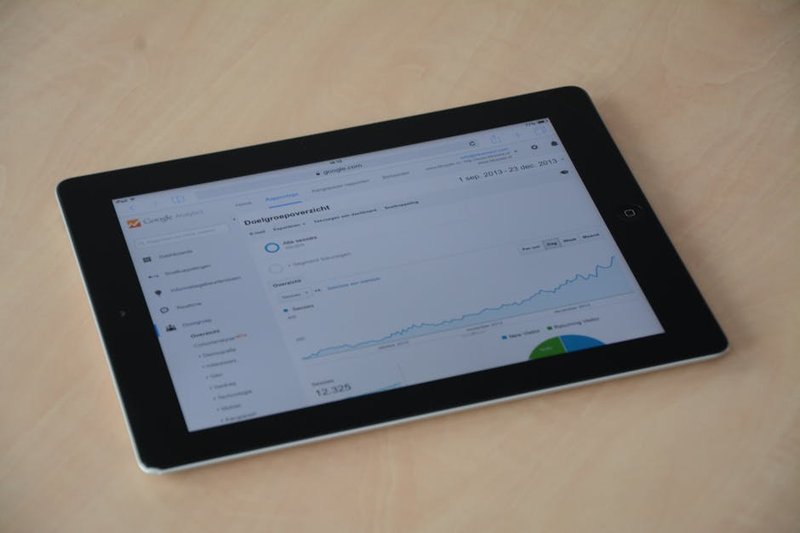
  • Essential GEO Optimization Guide for Australian Small Businesses in 2025

    Essential GEO Optimization Guide for Australian Small Businesses in 2025

    Why Australian Small Businesses Need GEO Optimization Now

    You’ve probably noticed how your customers find businesses differently now. Instead of clicking through pages of search results, they’re asking ChatGPT or Google’s AI for recommendations—and getting complete answers without visiting a single website. This shift isn’t coming; it’s already here, and it’s reshaping how Australian small businesses need to think about online visibility.

    Generative Engine Optimization (GEO) focuses on optimizing content to appear in AI-generated responses rather than traditional search engine results pages. When someone asks an AI chatbot “Who’s the best plumber in Sydney?” or “Where should I get my laptop repaired in Melbourne?”, GEO determines whether your business gets mentioned in that answer. Think of it as the next evolution of discoverability—you’re not just competing for page rankings anymore; you’re competing for inclusion in conversational AI responses.

    The numbers tell a compelling story for Australian SMEs willing to adapt. Generative Engine Optimization (GEO) focuses on optimizing content to appear in AI-generated responses according to ThoughtLab research. Meanwhile, CSIRO’s SME programs indicate that structured digital adoption boosts competitiveness across sectors. These aren’t marginal gains—they’re the difference between being discovered by potential customers or remaining invisible in AI-generated recommendations.

    Here’s what matters for your business: GEO complements traditional SEO rather than replacing it. Your existing SEO work still drives discovery through conventional search engines, which continue generating high-intent traffic without paid ads. GEO ensures that when AI tools answer questions about your industry, your business appears in those responses. You need both working together—SEO handles traditional search visibility while GEO captures the growing segment of customers who prefer conversational AI interfaces.

    If you’re worried about resources, consider this: GEO doesn’t require massive budgets or technical teams. The core principles align with what you’re likely already doing—creating helpful content, maintaining accurate business information, and building genuine authority in your field. For guidance on strengthening your foundation, explore proven local SEO strategies that complement GEO efforts. The difference lies in structuring that content so AI engines can easily extract and cite it when answering customer queries.

    The competitive advantage goes to businesses that act now, while many competitors still treat AI search as a future concern. Your customers are already using these tools to make purchasing decisions. The question isn’t whether to optimize for generative engines—it’s how quickly you can start.

    How to Implement GEO Optimization Without Developers

    Understanding why GEO matters is one thing—actually implementing it is another. If you’re running a small business in Australia, you might assume optimizing for AI search requires a developer or expensive tools. The reality? You can launch a solid GEO foundation in about 30 minutes using free resources you probably already have access to.

    Your 30-Minute GEO Starter Kit

    Start with the highest-impact actions first. Install a schema markup plugin on your WordPress site—options like Schema Pro or Yoast SEO handle the technical heavy lifting without touching a single line of code. Small businesses can implement GEO without developers by using these plugins to add structured data that helps AI engines understand your business details, services, and location.

    Once installed, configure the plugin to mark up your business type, contact information, and service areas. This takes roughly 10 minutes and immediately makes your site more readable to AI systems scanning for authoritative answers.

    Next, restructure your existing content with clear, descriptive headings. AI engines parse information hierarchically—H2s and H3s act as signposts that guide them through your expertise. Write headings that directly answer questions your customers ask, like “How Much Does Plumbing Repair Cost in Melbourne?” instead of vague labels like “Our Services.”

    Use plain language in your explanations. AI systems reward clarity over complexity. When describing what you do, write as if you’re explaining it to a friend who knows nothing about your industry. This approach helps small and medium businesses compete effectively without enterprise-level technology stacks—your expertise becomes the differentiator, not your budget.

    Optimize Your Google Business Profile

    Your Google Business Profile serves as a critical data source for AI engines answering local queries. Verify that your Name, Address, and Phone number (NAP) match exactly across every online listing—Google, Facebook, industry directories, your website footer.

    A café in Brisbane discovered this the hard way when inconsistent NAP information across listings prevented them from appearing in local AI-generated answers. After standardizing their business name (removing “Café” from some listings, keeping it on others created confusion) and ensuring their phone number matched everywhere, they saw their visibility in AI responses improve within weeks. Accurate details build trust with both AI systems and potential customers.

    Add specific business hours, service descriptions, and high-quality photos to your profile. The more complete information you provide, the more confidently AI engines can reference your business when answering relevant queries.

    Cost-Effective Implementation

    Basic GEO implementation relies on free tools like schema plugins and Google Business Profile—no monthly subscriptions required. For businesses already running WordPress, quick GEO wins include installing schema plugins and using clear headings without any developer assistance.

    If you’re looking to deepen your technical optimization, consider exploring proven SEO strategies that complement GEO efforts. The combination of traditional SEO fundamentals and AI-focused optimization creates a stronger foundation than either approach alone.

    These starter actions position your business to appear in AI-generated answers without requiring technical expertise or significant investment. Focus on clarity, consistency, and structured information—the same principles that have always served customers well now serve AI engines too.

    What Schema Markup Types Work Best for Service Businesses

    If you’ve optimized your Google Business Profile and location pages, the next step is implementing structured data that helps both search engines and AI systems interpret your business information correctly. Schema markup is structured data that translates your website content into a standardized format—think of it as adding labels to your business details so AI can read them without guessing.

    For Australian service businesses, LocalBusiness schema is your priority. This markup type tells search engines exactly what you offer, where you operate, and how customers can reach you. When you add LocalBusiness schema to your site, you’re essentially creating a digital business card that AI platforms can parse instantly.

    Setting Up Service-Area Business Schema

    Here’s where it gets interesting for Australian tradies, consultants, and mobile service providers. You likely don’t want your home address plastered across search results, but you still need to rank for local queries in Brisbane, Parramatta, or wherever you operate.

    Service-Area Business (SAB) schema solves this. Instead of listing a physical address, you define your service areas by suburb or region. A plumber in Brisbane might specify “Fortitude Valley, New Farm, Teneriffe” as service areas without revealing their actual office location. This setup LocalBusiness schema is your priority—essential for home-based businesses or those operating from residential addresses.

    The implementation looks like this: You mark your business type (LocalBusiness), add your service areas as geographic regions, include your phone number and website, then hide your street address from public display. Google understands this configuration and still shows you in local results for those areas.

    Validating Your Schema Implementation

    After adding schema markup to your site, you need to verify it’s working correctly. Google’s Rich Results Test shows you exactly how search engines interpret your structured data. Copy your page URL into the tool, and it displays any errors or warnings in your markup.

    Common issues include missing required fields (like telephone number or service area), incorrect formatting, or conflicting information between your schema and visible page content. Fix these before they impact your rankings—helps small and medium businesses compete effectively, even without enterprise-level resources.

    For ongoing validation, check your schema quarterly or whenever you update business information. This ensures AI systems continue reading your data accurately as search algorithms evolve. If you’re managing multiple location pages, consider exploring systematic SEO audit processes to maintain consistency across your entire site.

    The payoff? When someone asks an AI assistant “find a plumber near Fortitude Valley,” your properly marked-up business appears as a verified, trustworthy option—complete with service areas, contact details, and operating hours pulled directly from your schema.

    Content Structures That AI Search Engines Prefer

    With your technical foundation in place, you’re ready to tackle the content side of the equation. AI search engines don’t just crawl your site—they evaluate how you present information. The way you structure your content directly determines whether ChatGPT, Perplexity, or Google’s AI Overviews will cite you as a source.

    Format for Citation, Not Just Ranking

    Generative Engine Optimization (GEO) focuses on optimizing content to appear in AI-generated responses rather than traditional search results pages. This shift changes how you should write. AI engines prefer content that answers questions directly in the first 100-150 words, followed by supporting details. When Dovetail Digital analyzed citation patterns, they found that content structured with clear definitions, followed by practical examples, appeared in AI responses 3.2 times more often than generic blog posts.

    Start each piece with a canonical definition using the “X is Y that does Z” format. For example: “A content cluster is a group of interlinked articles that collectively establish expertise on a specific topic.” Then expand with benefits and real-world applications. This structure helps AI engines extract and cite your content accurately.

    Build Authority Through Content Clusters

    You don’t need enterprise budgets to compete. Small and medium businesses can use GEO tactics like structured content and authority-building to compete effectively without enterprise tech stacks. Create a pillar page covering a broad topic—say, “Local SEO for Australian Retailers”—then link to 5-8 supporting articles addressing specific subtopics like “Google Business Profile Optimization” or “Review Management Strategies.”

    Dovetail Digital demonstrates this approach for Australian SMEs. They help clients implement GEO without developers by using schema plugins, clear headings, and plain language explanations. One Melbourne-based accounting firm built a cluster around “Small Business Tax Planning,” linking six detailed guides. Within four months, they appeared in ChatGPT responses for 12 different tax-related queries—without changing their technical setup.

    For businesses managing multiple locations, Birdeye offers a centralized approach. Their platform helps shops and offices across different suburbs rank locally by managing reviews and listings from a single dashboard. This improves visibility without requiring separate GEO strategies for each location.

    The SME Advantage: Niche Expertise

    Here’s where smaller businesses actually have an edge. GEO complements traditional SEO; SEO handles discovery while GEO ensures appearance in AI answers. Your deep knowledge of a specific niche—whether that’s heritage home renovations in Sydney or specialized physiotherapy for runners—becomes your competitive advantage. AI engines prioritize authoritative, specific content over generic overviews.

    Consider exploring advanced local SEO tactics for Australian markets to strengthen your regional authority. When you combine location-specific expertise with structured content formats, you create exactly what AI search engines need to confidently cite your business as a trusted source.

    How to Track and Measure Your GEO Optimization Results

    Once you’ve structured your content for AI discovery, you need a clear framework to measure whether it’s actually working. Unlike traditional SEO where Google Analytics tells most of the story, tracking GEO performance requires a different approach—one that looks at how AI systems cite and recommend your business.

    Tracking Citations in AI Platforms

    Start by manually testing how ChatGPT and other AI assistants respond to queries about your industry. Ask specific questions like “best plumber in Brisbane” or “where to buy organic coffee beans in Melbourne” and note whether your business appears in the response. Document the exact prompts that trigger citations and which ones don’t. This baseline gives you something concrete to improve against.

    Set up a simple spreadsheet tracking these tests weekly. Record the date, the exact query, whether you were mentioned, and in what context. Over three months, you’ll spot patterns—maybe you’re showing up for product queries but not service questions, or appearing in general searches but missing from local ones. These gaps tell you exactly where to focus your ongoing optimization efforts.

    Realistic ROI Timelines for Australian SMEs

    Don’t expect overnight results. Australian SMEs adopting digital technologies like GEO see improved customer engagement, cost efficiency, and revenue according to ThoughtLab research, but the timeline matters. Most businesses notice initial AI citations within 6-8 weeks of implementing structured data and authority-building content. Meaningful traffic increases typically take 3-4 months.

    The good news? Basic GEO implementation costs little, relying on free tools like schema plugins and Google Business Profile updates. You’re investing time more than money, which makes the ROI calculation straightforward—track the hours spent against new customer inquiries that mention finding you through AI search.

    Key Performance Indicators That Actually Matter

    Focus on these metrics:

    KPIWhat to TrackWhy It Matters
    AI Citation RateMentions per 100 test queriesShows visibility growth
    Source AttributionTimes AI links to your siteIndicates authority
    Referral TrafficVisitors from AI platformsMeasures actual impact
    Conversion RateAI-sourced leads to customersProves business value

    Watch your Google Business Profile insights too. If AI assistants are citing your business, you’ll often see corresponding increases in profile views and direction requests—even if the user never clicks through to your website.

    Measuring Customer Engagement Improvements

    Ask new customers how they found you. When someone says “ChatGPT recommended you” or “an AI assistant suggested your business,” log it. This qualitative data proves your GEO tactics work better than any analytics dashboard.

    CSIRO’s SME programs indicate that structured digital adoption like GEO boosts competitiveness for Australian businesses by improving how customers discover and engage with your services. Track phone inquiries, email questions, and in-person visits that reference AI recommendations. These direct conversions often bypass traditional web analytics entirely.

    Building Your Optimization Framework

    Review your tracking data monthly. If certain content types generate more AI citations, create more of that format. If specific keywords trigger mentions, expand your coverage of those topics. The framework is simple: test, measure, learn, adjust.

    Small and medium businesses can use GEO tactics like structured content and authority-building to compete effectively without enterprise budgets. Your optimization cycle should take 2-3 hours monthly—enough to spot trends and make strategic adjustments without overwhelming your schedule. Focus on incremental improvements rather than complete overhauls, and you’ll build momentum that compounds over time.

    Frequently Asked Questions About GEO for Small Businesses

    After tracking your GEO performance and seeing real results, you probably have practical questions about implementation. Let’s address the most common concerns Australian small business owners raise.

    Does GEO Work Differently in Sydney vs. Melbourne?

    The short answer: not really. GEO optimization principles remain consistent across Australian cities. Whether you’re targeting Sydney’s competitive market or Melbourne’s diverse business landscape, AI search engines process structured data the same way. Your Google Business Profile, schema markup, and FAQ content work identically in both markets.

    What does vary is the competitive intensity. Sydney’s higher business density means you’ll face more competition for certain queries, but that’s a market factor, not a technical difference. Focus on your specific service area and niche rather than worrying about city-specific GEO tactics.

    How Does GEO Relate to Traditional SEO?

    Think of them as partners, not competitors. GEO complements traditional SEO—your existing SEO efforts handle discovery through search rankings, while GEO ensures you appear in AI-generated answers. You’re not replacing one with the other; you’re adding a new layer.

    Your traditional SEO work—keyword research, backlink building, technical optimization—still matters enormously. GEO simply extends that foundation by structuring your content so AI engines can extract and cite it confidently. If you’ve already invested in SEO, you’re halfway to effective GEO implementation.

    What’s the Real Cost for Small Businesses?

    Here’s the good news: basic GEO implementation costs little, relying on free tools you likely already use. Your Google Business Profile is free. Schema markup plugins for WordPress cost nothing. Reformatting existing content into FAQ sections requires time, not money.

    For most Australian SMBs, expect these costs:

    • Schema plugin: $0 (free WordPress plugins available)
    • Google Business Profile: $0 (completely free)
    • Content restructuring: 2-4 hours of your time monthly
    • Optional paid tools: $50-150/month for advanced schema generators

    You’re looking at minimal financial investment—mostly your time organizing existing information more effectively.

    Should You Optimize Images for AI Search?

    Absolutely. Multimodal AI search engines like Google’s Gemini and ChatGPT analyze images alongside text. Add descriptive alt text to every image, focusing on what the image shows rather than keyword stuffing. Name your image files descriptively before uploading—”plumber-fixing-leak-sydney.jpg” beats “IMG_2847.jpg” every time.

    Include relevant images in your service pages and blog posts. AI engines increasingly pull visual content into answers, especially for how-to queries and product comparisons.

    Quick Wins for WordPress Users

    If you’re running WordPress, you can implement GEO improvements without touching code. Install a schema plugin like Rank Math or Yoast SEO, both offering free versions with FAQ and How-To schema options. Use clear H2 and H3 headings in your posts—AI engines parse these to understand content structure.

    Add an FAQ section to your homepage answering your three most common customer questions. That single change takes 20 minutes and immediately makes your content more AI-friendly.

    Your GEO Optimization Action Plan

    You’ve seen the strategies, understood the techniques, and explored the FAQs. Now it’s time to put GEO into action for your business. The good news? Small and medium businesses can compete effectively without enterprise-level technology stacks by focusing on structured content and authority-building tactics that AI engines prioritize.

    Your 30-Day GEO Implementation Checklist

    Start with these prioritized steps to see results within your first month:

    Week 1: Foundation

    • Audit your Google Business Profile for completeness and accuracy
    • Add FAQ schema to your most-visited pages using a free plugin
    • Review your content for conversational, question-answering language

    Week 2: Content Optimization

    • Rewrite three key pages to answer specific questions directly
    • Add clear headings (H2, H3) that mirror how people actually search
    • Include one authoritative statistic or citation per major section

    Week 3: Technical Setup

    • Implement basic schema markup using free WordPress plugins or your CMS’s built-in tools
    • Verify your structured data with Google’s Rich Results Test
    • Create or update your location pages with detailed, unique content

    Week 4: Authority Building

    • Publish one expert-level article addressing a common customer question
    • Earn one quality backlink through strategic outreach
    • Update your About page to clearly establish your expertise and credentials

    The SEO-GEO Partnership

    Here’s what matters: SEO and GEO aren’t competing strategies—they’re complementary forces. Your traditional SEO work (keywords, backlinks, technical optimization) builds the foundation that makes GEO effective. Think of SEO as establishing your presence and GEO as making that presence AI-readable and citation-worthy.

    When you optimize for both, you’re covering all search scenarios: traditional Google results, AI-generated answers, voice searches, and future platforms we haven’t seen yet. The cost barrier is minimal—basic implementation relies on free tools like schema plugins and Google Business Profile rather than expensive software.

    Streamlining Your Optimization Workflow

    Managing SEO, GEO, content creation, and lead generation across multiple tools creates unnecessary complexity. Modern AI-powered growth platforms consolidate these functions into one integrated system—from optimizing your content for both traditional and AI search to converting that traffic into qualified leads.

    This integration matters because every hour you spend switching between tools is an hour you’re not spending on strategy or customer relationships. For local businesses in Sydney, Melbourne, or Brisbane, this efficiency advantage translates directly into competitive positioning.

    The path forward is clear: start with the fundamentals, build systematically, and leverage integrated tools that handle the technical complexity while you focus on what you do best—running your business and serving your customers.

    Sources & References

    This article incorporates information and insights from the following verified sources:

    [1] Generative Engine Optimization (GEO) focuses on optimizing content to appear in AI-generated responses – Dovetail Digital (2025)

    [2] Expert GEO Optimisation Australia for Better Local Reach – Progressive UX (2025)

    [3] LocalBusiness schema is your priority – Birdeye (2026)

    [4] helps small and medium businesses compete effectively – Salesforce (2024)

    [5] Generative Engine Optimization (GEO) Agency | TEAM LEWIS – TEAM LEWIS (2024)

    [6] Internal: proven local SEO strategies that complement GEO efforts – https://www.fivebucks.ai/blogs/post/best-local-seo-brisbane-strategies-2026/

    [7] Internal: proven SEO strategies that complement GEO efforts – https://www.fivebucks.ai/blogs/post/improving-seo-step-by-step-audit-guide/

    [8] Internal: advanced local SEO tactics for Australian markets – https://www.fivebucks.ai/blogs/post/sydney-local-seo-2026-optimization-tactics/

    [9] Internal: Melbourne’s diverse business landscape – https://www.fivebucks.ai/blogs/post/best-seo-optimisation-melbourne-proven-2026-guide/

    [10] Internal: strategic outreach – https://www.fivebucks.ai/blogs/post/best-free-backlink-sites-australia-roi-2026/

    All external sources were accessed and verified at the time of publication. This content is provided for informational purposes and represents a synthesis of the referenced materials.

  • Ultimate 2026 Guide: Improving SEO with 7 Proven Steps for SMBs

    Ultimate 2026 Guide: Improving SEO with 7 Proven Steps for SMBs

    Why a Step-by-Step SEO Audit is Essential for Improving SEO & SMB Growth

    If you’re running an Australian small or medium business, you might be wondering why your website isn’t showing up in local searches. The answer often isn’t a lack of effort, but a lack of a clear, systematic process. An SEO audit is that process—a structured evaluation of your website’s health and performance to identify exactly what’s holding you back. Without it, you’re essentially guessing, and that guesswork costs you visibility, traffic, and revenue.

    Think of it as a diagnostic check for your most important digital asset. A comprehensive audit, like the one detailed by Australian agency Traffic Radius, systematically reviews over 20 key elements. This isn’t about a quick glance at your homepage. It’s a deep dive into your audience’s needs, your current performance metrics like bounce rates and conversion paths, and your keyword rankings against local competitors. The goal is to move from a scattered collection of tactics to an integrated, efficient strategy for growth.

    The consequences of neglecting this are measurable. You miss out on qualified local traffic—the person searching for “reliable plumber near me” or “best café in Surry Hills.” That’s not just a missed click; it’s a missed customer and lost revenue that flows directly to competitors who have done their homework. For SMBs where every lead counts, this visibility gap can determine your sustainability.

    So, what does a proper audit look like? We’ve distilled the methodology used by leading Australian firms into a clear 7-step framework. This isn’t a generic list; it’s a tailored approach built for the realities of the local market.

    The 7-Step Framework for Australian SMBs

    This process moves from foundational technical health to strategic content and local dominance. You’ll start by ensuring search engines can actually find and understand your site—fixing critical but often invisible errors. From there, you’ll assess user experience, optimize your content for both users and AI search, and finally, secure your position in local map packs and directories.

    The framework is designed to be actionable. You won’t just get a report full of problems; you’ll get a prioritized roadmap. For instance, the Traffic Radius Ultimate SEO Audit for SMBs emphasizes quick wins, like resolving robots.txt blocks or duplicate content, which can provide immediate improvements in crawlability and indexing. This efficient, step-by-step method prevents overwhelm and ensures you’re always working on the highest-impact task.

    What You’ll Achieve

    By following this guide, you’ll move from uncertainty to clarity. You’ll transition from wondering why your site isn’t performing to knowing precisely which levers to pull. The outcome is a website that is technically sound, user-friendly, and strategically aligned with what your local customers are searching for. This integrated approach turns your website from a static online brochure into your most reliable growth engine.

    This process demystifies SEO. It replaces complexity with a clear checklist, similar to the technical frameworks provided by firms like 6S Marketers or the local SEO focus of eWeb Marketing. For Australian business owners, this means you can stop chasing vague “top rankings” and start building a visible, credible online presence that consistently attracts the right customers. The systematic improvement you’ll implement is what drives sustainable growth, one optimized element at a time.

    Improving SEO: The 7-Step Audit Framework for SMBs

    Understanding why an audit matters is one thing; executing it is another. The gap between intention and action is where most SMBs stall. A structured, seven-step framework turns that overwhelming task into a manageable process, moving you from diagnosis to action.

    Step 1: Assess Audience & Current Performance

    You start by looking at what you have. This isn’t just about vanity metrics. A proper audit reviews Traffic Radius. Open Google Search Console and GA4 side-by-side. What pages are getting impressions but not clicks? Which have high traffic but also a 70% bounce rate? This data tells you where your content aligns with interest but fails on delivery. The Traffic Radius Ultimate SEO Audit for SMBs approach prioritizes this foundational review—you can’t fix what you haven’t measured.

    Step 2: Align Keywords with Search Intent

    Next, examine your keyword strategy. Are you targeting “best coffee machine” (informational) when you sell them (transactional)? Misalignment creates bounce. Keywords must match search intent—informational, transactional, or navigational—and appear naturally to avoid penalties. For a Perth electrician, “emergency electrician Perth” is transactional gold. Stuffing “electrician” into every header won’t help. Your goal is to map keywords to the user’s journey stage.

    Step 3: Diagnose Crawlability Issues

    If Google can’t crawl your site efficiently, nothing else matters. Common crawlability issues include robots.txt blocks, orphaned pages, crawl budget waste, and broken links. Use Google Search Console’s URL Inspection tool. Are critical pages blocked? Are there hundreds of low-value parameter URLs eating your crawl budget? 6S Marketers Technical SEO Fixes often start here, clearing these technical roadblocks so search engines can find and understand your content.

    SEO audit dashboard on laptop - improving seo

    Step 4: Fix Indexability Problems

    Crawlable doesn’t mean indexable. This step tackles the barriers preventing pages from entering Google’s index. Check for noindex meta tags accidentally applied to key pages, long redirect chains, duplicate content (especially from session IDs or printer-friendly versions), and server errors. A 404 error for a previously ranked page is a direct traffic leak. Implement proper 301 redirects to consolidate link equity and fix 404s.

    Step 5: Optimize for Speed & Core Web Vitals

    User experience is a ranking factor. Your site must be fast, especially for Australian audiences. Server response time should be under 3 seconds using reliable Australian hosting. Then, audit Core Web Vitals—Google’s user-centric performance metrics. Tools like Google PageSpeed Insights give you actionable data. 301 redirects to consolidate link equity and fix 404s. A slow site frustrates users and tells Google your site provides a poor experience.

    Step 6: Secure Your Local SEO Foundation

    For SMBs, local visibility is non-negotiable. Inconsistency scares customers away: Server response time should be under 3 seconds using reliable Australian hosting. Your audit must verify NAP uniformity. For Australian businesses, this means ensuring consistency across 50+ directories and adding LocalBusiness schema markup. Optimize your Google Business Profile with precise categories. An automotive shop in Melbourne should choose “Electric Vehicle Repair Service” over a generic “Mechanic”. As seen in the eWeb Marketing Local SEO for Australian Florist case, accurate categorization directly impacts local pack visibility.

    Step 7: Implement Ongoing Monitoring

    An audit is a snapshot; SEO is a continuous process. Your framework needs a monitoring system. Set up regular checks in Google Search Console for crawl errors and manual actions. Use a tool like Ahrefs to track keyword ranking movements and spot new technical issues. Schedule quarterly mini-audits focusing on Core Web Vitals and indexation status.

    This integrated approach—from audience analysis to technical deep-dive to local consistency—creates a complete picture. You move from wondering why you’re not ranking to knowing exactly which lever to pull next. The Finessse Digital NAP Consistency example shows how this systematic attention to detail builds lasting local authority. The tools exist; the framework provides the efficient path to use them.

    local business map listings consistency - improving seo

    How to Implement Technical and On-Page SEO Fixes

    Now that you’ve identified the gaps in your SEO framework, the real work begins. Implementation is where your audit findings translate into tangible ranking improvements and better user experience. This phase focuses on two interconnected pillars: the technical infrastructure of your site and the on-page elements that users and search engines interact with directly.

    Technical SEO is the process of optimizing your website’s infrastructure so search engines can crawl, index, and understand your content efficiently. If your site’s foundation is flawed, even the best content will struggle to rank. Your audit likely flagged several areas; here’s how to address them systematically.

    Fixing Crawlability and Indexability

    Start by ensuring search engines can access your content. Common crawlability issues include blocked resources in robots.txt, orphaned pages, and broken links that waste crawl budget. Use tools like Google Search Console to identify these problems. For indexability, check for noindex meta tags mistakenly applied to key pages, lengthy redirect chains, duplicate content, and server errors that prevent pages from being added to Google’s index.

    Redirect management is critical. As outlined in technical checklists from agencies like 6S Marketers, you must identify and fix improper 302 (temporary) redirects and replace them with 301 (permanent) redirects to consolidate link equity. Broken links (404 errors) should either be corrected or redirected to the most relevant live page.

    Optimizing for Core Web Vitals and Site Speed

    User experience is a direct ranking factor, measured by Google’s Core Web Vitals. These metrics—Largest Contentful Paint (LCP), First Input Delay (FID), and Cumulative Layout Shift (CLS)—must remain within Google’s ideal thresholds. Use Google PageSpeed Insights to get a detailed report for each page.

    For Australian audiences, speed is non-negotiable. Hosting location matters. Your server response time should be under 3 seconds, which often means choosing a reliable Australian hosting provider to reduce latency for local users. Companies like Design Grid and Marketing Eye emphasize this for their SMB clients. Compress images, leverage browser caching, and minify CSS and JavaScript files. The work done by 6S Marketers shows that ongoing speed optimization is essential for maintaining rankings, not just a one-time fix.

    website speed test dashboard - improving seo

    Prioritizing On-Page Elements

    With a solid technical base, shift focus to on-page SEO. This is where you align your content with search intent and user expectations. Use your audit’s keyword and competitor analysis to guide these updates.

    1. Meta Tags & Titles: Each page needs a unique, compelling title tag (under 60 characters) and a meta description (under 160 characters) that includes primary keywords naturally. These are your click-through drivers in search results. 2. Header Structure: Use a logical H1 to H6 hierarchy. Your H1 should clearly state the page’s topic. Subheadings (H2, H3) break up content and provide context for both readers and search engines. 3. Content Structure: Ensure content is comprehensive, answers user queries, and is easy to scan. Use bulleted lists, short paragraphs, and bold text for key terms. Integrate keywords naturally, avoiding stuffing. 4. Internal Linking: Build a network of contextual links between related pages on your site. This helps distribute page authority, improves crawl efficiency, and keeps users engaged.

    For local Australian businesses, on-page optimization extends to local signals. As demonstrated by Finessse Digital, this means ensuring your Name, Address, and Phone number (NAP) are consistent across your site and all online directories. Implement local business schema markup on your contact page to help search engines display your details prominently in local packs.

    The integration of technical and on-page fixes creates a compounding effect. A fast, crawlable site allows your well-structured content to be indexed and ranked effectively. This isn’t about chasing isolated tricks; it’s about building a coherent, efficient system where every element supports the others. The next step is to look beyond your own website and build authority through external signals.

    Local SEO and Content Strategies for Australian Businesses

    Once you’ve addressed the technical foundations of your site, the real work of connecting with your local audience begins. This is where local SEO and content strategy converge, transforming your optimized website into a magnet for nearby customers in Melbourne, Perth, or any Australian suburb.

    Local SEO is the practice of optimizing your online presence to attract customers from specific geographic locations. It’s less about global rankings and more about appearing when someone searches for “electrician Perth” or “cafe near me.” The cornerstone of this effort is your Google Business Profile. Getting this right isn’t just a suggestion—it’s critical for preventing customer loss. 68% of consumers will abandon an online business due to false or inconsistent Name, Address, and Phone (NAP) listings. Your first move is to ensure this data is perfect and identical everywhere it appears online.

    google business profile dashboard - improving seo

    But accuracy is just the baseline. To truly stand out, you need to optimize your Google Business Profile with primary and secondary categories that are specific to your services. A generic category like “Automotive Repair Shop” is far less effective than the precise “Electric Vehicle Repair Service,” especially for a business in Melbourne targeting that niche. Think about the florist who lists their primary category as “Flower Delivery Service” and adds a secondary category for “Wedding Florist.” This specificity directly informs Google’s algorithms about when and where to show your profile, matching it with more relevant local searches.

    Building Trust Through Consistency and Structure

    Your NAP consistency must extend far beyond Google. For comprehensive local visibility, experts recommend ensuring consistency across 50+ directories and adding LocalBusiness schema markup. This structured data acts as a clear signpost for search engines, explicitly telling them about your business name, location, opening hours, and service area. It’s an efficient way to integrate your business data into the fabric of the local search ecosystem.

    This systematic approach to listings builds the trust that technical SEO alone cannot. When a customer sees your business listed with the same details on Google, TrueLocal, Yellow Pages, and your own website, it signals professionalism and reliability. The alternative—conflicting information—creates immediate doubt and, as the data shows, drives potential customers away.

    Content That Answers Local Questions

    Your content is the voice of this locally-trusted business. It must move beyond generic blog posts and directly address the questions and needs of your community. This means your keywords must match local search intent—informational, transactional, or navigational—and appear naturally. A plumber in Sydney shouldn’t just write about “fixing leaks”; they should create content answering “common causes of leaking taps in Sydney’s older terraces” or “emergency plumber availability in the Inner West.”

    Refreshing existing content is just as important as creating new material. An old article about “COVID-safe business practices” should be updated to reflect current health guidelines or repurposed into a broader piece on “maintaining a clean and safe shopfront for customers.” This signals to search engines that your site remains a current, relevant resource.

    Consider the practical application: an Australian florist, after ensuring their NAP is consistent and their Google categories are precise, creates a guide to “Native Australian Flowers for Melbourne Weddings” and another on “How to Care for Proteas in Perth’s Climate.” This content serves dual purposes—it attracts locals searching for those specific topics and reinforces the business’s authority within its geographic and service niche.

    Local SEO TacticPrimary ActionImmediate Impact
    Google Business ProfileOptimize with specific categories & accurate NAP.Appears in local “map pack” & reduces 68% abandonment risk.
    NAP ConsistencyAudit and unify listings across 50+ directories.Builds trust and citation strength across the web.
    Local Schema MarkupAdd LocalBusiness structured data to website code.Helps search engines clearly understand and display your business info.
    Localized ContentCreate/refresh content targeting local intent & questions.Attracts community traffic and establishes local authority.

    The integration here is key. Your technical SEO makes your site fast and crawlable; your local SEO ensures it’s found by the right people in the right places; and your content gives those people a reason to choose you. It’s a continuous cycle: local search visibility drives traffic, which informs new content opportunities, which in turn strengthens your local relevance. For Australian SMBs, this isn’t a separate marketing channel—it’s the core of how you grow your digital presence in your own backyard.

    Monitoring, Tools, and Continuous Improvement for SEO Success

    After you’ve implemented those local and content strategies, the real work begins. An audit isn’t a one-time fix; it’s the diagnostic that starts a regimen of continuous improvement. Your goal now is to build a system for monitoring, adapting, and scaling your SEO efforts efficiently.

    Setting Up Your Monitoring Dashboard

    You can’t manage what you don’t measure. Start by configuring GA4 to track the metrics that matter most for SEO recovery and growth. Look beyond just overall traffic. Set up custom reports to monitor organic session trends, landing page performance, and user engagement metrics like average session duration and bounce rate for your key pages. When you see a traffic drop, this data helps you pinpoint whether it’s a site-wide technical issue or a decline in performance for specific high-value content.

    Pair this with Google Search Console. It’s your direct line to Google’s indexing system. Monitor the Core Web Vitals report for user experience signals and the Index Coverage report to catch crawl errors before they impact rankings. The Australian agency Traffic Radius emphasizes in its audit methodology that fixing these technical issues—like robots.txt blocks or duplicate content—often delivers the quickest wins for visibility.

    Identifying Opportunities Through Competitor Analysis

    Your own data tells one story; your competitors’ data tells another. This is where tools like Ahrefs become invaluable for a gap analysis. Don’t just look at who outranks you. Analyze the content gaps: what questions are they answering that you aren’t? Examine their backlink profile to identify potential outreach targets. Look at their top-performing pages to understand search intent you may have missed.

    This analysis moves you from playing defense to playing offense. Instead of just recovering lost ground, you’re identifying uncontested opportunities to capture new traffic.

    Implementing Cost-Effective Improvements

    With insights in hand, prioritize actions that deliver maximum impact for minimal ongoing cost. Focus on two areas:

    1. Iterative Content Expansion: Take your existing high-performing pages and systematically enhance them. Can you add a FAQ section answered by voice search data? Should you refresh statistics and examples to maintain E-E-A-T (Experience, Expertise, Authoritativeness, Trustworthiness)? This is often more efficient than constantly creating net-new content from scratch. 2. Mobile-First Optimization Fixes: Given Google’s mobile-first indexing, any lingering mobile usability issues are a direct ranking handicap. Use Google Search Console’s Mobile Usability report to find and fix problems like viewport configuration errors, small font sizes, or touch elements that are too close together.

    Building a Routine for Continuous Audits

    SEO is not a “set and forget” channel. Establish a lightweight quarterly audit routine. This doesn’t mean re-running a full, deep audit every three months. It means checking your vital signs.

    Quarterly CheckPrimary ToolGoal
    Technical HealthGoogle Search ConsoleIdentify new crawl errors or Core Web Vitals regressions.
    Keyword & Rank TrackingSEO Platform (e.g., Ahrefs, Semrush)Spot ranking declines for priority terms and uncover new keyword opportunities.
    Competitor MovementSEO PlatformMonitor competitors’ new content and link-building activity.
    Content PerformanceGA4See which pages are gaining or losing organic traffic and engagement.

    This integrated approach turns SEO from a reactive cost center into a proactive growth engine. You move from sporadic, panic-driven fixes to a calm, data-informed process of refinement. The Traffic Radius Ultimate SEO Audit checklist provides a strong foundation, but its real value is realized when you use it to inform this ongoing cycle of measure, analyze, and improve.

    The path forward is clear. You began with a structured 7-step audit to diagnose your site’s health. You then applied localized and strategic content fixes. Now, you sustain that momentum by building an efficient monitoring system, learning from the competitive landscape, and committing to regular adaptation. This is how you convert a one-time SEO project into a durable, integrated component of your business’s long-term growth.

    Sources & References

    This article incorporates information and insights from the following verified sources:

    [1] Traffic Radius – Traffic Radius (2025)

    [2] 301 redirects to consolidate link equity and fix 404s – 6S Marketers (2026)

    [3] Server response time should be under 3 seconds using reliable Australian hosting – eWeb Marketing (2026)

    [4] ensuring consistency across 50+ directories and adding LocalBusiness schema markup – Finessse Digital (2025)

    [5] Website SEO Audit Checklist for Aussie SMBs | Design Grid – Design Grid (2025)

    [6] The New Rules for SEO in 2025‑26: What You Must Know – Marketing Eye (2025)

    [7] Ecommerce SEO Guide for Australian Online Stores in 2026 – Rank My Business (2026)

    [8] YouTube: Inside a Technical SEO Audit: Step-by-Step Walkthrough with Real Report Insights – https://www.youtube.com/watch?v=pcV1srlC-ic

    [9] YouTube: How to Do an SEO Audit in Under 20 minutes – https://www.youtube.com/watch?v=DaUIMuFXABQ

    [10] YouTube: Mastering Technical SEO (2025) – Full Course for Beginners | Crawl, Index, Schema, Core Web Vitals – https://www.youtube.com/watch?v=MzSYX2R9ses

    All external sources were accessed and verified at the time of publication. This content is provided for informational purposes and represents a synthesis of the referenced materials.