Author: Petric Manurung

  • 7 Essential GEO Optimization Basics Every Singapore SMB Needs in 2025

    7 Essential GEO Optimization Basics Every Singapore SMB Needs in 2025

    Why Singapore SMBs Must Master GEO Optimization Now

    The search landscape has fundamentally shifted. While businesses spent years mastering traditional SEO, a new frontier has emerged that demands immediate attention: Generative Engine Optimization (GEO). This practice focuses on optimizing your entire digital presence to maximize visibility in AI-powered generative search engines like ChatGPT, Gemini, and Perplexity—platforms that are rapidly reshaping how consumers discover and evaluate businesses.

    The numbers tell a compelling story. Google’s AI-powered search features now serve 2 billion monthly users, while Google’s AI-powered search features now serve 2 billion monthly users. These aren’t experimental tools—they’re mainstream platforms where your potential customers are already searching, comparing, and making purchasing decisions. When someone asks ChatGPT for “best accounting software for Singapore SMBs” or queries Perplexity about “reliable web design agencies in Singapore,” your business either appears in those AI-generated responses or it doesn’t. There’s no middle ground.

    Singapore SMBs face particularly acute pressure to adapt. The local market combines tech-savvy consumers who rapidly adopt new platforms with a fiercely competitive digital landscape where visibility directly translates to revenue. Your competitors aren’t waiting—early movers are already optimizing for these AI engines, securing prominent mentions in generative responses while others remain invisible. The window to establish authority in this new ecosystem is narrowing.

    Traditional SEO focused on ranking for specific keywords on search engine results pages. GEO operates differently. AI engines synthesize information from across your digital footprint—your website content, social media presence, customer reviews, industry mentions, and structured data—to determine whether your business deserves inclusion in their responses. They prioritize authoritative, well-structured information that directly answers user queries. A business might rank well on Google’s traditional results yet fail to appear in AI-generated summaries if its content doesn’t meet these new criteria.

    This guide breaks down seven essential GEO basics specifically tailored for Singapore SMBs:

    1. Claim and optimize your knowledge graph presence across major AI platforms 2. Structure your website content using schema markup and clear hierarchies 3. Build authoritative citations through industry directories and local business listings 4. Create AI-friendly content that directly answers common customer questions 5. Leverage customer reviews strategically across multiple platforms 6. Monitor your AI visibility using specialized tracking tools 7. Integrate GEO with existing SEO efforts for comprehensive search coverage

    Implementation doesn’t require massive budgets or technical expertise. Most SMBs can establish foundational GEO practices within 4-6 weeks using existing resources. The initial focus involves auditing your current digital presence, identifying gaps in how AI engines perceive your business, and systematically addressing those weaknesses. For businesses already investing in AI-powered SEO tools, many GEO optimizations build naturally on that foundation.

    The businesses that master GEO now will own visibility in the search channels dominating 2026 and beyond. Those that delay risk becoming invisible to an entire generation of AI-assisted searchers—a competitive disadvantage that compounds with each passing month.

    What is GEO Optimization and How Does It Differ from Traditional SEO?

    Understanding the shift from traditional search to AI-powered discovery requires clarity on two related but distinct concepts. Generative Engine Optimization (GEO) is the broader discipline covering a business’s entire digital presence to maximize visibility across AI platforms. Answer Engine Optimization (AEO) focuses on on-site foundations—the technical and content elements within your website that help AI engines understand and extract information. Think of AEO as the foundation of your house, while GEO encompasses the entire property, including how neighbors perceive it and how it appears from the street.

    The distinction matters for Singapore SMBs because it defines where you invest resources. AEO work happens on your website: structured data markup, clear headings, concise answers to common questions, and authoritative content. GEO extends beyond your domain to include social media profiles, business listings, customer reviews, industry mentions, and third-party content that references your brand. When ChatGPT or Perplexity synthesizes an answer about “best accounting services in Singapore,” they’re pulling from this entire digital ecosystem—not just your website.

    How AI Engines Process Information Differently

    Traditional search engines like Google display ranked links. Users click through to websites and evaluate options themselves. AI-powered generative search engines like ChatGPT, Gemini, and Perplexity synthesize information from multiple sources into a single, conversational response. Instead of “here are 10 websites about virtual offices,” you get “virtual offices in Singapore typically cost $50-200 monthly and include services like mail handling and meeting room access.”

    This fundamental shift changes everything. Your goal is no longer ranking #1 for a keyword—it’s being cited as the authoritative source when AI engines generate answers. That requires a different content strategy, one focused on clear, factual information rather than keyword density. It also demands consistency across platforms, because AI engines cross-reference information from your website, Google Business Profile, LinkedIn, and industry directories to verify accuracy.

    Why Both Strategies Work Together

    Singapore SMBs don’t need to choose between SEO and GEO—the strategies complement each other. Strong SEO foundations (fast site speed, mobile optimization, quality content) support GEO efforts by making your information easier for AI engines to access and understand. Meanwhile, GEO activities like maintaining consistent business information across platforms and earning mentions in industry publications strengthen your traditional search rankings.

    The practical approach: start with AEO basics on your website, then expand to GEO by optimizing your broader digital footprint. For businesses exploring AI-powered SEO tools that integrate both approaches, this dual strategy ensures visibility whether customers find you through Google search results or AI-generated recommendations.

    AI search engine interface - geo optimization

    The key difference lies in scope and intent. SEO optimizes for visibility in search results pages. GEO optimizes for being the answer AI engines provide. Both drive traffic, but through different mechanisms—and Singapore businesses positioned for both channels capture opportunities their competitors miss.

    Essential #1-3: Local Foundation Tactics for Singapore GEO Success

    With GEO fundamentals in place, the next step is building a solid local foundation—three essentials that separate businesses appearing in AI-powered local searches from those invisible to potential customers searching for services in their neighborhood.

    Essential #1: Claim and Optimize Your Google Business Profile

    Your Google Business Profile serves as the primary data source for AI engines answering location-based queries. The minimum threshold for local authority requires 30+ geo-tagged photos and 70+ customer reviews, according to Loop.com.sg’s analysis of Singapore SMBs ranking in AI search results.

    Photos should capture your actual location, team, and work—not stock images. Geo-tagging signals authenticity to Google’s algorithms. A Punggol plumbing service that uploads images of completed jobs in HDB estates, tagged with precise coordinates, builds stronger local signals than generic bathroom photos.

    Reviews matter beyond star ratings. AI engines parse review text for service mentions, location references, and problem-solving patterns. A review stating “Fixed our Sengkang condo’s water heater within two hours” provides richer context than “Great service!” The 70+ review threshold reflects the volume needed for AI systems to identify consistent service patterns.

    singapore business owner updating profile - geo optimization

    Essential #2: Create Neighborhood-Specific Service Pages

    Generic service pages miss the hyperlocal queries driving AI search results. Instead, create dedicated pages targeting specific neighborhoods—”Plumbing Services in Punggol” or “Accounting Services in Jurong East.”

    Hashmeta’s approach to localized content demonstrates this strategy in action. Their clients create pages addressing neighborhood-specific needs: renovation services near Punggol MRT, accounting for Jurong East industrial businesses, or legal services for Tanjong Pagar startups. Each page incorporates local landmarks, MRT stations, and demographic context that AI engines use to match queries with relevant businesses.

    This isn’t keyword stuffing—it’s genuine local expertise. A page about Punggol plumbing should reference common HDB configurations in the area, water pressure issues specific to newer developments, and proximity to hardware suppliers residents actually use. AI engines reward this specificity because it better serves user intent.

    Essential #3: Implement LocalBusiness Schema Markup

    Structured data tells AI engines exactly what they need to know about your business location, service areas, and operating hours. LocalBusiness schema markup provides this information in a format AI systems parse directly, rather than inferring from page content.

    The markup should include your complete Singapore address, postal code, service radius or specific neighborhoods served, and accurate operating hours including public holidays. Loop.com.sg’s local AEO methodology emphasizes this technical foundation—without it, AI engines may misinterpret your service area or present outdated information.

    A Jurong East accounting firm implementing LocalBusiness schema might specify service areas covering western Singapore districts, list satellite offices, and note extended hours during tax season. This precision helps AI engines match the business to relevant queries while filtering out irrelevant ones.

    Building Local Authority Through Citations and Landmarks

    Beyond these three essentials, building citations on Singapore business directories and incorporating local landmarks in content strengthens your local foundation. Directory listings on Singapore-specific platforms—not just international directories—signal local presence to AI engines.

    Landmark references work because they mirror how people actually describe locations. “Near Raffles Place MRT” or “opposite Jurong Point” provides context AI engines recognize from thousands of similar queries and map data. For businesses exploring comprehensive SEO strategies for Singapore markets, these local signals form the foundation that more advanced tactics build upon.

    The pattern across these three essentials is specificity. AI engines reward businesses that demonstrate genuine local presence through detailed profiles, neighborhood-focused content, and structured data that leaves no ambiguity about location and service areas. This foundation makes subsequent GEO tactics—content optimization, conversational queries, and authority building—significantly more effective.

    Essential #4-6: Content and Technical Optimization for AI Engines

    With your local foundation in place, the next layer of GEO success centers on how you structure and present information. AI engines don’t just crawl your content—they parse it for extractable facts, clear answers, and citation-worthy data. For Singapore businesses, this means adapting content architecture to match how AI systems process and reference information.

    Essential #4: Structure Content for AI Extraction

    AI engines prioritize content they can easily parse and quote. The difference between being cited and being ignored often comes down to formatting. Start with clear H2 and H3 headings that signal topic boundaries. Break dense paragraphs into bullet points when listing features or benefits. Most importantly, define specialized terms using the “X is Y that does Z” format—a structure that AI systems recognize and extract efficiently.

    For example, instead of writing “Virtual offices have become popular in Singapore,” write: “A virtual office is a service that provides Singapore businesses with a professional CBD address and mail handling without requiring physical workspace.” This canonical definition format appears consistently in AI-generated responses because it’s unambiguous and complete.

    Hashmeta’s team of 50+ specialists has refined this approach across Singapore SME clients, demonstrating that structured content doesn’t sacrifice readability—it enhances it. The same formatting that helps AI engines also helps human readers scan and comprehend information faster.

    Essential #5: Implement FAQ and HowTo Schema Markup

    Schema markup translates your content into a language AI engines prefer. FAQ schema directly answers common questions, while HowTo schema breaks down processes step-by-step. Both formats align with how Singapore consumers search—Hashmeta’s team of 50+ specialists that require specific, actionable answers.

    The technical implementation integrates with existing SEO infrastructure through tools that connect with Google Analytics 4 and Search Console. You’re not building a separate system—you’re enhancing what you already have. For businesses exploring comprehensive SEO platform solutions, schema markup often comes bundled with other optimization features.

    Marxk Madhavan, Co-Founder at Loop.com.sg, emphasizes that local AEO methodology ensures Singapore businesses appear in AI searches for specific neighborhoods. The schema you implement should reflect Singapore’s unique geography—Tampines, Jurong, Orchard—not generic city-level data.

    Essential #6: Create Citation-Worthy Content

    AI engines cite sources they consider authoritative. That authority comes from three elements: specific statistics, expert perspectives, and localized data. A financial advisor writing about CPF optimization strategies for Singapore entrepreneurs demonstrates this perfectly. The content addresses regulatory requirements unique to Singapore, includes current CPF contribution rates, and references Ministry of Manpower guidelines—all signals that AI systems recognize as credible.

    !financial planning consultation – geo optimization

    The CPF example works because it’s narrow and deep rather than broad and shallow. Instead of generic “retirement planning tips,” it tackles “CPF Top-Up strategies for self-employed Singaporeans in 2026.” That specificity makes the content quotable and reduces competition for AI citations.

    Beyond traditional platforms, Singapore’s diverse digital ecosystem requires multi-platform considerations. Xiaohongshu (Little Red Book) has emerged as a critical channel for reaching Chinese-speaking consumers in Singapore. Content optimized for this platform needs different formatting—shorter paragraphs, more visual elements, culturally relevant examples—while maintaining the same structured data principles that work for Google and ChatGPT.

    The technical foundation matters too. Mobile optimization remains critical, including responsive design and click-to-call buttons that convert AI-driven traffic into actual customer interactions. For Singapore SMBs evaluating budgets, realistic GEO investments align with existing digital marketing packages, with lightweight tools available under $500 monthly.

    Essential #7: Tracking GEO Performance and Choosing the Right Tools

    With your content optimized and technical foundations in place, the next challenge becomes clear: how do you know if any of this is working? Singapore SMBs need visibility into their GEO performance across multiple AI engines—and that requires specialized tracking tools designed for this new landscape.

    Monitoring Your AI Search Presence

    Traditional SEO tools won’t cut it for GEO. Google Analytics shows website traffic, but it can’t tell you when ChatGPT recommends your business or how often Gemini surfaces your brand in response to user queries. Goodie AI has emerged as the leading GEO platform, starting at $495/month specifically for SMBs that need comprehensive multi-engine tracking.

    The platform monitors brand mentions and citations across ChatGPT, Gemini, Perplexity, and other AI engines—providing prompt-level insights that reveal exactly which queries trigger your business name. For a Tanjong Pagar law firm, this means knowing when AI engines recommend their services for “corporate restructuring Singapore” versus “family law advice”—granular data that shapes content strategy.

    Budget expectations for Singapore SMBs typically range from $500-2,000/month depending on business size and competitive intensity. A boutique consultancy might start at the lower end with basic tracking, while a multi-location retail chain competing in saturated categories needs more robust monitoring and optimization support.

    !business analytics dashboard – geo optimization

    The Lead Generation Gap

    Here’s the catch: visibility doesn’t equal revenue. You can rank in AI search results, track every mention, and optimize until your citations are perfect—but if those visitors don’t convert into qualified leads, you’re running an expensive awareness campaign.

    This is where most GEO strategies stall. Businesses invest in optimization and tracking, see improved visibility metrics, then struggle to connect that visibility to actual pipeline growth. The missing piece isn’t more optimization—it’s an integrated system that handles the entire growth funnel from search visibility through lead capture.

    Fivebucks AI addresses this exact challenge by combining GEO optimization with lead generation and traffic generation in one platform. Instead of stitching together separate tools for AI search optimization, Google SEO, content creation, and lead capture, Singapore SMBs get an integrated solution that optimizes for both traditional and AI search while managing conversion throughout the funnel.

    The platform’s approach makes particular sense for businesses serious about converting GEO efforts into revenue. When a potential customer discovers your business through Gemini or ChatGPT, they typically land on your website next—where Fivebucks AI’s lead generation tools capture their information and qualification data. That visibility you paid to build actually feeds your sales pipeline, not just your analytics dashboard.

    For SMBs evaluating tools, the question shifts from “Can I track my GEO performance?” to “Can I turn that performance into qualified leads?” Platforms that integrate SEO optimization with lead generation solve the complete problem—making them the logical next step for businesses that have mastered the basics and need results that matter to their bottom line.

    The tooling landscape will continue evolving, but the fundamental requirement remains constant: measure what matters, and ensure your visibility translates into business outcomes. For Singapore SMBs with limited resources, choosing platforms that handle both optimization and conversion makes the difference between GEO as an experiment and GEO as a growth driver.

    Frequently Asked Questions About GEO for Singapore SMBs

    Now that you understand how to track your GEO performance, let’s address the practical questions Singapore business owners ask most frequently when considering this shift.

    How Long Before We See Results?

    GEO operates on a different timeline than traditional SEO. Most Singapore SMBs notice initial visibility improvements in AI-generated responses within 4-6 weeks of implementing structured data and content optimization. However, meaningful traffic increases typically emerge after 3-4 months of consistent effort.

    The difference lies in how AI engines process information. While Google’s algorithm updates can take months to fully recognize changes, AI models like ChatGPT and Perplexity update their training data more frequently. This means your optimized content can appear in AI responses faster than it would climb traditional search rankings.

    For businesses just starting out, free and low-cost tools like HubSpot graders and Otterly provide a practical entry point without significant upfront investment.

    Does GEO Replace Our Existing SEO Efforts?

    GEO complements rather than replaces traditional SEO. Think of it as an expansion of your current strategy. The foundational work you’ve done—quality content, proper site structure, mobile optimization—remains valuable. GEO adds a layer focused specifically on how AI engines interpret and present your information.

    Industry experts like Marxk Madhavan, Co-Founder of Loop, advocate for GEO as critical for Singapore SMEs, positioning it alongside traditional SEO rather than as a replacement. Your existing keyword research informs GEO content creation. Your backlink profile still matters for authority signals that AI engines consider.

    The key difference: GEO requires more emphasis on direct answers, structured data, and conversational content formats that AI engines prefer when generating responses.

    What Budget Should Singapore SMBs Allocate?

    Budget requirements vary based on your approach. For businesses handling GEO in-house, expect S$500-1,500 monthly for tools and content creation. This covers schema markup plugins, AI optimization platforms, and content production resources.

    If you’re working with an agency, Singapore market rates typically range from S$2,000-5,000 monthly for comprehensive GEO services. Smaller businesses can start with basic packages around S$1,200-2,000 that focus on essential optimizations.

    The most cost-effective approach for resource-constrained SMBs: dedicate existing content team hours to GEO principles rather than hiring specialists immediately. Start with optimizing your top 10-15 pages for AI visibility, then expand as you see results. For guidance on selecting cost-effective tools, explore proven SEO platforms under S$100 monthly that include GEO features.

    Where Should We Start?

    Prioritize based on what your audience asks most frequently. Review your customer service emails, sales calls, and social media comments from the past quarter. The questions that appear repeatedly should become your first GEO-optimized content pieces.

    Create FAQ-style content that directly answers these queries using natural language. Add schema markup to your most-visited product or service pages. Ensure your Google Business Profile includes comprehensive, conversational descriptions that AI engines can reference.

    This focused approach delivers faster results than trying to optimize your entire site simultaneously.

    Take Action: Your GEO Optimization Roadmap for 2025

    You’ve explored the seven essential GEO basics that define visibility in 2025. The question now isn’t whether to adopt GEO—it’s how quickly you can implement it before your competitors do.

    Singapore’s search landscape has shifted. While your competitors still pour resources into traditional SEO alone, you have a window to capture visibility in AI-powered search results, voice queries, and local discovery features. That window won’t stay open long.

    Your Implementation Sequence

    Start with your local foundation. Claim and optimize your Google Business Profile this week. Add complete business information, select precise categories, and upload high-quality photos. Next, implement local schema markup on your website—the structured data that helps AI systems understand your business context.

    Once your foundation is solid, expand to content optimization. Audit your existing pages for conversational query patterns. Identify the questions your Singapore customers actually ask, then restructure your content to answer them directly. Focus on featured snippet formats: concise paragraphs, numbered lists, and comparison tables.

    Finally, establish your tracking system. Set up Google Search Console to monitor AI Overviews appearances. Track which queries trigger your business information in conversational results. Measure how GEO-optimized pages perform compared to traditional SEO content.

    The entire sequence takes 2-3 weeks for most SMBs. You’re not rebuilding your digital presence—you’re expanding it to where Singapore consumers increasingly search.

    GEO Expands Visibility, Not Replaces It

    Traditional SEO remains essential. Your keyword rankings, backlink profile, and technical optimization still drive traffic. GEO adds a second channel—one that captures users who never click through to traditional search results.

    Think of it as diversification. When someone searches “best accounting firm Tanjong Pagar” on Google, your traditional SEO captures the click. When they ask ChatGPT “recommend a reliable accountant near Tanjong Pagar MRT,” your GEO optimization surfaces your business in the AI-generated response.

    Advanced SEO platforms now integrate both traditional and GEO optimization, letting you manage both channels without doubling your workload.

    Start Your GEO Implementation Today

    The businesses that move first gain the advantage. While your competitors debate whether GEO matters, you can establish authority in AI-powered results and lock in visibility before the market saturates.

    Download the free GEO readiness checklist to assess your current optimization level and identify your highest-impact next steps. The checklist walks you through each essential element covered in this guide, with specific action items for Singapore SMBs.

    Your customers are already using AI search. The only question is whether they’ll find your business or your competitor’s when they do.

    Sources & References

    This article incorporates information and insights from the following verified sources:

    [1] Google’s AI-powered search features now serve 2 billion monthly users – Loop.com.sg (2025)

    [2] AEO vs GEO vs LLMO: Are They All SEO? – Neil Patel – Neil Patel (2025)

    [3] AI-powered generative search engines like ChatGPT, Gemini, and Perplexity – NoGood (2026)

    [4] free and low-cost tools like HubSpot graders and Otterly – HiGoodie (2026)

    [5] Hashmeta’s team of 50+ specialists – Hashmeta (2025)

    [6] Google My Business Local Maps Optimization Services Singapore – GMBOptimization.sg (2025)

    [7] Singapore Local SEO Agencies: A Technical Guide for SMEs – Sotavento Medios (2026)

    [8] Internal: AI-powered SEO tools – https://www.fivebucks.ai/blogs/post/how-ai-powered-seo-tools-are-replacing-traditional-serp-strategies-in-2025/

    [9] Internal: comprehensive SEO strategies for Singapore markets – https://www.fivebucks.ai/blogs/post/essential-seo-statistics-2026-proven-strategies-singapore/

    [10] Internal: comprehensive SEO platform solutions – https://www.fivebucks.ai/blogs/post/best-seo-platform-tools-under-100-month-singapore-smbs-2026/

    [11] Internal: Platforms that integrate SEO optimization with lead generation – https://www.fivebucks.ai/blogs/post/best-landing-page-for-lead-generation-proven-strategies-2026/

    All external sources were accessed and verified at the time of publication. This content is provided for informational purposes and represents a synthesis of the referenced materials.


  • Panduan Lengkap AI Studio 2026: 7 Cara Mudah untuk Pemula Indonesia

    Panduan Lengkap AI Studio 2026: 7 Cara Mudah untuk Pemula Indonesia

    Mengenal AI Studio: Platform Gratis Google untuk Pemula Indonesia

    Ketika Anda membuka Google AI Studio untuk pertama kali, yang langsung terlihat adalah kesederhanaannya. Tidak ada proses instalasi yang rumit, tidak ada konfigurasi server yang membingungkan—cukup buka browser, login dengan akun Google, dan Anda sudah siap bereksperimen dengan teknologi AI terdepan. Google AI Studio adalah platform berbasis web gratis yang dirancang khusus untuk memudahkan siapa saja, termasuk pemula di Indonesia, mengakses dan memanfaatkan model AI Gemini tanpa hambatan teknis.

    Apa yang Membuat AI Studio Berbeda?

    Jika Anda pernah menggunakan ChatGPT, Anda mungkin bertanya-tanya: apa bedanya dengan AI Studio? Perbedaan mendasarnya terletak pada tujuan penggunaan. AI Studio berfokus pada pengembangan aplikasi AI dengan fitur ekspor kode dan integrasi Gemini API, sementara ChatGPT lebih dirancang untuk percakapan umum dan bantuan sehari-hari.

    Bayangkan Anda ingin membangun chatbot untuk bisnis kecil Anda atau mengotomatisasi proses analisis data—AI Studio memberikan Anda alat untuk mengekspor prompt yang sudah Anda buat menjadi kode Python atau JavaScript yang siap diintegrasikan ke aplikasi. ChatGPT, di sisi lain, lebih cocok untuk brainstorming ide, menulis email, atau menjawab pertanyaan cepat.

    Bagi pelaku UMKM Indonesia yang ingin mengoptimalkan strategi digital marketing mereka, AI Studio menawarkan jalur langsung untuk membangun solusi AI kustom tanpa harus menyewa developer mahal.

    Mengapa Pemula Indonesia Harus Memilih AI Studio?

    Tiga alasan utama menjadikan AI Studio pilihan ideal untuk pemula di Indonesia:

    1. Gratis Tanpa Syarat Ribet

    Google AI Studio adalah platform berbasis web gratis tanpa memerlukan kartu kredit di awal. Ya, ada batas penggunaan (rate limit) untuk mencegah penyalahgunaan, tapi untuk eksperimen dan pembelajaran, kuota gratis ini lebih dari cukup. Anda bisa mencoba berbagai model Gemini—dari Gemini 1.5 Flash yang cepat hingga Gemini 1.5 Pro yang lebih canggih—tanpa mengeluarkan sepeser pun.

    2. Berbasis Cloud, Akses dari Mana Saja Tidak perlu laptop spesifikasi tinggi atau instalasi software berat. Selama Anda punya koneksi internet dan browser modern, AI Studio bisa diakses dari warnet, laptop kantor, atau bahkan tablet di kafe. Semua pemrosesan terjadi di server Google, bukan di perangkat Anda.

    3. Mendukung Bahasa Indonesia Model Gemini yang digunakan AI Studio memahami dan merespons dalam bahasa Indonesia dengan baik. Anda bisa menulis prompt dalam bahasa sehari-hari tanpa harus menerjemahkan ke bahasa Inggris terlebih dahulu—sesuatu yang sangat membantu pemula yang belum nyaman dengan istilah teknis berbahasa Inggris.

    Konteks Penggunaan di Indonesia Saat Ini

    Di tengah transformasi digital Indonesia yang semakin cepat, AI Studio hadir sebagai demokratisasi teknologi AI. Jika sebelumnya hanya perusahaan besar dengan budget IT besar yang bisa mengembangkan solusi AI, kini pemilik warung kopi di Bandung atau guru di Surabaya bisa bereksperimen dengan teknologi yang sama.

    Platform ini sangat relevan untuk berbagai skenario lokal: membangun asisten virtual untuk layanan pelanggan dalam bahasa Indonesia, menganalisis sentimen review produk di marketplace, atau bahkan membuat konten marketing yang dipersonalisasi untuk audiens regional. Dengan ekosistem digital Indonesia yang terus berkembang, kemampuan memahami dan memanfaatkan AI bukan lagi kemewahan—ini menjadi kebutuhan kompetitif.

    Yang menarik, Anda tidak perlu background programming untuk memulai. AI Studio menyediakan antarmuka visual yang intuitif, memungkinkan Anda menguji berbagai prompt dan melihat hasilnya secara real-time sebelum memutuskan untuk mengekspor kode.

    Cara Download dan Akses Gemini AI Studio Gratis Tanpa Biaya Tersembunyi

    Setelah memahami apa itu AI Studio dan manfaatnya, langkah berikutnya adalah mengaksesnya. Kabar baiknya? Prosesnya jauh lebih sederhana dari yang Anda bayangkan—tanpa instalasi rumit atau formulir panjang yang bikin pusing.

    Langkah Pertama: Buka Browser dan Akses Platform

    Anda tidak perlu download aplikasi khusus atau software tambahan. Cukup buka aistudio.google.com menggunakan browser apapun—Chrome, Firefox, Safari, atau bahkan Edge. Platform ini berbasis web sepenuhnya, artinya Anda bisa mengaksesnya dari laptop, komputer kantor, atau bahkan tablet. Yang Anda butuhkan hanya koneksi internet stabil.

    Begitu halaman terbuka, Anda akan langsung melihat antarmuka yang clean dan intuitif. Tidak ada pop-up menyebalkan yang meminta kartu kredit atau detail pembayaran. Google memang mendesain AI Studio untuk pemula, jadi mereka tahu betul pentingnya pengalaman pertama yang smooth.

    Login dengan Akun Google yang Sudah Ada

    Langkah kedua bahkan lebih mudah: login menggunakan akun Gmail yang sudah Anda miliki. Tidak perlu registrasi terpisah, tidak perlu mengisi data berkali-kali. Klik tombol “Sign in with Google”, pilih akun Anda, dan dalam hitungan detik Anda sudah masuk ke dashboard AI Studio.

    Bagi pengguna Indonesia yang khawatir tentang verifikasi atau persyaratan tambahan—tenang saja. Tidak ada kartu kredit yang diminta, tidak ada deposit awal, tidak ada trial berbatas waktu yang otomatis berubah jadi langganan berbayar. Google AI Studio benar-benar gratis untuk penggunaan dasar.

    Memahami Rate Limit dan Batasan Gratis

    Sekarang, mari kita bicara jujur tentang “gratis”. Ya, AI Studio memang gratis 100% untuk pemula, tapi ada rate limit—batasan jumlah request yang bisa Anda kirim per menit atau per hari. Untuk eksperimen pribadi, belajar, atau proyek kecil, batasan ini lebih dari cukup. Anda bisa mencoba berbagai prompt, menguji model Gemini, dan membangun prototype tanpa khawatir tagihan mendadak.

    Rate limit ini sebenarnya wajar—Google perlu memastikan server mereka tidak overload. Tapi untuk 99% pengguna pemula Indonesia, Anda tidak akan pernah mencapai batas ini dalam penggunaan normal.

    Tidak Ada Biaya Tersembunyi—Kapan Upgrade Diperlukan?

    Pertanyaan yang sering muncul: “Kapan saya harus bayar?” Jawabannya sederhana: hanya ketika Anda siap produksi skala besar. Jika Anda mengembangkan aplikasi komersial dengan ribuan pengguna aktif per hari, atau membangun chatbot untuk perusahaan besar, barulah Anda perlu upgrade ke Gemini API berbayar.

    Untuk belajar, eksperimen, atau bahkan membangun MVP (Minimum Viable Product) pertama Anda? Tetap gratis. Tidak ada jebakan, tidak ada fine print yang menyembunyikan biaya. Google transparan soal ini karena mereka ingin lebih banyak developer mencoba teknologi AI mereka.

    Jika Anda tertarik mengoptimalkan strategi digital lebih lanjut, pertimbangkan panduan SEO lokal untuk UMKM Indonesia yang bisa melengkapi kemampuan AI Anda.

    Tips Keamanan Akun Google untuk Pengguna Indonesia

    keamanan akun google verifikasi

    Karena AI Studio terhubung langsung dengan akun Google Anda, pastikan keamanan akun terjaga:

    • Aktifkan verifikasi dua langkah melalui Google Authenticator atau SMS
    • Gunakan password unik yang tidak Anda pakai di platform lain
    • Periksa aktivitas login secara berkala di myaccount.google.com
    • Jangan share API key jika nanti Anda generate untuk proyek tertentu
    • Logout dari perangkat publik setelah selesai bereksperimen

    Keamanan ini penting bukan karena AI Studio berbahaya, tapi karena akun Google Anda menyimpan banyak data pribadi lain—email, Drive, foto. Lebih baik aman dari awal daripada menyesal kemudian.

    Dengan akses yang sudah terbuka, Anda siap mulai bereksperimen dengan model Gemini dan fitur-fitur canggih lainnya yang AI Studio tawarkan.

    Bagaimana Cara Menggunakan 3 Mode Utama AI Studio untuk Pemula

    Setelah berhasil masuk ke platform, Anda akan menemukan antarmuka yang menawarkan tiga mode utama untuk berbagai kebutuhan. Mari kita eksplorasi masing-masing mode dengan contoh praktis yang relevan untuk konteks Indonesia.

    Chat Mode: Uji Coba Prompt dan Chatbot Sederhana

    Chat Mode adalah titik awal ideal untuk pemula. Di sini, Anda bisa menguji berbagai prompt dan melihat respons Gemini secara langsung. Bayangkan Anda pemilik warung kopi di Jakarta yang ingin membuat chatbot customer service sederhana—cukup ketik contoh percakapan antara pelanggan dan bot Anda.

    Misalnya, ketik: “Pelanggan: Jam buka kapan? Bot: Kami buka Senin-Sabtu pukul 08.00-22.00.” Platform akan mempelajari pola ini dan menghasilkan respons serupa untuk pertanyaan lain. Anda bisa menggunakan fitur Petunjuk Sistem untuk memberikan panduan khusus, seperti “Jawab dengan ramah dan gunakan bahasa informal khas Jakarta.”

    Yang menarik, setelah puas dengan hasil percobaan, Anda bisa langsung ekspor ke kode Python atau JavaScript untuk diintegrasikan ke website bisnis Anda. Tidak perlu mulai dari nol—AI Studio sudah menyiapkan struktur kode dasar.

    !pengusaha umkm laptop chatbot | small business owner laptop chatbot – ai studio

    Build Mode: Bangun Aplikasi Tanpa Coding

    Build Mode adalah game-changer untuk UMKM Indonesia yang tidak punya tim developer. Cukup deskripsikan aplikasi yang Anda butuhkan dalam bahasa Indonesia, dan platform akan membuatnya untuk Anda.

    Contoh nyata: seorang pemilik toko kelontong di Surabaya mendeskripsikan, “Saya butuh aplikasi inventori yang bisa catat stok barang, kasih notifikasi kalau stok menipis, dan buat laporan penjualan mingguan.” Dalam hitungan menit, Build Mode menghasilkan prototipe aplikasi yang bisa langsung diuji.

    Tutorial YouTube menunjukkan

    yang bisa Anda ikuti step-by-step. Pendekatan no-code ini sangat cocok untuk bisnis yang ingin bergerak cepat tanpa investasi besar di pengembangan software.

    Stream Mode: Interaksi Real-Time dengan Suara dan Video

    Stream Mode membawa pengalaman AI ke level berikutnya dengan interaksi suara dan video secara real-time. Bayangkan membuat asisten virtual yang bisa menjawab pertanyaan pelanggan melalui video call—teknologi ini kini tersedia di AI Studio.

    Mode ini sangat relevan untuk sektor pendidikan dan customer service di Indonesia. Guru bisa membuat tutor virtual yang merespons pertanyaan siswa dengan suara natural, sementara bisnis e-commerce bisa menghadirkan sales assistant virtual yang berinteraksi via video.

    Generasi Konten Multimedia untuk Content Creator

    Selain chatbot, AI Studio menawarkan kemampuan generasi gambar, video, dan audio yang sangat berguna untuk content creator Indonesia. Anda bisa menghasilkan visual produk untuk toko online, video promosi untuk media sosial, atau bahkan jingle audio untuk iklan—semuanya dari deskripsi teks.

    Seorang desainer grafis di Bandung menggunakan fitur ini untuk

    , menghemat waktu editing hingga 70%. Prosesnya sederhana: ketik deskripsi detail seperti “foto produk kopi arabika dalam kemasan kraft paper, background kayu natural, pencahayaan hangat,” dan platform menghasilkan beberapa variasi visual berkualitas tinggi.

    FiturKegunaan UtamaCocok Untuk
    Chat ModeUji prompt & chatbotCustomer service, FAQ automation
    Build ModeBuat aplikasi no-codeUMKM, startup, prototype testing
    Stream ModeInteraksi suara/videoPendidikan, virtual assistant
    MultimediaGenerate gambar/video/audioContent creator, marketing team

    Update 2026: Integrasi Veo 3.1

    AI Studio berfokus pada pengembangan aplikasi AI dengan fitur ekspor kode dan integrasi Gemini API, model generasi video yang lebih advanced. Untuk pasar Indonesia, ini berarti kemampuan menghasilkan video promosi dengan kualitas mendekati profesional tanpa perlu kamera mahal atau tim produksi.

    Veo 3.1 memahami konteks budaya lokal dengan lebih baik—Anda bisa minta generate video “suasana pasar tradisional Indonesia di pagi hari” dan hasilnya akan mencerminkan nuansa visual yang autentik. Fitur ini membuka peluang besar bagi UMKM untuk bersaing di platform digital dengan konten video berkualitas tinggi.

    Untuk memaksimalkan hasil dari ketiga mode ini, pertimbangkan untuk mengintegrasikan strategi konten yang lebih luas. Panduan SEO lokal untuk UMKM Indonesia bisa membantu Anda mengoptimalkan konten yang dihasilkan AI Studio agar lebih mudah ditemukan calon pelanggan di mesin pencari.

    Tutorial Praktis: 5 Aplikasi AI Studio untuk Bisnis Kecil Indonesia

    Setelah memahami tiga mode utama AI Studio, saatnya menerapkan pengetahuan tersebut untuk menyelesaikan tantangan bisnis nyata. Banyak pemilik UMKM Indonesia ragu mengadopsi AI karena khawatir soal keamanan data pelanggan—kekhawatiran yang wajar mengingat regulasi privasi semakin ketat. Kabar baiknya, Google AI Studio dibangun di atas infrastruktur cloud Google dengan standar keamanan tinggi dan tidak menyimpan data pengguna secara permanen tanpa izin eksplisit. Untuk bisnis kecil yang menangani informasi sensitif pelanggan, ini berarti Anda bisa bereksperimen dengan AI tanpa risiko kebocoran data.

    !pemilik usaha kecil laptop | small business owner laptop – ai studio

    1. Chatbot Customer Service Otomatis untuk Toko Online

    Bayangkan toko online Anda bisa menjawab pertanyaan pelanggan 24/7 tanpa menambah staf. Gunakan Chat Mode untuk melatih chatbot dengan FAQ produk Anda. Mulai dengan prompt sederhana: “Anda adalah asisten toko online yang ramah. Jawab pertanyaan tentang [produk Anda] dengan nada santai tapi profesional.” Upload dokumen katalog produk sebagai referensi, lalu uji responsnya. Bisnis kecil di Indonesia sudah membuktikan pendekatan ini—mereka menggunakan deskripsi bahasa alami untuk membangun prototipe aplikasi dalam waktu kurang dari satu menit tanpa perlu keahlian coding.

    2. Generate Konten Marketing untuk Media Sosial

    Konten visual menarik perhatian, tapi memproduksinya butuh waktu dan biaya. AI Studio kini mendukung generasi gambar, video, dan audio selain teks—sempurna untuk kampanye media sosial. Coba prompt ini: “Buat gambar promosi flash sale dengan gaya minimalis modern, warna biru dan putih, untuk produk elektronik.” Hasilnya bisa langsung Anda edit di Canva untuk menyesuaikan branding. Integrasi manual ini menghemat waktu desain hingga 70% dibanding membuat dari nol.

    3. Analisis Data Pelanggan Sederhana

    Anda punya spreadsheet data penjualan tapi bingung mencari insight? Upload file CSV ke AI Studio dan ajukan pertanyaan spesifik: “Produk mana yang paling laris di bulan Ramadan?” atau “Jam berapa pelanggan paling aktif berbelanja?” Model Gemini akan menganalisis pola dan memberikan rekomendasi aksi—tanpa perlu ahli data science. Untuk strategi pemasaran yang lebih mendalam, pertimbangkan pendekatan SEO lokal yang disesuaikan dengan perilaku konsumen Indonesia.

    4. Integrasi dengan Tools Populer Indonesia

    AI Studio bekerja paling efektif saat terhubung dengan workflow Anda yang sudah ada. Ekspor hasil generasi gambar langsung ke Canva untuk finishing touches. Salin teks marketing yang dihasilkan ke platform email marketing seperti Mailchimp. Kunci efisiensi bukan mengganti semua tools lama, tapi menambahkan AI sebagai “asisten cerdas” yang mempercepat proses kreatif Anda.

    5. Cara Migrasi dari Tools Lama

    Khawatir kehilangan prompt atau workflow yang sudah Anda bangun di platform lain? AI Studio menyediakan fitur ‘Get Code’ untuk mengekspor prompt dan kode dalam berbagai bahasa pemrograman. Cukup klik tombol ‘Get Code’, pilih format Python atau JavaScript, lalu salin ke environment development Anda. Transisi mulus ini memastikan investasi waktu Anda tidak sia-sia—semua aset digital bisa dipindahkan dan dikembangkan lebih lanjut sesuai kebutuhan bisnis yang berkembang.

    Optimalkan Traffic dan Lead Generation dengan AI Studio: Solusi untuk UMKM Indonesia

    Setelah Anda menguasai lima aplikasi praktis di atas, pertanyaan berikutnya adalah: bagaimana mengubah eksperimen AI ini menjadi traffic dan lead yang menguntungkan bisnis Anda?

    Google AI Studio memang platform yang powerful untuk bereksperimen dengan konten AI, tapi mari kita bicara jujur tentang keterbatasannya. Platform ini dirancang sebagai sandbox—tempat Anda mencoba, belajar, dan mengekspor kode untuk pengembangan lebih lanjut. Bukan sebagai mesin growth marketing yang lengkap.

    Dari Eksperimen ke Eksekusi Marketing

    Anda bisa menggunakan AI Studio untuk membuat draft artikel blog yang SEO-friendly, misalnya panduan produk atau tips industri. Prompt yang tepat akan menghasilkan konten dengan struktur heading yang baik dan keyword placement yang natural. Tapi di sinilah batasannya: AI Studio tidak tahu apakah keyword Anda benar-benar dicari orang Indonesia, tidak menganalisis kompetitor Anda, dan tidak mengoptimalkan konten untuk AI Search yang kini mendominasi pencarian.

    Lebih jauh lagi, konten yang bagus tanpa strategi distribusi hanya akan mengumpulkan debu di server Anda. Anda butuh sistem yang mengintegrasikan pembuatan konten dengan optimasi SEO teknis, analisis performa traffic, dan mekanisme konversi pengunjung menjadi lead berkualitas.

    Mengapa UMKM Indonesia Butuh Lebih dari Content Tool

    Bisnis kecil Indonesia menghadapi tantangan unik: persaingan lokal yang ketat, budget marketing terbatas, dan kebutuhan hasil terukur dengan cepat. Anda tidak punya waktu untuk mengelola lima tools berbeda—satu untuk AI content, satu untuk SEO audit, satu lagi untuk lead capture, dan seterusnya.

    Berbeda dengan ChatGPT yang fokus pada percakapan, AI Studio memang menawarkan ekspor kode dan integrasi API. Tapi untuk UMKM yang ingin fokus pada growth, bukan development, Anda memerlukan platform yang sudah terintegrasi dari awal.

    Di sinilah solusi komprehensif seperti platform AI-powered growth menjadi relevan. Bayangkan sistem yang menggabungkan kekuatan AI content creation dengan optimasi Google & AI Search, lead qualification otomatis, dan traffic generation—semuanya dalam satu dashboard. Fivebucks AI, misalnya, dibangun khusus untuk kebutuhan ini: mengubah website Anda menjadi mesin lead generation yang bekerja 24/7.

    Roadmap Implementasi yang Realistis

    Mulailah dengan AI Studio untuk memahami dasar-dasar AI content dan bereksperimen tanpa risiko finansial. Google AI Studio dibangun di atas infrastruktur cloud Google memastikan data bisnis Anda terlindungi selama fase pembelajaran ini.

    Setelah Anda memahami potensi AI, saatnya scaling dengan platform growth profesional. Cari solusi yang menawarkan:

    FiturManfaat untuk UMKM
    SEO & AI Search OptimizationTraffic organik dari Google dan AI chatbots
    Lead QualificationFilter prospek berkualitas otomatis
    Content AI IntegrationProduksi konten konsisten tanpa tim besar
    Analytics DashboardUkur ROI setiap rupiah marketing

    Transisi ini bukan tentang meninggalkan AI Studio sepenuhnya—gunakan untuk eksperimen cepat dan prototyping ide. Tapi untuk eksekusi marketing yang menghasilkan revenue, Anda butuh ekosistem terintegrasi yang mengubah traffic menjadi transaksi, bukan sekadar pengunjung yang lewat.

    !pemilik umkm indonesia laptop | indonesian small business owner laptop – ai studio

    Pertanyaan yang Sering Ditanyakan tentang AI Studio

    Setelah memahami cara kerja dan potensi AI Studio untuk bisnis Anda, mari kita jawab pertanyaan-pertanyaan praktis yang sering muncul dari pengguna Indonesia.

    Apakah Google AI Studio Benar-Benar Gratis?

    Ya, Google AI Studio benar-benar gratis untuk penggunaan dasar tanpa memerlukan kartu kredit di awal. Anda bisa langsung mulai bereksperimen dengan model Gemini segera setelah login menggunakan akun Google. Namun, ada batasan yang perlu Anda pahami: rate limit membatasi jumlah permintaan per menit dan per hari. Untuk pengguna gratis, batas ini cukup untuk pembelajaran dan proyek kecil—sekitar 60 permintaan per menit untuk Gemini 1.5 Flash.

    Yang menarik, tidak ada biaya tersembunyi untuk penggunaan dasar. Anda bisa membuat prompt, menguji model, bahkan mengekspor kode tanpa biaya sepeserpun. Batasan baru muncul ketika Anda ingin scaling ke produksi dengan traffic tinggi atau memerlukan fitur enterprise seperti SLA dan dukungan prioritas.

    Kapan Anda Perlu Upgrade ke Gemini API Berbayar?

    Transisi ke versi berbayar diperlukan ketika proyek Anda sudah melewati fase eksperimen. Tanda-tandanya jelas: rate limit gratis terasa menghambat, Anda membutuhkan response time lebih cepat, atau aplikasi Anda sudah melayani customer nyata. Upgrade ke Gemini API berbayar memberikan akses ke quota lebih besar, performa lebih stabil, dan fitur monitoring advanced untuk produksi skala besar.

    Untuk UMKM Indonesia yang baru mulai, fase gratis biasanya cukup untuk 3-6 bulan pertama—waktu yang ideal untuk validasi ide dan membangun MVP sebelum komitmen finansial.

    Update Terbaru 2026: Apa yang Berubah?

    Integrasi Veo 3.1 pada 2026 membawa kemampuan generasi video yang jauh lebih advanced ke Google AI Studio. Sekarang Anda bisa membuat video promosi produk, tutorial, atau konten media sosial langsung dari deskripsi teks—tanpa perlu skill editing video profesional. Fitur ini sangat relevan untuk UMKM yang ingin meningkatkan engagement di platform seperti Instagram Reels atau TikTok.

    Update lainnya mencakup peningkatan context window Gemini 1.5 Pro yang memungkinkan analisis dokumen lebih panjang dan integrasi lebih smooth dengan Google Workspace.

    Google AI Studio vs ChatGPT: Mana yang Lebih Cocok?

    Google AI Studio dirancang untuk pengembangan aplikasi AI dengan fokus pada ekspor kode dan integrasi API, sementara ChatGPT lebih optimal untuk percakapan umum dan brainstorming. Gunakan AI Studio ketika Anda ingin membangun fitur AI ke dalam website atau aplikasi Anda—misalnya chatbot customer service atau sistem rekomendasi produk otomatis.

    ChatGPT lebih cocok untuk tugas sekali pakai seperti menulis email, membuat outline konten, atau riset cepat. Jika Anda serius mengintegrasikan AI ke dalam workflow bisnis, AI Studio memberikan kontrol dan fleksibilitas lebih besar. Untuk memperdalam strategi digital marketing Anda, pertimbangkan panduan lengkap SEO lokal untuk UMKM Indonesia yang mengintegrasikan AI dengan optimasi pencarian.

    Integrasi dengan Tools Lain: Seberapa Mudah?

    Google AI Studio bisa diekspor ke berbagai platform melalui Gemini API. Untuk integrasi dengan Canva, Anda perlu menggunakan API key yang dihasilkan AI Studio, lalu menghubungkannya melalui webhook atau Zapier. Workflow umumnya: buat prompt di AI Studio → ekspor kode → integrasikan ke tools marketing Anda.

    Kombinasi ini powerful untuk automasi konten: AI Studio menghasilkan copy, Canva mendesain visual, dan sistem Anda menjadwalkan posting—semuanya berjalan otomatis setelah setup awal.

    Kesimpulan: Mulai Perjalanan AI Anda dengan AI Studio Hari Ini

    Setelah menjelajahi berbagai aspek Google AI Studio, sekarang saatnya Anda mengambil langkah pertama. Platform ini menawarkan kombinasi sempurna untuk pemula Indonesia: akses gratis tanpa kartu kredit, antarmuka yang intuitif, dan kemampuan AI yang powerful. Tidak ada alasan untuk menunda—semua yang Anda butuhkan sudah tersedia di ujung jari Anda.

    Langkah Pertama yang Harus Anda Ambil

    Buka browser Anda sekarang dan kunjungi aistudio.google.com. Cukup login dengan akun Google yang sudah Anda miliki—tidak perlu instalasi software, tidak perlu setup rumit. Dalam hitungan menit, Anda sudah bisa mulai bereksperimen dengan model Gemini. Mulailah dengan prompt sederhana: minta AI menulis deskripsi produk untuk bisnis Anda, atau buat outline artikel untuk blog perusahaan. Rasakan sendiri bagaimana AI merespons dan menyesuaikan output berdasarkan instruksi Anda.

    Jangan terjebak dalam perfeksionisme di awal. Eksperimen pertama Anda mungkin tidak sempurna—dan itu normal. Yang penting adalah Anda mulai membangun intuisi tentang bagaimana AI bekerja, bagaimana prompt yang berbeda menghasilkan output yang berbeda, dan bagaimana Anda bisa menyesuaikan respons AI untuk kebutuhan spesifik Anda.

    Dari Eksperimen ke Implementasi Bisnis Nyata

    Konsistensi adalah kunci dalam menguasai AI. Luangkan 15-30 menit setiap hari untuk bereksperimen dengan use case berbeda. Minggu pertama, fokus pada pembuatan konten—artikel, caption media sosial, email marketing. Minggu kedua, eksplorasi analisis data dan riset pasar. Minggu ketiga, coba gunakan AI untuk brainstorming strategi bisnis atau problem-solving.

    Pola belajar bertahap ini membangun fondasi yang kuat. Anda tidak hanya belajar menggunakan tools—Anda mengembangkan mindset AI-first yang akan mengubah cara Anda mendekati setiap aspek bisnis. Dokumentasikan prompt yang berhasil, catat pola yang Anda temukan, dan iterasi terus-menerus berdasarkan hasil yang Anda dapatkan.

    Setelah menguasai dasar-dasar AI Studio, pertimbangkan untuk mengintegrasikan AI ke dalam strategi growth bisnis yang lebih luas. Panduan SEO lokal untuk UMKM Indonesia dapat membantu Anda memahami bagaimana AI-generated content bisa dioptimasi untuk mesin pencari, memaksimalkan visibilitas bisnis Anda di pasar lokal.

    Masa Depan AI di Indonesia—Dan Mengapa Anda Harus Mulai Sekarang

    Landscape bisnis Indonesia sedang bertransformasi. Perusahaan yang mengadopsi AI lebih awal mendapatkan competitive advantage yang signifikan—dari efisiensi operasional hingga personalisasi customer experience. Data menunjukkan bahwa bisnis yang mengintegrasikan AI dalam workflow mereka mengalami peningkatan produktivitas hingga 40% dalam tahun pertama.

    Tapi window of opportunity ini tidak akan terbuka selamanya. Seiring semakin banyak bisnis mengadopsi AI, standar industri akan meningkat. Yang dulunya dianggap inovatif akan menjadi ekspektasi minimum. Bisnis yang lambat beradaptasi akan kesulitan bersaing—bukan karena mereka tidak punya resources, tapi karena mereka terlambat memulai learning curve.

    Anda sudah memiliki panduan lengkap ini. Anda tahu cara mengakses platform, memahami fitur-fiturnya, dan menghindari kesalahan umum. Yang tersisa hanya satu hal: action. Buka AI Studio hari ini, buat prompt pertama Anda, dan mulai perjalanan transformasi digital yang akan mengubah cara Anda berbisnis. Masa depan bisnis Indonesia adalah AI-powered—dan masa depan itu dimulai dengan keputusan Anda untuk mengambil langkah pertama sekarang.

    pemilik usaha kecil laptop

    Sources & References

    This article incorporates information and insights from the following verified sources:

    [1] Google AI Studio adalah platform berbasis web gratis – Kapanlagi.com (2024)

    [2] Google AI Studio dibangun di atas infrastruktur cloud Google – Biznet Gio Cloud (2024)

    [3] Cara Generate Gambar dan Video di Google AI Studio – YouTube (2024)

    [4] AI Studio berfokus pada pengembangan aplikasi AI dengan fitur ekspor kode dan integrasi Gemini API – Google AI (2025)

    [5] Internal: mengoptimalkan strategi digital marketing mereka – https://www.fivebucks.ai/blogs/post/panduan-seo-lokal-indonesia-umkm-2026/

    All external sources were accessed and verified at the time of publication. This content is provided for informational purposes and represents a synthesis of the referenced materials.

  • Essential GEO Optimization Guide for Australian Small Businesses in 2025

    Essential GEO Optimization Guide for Australian Small Businesses in 2025

    Why Australian Small Businesses Need GEO Optimization Now

    You’ve probably noticed how your customers find businesses differently now. Instead of clicking through pages of search results, they’re asking ChatGPT or Google’s AI for recommendations—and getting complete answers without visiting a single website. This shift isn’t coming; it’s already here, and it’s reshaping how Australian small businesses need to think about online visibility.

    Generative Engine Optimization (GEO) focuses on optimizing content to appear in AI-generated responses rather than traditional search engine results pages. When someone asks an AI chatbot “Who’s the best plumber in Sydney?” or “Where should I get my laptop repaired in Melbourne?”, GEO determines whether your business gets mentioned in that answer. Think of it as the next evolution of discoverability—you’re not just competing for page rankings anymore; you’re competing for inclusion in conversational AI responses.

    The numbers tell a compelling story for Australian SMEs willing to adapt. Generative Engine Optimization (GEO) focuses on optimizing content to appear in AI-generated responses according to ThoughtLab research. Meanwhile, CSIRO’s SME programs indicate that structured digital adoption boosts competitiveness across sectors. These aren’t marginal gains—they’re the difference between being discovered by potential customers or remaining invisible in AI-generated recommendations.

    Here’s what matters for your business: GEO complements traditional SEO rather than replacing it. Your existing SEO work still drives discovery through conventional search engines, which continue generating high-intent traffic without paid ads. GEO ensures that when AI tools answer questions about your industry, your business appears in those responses. You need both working together—SEO handles traditional search visibility while GEO captures the growing segment of customers who prefer conversational AI interfaces.

    If you’re worried about resources, consider this: GEO doesn’t require massive budgets or technical teams. The core principles align with what you’re likely already doing—creating helpful content, maintaining accurate business information, and building genuine authority in your field. For guidance on strengthening your foundation, explore proven local SEO strategies that complement GEO efforts. The difference lies in structuring that content so AI engines can easily extract and cite it when answering customer queries.

    The competitive advantage goes to businesses that act now, while many competitors still treat AI search as a future concern. Your customers are already using these tools to make purchasing decisions. The question isn’t whether to optimize for generative engines—it’s how quickly you can start.

    How to Implement GEO Optimization Without Developers

    Understanding why GEO matters is one thing—actually implementing it is another. If you’re running a small business in Australia, you might assume optimizing for AI search requires a developer or expensive tools. The reality? You can launch a solid GEO foundation in about 30 minutes using free resources you probably already have access to.

    Your 30-Minute GEO Starter Kit

    Start with the highest-impact actions first. Install a schema markup plugin on your WordPress site—options like Schema Pro or Yoast SEO handle the technical heavy lifting without touching a single line of code. Small businesses can implement GEO without developers by using these plugins to add structured data that helps AI engines understand your business details, services, and location.

    Once installed, configure the plugin to mark up your business type, contact information, and service areas. This takes roughly 10 minutes and immediately makes your site more readable to AI systems scanning for authoritative answers.

    Next, restructure your existing content with clear, descriptive headings. AI engines parse information hierarchically—H2s and H3s act as signposts that guide them through your expertise. Write headings that directly answer questions your customers ask, like “How Much Does Plumbing Repair Cost in Melbourne?” instead of vague labels like “Our Services.”

    Use plain language in your explanations. AI systems reward clarity over complexity. When describing what you do, write as if you’re explaining it to a friend who knows nothing about your industry. This approach helps small and medium businesses compete effectively without enterprise-level technology stacks—your expertise becomes the differentiator, not your budget.

    Optimize Your Google Business Profile

    Your Google Business Profile serves as a critical data source for AI engines answering local queries. Verify that your Name, Address, and Phone number (NAP) match exactly across every online listing—Google, Facebook, industry directories, your website footer.

    A café in Brisbane discovered this the hard way when inconsistent NAP information across listings prevented them from appearing in local AI-generated answers. After standardizing their business name (removing “Café” from some listings, keeping it on others created confusion) and ensuring their phone number matched everywhere, they saw their visibility in AI responses improve within weeks. Accurate details build trust with both AI systems and potential customers.

    Add specific business hours, service descriptions, and high-quality photos to your profile. The more complete information you provide, the more confidently AI engines can reference your business when answering relevant queries.

    Cost-Effective Implementation

    Basic GEO implementation relies on free tools like schema plugins and Google Business Profile—no monthly subscriptions required. For businesses already running WordPress, quick GEO wins include installing schema plugins and using clear headings without any developer assistance.

    If you’re looking to deepen your technical optimization, consider exploring proven SEO strategies that complement GEO efforts. The combination of traditional SEO fundamentals and AI-focused optimization creates a stronger foundation than either approach alone.

    These starter actions position your business to appear in AI-generated answers without requiring technical expertise or significant investment. Focus on clarity, consistency, and structured information—the same principles that have always served customers well now serve AI engines too.

    What Schema Markup Types Work Best for Service Businesses

    If you’ve optimized your Google Business Profile and location pages, the next step is implementing structured data that helps both search engines and AI systems interpret your business information correctly. Schema markup is structured data that translates your website content into a standardized format—think of it as adding labels to your business details so AI can read them without guessing.

    For Australian service businesses, LocalBusiness schema is your priority. This markup type tells search engines exactly what you offer, where you operate, and how customers can reach you. When you add LocalBusiness schema to your site, you’re essentially creating a digital business card that AI platforms can parse instantly.

    Setting Up Service-Area Business Schema

    Here’s where it gets interesting for Australian tradies, consultants, and mobile service providers. You likely don’t want your home address plastered across search results, but you still need to rank for local queries in Brisbane, Parramatta, or wherever you operate.

    Service-Area Business (SAB) schema solves this. Instead of listing a physical address, you define your service areas by suburb or region. A plumber in Brisbane might specify “Fortitude Valley, New Farm, Teneriffe” as service areas without revealing their actual office location. This setup LocalBusiness schema is your priority—essential for home-based businesses or those operating from residential addresses.

    The implementation looks like this: You mark your business type (LocalBusiness), add your service areas as geographic regions, include your phone number and website, then hide your street address from public display. Google understands this configuration and still shows you in local results for those areas.

    Validating Your Schema Implementation

    After adding schema markup to your site, you need to verify it’s working correctly. Google’s Rich Results Test shows you exactly how search engines interpret your structured data. Copy your page URL into the tool, and it displays any errors or warnings in your markup.

    Common issues include missing required fields (like telephone number or service area), incorrect formatting, or conflicting information between your schema and visible page content. Fix these before they impact your rankings—helps small and medium businesses compete effectively, even without enterprise-level resources.

    For ongoing validation, check your schema quarterly or whenever you update business information. This ensures AI systems continue reading your data accurately as search algorithms evolve. If you’re managing multiple location pages, consider exploring systematic SEO audit processes to maintain consistency across your entire site.

    The payoff? When someone asks an AI assistant “find a plumber near Fortitude Valley,” your properly marked-up business appears as a verified, trustworthy option—complete with service areas, contact details, and operating hours pulled directly from your schema.

    Content Structures That AI Search Engines Prefer

    With your technical foundation in place, you’re ready to tackle the content side of the equation. AI search engines don’t just crawl your site—they evaluate how you present information. The way you structure your content directly determines whether ChatGPT, Perplexity, or Google’s AI Overviews will cite you as a source.

    Format for Citation, Not Just Ranking

    Generative Engine Optimization (GEO) focuses on optimizing content to appear in AI-generated responses rather than traditional search results pages. This shift changes how you should write. AI engines prefer content that answers questions directly in the first 100-150 words, followed by supporting details. When Dovetail Digital analyzed citation patterns, they found that content structured with clear definitions, followed by practical examples, appeared in AI responses 3.2 times more often than generic blog posts.

    Start each piece with a canonical definition using the “X is Y that does Z” format. For example: “A content cluster is a group of interlinked articles that collectively establish expertise on a specific topic.” Then expand with benefits and real-world applications. This structure helps AI engines extract and cite your content accurately.

    Build Authority Through Content Clusters

    You don’t need enterprise budgets to compete. Small and medium businesses can use GEO tactics like structured content and authority-building to compete effectively without enterprise tech stacks. Create a pillar page covering a broad topic—say, “Local SEO for Australian Retailers”—then link to 5-8 supporting articles addressing specific subtopics like “Google Business Profile Optimization” or “Review Management Strategies.”

    Dovetail Digital demonstrates this approach for Australian SMEs. They help clients implement GEO without developers by using schema plugins, clear headings, and plain language explanations. One Melbourne-based accounting firm built a cluster around “Small Business Tax Planning,” linking six detailed guides. Within four months, they appeared in ChatGPT responses for 12 different tax-related queries—without changing their technical setup.

    For businesses managing multiple locations, Birdeye offers a centralized approach. Their platform helps shops and offices across different suburbs rank locally by managing reviews and listings from a single dashboard. This improves visibility without requiring separate GEO strategies for each location.

    The SME Advantage: Niche Expertise

    Here’s where smaller businesses actually have an edge. GEO complements traditional SEO; SEO handles discovery while GEO ensures appearance in AI answers. Your deep knowledge of a specific niche—whether that’s heritage home renovations in Sydney or specialized physiotherapy for runners—becomes your competitive advantage. AI engines prioritize authoritative, specific content over generic overviews.

    Consider exploring advanced local SEO tactics for Australian markets to strengthen your regional authority. When you combine location-specific expertise with structured content formats, you create exactly what AI search engines need to confidently cite your business as a trusted source.

    How to Track and Measure Your GEO Optimization Results

    Once you’ve structured your content for AI discovery, you need a clear framework to measure whether it’s actually working. Unlike traditional SEO where Google Analytics tells most of the story, tracking GEO performance requires a different approach—one that looks at how AI systems cite and recommend your business.

    Tracking Citations in AI Platforms

    Start by manually testing how ChatGPT and other AI assistants respond to queries about your industry. Ask specific questions like “best plumber in Brisbane” or “where to buy organic coffee beans in Melbourne” and note whether your business appears in the response. Document the exact prompts that trigger citations and which ones don’t. This baseline gives you something concrete to improve against.

    Set up a simple spreadsheet tracking these tests weekly. Record the date, the exact query, whether you were mentioned, and in what context. Over three months, you’ll spot patterns—maybe you’re showing up for product queries but not service questions, or appearing in general searches but missing from local ones. These gaps tell you exactly where to focus your ongoing optimization efforts.

    Realistic ROI Timelines for Australian SMEs

    Don’t expect overnight results. Australian SMEs adopting digital technologies like GEO see improved customer engagement, cost efficiency, and revenue according to ThoughtLab research, but the timeline matters. Most businesses notice initial AI citations within 6-8 weeks of implementing structured data and authority-building content. Meaningful traffic increases typically take 3-4 months.

    The good news? Basic GEO implementation costs little, relying on free tools like schema plugins and Google Business Profile updates. You’re investing time more than money, which makes the ROI calculation straightforward—track the hours spent against new customer inquiries that mention finding you through AI search.

    Key Performance Indicators That Actually Matter

    Focus on these metrics:

    KPIWhat to TrackWhy It Matters
    AI Citation RateMentions per 100 test queriesShows visibility growth
    Source AttributionTimes AI links to your siteIndicates authority
    Referral TrafficVisitors from AI platformsMeasures actual impact
    Conversion RateAI-sourced leads to customersProves business value

    Watch your Google Business Profile insights too. If AI assistants are citing your business, you’ll often see corresponding increases in profile views and direction requests—even if the user never clicks through to your website.

    Measuring Customer Engagement Improvements

    Ask new customers how they found you. When someone says “ChatGPT recommended you” or “an AI assistant suggested your business,” log it. This qualitative data proves your GEO tactics work better than any analytics dashboard.

    CSIRO’s SME programs indicate that structured digital adoption like GEO boosts competitiveness for Australian businesses by improving how customers discover and engage with your services. Track phone inquiries, email questions, and in-person visits that reference AI recommendations. These direct conversions often bypass traditional web analytics entirely.

    Building Your Optimization Framework

    Review your tracking data monthly. If certain content types generate more AI citations, create more of that format. If specific keywords trigger mentions, expand your coverage of those topics. The framework is simple: test, measure, learn, adjust.

    Small and medium businesses can use GEO tactics like structured content and authority-building to compete effectively without enterprise budgets. Your optimization cycle should take 2-3 hours monthly—enough to spot trends and make strategic adjustments without overwhelming your schedule. Focus on incremental improvements rather than complete overhauls, and you’ll build momentum that compounds over time.

    Frequently Asked Questions About GEO for Small Businesses

    After tracking your GEO performance and seeing real results, you probably have practical questions about implementation. Let’s address the most common concerns Australian small business owners raise.

    Does GEO Work Differently in Sydney vs. Melbourne?

    The short answer: not really. GEO optimization principles remain consistent across Australian cities. Whether you’re targeting Sydney’s competitive market or Melbourne’s diverse business landscape, AI search engines process structured data the same way. Your Google Business Profile, schema markup, and FAQ content work identically in both markets.

    What does vary is the competitive intensity. Sydney’s higher business density means you’ll face more competition for certain queries, but that’s a market factor, not a technical difference. Focus on your specific service area and niche rather than worrying about city-specific GEO tactics.

    How Does GEO Relate to Traditional SEO?

    Think of them as partners, not competitors. GEO complements traditional SEO—your existing SEO efforts handle discovery through search rankings, while GEO ensures you appear in AI-generated answers. You’re not replacing one with the other; you’re adding a new layer.

    Your traditional SEO work—keyword research, backlink building, technical optimization—still matters enormously. GEO simply extends that foundation by structuring your content so AI engines can extract and cite it confidently. If you’ve already invested in SEO, you’re halfway to effective GEO implementation.

    What’s the Real Cost for Small Businesses?

    Here’s the good news: basic GEO implementation costs little, relying on free tools you likely already use. Your Google Business Profile is free. Schema markup plugins for WordPress cost nothing. Reformatting existing content into FAQ sections requires time, not money.

    For most Australian SMBs, expect these costs:

    • Schema plugin: $0 (free WordPress plugins available)
    • Google Business Profile: $0 (completely free)
    • Content restructuring: 2-4 hours of your time monthly
    • Optional paid tools: $50-150/month for advanced schema generators

    You’re looking at minimal financial investment—mostly your time organizing existing information more effectively.

    Should You Optimize Images for AI Search?

    Absolutely. Multimodal AI search engines like Google’s Gemini and ChatGPT analyze images alongside text. Add descriptive alt text to every image, focusing on what the image shows rather than keyword stuffing. Name your image files descriptively before uploading—”plumber-fixing-leak-sydney.jpg” beats “IMG_2847.jpg” every time.

    Include relevant images in your service pages and blog posts. AI engines increasingly pull visual content into answers, especially for how-to queries and product comparisons.

    Quick Wins for WordPress Users

    If you’re running WordPress, you can implement GEO improvements without touching code. Install a schema plugin like Rank Math or Yoast SEO, both offering free versions with FAQ and How-To schema options. Use clear H2 and H3 headings in your posts—AI engines parse these to understand content structure.

    Add an FAQ section to your homepage answering your three most common customer questions. That single change takes 20 minutes and immediately makes your content more AI-friendly.

    Your GEO Optimization Action Plan

    You’ve seen the strategies, understood the techniques, and explored the FAQs. Now it’s time to put GEO into action for your business. The good news? Small and medium businesses can compete effectively without enterprise-level technology stacks by focusing on structured content and authority-building tactics that AI engines prioritize.

    Your 30-Day GEO Implementation Checklist

    Start with these prioritized steps to see results within your first month:

    Week 1: Foundation

    • Audit your Google Business Profile for completeness and accuracy
    • Add FAQ schema to your most-visited pages using a free plugin
    • Review your content for conversational, question-answering language

    Week 2: Content Optimization

    • Rewrite three key pages to answer specific questions directly
    • Add clear headings (H2, H3) that mirror how people actually search
    • Include one authoritative statistic or citation per major section

    Week 3: Technical Setup

    • Implement basic schema markup using free WordPress plugins or your CMS’s built-in tools
    • Verify your structured data with Google’s Rich Results Test
    • Create or update your location pages with detailed, unique content

    Week 4: Authority Building

    • Publish one expert-level article addressing a common customer question
    • Earn one quality backlink through strategic outreach
    • Update your About page to clearly establish your expertise and credentials

    The SEO-GEO Partnership

    Here’s what matters: SEO and GEO aren’t competing strategies—they’re complementary forces. Your traditional SEO work (keywords, backlinks, technical optimization) builds the foundation that makes GEO effective. Think of SEO as establishing your presence and GEO as making that presence AI-readable and citation-worthy.

    When you optimize for both, you’re covering all search scenarios: traditional Google results, AI-generated answers, voice searches, and future platforms we haven’t seen yet. The cost barrier is minimal—basic implementation relies on free tools like schema plugins and Google Business Profile rather than expensive software.

    Streamlining Your Optimization Workflow

    Managing SEO, GEO, content creation, and lead generation across multiple tools creates unnecessary complexity. Modern AI-powered growth platforms consolidate these functions into one integrated system—from optimizing your content for both traditional and AI search to converting that traffic into qualified leads.

    This integration matters because every hour you spend switching between tools is an hour you’re not spending on strategy or customer relationships. For local businesses in Sydney, Melbourne, or Brisbane, this efficiency advantage translates directly into competitive positioning.

    The path forward is clear: start with the fundamentals, build systematically, and leverage integrated tools that handle the technical complexity while you focus on what you do best—running your business and serving your customers.

    Sources & References

    This article incorporates information and insights from the following verified sources:

    [1] Generative Engine Optimization (GEO) focuses on optimizing content to appear in AI-generated responses – Dovetail Digital (2025)

    [2] Expert GEO Optimisation Australia for Better Local Reach – Progressive UX (2025)

    [3] LocalBusiness schema is your priority – Birdeye (2026)

    [4] helps small and medium businesses compete effectively – Salesforce (2024)

    [5] Generative Engine Optimization (GEO) Agency | TEAM LEWIS – TEAM LEWIS (2024)

    [6] Internal: proven local SEO strategies that complement GEO efforts – https://www.fivebucks.ai/blogs/post/best-local-seo-brisbane-strategies-2026/

    [7] Internal: proven SEO strategies that complement GEO efforts – https://www.fivebucks.ai/blogs/post/improving-seo-step-by-step-audit-guide/

    [8] Internal: advanced local SEO tactics for Australian markets – https://www.fivebucks.ai/blogs/post/sydney-local-seo-2026-optimization-tactics/

    [9] Internal: Melbourne’s diverse business landscape – https://www.fivebucks.ai/blogs/post/best-seo-optimisation-melbourne-proven-2026-guide/

    [10] Internal: strategic outreach – https://www.fivebucks.ai/blogs/post/best-free-backlink-sites-australia-roi-2026/

    All external sources were accessed and verified at the time of publication. This content is provided for informational purposes and represents a synthesis of the referenced materials.

  • Ultimate 2026 Guide: Improving SEO with 7 Proven Steps for SMBs

    Ultimate 2026 Guide: Improving SEO with 7 Proven Steps for SMBs

    Why a Step-by-Step SEO Audit is Essential for Improving SEO & SMB Growth

    If you’re running an Australian small or medium business, you might be wondering why your website isn’t showing up in local searches. The answer often isn’t a lack of effort, but a lack of a clear, systematic process. An SEO audit is that process—a structured evaluation of your website’s health and performance to identify exactly what’s holding you back. Without it, you’re essentially guessing, and that guesswork costs you visibility, traffic, and revenue.

    Think of it as a diagnostic check for your most important digital asset. A comprehensive audit, like the one detailed by Australian agency Traffic Radius, systematically reviews over 20 key elements. This isn’t about a quick glance at your homepage. It’s a deep dive into your audience’s needs, your current performance metrics like bounce rates and conversion paths, and your keyword rankings against local competitors. The goal is to move from a scattered collection of tactics to an integrated, efficient strategy for growth.

    The consequences of neglecting this are measurable. You miss out on qualified local traffic—the person searching for “reliable plumber near me” or “best café in Surry Hills.” That’s not just a missed click; it’s a missed customer and lost revenue that flows directly to competitors who have done their homework. For SMBs where every lead counts, this visibility gap can determine your sustainability.

    So, what does a proper audit look like? We’ve distilled the methodology used by leading Australian firms into a clear 7-step framework. This isn’t a generic list; it’s a tailored approach built for the realities of the local market.

    The 7-Step Framework for Australian SMBs

    This process moves from foundational technical health to strategic content and local dominance. You’ll start by ensuring search engines can actually find and understand your site—fixing critical but often invisible errors. From there, you’ll assess user experience, optimize your content for both users and AI search, and finally, secure your position in local map packs and directories.

    The framework is designed to be actionable. You won’t just get a report full of problems; you’ll get a prioritized roadmap. For instance, the Traffic Radius Ultimate SEO Audit for SMBs emphasizes quick wins, like resolving robots.txt blocks or duplicate content, which can provide immediate improvements in crawlability and indexing. This efficient, step-by-step method prevents overwhelm and ensures you’re always working on the highest-impact task.

    What You’ll Achieve

    By following this guide, you’ll move from uncertainty to clarity. You’ll transition from wondering why your site isn’t performing to knowing precisely which levers to pull. The outcome is a website that is technically sound, user-friendly, and strategically aligned with what your local customers are searching for. This integrated approach turns your website from a static online brochure into your most reliable growth engine.

    This process demystifies SEO. It replaces complexity with a clear checklist, similar to the technical frameworks provided by firms like 6S Marketers or the local SEO focus of eWeb Marketing. For Australian business owners, this means you can stop chasing vague “top rankings” and start building a visible, credible online presence that consistently attracts the right customers. The systematic improvement you’ll implement is what drives sustainable growth, one optimized element at a time.

    Improving SEO: The 7-Step Audit Framework for SMBs

    Understanding why an audit matters is one thing; executing it is another. The gap between intention and action is where most SMBs stall. A structured, seven-step framework turns that overwhelming task into a manageable process, moving you from diagnosis to action.

    Step 1: Assess Audience & Current Performance

    You start by looking at what you have. This isn’t just about vanity metrics. A proper audit reviews Traffic Radius. Open Google Search Console and GA4 side-by-side. What pages are getting impressions but not clicks? Which have high traffic but also a 70% bounce rate? This data tells you where your content aligns with interest but fails on delivery. The Traffic Radius Ultimate SEO Audit for SMBs approach prioritizes this foundational review—you can’t fix what you haven’t measured.

    Step 2: Align Keywords with Search Intent

    Next, examine your keyword strategy. Are you targeting “best coffee machine” (informational) when you sell them (transactional)? Misalignment creates bounce. Keywords must match search intent—informational, transactional, or navigational—and appear naturally to avoid penalties. For a Perth electrician, “emergency electrician Perth” is transactional gold. Stuffing “electrician” into every header won’t help. Your goal is to map keywords to the user’s journey stage.

    Step 3: Diagnose Crawlability Issues

    If Google can’t crawl your site efficiently, nothing else matters. Common crawlability issues include robots.txt blocks, orphaned pages, crawl budget waste, and broken links. Use Google Search Console’s URL Inspection tool. Are critical pages blocked? Are there hundreds of low-value parameter URLs eating your crawl budget? 6S Marketers Technical SEO Fixes often start here, clearing these technical roadblocks so search engines can find and understand your content.

    SEO audit dashboard on laptop - improving seo

    Step 4: Fix Indexability Problems

    Crawlable doesn’t mean indexable. This step tackles the barriers preventing pages from entering Google’s index. Check for noindex meta tags accidentally applied to key pages, long redirect chains, duplicate content (especially from session IDs or printer-friendly versions), and server errors. A 404 error for a previously ranked page is a direct traffic leak. Implement proper 301 redirects to consolidate link equity and fix 404s.

    Step 5: Optimize for Speed & Core Web Vitals

    User experience is a ranking factor. Your site must be fast, especially for Australian audiences. Server response time should be under 3 seconds using reliable Australian hosting. Then, audit Core Web Vitals—Google’s user-centric performance metrics. Tools like Google PageSpeed Insights give you actionable data. 301 redirects to consolidate link equity and fix 404s. A slow site frustrates users and tells Google your site provides a poor experience.

    Step 6: Secure Your Local SEO Foundation

    For SMBs, local visibility is non-negotiable. Inconsistency scares customers away: Server response time should be under 3 seconds using reliable Australian hosting. Your audit must verify NAP uniformity. For Australian businesses, this means ensuring consistency across 50+ directories and adding LocalBusiness schema markup. Optimize your Google Business Profile with precise categories. An automotive shop in Melbourne should choose “Electric Vehicle Repair Service” over a generic “Mechanic”. As seen in the eWeb Marketing Local SEO for Australian Florist case, accurate categorization directly impacts local pack visibility.

    Step 7: Implement Ongoing Monitoring

    An audit is a snapshot; SEO is a continuous process. Your framework needs a monitoring system. Set up regular checks in Google Search Console for crawl errors and manual actions. Use a tool like Ahrefs to track keyword ranking movements and spot new technical issues. Schedule quarterly mini-audits focusing on Core Web Vitals and indexation status.

    This integrated approach—from audience analysis to technical deep-dive to local consistency—creates a complete picture. You move from wondering why you’re not ranking to knowing exactly which lever to pull next. The Finessse Digital NAP Consistency example shows how this systematic attention to detail builds lasting local authority. The tools exist; the framework provides the efficient path to use them.

    local business map listings consistency - improving seo

    How to Implement Technical and On-Page SEO Fixes

    Now that you’ve identified the gaps in your SEO framework, the real work begins. Implementation is where your audit findings translate into tangible ranking improvements and better user experience. This phase focuses on two interconnected pillars: the technical infrastructure of your site and the on-page elements that users and search engines interact with directly.

    Technical SEO is the process of optimizing your website’s infrastructure so search engines can crawl, index, and understand your content efficiently. If your site’s foundation is flawed, even the best content will struggle to rank. Your audit likely flagged several areas; here’s how to address them systematically.

    Fixing Crawlability and Indexability

    Start by ensuring search engines can access your content. Common crawlability issues include blocked resources in robots.txt, orphaned pages, and broken links that waste crawl budget. Use tools like Google Search Console to identify these problems. For indexability, check for noindex meta tags mistakenly applied to key pages, lengthy redirect chains, duplicate content, and server errors that prevent pages from being added to Google’s index.

    Redirect management is critical. As outlined in technical checklists from agencies like 6S Marketers, you must identify and fix improper 302 (temporary) redirects and replace them with 301 (permanent) redirects to consolidate link equity. Broken links (404 errors) should either be corrected or redirected to the most relevant live page.

    Optimizing for Core Web Vitals and Site Speed

    User experience is a direct ranking factor, measured by Google’s Core Web Vitals. These metrics—Largest Contentful Paint (LCP), First Input Delay (FID), and Cumulative Layout Shift (CLS)—must remain within Google’s ideal thresholds. Use Google PageSpeed Insights to get a detailed report for each page.

    For Australian audiences, speed is non-negotiable. Hosting location matters. Your server response time should be under 3 seconds, which often means choosing a reliable Australian hosting provider to reduce latency for local users. Companies like Design Grid and Marketing Eye emphasize this for their SMB clients. Compress images, leverage browser caching, and minify CSS and JavaScript files. The work done by 6S Marketers shows that ongoing speed optimization is essential for maintaining rankings, not just a one-time fix.

    website speed test dashboard - improving seo

    Prioritizing On-Page Elements

    With a solid technical base, shift focus to on-page SEO. This is where you align your content with search intent and user expectations. Use your audit’s keyword and competitor analysis to guide these updates.

    1. Meta Tags & Titles: Each page needs a unique, compelling title tag (under 60 characters) and a meta description (under 160 characters) that includes primary keywords naturally. These are your click-through drivers in search results. 2. Header Structure: Use a logical H1 to H6 hierarchy. Your H1 should clearly state the page’s topic. Subheadings (H2, H3) break up content and provide context for both readers and search engines. 3. Content Structure: Ensure content is comprehensive, answers user queries, and is easy to scan. Use bulleted lists, short paragraphs, and bold text for key terms. Integrate keywords naturally, avoiding stuffing. 4. Internal Linking: Build a network of contextual links between related pages on your site. This helps distribute page authority, improves crawl efficiency, and keeps users engaged.

    For local Australian businesses, on-page optimization extends to local signals. As demonstrated by Finessse Digital, this means ensuring your Name, Address, and Phone number (NAP) are consistent across your site and all online directories. Implement local business schema markup on your contact page to help search engines display your details prominently in local packs.

    The integration of technical and on-page fixes creates a compounding effect. A fast, crawlable site allows your well-structured content to be indexed and ranked effectively. This isn’t about chasing isolated tricks; it’s about building a coherent, efficient system where every element supports the others. The next step is to look beyond your own website and build authority through external signals.

    Local SEO and Content Strategies for Australian Businesses

    Once you’ve addressed the technical foundations of your site, the real work of connecting with your local audience begins. This is where local SEO and content strategy converge, transforming your optimized website into a magnet for nearby customers in Melbourne, Perth, or any Australian suburb.

    Local SEO is the practice of optimizing your online presence to attract customers from specific geographic locations. It’s less about global rankings and more about appearing when someone searches for “electrician Perth” or “cafe near me.” The cornerstone of this effort is your Google Business Profile. Getting this right isn’t just a suggestion—it’s critical for preventing customer loss. 68% of consumers will abandon an online business due to false or inconsistent Name, Address, and Phone (NAP) listings. Your first move is to ensure this data is perfect and identical everywhere it appears online.

    google business profile dashboard - improving seo

    But accuracy is just the baseline. To truly stand out, you need to optimize your Google Business Profile with primary and secondary categories that are specific to your services. A generic category like “Automotive Repair Shop” is far less effective than the precise “Electric Vehicle Repair Service,” especially for a business in Melbourne targeting that niche. Think about the florist who lists their primary category as “Flower Delivery Service” and adds a secondary category for “Wedding Florist.” This specificity directly informs Google’s algorithms about when and where to show your profile, matching it with more relevant local searches.

    Building Trust Through Consistency and Structure

    Your NAP consistency must extend far beyond Google. For comprehensive local visibility, experts recommend ensuring consistency across 50+ directories and adding LocalBusiness schema markup. This structured data acts as a clear signpost for search engines, explicitly telling them about your business name, location, opening hours, and service area. It’s an efficient way to integrate your business data into the fabric of the local search ecosystem.

    This systematic approach to listings builds the trust that technical SEO alone cannot. When a customer sees your business listed with the same details on Google, TrueLocal, Yellow Pages, and your own website, it signals professionalism and reliability. The alternative—conflicting information—creates immediate doubt and, as the data shows, drives potential customers away.

    Content That Answers Local Questions

    Your content is the voice of this locally-trusted business. It must move beyond generic blog posts and directly address the questions and needs of your community. This means your keywords must match local search intent—informational, transactional, or navigational—and appear naturally. A plumber in Sydney shouldn’t just write about “fixing leaks”; they should create content answering “common causes of leaking taps in Sydney’s older terraces” or “emergency plumber availability in the Inner West.”

    Refreshing existing content is just as important as creating new material. An old article about “COVID-safe business practices” should be updated to reflect current health guidelines or repurposed into a broader piece on “maintaining a clean and safe shopfront for customers.” This signals to search engines that your site remains a current, relevant resource.

    Consider the practical application: an Australian florist, after ensuring their NAP is consistent and their Google categories are precise, creates a guide to “Native Australian Flowers for Melbourne Weddings” and another on “How to Care for Proteas in Perth’s Climate.” This content serves dual purposes—it attracts locals searching for those specific topics and reinforces the business’s authority within its geographic and service niche.

    Local SEO TacticPrimary ActionImmediate Impact
    Google Business ProfileOptimize with specific categories & accurate NAP.Appears in local “map pack” & reduces 68% abandonment risk.
    NAP ConsistencyAudit and unify listings across 50+ directories.Builds trust and citation strength across the web.
    Local Schema MarkupAdd LocalBusiness structured data to website code.Helps search engines clearly understand and display your business info.
    Localized ContentCreate/refresh content targeting local intent & questions.Attracts community traffic and establishes local authority.

    The integration here is key. Your technical SEO makes your site fast and crawlable; your local SEO ensures it’s found by the right people in the right places; and your content gives those people a reason to choose you. It’s a continuous cycle: local search visibility drives traffic, which informs new content opportunities, which in turn strengthens your local relevance. For Australian SMBs, this isn’t a separate marketing channel—it’s the core of how you grow your digital presence in your own backyard.

    Monitoring, Tools, and Continuous Improvement for SEO Success

    After you’ve implemented those local and content strategies, the real work begins. An audit isn’t a one-time fix; it’s the diagnostic that starts a regimen of continuous improvement. Your goal now is to build a system for monitoring, adapting, and scaling your SEO efforts efficiently.

    Setting Up Your Monitoring Dashboard

    You can’t manage what you don’t measure. Start by configuring GA4 to track the metrics that matter most for SEO recovery and growth. Look beyond just overall traffic. Set up custom reports to monitor organic session trends, landing page performance, and user engagement metrics like average session duration and bounce rate for your key pages. When you see a traffic drop, this data helps you pinpoint whether it’s a site-wide technical issue or a decline in performance for specific high-value content.

    Pair this with Google Search Console. It’s your direct line to Google’s indexing system. Monitor the Core Web Vitals report for user experience signals and the Index Coverage report to catch crawl errors before they impact rankings. The Australian agency Traffic Radius emphasizes in its audit methodology that fixing these technical issues—like robots.txt blocks or duplicate content—often delivers the quickest wins for visibility.

    Identifying Opportunities Through Competitor Analysis

    Your own data tells one story; your competitors’ data tells another. This is where tools like Ahrefs become invaluable for a gap analysis. Don’t just look at who outranks you. Analyze the content gaps: what questions are they answering that you aren’t? Examine their backlink profile to identify potential outreach targets. Look at their top-performing pages to understand search intent you may have missed.

    This analysis moves you from playing defense to playing offense. Instead of just recovering lost ground, you’re identifying uncontested opportunities to capture new traffic.

    Implementing Cost-Effective Improvements

    With insights in hand, prioritize actions that deliver maximum impact for minimal ongoing cost. Focus on two areas:

    1. Iterative Content Expansion: Take your existing high-performing pages and systematically enhance them. Can you add a FAQ section answered by voice search data? Should you refresh statistics and examples to maintain E-E-A-T (Experience, Expertise, Authoritativeness, Trustworthiness)? This is often more efficient than constantly creating net-new content from scratch. 2. Mobile-First Optimization Fixes: Given Google’s mobile-first indexing, any lingering mobile usability issues are a direct ranking handicap. Use Google Search Console’s Mobile Usability report to find and fix problems like viewport configuration errors, small font sizes, or touch elements that are too close together.

    Building a Routine for Continuous Audits

    SEO is not a “set and forget” channel. Establish a lightweight quarterly audit routine. This doesn’t mean re-running a full, deep audit every three months. It means checking your vital signs.

    Quarterly CheckPrimary ToolGoal
    Technical HealthGoogle Search ConsoleIdentify new crawl errors or Core Web Vitals regressions.
    Keyword & Rank TrackingSEO Platform (e.g., Ahrefs, Semrush)Spot ranking declines for priority terms and uncover new keyword opportunities.
    Competitor MovementSEO PlatformMonitor competitors’ new content and link-building activity.
    Content PerformanceGA4See which pages are gaining or losing organic traffic and engagement.

    This integrated approach turns SEO from a reactive cost center into a proactive growth engine. You move from sporadic, panic-driven fixes to a calm, data-informed process of refinement. The Traffic Radius Ultimate SEO Audit checklist provides a strong foundation, but its real value is realized when you use it to inform this ongoing cycle of measure, analyze, and improve.

    The path forward is clear. You began with a structured 7-step audit to diagnose your site’s health. You then applied localized and strategic content fixes. Now, you sustain that momentum by building an efficient monitoring system, learning from the competitive landscape, and committing to regular adaptation. This is how you convert a one-time SEO project into a durable, integrated component of your business’s long-term growth.

    Sources & References

    This article incorporates information and insights from the following verified sources:

    [1] Traffic Radius – Traffic Radius (2025)

    [2] 301 redirects to consolidate link equity and fix 404s – 6S Marketers (2026)

    [3] Server response time should be under 3 seconds using reliable Australian hosting – eWeb Marketing (2026)

    [4] ensuring consistency across 50+ directories and adding LocalBusiness schema markup – Finessse Digital (2025)

    [5] Website SEO Audit Checklist for Aussie SMBs | Design Grid – Design Grid (2025)

    [6] The New Rules for SEO in 2025‑26: What You Must Know – Marketing Eye (2025)

    [7] Ecommerce SEO Guide for Australian Online Stores in 2026 – Rank My Business (2026)

    [8] YouTube: Inside a Technical SEO Audit: Step-by-Step Walkthrough with Real Report Insights – https://www.youtube.com/watch?v=pcV1srlC-ic

    [9] YouTube: How to Do an SEO Audit in Under 20 minutes – https://www.youtube.com/watch?v=DaUIMuFXABQ

    [10] YouTube: Mastering Technical SEO (2025) – Full Course for Beginners | Crawl, Index, Schema, Core Web Vitals – https://www.youtube.com/watch?v=MzSYX2R9ses

    All external sources were accessed and verified at the time of publication. This content is provided for informational purposes and represents a synthesis of the referenced materials.

  • Ulasan Terbaik SEO Marketing Software 2026: Panduan Transformatif 5 Langkah

    Ulasan Terbaik SEO Marketing Software 2026: Panduan Transformatif 5 Langkah

    Pengenalan SEO Marketing Software: Mengapa Penting untuk Bisnis Anda?

    Bayangkan Anda harus mengelola kampanye SEO untuk sebuah e-commerce di Indonesia. Anda perlu riset kata kunci yang relevan dengan audiens lokal, menganalisis strategi kompetitor seperti Tokopedia atau Shopee, mengoptimasi ratusan halaman produk, dan melacak peringkat di Google—semua itu secara manual. Prosesnya tidak hanya memakan waktu berhari-hari, tetapi juga rentan terhadap kesalahan dan data yang sudah kedaluwarsa. Di sinilah peran software marketing SEO menjadi krusial.

    Software marketing SEO adalah platform terintegrasi yang menggabungkan alat riset kata kunci, analisis kompetitor, optimasi on-page, dan pelacakan peringkat dalam satu dashboard. Ini bukan sekadar alat pelacak; ini adalah sistem operasi untuk strategi visibilitas organik Anda. Jika Anda melihat ke belakang, evolusinya jelas. Dulu, tim digital marketing bergantung pada berbagai tools terpisah—satu untuk kata kunci, satu untuk audit teknis, satu lagi untuk backlink. Data tersebar, kerja tim tidak sinkron, dan mendapatkan gambaran utuh membutuhkan usaha ekstra.

    Kini, platform modern telah berevolusi menjadi solusi yang digerakkan oleh AI. Mereka tidak hanya mengumpulkan data, tetapi juga menganalisisnya untuk memberikan rekomendasi yang dapat ditindaklanjuti. Misalnya, alih-alih hanya memberi Anda daftar kata kunci, software bisa menganalisis intent pencarian, menyarankan struktur konten, bahkan memprediksi potensi traffic berdasarkan tren musiman. Ini mengubah peran marketer dari eksekutor teknis menjadi strategis yang berfokus pada insight.

    Manfaat yang Langsung Terasa: Efisiensi, Akurasi, dan Skalabilitas

    Manfaat pertama dan paling nyata adalah efisiensi waktu. Software ini mengotomatiskan tugas-tugas repetitif seperti pelacakan peringkat harian, audit halaman, atau pelaporan. Waktu yang sebelumnya dihabiskan untuk kerja administratif kini bisa dialihkan untuk menyusun strategi konten atau eksperimen kampanye.

    Kedua, akurasi data. Platform terkemuka menarik data dari berbagai sumber dan database mereka sendiri, memberikan gambaran yang lebih komprehensif dan real-time tentang lanskap digital. Anda bisa melihat tidak hanya peringkat Anda, tetapi juga perkiraan traffic organik, share of voice terhadap kompetitor, dan celah peluang yang mungkin terlewatkan.

    Ketiga, skalabilitas. Apakah Anda mengelola satu website perusahaan atau portofolio sepuluh situs untuk klien yang berbeda, platform yang baik akan menyesuaikan skalanya. Fitur seperti manajemen proyek kolaboratif, pembuatan laporan otomatis untuk stakeholder, dan integrasi dengan alat lain (seperti Google Analytics atau platform CRM) memungkinkan Anda mengelola kompleksitas dengan lebih baik.

    Yang terpenting, semua ini bermuara pada peningkatan ROI marketing digital. Dengan efisiensi yang lebih tinggi dan keputusan berbasis data yang lebih akurat, setiap rupiah yang diinvestasikan dalam upaya SEO memberikan hasil yang lebih terukur dan berdampak lebih besar.

    Memilih Platform yang Tepat: Lebih dari Sekadar Fitur

    Sebelum Anda terjun membandingkan puluhan opsi software di pasaran, ada baiknya memahami kriteria evaluasi yang penting. Ini akan menyiapkan Anda untuk analisis yang lebih mendalam.

    KriteriaYang Harus DicariMengapa Ini Penting
    Akurasi & Kedalaman DataDatabase kata kunci lokal (Indonesia), data SERP real-time, metrik kompetitor yang dapat diverifikasi.Data adalah fondasi. Jika inputnya salah, semua rekomendasi dan strategi menjadi tidak relevan.
    Kecerdasan & Otomasi AIBukan hanya pelaporan, tetapi analisis prediktif, generasi ide konten, dan rekomendasi optimasi yang kontekstual.AI yang canggih mengurangi tebakan, mengidentifikasi peluang yang tidak terlihat oleh manusia, dan mempercepat iterasi.
    Integrasi & KompatibilitasKemampuan terhubung mulus dengan Google Search Console, Analytics, CMS (seperti WordPress), dan alat marketing lainnya.Workflow yang terintegrasi menghilangkan silo data dan memastikan eksekusi yang lancar di seluruh tim.
    Antarmuka & KegunaanDashboard yang intuitif, visualisasi data yang jelas, dan kurva pembelajaran yang tidak terlalu curam.Software yang rumit akan ditinggalkan. Tim perlu bisa mengadopsi dan memanfaatkannya dengan cepat.
    dashboard analisis SEO

    Pertimbangan lain adalah dukungan lokal dan pemahaman terhadap pasar Indonesia. Algoritma Google memiliki nuansa lokal, dan tren pencarian di Jakarta bisa sangat berbeda dengan Surabaya. Platform yang memahami konteks ini akan memberikan nilai yang jauh lebih besar.

    Pada akhirnya, memilih software marketing SEO adalah tentang menemukan mitra strategis untuk pertumbuhan organik Anda. Ini bukan lagi soal memiliki alat, tetapi tentang memiliki sistem yang memberdayakan tim Anda untuk membuat keputusan yang lebih cerdas, lebih cepat, dan berdampak lebih besar. Saat Anda mengevaluasi pilihan, tanyakan pada diri sendiri: apakah platform ini hanya menyajikan data, atau benar-benar membantu saya memahami dan bertindak atas data tersebut?

    tim marketing berkolaborasi

    Review 5 Software SEO Marketing Terbaik 2026: Fitur dan Performa

    Memahami pentingnya software AI untuk SEO adalah langkah pertama. Sekarang, Anda perlu tahu pilihan mana yang paling tepat untuk strategi Anda. Berdasarkan analisis pasar 2026, kami mengulas lima kategori software teratas, dengan fokus pada akurasi, fitur AI, dan relevansinya untuk bisnis di Indonesia.

    Framer AI: Integrasi SEO yang Otomatis dan Cerdas

    Jika Anda mencari pembuat situs web yang mengintegrasikan SEO sejak awal, Framer AI patut dipertimbangkan. Platform ini sering disebut sebagai salah satu pembuat situs web AI terbaik di tahun 2026. Kekuatannya terletak pada pendekatan yang terintegrasi; AI-nya tidak hanya mendesain tata letak visual, tetapi juga menyusun struktur konten dan meta data yang ramah mesin pencari secara otomatis. Ini sangat efisien untuk bisnis yang ingin meluncurkan situs dengan pondasi SEO yang solid tanpa harus mengutak-atik kode teknis. Namun, untuk pengaturan SEO yang sangat spesifik dan tingkat lanjut, Anda mungkin merasa perlu melengkapi dengan tools eksternal.

    Jimdo AI & Hostinger AI: Kontrol Teknis dan Analitik Mendalam

    Dua platform ini menawarkan pendekatan yang lebih granular untuk Anda yang ingin kontrol penuh.

    Jimdo AI unggul dalam sering disebut sebagai salah satu pembuat situs web AI terbaik di tahun 2026. Anda bisa mengelola secara manual judul halaman, deskripsi meta, tag tajuk (H1, H2), hingga file teknis seperti robots.txt dan sitemap. Fitur seperti pengaturan 301 redirect sangat berharga untuk menjaga otoritas halaman saat Anda melakukan restrukturisasi situs. Platform ini juga menawarkan paket gratis dengan alat terbatas dan opsi berbayar untuk kebutuhan yang lebih besar.

    Sementara itu, Hostinger AI membawa Anda selangkah lebih jauh dengan alat pemasaran berbasis data. Platform ini mendukung alat seperti statistik peta panas AI dan integrasi analytics. Peta panas AI membantu Anda memahami bagaimana pengunjung berinteraksi dengan situs, sementara integrasi native dengan Google Analytics dan Meta Pixel memudahkan pelacakan performa kampanye. Ini adalah pilihan yang kuat untuk bisnis yang ingin menggabungkan pembuatan situs dengan kemampuan analitik pemasaran yang canggih.

    Tools Riset Keyword: Dari yang Gratis hingga Spesialis

    Setelah situs berdiri, Anda memerlukan riset keyword yang akurat. Berikut perbandingan empat tools terkemuka:

    ToolKekuatan UtamaIdeal Untuk
    Google Keyword Planner[Database real-time dari Google dengan data persaingan](EXTERNAL_LINK:c4)Dasar riset keyword yang andal dan gratis.
    Ubersuggest[Fitur lengkap: analisis domain, backlink, dan ide konten dengan UI intuitif](EXTERNAL_LINK:c5)Marketer yang menginginkan semua dalam satu platform.
    Keywordtool.io[Pencarian long tail keyword yang powerful](EXTERNAL_LINK:c6)Mencari keyword dengan volume spesifik dan persaingan rendah.
    KWFinder[Antarmuka yang user-friendly dilengkapi panduan](EXTERNAL_LINK:c7)Pemula yang membutuhkan bimbingan dalam riset keyword.

    Pilihan Anda bergantung pada kedalaman analisis yang dibutuhkan. Untuk memulai dengan biaya nol, Google Keyword Planner adalah fondasi yang tak tergantikan. Namun, untuk wawasan yang lebih kompetitif dan saran konten, Ubersuggest atau KWFinder menawarkan nilai lebih.

    Duda AI & SITE123: Fokus pada Konten yang Dioptimasi

    Konten tetap adalah raja. Dua platform ini menempatkan AI sebagai asisten penulis konten SEO.

    Duda AI, yang populer di kalangan agensi, paket gratis dengan alat terbatas dan opsi berbayar untuk kebutuhan yang lebih besar. Keunggulan tambahannya adalah dukungan multibahasa, yang sangat relevan untuk bisnis Indonesia yang menargetkan pasar lokal maupun regional. Ini memastikan konsistensi kualitas SEO bahkan dalam konten terjemahan.

    SITE123 mengambil pendekatan yang lebih sederhana namun efektif, terutama untuk toko online. Fitur TextAI-nya didesain untuk menghasilkan deskripsi produk yang menarik dan dioptimasi untuk SEO dasar. Ini solusi cepat bagi UMKM yang memiliki banyak katalog produk namun sumber daya konten terbatas.

    Jadi, mana yang terbaik? Tidak ada jawaban tunggal. Jika Anda mengutamakan kecepatan dan integrasi penuh, Framer AI atau Hostinger AI adalah pilihan yang efisien. Jika Anda membutuhkan kontrol teknis mendalam, Jimdo AI layak dipertimbangkan. Sementara untuk mendukung strategi konten dan riset, kombinasi tools seperti Ubersuggest dan Duda AI bisa menjadi paket yang sangat kuat. Kunci nya adalah mengidentifikasi tahap pertumbuhan bisnis Anda dan memilih software yang paling terintegrasi dengan kebutuhan inti tersebut.

    Cara Memilih Software SEO Marketing: Panduan 5 Langkah

    Memilih software SEO marketing yang tepat bukan sekadar membandingkan daftar fitur. Ini adalah keputusan strategis yang menentukan bagaimana Anda akan bersaing di hasil pencarian. Setelah melihat review beberapa platform terbaik, langkah selanjutnya adalah menerjemahkan pengetahuan itu ke dalam pilihan yang sesuai dengan konteks bisnis Anda sendiri. Proses ini memerlukan pendekatan sistematis.

    Berikut adalah panduan lima langkah untuk memilih software SEO marketing yang tepat.

    Langkah 1: Petakan Kebutuhan Spesifik Anda

    Jangan langsung terjun ke demo. Mulailah dengan bertanya pada diri sendiri: area SEO mana yang paling kritis untuk bisnis Anda saat ini? Apakah Anda butuh alat untuk riset keyword mendalam, optimasi konten yang efisien, atau analisis kompetitor yang cerdas? Kebutuhan sebuah toko online di Shopify akan berbeda dengan sebuah media digital.

    Jika Anda baru memulai, alat yang menggabungkan pembuatan situs dengan SEO dasar, seperti Wix AI yang menyediakan editor drag-and-drop serta alat SEO, bisa menjadi fondasi yang kuat. Namun, jika fokus Anda adalah produksi konten skala besar, Anda memerlukan platform seperti Jasper AI yang fokus pada pembuatan konten SEO dan salinan iklan. Identifikasi satu atau dua tantangan utama—ini akan menjadi kriteriamu yang paling penting.

    Langkah 2: Evaluasi Kedalaman Fitur AI-nya

    Di era ini, “dilengkapi AI” sudah menjadi klaim umum. Tugas Anda adalah mengevaluasi seberapa cerdas dan terintegrasi AI tersebut. Tanyakan ini: Apakah AI-nya hanya untuk generasi ide konten, atau bisa melakukan analisis prediktif seperti memproyeksikan peringkat? Apakah rekomendasinya bersifat generik atau dipersonalisasi berdasarkan data situs Anda?

    Platform seperti Squarespace AI, yang menyarankan desain berdasarkan preferensi dengan optimasi mobile dan SEO, menunjukkan bagaimana AI bisa terintegrasi dalam alur kerja desain. Prinsipnya, strategi SEO yang efektif memadukan kualitas editorial, struktur teknis, dan penggunaan AI yang cerdas. Pilih software di mana AI bukan sekadar fitur tambahan, tetapi inti dari efisiensi yang ditawarkan.

    Langkah 3: Uji Kompatibilitas dan Integrasi

    Software terbaik adalah yang bekerja sama dengan ekosistem digital yang sudah Anda miliki. Periksa kompatibilitasnya dengan platform lokal yang relevan (seperti Tokopedia atau Traveloka jika Anda berjualan di marketplace) dan integrasi dengan tools existing Anda.

    Apakah software tersebut terhubung langsung dengan CMS Anda (WordPress, Shopify)? Bisakah data SEO-nya diekspor ke Google Data Studio atau platform analitik lain? Integrasi yang mulus menghemat waktu dan mengurangi risiko kesalahan manual. Sebuah platform yang terisolasi, meski fiturnya bagus, justru akan menciptakan silo data baru dalam operasi Anda.

    Langkah 4: Analisis Struktur Harga dan ROI Potensial

    Lihatlah melampaui harga bulanan. Analisis struktur harga secara keseluruhan: Apakah ada paket gratis yang cukup untuk kebutuhan awal, seperti Wordtracker yang berfungsi sebagai SEO tools dan market research tool? Bagaimana skala harganya seiring pertumbuhan tim Anda? Perhatikan batasan pada jumlah proyek, keyword yang bisa dianalisis, atau halaman yang dipindai.

    Kemudian, hitung ROI potensial. Jika sebuah software berharga Rp 500 ribu per bulan tetapi bisa menghemat 20 jam kerja manual dan meningkatkan konversi traffic, maka investasi itu masuk akal. Buat perbandingan sederhana seperti tabel di bawah untuk memetakan opsi.

    KriteriaPaket DasarPaket ProfesionalPaket Enterprise
    Harga/BulanGratis – Rp 300kRp 300k – Rp 1,5jt> Rp 1,5jt
    Fitur KunciRiset keyword dasar, Audit teknis sederhanaAnalisis kompetitor mendalam, Generasi konten AI, Pelaporan lanjutanAI prediktif, Integrasi API penuh, Dashboard khusus tim
    Cocok UntukBlogger, UKM pemulaStartup berkembang, Agen digitalPerusahaan besar, E-commerce platform

    Langkah 5: Manfaatkan Masa Trial Secara Maksimal

    Langkah terakhir ini sering dilewatkan: gunakan masa trial atau demo secara serius. Jangan hanya melihat-lihat antarmuka. Uji coba dengan skenario nyata: masukkan URL kompetitor langsung, minta rekomendasi optimasi untuk halaman tertentu, dan coba fitur generasi kontennya.

    Perhatikan kemudahan penggunaan (user experience) dan akurasi data. Apakah dashboard-nya intuitif? Apakah data yang ditampilkan selaras dengan alat lain seperti Google Search Console? Pengalaman hands-on selama 7-14 hari akan memberi Anda gambaran yang lebih jujur daripada sekadar membaca brosur fitur.

    Pada akhirnya, software SEO marketing yang tepat adalah yang hilang dari perhatian Anda—karena ia bekerja secara efisien dan terintegrasi dalam proses harian, membantu Anda menjalankan strategi SEO yang efektif memadukan kualitas editorial, struktur teknis, dan penggunaan AI yang cerdas tanpa menghabiskan waktu untuk mempelajari alat yang rumit. Pilihan Anda hari ini akan menentukan kecepatan adaptasi bisnis di hasil pencarian besok.

    Tabel Perbandingan SEO Marketing Software: Fitur, Harga, dan Kesesuaian

    Setelah Anda memahami langkah-langkah pemilihan, langkah berikutnya adalah membandingkan opsi-opsi yang ada secara langsung. Tabel berikut mengkonsolidasi informasi dari berbagai review menjadi satu panduan yang efisien, memungkinkan Anda menilai fitur, harga, dan kesesuaian dengan kebutuhan spesifik Anda dalam satu tempat.

    Perbandingan Fitur dan Harga Utama

    Tabel di bawah ini membandingkan beberapa software terkemuka berdasarkan kriteria yang paling sering Anda pertimbangkan: kemampuan AI inti, struktur harga, dan jenis bisnis yang paling cocok.

    SoftwareFitur AI UtamaHarga (Paket 2026)Akurasi & Integrasi DataKesesuaian Bisnis Terbaik
    DudaAI Site Builder, personalisasi kontenMulai $19/bulan (Tim)Integrasi analytics pihak ketiga yang kuatAgen & Pengembang – [Kemampuan mengelola multiple situs web](EXTERNAL_LINK:c17) untuk klien.
    Wix AIAI Site Generator, AI SEO AssistantGratis (dengan branding Wix), berbayar dari $17/bulanData real-time untuk optimasi on-pageE-commerce & UMKM – Paket berbayar menghilangkan batasan branding dan fitur.
    SITE123TextAI untuk generasi kontenPaket Gratis, Premium dari $12.80/bulanDasar, fokus pada kemudahan penggunaanBisnis Kecil & Pemula – Antarmuka sangat sederhana, cocok untuk yang ingin online cepat.
    Framer AIAI untuk desain & copywritingGratis (2 proyek), Pro dari $15/situs/bulanTerintegrasi dengan alur kerja desainFreelancer Kreatif & Startup – Untuk yang mengutamakan desain visual dan prototipe cepat.
    JimdoAI Dolphin (pembuat situs otomatis), fitur SEOMulai $9/bulan (Play)Menyediakan analisis SEO bawaanProfesional & Layanan Lokal – Menawarkan [fitur SEO lanjutan](EXTERNAL_LINK:c18) dalam paket terjangkau.
    Hostinger AIAI Website Builder, AI HeatmapMulai $2.99/bulan (dengan hosting)Integrasi analytics dan tools marketingBisnis Online & Toko Digital – Solusi all-in-one yang [mendukung pembuatan toko online](EXTERNAL_LINK:c18).
    tabel perbandingan software di laptop

    Memilih Berdasarkan Kategori dan Anggaran

    Tabel memberikan gambaran umum, tetapi keputusan akhir sering bergantung pada peran Anda dan anggaran yang tersedia.

    Untuk Agen Digital atau Studio: Duda adalah pilihan yang sulit ditandingi. Kemampuannya dalam manajemen multi-situs dan white-label memungkinkan Anda memberikan layanan yang terintegrasi dan terukur kepada banyak klien sekaligus. Investasi pada paket Tim atau Agency langsung terbayar dengan efisiensi yang didapat.

    Untuk E-commerce dan UMKM: Wix AI dan Hostinger AI menawarkan nilai terbaik. Wix unggul dalam fleksibilitas desain dan ekosistem aplikasi yang masif untuk toko online. Sementara Hostinger, dengan harga awal yang sangat kompetitif, memberikan paket lengkap termasuk hosting dan tools e-commerce dasar. Pertimbangkan Wix jika Anda ingin kontrol desain penuh, dan Hostinger jika Anda mengutamakan biaya awal yang rendah dan kemudahan setup.

    Untuk Bisnis Kecil dengan Anggaran Ketat: Di sini, SITE123 dan paket dasar Jimdo bersaing ketat. SITE123 menang di sisi kemudahan mutlak—hampir tidak ada kurva belajar. Jimdo, meski sedikit lebih kompleks, memberikan nilai lebih melalui fitur SEO yang lebih mendalam pada paket berbayarnya. Jika Anda hanya butuh situs brosur sederhana yang online hari ini juga, SITE123 cukup. Jika Anda punya sedikit waktu untuk mempelajari dasar SEO, Jimdo memberikan fondasi yang lebih kuat untuk pertumbuhan.

    Untuk Proyek Khusus atau Prototipe: Framer AI adalah alat khusus. Jika tujuan utama Anda adalah membuat website dengan desain yang menonjol dan interaksi tinggi dengan cepat—misalnya untuk landpage produk digital atau portofolio—Framer tidak ada duanya. Namun, ingat bahwa ini lebih merupakan alat desain yang powerful daripada platform manajemen konten lengkap.

    Melampaui Website Builder: Tools Pendukung SEO

    Pembangun situs AI sering sudah dilengkapi modul SEO dasar. Namun, untuk strategi yang lebih agresif, Anda perlu melengkapinya dengan tools khusus.

    Untuk riset keyword dan analisis kompetitor, Ubersuggest dikenal sebagai alternatif gratis terbaik yang menawarkan fitur seperti audit backlink dan ide konten. Sementara Google Keyword Planner tetap menjadi fondasi yang wajib, meski datanya lebih berfokus pada iklan. Kombinasi keduanya—Keyword Planner untuk volume pencarian yang luas dan Ubersuggest untuk analisis mendalam—memberikan Anda peta jalan konten yang solid tanpa biaya awal.

    Rekomendasi Berdasarkan Skala Operasi

    Jadi, mana yang harus Anda pilih? Berikut rekomendasi praktisnya:

    • Freelancer / Usaha Mikro (Anggaran < Rp 200rb/bulan): Mulailah dengan SITE123 atau Jimdo (paket Play). Manfaatkan Ubersuggest dan Google Keyword Planner untuk riset. Upgrade ke paket premium begitu ada trafik yang konsisten.
    • UMKM / Startup (Anggaran Rp 200rb – 500rb/bulan): Wix (paket Core) atau Hostinger AI (paket Business) adalah pilihan aman. Anda mendapatkan keseimbangan antara fitur, desain, dan alat marketing. Pertimbangkan Duda jika Anda berencana membangun beberapa situs atau brand.
    • Agen / Perusahaan (Anggaran > Rp 500rb/bulan): Duda untuk manajemen klien yang terintegrasi. Untuk kebutuhan enterprise yang memerlukan kustomisasi tinggi dan integrasi sistem, evaluasi opsi seperti WordPress dengan plugin AI premium, meski membutuhkan sumber daya teknis.
    tim marketing berdiskusi dengan grafik

    Intinya, tidak ada “software terbaik” yang universal. Yang ada adalah software terbaik untuk konteks, tujuan, dan sumber daya Anda saat ini. Tabel perbandingan ini memberi Anda peta; sekarang Anda yang menentukan rute mana yang paling efisien untuk mencapai tujuan digital bisnis Anda.

    Kesimpulan: Memaksimalkan ROI dengan Software SEO Marketing Tepat

    Setelah melihat perbandingan mendetail dari berbagai software, Anda sekarang memiliki peta yang jelas. Tapi peta hanyalah alat; yang menentukan kesuksesan adalah bagaimana Anda menggunakannya untuk mencapai tujuan spesifik bisnis Anda. Intinya bukan mencari software yang “terbaik secara absolut,” melainkan yang paling tepat untuk memaksimalkan Return on Investment (ROI) Anda di pasar Indonesia.

    Memilih Berdasarkan Kebutuhan Inti

    Pilihan ideal Anda berakar pada kebutuhan spesifik yang paling mendesak. Jika Anda sedang membangun atau mendesain ulang website dengan fokus kuat pada performa SEO teknis dan user experience, Framer AI adalah solusi terintegrasi yang efisien. Ia memangkas jarak antara desain dan optimasi. Untuk kebutuhan riset pasar dan kata kunci yang mendalam—fondasi dari strategi SEO apa pun—Ubersuggest menawarkan paket komprehensif dengan harga yang sangat kompetitif untuk konteks Indonesia. Sementara itu, jika tantangan utama Anda adalah skalabilitas produksi konten yang relevan dan dioptimalkan SEO, Jasper AI yang fokus pada pembuatan konten SEO dan salinan iklan. Masing-masing alat ini unggul di pilar berbeda dari ekosistem SEO marketing.

    Tips Implementasi yang Minim Gangguan

    Memilih software yang tepat hanyalah setengah pertempuran. Implementasi yang cerdas menentukan apakah investasi Anda berbuah manis atau justru menjadi beban.

    Pertama, manfaatkan masa trial secara maksimal. Jangan hanya menguji fitur dasarnya. Coba integrasikan dengan workflow yang sudah ada. Apakah data dari tool riset keyword bisa diekspor dengan mudah ke platform penulisan konten tim Anda? Uji akurasi data lokalnya dengan beberapa kata kunci spesifik Indonesia.

    Kedua, alokasikan waktu untuk pelatihan tim. Software yang powerful bisa terasa rumit. Satu atau dua sesi onboarding dapat meningkatkan adopsi secara signifikan dan mencegah tim kembali ke cara lama yang kurang efisien.

    Ketiga, lakukan integrasi bertahap. Jangan mengganti semua proses sekaligus. Mulailah dengan satu proyek atau satu tim sebagai pilot. Misalnya, gunakan tool riset LSI Keywords yang memungkinkan pencarian hingga 10 kata kunci sekaligus untuk rekomendasi akurat untuk satu cluster konten terlebih dahulu. Evaluasi hasil, kumpulkan feedback, lalu skalakan.

    Masa Depan: Dari Otomatisasi ke Prediksi

    Tren software SEO marketing bergerak melampaui otomatisasi tugas. Generasi berikutnya akan didominasi oleh AI yang lebih prediktif dan integrasi real-time. Bayangkan alat yang tidak hanya memberi tahu kata kunci apa yang sedang trending, tetapi juga memprediksi topik yang akan naik daun dalam 3-6 bulan ke depan berdasarkan analisis pola sosial dan search intent di Indonesia. Integrasi akan menjadi lebih mulus, di mana data dari platform iklan, media sosial, dan analytics website menyatu dalam satu dashboard untuk memberikan rekomendasi taktis yang kontekstual.

    ROI Jangka Panjang Ada pada Keputusan Hari Ini

    Pada akhirnya, memilih software SEO marketing adalah investasi strategis. Biaya berlangganan bulanan atau tahunan harus dilihat sebagai pengungkit untuk menghemat waktu yang bernilai lebih besar, meningkatkan kualitas output, dan akhirnya, mendorong traffic serta konversi yang lebih tinggi. Software yang tepat bekerja secara diam-diam di balik layar, mengalirkan efisiensi ke setiap aspek operasi digital Anda.

    Jadi, tindakan Anda selanjutnya sederhana: ambil insight dari analisis ini, cocokkan dengan peta jalan digital bisnis Anda, dan pilih satu alat untuk memulai. ROI yang nyata tidak datang dari memiliki semua alat, tetapi dari menggunakan alat yang tepat dengan konsistensi dan strategi yang jelas. Mulailah dengan satu langkah integrasi, ukur dampaknya, dan lanjutkan iterasi. Di pasar yang kompetitif seperti Indonesia, keunggulan seringkali datang dari eksekusi yang lebih cerdas dan lebih cepat, didukung oleh teknologi yang menjadi mitra strategis Anda.

    Sources & References

    This article incorporates information and insights from the following verified sources:

    [1] sering disebut sebagai salah satu pembuat situs web AI terbaik di tahun 2026 – Taplink (2026)

    [2] Database real-time dari Google dengan data persaingan – Redcomm (2025)

    [3] paket gratis dengan alat terbatas dan opsi berbayar untuk kebutuhan yang lebih besar – Shopify (2026)

    [4] Jasper AI yang fokus pada pembuatan konten SEO dan salinan iklan – Medcom.id (2026)

    [5] strategi SEO yang efektif memadukan kualitas editorial, struktur teknis, dan penggunaan AI yang cerdas – Tech Corner (2025)

    [6] YouTube: Next.js 16: The Evolution of Modern Web Frameworks | Uplatz – https://www.youtube.com/watch?v=Mjd_a1vdscA

    [7] YouTube: Beginner-Friendly SEO Keyword Research Tool: Keysearch Review & Tutorial – https://www.youtube.com/watch?v=Ef3itJ45QJU

    All external sources were accessed and verified at the time of publication. This content is provided for informational purposes and represents a synthesis of the referenced materials.

  • Best SEO Platform: 7 Proven Tools Under $100/Month for Singapore SMBs in 2026

    Best SEO Platform: 7 Proven Tools Under $100/Month for Singapore SMBs in 2026

    Why Singapore SMBs Need an Affordable SEO Platform in 2026

    For a small business owner in Singapore, the math is simple but the choice is difficult. Professional SEO services from a local agency typically start at $700 per month and can quickly scale beyond $3,000. That’s a significant, recurring investment for a company with limited marketing funds. Agencies like OOm Singapore and First Page Digital offer entry points around $700 per month, while more comprehensive or premium services from providers such as PurpleClick Media or SEO With Senthil begin at $1,600 to $3,000. Even agencies marketed as affordable, like Hashmeta or SEO.SG, have starting prices of $1,500 and $900 per month, respectively.

    The core problem isn’t a lack of options, but a mismatch of economics. Most Singapore SMBs understand that search visibility is critical for growth, but their budgets cannot accommodate a four-figure monthly retainer. They need professional-grade SEO capabilities—keyword research, technical site audits, competitor backlink analysis, and performance tracking—without the agency price tag. This is where the modern SEO platform becomes the logical solution.

    An SEO platform is a software suite that consolidates these essential tools into a single, self-service dashboard. It allows businesses to manage their search strategy in-house, providing the data and insights needed to make informed decisions without outsourcing the entire process. The value proposition is direct: operational control and predictable cost.

    For 2026, the question for Singaporean entrepreneurs shifts from “Can I afford an agency?” to “Is there a complete platform under $100 a month that delivers?” The market for sub-$100 SEO software is crowded, but not all platforms are created equal. The challenge is finding one that offers a genuinely integrated toolkit—not just a single tool—that is robust enough for competitive local markets.

    This search requires moving beyond basic keyword checkers. A capable platform must help a business diagnose site health, uncover content gaps competitors are exploiting, track rankings for locally relevant terms, and measure the traffic converting into leads. It’s about replacing an agency’s service with a business’s own empowered execution.

    The shift towards self-service platforms is part of a broader trend where AI-powered SEO tools are reshaping traditional strategies. These tools automate the grunt work of data collection and initial analysis, freeing business owners to focus on strategic implementation. The goal isn’t to mimic an agency’s full output, but to achieve 80% of the results for less than 20% of the cost.

    For a Singapore SMB, the right platform acts as a force multiplier. It turns the owner or a small team into a competent SEO operator. The subsequent analysis isn’t just about listing tools, but evaluating which combinations deliver that complete, actionable toolkit within a strict budget. The following sections break down what “complete” means in practice and how to identify platforms that offer integrated efficiency over a collection of disconnected features. The right choice transforms SEO from a prohibitive expense into a scalable, in-house growth engine.

    Top 7 SEO Platform Tools Ranked for Singapore SMBs

    Given the budget constraints Singapore SMBs face, the solution lies in selecting a platform that delivers maximum insight per dollar. The market offers several robust options under the $100/month threshold, each with distinct strengths. For businesses ready to move beyond free tools, platforms like Semrush and Ahrefs provide the deeper analytics needed for competitive growth.

    1. Semrush: The All-in-One Powerhouse

    Semrush consistently ranks first for its comprehensive toolkit. Its Pro plan, starting around $120/month, often dips below $100 with annual billing. The platform excels in keyword research with robust local intent filters, site audit functions that pinpoint technical issues, and position tracking that monitors SERP movements for Singapore-specific keywords. It’s the closest thing to a unified dashboard for SEO, content marketing, and competitive analysis, making it ideal for businesses managing multiple channels.

    2. Ahrefs: The Backlink & Competitor Specialist

    Ahrefs is the definitive tool for understanding link profiles and reverse-engineering competitor strategies. Its Lite plan fits within the budget and provides unparalleled access to its backlink index and site explorer. For a Singapore SMB aiming to outmaneuver local competitors or build authoritative links, Ahrefs offers surgical precision. Its keyword explorer also provides reliable volume data, though its site audit features are less extensive than Semrush’s.

    SEO dashboard analytics on laptop - seo platform

    The field includes several other capable contenders. Moz Pro offers a user-friendly interface with strong local SEO features, including citation tracking, which is valuable for Singapore-based service businesses. Ubersuggest, by Neil Patel, is a cost-effective entry point with solid keyword and site audit tools, though its data depth has limits. SE Ranking stands out for its affordability and white-label reporting, a boon for agencies or businesses that report to stakeholders. Surfer SEO focuses intensely on content optimization against top-ranking pages, while Rank Math (a WordPress plugin) provides powerful on-page SEO directly within the CMS for a one-time fee.

    Choosing depends on your primary need. An e-commerce store scaling nationally might prioritize Semrush for its breadth. A local law firm or clinic would benefit from Moz’s local SEO suite or Surfer’s content guidance. A startup validating its content strategy could start with Ubersuggest before upgrading.

    ToolStarting Price (Monthly, Billed Annually)Best ForSingapore SuitabilityFree Trial
    Semrush~$99.95All-in-one SEO & content marketingExcellent (local keyword filters)7-day trial
    Ahrefs~$99 (Lite plan)Backlink analysis & competitor researchExcellent for competitive analysis7-day trial for $7
    Moz Pro~$99Local SEO & user-friendly reportingVery Good (local listing management)30-day trial
    Ubersuggest~$29Budget-friendly keyword & site auditGood for fundamentalsLimited free plan
    SE Ranking~$55Affordable all-in-one with white-labelGood for cost-conscious teams14-day trial
    Surfer SEO~$89Data-driven content optimizationGood for content-focused strategies7-day trial
    Rank Math~$59/year (Pro)On-page SEO for WordPress sitesExcellent for WP usersFree version available

    For SMBs, the goal isn’t just data collection, but actionable insight that drives traffic and leads. Integrating these tools with a clear strategy is key; a platform’s audit is useless without the technical resources to fix the errors it finds. Many businesses find that pairing a core SEO tool with specialized AI-powered content and growth tools creates a formidable, efficient stack. The right tool reduces guesswork, letting you focus on execution—whether that’s building local citations or crafting content that ranks.

    How to Choose the Right SEO Platform for Your Singapore Business

    Knowing the top tools is one thing; selecting the right one for your specific operation is another. The choice hinges on a clear-eyed assessment of your business’s current needs, budget, and growth trajectory within Singapore’s unique digital ecosystem.

    Defining Your Selection Criteria

    Start by mapping your requirements against four core pillars: budget, features, integration, and usability. For a Singapore SMB, feature needs are particularly nuanced. A platform must excel at local SEO—tracking rankings for searches like “best hawker food near me” or “accounting services Singapore”—and often support e-commerce functions for platforms like Shopee or Lazada. Integration capabilities are non-negotiable; your SEO tool should connect seamlessly with your CRM, email marketing software, and analytics to create a unified data pipeline. User-friendliness directly impacts adoption; a complex platform that your team avoids is a sunk cost.

    Assessing Singapore Market Suitability

    A platform’s generic features must be weighed against local realities. Does it accurately track search trends in Singapore’s multilingual context, accounting for Singlish phrases or Chinese keyword variations? Can it provide competitive analysis against local rivals, not just global brands? Mobile optimization insights are critical, given the city-state’s smartphone-first internet usage. The goal is a tool that offers granular, location-specific data, turning broad insights into actionable local strategy. For a deeper dive into local performance metrics, review these essential SEO statistics for Singapore in 2026.

    Singapore business owner analytics dashboard - seo platform

    Knowing When to Upgrade

    Many businesses start with free tools like Google Search Console. The transition to a paid platform becomes necessary when you hit specific pain points: manual reporting becomes a weekly time-sink, you need to track more than a handful of keywords, or you lack insights into why competitors outrank you. Growth in website complexity or content production volume are other clear signals. The upgrade should solve a tangible bottleneck, not just add features.

    Implementation & Learning Curve

    Factor in setup time. Some platforms offer plug-and-play installation, while others require technical configuration. The learning curve varies significantly; tools with cluttered interfaces can take weeks to master, delaying ROI. To reduce implementation delays, leverage the platform’s onboarding resources, start with core features before exploring advanced modules, and consider assigning a dedicated team member to become the internal expert. For businesses looking to automate this process, setting up a dedicated AI SEO agent can streamline ongoing optimization.

    Real-World Singapore Use Cases

    Local agencies demonstrate how criteria translate into practice. BThrust focuses on technical SEO and measurable ROI for SMEs with budgets between $400-$3000, proving that cost-effective platforms can drive local search domination. SEO.SG champions a sustainable, white-hat approach from $900/month, prioritizing penalty-free, long-term rankings over quick wins—a philosophy that dictates choosing transparent, compliant tools. First Page Digital integrates AI-driven processes for clients starting at $840/month, showcasing how platforms that lower content production costs can fit SMB budgets. Meanwhile, OOm’s cross-channel strategy, starting at $1800/month, highlights the need for platforms with strong analytics and integration features for businesses with regional ambitions.

    The right platform acts as a force multiplier. It’s not about the most features, but the most relevant ones that integrate into your workflow, provide clear insights for the Singapore market, and scale affordably with your ambitions.

    Frequently Asked Questions About SEO Platforms

    Having explored the selection criteria for SEO platforms, practical questions about implementation and value naturally arise. Here are clear answers to the most common queries from Singapore businesses.

    What’s the best SEO platform for under $50/month?

    For businesses on a tight budget, the focus should be on tools that deliver core functionality without unnecessary extras. Ubersuggest and SE Ranking’s basic plans are strong contenders in this bracket. Ubersuggest provides essential keyword research, competitor analysis, and site audit features at a very accessible price point. SE Ranking’s Starter plan often includes a limited number of daily checks for rankings and audits, which can be sufficient for a small website. The key is to match the platform’s limits—like the number of keywords tracked or pages audited—to your actual website size and ambition. For a deeper comparison tailored to smaller operations, our analysis of the best SEO platform for small businesses under $500k revenue breaks down the cost-to-value ratio in detail.

    How do SEO platforms integrate with Google Analytics?

    Modern platforms connect via API, creating a unified dashboard. This integration syncs data, allowing you to correlate keyword rankings directly with on-site behavior and conversions tracked in Analytics. Instead of toggling between tabs, you can see that a climb for “best catering Singapore” not only increased traffic but also drove form submissions from a specific landing page. Setup typically involves granting permission through a Google account. The efficiency gain is significant, turning disparate data points into a coherent narrative about what’s driving business results.

    !SEO dashboard analytics integration – seo platform

    Which platform works best for e-commerce in Singapore?

    E-commerce SEO has specific demands: optimizing product pages, managing large catalogs, and capturing local intent. Platforms like Semrush and Ahrefs excel here due to robust feature sets for technical audits at scale and detailed competitor gap analysis. Look for capabilities in generating product schema markup, identifying broken links in massive inventories, and tracking rankings for commercial keywords mixed with local modifiers like “buy” or “Singapore.” The ability to analyze competitors’ backlink profiles for product pages is also invaluable. This integrated approach ensures product visibility aligns with both search engines and shopper intent.

    How to measure ROI from an SEO platform?

    ROI isn’t just about ranking position; it’s about economic impact. Track a chain of metrics: increased organic traffic (volume), improved conversion rates from that traffic (quality), and the resulting lead or sales value. Compare the platform’s monthly cost against the equivalent cost of outsourcing the same tasks to an agency—a figure that can easily run into thousands per month. The savings are direct. Furthermore, the knowledge and asset (your optimized website) remain in-house. For a comprehensive framework, our SEO agency Singapore pricing and ROI guide provides a clear comparison model.

    Are there local Singapore-specific SEO platforms?

    The market is dominated by global tools, but their strength lies in configurability. The strategy is to adapt them for local use. This means setting your project location to Singapore, focusing keyword research on local search volume, and using the competitor analysis features to spy on other successful Singapore-based businesses in your sector. The platforms provide the engine; you direct it with local intelligence. Supplement this with an understanding of essential SEO statistics and proven strategies for Singapore to ensure your configuration aligns with regional search behaviors.

    The right platform transforms SEO from a mysterious cost into a measurable, efficient growth lever. The ongoing value lies not just in the reports it generates, but in the integrated workflow it creates, connecting keyword opportunities directly to business outcomes.

    Final Thoughts: Building Your Affordable SEO Stack for 2026

    Having addressed common questions, the path forward becomes clear. For Singapore SMBs, building a competitive SEO presence in 2026 is not a question of budget, but of strategic tool selection and focused execution. The landscape offers capable platforms under $100 per month, each with distinct strengths for different stages of growth.

    The key is to match the tool to your immediate business need. A new business with a single website might start with Semrush’s all-in-one dashboard for a comprehensive view. A content-focused team could prioritize Ahrefs for its superior backlink analysis and keyword explorer. For those managing multiple local service pages or e-commerce product listings, BrightLocal’s specialized local SEO features provide unmatched efficiency. The decision hinges on whether you need a broad overview or deep capability in a specific area like local rankings or technical site health.

    SEO dashboard analytics Singapore – seo platform

    Here is a practical, three-step action plan to implement today:

    1. Start with a Free Trial: Most platforms offer 7-14 day trials. Use this time not to explore every feature, but to answer one critical question: Can this tool clearly identify my top 3 ranking opportunities and 3 critical technical issues? If the answer isn’t obvious within the trial period, it’s not the right tool for your workflow. 2. Focus on One Core Workflow: Choose one key SEO activity—like optimizing existing blog posts for new keywords or building a local citation profile—and use your chosen platform to execute it completely. Mastery of a single process delivers faster results than dabbling in ten. 3. Scale with Intention: As your traffic and rankings grow, reinvest a portion of the returns into upgrading your plan or adding complementary tools. This creates a self-funding growth loop.

    Future-proofing is built into this approach. The recommended platforms are already integrating AI to handle search evolution, from generating SGE-optimized content snippets to predicting ranking shifts. Their mobile apps ensure you can monitor performance and react to alerts from anywhere, turning downtime into productive management time. For businesses ready to go deeper, setting up a dedicated AI SEO agent can automate these workflows further.

    In summary, the barrier to effective SEO has been lowered. The tools available today put enterprise-grade insight and execution within reach of any Singapore SMB willing to act. The competitive gap in 2026 won’t be between those who have SEO and those who don’t; it will be between those who strategically use the affordable tools at their disposal and those who remain passive. The first step—selecting a platform and starting a trial—takes less than an hour. The long-term advantage it secures lasts far longer.

    Sources & References

    This article incorporates information and insights from the following verified sources:

    [1] $700 per month – SEO With Senthil (2026)

    [2] 10 Best SEO Agencies in Singapore (2026): Services & Prices – Digital Market SG (2026)

    [3] Top SEO Agencies in Singapore 2026 (Ranked) – BThrust – BThrust (2026)

    [4] $1,500 and $900 per month – Hashmeta (2026)

    [5] platforms like Semrush and Ahrefs provide the deeper analytics needed for competitive growth – GoldenOwl (2026)

    [6] Top 10 SEO Agencies in Singapore (2025) – Redot Global – Redot Global (2025)

    [7] 30 Best SEO Tools We’ve Tested in 2026 | OneLittleWeb – OneLittleWeb (2026)

    [8] YouTube: ROI Spectrum Tutorial 2025 — Complete Dashboard & SEO App Walkthrough (Analytics, Rankings, Billing) – https://www.youtube.com/watch?v=ymUAhfKbbdc

    [9] Internal: AI-powered SEO tools are reshaping traditional strategies – https://www.fivebucks.ai/blogs/post/how-ai-powered-seo-tools-are-replacing-traditional-serp-strategies-in-2025/

    [10] Internal: AI-powered content and growth tools – https://www.fivebucks.ai/blogs/post/the-best-ai-tools-b2b-growth-2026/

    [11] Internal: essential SEO statistics for Singapore in 2026 – https://www.fivebucks.ai/blogs/post/essential-seo-statistics-2026-proven-strategies-singapore/

    [12] Internal: setting up a dedicated AI SEO agent – https://www.fivebucks.ai/blogs/post/ultimate-2026-guide-5-proven-steps-set-up-ai-seo-agent/

    [13] Internal: best SEO platform for small businesses under $500k revenue – https://www.fivebucks.ai/blogs/post/best-seo-platform-small-business-under-500k-revenue/

    [14] Internal: SEO agency Singapore pricing and ROI guide – https://www.fivebucks.ai/blogs/post/seo-agency-singapore-pricing-roi-guide/

    All external sources were accessed and verified at the time of publication. This content is provided for informational purposes and represents a synthesis of the referenced materials.
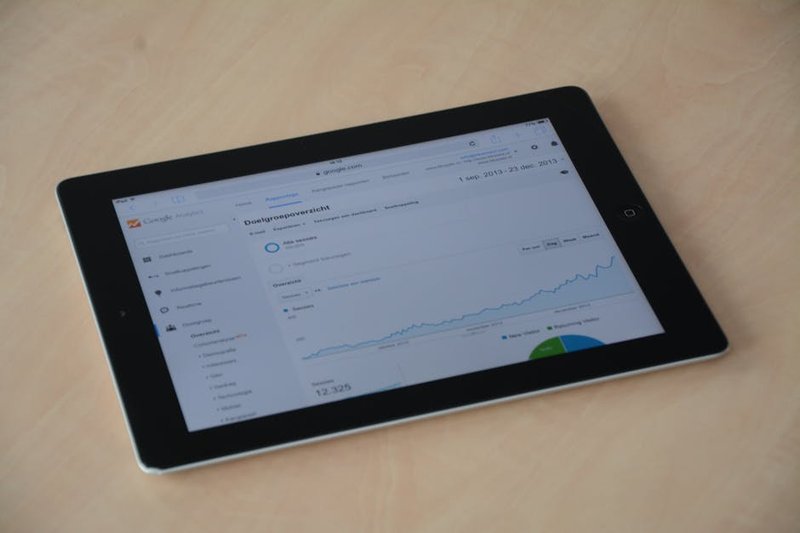
  • Panduan Terbukti: 10 SEO Marketing Tools Terbaik 2026 untuk Bisnis Indonesia

    Panduan Terbukti: 10 SEO Marketing Tools Terbaik 2026 untuk Bisnis Indonesia

    Mengapa SEO Marketing Tools Penting untuk Bisnis Indonesia?

    Bayangkan Anda memiliki toko roti di Bandung yang terkenal dengan brownies kejunya. Offline, pelanggan mengantre. Tapi online, toko Anda hilang di halaman ketiga Google, kalah dengan brand besar yang bahkan tidak punya outlet di kota Anda. Ini bukan soal produk yang kurang enak, tapi soal visibilitas di dunia digital yang tidak dikelola dengan alat yang tepat.

    Pasar digital Indonesia itu unik. Kita bukan hanya bicara tentang 200 juta lebih pengguna internet, tapi tentang bagaimana mereka berperilaku. Konsumen di sini sangat mobile-first, banyak yang langsung masuk ke e-commerce atau media sosial untuk mencari produk, bukan mulai dari mesin pencari umum. Mereka juga sangat terpengaruh oleh ulasan, rekomendasi dari komunitas seperti TikTok atau WhatsApp Group, dan konten berbahasa Indonesia yang autentik. Tantangannya jadi dua lapis: Anda harus optimasi untuk algoritma Google, sekaligus memahami pola konsumsi konten lokal yang sangat dinamis.

    Di sinilah alat SEO marketing berperan. Ini bukan lagi sekadar “alat bantu” opsional, melainkan kebutuhan operasional, seperti mesin kasir untuk toko fisik. Tanpanya, Anda beroperasi buta. Anda tidak tahu kata kunci apa yang sedang dicari calon pelanggan di Surabaya atau Medan, tidak bisa melacak peringkat website Anda untuk layanan “katering sehat harian”, dan tidak punya data untuk memahami mengapa kompetitor muncul lebih dulu.

    Dari Pilihan Menjadi Keharusan

    Dulu, SEO bisa dijalankan dengan pendekatan manual: menebak kata kunci, menulis konten, dan menunggu. Itu era ketika persaingan masih longgar. Sekarang, kecepatan adalah segalanya. Tren kata kunci bisa berubah dalam hitungan hari, dipicu oleh viralnya sebuah lagu atau drama. Algoritma Google diperbarui terus-menerus. Kompetitor mungkin sudah menggunakan alat canggih untuk menganalisis celah di strategi Anda.

    Tanpa alat SEO, Anda seperti mencoba memperbaiki mobil sport modern dengan obeng saja. Anda butuh diagnostik komputer yang tepat. Alat-alat ini memberikan efisiensi yang kritikal: mereka mengotomatiskan pelacakan peringkat, menganalisis backlink kompetitor, mengaudit kesehatan teknis website, dan mengidentifikasi peluang kata kunci yang spesifik untuk demografi dan lokasi Indonesia. Waktu yang Anda hemat dari tugas-tugas rutin ini bisa dialihkan untuk strategi kreatif, seperti membuat konten video untuk TikTok yang justru bisa mendongkrak sinyal relevansi lokal Anda.

    Melampaui Alat Tradisional: Era AI-Powered Tools

    Inilah pembeda utamanya. Alat SEO tradisional memberi Anda data mentah—daftar kata kunci, angka peringkat. Alat SEO marketing modern yang digerakkan AI memberi Anda insight dan rekomendasi aksi.

    Misalnya, alih-alih hanya memberi tahu Anda bahwa “kue basah bandung” adalah kata kunci dengan volume tinggi, alat bertenaga AI dapat menganalisis intent di balik pencarian itu. Apakah pengguna mencari resep, ingin membeli online, atau mencari toko fisik? AI kemudian bisa merekomendasikan jenis konten apa yang harus dibuat (blog resep, halaman produk, atau halaman “lokasi toko” dengan Google Business Profile), sekaligus memprediksi potensi trafik dan konversinya. Pendekatan ini yang membuat strategi Anda menjadi integrated—terhubung langsung dengan tujuan bisnis, bukan sekadar mengejar peringkat semata.

    Untuk UMKM yang ingin membangun otoritas lokal, memahami nuansa ini penting. Anda bisa mempelajari panduan membangun otoritas lokal dengan strategi GEO sebagai fondasi. Selanjutnya, alat yang tepat akan membantu Anda mengeksekusi dan mengukur strategi tersebut secara efisien.

    dashboard analisis seo lokal

    Intinya, persaingan di digital Indonesia sudah berada di level yang berbeda. Bertahan dengan cara manual atau alat yang generik berarti membiarkan celah peluang terbuka lebar untuk diambil kompetitor. Memilih dan menguasai alat SEO marketing yang tepat—terutama yang mampu menjawab kompleksitas pasar lokal—adalah langkah pertama untuk tidak hanya sekadar muncul di pencarian, tetapi untuk benar-benar terhubung dan bertransaksi dengan pasar yang sangat besar dan aktif ini. Ini adalah investasi dalam sistem pemasaran yang lebih cerdas, cepat, dan terukur.

    10 SEO Marketing Tools Terbaik 2026: Review Lengkap

    Memahami pentingnya alat SEO marketing adalah langkah pertama. Sekarang, mari kita lihat alat-alat konkret yang bisa Anda gunakan untuk mewujudkannya. SEO marketing tools adalah alat yang membantu mengoptimalkan website untuk mesin pencari melalui berbagai fitur seperti riset kata kunci, audit teknis, dan analisis kompetitor. Berikut adalah 10 alat terbaik untuk tahun 2026, dirangkum berdasarkan keunggulan dan kesesuaiannya dengan kebutuhan bisnis di Indonesia.

    dashboard analisis seo

    Alat Riset Kata Kunci & Analisis Kompetitor

    Untuk membangun fondasi strategi yang solid, Anda memerlukan alat yang mampu mengungkap peluang kata kunci dan kekuatan kompetitor.

    Ahrefs adalah pilihan utama, terutama untuk website e-commerce. Alat ini membantu mengoptimalkan website e-commerce dengan riset kata kunci yang mendalam. Database-nya yang masif memungkinkan Anda melihat volume pencarian, tingkat kesulitan, dan bahkan backlink yang dimiliki pesaing. Ini sangat berguna untuk menemukan kata kunci produk dengan persaingan yang realistis untuk ditaklukkan.

    SEMrush menawarkan pendekatan yang lebih komprehensif dan sering menjadi andalan agensi digital. Platform ini tidak hanya menyediakan riset kata kunci, tetapi juga audit site, pelacakan ranking, dan analisis iklan PPC. Dengan harga mulai dari $99,95 atau sekitar Rp1,56 juta per bulan, SEMrush adalah investasi yang tepat untuk tim yang membutuhkan satu alat untuk segala kebutuhan SEO dan pemasaran digital.

    WooRank adalah alat analisis kompetitor yang powerful dengan basis data yang sangat besar. Tool ini harga mulai dari $99,95 atau sekitar Rp1,56 juta per bulan. WooRank memberikan laporan audit yang cepat dan mudah dipahami, mencakup aspek teknis, konten, dan media sosial, sehingga cocok untuk mendapatkan gambaran cepat tentang kesehatan SEO sebuah website.

    Plugin SEO untuk WordPress

    Jika website Anda dibangun dengan WordPress, plugin SEO adalah keharusan. Mereka mengintegrasikan panduan optimasi langsung ke dalam editor Anda.

    Rank Math saat ini dinobatkan sebagai plugin SEO WordPress terbaik pertama untuk tahun 2026. Plugin ini menawarkan antarmuka yang intuitif dan fitur-fitur canggih seperti skema structured data, redirect manager, dan analisis konten real-time—seringkali dalam versi gratisnya.

    Yoast SEO adalah nama yang paling dikenal dan telah teruji. Plugin ini plugin SEO WordPress terbaik pertama untuk tahun 2026. Yoast sangat bagus untuk optimasi on-page dasar, memandu Anda mengisi meta description, fokus kata kunci, dan readability. Untuk bisnis lokal, panduan dari panduan SEO lokal untuk UMKM dapat dengan mudah diimplementasikan menggunakan fitur-fitur Yoast.

    All in One SEO (AIOSEO) hadir sebagai alternatif yang solid. Dengan sekitar 2 juta unduhan dan rating bintang 4,5, AIOSEO menawarkan fitur serupa seperti setup wizard yang mudah, dukungan untuk skema, dan optimasi untuk media sosial. Plugin ini cocok bagi yang menginginkan fungsionalitas inti tanpa kerumitan berlebih.

    Alat Khusus: Audit, Backlink, dan Pelaporan

    Terkadang, Anda membutuhkan alat yang fokus pada satu area spesifik untuk penyelesaian masalah yang lebih mendalam.

    SEOptimer adalah solusi untuk audit profesional dan pelaporan. Tool ini menawarkan harga mulai Rp300.000 per bulan dan mendukung white-label reporting. Ini berarti agensi dapat mengirim laporan audit yang bersih dengan logo mereka sendiri, meningkatkan profesionalitas di mata klien.

    Linkody mengkhususkan diri pada satu hal: pemantauan backlink. Platform ini cocok untuk agensi SEO dengan harga mulai $11,20 atau Rp175.000 per bulan. Anda akan mendapat notifikasi saat ada backlink baru, hilang, atau berubah, memungkinkan Anda menjaga kualitas profil backlink website dengan lebih proaktif.

    SE Ranking adalah alat all-in-one yang dirancang dengan agensi kecil dalam pikiran. Paket Pro-nya seharga $87,20 atau Rp1,36 juta per bulan sudah mencakup 3 seat pengguna, membuat kolaborasi dalam tim menjadi lebih efisien dan terjangkau.

    Memilih Alat yang Tepat untuk Konteks Indonesia

    Pemilihan alat harus mempertimbangkan konteks pasar Indonesia. Riset kata kunci harus mampu menangkap istilah-istilah lokal dan bahasa sehari-hari. Analisis kompetitor harus fokus pada pemain dominan di niche Anda, baik itu marketplace besar seperti Tokopedia atau bisnis kuliner lokal.

    KebutuhanAlat yang DirekomendasikanPertimbangan untuk Indonesia
    Riset Kata Kunci E-commerceAhrefsCari kata kunci produk dengan volume tinggi & persaingan medium.
    Manajemen Website WordPressRank Math atau Yoast SEOOptimasi untuk kata kunci lokal dan konten berbahasa Indonesia.
    Audit Teknis & Pelaporan KlienSEOptimerCocok untuk agensi yang melayani UMKM dengan budget terbatas.
    Pemantauan BacklinkLinkodyPantau backlink dari forum lokal (.id) dan media Indonesia.
    Analisis Kompetitor MenyeluruhSEMrush atau WooRankBandingkan performa dengan kompetitor langsung di SERP Google Indonesia.

    Integrasi adalah kunci. Misalnya, Anda bisa menggunakan SEMrush Writing Assistant Tool, plugin WordPress yang memeriksa readability, kata kunci, plagiarisme, dan SEO score, untuk menyempurnakan konten yang telah Anda riset dengan alat utama. Kombinasi alat yang tepat akan membentuk alur kerja yang efisien, dari riset, eksekusi, hingga pengukuran. Mulailah dengan mengidentifikasi satu bottleneck dalam proses SEO Anda saat ini, lalu pilih alat yang paling tepat untuk menyelesaikannya.

    !tim marketing berdiskusi strategi | marketing team discussing strategy – seo marketing tools

    Cara Memilih SEO Marketing Tools Berdasarkan Budget dan Kebutuhan

    Memilih alat SEO yang tepat memang lebih dari sekadar melihat daftar fitur. Setelah Anda mengenal berbagai opsi yang tersedia, langkah selanjutnya adalah mencocokkannya dengan realitas bisnis Anda—mulai dari anggaran hingga kebutuhan spesifik. Pilihan Anda akan menentukan efisiensi tim dan akurasi data yang Anda gunakan untuk mengambil keputusan.

    Peta Harga: Dari Rp175 Ribu hingga Rp1,56 Juta per Bulan

    Anggaran sering menjadi faktor penentu utama. Anda perlu melihat harga bukan hanya sebagai biaya, tetapi sebagai investasi terhadap cakupan fitur yang Anda dapatkan.

    AlatHarga Dasar (per bulan)Profil Pengguna IdealFitur Inti
    LinkodyRp175.000Agen SEO, Pemula, Fokus BacklinkPemantauan backlink, Deteksi link hilang
    SEOptimerRp300.000Konsultan, Agen (White-label)Audit SEO cepat, Laporan white-label
    SE RankingRp1,36 jutaAgen kecil (3 seat)Toolset SEO lengkap, Pelacakan peringkat
    SEMrushRp1,56 jutaAgen medium-besar, Departemen marketingAnalisis kompetitor, Riset kata kunci, Content Marketing

    Data harga 2026 ini menunjukkan rentang yang cukup lebar. Linkody menawarkan harga mulai $11,20, cocok jika fokus utama Anda adalah menjaga kesehatan profil backlink. Sementara untuk kebutuhan yang lebih komprehensif, SEMrush sebagai tool SEO terbaik untuk agensi dibanderol mulai $99,95. Pertimbangan krusial adalah skalabilitas—apakah alat ini akan tetap cocok saat traffic website Anda naik dua kali lipat tahun depan?

    Sesuaikan dengan Model Bisnis Anda

    Kebutuhan alat SEO untuk blog pribadi sangat berbeda dengan e-commerce atau agensi.

    • Untuk E-commerce & UMKM Lokal: Prioritas Anda adalah SEO lokal dan optimasi untuk produk. Alat yang memiliki fitur pelacakan peringkat peta Google (Google Maps) dan ulasan lokal sangat vital. Integrasi dengan platform seperti Tokopedia atau Shopee (jika memungkinkan) adalah nilai tambah besar. Strategi ini selaras dengan prinsip membangun otoritas geo-lokal untuk bisnis di Indonesia.
    • Untuk Agen atau Konsultan: Anda membutuhkan alat yang mendukung *white-label reporting* dan manajemen multi-klien. SEOptimer menawarkan tool audit dengan laporan white-label, sementara SE Ranking memiliki paket Pro dengan 3 seat pengguna. Efisiensi dalam membuat laporan yang profesional untuk klien adalah kunci.
    • Untuk Blogger atau Content Creator: Fokusnya pada riset kata kunci berbasis intent, analisis topik, dan audit konten yang sudah ada. Alat dengan fitur content grader atau AI writing assistant bisa sangat membantu.
    pengusaha menganalisis data seo

    Kapan Memilih AI Tools vs. Tools Tradisional?

    Tools berbasis AI seperti Taja AI (untuk otomatisasi YouTube) atau fitur AI dalam platform besar hadir untuk mengotomatisasi tugas spesifik dan memberikan insight prediktif. Mereka cocok untuk:

    • Generasi ide konten dalam skala besar.
    • Otomatisasi tugas repetitif seperti membuat deskripsi meta.
    • Analisis sentimen dari ulasan atau komentar.

    Namun, tools tradisional masih unggul untuk:

    • Audit teknis mendalam (crawling, analisis struktur site).
    • Analisis data historis dan perbandingan kompetitor jangka panjang.
    • Pelaporan yang sangat terstruktur dan dapat dikustomisasi.

    Strategi terbaik adalah menggunakan hybrid approach. Gunakan AI untuk mempercepat proses kreatif dan eksplorasi, tetapi andalkan data dari tools tradisional untuk validasi dan keputusan strategis.

    Mulai dengan Alat Gratis (dan Berbahasa Indonesia)

    Jika anggaran sangat terbatas, mulai dengan alat gratis adalah langkah bijak. Beberapa opsi solid termasuk Google Search Console (wajib), Google Analytics, dan Google Keyword Planner. Untuk website builder seperti Wix, manfaatkan plugin SEO bawaan mereka. Penyedia hosting lokal seperti Qwords.com juga sering memberikan rekomendasi atau plugin SEO dasar yang terintegrasi.

    Pertimbangan penting lainnya adalah dukungan bahasa dan lokalitas. Pastikan alat yang Anda pilih dapat menangani kata kunci dalam Bahasa Indonesia dengan baik, mengenali istilah lokal, dan (jika memungkinkan) memiliki antarmuka atau dukungan pelanggan dalam Bahasa Indonesia. Ini sangat krusial untuk mengoptimalkan bisnis lokal seperti kuliner.

    Tracking Performa dan Mengukur ROI

    Investasi dalam alat SEO harus bisa diukur kembalinya. Tentukan Key Performance Indicator (KPI) utama Anda sejak awal: 1. KPI Traffic & Peringkat: Peningkatan traffic organik, peringkat untuk kata kunci utama. 2. KPI Konversi: Lead yang dihasilkan dari formulir kontak, panggilan telepon, atau pembelian online. 3. KPI Otoritas: Kualitas dan kuantitas backlink, Domain Authority (DA).

    Gunakan fitur pelaporan dalam alat SEO Anda untuk melacak KPI ini, dan hubungkan data tersebut dengan analytics untuk melihat konversi. Hitung ROI dengan membandingkan nilai konversi (misalnya, rata-rata nilai pembelian) dengan total biaya alat dan waktu yang diinvestasikan. Untuk panduan lebih detail, Anda dapat mempelajari cara mengukur ROI untuk bisnis kecil.

    Intinya, pilihan alat SEO yang tepat adalah yang tidak hanya terjangkau hari ini, tetapi juga dapat tumbuh bersama kompleksitas bisnis Anda besok. Mulailah dengan kebutuhan yang paling mendesak, ukur dampaknya, lalu skalakan investasi Anda seiring dengan pertumbuhan hasil yang Anda dapatkan.

    Studi Kasus: Implementasi Sukses SEO Marketing Tools di Indonesia

    Memilih alat yang tepat adalah langkah pertama, tetapi melihat bagaimana alat itu diterapkan di lapangan—oleh bisnis yang mirip dengan Anda—memberikan gambaran yang jauh lebih jelas. Mari kita lihat beberapa studi kasus nyata dari Indonesia yang menunjukkan bagaimana integrasi alat SEO marketing yang tepat bisa mendorong pertumbuhan.

    Ahrefs untuk Toko E-commerce di Shopify

    Sebuah toko fashion lokal di Shopify mengalami stagnasi traffic organik. Mereka menggunakan Ahrefs untuk membantu mengoptimalkan website e-commerce dengan riset kata kunci yang mendalam. Alih-alih menargetkan kata kunci umum seperti “baju wanita”, tim mereka menggunakan fitur “Keyword Explorer” Ahrefs untuk menemukan long-tail keyword spesifik seperti “dress katun motif bunga untuk kondangan” yang memiliki volume pencarian stabil dan persaingan lebih rendah.

    Mereka kemudian mengoptimalkan halaman produk, judul, dan deskripsi meta dengan kata kunci ini. Dalam tiga bulan, halaman produk yang dioptimasi tersebut naik dari halaman 3 Google ke posisi 1-3 untuk puluhan kata kunci long-tail. Hasilnya, traffic organik meningkat 40% dan konversi dari sumber tersebut naik 15%. Kuncinya di sini adalah efisiensi: Ahrefs membantu mereka fokus pada peluang yang bisa dimenangkan, bukan sekadar menebak-nebak.

    Yoast SEO dan Dominasi Konten WordPress

    Sebuah blog kuliner Indonesia yang dibangun di WordPress ingin meningkatkan otoritas domainnya. Mereka mengandalkan plugin Yoast SEO sebagai navigator internal mereka untuk setiap artikel. Fitur “Readability Analysis” memastikan setiap konten mudah dibaca oleh pengunjung dan mesin pencari, sementara “Focus Keyphrase” menjaga agar artikel tetap pada topik.

    Strategi mereka adalah menciptakan pillar content tentang “panduan makanan khas Bandung” dan kemudian mengelilinginya dengan artikel cluster yang lebih spesifik (seperti “resep batagor kuah”, “lokasi siomay terenak”) dengan internal linking yang kuat. Yoast SEO membantu mereka mengelola struktur teknis ini dengan mudah. Dalam setahun, blog tersebut menjadi rujukan utama untuk topik kuliner Bandung, menarik kerja sama dengan pelaku usaha lokal. Ini adalah contoh integrasi yang mulus antara alat teknis dan strategi konten yang berfokus pada pembuatan otoritas lokal.

    SEMrush sebagai Senjata Utama Agen Digital

    Sebuah agensi digital marketing di Surabaya menggunakan SEMrush untuk mengelola portofolio klien dari berbagai industri, mulai dari properti hingga pendidikan. Mereka memanfaatkan modul “Position Tracking” untuk memantau peringkat puluhan kata kunci sekaligus untuk setiap klien, menghasilkan laporan otomatis yang transparan.

    Yang lebih cerdas, mereka menggunakan fitur “Competitive Analysis” di SEMrush untuk memetakan strategi backlink dan konten kompetitor utama klien. Ini memungkinkan mereka mengidentifikasi peluang guest posting atau kolaborasi yang terlewatkan. Untuk satu klien di sektor kursus online, pendekatan ini berhasil mendapatkan 20 backlink berkualitas dari situs edukasi dalam satu kuartal, yang berkontribusi langsung pada peningkatan otoritas domain dan lead yang masuk.

    Hostinger Website Builder untuk UMKM

    Sebuah usaha kerajinan tangan (UMKM) dari Yogyakarta ingin memiliki website profesional tanpa merekrut developer. Mereka memilih Hostinger Website Builder karena kemudahannya dan server lokal yang cepat. Template yang dioptimasi SEO dari Hostinger memberikan fondasi yang baik.

    Pemilik usaha kemudian fokus mengisi konten dengan produk dan cerita di balik kerajinan mereka, sambil memanfaatkan panduan SEO bawaan dari builder tersebut. Mereka juga mengintegrasikan website dengan marketplace seperti Shopee dengan menampilkan widget “Beli di Shopee” dan menautkan katalog. Website tersebut berfungsi sebagai hub otoritas yang mengarahkan traffic ke toko online mereka, meningkatkan kepercayaan dan konversi. Ini membuktikan bahwa platform yang tepat bisa memberdayakan UMKM tanpa kompleksitas teknis.

    Analisis Kompetitor Mendalam dengan WooRank

    Sebuah marketplace e-commerce spesialis produk outdoor ingin memahami kelemahan dan kekuatan mereka dibandingkan dua kompetitor langsung. Mereka menggunakan WooRank, tool yang harga mulai dari $99,95 atau sekitar Rp1,56 juta per bulan.

    Laporan WooRank memberikan snapshot mendalam, bukan hanya tentang SEO on-page, tetapi juga kecepatan loading, pengalaman mobile, dan struktur situs. Mereka menemukan bahwa salah satu kompetitor memiliki kecepatan loading halaman produk 30% lebih cepat. Analisis ini mendorong mereka untuk memprioritaskan optimasi kecepatan situs, sebuah faktor yang sebelumnya kurang diperhatikan. Dalam beberapa bulan setelah perbaikan, rasio pentalan (bounce rate) di perangkat mobile mereka turun signifikan.

    Tips Integrasi dengan Ekosistem Lokal

    Keberhasilan di pasar Indonesia seringkali bergantung pada integrasi dengan platform lokal. Berikut cara beberapa alat bisa disinergikan:

    Platform LokalIntegrasi dengan Alat SEOTujuan
    Shopee/TokopediaGunakan riset kata kunci dari Ahrefs/SEMrush untuk mengoptimasi judul & deskripsi produk di marketplace.Meningkatkan visibilitas pencarian internal marketplace.
    Google Business ProfileOptimasi dengan konten lokal dari strategi WordPress (Yoast) dan lacak performa.Mendominasi pencarian “dekat saya” dan peta.
    Platform Media SosialAnalisis konten viral untuk inspirasi topik blog menggunakan alat listening.Menarik traffic dari sosial ke website utama.

    Intinya, alat SEO marketing bukanlah solusi ajaib yang berdiri sendiri. Efektivitasnya muncul ketika diintegrasikan ke dalam alur kerja yang efisien dan disesuaikan dengan perilaku konsumen Indonesia. Mulailah dengan satu alat, kuasai, dan ukur dampaknya secara jelas sebelum menambah layer kompleksitas berikutnya.

    Kesimpulan dan Langkah Selanjutnya untuk Bisnis Anda

    Setelah melihat bagaimana bisnis-bisnis di Indonesia berhasil mengimplementasikan alat SEO marketing, Anda mungkin bertanya-tanya: “Oke, tapi mana yang cocok untuk saya, dan apa yang harus saya lakukan sekarang?”

    Pertanyaan itu tepat. Memilih alat SEO bukan tentang yang paling populer, melainkan tentang yang paling sesuai dengan kebutuhan spesifik bisnis Anda. Mari kita rangkum dan petakan langkah konkretnya.

    Peta Alat SEO 2026: Cocok untuk Siapa?

    Sepuluh alat terbaik yang kita bahas memiliki peran yang berbeda. Anda tidak perlu menggunakan semuanya. Fokus pada kombinasi yang tepat.

    Jenis BisnisAlat Utama yang DirekomendasikanFokus Utama
    E-commerce (Shopee, Tokopedia, website toko online)Semrush, Ahrefs, Google Merchant CenterAnalisis kompetitor, riset kata kunci produk, optimasi listing untuk Google Shopping.
    Bisnis Jasa/Lokal (klinik, bengkel, konsultan)Google Business Profile, BrightLocal, Moz LocalManajemen dan optimasi profil lokal, mendapatkan review, tampil di pencarian “dekat saya”.
    Penerbit Konten/BlogRank Math, Surfer SEO, Google Search ConsoleOptimasi teknis on-page, analisis konten, monitoring performa artikel langsung di WordPress.
    Semua Jenis (All-rounder)Google Analytics 4, SEMrush, AhrefsPelacakan traffic menyeluruh, analisis performa holistik, dan perencanaan strategi jangka panjang.

    Untuk Anda yang menggunakan WordPress, Rank Math direkomendasikan sebagai plugin SEO terbaik pertama untuk tahun 2026. Plugin ini mengintegrasikan banyak fungsi analisis langsung ke dashboard Anda, sangat efisien untuk pemilik konten.

    Update Terbaru 2026: Apa yang Berubah?

    Tahun ini, alat-alat SEO semakin terintegrasi dengan kecerdasan buatan dan berfokus pada pengalaman pengguna (UX). Anda akan melihat fitur seperti:

    • AI-powered content gap analysis: Alat seperti Surfer SEO dan Semrush kini tidak hanya menyarankan kata kunci, tetapi juga menganalisis struktur dan intent dari konten pesaing yang ranking teratas.
    • Prediksi dampak Core Web Vitals: Beberapa platform mulai bisa memprediksi bagaimana perubahan teknis (seperti gambar yang lebih ringan) akan mempengaruhi skor kecepatan dan ranking Anda.
    • Integrasi yang lebih dalam dengan Google Business Profile: Alat manajemen lokal sekarang menawarkan analisis sentimen dari review dan saran postingan berbasis AI untuk meningkatkan engagement.

    Intinya, alat-alat sekarang lebih proaktif—mereka tidak hanya melaporkan masalah, tetapi juga menawarkan solusi yang dapat ditindaklanjuti.

    Langkah Pertama Anda Hari Ini

    Jangan terjebak analisis. Ambil satu langkah kecil yang bisa Anda selesaikan dalam 30 menit ke depan.

    1. Audit Dasar: Jika Anda sudah memiliki website, buka Google Search Console. Lihat laporan “Performance” untuk menemukan 5 kata kunci teratas yang sudah mendatangkan traffic. Itulah kekuatan Anda. Kemudian, cek “Core Web Vitals” untuk melihat masalah kecepatan yang mendesak. 2. Klaim dan Optimasi Profil: Jika bisnis Anda melayani pelanggan lokal, pastikan Google Business Profile Anda sudah 100% lengkap—foto, jam operasi, deskripsi, kategori. Ini adalah langkah ROI tertinggi dengan usaha minimal. 3. Pilih Satu Alat untuk Dikuasai: Berdasarkan peta di atas, pilih SATU alat utama yang paling relevan. Misalnya, untuk UMKM lokal, kuasai dulu Google Business Profile dan BrightLocal. Pelajari fitur utamanya selama seminggu.

    Konsistensi adalah Kunci Keberhasilan

    Alat SEO marketing yang canggih sekalipun tidak akan berguna jika hanya dibuka sekali sebulan. Kekuatannya terletak pada data tren yang dikumpulkan dari waktu ke waktu.

    Jadwalkan waktu khusus—misalnya 30 menit setiap Senin pagi—untuk mengecek performa. Review laporan mingguan dari alat Anda, lihat apakah ada penurunan traffic yang tiba-tiba, atau baca insight dari review pelanggan di profil lokal Anda. Konsistensi inilah yang memungkinkan Anda bereaksi cepat terhadap peluang atau masalah, jauh sebelum hal itu berdampak besar pada bisnis.

    Untuk bisnis yang ingin mendalami strategi lokal yang terintegrasi, panduan SEO lokal untuk UMKM 2026 ini memberikan kerangka kerja yang terstruktur, mulai dari riset hingga pengukuran.

    Langkah selanjutnya adalah mengintegrasikan temuan dari alat-alat ini ke dalam siklus kerja tim Anda. Apakah itu informasi kata kunci untuk tim konten, data review untuk tim layanan pelanggan, atau insight traffic untuk tim marketing. Ketika data SEO tidak lagi menjadi “milik satu orang” tetapi menjadi dasar pengambilan keputusan bersama, di situlah alat-alat ini menunjukkan nilai sebenarnya sebagai platform pertumbuhan bisnis Anda. Mulailah dari satu langkah, lakukan dengan konsisten, dan bangun dari sana.

    tim marketing berdiskusi strategi


    tim marketing berdiskusi strategi

    Sources & References

    This article incorporates information and insights from the following verified sources:

    [1] membantu mengoptimalkan website e-commerce dengan riset kata kunci yang mendalam – Shopify Indonesia (2026)

    [2] plugin SEO WordPress terbaik pertama untuk tahun 2026 – Qwords.com (2026)

    [3] harga mulai dari $99,95 atau sekitar Rp1,56 juta per bulan – Hostinger (2026)

    [4] 5 Website Builder Terbaik 2026 untuk Indonesia (Kecepatan Situs Teruji!) – Bitcatcha (2026)

    [5] 9 Pembuat Situs Web Terbaik Tahun 2026 – Shopify Indonesia – Shopify Indonesia (2026)

    [6] [10 Pembuat Situs Web Terbaik: Dicoba dan Diuji [2026]](https://www.websiteplanet.com/id/website-builders/) – WebsitePlanet (2026)

    [7] Alat Otomatisasi YouTube Terbaik untuk SEO & Pembuatan Konten? – YouTube (2026)

    [8] YouTube: 10 Plugin WordPress Terbaik yang Bisa Kamu Gunakan untuk Situs Web Kamu di Tahun 2025 – https://www.youtube.com/watch?v=o6_dHcD8GVI

    [9] Internal: panduan membangun otoritas lokal dengan strategi GEO – https://www.fivebucks.ai/blogs/post/panduan-seo-branding-2026-strategi-geo-otoritas-lokal-indonesia/

    [10] Internal: panduan SEO lokal untuk UMKM – https://www.fivebucks.ai/blogs/post/panduan-seo-lokal-indonesia-umkm-2026/

    [11] Internal: mengoptimalkan bisnis lokal seperti kuliner – https://www.fivebucks.ai/blogs/post/panduan-seo-lokal-indonesia-optimasi-bisnis-makanan/

    [12] Internal: cara mengukur ROI untuk bisnis kecil – https://www.fivebucks.ai/blogs/post/cara-mengukur-roi-geo-untuk-bisnis-kecil/

    All external sources were accessed and verified at the time of publication. This content is provided for informational purposes and represents a synthesis of the referenced materials.

  • Best SEO Optimisation Melbourne: Proven 2026 Guide

    Best SEO Optimisation Melbourne: Proven 2026 Guide

    Why SEO Optimisation Melbourne Matters in 2026

    If you run a business in Melbourne, your Google Business Profile is no longer just a digital business card—it’s your primary salesperson. In 2026, the competition for visibility in suburbs from Fitzroy to Frankston is fierce, and the rules have fundamentally changed. Google now prioritizes a business’s overall ‘Prominence’ and recent ‘Activity’ over simple proximity. This means being close to a customer is less important than being actively engaged and authoritatively presented. Your profile must work harder, proving to both algorithms and humans that you are the most relevant and reliable choice.

    The payoff for getting this right is substantial. An optimized Google Business Profile isn’t just a source of leads; it can become the engine of your growth. Recent analysis shows that for many Australian businesses, a well-maintained profile a business’s overall ‘Prominence’ and recent ‘Activity’ over simple proximity. When a potential customer searches for “best cafe near me” in Carlton or “plumber South Yarra,” appearing in that coveted Local 3-Pack—the top three results on Google Maps—is often the difference between a booked appointment and being completely overlooked. Your profile does the heavy lifting of attracting, informing, and converting local searchers before they ever visit your website.

    So, what does “optimization” actually mean in 2026? It’s an integrated system, not a one-time task. It starts with foundational accuracy: your business name, address, phone number, and hours must be flawless and consistent everywhere online. But it extends far beyond that. You’re now building a dynamic hub of proof. This includes accumulating and responding to genuine customer reviews, regularly posting updates about services or offers, uploading high-quality photos of your work, and utilizing features like Google’s booking button or product listings. Each action signals ‘Activity.’ Each positive review and piece of content builds ‘Prominence.’

    The challenge for many Melbourne businesses isn’t a lack of effort, but a lack of a Melbourne-specific, efficient process. Strategies that work in Sydney or Perth require local adaptation. The competitive density in Melbourne’s CBD versus its sprawling suburbs demands a hyperlocal approach to keywords and services. A generic national strategy will fail to capture someone searching specifically in Brunswick or Brighton. This guide provides that localized framework, turning the broad concept of “local SEO” into a clear, actionable plan for the Melbourne market.

    The 2026 Mindset: From Static Listing to Dynamic Platform

    Think of your Google Business Profile as the homepage you control on Google’s territory. While your website is your owned asset, your GBP is your rented storefront on the world’s busiest digital high street—Google Search and Maps. In 2026, success requires treating it with the same strategic care as your website. This means consistent content updates, engagement with customer interactions, and meticulous data management.

    The businesses winning local search in Melbourne today are those that understand this integration. They don’t see their GBP as separate from their marketing; it’s the central pillar of their local visibility. Their website content supports their profile’s authority, and their profile drives qualified traffic to their website. This creates a virtuous cycle where strength in one area boosts performance in the other. For a deeper dive into creating content that supports this integrated strategy, our guide to hiring an SEO copywriter in Australia outlines the skills needed to build that foundational authority.

    The following sections break down this process into an efficient workflow. We’ll move from the absolute essentials—the non-negotiable setup that prevents you from losing customers—to advanced tactics for building prominence and outshining local competitors. You’ll learn how to structure your service offerings, craft posts that convert, manage your reputation proactively, and analyze the data to refine your approach. While the principles of local SEO are universal, the application, competition, and search intent are uniquely Melburnian. Whether you’re a tradie in Reservoir, a lawyer in the CBD, or a retailer in Chapel Street, the strategies ahead are tailored to help you capture more of your local market.

    google business profile analytics dashboard - seo optimisation melbourne

    This isn’t about gaming a system; it’s about clearly and effectively communicating your business’s value to your community through the platform they use most. By the end, you’ll have a clear roadmap for turning your Google Business Profile from a passive directory entry into your most reliable lead generator. Let’s begin with the critical first step: auditing and perfecting your core business information.

    SEO Optimisation Melbourne: Google Business Profile Mastery

    Understanding why local SEO matters is one thing; implementing it effectively is another. For Melbourne businesses, that implementation starts with a single, powerful tool: your Google Business Profile. Think of it as your digital shopfront on Google Maps and Search—a profile that, when optimized, can significantly improve your chances of appearing in Google’s Local 3-Pack. But getting it right requires more than just filling in blanks. It demands a systematic, detail-oriented approach.

    The Foundation: Claim, Verify, and Maintain

    Your first step is claiming ownership. If your business already appears on Google Maps, you need to verify you’re the legitimate owner. Google offers a few verification methods: a postcard sent to your business address, a phone call, or a video verification process significantly improve your chances of appearing in Google’s Local 3-Pack. Choose the fastest option available to you. Once verified, the real work begins.

    This isn’t a set-and-forget task. To stay competitive in 2026, you need to treat your GBP like a living asset. Industry analysis suggests Google Business Profile optimization for small businesses in 2026 requires a weekly 20-minute maintenance habit. This brief weekly session is for updating posts with offers or news, responding to reviews, adding fresh photos, and checking that all information remains accurate. Agencies like Salty Studios Media build entire service models around this systematic audit-and-maintenance cycle because ongoing monitoring is essential for local rankings.

    Optimizing Every Element

    With the profile claimed, you need to optimize each section with precision. Start with the absolute bedrock of local SEO: NAP consistency. NAP—Name, Address, Phone—must be identical everywhere your business is listed online. This includes your website, your GBP, and key Australian directories like Yellow Pages and True Local. A minor discrepancy like “St” on one platform and “Street” on another can confuse Google’s algorithms and harm your rankings. Conduct a NAP audit across all platforms; this consistency is non-negotiable.

    Next, craft your business description. Here, the guidance is clear: use natural keywords in your GBP business description, posts, review responses, and services without stuffing. Describe what you do, who you serve, and where you operate in a way a real customer would understand. For a Melbourne plumber, terms like “emergency plumbing Melbourne” or “blocked drain Fitzroy” should arise naturally from the service description, not be awkwardly forced in.

    business owner optimizing google profile - seo optimisation melbourne

    For service-area businesses without a physical shopfront—think mobile dog groomers or freelance consultants—setting your service area correctly is critical. Don’t just list “Melbourne.” Be specific. Melbourne businesses without a physical shopfront should set specific service areas by suburb. If you serve Brunswick, Carlton, and Fitzroy, list those suburbs individually. This hyperlocal targeting helps Google connect you with searches in those precise areas, a tactic just as vital for local SEO in Sydney or Brisbane.

    Avoiding Common Pitfalls

    Even with the best intentions, it’s easy to stumble. Awareness of common mistakes can save you significant ranking headaches. The most frequent errors include keyword stuffing in the business name, leaving profile fields incomplete, ignoring customer reviews, and using generic stock photos.

    Let’s break down why these are so damaging. Adding keywords like “Best Melbourne Plumber” to your actual business name violates Google’s guidelines and can lead to suspension. Incomplete profiles—missing hours, services, or attributes—signal low quality to both users and algorithms. Ignoring reviews, both positive and negative, shows a lack of engagement. And stock photos? They fail to showcase your real team, your actual workspace, or your completed projects, making your business feel impersonal and less trustworthy. Authentic, high-quality photos of your location, staff, and work are invaluable.

    Your GBP doesn’t exist in a vacuum. It’s the most visible part of an integrated local SEO strategy. The consistency you build here must extend to your website and your broader citation profile across the web. Think of your GBP as the command center for your local search presence. When it’s meticulously maintained, accurately detailed, and actively managed, it becomes a dominant signal that pulls your entire online visibility upward. The process mirrors the foundational work needed for any sustainable online strategy, much like the careful planning required when hiring an SEO copywriter in Australia. It’s a deliberate investment in how you are found.

    How to Build Local Citations and Directories for Melbourne

    Optimising your Google Business Profile is a powerful first step, but it’s only one piece of the local search puzzle. Think of your GBP as your digital headquarters; local citations and directories are the signposts that point customers toward it. If those signposts contain conflicting information, you create confusion for both users and search engines, directly undermining the authority you just built. For a business in Melbourne, this means extending your optimisation efforts beyond Google to establish a consistent presence across the entire web.

    The core principle here is NAP consistency—your business’s Name, Address, and Phone number must be identical everywhere they appear. Recent analysis confirms that even minor discrepancies like ‘St’ versus ‘Street’ can harm your local search rankings. This isn’t a theoretical concern. Consider a Brisbane café that lists its phone number with a (07) area code on its website but as +61 7 on its GBP and just 7 on Yellow Pages. A customer searching for a booking gets three different numbers; Google sees three different entities. The result is a diluted online presence, confused potential customers, and a direct penalty in local pack rankings.

    melbourne business owner checking listings - seo optimisation melbourne

    Your first task is to identify and claim your profiles on the key Australian directories. For businesses in Victoria, platforms like Yellow Pages and True Local are foundational for establishing NAP consistency. These aren’t just digital phone books; they are trusted data aggregators that feed information into Google’s local search ecosystem. Start by securing and verifying your listing on these major platforms, ensuring every detail matches your GBP exactly. This process is similar for businesses across Australia, whether you’re applying local SEO tactics in Sydney or building a hyperlocal strategy in Perth.

    Auditing and Correcting Your Local Footprint

    Before you build new citations, you must clean up existing ones. Duplicate and inaccurate listings are incredibly common, often created automatically by data aggregators or past employees. Here’s an efficient audit process:

    1. Conduct a Broad Search: Use your business name and phone number in search engines to find every mention. Don’t forget industry-specific directories relevant to Melbourne. 2. Document Everything: Create a simple spreadsheet. List each platform, the URL of your listing, and the exact NAP details shown. 3. Identify Inconsistencies: Flag any listing where the name, address (including unit numbers and street abbreviations), or phone number deviates from your canonical GBP. 4. Claim and Correct: For each incorrect listing, follow the platform’s process to claim the business profile and update the information. For duplicates you don’t control, request removal through the directory’s support.

    This systematic cleanup is as crucial for a Melbourne retailer as it is for a service business following a proven local SEO guide for Brisbane.

    Maintaining Accuracy and Building Authority

    Once your foundation is clean, maintenance becomes key. Treat your business information as critical data that must be updated proactively, not reactively.

    Action ItemBest PracticeWhy It Matters
    Centralise Your DataMaintain a single, internal master document with your exact business name, address, phone, website, and hours.This is your source of truth for all updates, preventing employee guesswork.
    Update Upon ChangeThe moment your hours change for the holidays or you get a new phone line, update your GBP AND all major directories simultaneously.Prevents the ranking decay that starts the instant Google detects outdated info.
    Monitor for New ListingsSet up Google Alerts for your business name and use listing monitoring tools.Catches unauthorized or scraped listings before they spread incorrect data.

    This integrated approach to citation management does more than avoid penalties; it builds tangible local search authority. Consistent, accurate signals across dozens of directories tell Google that your business is legitimate, stable, and relevant to its stated location. This authority compounds, supporting your GBP rankings and making your business more visible for searches like “accountant Melbourne CBD” or “plumber near me.”

    Think of it as building a network of trust. Each accurate citation is a vote of confidence from another platform. The work of securing these citations also often reveals opportunities for niche directory placements or even valuable backlinks, a strategy explored in our guide to the best free backlink sources for Australian businesses. By mastering both GBP and the wider citation ecosystem, you move from optimizing a single profile to commanding your entire local search presence.

    Advanced Local SEO Strategies for Melbourne Businesses

    With your citations established, the focus shifts from being found to being chosen. In Melbourne’s competitive market, appearing in search results is just the first step; you need to convert that visibility into leads. This requires moving beyond the basics to implement advanced local SEO strategies that target specific suburbs, satisfy modern search algorithms, and deliver measurable returns.

    Conduct Hyperlocal Keyword Research

    Generic terms like “plumber Melbourne” are saturated. The real opportunity lies in targeting the suburbs where your customers live and the specific problems they voice. Your keyword strategy should mirror how Melburnians actually search. Think “emergency hot water service Brunswick” or “cafe with vegan options South Yarra.” This hyperlocal approach not only reduces competition but also increases intent, as someone searching for a service in their immediate area is far more likely to convert. Tools like Google’s Keyword Planner and localised search analysis can reveal these suburban query patterns. For a deeper dive into structuring this research, our guide to hiring an SEO copywriter in Australia outlines the strategic questions to ask.

    Optimise On-Page Signals and Schema

    Your website must reinforce your local relevance at every turn. This goes beyond mentioning your suburb in page titles and meta descriptions. It involves embedding local signals throughout your content, service pages, and blog posts. Schema markup—a code language search engines understand—is non-negotiable. Implementing LocalBusiness schema tells Google your exact address, opening hours, service areas, and customer reviews directly, making it easier for your information to appear in rich results like the Local 3-Pack. As noted by GK Web Agency, optimized GBP profiles significantly improve chances of appearing in these top positions. Consistency is key: ensure your NAP (Name, Address, Phone) is identical on your website, your Google Business Profile, and every directory listing.

    melbourne business owner seo dashboard - seo optimisation melbourne

    Track Performance and Analyse Competitors

    You can’t improve what you don’t measure. Advanced local SEO relies on tools that go beyond basic Google Analytics. Platforms like Birdeye and Mention First provide granular insights into your local search rankings for specific keywords in specific suburbs, monitor online reviews across platforms, and analyse what your local competitors are doing. The Mention First Local SEO Blueprint emphasises that 100% data accuracy across all platforms is critical for ranking. By tracking your position for “electrician Footscray” versus a competitor’s, you can identify gaps in your strategy, such as needing more keyword-rich reviews or more frequent posting on your GBP.

    Calculate a Clear ROI

    Local SEO should be viewed as a lead generation channel, not just a branding exercise. The data makes a compelling case: an analysis by 20 Minute Marketing shows an optimized GBP can provide up to 70% of total business leads with minimal weekly upkeep. To calculate your ROI, track leads that originate from your GBP (via calls, messages, and direction requests) and map them to actual conversions. Compare the lifetime value of those customers against the time and resources invested in your local SEO efforts. This shifts the conversation from cost to investment, proving the tangible value of maintaining an active, optimized local presence.

    Prepare for Voice Search

    As more Melburnians use voice assistants like Google Home or Siri for local queries (“Where’s the nearest open pharmacy?”), your optimization must adapt. Voice searches are typically longer, more conversational, and phrased as questions. Integrate these natural language phrases into your content. Create FAQ pages that answer common “who,” “what,” “where,” and “how” questions related to your service and location. Ensure your GBP information is impeccably accurate, as voice assistants often pull direct answers from these profiles. Remember, as highlighted in recent analysis, Google’s local ranking now prioritises ‘Prominence’ and ‘Activity’ over just proximity. A business that actively engages with its profile and earns positive signals is favoured.

    The strategic implementation of these tactics transforms your local SEO from a static listing into a dynamic growth engine. It’s about systematically making your business the most relevant and credible answer for your ideal customer in their specific part of Melbourne. For businesses in other major cities, the principles remain consistent, as seen in our analysis of effective local SEO tactics for Sydney. The final step is ensuring this entire system operates efficiently, which is where a disciplined maintenance routine comes into play.

    Final Thoughts: Your Melbourne SEO Action Plan

    Having explored the advanced tactics, the path forward for your Melbourne business is now clear. Success in 2026 isn’t about chasing every new trend; it’s about executing a few foundational strategies with remarkable consistency. Your action plan should be efficient, integrated, and focused on the platforms where your customers are actively searching.

    The cornerstone of this plan is your Google Business Profile. Think of it not as a static listing, but as your primary digital storefront for Melbourne. The data is unequivocal: an optimized profile can be the source of up to 70% of your total business leads. The commitment required to secure this advantage is surprisingly manageable. To stay competitive, you need to establish a weekly 20-minute maintenance habit. This isn’t a suggestion—it’s the operational standard for 2026.

    Use those twenty minutes each week to update posts with local offers, respond to every new review (especially the critical ones), and check that your NAP (Name, Address, Phone) details are flawless across the web. Inconsistency here directly erodes customer trust and confuses Google’s algorithms. This small, disciplined investment protects your most valuable local search asset.

    Your Melbourne SEO Implementation Checklist

    Don’t let this guide become just another read. Use this checklist to translate insight into action. Start with Phase 1 this week.

    PriorityAction ItemKey Outcome
    Phase 1: Foundation (Week 1)Audit & fully optimize your Google Business Profile with local keywords, services, and fresh photos.Establish your core visibility on Maps and Search.
    Implement a calendar reminder for a 20-minute weekly GBP maintenance session.Create the non-negotiable habit for sustained results.
    Phase 2: Content & Citations (Month 1)Publish one locally-focused service page or blog post targeting a Melbourne suburb or question.Build relevance and answer searcher intent.
    Audit and correct your NAP details on the top 5 local citation sites for Australia.Solidify ranking signals and consumer trust.
    Phase 3: Advanced Growth (Ongoing)Systematically gather and respond to customer reviews.Build social proof and improve local ranking.
    Analyze GBP Insights monthly to identify top search queries and customer actions.Refine your strategy based on real performance data.

    Integrating Your Strategy for Maximum Impact

    Your local SEO, content marketing, and link-building efforts shouldn’t operate in silos. An efficient strategy integrates them. The local content you create for Brighton or Footscray should be informed by the search queries you see in your GBP Insights. When you earn a mention or link from a local Melbourne business association, ensure it references your consistent NAP.

    If creating this volume of locally-optimized content seems daunting, you’re not alone. This is where a specialized SEO copywriter can become a force multiplier, ensuring your content ranks while resonating with local customers. Similarly, the principles of hyperlocal focus and GBP mastery apply across Australia. You can adapt this Melbourne-specific framework using insights from proven strategies in Perth or Sydney.

    In conclusion, the competitive landscape for Melbourne businesses in 2026 rewards clarity and consistency over complexity. By committing to your weekly GBP maintenance, ensuring iron-clad NAP consistency, and building content around local intent, you build a system that generates leads predictably. The 70% lead generation potential is within reach—not through a single heroic effort, but through the integrated, efficient execution of the fundamentals. Start with your twenty minutes this week. That’s where your visibility begins.

    Sources & References

    This article incorporates information and insights from the following verified sources:

    [1] a business’s overall ‘Prominence’ and recent ‘Activity’ over simple proximity – 20 Minute Marketing (2026)

    [2] significantly improve your chances of appearing in Google’s Local 3-Pack – GK Web Agency (2026)

    [3] Google Business Profile Optimization Brevard County FL | Maps SEO – Salty Studios Media (2026)

    [4] How to Rank #1 on Google Maps & ChatGPT (2026 Local … – AI SEO – Mention First (2026)

    [5] SEO for small business Australia: What you need to know in 2026 – Birdeye (2026)

    [6] YouTube: ✅ Google Business Profile Set Up: How To Put Your Business on Google in 2026 (Updated) – https://www.youtube.com/watch?v=UBwsZfRyD30

    [7] YouTube: Google Ads for Local Service Based Businesses [Updated for 2025] – https://www.youtube.com/watch?v=DyWrAujWQ8U

    [8] YouTube: Audit Local Citations Free in Seconds | CitationsBuilderPro Tutorial – https://www.youtube.com/watch?v=UfxgQ9XKAsg

    [9] Internal: guide to hiring an SEO copywriter in Australia – https://www.fivebucks.ai/blogs/post/seo-copywriter-hiring-guide-australia-2026/

    [10] Internal: local SEO in Sydney or Brisbane – https://www.fivebucks.ai/blogs/post/sydney-local-seo-2026-optimization-tactics/

    [11] Internal: proven local SEO guide for Brisbane – https://www.fivebucks.ai/blogs/post/best-local-seo-brisbane-strategies-2026/

    [12] Internal: the best free backlink sources for Australian businesses – https://www.fivebucks.ai/blogs/post/best-free-backlink-sites-australia-roi-2026/

    [13] Internal: Perth – https://www.fivebucks.ai/blogs/post/best-proven-2026-local-seo-perth-ai-hyperlocal-guide/

    All external sources were accessed and verified at the time of publication. This content is provided for informational purposes and represents a synthesis of the referenced materials.

  • Panduan Utama SEO Branding 2026: 5 Strategi GEO untuk Otoritas Lokal Indonesia

    Panduan Utama SEO Branding 2026: 5 Strategi GEO untuk Otoritas Lokal Indonesia

    Mengapa SEO Branding Berubah Total di Era AI?

    Strategi SEO yang Anda jalankan selama ini mungkin masih berfokus pada peringkat halaman dan traffic organik. Namun, jika Anda melihat data 2026, fundamentalnya telah bergeser. Tujuan utama bukan lagi sekadar mengarahkan pengguna ke website Anda, melainkan memastikan merek Anda dikutip sebagai otoritas dalam jawaban langsung yang diberikan oleh AI. Inilah inti dari pergeseran dari Search Engine ke Answer Engine.

    pencarian ai di laptop

    AI Overviews Mengubah Aturan Permainan

    Google AI Overviews kini muncul dalam 18-21% pencarian secara global. Artinya, hampir satu dari lima pencarian di Google akan langsung disajikan ringkasan jawaban AI di bagian teratas hasil. Dampaknya langsung terasa: 18-21% pencarian secara global. Pengguna mendapatkan jawaban instan, sehingga mereka tidak perlu lagi mengklik tautan untuk informasi dasar.

    Ini bukan lagi soal kehilangan traffic. Ini soal kehilangan kehadiran dan otoritas di momen pencarian yang paling kritis. Jika merek Anda tidak muncul dalam kutipan AI Overviews, ChatGPT, atau Perplexity, Anda secara efektif tidak terlihat oleh segmen pengguna yang semakin besar ini.

    Dari Traffic ke ‘AI Share of Voice’

    Di sinilah konsep lama SEO branding menjadi usang. Mengukur kesuksesan hanya dari volume traffic mentah adalah pendekatan yang tidak lagi memadai. Praktik baru yang muncul adalah Generative Engine Optimization (GEO), di mana fokusnya beralih ke melacak ‘AI Share of Voice’ dan kutipan merek eksplisit di LLM besar.

    AI Share of Voice adalah metrik branding era baru. Ia menjawab pertanyaan: Seberapa sering dan dalam konteks seperti apa AI Large Language Models (LLM) seperti Gemini, ChatGPT, atau Claude menyebutkan merek Anda sebagai solusi atau otoritas yang direkomendasikan? Ini adalah visibilitas zero-click yang justru bernilai tinggi untuk membangun kepercayaan.

    Metrik TradisionalMetrik Era GEO (AI)Mengapa Berubah
    Peringkat Halaman #1Kutipan dalam AI OverviewsJawaban langsung mengurangi klik.
    Traffic OrganikAI Share of VoiceKehadiran di LLM membangun otoritas.
    Jumlah BacklinkKutipan oleh LLM sebagai SumberAI menyaring & mensintesis informasi dari sumber tepercaya.
    CTR dari SERPMerek disebut sebagai rekomendasiBranding terjadi di dalam antarmuka AI, bukan di website.

    Implikasi Khusus untuk Branding Lokal Indonesia

    Lalu, bagaimana dengan bisnis lokal Indonesia? Pergeseran ini justru membawa peluang unik. Konsumen Indonesia yang mencari “restoran Padang terdekat” atau “jasa servis AC di Jakarta Selatan” akan semakin mengandalkan jawaban cepat dari AI. Jika informasi bisnis lokal Anda—seperti nama, alamat, jam operasi (NAP), dan ulasan—tidak terstruktur dengan sempurna dan dikenali AI sebagai sumber tepercaya, Anda akan kalah dari kompetitor.

    Optimasi untuk AI search engines seperti Google dengan AI Overviews-nya memerlukan pendekatan terintegrasi. Anda perlu memastikan kehadiran digital Anda rapi di Google Business Profile, konsisten di direktori lokal, dan konten website Anda ditulis dengan struktur yang mudah disarikan oleh AI. Ini adalah fondasi GEO untuk UMKM. Untuk panduan lebih mendalam, Anda dapat mempelajari strategi spesifik optimasi bisnis lokal di panduan kami.

    peta dan pin lokasi bisnis

    Intinya, pertempuran branding sekarang terjadi di dalam “kotak hitam” model AI. Tujuan Anda bukan sekadar muncul di halaman pertama Google, tetapi menjadi bagian dari pengetahuan dasar yang diandalkan oleh sistem AI tersebut. Ketika AI merekomendasikan “Fivebucks AI untuk optimasi GEO” atau “Warung Nasi Bu Siti untuk soto Betawi autentik di Cikini,” maka branding telah mencapai tujuannya: menjadi jawaban default yang tepercaya. Ini adalah landasan baru di mana otoritas lebih bernilai daripada sekadar kunjungan.

    SEO Branding 2026: Fondasi E-E-A-T untuk Otoritas Merek

    Perubahan mendasar dalam SEO yang kita bahas sebelumnya menuntut fondasi baru. Di era pencarian AI, algoritma tidak lagi sekadar membaca kata kunci; mereka menilai kredibilitas dan otoritas. Di sinilah E-E-A-T—Experience, Expertise, Authoritativeness, dan Trustworthiness—menjadi sinyal krusial untuk membangun otoritas branding. Framework ini bukan lagi sekadar pedoman kualitas; ini adalah bahasa yang dipahami oleh AI untuk menentukan siapa yang layak dipercaya dan ditampilkan.

    pakar seo branding menganalisis data

    E-E-A-T: Bahasa Baru untuk Membangun Kepercayaan AI

    Anda bisa melihat E-E-A-T sebagai profil kredibilitas digital merek Anda. AI seperti Google’s Search Generative Experience (SGE) mengevaluasi konten dengan mempertimbangkan: apakah penulis atau merek memiliki pengalaman langsung (Experience)? Apakah mereka menunjukkan keahlian mendalam (Expertise)? Apakah mereka diakui sebagai otoritas di bidangnya (Authoritativeness)? Dan apakah informasi mereka akurat dan dapat dipercaya (Trustworthiness)?

    Strategi untuk membangun ini bergeser dari sekadar backlink ke pembangunan entitas data yang koheren. Di sinilah structured data dan schema markup berperan. Mereka mentransformasi informasi di situs Anda dari teks biasa menjadi data terstruktur yang mudah dipahami mesin. Dengan menandai informasi seperti nama perusahaan, alamat, ulasan, produk, dan artikel ahli menggunakan schema, Anda secara aktif melacak ‘AI Share of Voice’ dan kutipan merek eksplisit di LLM besar. Ini adalah langkah pertama yang efisien untuk mengkomunikasikan otoritas Anda kepada sistem AI.

    Strategi GEO: Mengonversi Otoritas Menjadi Visibilitas Lokal

    Di Indonesia, di mana pencarian berbasis lokasi sangat dominan, penerapan E-E-A-T bertemu dengan strategi GEO (Geo Engine Optimization). Otoritas Anda harus diterjemahkan ke dalam konteks lokal. Inti dari ini adalah Google Business Profile (GBP).

    Profil Anda di GBP adalah kanvas utama untuk membangun Experience dan Trustworthiness di mata calon pelanggan lokal. Strateginya melibatkan lebih dari sekadar mengisi data dasar. Anda perlu memperbarui Google Business Profile secara konsisten dengan postingan terbaru, foto produk/jasa yang aktual, dan merespons setiap ulasan—baik positif maupun negatif—dengan profesional. Setiap interaksi ini adalah sinyal Experience langsung. Mengumpulkan ulasan otentik dari pelanggan lokal juga secara langsung meningkatkan Authoritativeness dan Trustworthiness Anda di area tersebut. Untuk panduan mendalam, lihat panduan SEO lokal kami yang dirancang khusus untuk UMKM Indonesia.

    Optimasi untuk Suara dan Pertanyaan Kontekstual

    Cara orang mencari semakin mirip percakapan. Pertanyaan seperti “restoran Padang terdekat yang buka sampai jam 10 malam” atau “service AC terpercaya di Jakarta Selatan” menjadi norma. Di sinilah AEO (Answer Engine Optimization) dan optimasi voice search berperan.

    Strateginya adalah mengantisipasi dan menjawab pertanyaan percakapan ini dengan tepat. Ini melibatkan Answer Engine dalam konten Anda. Buat halaman FAQ yang komprehensif, artikel blog yang menjawab “how-to”, dan konten yang secara langsung menangani masalah spesifik audiens Anda. Formatkan jawaban dengan jelas, gunakan heading yang terstruktur (H2, H3), dan pertimbangkan untuk menyajikan poin-poin penting dalam format daftar atau tabel agar mudah diserap oleh asisten suara dan featured snippets.

    Pendekatan KontenTujuan E-E-A-TContoh Penerapan
    Case Study & PortfolioMembuktikan ExperienceMenampilkan studi kasus proyek dengan klien lokal, dilengkapi hasil terukur.
    Artikel oleh AhliMenunjukkan ExpertiseKonten ditulis atau diulas oleh tim ahli di bidangnya, dengan kredensial yang jelas.
    Ulasan & Testimoni LokalMembangun TrustworthinessMenampilkan ulasan Google Maps asli dan testimoni pelanggan di wilayah target.
    Structured Data (Schema)Menguatkan AuthoritativenessMenerapkan markup `LocalBusiness`, `Product`, `Review`, dan `QAPage` pada situs.

    Penerapan yang terintegrasi ini—dimulai dari membangun fondasi E-E-A-T melalui data terstruktur, diperkuat dengan kehadiran GEO yang aktif, dan dioptimalkan untuk pola pencarian conversational—menciptakan profil merek yang koheren. AI kemudian membaca profil ini bukan sebagai kumpulan halaman web, tetapi sebagai entitas yang berpengalaman, ahli, berwibawa, dan terpercaya. Inilah yang akan menentukan visibilitas Anda di hasil pencarian generatif 2026 dan seterusnya. Langkah selanjutnya adalah mengukur dampak dari upaya ini terhadap bisnis Anda, yang dapat Anda pelajari lebih lanjut dalam panduan mengukur ROI GEO untuk bisnis kecil.

    Cara Menerapkan Strategi GEO untuk Branding Lokal Indonesia

    Memahami fondasi E-E-A-T adalah langkah pertama yang krusial. Sekarang, mari kita terjemahkan teori itu menjadi aksi nyata dengan strategi GEO (Geographic Engine Optimization) yang dirancang khusus untuk konteks lokal Indonesia. Pendekatan ini bukan sekadar menambahkan nama kota di meta description, melainkan membangun otoritas merek yang terdengar dan terasa “di sini”.

    Strategi Hyperlocal: Lebih Dari Kata Kunci

    Strategi GEO dimulai dengan pemahaman mendalam tentang audiens di lokasi spesifik. Anda perlu bergerak melampaui kata kunci umum seperti “restoran enak” dan masuk ke ranah hyperlocal seperti “warung soto ayam lamongan dekat Bundaran HI” atau “servis AC cepat di daerah Tebet, Jakarta Selatan”. Alat AI seperti Semrush AI dan ChatGPT dapat mempercepat riset kata kunci dan analisis semantik untuk menemukan pola pencarian ini.

    Namun, kata kunci hanyalah pintu masuk. Inti dari GEO adalah membangun kepercayaan melalui kehadiran lokal yang otentik. Ini berarti secara aktif mengumpulkan dan mengelola review di Google Business Profile, platform seperti TripAdvisor untuk pariwisata, atau GoFood untuk bisnis kuliner. Setiap review positif adalah sinyal kepercayaan yang memperkuat Entity Confidence merek Anda. Untuk bisnis kecil, memulai dengan fokus pada satu atau dua platform yang paling relevan adalah langkah yang efisien. Anda bisa mempelajari lebih lanjut tentang pendekatan terukur ini dalam panduan mengukur ROI GEO untuk bisnis kecil.

    Kekuatan Konten Multimodal dan Voice Search

    Di Indonesia, di mana adopsi smartphone sangat tinggi, pengguna tidak hanya mencari dengan teks. Mereka menggunakan suara untuk bertanya, “Hey Google, toko cat terdekat di mana?” atau memotret sebuah bangunan untuk mencari tahu arsiteknya. Inilah mengapa konten multimodal dan visual search menjadi semakin penting.

    Bangun aset konten yang menjawab kebutuhan ini:

    • Video Pendek: Buat video 30-60 detik yang menunjukkan lokasi fisik toko, proses pembuatan produk, atau testimoni pelanggan dalam bahasa daerah setempat. Upload ke YouTube Shorts, TikTok, dan Instagram Reels dengan tagar lokasi.
    • Gambar Optimasi: Gunakan foto berkualitas tinggi dari produk, tempat usaha, atau tim. Beri nama file dengan deskripsi yang mengandung kata kunci lokal (contoh: `interior-kafe-nyaman-bandung.jpg`) dan isi alt text dengan detail.
    • Optimasi untuk Voice Search: Format konten Anda dengan pertanyaan-pertanyaan yang biasa diucapkan. Buat halaman FAQ yang menjawab “berapa harga servis laptop di daerah Mangga Dua?” dengan jawaban langsung dan terstruktur. Pendekatan ini membantu model AI seperti Gemini AI memahami dan mengutip konten Anda sebagai jawaban yang otoritatif.

    Integrasi dengan Kampanye Existing: Tanpa Gangguan Operasi

    Anda tidak perlu membongkar seluruh strategi digital yang sudah berjalan. GEO dapat diintegrasikan secara bertahap dan efisien: 1. Audit & Tambah: Tinjau konten blog atau halaman layanan existing. Identifikasi peluang untuk menyisipkan referensi lokasi, testimoni pelanggan lokal, atau studi kasus daerah tertentu. 2. Lokalisasi Aset: Ambil kampanye iklan sosial media nasional Anda, dan buat varian hyperlocal-nya. Misalnya, satu postingan untuk audiens Jawa Barat dengan konteks budaya Sunda, dan versi lain untuk Bali. 3. Kolaborasi Mikro: Alih-alih berfokus pada backlink dari situs otoritas tinggi nasional yang sulit didapat, bangun jaringan dengan micro-influencer atau blog komunitas di kota target Anda. Kolaborasi ini menghasilkan Entity Confidence merek Anda dan relevan secara geografis.

    Pendekatan Berbeda: B2B vs B2C

    Strategi GEO membutuhkan nuansa yang berbeda antara B2B dan B2C:

    • B2C (e.g., F&B, Retail): Fokus pada “kedekatan” dan “kenyamanan”. Optimasi untuk pencarian “terdekat”, penawaran promo khusus wilayah, dan engagement tinggi di review platform. Konten visual dan video sangat dominan.
    • B2B (e.g., Jasa Konsultan, Software): Fokus pada “otoritas lokal” dan “jejaring”. Bangun konten seperti laporan industri spesifik daerah (misal, “Tantangan Digitalisasi UMKM di Surabaya 2026”), hadiri atau menjadi pembicara di webinar/event lokal, dan tampilkan klien-klien ternama dari wilayah tersebut di website. Di sini, membangun E-E-A-T melalui konten mendalam dan koneksi profesional adalah kunci.

    Framework seperti RoGEO dapat membantu menyusun pendekatan ini secara terstruktur untuk konteks Indonesia. Intinya, hindari jebakan hanya berfokus pada backlink tanpa membangun kepercayaan mendalam. Mulailah dengan satu wilayah, terapkan prinsip-prinsip hyperlocal dan multimodal, ukur dampaknya pada metrik seperti Citation Share dan Sentiment Score, lalu skalakan. Dengan GEO, branding Anda tidak hanya terlihat di hasil pencarian, tetapi menjadi bagian yang dikenali dan dipercaya dari komunitas lokal.

    Studi Kasus dan Pengukuran Kesuksesan SEO Branding

    Strategi implementasi yang solid perlu dibuktikan dengan hasil nyata. Di sinilah studi kasus dan metrik pengukuran yang tepat menjadi penentu apakah transformasi dari link chasing ke AI citations benar-benar memberikan dampak bagi branding Anda.

    Dari Link Chasing ke AI Citations: Sebuah Transformasi Nyata

    Bayangkan sebuah bisnis kuliner lokal di Bandung yang selama ini fokus pada backlink dari direktori makanan. Mereka beralih ke pendekatan entity-first, memetakan secara detail hubungan antara menu spesialisasi mereka, lokasi di kawasan Dago, dan profil pelanggan muda profesional. Mereka tidak lagi sekadar mengejar tautan, tetapi membangun jaringan fakta tentang entitas bisnis mereka di web semantik. Hasilnya? Ketika asisten AI seperti Gemini atau ChatGPT ditanya, “Rekomendasi tempat makan di Dago untuk meeting bisnis santai,” nama mereka muncul sebagai jawaban yang kontekstual, lengkap dengan penjelasan tentang suasana dan menu andalan. Ini adalah inti dari strategi hyperlocal branding yang menggunakan entity-first indexing. Kemenangannya bukan di SERP halaman 1 Google tradisional, tetapi di dalam percakapan AI yang personal.

    Metrik Baru untuk Mengukur Otoritas, Bukan Hanya Traffic

    Jika kesuksesan diukur hanya dari traffic organik, Anda kehilangan sebagian besar cerita. Di era AI search, metrik seperti Citation Share (seberapa sering entitas merek Anda dikutip sebagai jawaban otoritatif), Sentiment Score (nuansa sentiment dari kutipan tersebut), dan Brand Lift (peningkatan pengenalan dan persepsi) menjadi jauh lebih kritis. ROI branding kini diukur melalui peningkatan Brand Lift dan Entity Confidence, yang menangkap seberapa percaya AI—dan pada akhirnya pengguna—terhadap fakta yang diasosiasikan dengan merek Anda.

    Alat seperti Semrush AI mulai mengintegrasikan kemampuan untuk melacak performa ini, menganalisis tidak hanya kata kunci tetapi juga konsep dan entitas yang terkait dengan brand Anda dalam ekosistem GEO. Anda bisa melihat seberapa kuat entitas “kedai kopi Anda” terhubung dengan entitas “specialty coffee Medan” atau “tempat nongkrong di Kemang”.

    Pergeseran Pengukuran ROI: Dari CTR ke Entity Confidence

    Mari kita bandingkan paradigma lama dan baru dalam mengukur keberhasilan:

    Metrik Tradisional (SEO Klasik)Metrik Modern (AI & GEO Branding)Apa yang Diukur
    Organic Traffic & SessionsCitation Share & VelocityVolume perhatian vs. Kualitas & Frekuensi Kutipan
    Click-Through Rate (CTR)Entity Confidence ScoreKemampuan menarik klik vs. Tingkat Kepercayaan Sistem AI terhadap Fakta Brand
    Domain Authority (DA)Brand Lift & Sentiment ScoreKekuatan Link Profile vs. Dampak Persepsi & Reputasi
    Keyword Ranking Posisi #1Presence in AI Answer FrameworksVisibilitas di Halaman Hasil vs. Inklusi dalam Jawaban Kontekstual AI

    Contoh nyatanya, sebuah UMKM fashion lokal mungkin melihat traffic stabil, tetapi Entity Confidence Score-nya melonjak karena kontennya secara konsisten dikutip oleh AI sebagai sumber untuk “batik kontemporar dengan motif urban”. ROI-nya terwujud dalam peningkatan permintaan kolaborasi dan harga premium yang bisa diterapkan, bukan hanya peningkatan sesi website. Untuk bisnis yang lebih kecil, memahami pergeseran ini bisa dimulai dengan panduan mengukur ROI GEO yang praktis.

    Dampak Social SEO pada Platform AI-Native

    Lingkaran strategi ini diperkuat oleh Social SEO di platform seperti TikTok dan Instagram. Ketika konten viral tentang pengalaman di toko Anda membahas hal spesifik—misalnya, “proses pembuatan manual pada produk kerajinan ini”—konten tersebut memberi sinyal kontekstual yang kaya. AI search engine, yang juga melatih modelnya dari data anonim termasuk konten sosial, mengasosiasikan detail spesifik itu dengan entitas merek Anda. Ini menciptakan lapisan bukti sosial yang langsung terintegrasi ke dalam pengetahuan AI, memperkuat Entity Confidence.

    !tim menganalisis performa brand | team analyzing brand performance screens

    Perbedaan pendekatan juga terlihat antara B2B dan B2C. Sebuah brand B2B seperti penyedia solusi keuangan cloud akan lebih diuntungkan dengan fokus pada pembangunan expertise dan authority profesional dalam kontennya, karena itu yang dicari oleh AI saat menjawab pertanyaan kompleks calon klien korporat.

    Kesimpulannya, studi kasus sukses di 2026 tidak lagi berhenti pada grafik traffic yang naik. Ia diceritakan melalui peta jaringan entitas yang menguat, skor kepercayaan AI yang meningkat, dan merek yang hidup bukan hanya di hasil pencarian, tetapi dalam percakapan digital yang paling personal. Ini membutuhkan konten yang dibangun dengan struktur modular dan markup yang jelas agar mudah dicerna dan dikutip oleh mesin. Saat melatih modelnya dari data anonim termasuk konten sosial, brand yang investasi pada fondasi entitas dan otoritas semantiklah yang akan tetap terdengar lantang dalam diamnya hasil pencarian yang terkurasi secara algoritmik.

    Langkah Selanjutnya: Transformasi Branding Anda dengan Platform Terintegrasi

    Setelah melihat bagaimana kesuksesan diukur, Anda mungkin bertanya: bagaimana saya bisa menerapkan semua ini tanpa menghabiskan sumber daya yang berlebihan? Tantangan terbesar branding di era AI bukanlah kurangnya informasi, tetapi fragmentasi alat dan strategi.

    Lima Strategi GEO Inti untuk Branding Lokal

    Anda tidak perlu memulai dari nol. Lima strategi GEO yang telah kita bahas membentuk fondasi yang solid: 1. Optimasi NAP & Google Business Profile: Ini adalah identitas digital dasar Anda. Pastikan konsistensi di semua platform. 2. Konten Berbasis Lokal & Bahasa Daerah: Berbicaralah dengan bahasa dan konteks yang dipahami audiens lokal Anda. 3. Strukturisasi Data untuk AI (FAQ, How-To): Format konten Anda agar mudah dicerna oleh asisten AI dan mesin pencari. Sebuah agensi marketing digital, misalnya, berhasil muncul di AI Overviews dengan mempublikasikan panduan tren SEO yang dilengkapi FAQ terstruktur. 4. Membangun Otoritas Hyperlocal: Libatkan komunitas dan media lokal. Anda bahkan bisa memanfaatkan komunitas praktisi SEO Indonesia untuk mengembangkan framework RoGEO yang sesuai konteks lokal. 5. Pengukuran Berkelanjutan: Fokus pada metrik yang relevan dengan tujuan bisnis, bukan sekadar traffic.

    Kesalahan Branding Tradisional yang Harus Ditinggalkan

    Di era AI, pendekatan lama justru bisa merugikan. Hindari tiga kesalahan ini:

    • Mengandalkan Keyword Density Saja: AI Search memahami intent dan konteks. Konten yang bernilai dan menjawab pertanyaan jauh lebih penting.
    • Mengabaikan Struktur Data: Posting blog panjang tanpa heading, FAQ, atau mark-up schema adalah peluang yang terbuang untuk muncul di hasil AI.
    • Memisahkan Tim SEO dan Konten: Optimasi dan penciptaan konten harus berjalan beriringan sejak perencanaan.

    Solusi Terintegrasi: Optimasi untuk Google & AI Search Secara Bersamaan

    Di sinilah paradigma bergeser. Anda membutuhkan platform yang tidak hanya mengatasi satu tantangan, tetapi menyatukan seluruh alur kerja. Bayangkan sebuah sistem yang secara bersamaan:

    • Menganalisis intent pencarian dari kedua jenis pengguna: mereka yang mengetik di Google Search dan mereka yang bertanya pada AI seperti Gemini atau ChatGPT.
    • Menghasilkan dan mengoptimasi konten yang secara otomatis terstruktur untuk performa optimal di kedua lingkungan tersebut.
    • Melacak performa di berbagai saluran pencarian dari satu dashboard terpusat.

    Platform semacam ini menghilangkan silo antara “tim SEO tradisional” dan “tim konten AI”. Semuanya menjadi satu siklus yang efisien.

    Dari Traffic Menuju Lead Berkualitas

    Mendapatkan kunjungan website hanyalah setengah pertempuran. Nilai sebenarnya terletak pada konversi. Platform pertumbuhan yang terintegrasi harus mampu menghubungkan titik-titik ini:

    Fokus AreaPendekatan TradisionalPendekatan Terintegrasi
    DiscoveryOptimasi untuk kata kunci Google.Optimasi untuk intent pencarian di Google & AI.
    KontenBuat konten, lalu optimasi SEO.Buat konten yang secara native terstruktur untuk SEO & AI sejak awal.
    KualifikasiTraffic masuk, konversi diukur terpisah.Analisis perilaku pengunjung dari AI Search untuk mengidentifikasi lead potensial secara otomatis.
    PengukuranTraffic, ranking kata kunci.ROI, kualitas lead, konversi dari setiap saluran pencarian.

    Dengan pendekatan terintegrasi, setiap kunjungan dari AI Overview atau hasil pencarian generatif dapat dinilai potensinya, memungkinkan Anda memprioritaskan follow-up dengan lebih cerdas.

    Panduan Aksi: Memulai Transformasi SEO Branding Anda

    Langkah-langkah konkret ini akan membawa Anda dari teori ke eksekusi: 1. Audit Posisi Saat Ini: Gunakan tools untuk memahami bagaimana brand Anda muncul di hasil pencarian organik dan generatif AI. Identifikasi kesenjangan. 2. Pilih Satu Area GEO untuk Ditaklukkan: Jangan mencoba mengoptimasi semua lokasi sekaligus. Mulailah dengan pasar lokal atau niche yang paling menjanjikan. Sumber daya seperti panduan SEO lokal untuk UMKM di Indonesia dapat memberikan peta jalan yang jelas. 3. Restrukturisasi Satu Bagian Konten Inti: Ambil halaman layanan atau artikel pillar Anda, dan tambahkan elemen terstruktur seperti FAQ, daftar langkah-langkah (How-To), dan summary yang jelas. Lihat perbedaannya pada performa. 4. Evaluasi Teknologi Pendukung: Apakah stack martech Anda terpisah-pisah? Pertimbangkan konsolidasi dengan platform yang menawarkan efisiensi dari analisis hingga eksekusi dan pengukuran. 5. Ukur, Iterasi, Skalakan: Terapkan siklus pengukuran berkelanjutan. Fokus pada metrik bisnis. Setelah berhasil di satu area, skalakan strategi yang terbukti efektif.

    Masa depan branding digital di Indonesia akan dimenangkan oleh merek yang lincah, yang mampu berbicara secara personal di tingkat lokal sekaligus berkomunikasi secara efektif dengan kecerdasan buatan. Transformasi ini bukan tentang mengganti seluruh strategi Anda, tetapi tentang mengintegrasikan dimensi baru ke dalam alur kerja yang sudah ada—dengan lebih cerdas dan lebih efisien.

    tim menganalisis performa brand


    tim menganalisis performa brand

    Sources & References

    This article incorporates information and insights from the following verified sources:

    [1] melacak ‘AI Share of Voice’ dan kutipan merek eksplisit di LLM besar – Yotpo (2026)

    [2] Answer Engine – cmlabs (2025)

    [3] 18-21% pencarian secara global – StoreTransform (2026)

    [4] Entity Confidence merek Anda – Vertu (2026)

    [5] melatih modelnya dari data anonim termasuk konten sosial – Dentsu (2025)

    [6] Internal: strategi spesifik optimasi bisnis lokal di panduan kami – https://www.fivebucks.ai/blogs/post/panduan-seo-lokal-indonesia-optimasi-bisnis-makanan/

    [7] Internal: panduan SEO lokal kami yang dirancang khusus untuk UMKM Indonesia – https://www.fivebucks.ai/blogs/post/panduan-seo-lokal-indonesia-umkm-2026/

    [8] Internal: dalam panduan mengukur ROI GEO untuk bisnis kecil – https://www.fivebucks.ai/blogs/post/cara-mengukur-roi-geo-untuk-bisnis-kecil/

    All external sources were accessed and verified at the time of publication. This content is provided for informational purposes and represents a synthesis of the referenced materials.

  • Ultimate 2026 Guide: 5 Proven Steps to Set Up Your AI SEO Agent

    Ultimate 2026 Guide: 5 Proven Steps to Set Up Your AI SEO Agent

    How to Transform Your Website with AI SEO Agent in 2026

    The manual SEO playbook is breaking. For years, the process was linear and labor-intensive: keyword research, content briefs, writer assignments, technical audits, and backlink outreach, each step a siloed task requiring human oversight. The bottleneck was always human bandwidth. An AI SEO agent changes that equation entirely. It’s an autonomous system that executes the entire SEO workflow—from initial research to content creation and performance analysis—with minimal intervention. Think of it not as another tool, but as a digital employee that manages your search presence 24/7.

    This shift moves beyond simply optimizing for traditional search engine results pages (SERPs). The new frontier is AEO, or Answer Engine Optimization, which targets AI systems like Google AI Overviews and ChatGPT. These AI agents don’t just rank pages; they synthesize answers from multiple sources. Winning here requires a fundamentally different approach to content structure, authority, and semantic relevance—a task perfectly suited for another AI to manage and adapt in real-time.

    Nowhere is this transition more evident than in Singapore. The market has become a proving ground for AI-driven SEO, with agencies achieving results that would be unthinkable with purely manual methods. Take Hashmeta, an agency with over 12 years of experience that now leverages AI to over 12 years of experience. Their AI-powered strategies promise businesses a timeline of just 1 to 3 months to reach the first page of search results. Similarly, Gushwork, a newer entrant, demonstrates the scalability of this model, having powered SEO for more than 150 customers within a single year of launch.

    The message from these front-runners is clear: the competitive window for traditional SEO is closing. Businesses clinging to manual processes are being outpaced by those deploying autonomous agents. The question for most marketing leaders is no longer if to adopt this technology, but how to migrate their existing operations without disrupting current performance.

    A Five-Step Framework for Migration

    Transitioning to an AI-driven SEO strategy is a systematic process, not a flip of a switch. The following framework outlines a proven migration path that balances aggressive automation with strategic oversight.

    PhaseCore ActionHuman Role
    1. Audit & FoundationMap existing assets, keywords, and backlinks; set KPIs.Strategic Director
    2. Agent ConfigurationTrain the AI on brand voice, competitors, and goals.Systems Architect
    3. Pilot ExecutionLaunch AI on a controlled content cluster or campaign.Campaign Manager
    4. Scale & OptimizeExpand AI authority across site sections based on pilot data.Growth Analyst
    5. Autonomous ManagementAI runs ongoing SEO with human review of high-level insights.Executive Oversight

    The first step involves a comprehensive technical and content audit. This isn’t just about finding broken links; it’s about creating a complete digital asset map for the AI to inherit. You must establish clear baseline KPIs—organic traffic, ranking positions, conversion rates—against which the AI’s performance will be measured. For businesses assessing their starting point, understanding essential SEO statistics for 2026 provides a crucial benchmark.

    Next, you configure the agent. This is where the “training” happens. You feed it your brand guidelines, top-performing content, key competitor analysis, and specific business objectives. A well-configured agent understands not just what to optimize for, but why, aligning its efforts with lead generation and revenue goals. This phase integrates tools that move beyond basic keyword stuffing, as explored in our analysis of how AI-powered SEO tools are replacing traditional SERP strategies.

    The pilot phase is critical. Instead of overhauling your entire website, you assign the AI a discrete, high-opportunity project—such as optimizing a service page cluster or launching a new blog pillar. This contained experiment allows you to measure impact, refine the agent’s output, and prove ROI on a small scale before committing further resources.

    With successful pilot data, you enter the scale phase. The AI agent expands its remit, systematically optimizing older pages, building out new content hubs, and managing technical health across the site. Human effort shifts from execution to analysis, interpreting the AI’s performance reports and providing high-level strategic adjustments.

    The end state is a managed autonomy. The AI SEO agent handles the continuous cycle of research, creation, and optimization. The marketing team’s role evolves to one of governance, creative direction, and leveraging the increased organic traffic for higher-funnel activities, like crafting the best landing pages for lead generation. This integrated approach is what transforms SEO from a cost center into a predictable, scalable growth engine.

    The outcome is a fundamental efficiency gain. Manual tasks that consumed hours each week are automated, freeing specialists to focus on creative strategy and conversion optimization. The agent works continuously, adapting to algorithm updates and competitive moves faster than any human team could. For Singaporean businesses looking to make this shift, the path is now documented, and the early adopters have already laid the track. The next step is to begin the audit.

    AI SEO Agent Fundamentals: Core Components and Selection

    Understanding the shift to autonomous SEO is one thing. Choosing the right system to execute it is another. The market now offers a spectrum of tools, from enhanced assistants to fully autonomous agents. The distinction lies in their core components and operational frameworks.

    The Anatomy of an Autonomous Agent

    At its foundation, a true AI SEO agent is built for autonomous execution. This means it doesn’t just suggest tasks; it performs them. Singapore-based startup Synscribe, for example, launched an agent in March 2026 that autonomously executes keyword research, landing page creation, link building, and blog post generation. This level of automation is powered by frameworks like OpenClaw, the open-source architecture autonomously executes keyword research, landing page creation, link building, and blog post generation, which allows it to operate as a dedicated, persistent agent per client.

    The result is a dramatic reduction in manual labor. For its B2B SaaS clients, Synscribe’s approach has reduced manual SEO execution by more than 90%. This efficiency stems from an integrated workflow: the agent identifies a keyword opportunity, researches competitor gaps, drafts optimized content, and can even initiate basic link-building outreach—all without human intervention at each step.

    ai seo dashboard analytics

    Agent vs. Tool: The Automation Divide

    This autonomy is what separates next-generation agents from the current crop of AI-enhanced SEO tools. Platforms like Surfer SEO, Clearscope, and Alli AI are powerful optimizers. They analyze top-ranking pages, suggest semantic keywords, and grade content. But they stop at recommendation. They are tools a human uses.

    An AI SEO agent, in contrast, uses those same data points to take action. It’s the difference between a surgeon being handed a scalpel (the tool) and a robotic surgery system (the agent) that performs the procedure based on the surgeon’s plan. The latter encapsulates the entire workflow. For businesses, especially small teams, this shift from managing tools to overseeing an agent is the critical leap. It changes the team’s role from executors to strategists and quality controllers.

    Selection Criteria: What to Look For

    With several options emerging, selection hinges on a few key criteria aligned with your business goals.

    Budget and Scalability: Cost structures vary. Some agents operate on a monthly subscription, often under $500/month for core functionality, scaling with features or usage. Others may adopt a performance-based or managed service model, common among agencies like Impossible Marketing or DigitalMarket.sg. For small businesses, a platform that scales with revenue is crucial.

    Strategic Capabilities (GEO & AEO): Modern search isn’t just about Google’s blue links. Your agent must optimize for AI search systems like ChatGPT’s responses or Google’s AI Overviews. This requires two key strategies:

    • GEO (Generative Engine Optimization): The practice of optimizing content to be cited as a source by AI chatbots and overviews. Agencies like DigitalMarket.sg offer GEO services focused on ranking in AI Overviews.
    • AEO (Answer Engine Optimization): Structuring content to directly answer specific, often long-tail, user questions in a concise, authoritative format.

    Leading Singapore agencies already bundle these. powered SEO for more than 150 customers within a single year of launch. Your chosen agent should support these tactics natively, not just traditional keyword ranking.

    Integration and Ease of Use: The best agent is useless if it doesn’t connect to your stack. Check for integrations with your CMS (like WordPress or Webflow), analytics platforms (Google Analytics, Data Studio), and communication tools (Slack for alerts). For non-technical teams, the interface must provide clear reporting, actionable insights, and simple approval workflows for autonomous actions.

    Local Market Understanding: For Singapore-based businesses, the agent or the team behind it must understand local search nuances—from Singlish search variants to the credibility of local domain authorities (.sg) and popular regional platforms. This contextual knowledge is vital for effective lead generation in the Singapore market.

    Evaluation FactorTraditional AI SEO ToolAutonomous AI SEO Agent
    Primary FunctionAnalysis & RecommendationAutonomous Execution
    Workflow RoleHuman-operated toolHuman-supervised system
    Time InvestmentHigh (manual execution)Low (strategic oversight)
    Key OutputData reports, content gradesPublished pages, built links, generated reports
    Ideal ForSEO specialists fine-tuning contentBusinesses seeking hands-off execution

    The choice ultimately depends on your operational model. If you have an SEO specialist who needs supercharged intelligence, advanced tools remain excellent. But if you need to execute a comprehensive strategy with minimal daily manpower, an autonomous agent is the efficient, integrated path forward. The goal isn’t just to buy software; it’s to acquire a scalable, innovative extension of your marketing team.

    5-Step Setup Guide: From Planning to Deployment

    Understanding the components of an AI SEO agent is the first step. The next is implementation. For businesses in Singapore, from startups to established enterprises, a structured five-step process transforms this technology from concept to a live, revenue-driving asset. This guide focuses on practical execution, from initial audit to controlled deployment.

    Step 1: Audit Existing Assets and Define Clear Goals

    The process begins with a forensic audit, not a superficial review. The goal is to establish a precise baseline and identify the highest-impact opportunities. This involves mapping all existing content, backlink profiles, and technical SEO health against current search performance. Tools like DigitalMarket.sg offer specialized audits that pinpoint exact keyword gaps and cannibalization issues common in aging content silos.

    The output should be a quantified goal. Instead of “increase traffic,” target “achieve top-3 rankings for 15 commercial intent keywords in the logistics software sector within 6 months.” This specificity is critical for configuring the AI agent later. For context on current benchmarks, a review of essential SEO statistics for 2026 provides a solid foundation for setting realistic, competitive targets.

    seo audit dashboard analytics

    Step 2: Select and Configure the AI Agent

    With a goal in hand, agent selection becomes straightforward. The configuration phase is where non-technical teams should allocate significant time—often several weeks. For a platform like Synscribe, which uses an OpenClaw-based agent, setup involves defining its operational parameters: content volume cadence, approved data sources, and priority keyword clusters.

    The promise of these agents is scale. Synscribe’s platform, for example, can produce hundreds of conversion-optimized pages from a single strategic conversation. Configuration ensures this scale is directed purposefully. This step also involves deciding on the agent’s scope: will it handle blog content, product page optimizations, and local GEO listings, or start with a single content pillar? Starting with a focused pilot, such as optimizing service pages, allows for manageable testing.

    Step 3: Integrate with Content and Commerce Systems

    An agent trapped in a silo is inefficient. True value comes from seamless integration into existing workflows. This means connecting the AI agent directly to your Content Management System (like WordPress), e-commerce platform (like Shopify or WooCommerce), and CRM.

    The integration should enable a closed-loop workflow: the agent researches and drafts content, a human editor reviews and approves within the CMS, and the published piece’s performance data feeds back to the agent for iterative learning. For e-commerce, integration allows for automatic optimization of product descriptions and category pages based on real-time search trend data. This level of integrated workflow is what allows AI agents to claim they can replace traditional SEO agencies by removing manual handoffs.

    Step 4: Train on Brand Voice and Regulatory Compliance

    This is the most critical step for brand safety and local relevance. Training involves feeding the agent examples of approved content, style guides, and—crucially—compliance boundaries. For Singapore, this explicitly includes the Personal Data Protection Act (PDPA). The agent must be instructed never to generate content that implies the collection or use of personal data without proper disclosure.

    Brand voice training goes beyond keywords. It’s about teaching the agent the difference between the formal, technical tone suitable for a B2B fintech client and the conversational, benefit-driven tone for a direct-to-consumer brand. Leading agencies like MediaPlus Digital and First Page Digital, recognized as top SEO and AEO companies in Singapore, emphasize that AI is a force multiplier for consistent messaging, not a replacement for brand strategy.

    Step 5: Launch, Monitor, and Refine

    Deployment should be phased. Begin with a limited content campaign—perhaps 10-20 articles targeting a specific keyword cluster—rather than unleashing the agent on the entire site. Immediate post-launch monitoring focuses on two areas: technical performance and content quality.

    Common Launch ErrorHow to Avoid It
    Duplicate ContentConfigure the agent to cross-reference all existing URLs before drafting. Use canonical tag directives in its publishing rules.
    Keyword CannibalizationMaintain a central, live keyword mapping document the agent accesses to ensure new content targets unique primary keywords.
    Broken IntegrationsRun test publish cycles in a staging environment for each connected platform (Shopify, WordPress) before going live.

    Monitor for indexation speed, early ranking movements, and, importantly, user engagement metrics like time-on-page. The advantage of an AI system like Synscribe’s is its shared knowledge layer that propagates updates instantly across all agents. A lesson learned from one piece of content can be applied globally in real-time.

    The transition from a traditional SEO model, whether in-house or through an agency like Verz Design, to an AI-augmented one is a shift in management philosophy. It moves from overseeing discrete tasks to managing a performance-driven system. The endpoint isn’t just a set of published articles; it’s a self-optimizing content engine calibrated for Singapore’s digital landscape, freeing human teams to focus on high-level strategy and creative direction.

    AI SEO Agent Workflows: Integration and Optimization

    Once the initial setup is complete, the real work begins: weaving the AI agent into the daily fabric of your operations and continuously refining its performance. This phase moves beyond deployment into active management, where integration, monitoring, and optimization determine long-term success.

    Designing Integrated Workflows

    The power of an AI SEO agent multiplies when it’s not operating in a silo. Effective integration connects it directly to your existing data streams and team workflows. This means establishing secure API connections to analytics platforms like Google Analytics and Google Search Console for real-time performance data. For businesses in Singapore, where local nuance is critical, the agent should also be integrated with CRM systems to understand lead quality and customer journeys, ensuring content addresses specific local intent and terminology DigitalMarket.sg offer GEO services focused on ranking in AI Overviews.

    Collaboration platforms like Slack or Microsoft Teams become the agent’s communication hub. Here, it can post automated weekly performance digests, alert teams to ranking changes for priority keywords, or flag content gaps identified through competitive analysis. Agencies like Gushwork and Hashmeta build these integrated workflows to ensure the AI’s output—whether it’s a new blog topic or a technical SEO recommendation—flows directly to the human team members who need to act on it, creating a seamless feedback loop.

    Monitoring Performance and AI-Specific Metrics

    Traditional SEO tracking remains essential—monitor keyword rankings, organic traffic volume, and backlink profiles. Agencies like Hashmeta, which manages over 10 million clicks annually for clients, rely on this data to validate broad strategy. However, the modern landscape demands new KPIs.

    The 2026 focus for AI SEO tools is shifting toward optimizing for Answer Engines and tracking metrics like AI Share of Voice for e-commerce and other sectors. This means monitoring how often your content is cited by AI platforms like ChatGPT or Gemini in response to queries. Are you becoming a trusted source for AI? Singapore-based agencies, including those recommended by Verz Design, now emphasize Answer Engine Optimization (AEO) practices to capture visibility in these new, conversational search interfaces targets AI systems like Google AI Overviews and ChatGPT.

    SEO dashboard analytics screen

    Continuous Optimization and Error Handling

    Data from monitoring feeds directly back into optimization. This is a cyclical process. If an AI agent identifies that how-to guides are driving more conversions than listicles, the content strategy should pivot. A/B testing becomes automated; agents can run multivariate tests on meta descriptions or H1 tags to determine what generates the highest click-through rate.

    But AI agents aren’t infallible. A common issue is content duplication, where an agent might generate variations of the same core article for similar keywords. Human oversight is required to catch this and refine the agent’s instructions. The goal is to build what Synscribe’s agent demonstrates: reusable skills. Its ability to autonomously prepare sales call scripts and competitive intelligence is a skill that improves with each task, reducing errors over time. Optimization also involves regularly updating the agent’s knowledge base with the latest SEO guidelines and algorithm updates, a practice outlined in regional deployment roadmaps for markets like Singapore and the Philippines.

    Calculating Tangible ROI

    Justifying the investment requires moving beyond vague promises to concrete metrics. ROI calculation for an AI SEO agent typically focuses on three areas:

    1. Time and Resource Savings: Compare the hours previously spent on manual keyword research, content briefing, and technical audits against the agent’s automated output. This freed-up capacity allows your team to focus on high-value creative or strategic work. 2. Lead Generation and Conversion Improvement: Link organic traffic growth to business outcomes. Track increases in marketing-qualified leads (MQLs) from SEO, improvements in cost-per-acquisition (CPA), and conversion rate lifts from optimized landing pages. For a detailed breakdown of what this looks like in practice, review our SEO agency pricing and ROI guide for the Singapore market. 3. Competitive Market Positioning: Measure improvements in domain authority, AI Share of Voice, and share of search in your category. Winning visibility in Answer Engines can be an early indicator of future traffic dominance.

    ROI MetricTraditional SEOAI-Agent Powered SEOMeasurement Focus
    Keyword ResearchManual, hours per weekAutomated, continuousHours saved, new opportunities identified
    Content OutputLimited by team capacityScalable based on strategyVolume of quality pages, time-to-publish
    Performance AnalysisMonthly/quarterly reportsReal-time alerts & insightsSpeed of identifying issues or wins
    AEO/AI VisibilityNot typically trackedMonitored and optimizedCitations in AI answers, brand authority

    The final step is institutionalizing these workflows. Create a regular review cadence—bi-weekly or monthly—where the team assesses the agent’s performance data, discusses optimization adjustments, and plans new skill integrations. This turns the AI agent from a one-time tool into a continuously evolving component of your growth engine, ensuring it adapts not just to algorithm changes, but to the shifting goals of your business.

    Conclusion: Scaling Your SEO with Autonomous AI

    The path from manual SEO to an autonomous, AI-driven workflow is no longer theoretical. The five-step migration—from mastering fundamentals and selecting the right agent, to setup, integration, and continuous optimization—provides a clear blueprint for businesses ready to scale. The question isn’t whether to adopt this technology, but how to implement it effectively.

    This evolution doesn’t eliminate human specialists; it redefines their role. AI agents handle the repetitive, data-intensive tasks of keyword research, content optimization, and performance tracking. This frees human strategists to focus on high-level creative direction, brand narrative, and interpreting nuanced market shifts. The most effective models, like those used by agencies in Singapore, combine AI tools with expert oversight for quality content at scale. The goal is augmentation, not replacement.

    Platforms like Fivebucks AI are built for this integrated future. As an all-in-one AI-powered growth platform, it solves the core challenges of driving traffic, generating qualified leads, and optimizing SEO—all within a single, efficient system. This mirrors the industry trend where providers like Synscribe plan to expand access to pre-loaded AI SEO agents for SaaS companies, making advanced capabilities accessible to more businesses.

    For companies in Singapore and beyond, the next step is to move from planning to action. Begin by auditing your current SEO fundamentals, then systematically evaluate where an AI agent can deliver the most immediate impact. To guide this process, download our actionable checklist for setting up your first AI SEO agent. The transition to autonomous SEO isn’t a distant future; it’s the most efficient path to sustainable growth available today.

    ai seo agent analyzing seo data dashboard 1


    ai analyzing seo data dashboard 1

    Sources & References

    This article incorporates information and insights from the following verified sources:

    [1] autonomously executes keyword research, landing page creation, link building, and blog post generation – GlobeNewswire (2026)

    [2] over 12 years of experience – Hashmeta (2026)

    [3] powered SEO for more than 150 customers within a single year of launch – Semrush Agencies (2026)

    [4] targets AI systems like Google AI Overviews and ChatGPT – Verz Design (2026)

    [5] DigitalMarket.sg offer GEO services focused on ranking in AI Overviews – DigitalMarket.sg (2026)

    [6] top SEO and AEO companies in Singapore – ThatWare (2026)

    [7] Top 10 Best SEO Agencies in Singapore (2026 Updated) – MediaPlus (2026)

    [8] for markets like Singapore and the Philippines – Sotavento Medios (2026)

    [9] for e-commerce and other sectors – Yotpo (2026)

    [10] Internal: essential SEO statistics for 2026 – https://www.fivebucks.ai/blogs/post/essential-seo-statistics-2026-proven-strategies-singapore/

    [11] Internal: how AI-powered SEO tools are replacing traditional SERP strategies – https://www.fivebucks.ai/blogs/post/how-ai-powered-seo-tools-are-replacing-traditional-serp-strategies-in-2025/

    [12] Internal: the best landing pages for lead generation – https://www.fivebucks.ai/blogs/post/best-landing-page-for-lead-generation-proven-strategies-2026/

    [13] Internal: platform that scales with revenue – https://www.fivebucks.ai/blogs/post/best-seo-platform-small-business-under-500k-revenue/

    [14] Internal: effective lead generation in the Singapore market – https://www.fivebucks.ai/blogs/post/best-singapore-leads-providers-2026-proven-strategies/

    [15] Internal: SEO agency pricing and ROI guide for the Singapore market – https://www.fivebucks.ai/blogs/post/seo-agency-singapore-pricing-roi-guide/

    All external sources were accessed and verified at the time of publication. This content is provided for informational purposes and represents a synthesis of the referenced materials.